Imagine walking into a room and instantly knowing who has been there, how they were feeling, whether they were healthy or stressed, what they last ate, and whether they pose a threat. No, this isn’t a supervillain’s skill. It’s just Tuesday for your cat.
Your cat’s nose is doing something extraordinary every single moment of every single day. While you rely heavily on what you see and hear to make sense of the world, your feline companion is literally reading the room through scent. It’s richer, deeper, and far more layered than most cat owners ever realize. Buckle up, because what your cat is actually experiencing through their nose is genuinely jaw-dropping. Let’s dive in.
The Staggering Scale of Your Cat’s Olfactory Power
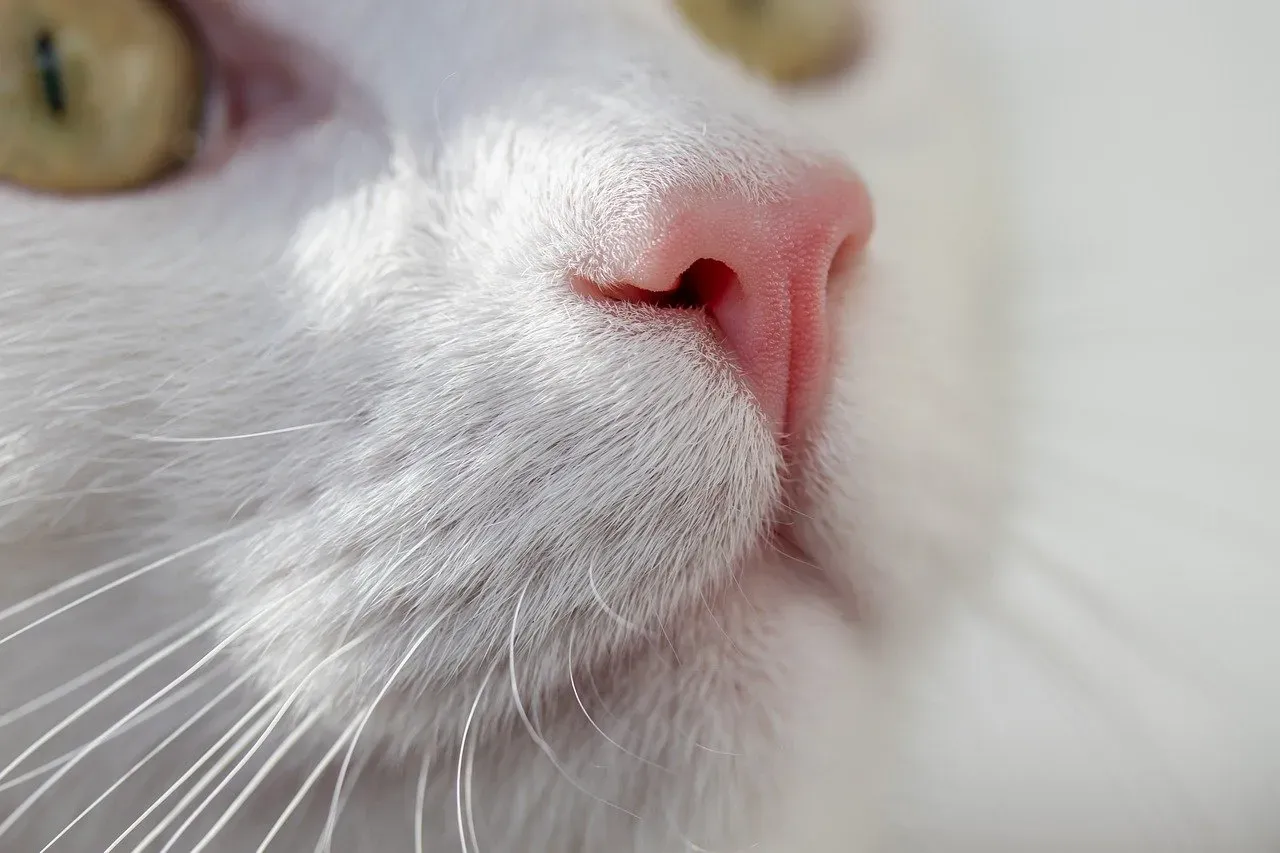
Here’s a number that should stop you in your tracks. Your cat has more than 200 million odor sensors in their nose, while you have just 5 million. Their sense of smell is 14 times better than yours. Think of it this way: if your nose were a basic flashlight, your cat’s nose would be an industrial-grade floodlight capable of illuminating an entire stadium.
Your cat’s olfactory epithelium, which is the specialized tissue in the nose containing the receptors that detect odors, is five to ten times larger than a human’s. That sheer biological surface area alone tells you something profound about the priority your cat’s body places on smell above every other sense. Honestly, smell isn’t just one of your cat’s senses. It is their primary lens on the entire world.
The Dual Scent System: A Nose Within a Nose
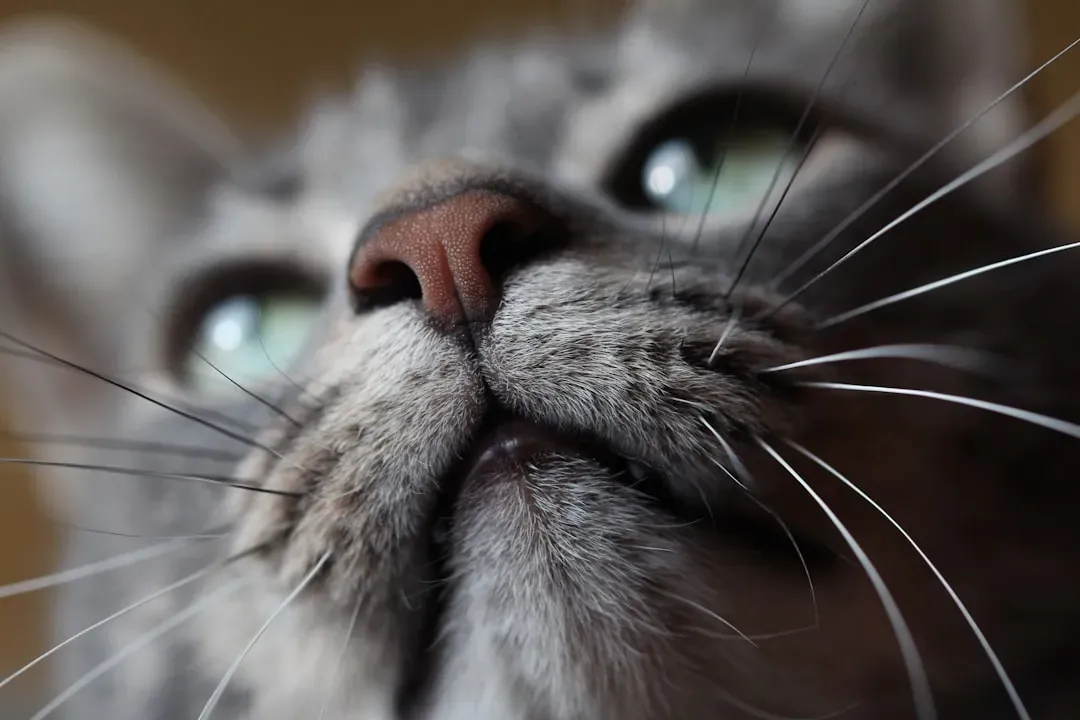
Your cat has two mechanisms for detecting odors in their environment. They have the normal olfactory receptors that you also have, but they also have an extra organ called the vomeronasal organ, which sits on the roof of the mouth. This organ allows your cat to detect pheromones released by other cats and is extremely useful in helping them gather information about others in their world, including you.
Your cat has a second “nose” called the Jacobson’s organ, located in the soft tissues of the nasal septum just above the hard palate. The visible bump just behind the upper canines is its entrance. Tiny ducts in the palate deliver scent molecules to this organ through the mouth, not the nasal passages. So when your cat seems to be “tasting the air,” they are not being weird. They are running a full diagnostic on the invisible chemical world around them.
The Flehmen Response: That Strange, Hilarious Face Your Cat Makes
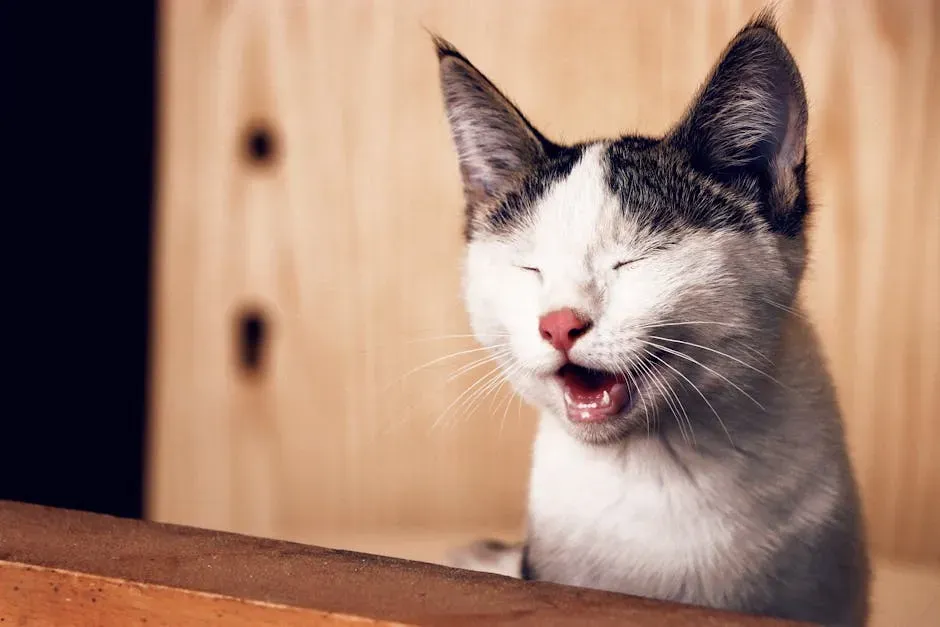
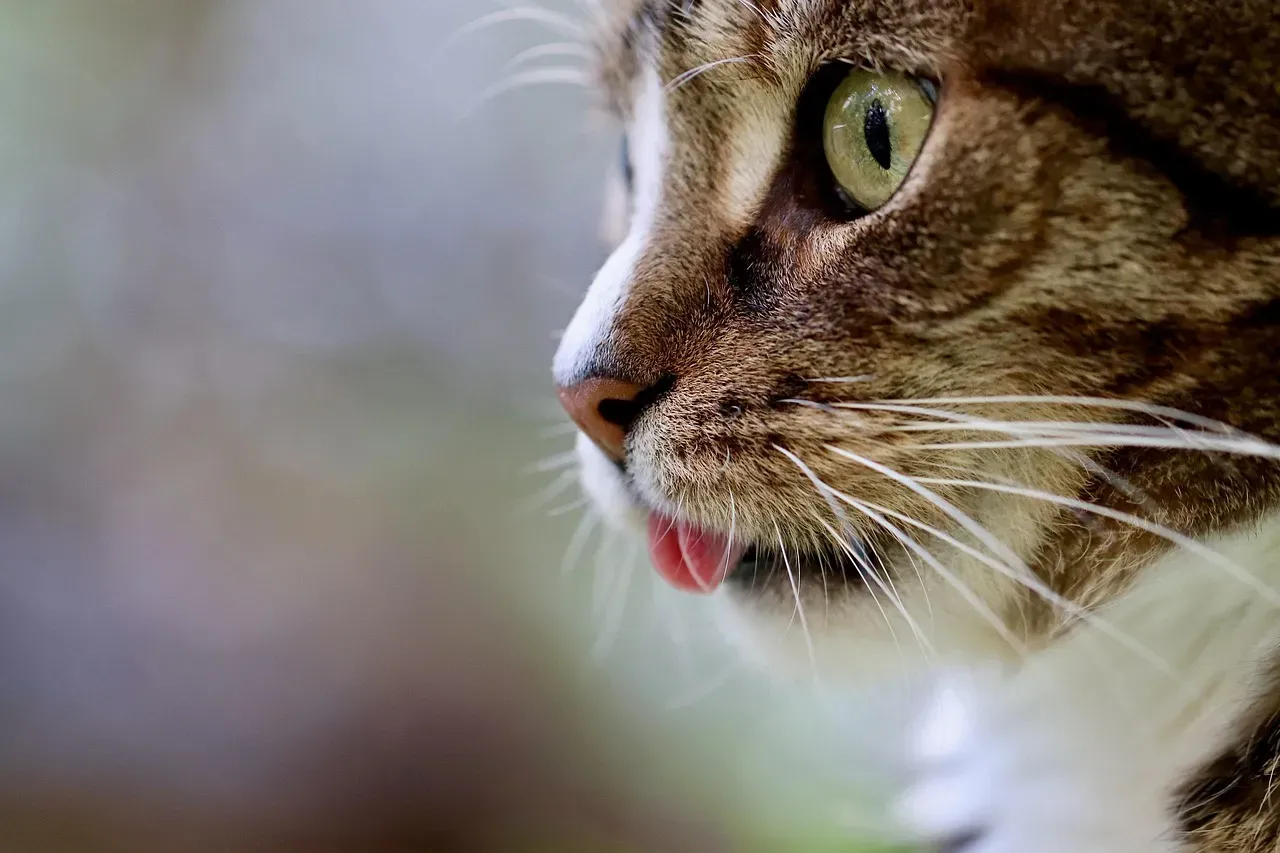
You’ve probably seen it. Your cat catches a smell, freezes, and then pulls back their upper lip into what can only be described as the most dramatic grimace in the animal kingdom. There’s actually a brilliant science behind that face. This phenomenon is seen when cats curl up their upper lips, expose their front teeth, and inhale with nostrils usually closed. This allows air to pass through their vomeronasal organ, an accessory olfactory organ at the base of the nasal cavity. The vomeronasal organ processes the pheromones and hormones secreted by other animals as a sensation that is a combination of taste and smell.
This process, often accompanied by the flehmen response, helps your cat analyze scents for information about their environment, including food and potential mates. This ability to “taste-smell” is particularly important for identifying pheromones, which play a vital role in communication, social interactions, and territorial marking. Next time your cat makes that face at your laundry pile, just know they are performing the feline equivalent of reading a very detailed newspaper.
How Your Cat Uses Smell to Build a Mental Map of the World
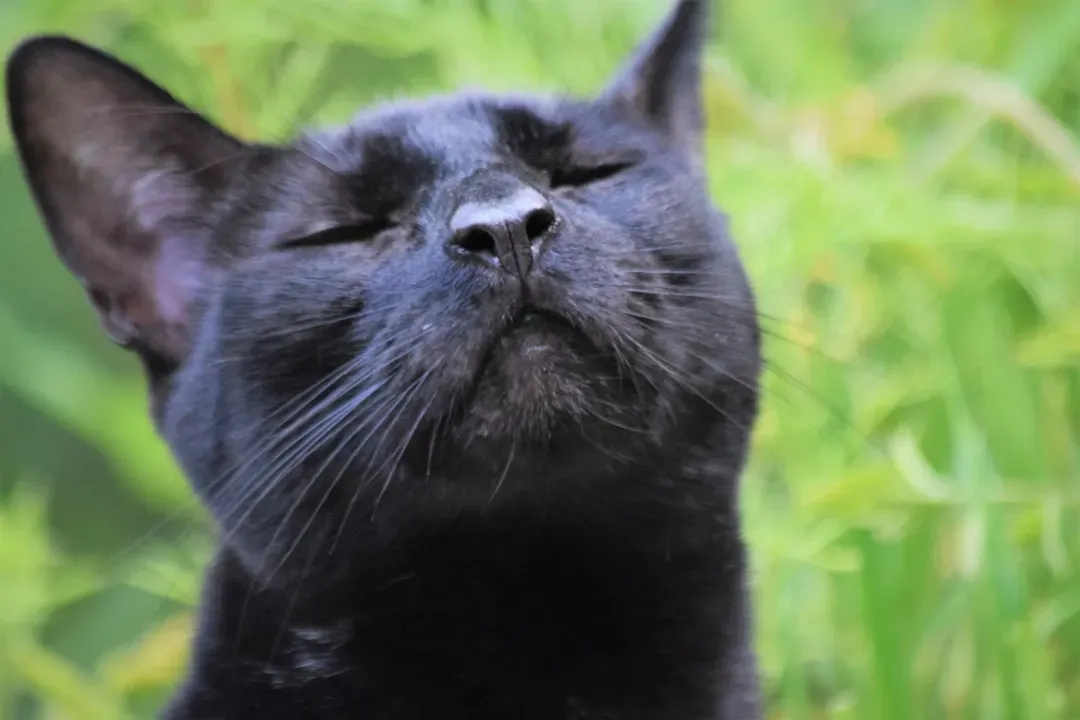
Your cat uses scent markers to create a mental map of their environment. They may rub their faces against objects to leave pheromones, which helps them recognize familiar areas. They also sniff frequently to gather information about their surroundings and to navigate spaces, especially in low visibility conditions. Think of it like a constantly updated GPS system, except it runs entirely on scent instead of satellites.
Cats use scent to map their territory, recognizing familiar areas and detecting intruders or changes such as new furniture or people. Outdoor cats rely on smell to navigate large areas, returning to familiar scent-marked locations. This is why a rearranged living room can briefly throw your cat off. You changed the scent map. To them, that is genuinely disorienting.
Scent Marking: Your Cat’s Way of Signing Their Name Everywhere
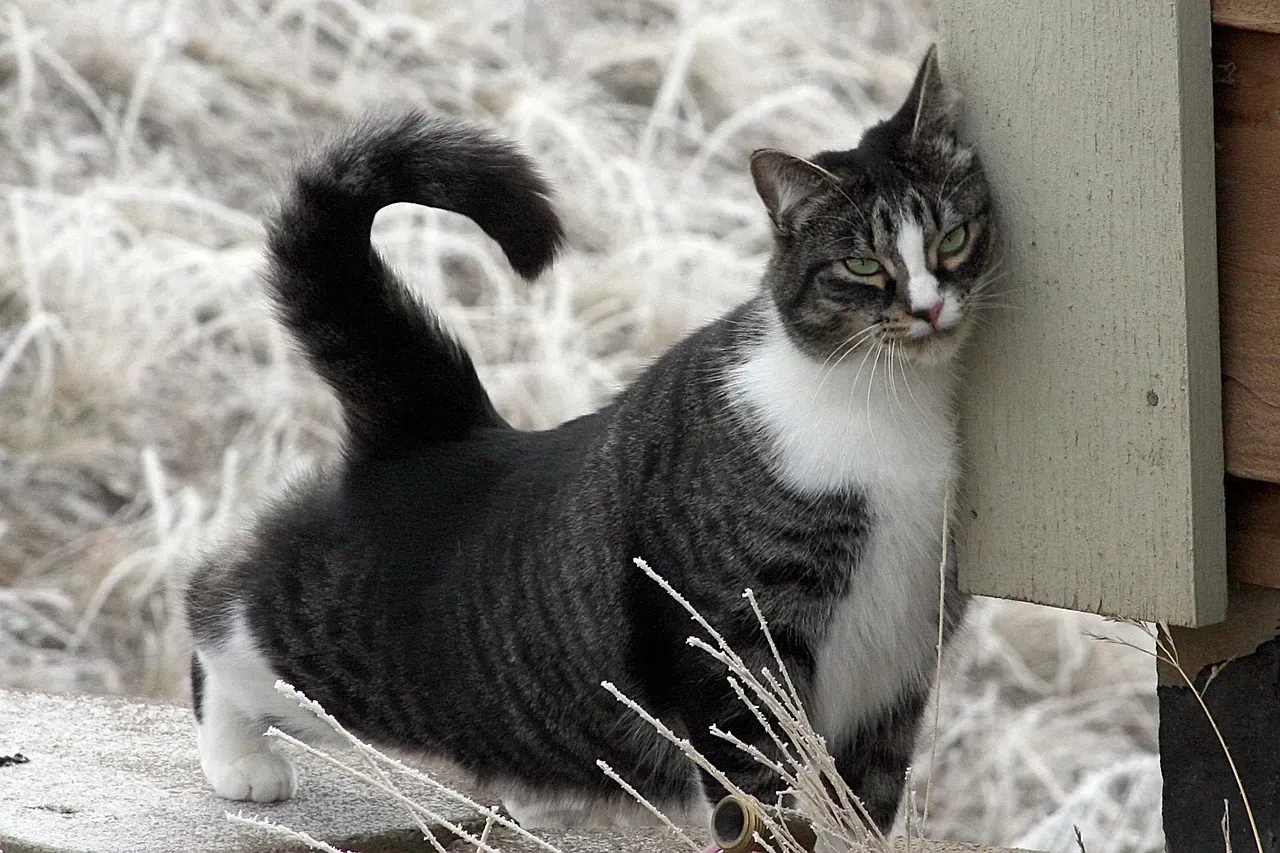
Your cat has scent glands along their cheeks, foreheads, lips, and bodies, especially near the tail. When they rub against you or objects, they use these glands to actively spread their scent and pheromones to mark their territory. Often, when a cat rubs against a human or piece of furniture, they are mingling scents. This helps cats recognize familiar individuals and environments, establish social bonds, and feel comfortable within their home.
Your cat can identify the gender of another cat by sensing pheromones in urine. They spread their individual scents with their paws and by bunting, which means rubbing their head on objects, including you. Bunting identifies you as safe territory for other family members. They carry their scent between their paw pads and mark territory by scratching. Let’s be real: every time your cat headbutts you affectionately, they are also claiming you. You are, according to your cat’s nose, their property.
Your Cat Knows You by Scent Alone
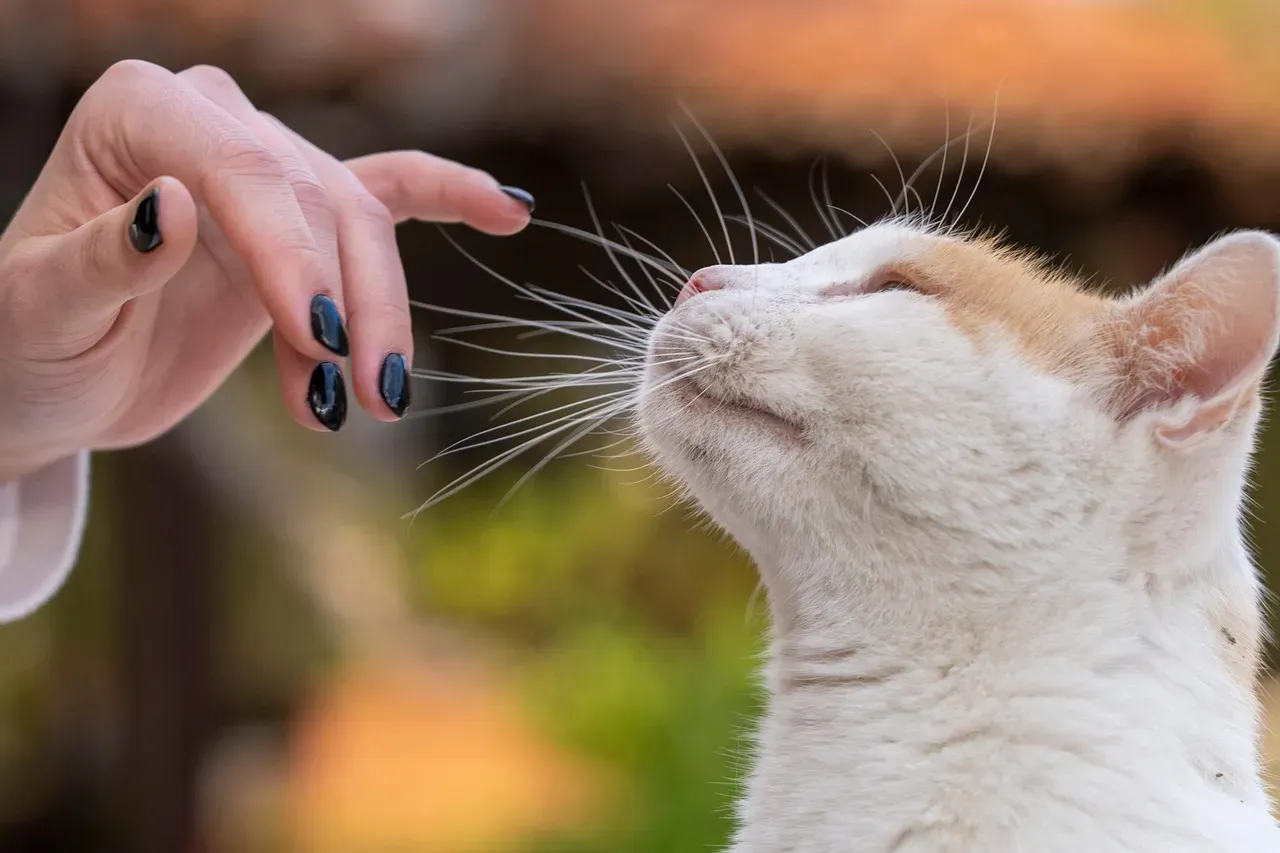
In a groundbreaking study published in the open-access journal PLOS One on May 28, 2025, researchers from Tokyo University of Agriculture uncovered compelling evidence that domestic cats possess the ability to distinguish between familiar and unfamiliar humans purely through olfactory cues. This is remarkable when you consider that we often assume cats don’t care much about who we are.
Analysis revealed a strikingly consistent pattern: cats spent significantly longer sniffing an unfamiliar human’s odor than either the odor of their owner or an odorless control. This strongly suggests that cats possess a keen ability to detect and discriminate human scents, responding with heightened curiosity toward novel olfactory information. This provides direct behavioral evidence that cats recognize their owners by smell and treat strangers as intriguing anomalies in their environment.
Can Your Cat Actually Smell Your Emotions and Health?
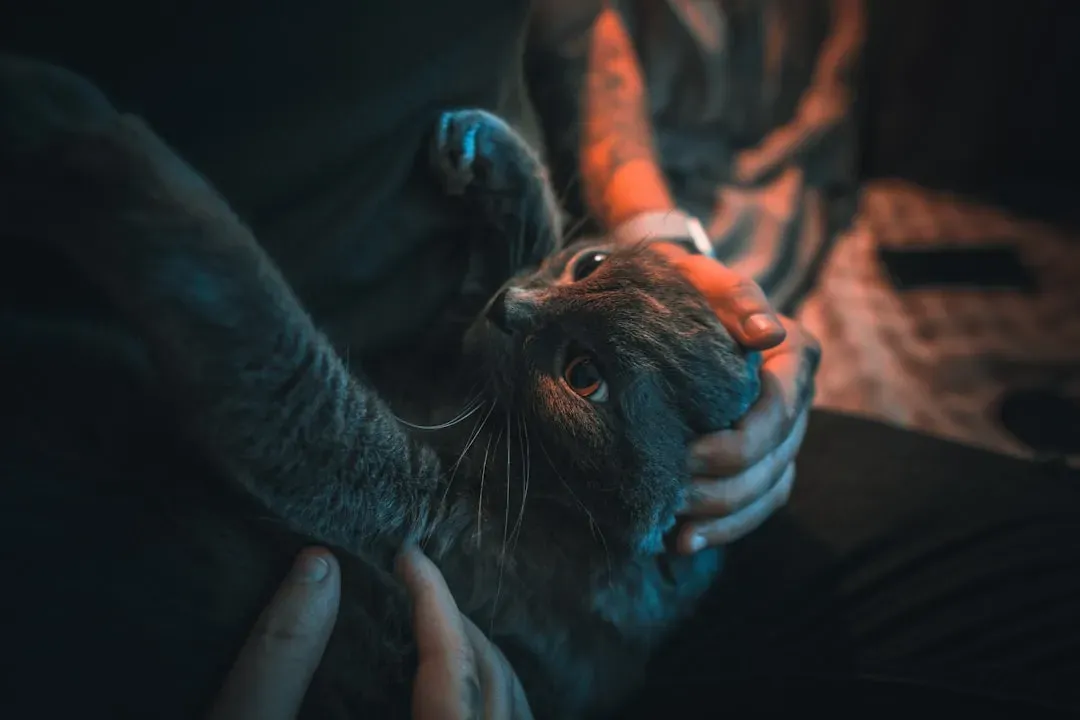
This is where it gets genuinely astonishing. Every one of us carries a unique mix of skin oils, sweat, breath, and the scents of places we’ve been. Your cat learns these complex signatures, using them to perceive you and identify whether you’re calm or stressed. It’s a bit unsettling and deeply touching at the same time, isn’t it?
Illnesses often alter the chemical composition of a person’s body odor. Your cat can detect these changes, which may include volatile organic compounds that signal the presence of disease. Research has shown that cats can identify specific illnesses through these chemical markers, although the exact mechanisms remain a topic of ongoing study. Cats have been observed reacting to their diabetic owners’ low blood sugar episodes, seeming to sense changes in scent and behavior and alerting owners to potential danger. It’s hard to say for sure where this ability ends, but it’s clearly far more developed than most people appreciate.
How Your Cat’s Nose Drives Their Hunting Instinct
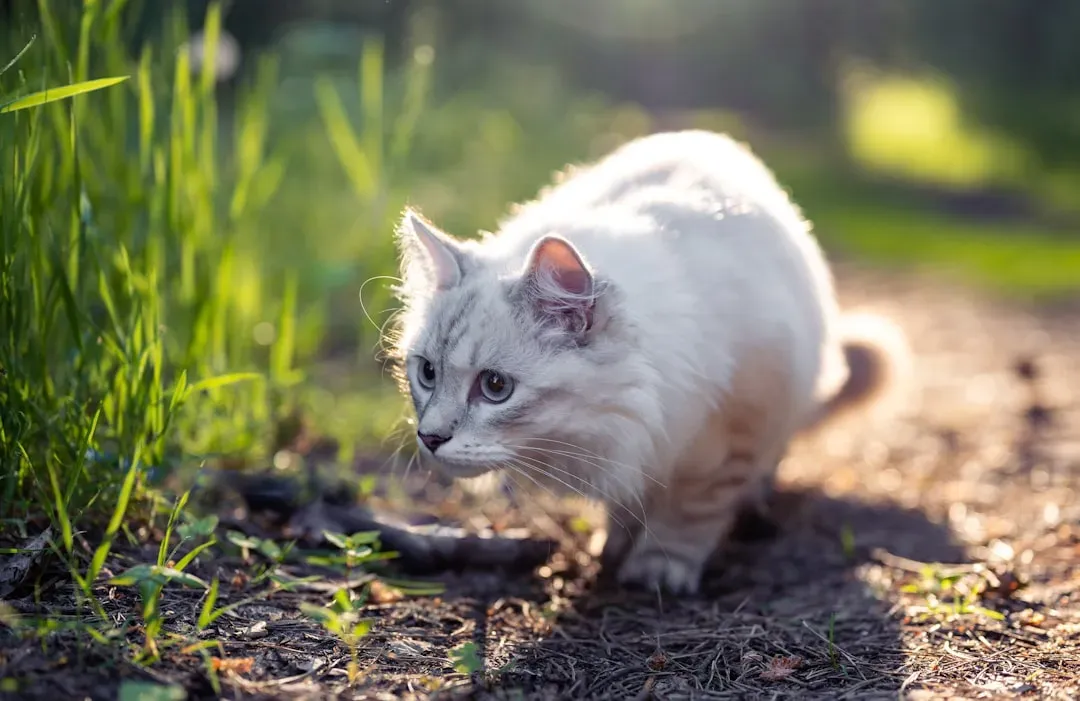
During hunting, smell is integral to locating and tracking prey. Your cat uses their nose to pick up scent trails left by animals. This olfactory input often guides them to their target even before visual contact is established. Once a scent trail is detected, their sense of hearing kicks in. By listening for subtle noises, they can pinpoint the exact location of hidden prey.
From mother-offspring bonding to hunting, mating, and exploring the surroundings, a cat’s sense of smell is their most reliable tool for picking up vital information. This powerful sense of smell is one of the best hunting tools a cat could wish for, identifying prey long before it suspects any danger. So the next time your indoor cat goes absolutely feral over a toy hidden under the sofa, remember they probably smelled it three rooms away. Their nose got there first.
What This Means for You as a Cat Owner
Understanding your cat’s nose should fundamentally change how you manage their environment. Because your cat’s sense of smell is so sensitive, it’s important to be aware of things like scented litter, other animals’ smells on you, or an unfamiliar scent in your cat’s environment such as a new piece of furniture or a house guest. These things may upset your feline friend. What smells completely neutral or pleasant to you can be genuinely overwhelming to them.
Strong, pungent odors can easily cause stress in your cat, or even serious allergic reactions that can be dangerous to health and life. Scented litters, citrus fruits, or tea tree oil can irritate sensitive noses. It’s better to choose neutral, unscented options. You can also train your cat to use their sense of smell for specific tasks or games. One popular activity is “scent games,” where you hide treats or toys scented with catnip or other enticing smells around your home, encouraging your cat to use their sense of smell to locate hidden items. This is an enrichment tool that doubles as a brilliant bond-builder.
Conclusion: Living With a Nose That Never Sleeps
Your cat isn’t just sniffing things out of idle curiosity. Every twitch of that little nose is an act of deep, rapid processing. The sense of smell is your cat’s most important of the five senses. It shapes how they feel safe, how they communicate, how they navigate, how they hunt, and how deeply they know and trust you. Their nose is never truly off duty.
When you see your cat pausing to sniff the air, taking in a new person with slow, deliberate inhales, or pressing their cheek against a doorframe, you are witnessing a form of perception that is richer and more intricate than anything our own noses can replicate. There is an entire invisible world running parallel to yours, and your cat is reading it fluently, every single day.
Next time your cat bumps their tiny nose against your leg, remember: they already know exactly who you are, how you’re feeling, and whether you can be trusted. Not from your face or your voice, but from the quiet, complex signature your body carries through the air. Isn’t that something worth thinking about? What else might your cat be “seeing” that you never even noticed?
Kristina is a young writer from India. An arts graduate and an avid content creator, Kristina is passionate about animals and wildlife. She enjoys exploring topics related to pet care, animal behavior, conservation, and nature, combining thorough research with engaging storytelling.