You go to call your cat for dinner and there’s nothing. No meow, no padding of paws, no flick of a tail from around the corner. You check the bed, the sofa, behind the washing machine – still nothing. Every cat owner has been there, and honestly, that sinking feeling never really gets easier.
The thing is, cat hiding behavior is one of the most misunderstood aspects of feline life. Sometimes it’s completely harmless. Other times, it’s your cat’s way of waving a tiny red flag. Knowing the difference between “I just need some alone time” and “something is genuinely wrong” could make all the difference. Let’s dive in.
1. It’s Simply in Their DNA
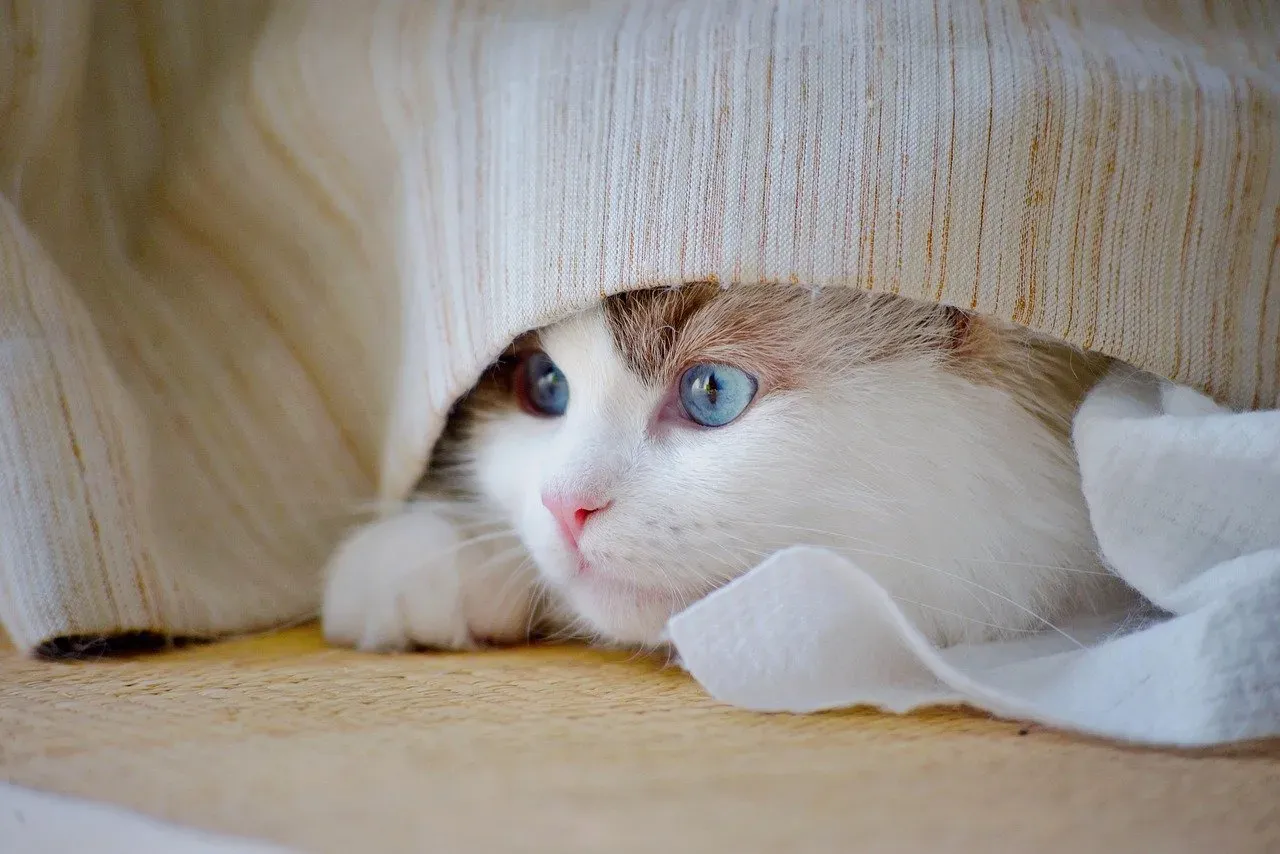
Cats are both predators and prey in the wild, which means they are instinctually driven to hide and conceal themselves – both when sneaking up on prey and when avoiding larger predators. This is not a quirk your cat developed from watching too many nature documentaries. It is ancient, hardwired behavior that no amount of cozy domestication has fully erased.
Cats are excellent survivalists, and hiding is a key tool for staying alive. At home, hiding in quiet spots can also be a stress-reducing, relaxing activity – many locations are warm, dark, and safe-feeling. Think of it like your cat’s equivalent of putting on noise-canceling headphones and disappearing into a book. Sometimes they just need that.
2. Your Home Feels Like a New and Scary World to Them
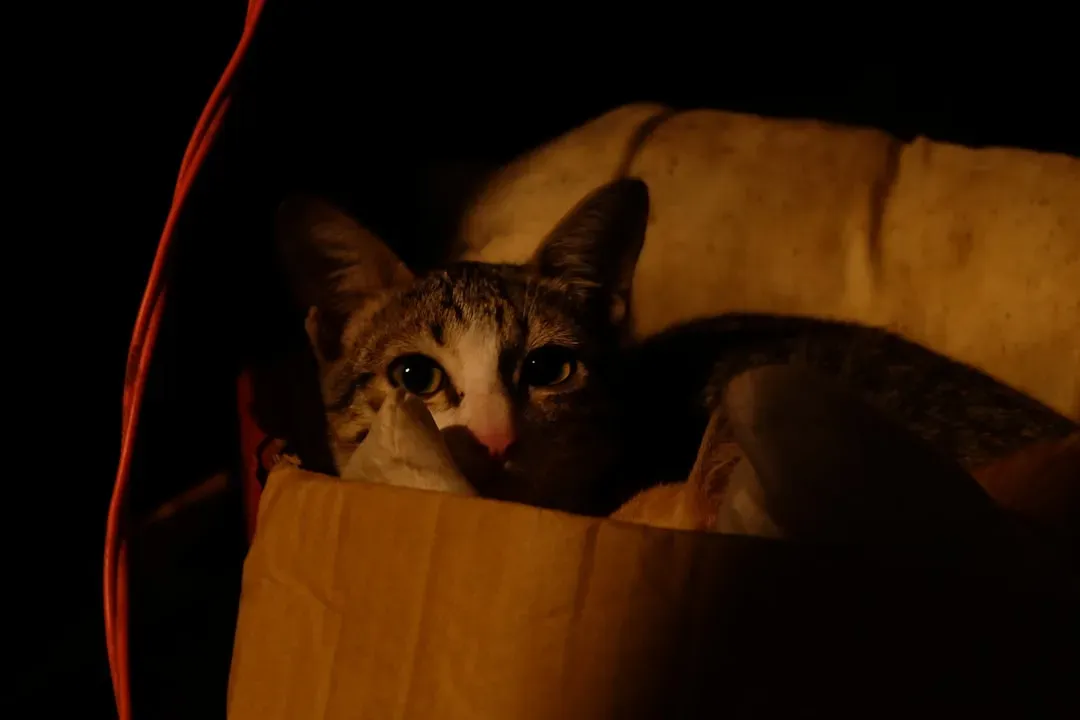
For a kitty in a new or unfamiliar environment, hiding is a completely normal reaction. If your pet is uncertain, they’ll want to hide until they’re sure they’re in a safe place without any possible threats. It’s very common to see new cats make a dash under the bed when you first bring them home. You might take it personally, but don’t. They’re not rejecting you – they’re just processing.
The most important thing with a new cat is to give them time. While some cats may be keen to explore straight away, many may choose to hide for a few hours or even longer. When you bring your cat home for the first time, it’s recommended to take them to a quiet room that has their essential items set out and let them out of the carrier there. Less foot traffic and less noise means less time hiding. It really is that simple.
3. Stress and Anxiety Are Getting the Better of Them

When cats feel anxious or vulnerable, they may spend more time away from other family members because hiding makes them feel safer. Anxiety can come from sources like recent moves, new additions to the family, the loss of a family member, or a change in the family’s routines. Honestly, it’s a little humbling when you realize your cat is more sensitive to household disruptions than most humans.
Cats are creatures of habit. Even small changes – like moving furniture, adding a new family member, or hearing a loud thunderstorm – can send your feline companion scurrying for cover. You can help by creating a quiet, cozy hideaway just for them, maintaining a regular routine for feeding and play, and using feline pheromone diffusers for calming support.
4. Loud Noises Are Sending Them Over the Edge
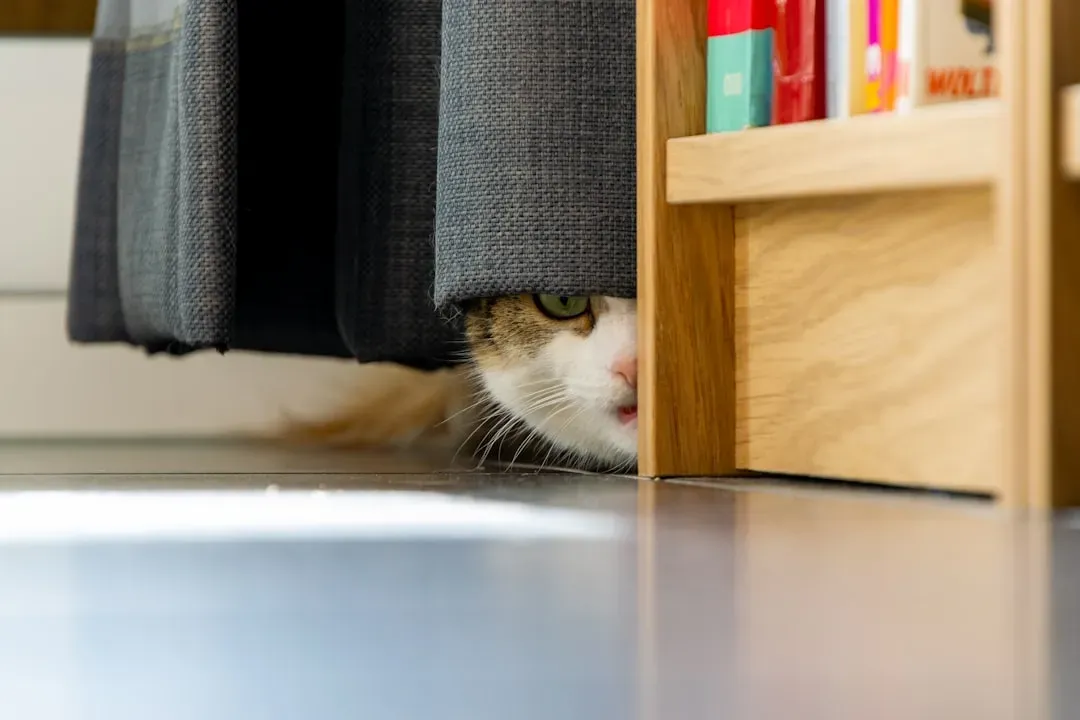
Cats have sensitive hearing, and fireworks, vacuum cleaners, and thunderstorms can drive them to hideouts faster than you can blink. It’s not dramatic – it’s physiological. A cat’s hearing range is far more sensitive than ours, so what sounds like a distant rumble to you might feel like a sonic boom to them.
Cats are naturally cautious animals, and loud or unexpected noises can send them running for cover. Common fear triggers include thunderstorms, fireworks, vacuum cleaners, or even a visit from strangers. If your cat hides in response to a specific event, try to minimize their exposure to the trigger. Over time, your cat may learn to feel more secure in these situations, especially if you provide positive reinforcement and comforting routines.
5. A New Pet or Person Has Ruffled Their Feathers
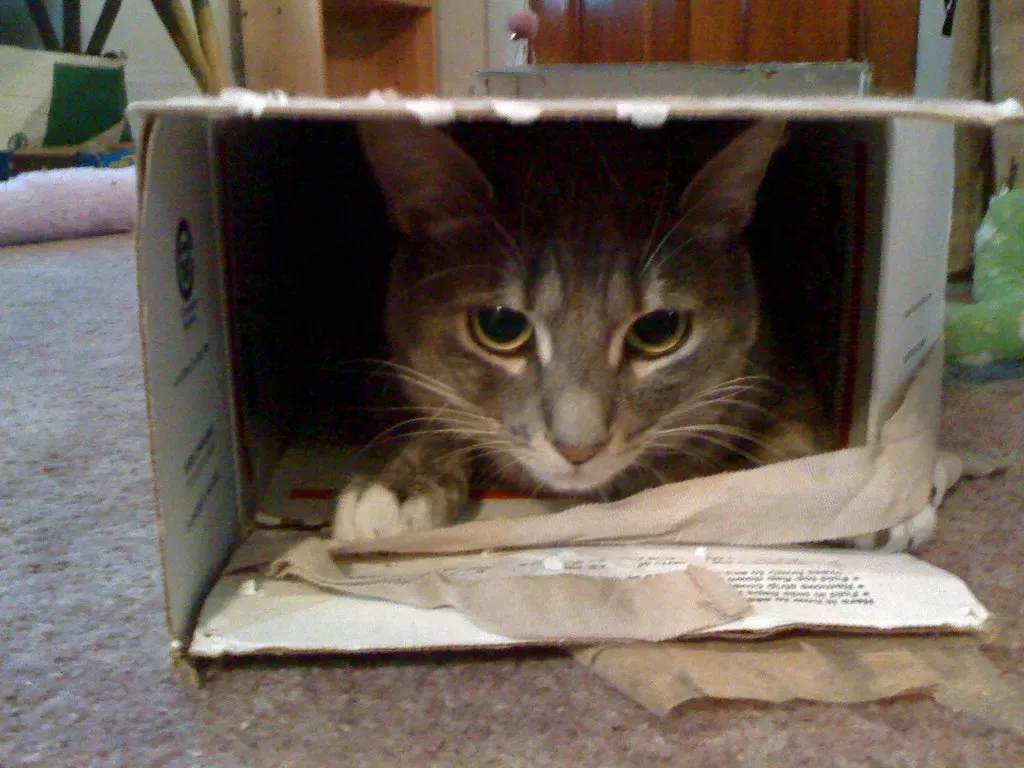
A new pup or a feisty feline roommate can lead to hiding – especially if your cat is shy or was previously an only child. If you have another cat in the house, it’s important to make sure each cat has a safe hiding place away from the other, because cats are not particularly social animals and they need their own space. Think of it less as antisocial behavior and more as a need for personal space – which, let’s be honest, is relatable.
Any change in their environment, no matter how small, can cause anxiety and send your cat seeking a safe, comfortable place. It’s not unusual for your cat to hide when you have a house guest. Usually, a few hours after the coast is clear, your cat will emerge as if nothing happened. Allow the new person and your cat to get to know each other on their own terms, and don’t force an interaction on either one of them.
6. They’re Hiding Because They’re Sick or in Pain
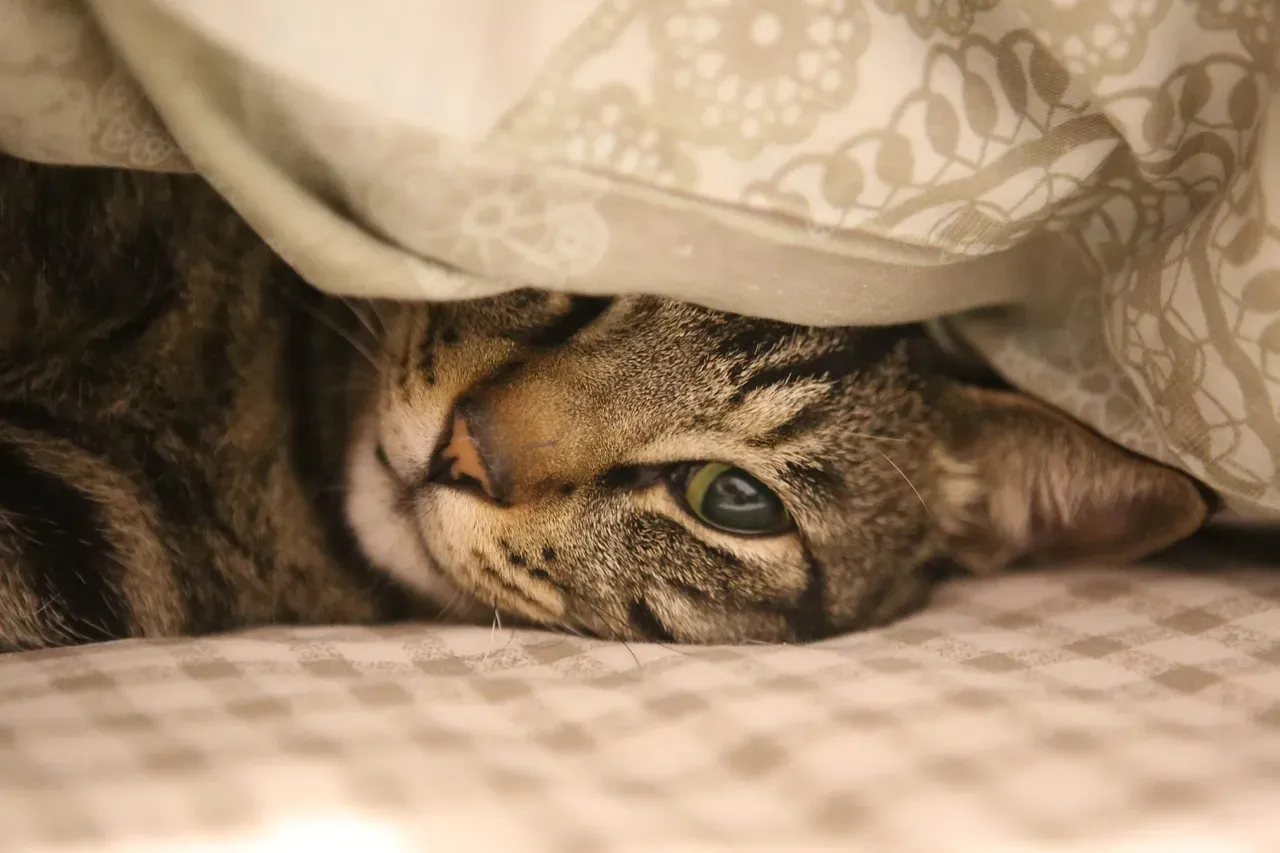
Cats are masters at hiding pain – literally. If your feline friend is suddenly hiding more often or for longer periods, they might not be feeling their best. Health issues like gastrointestinal discomfort, urinary tract infections, or dental pain can lead to withdrawal. This is the one reason on this list that you should never brush off or wait out for too long.
Staying out of sight is a way for cats to hide any signs of weakness from potential predators. Similar to how cats may conceal physical discomfort, hiding signs of sickness is an instinctive way for them to avoid attention. Underlying health issues can send your cat under the bed for extended periods, potentially causing their health to decline while their condition goes unaddressed. Take note of any behaviors accompanying the hiding, such as lethargy, loss of appetite, vomiting, or sleeping more than usual. If you notice these symptoms, contact your veterinarian.
7. They’re Pregnant and Searching for a Safe Nest
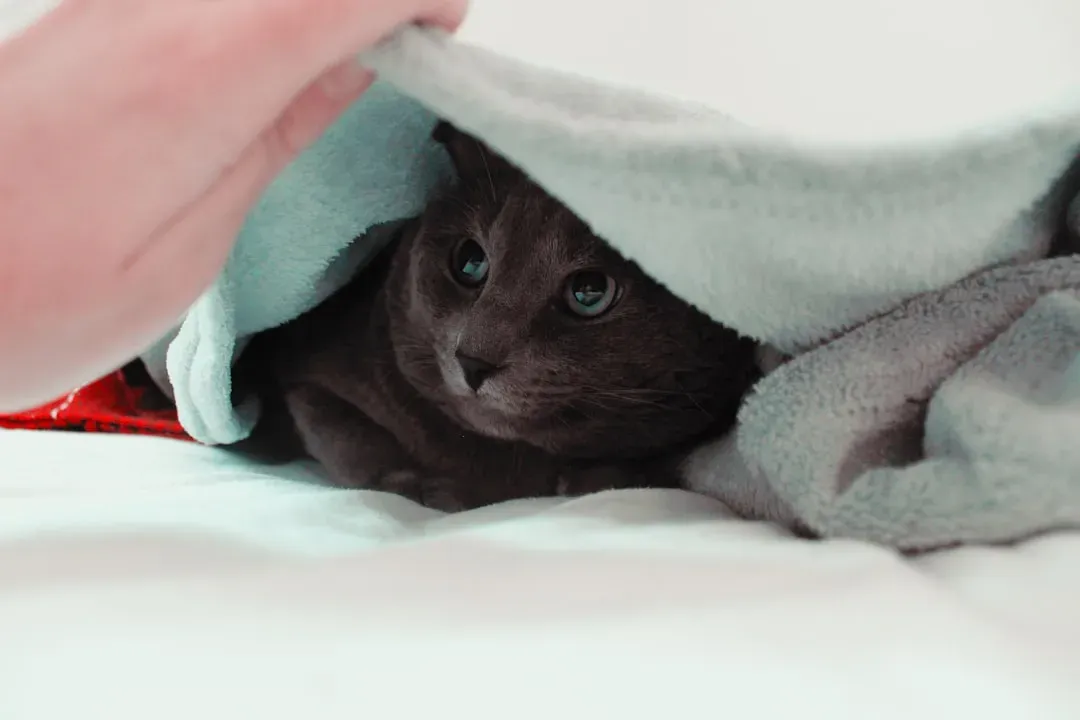
If you have an intact female cat who has not yet been spayed, there’s a chance she could be hiding because she’s expecting kittens. It’s worth considering whether your cat might be pregnant while you work to figure out the cause of her hiding. Pregnant cats tend to hide because they are trying to find a safe, secure place to give birth. It’s instinct, not distrust in you.
Pregnant cats may hide as they are trying to find a safe and secure place to give birth. You can help by providing several comfy boxes or nests placed in different areas around the house so she has a few areas to choose from. Choose places that are safe, private, quiet, and warm. Show your cat where they are and hopefully she will choose one of them rather than hiding somewhere less accessible. A little proactive nesting setup goes a long way.
8. Old Age and Cognitive Changes Are Playing a Role
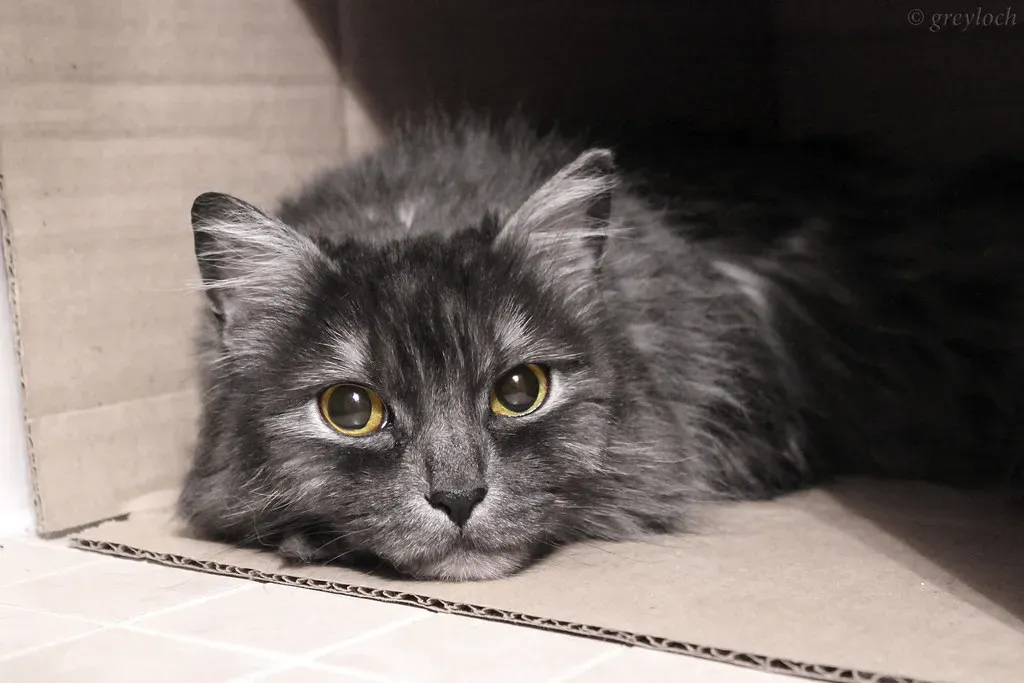
Senior cats often exhibit new behaviors, and hiding is one of them. Your older feline companion might be dealing with cognitive dysfunction or simply feel more vulnerable as they age. Reaching old age can contribute to an increase in hiding behaviors. If your cat is a senior and has started hiding more often, it may be because they know they are nearing the end of life. While it can be difficult to think about, it is one possibility to keep in mind. Talk to your vet about helping make their remaining time comfortable and happy.
If you notice your kitty hiding more along with other signs like confusion, vocalizing at night, or changes in sleep patterns, it’s worth a call to your vet. All cats, irrespective of their age, benefit from having somewhere safe and secure to go when they feel the need, and an elderly cat is certainly no exception. Give them that space – they’ve more than earned it.
9. Boredom or Overstimulation Has Pushed Them to Retreat
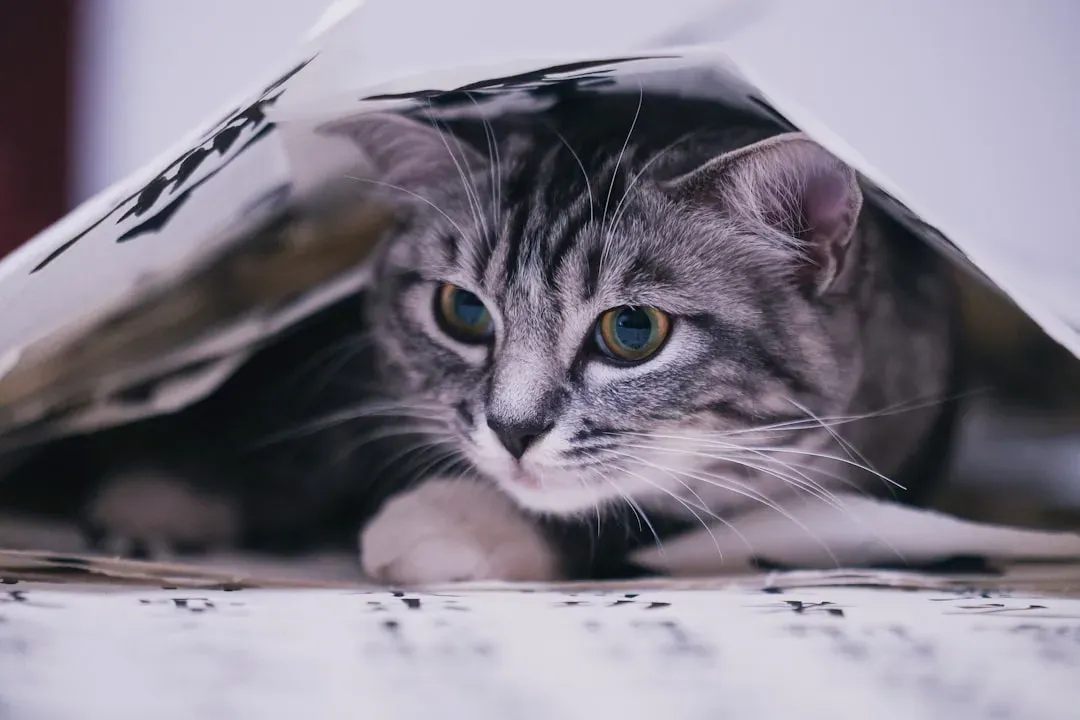
A bored cat might hide out of disinterest, while an overstimulated one might retreat to cool off. If your home is busy or your schedule is hectic, your feline may simply crave a little solitude. It’s a bit like when you go to a loud party and end up spending twenty minutes “looking for the bathroom” just to get five minutes of quiet.
Rotating toys, adding window perches, and scheduling daily playtime are all great ways to address this. Enrichment isn’t just for dogs – your feline friend truly thrives on it too. Activities like chasing a feather wand, playing with a laser pointer, or solving puzzle feeders provide both physical and mental stimulation, which can reduce boredom and the urge to hide. Stimulate their natural hunter instincts and you’d be surprised how much less your sofa cushions become a hiding bunker.
10. Past Trauma or a Naturally Shy Personality
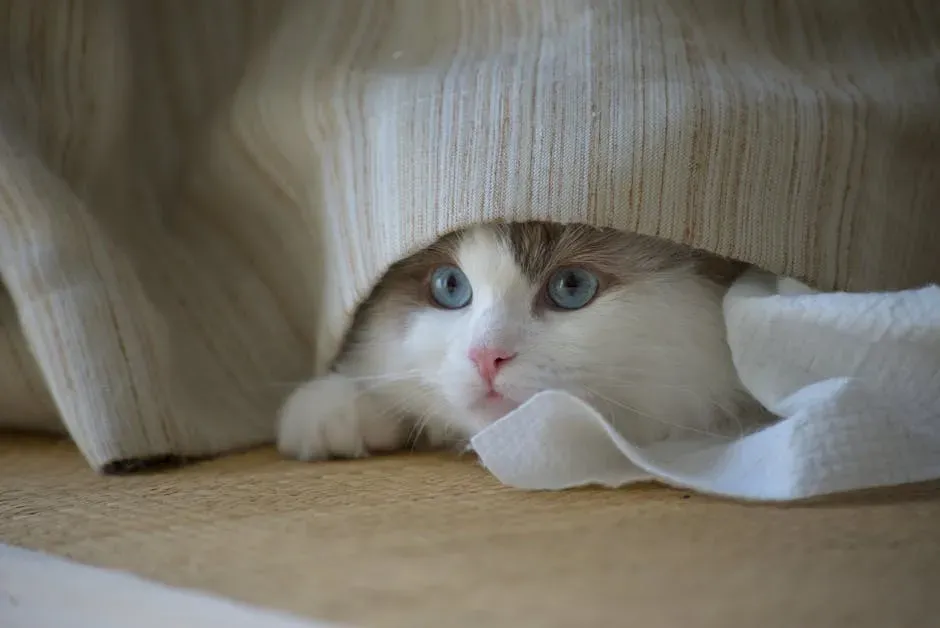
Rescue cats or those with a rough start in life often have triggers that cause fear. Even years after adoption, a loud slam or sudden movement might lead to hiding. Patience, understanding, and a gentle approach are key. I think this is the reason that breaks your heart the most, because there’s often nothing you did wrong. Their past is simply still catching up with them.
Once you have ruled out any underlying medical issues, you can let your cat make the decision to come out of hiding on their own. Forcing things can seriously damage the trust between you and your feline companion. Just make sure your cat is comfortable and has easy access to food, water, and their litter box. You can also help your cat adjust to new people by leaving an item of clothing with their scent around the house for your cat to inspect. Slow, patient trust-building is always the answer here.
Conclusion: Respect the Hide, But Know the Signs
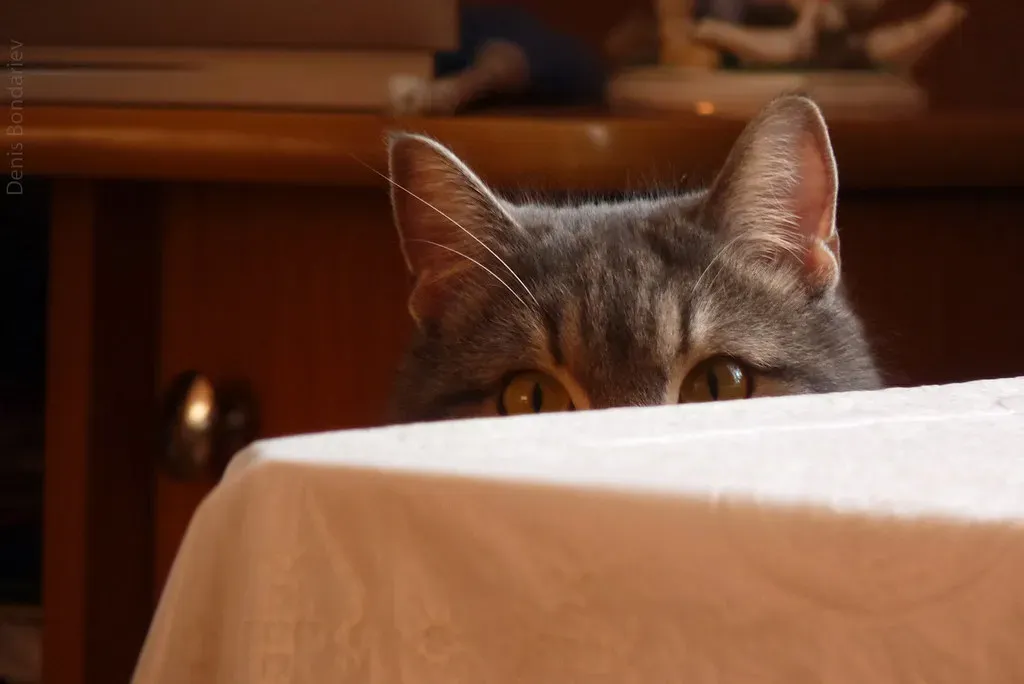
Here’s the thing – your cat hiding is not automatically a problem. Most cats include hiding as a normal, healthy activity in their repertoire of feline behaviors. The key is understanding the difference between a routine retreat and a cry for help.
Cats usually hide for a reason, so it’s best to let your cat hide if they want to. Removing them from their hiding spot may actually worsen their stress and make them want to hide for even longer. Patience is the most powerful tool in your whole cat-parenting kit. Know when to step back and when to step up and book that vet appointment.
Your cat isn’t being difficult. They’re just being a cat. The fact that you’re even reading this tells you everything about the kind of pet parent you already are. So – did any of these reasons surprise you? Drop a comment and let us know which one hit closest to home.
Kristina is a young writer from India. An arts graduate and an avid content creator, Kristina is passionate about animals and wildlife. She enjoys exploring topics related to pet care, animal behavior, conservation, and nature, combining thorough research with engaging storytelling.