You reach out for your cat, ready to scoop them up and smother them with affection, and in a split second they vanish like a ghost. Sound familiar? If you live with a feline who seems allergic to your hugs, you are definitely not alone – and the answer is probably not what you think.
There’s a lot going on beneath that soft fur and those blinking eyes. Cats are complex, emotional, and surprisingly communicative creatures, and when they dodge your cuddles, they’re almost always trying to tell you something. Whether it’s about their health, their history, or simply who they are as individuals, the reason is always there. You just need to know where to look. Let’s dive in.
1. Your Cat’s Personality Simply Wired Them That Way
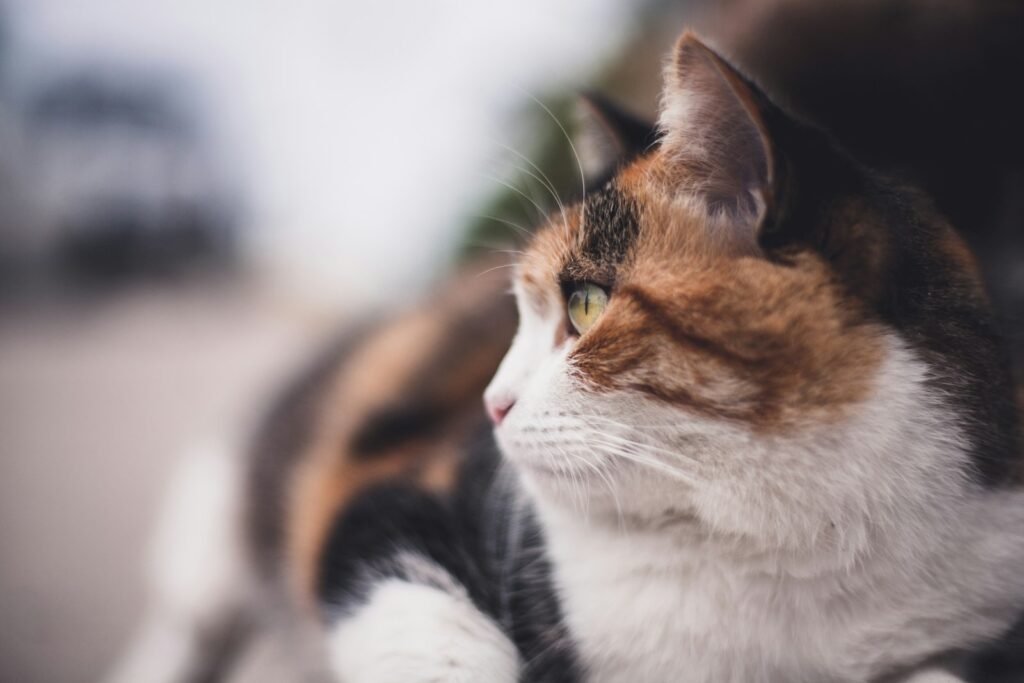
Here’s the thing – not every cat is built to be a lap-warmer, and that’s perfectly okay. Your cat’s lifestyle and home environment may influence how cuddly they are, and outdoor cats in particular have been hypothesized to have less cuddly natures, possibly because indoor cats need more stimulation from their owners, or maybe some cats are just more independent by nature. Think of it like this: some people are huggers, and some are firmly in the “I’ll wave from across the room” camp. Cats are exactly the same way.
Individual cats vary widely in affection levels depending on factors such as their socialization as kittens or whether they have been neutered. Some breeds are exceptionally affectionate, like Ragdolls, while others may not be very affectionate at all. Just because your cat belongs to a certain breed doesn’t necessarily mean they will be exceptionally affectionate. So if you’re expecting your tabby to behave like a Ragdoll, you might be setting yourself up for heartbreak. Respecting who your cat actually is, rather than who you wish they were, is the first and most important step.
2. They Weren’t Socialized Enough During Kittenhood
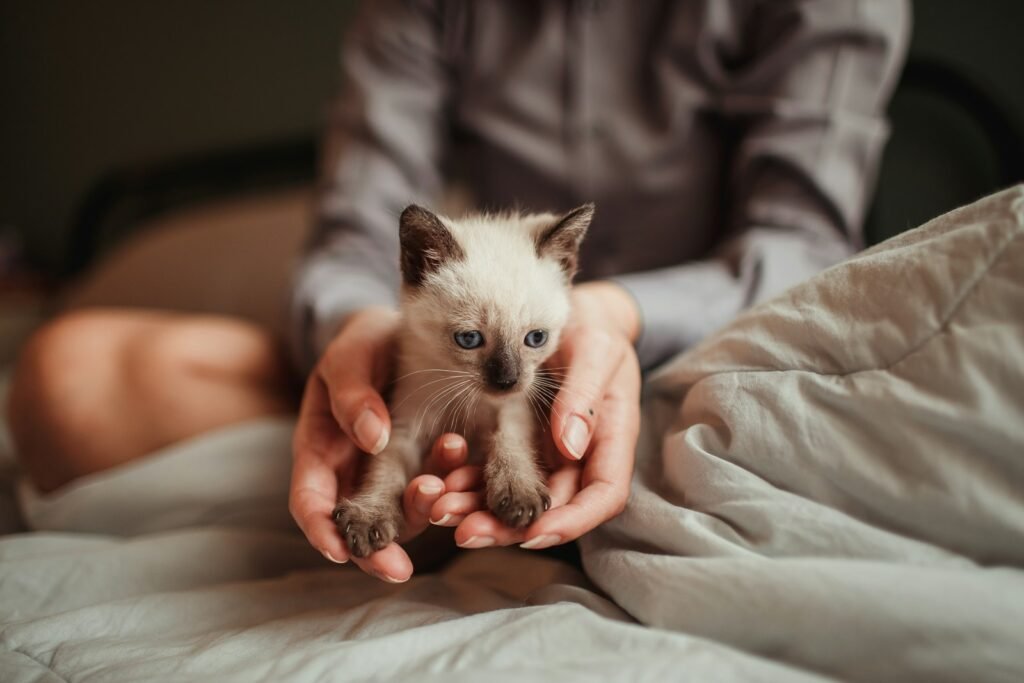
Cuddly cats are usually those that were introduced to human affection and interaction at an early age, and the biggest factor in whether or not a cat will enjoy cuddling is whether or not they were socialized as a kitten. That window matters enormously. It’s a bit like learning a language – the earlier you start, the more naturally it sticks.
Kittens must be regularly and gently exposed to human affection and interaction in their first four months of life in order for it to truly take. This is why bottle-baby cats, those rescued in their first couple of weeks and bottle-fed by humans, tend to be more cuddly and needy as they get older, because humans were their mom and that is how they were brought up. If your cat missed that early window, it doesn’t mean they’re broken. Even cats that weren’t socialized as kittens can still become more cuddly, though they may take longer to warm up and could remain a bit more reserved or independent. Patience is your best tool here, full stop.
3. Something in Their Environment Is Causing Stress
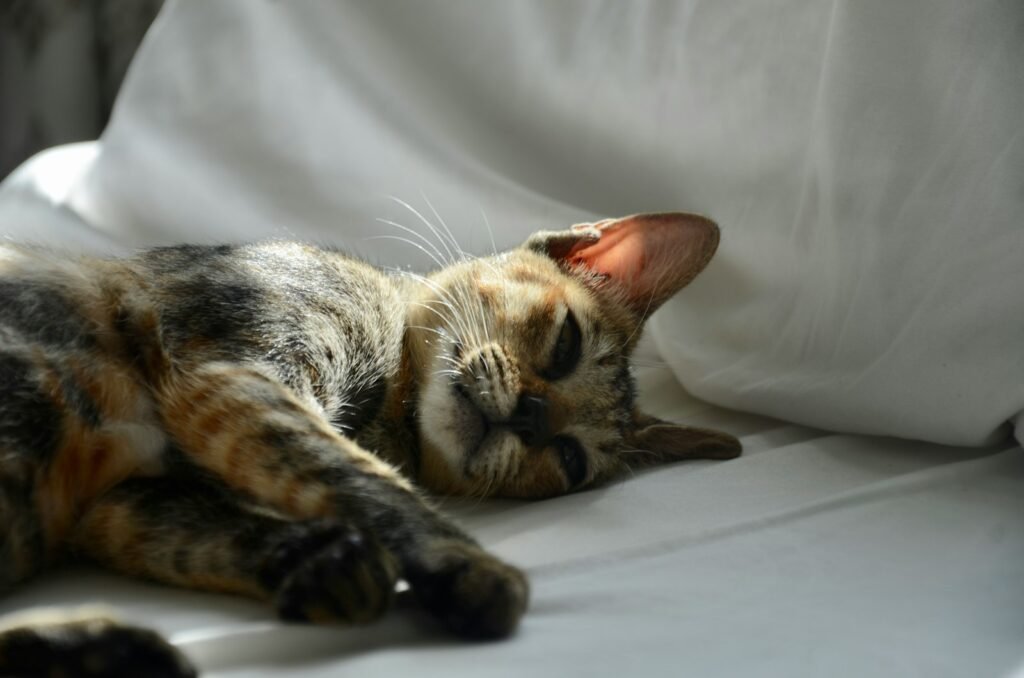
Cats are emotional sponges. Honestly, they pick up on changes in their world faster than most of us realize. Cats can experience stress due to changes in their environment, and if anything causes them stress or anxiety, they may withdraw and hide, which can make them less likely to be affectionate. A new baby, a renovation, a reshuffled piece of furniture – it can all register as a threat to a sensitive feline.
Big things can disturb your feline and make them stressed, like new pets or moving home. However, your cat may also be affected by other smaller changes, such as loud noises, a change in litter or food, or renovations in your house. A stressed cat often becomes touch-avoidant until things feel stable again. The fix here is straightforward: audit your home for recent changes, reduce unnecessary noise, and give your cat a quiet retreat space that’s entirely their own. Stability is everything to them.
4. You Might Be Unknowingly Overdoing It
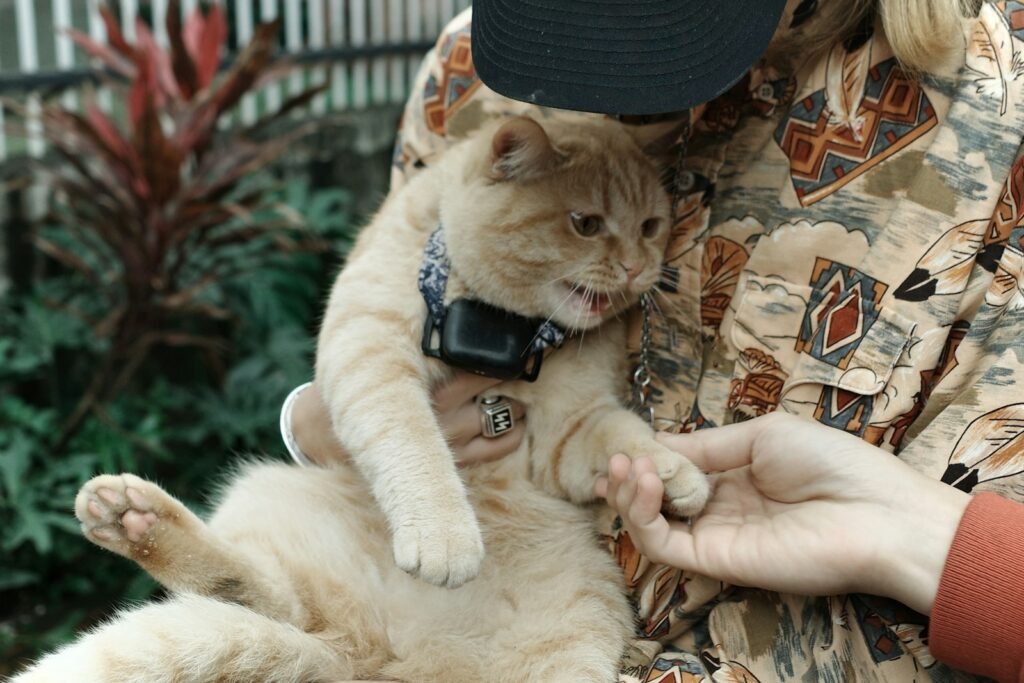
This one stings a little. You love your cat fiercely, so you pet them constantly – but there’s a real possibility that your affection is too much, too often. Cats seem to have a relatively low sensitivity threshold for patting and affection compared to dogs, and once you hit that threshold limit, it can either result in a quick bite to say “stop,” also known as petting-induced aggression, or the cat simply getting up and leaving.
It’s important to remember that just because a cat has come and curled up near you, it doesn’t mean she wants affection. She may just want to be near you without being disturbed. There’s a simple trick you can use to check: extend one finger toward your cat. If they sniff it and show indifference before continuing to walk by, it means they didn’t want affection right then. They just came over to check something out. However, if they sniff it and then start to rub their face against your hand, you know that they’re actually soliciting some affection from you. Follow their lead, and you’ll be surprised how much more they seek you out.
5. They Are Hiding Pain or an Underlying Health Issue
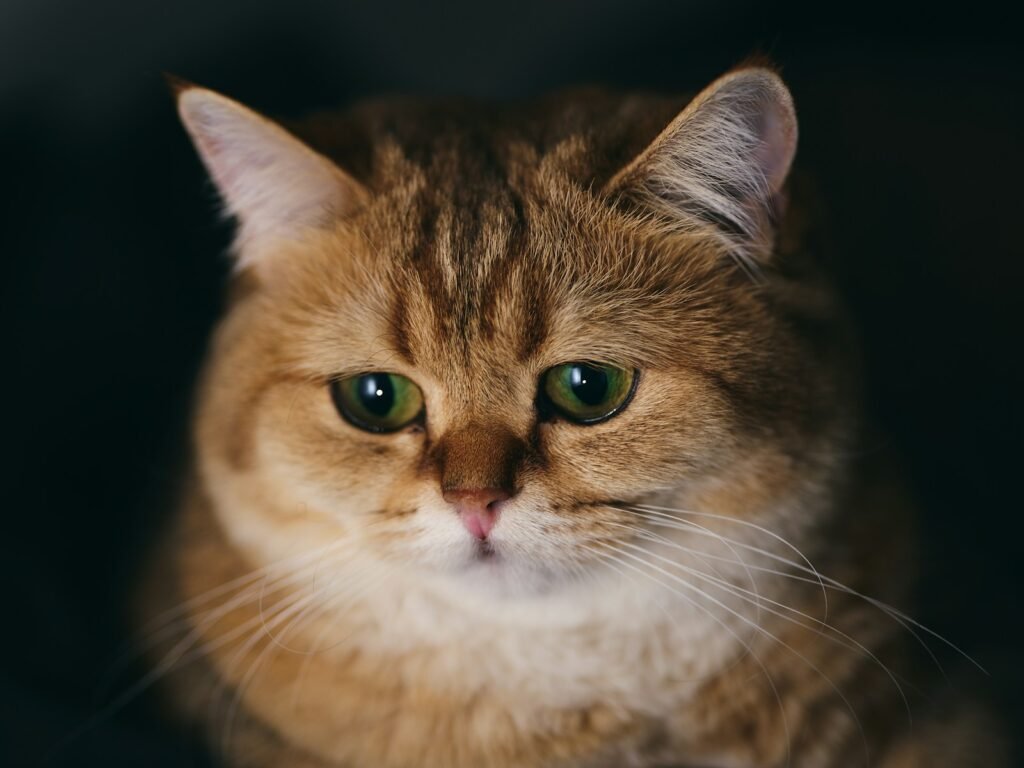
This is the one you need to take most seriously. When your cat stops hanging out with you as frequently and seemingly wants less attention or affection, it can be a little alarming. Some cats are incredibly affectionate, and when that noticeably slows down or stops, you’re left wondering what happened. Sometimes it’s nothing to worry about, but sometimes it can be an indicator of more serious health issues.
If your cat was previously very loving and suddenly won’t come near you anymore, it might be a sign of possible health issues. More often than not, it’s the result of old age, as their body starts to experience muscle pain and aches, which make pets and cuddles become uncomfortable. Pay attention to what other signs your cat may show as well, such as refusing to move from one place or stopping eating and using the litter box. If your cat used to love cuddling but no longer does, something may be wrong, and it could be a sign of arthritis or another underlying issue. Trust your instincts – you know your cat best.
6. Your Cat Is Simply Getting Older
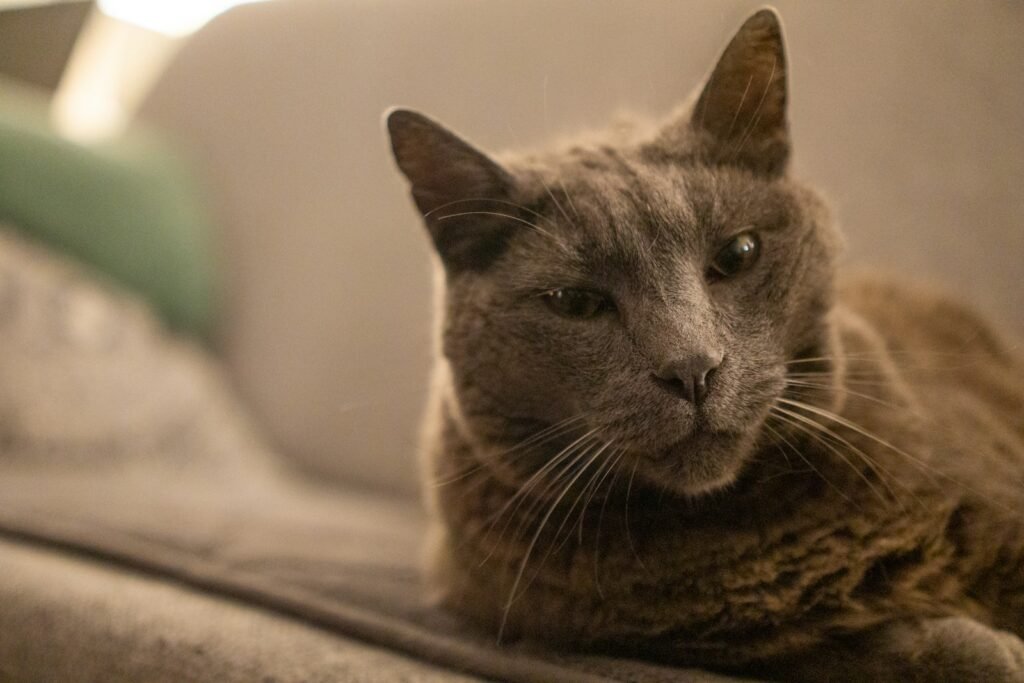
Age changes everything, including your cat’s appetite for cuddles. Your kitten may have been very cuddly, but they may not grow up to be very cuddly, and this is a normal part of their development. Often, adult cats prefer quieter, more relaxed environments, their energy levels may decrease, and they may spend more time lounging around. It’s not rejection – it’s just evolution in real time.
Older cats don’t want to be shoved off a lap or carried around by young kids. They like their world to be predictable and calm, and they might not want as much attention because they expel less energy throughout the day, favoring lying around and lounging versus playtime and cuddling. The best approach is to let your older cat come to you on their own schedule. Most older cats love nothing more than to sit with their favorite person and receive lots of love and attention, and that person is usually someone who also moves a little more carefully. Be that calm presence and they’ll gravitate toward you naturally.
7. You May Be Speaking the Wrong Love Language
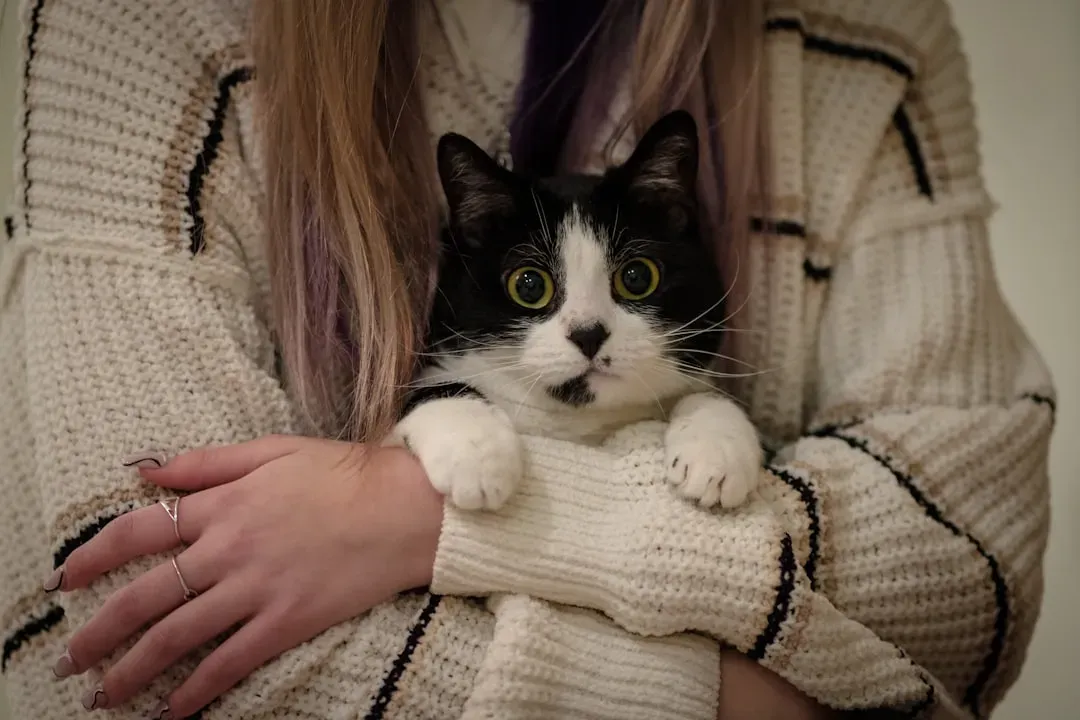
I know it sounds a little out there, but cats genuinely have their own system of communication, and when you misread it, the result is a cat that pulls away. Some humans express love with kisses, but many cats don’t understand that gesture. Instead of seeing it as affection, they may interpret a face coming close as a bit too intense or even threatening. Cats communicate love through slow blinking, gentle head bunts, and staying near the people they trust most. So if your cat pulls away when you lean in for a kiss, it’s not rejection – it’s just a different love language.
Slow blinking is one of the easiest ways to show a cat you mean no harm. It’s their quiet signal for calm, a sort of peace offering in body language form. When you meet a cat’s eyes and slowly blink, you’re saying you’re relaxed, so they can be too. Cats do this with each other when they feel safe and at ease. If the cat returns the blink, you’ve earned a little trust. It’s a small gesture that carries enormous weight in feline terms. Try it tonight – you might be genuinely amazed by the response.
8. Your Cat Has a History of Trauma or Was Previously Feral
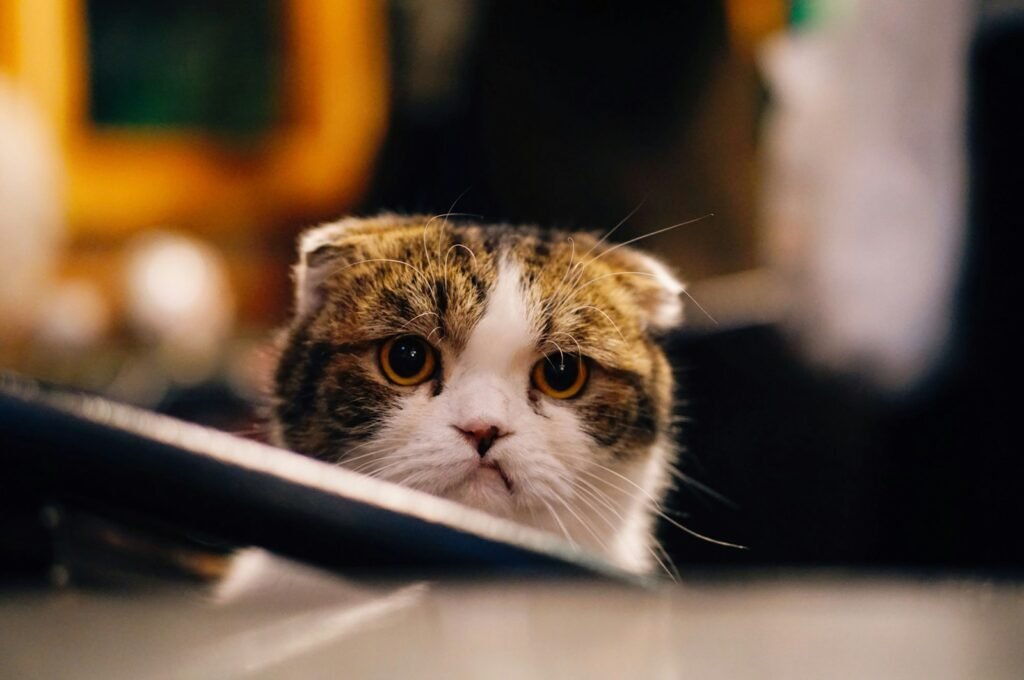
Some cats carry baggage from their past that no amount of love can quickly erase. The fact is, cats are not predisposed to seek out physical affection. They may know to seek love from their mothers when they are kittens, but not from humans. For cats who grew up feral or experienced mistreatment, human touch can feel genuinely threatening rather than comforting. It’s not personal – it’s survival instinct, deeply wired in.
Forcing your cat to be held and snuggled is not going to change their behavior. In fact, it will likely worsen any fear or mistrust that already exists. The better path is patience, consistency, and positive reinforcement. Being the source of all good things – such as food, treats, play, and brushing – can greatly enhance your relationship with your cat by creating positive associations. Cats thrive on routine and positive experiences, and when they begin to associate you with pleasure and care, it helps build trust and affection over time. Build the foundation slowly, and trust will follow at its own pace.
Final Thoughts: Your Cat Loves You More Than You Know
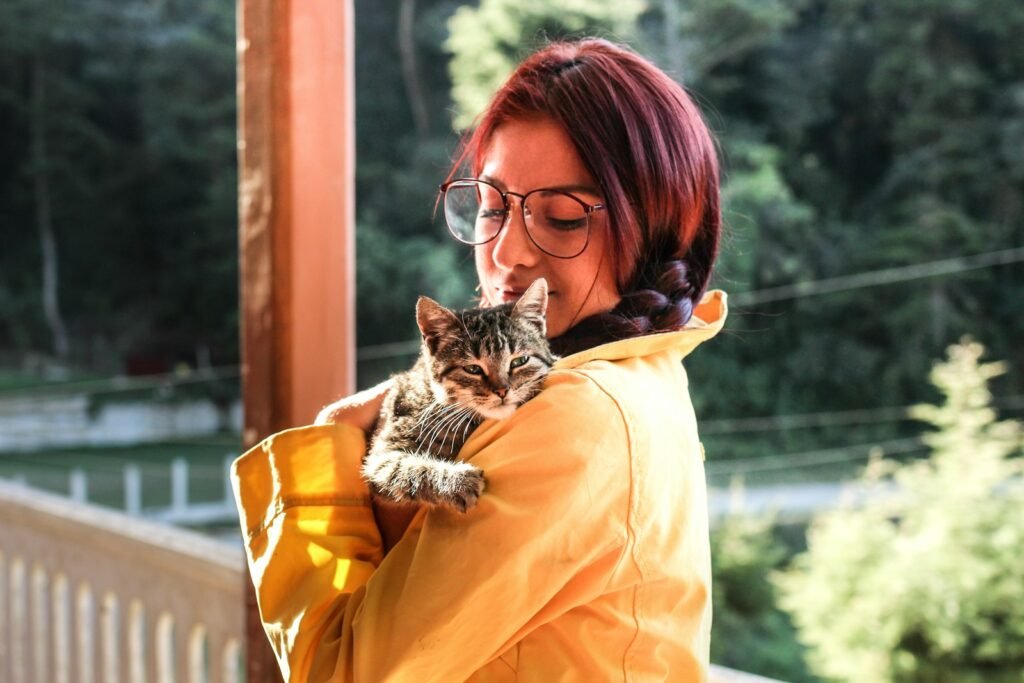
Here’s something worth holding onto: a cat that avoids your cuddles is not a cat that doesn’t love you. Cats communicate love through slow blinking, gentle head bunts, and staying near the people they trust most, so if your cat pulls away when you lean in for a kiss, it’s not rejection – it’s just a different love language. Sometimes the greatest gift you can give your cat is simply the freedom to love you on their own terms.
Interestingly, by refraining from non-solicited affection, you build trust over time and the cat begins to spend more time near you. Remember, cats show and share affection in many ways. Many cats don’t particularly love being petted without their consent, but instead show affection by simply being near you. That quiet presence beside you on the couch, the slow blink across the room, the gentle tail flick as they pass your feet – that’s love, feline style.
Take care of your cat’s health, respect their boundaries, learn their signals, and stay consistent. The cuddles may come eventually, or they may always be measured and on their schedule – and honestly, isn’t there something beautifully honest about a creature that only gives affection when it genuinely means it?
What would you change about how you interact with your cat after reading this? Let us know in the comments.
Kristina is a young writer from India. An arts graduate and an avid content creator, Kristina is passionate about animals and wildlife. She enjoys exploring topics related to pet care, animal behavior, conservation, and nature, combining thorough research with engaging storytelling.