You’ve probably called your cat’s name, watched one ear twitch ever so slightly, and then witnessed your furball go right back to staring at the wall like you don’t exist. It’s one of the most classic, slightly humbling moments in cat ownership. You know they heard you. They know you know. Yet neither of you says anything about it.
Here’s the thing though – your cat’s apparent indifference is not the same as ignorance. Beneath that gloriously unbothered exterior, science has revealed something genuinely fascinating: cats are processing far more of what they hear than most people ever give them credit for. Their ears are extraordinary machines, their brains are tuned to specific frequencies, and their emotional awareness through sound is quietly sophisticated. So let’s dive in – because what follows might change the way you talk to your cat forever.
Your Own Voice – Yes, They Know It’s You
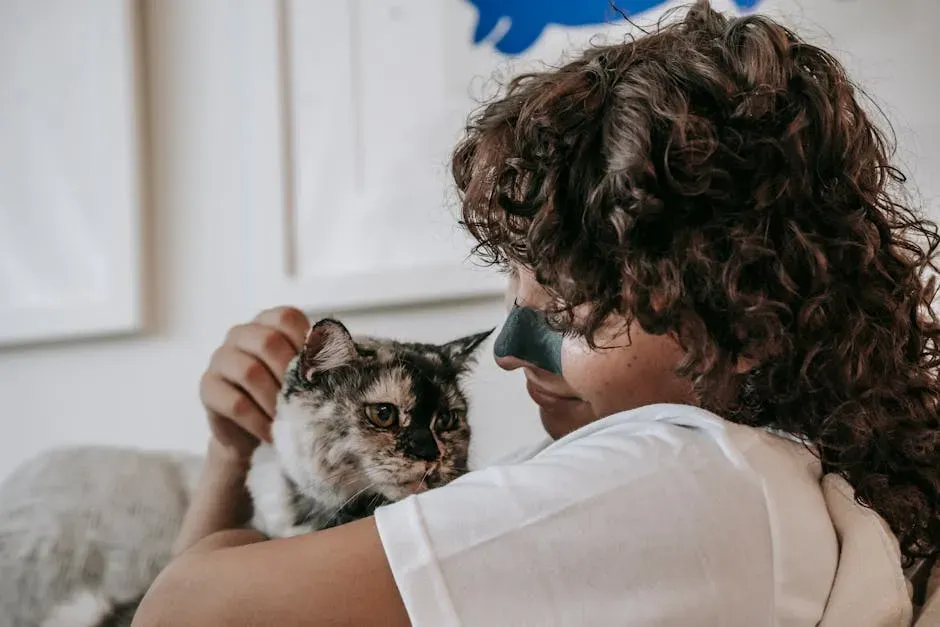
If you’ve ever secretly wondered whether your cat actually registers that you specifically are the one talking to them, the answer is a clear and satisfying yes. Research indicates that cats are able to use vocal cues alone to distinguish between humans. In other words, your cat doesn’t need to see your face to know you walked through the door and started talking.
When cats hear a familiar voice, they respond in subtle but distinct ways, such as swishing their tails, pivoting their ears, and freezing while grooming – showing no such response when owners are speaking to other people, or to strangers’ voices. That tiny ear swivel you keep noticing? It is not random. It is your cat saying, without any drama whatsoever, “I know that’s you.” This research shows that there is a special bond between cats and their owners, and that people and cats do develop their own form of communication – so even though your cat may not come running every time you call their name, they probably did hear you.
Their Own Name – They Recognize It and Choose Their Response
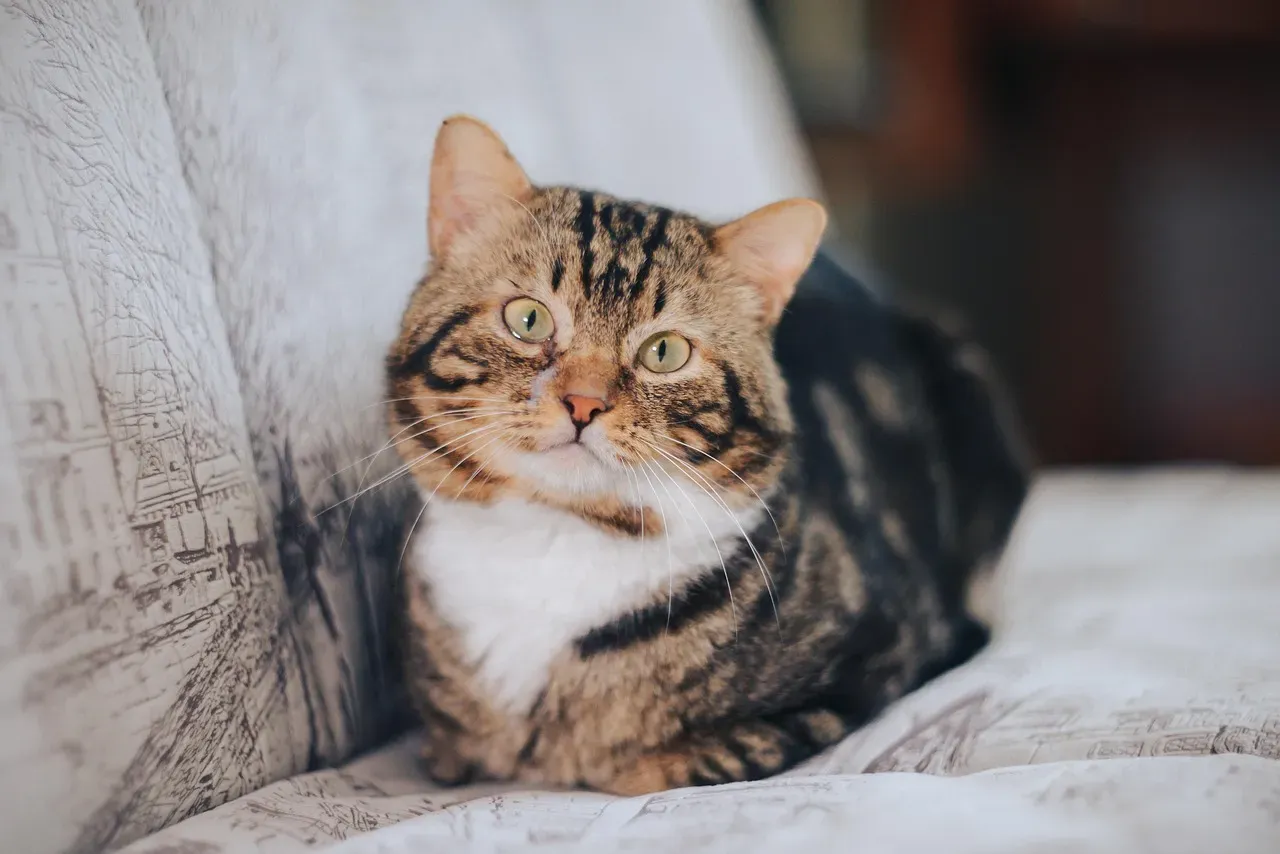
Let’s be real – anyone who has owned a cat for more than two weeks suspects the animal knows its name and simply decides whether or not to acknowledge it. Science, delightfully, backs this up. In a study, researchers were able to demonstrate that cats do recognize their names – shown by cats distinguishing human voices calling their own name from voices calling other cats’ names or other words. So next time your cat hears “Biscuit!” and slowly blinks instead of moving an inch, know that a conscious decision was made.
The authors concluded that for cats to show a response to their name being spoken, their name must mean something to them – and it is likely that they associate their name with good things like food, cuddles, and playtime, and possibly bad things like a trip to the veterinary clinic or bath time. Think of it like this: a toddler hears “bedtime” and also knows exactly what that means, yet still tries to negotiate. Your cat is doing the same mental calculus every time you call.
Baby Talk and High-Pitched Voices – The Secret Weapon
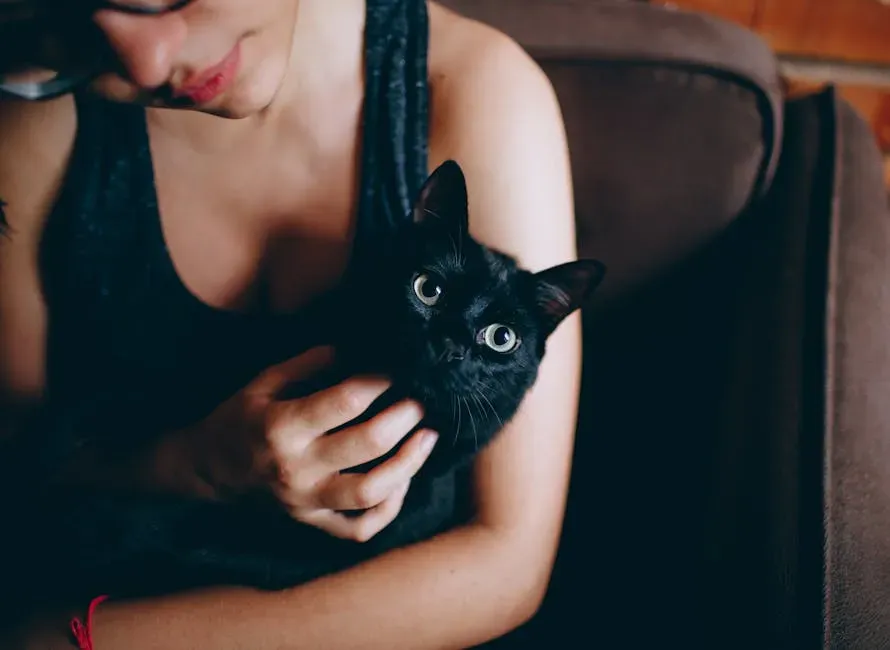
Honestly, most cat owners already do this instinctively. You walk in the door, spot your fluffy companion on the sofa, and suddenly your voice climbs two octaves. Turns out, that habit is not silly at all. Cats respond much better to high-pitched voices, especially when you use baby talk, than to lower, deeper sounds or voices – and this reaction mirrors the way humans instinctively speak to babies, using a softer, more engaging tone to capture their attention, which can create a sense of comfort and familiarity, helping to strengthen the bond between pets and their owners.
When cats heard their owner speaking in adult-directed speech, they gradually became less and less responsive, starting at an average reaction score of 13 and dropping to an average of four – but when the cat-directed speech began, the cats’ average reaction scores jumped back to 14. That is a dramatic shift. Researchers discovered that cats respond well to cat-directed speech, but only when their owners speak to them – when strangers addressed the cats using the same approach, the cats entirely ignored the speakers. The takeaway? It’s not just the pitch. It is your pitch, and your cat has tuned their whole internal radio to your exact frequency.
Emotional Tone – Cats Are Reading You Between the Lines
Your cat may not understand a single word of the argument you had on the phone this morning, but they almost certainly felt the emotional charge in your voice. Your tone of voice can convey a lot of information to your cat, even if they don’t understand the exact words you’re saying, because cats often pick up on the emotional cues in your voice, such as happiness, frustration, or sadness. It’s a bit like watching a foreign film without subtitles – you still know when someone is angry or in love just by how they sound.
Cats are surprisingly good at picking up emotional cues, and stress, anger, or excitement can all subtly change your voice – a calm, reassuring tone can help your cat feel relaxed, while tension may cause them to retreat. This emotional awareness is something many cat owners notice but rarely name. Cats do not respond to “authority” tones the way dogs might – instead, they react to emotional tone, facial expression, and consistency, which means if your cat is misbehaving, yelling or using harsh voices can increase fear or anxiety. So yes, raising your voice at your cat is genuinely counterproductive – and now you have science to back you up during that conversation.
High-Frequency Sounds and Prey Noises – Their Ancient Alarm System
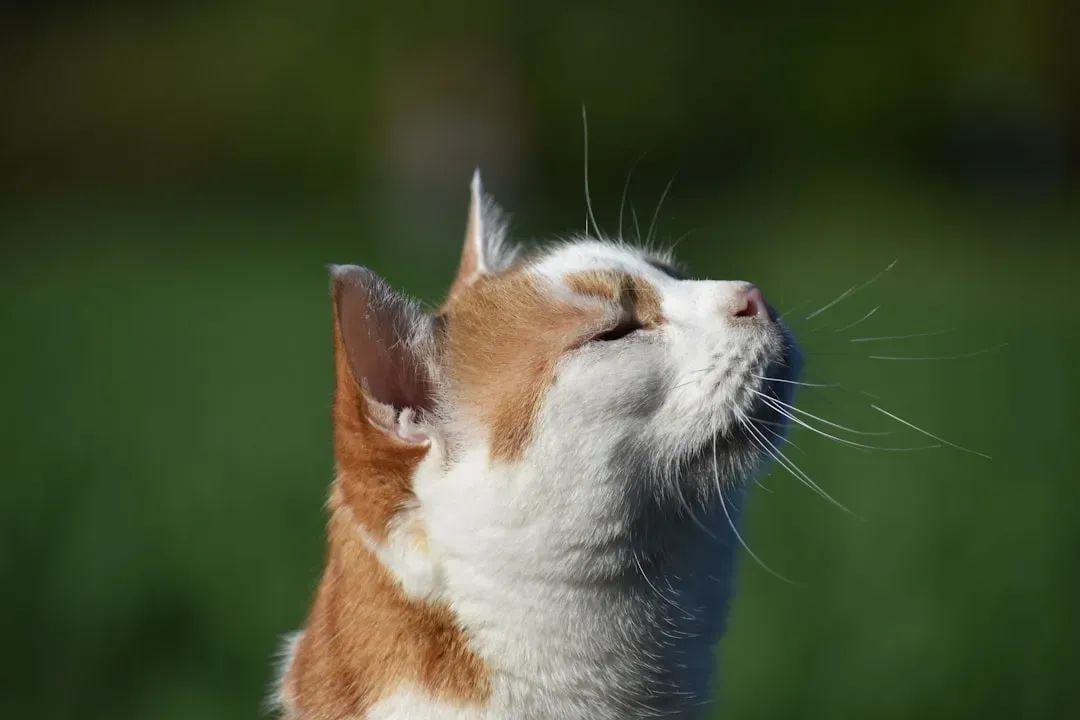
Here is where things get genuinely wild. Cats have one of the broadest ranges of hearing among mammals – while humans and cats have a similar range of hearing on the low end of the scale, cats can hear much higher-pitched sounds, up to 64 kHz, which is 1.6 octaves above the range of a human, and 1 octave above the range of a dog. To put that into perspective, humans start missing sounds around 20,000 Hz as adults, while your cat is still catching frequencies nearly three times higher than that without even trying.
Being able to hear in the ultrasonic range helps cats hunt small rodents – rats, for example, communicate using ultrasonic vocalizations at frequencies exceeding 19 to 20 kHz. This means that rustling sound you made with a plastic bag near the kitchen? Cats might respond positively to “cat-directed speech” because it mimics the higher frequencies of a kitten’s meow, and likewise, the “pspsps” sound imitates the noises of small prey, which explains why cats respond so readily to it. That little “pspsps” noise you make is essentially your cat hearing something that sounds like a tiny creature scurrying in the leaves. No wonder it works every time.
Species-Appropriate Music – Yes, Cats Have Sound Preferences
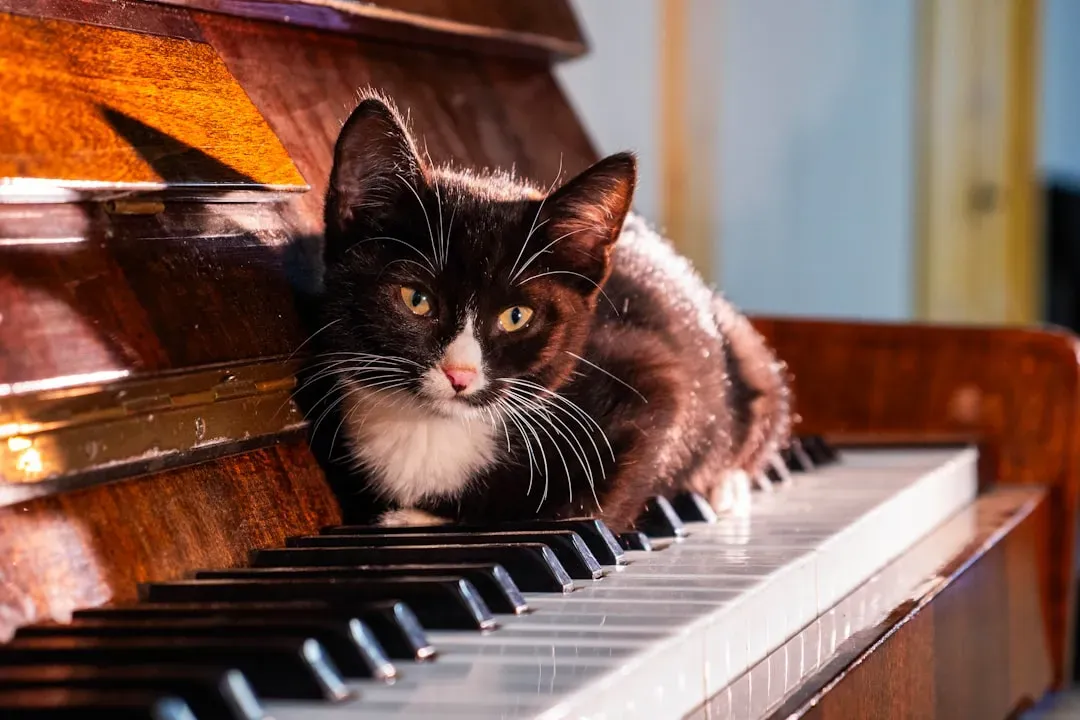
You might think your taste in music should be enough for the whole household. Your cat, however, respectfully disagrees. Most animals don’t groove to human beats, but they will respond to music that’s tailored to their hearing abilities, ongoing research shows. Scientists know that cats don’t have a preference for any particular genre of music, but music needs to be species-appropriate – meaning it needs to be within a cat’s comfort hearing range for them to enjoy it, and similar to or having the same frequency and tempo as the sounds naturally used by cats to communicate with each other.
The sound of light rain, running water, or wind blowing gently in the trees can help relax your cat and allow them to rest and sleep, because cats enjoy silence in which they can switch off their busy senses, and gentle, natural sounds have the same effect. In some settings, such as catteries, shelters, and vet clinics, playing classical music in the background can help create a calm and relaxing environment for cats. It’s a small thing, honestly. Next time your cat seems restless, try switching off the TV and playing some quiet ambient or nature sounds. You might be genuinely surprised by the result.
The Names of Other Cats and Family Members – A Hidden Social Awareness
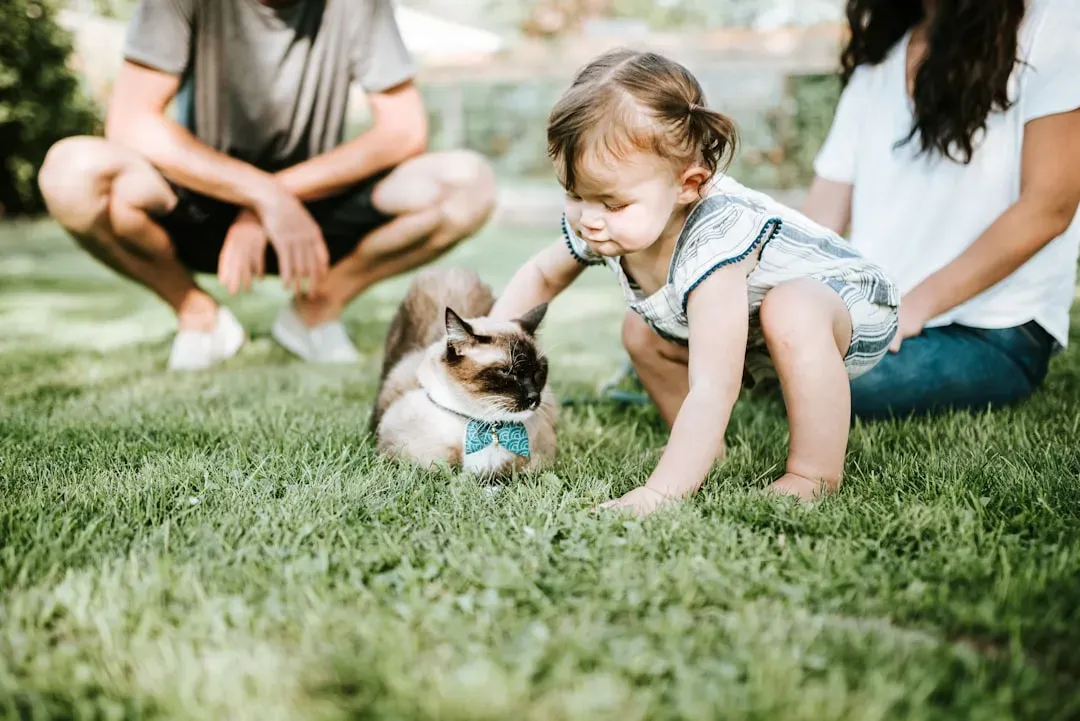
This is the one that surprises people the most, and I think it deserves a moment of appreciation. In a further study, an even greater ability of cats to recognize names was demonstrated – using photographs displayed on a laptop screen, cats were shown images of other familiar cats or their human family members, while either the cat’s owner or a stranger would call out different names, some of which matched the cats and humans in the photos and some that did not.
The results of this study were fascinating – they showed that when the names called out did not match the picture, the cats spent longer looking at the picture on the screen than when the name and image did match. Few people would have known that cats could show the ability to recognize the names of other cats and humans, which does indeed suggest that cats show advanced social awareness, presumably learned through observing social interactions around them. Your cat, in other words, has been quietly attending every family conversation and filing away the details. Think about that next time you assume they aren’t paying attention.
Conclusion
There is something quietly wonderful about realizing your cat’s blank stare isn’t empty – it is full of processing, recognizing, and deciding. Research further supports the idea that cats are always listening. They hear your voice in a crowd, they know their name, they register your emotional state, and they even track the names of the people and animals around them. They just choose when to act on any of it, which, honestly, feels like something a very intelligent creature would do.
The science tells us that cats are far more attuned to the acoustic world than most of us ever imagined. While they may not understand your words, they do understand your tone, expression, and attention – and talking with your cat strengthens trust, reduces stress, and deepens your bond. So keep up the baby talk, use your cat’s name with warmth, and maybe swap the loud music for something gentler tonight. Your cat is listening. They always were. The real question now is – what have you been saying without realizing it? Drop your thoughts in the comments below.
Kristina is a young writer from India. An arts graduate and an avid content creator, Kristina is passionate about animals and wildlife. She enjoys exploring topics related to pet care, animal behavior, conservation, and nature, combining thorough research with engaging storytelling.