Cats have always had a reputation problem. For centuries, popular culture painted them as mysterious loners, coolly indifferent to humans and perfectly content to exist in their own quiet universe. You’ve probably heard the jokes. You’ve probably even believed some of them. The idea that your cat simply doesn’t care about you, tolerates you at best, and would never dream of forming a real emotional bond? Yeah, that story has been around for a long time.
Here’s the thing, though. Science has been quietly dismantling that narrative for years, and in 2026, the evidence is impossible to ignore. Feline behavior research has grown dramatically, and what it reveals about cats is genuinely surprising. So before you keep repeating these myths to yourself or to fellow cat lovers, let’s look at what’s actually true. You might find yourself rethinking everything you thought you knew. Let’s dive in.
Myth 1: Your Cat Is a Solitary Creature Who Prefers to Be Alone
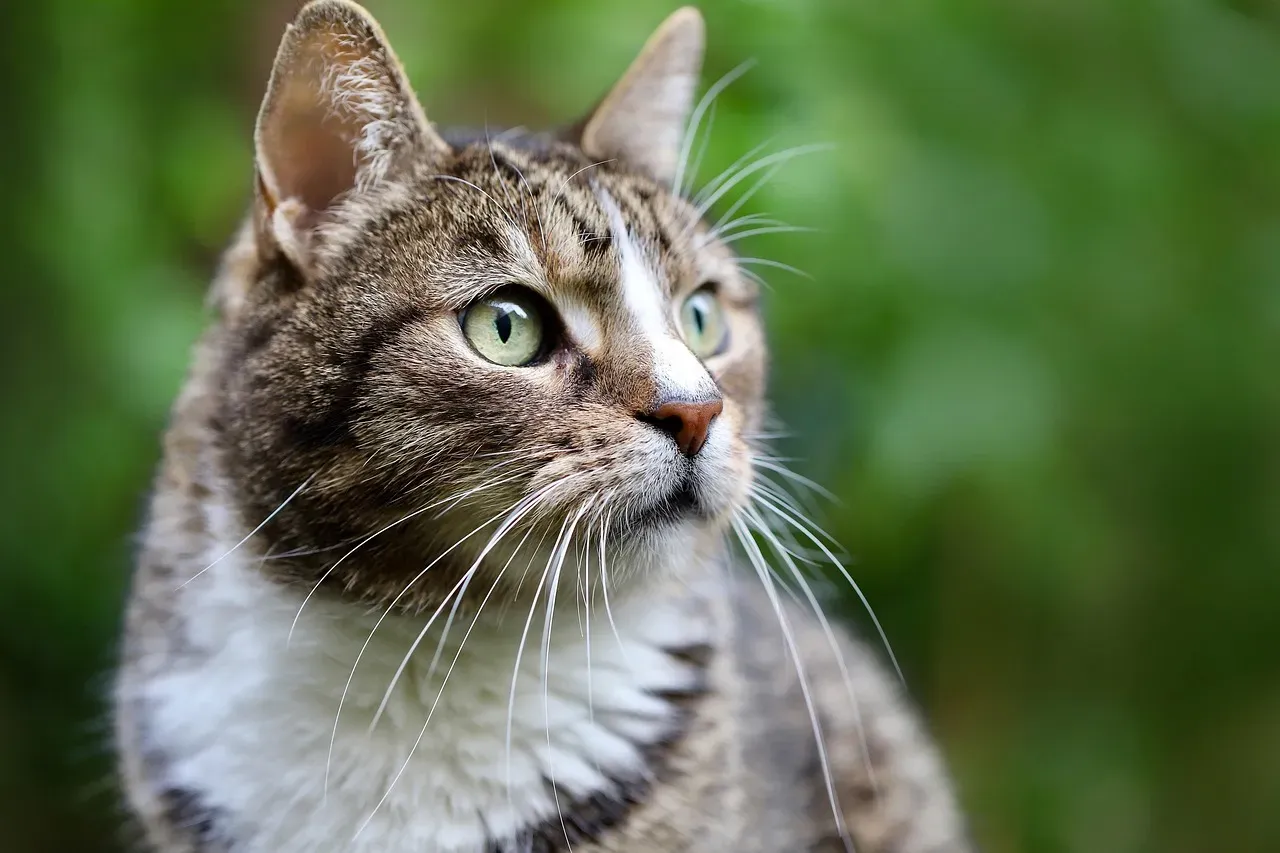
The misconception that cats are independent and require little or no care causes many of them to suffer needlessly, both physically and emotionally. That’s a bold statement, but it’s one backed by real behavioral science. When people assume their cat loves being alone, they often stop making any effort to provide companionship or enrichment, and that has genuine consequences for the animal’s wellbeing.
Cats are solitary hunters, but they are not solitary animals. Their social structure is centered around resource availability and safety. Think of it like this: a cat hunting alone is like a person who prefers to cook solo but still loves having dinner with friends. The hunting behavior doesn’t tell you the whole social story. According to the American Association of Feline Practitioners, the feline social system is flexible, allowing cats to live on a social continuum that ranges from living alone to living in a social group. That flexibility is the key point most people miss entirely.
Myth 2: Cats Don’t Truly Bond With the People They Live With
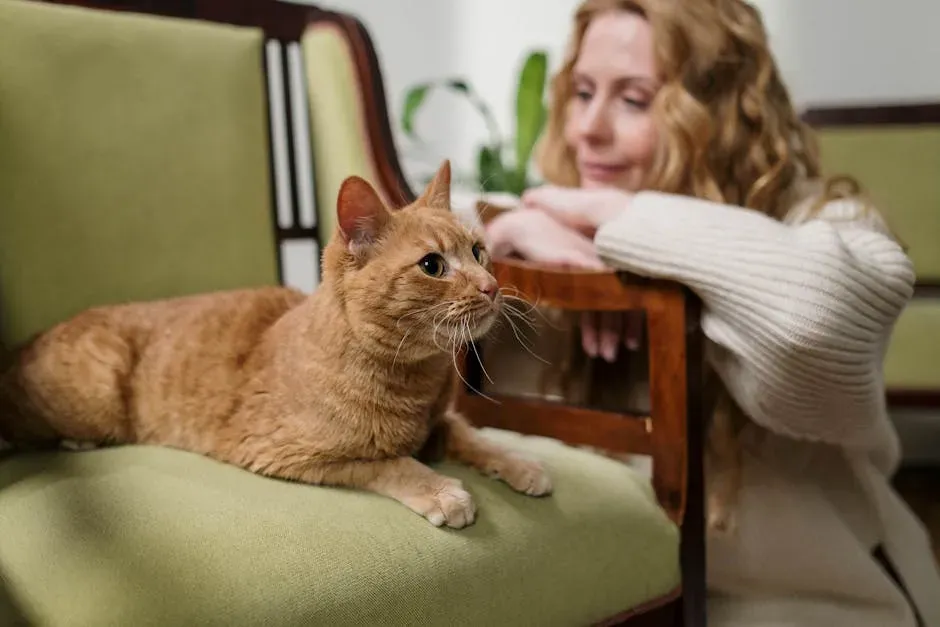
Honestly, this one might be the most damaging myth of all, because it makes cat owners feel like their affection is wasted. You love your cat, your cat seems unbothered, so you assume the relationship is one-sided. Research from Oregon State University proves that picture is simply wrong.
Securely attached cats displayed a reduced stress response and curiously explored the room while checking in periodically with their owners for attention. Cats with an insecure attachment remained stressed after their owner returned to the room and displayed behaviors such as clinging to their owner. These are the same attachment patterns we see in human infants. The current data support the hypothesis that cats show a similar capacity for the formation of secure and insecure attachments toward human caregivers previously demonstrated in children and dogs, with the majority of individuals in these populations securely attached to their caregiver. Roughly nearly two-thirds of cats tested showed secure attachment to their owners. That’s not an emotionally distant animal. That’s a bonded companion expressing love on its own terms.
Myth 3: An Independent Cat Means a Low-Maintenance Cat
Let’s be real. A lot of people choose cats specifically because they assume the lifestyle is effortless. You fill a bowl, wave goodbye, and your cat handles the rest. It’s one of the most common arguments for cat ownership over dog ownership, and unfortunately, it’s built on a false premise.
While cats have a reputation for being independent, they need just as much care as dogs do. Regular vet visits, daily exercise and mental enrichment, and plenty of positive attention from their guardians are all essential to a cat’s well-being. That’s not a minor footnote. That’s the whole job description. Cats also benefit from environmental enrichment. This can include scratching posts, window perches, and climbing trees to keep them physically active and mentally engaged. Without these, cats may develop destructive behaviors like scratching furniture or overeating. A bored, under-stimulated cat is not a happy, independent cat. It’s a cat quietly suffering without a visible way to tell you.
Myth 4: Your Cat’s Aloof Behavior Means It Doesn’t Care About You
You walk through the door and your cat barely glances up. Your dog would be doing backflips. Your cat? Continues grooming. You take this personally, and honestly, who wouldn’t? It feels like rejection. The truth is far more nuanced than that, and once you understand it, the whole relationship changes.
Cats show affection in so many ways and you might not even notice some of the more subtle ones. Your cat doesn’t have to be a lap cat to be affectionate. They may enjoy sitting next to you or maybe even a few inches away, and that doesn’t mean they’re not affectionate. Think of it like a quiet friend who sits beside you without needing to talk. Their presence is the statement. Insufficient attention to the behavioral ecology and development of cat sociality, along with failure to account for their highly variable individual preferences and tolerance for social behaviors, can lead them to experience distress that undermines both their welfare and the human-animal bond. In other words, when you misread your cat’s personality and stop engaging, you actually make things worse for both of you.
Myth 5: Independent Cats Can’t Be Trained
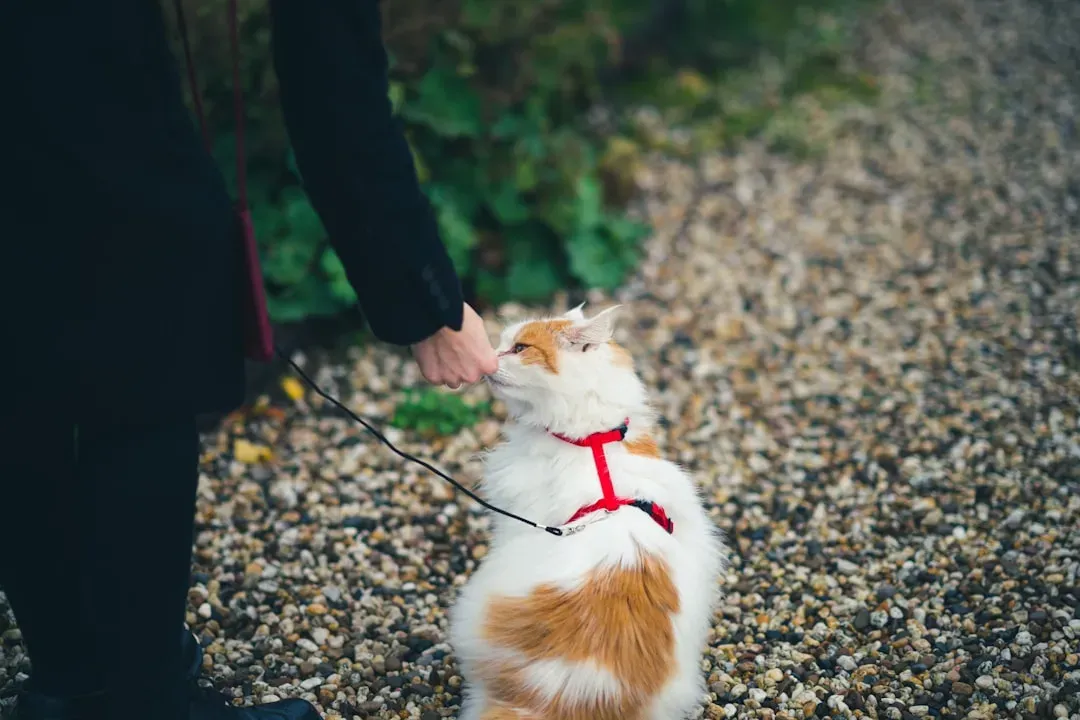
This is the myth that absolutely needs to die. People hear “independent” and immediately translate it to “untrainable,” as if the two are the same thing. They’re not even close. The idea that cats can’t be taught anything is not just wrong, it’s holding you back from a genuinely rewarding experience with your pet.
Contrary to the widespread myth, cats are trainable and can learn tricks through positive reinforcement, much like dogs. Cats can learn to sit, fetch, or even compete in agility courses if training is approached with patience, consistency, and rewards like treats or toys. Training enhances the bond between owner and cat while providing cognitive benefits for the feline. It’s a win-win situation that most cat owners never even attempt. Positive reinforcement training with cats is a useful tool for improving the human-animal bond, treating behavior problems, and teaching novel tasks. The key difference is motivation. Cats are often motivated by different incentives compared to dogs. They respond well to positive reinforcement, such as treats or play, but they’re less likely to be motivated by a desire to please their owner. So you’re not working against their nature, you’re working with it. Stop bringing dog expectations to a cat relationship, and you’ll be surprised what’s possible.
Conclusion: Your Cat Is More Than the Myth
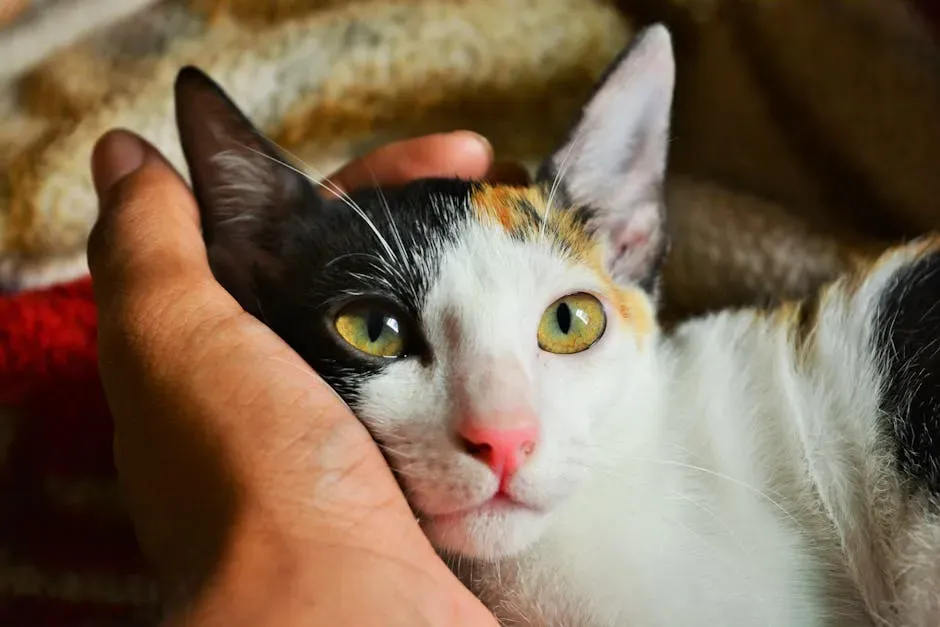
The portrait most people carry of cats, cool, detached, self-sufficient creatures who barely register your presence, is not just outdated. It’s actively harmful to the animals we claim to love. Cats are among the most popular pets worldwide, but there are still major gaps in the public’s general understanding of their social behaviors and related needs. In addition to these knowledge gaps, people often have negative or ambivalent attitudes about cats, which can directly impact their welfare outcomes.
Your cat forms real bonds with you. Your cat needs your companionship. Your cat can be trained, can experience separation anxiety, and can suffer when its emotional life is ignored. Every cat has its unique personality and needs, and learning how to meet those needs will ensure that your feline friend lives a long, happy life. The relationship you have with your cat is only as deep as your willingness to understand it on its own terms, not yours.
So here’s a thought to leave you with: now that you know what’s actually true, how will you show up differently for the cat in your life? We’d love to hear your thoughts in the comments.
Kristina is a young writer from India. An arts graduate and an avid content creator, Kristina is passionate about animals and wildlife. She enjoys exploring topics related to pet care, animal behavior, conservation, and nature, combining thorough research with engaging storytelling.