Cats are endlessly fascinating creatures. They strut around with an air of total indifference, and yet, just beneath that cool exterior, there’s a small furry athlete just waiting to launch a full-scale ambush on your unsuspecting ankle. Most people assume that if a cat wants something, it’ll make itself obvious. Honestly? That’s not always true when it comes to play.
The truth is, your cat is probably sending you play signals right now that you’re completely missing. From subtle tail flicks to dramatic sprinting sessions through your hallway, your feline companion has a whole vocabulary of cues they use to say “let’s go.” Let’s dive in and decode every one of them.
1. The Tail That Tells Everything
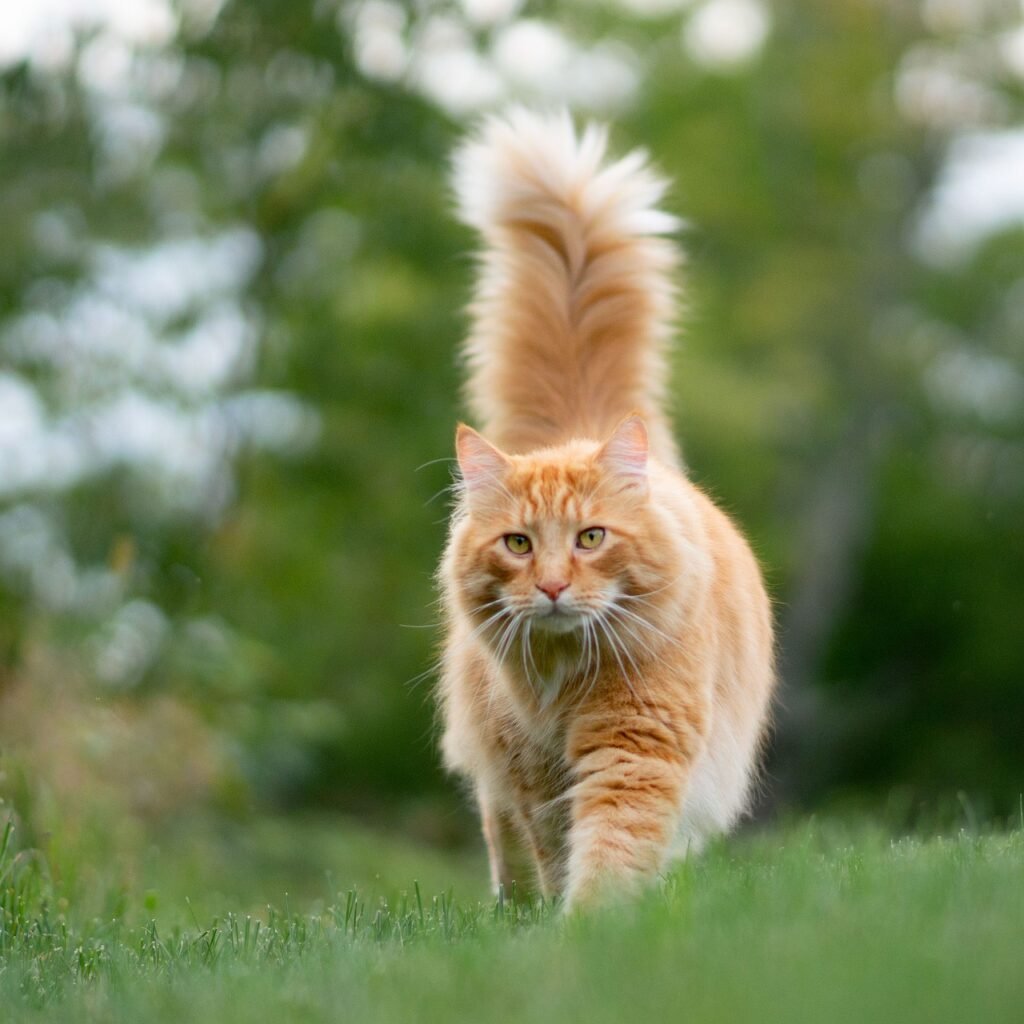
You might think a wagging tail is strictly dog territory, but your cat’s tail is just as expressive. A cat’s tail is a great indicator of their mood. When your cat’s tail is held high with a slight curve at the tip, they are often feeling playful and confident. Think of it like a little flag being raised to say “I’m open for business.”
Cats will twitch the tip of their tails when hunting, alert, or playful. So if you notice that signature little twitch while your cat is staring at a crinkle ball or eyeing your shoelace, that’s your cue to grab a toy and get moving. However, a puffed-up tail may signal overexcitement or even agitation, so it’s crucial to differentiate between these cues.
2. Those Big, Wide, Dramatic Eyes
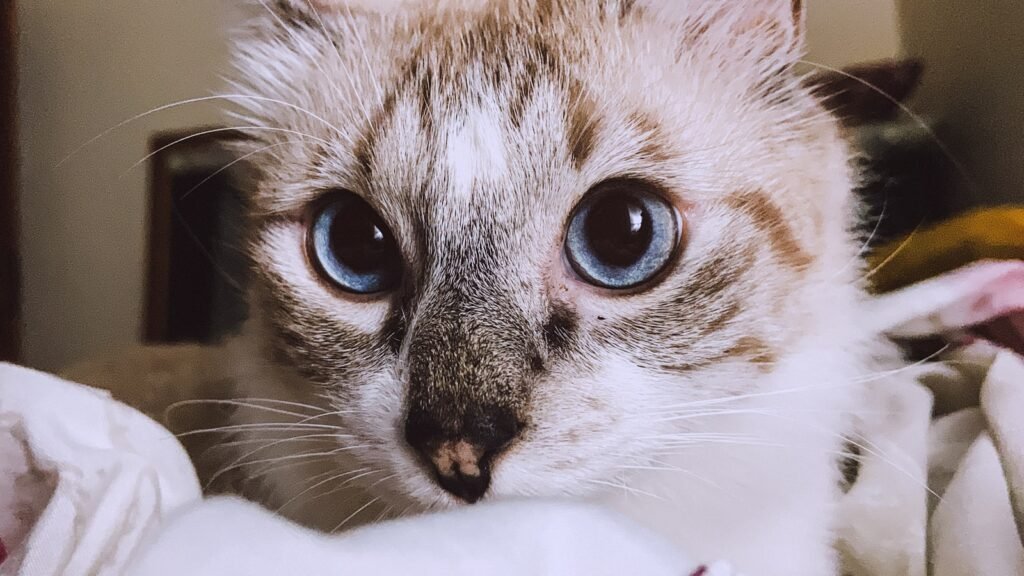
If your cat suddenly looks like they’ve discovered something absolutely electrifying across the room, pay close attention to their eyes. Cats use eye contact to communicate their feelings. Dilated pupils and focused attention on you or a toy can be a sign that they’re ready for play. Their gaze may shift rapidly from the object of their interest to you, conveying their desire for interaction.
Playful cats’ pupils might dilate, and their eyes might get really wide. It’s a little like watching someone’s face light up when they spot a dessert menu. The excitement is real, it’s just expressed in a much more predatory, feline sort of way. However, dilated pupils can also indicate fear, excitement, or anger, so always read the full picture and not just one feature in isolation.
3. The Play Bow: Yes, Cats Do This Too
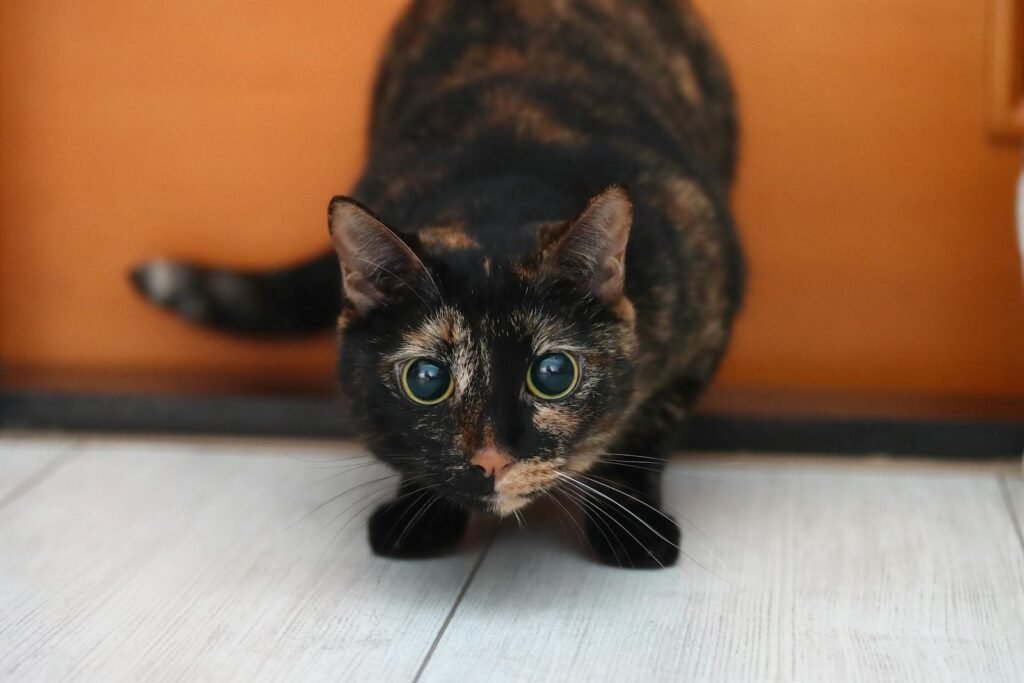
Most people associate the play bow with dogs. Here’s the thing though, cats have their very own version of it. A cat ready for play often exhibits lively body language, such as a wagging tail, a play bow, or rapid movements. Playful cats might lower their front end while keeping their rear elevated, signifying readiness to pounce. It’s the feline equivalent of a starting position on an athletics track.
Cats who are playing may crouch down into a “play bow” stance. A cat standing up on its back legs, batting or scratching at something, may also be a sign of play. If you see your cat crouched low with their backside in the air like they’re about to spring off a diving board, don’t just stand there. Grab a feather wand and give them something to chase.
4. Chirping, Trilling, and Those Mysterious Little Sounds
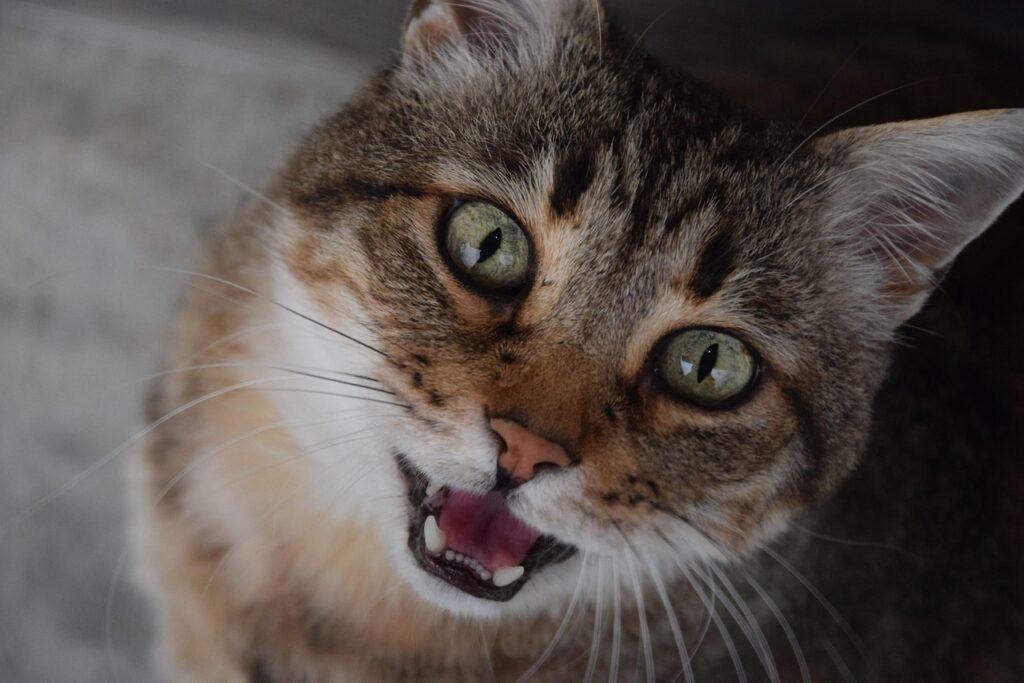
You might have heard your cat make a strange chattering sound while watching birds through the window, or a quick little trill when you walk past. These are not random noises. Chirping, trilling, or even meowing can be a sign that your cat is excited and ready for interaction. These sounds are particularly common when they’re watching birds or other prey animals through a window.
A soft chirp or trill is often a friendly invitation to interact. These sounds are typically accompanied by other playful behaviors, such as batting at objects or running around the room. I think of these chirps as the feline version of nudging a friend and pointing at something exciting. Your cat isn’t just making noise; they’re extending an invitation. Answer it.
5. The Zoomies: Pure, Unfiltered Play Energy
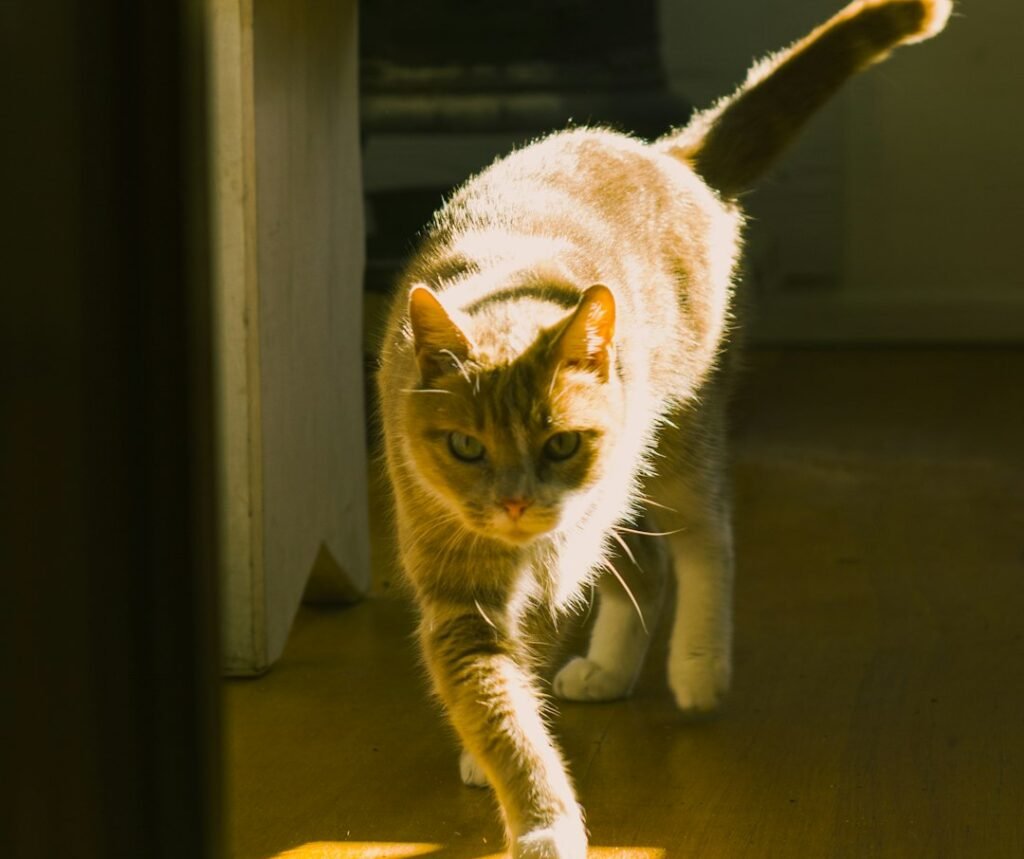
Every cat owner knows the chaos that is 2 a.m. zoomies. Your cat suddenly erupts into a full sprint from one end of the apartment to the other for no apparent reason. It can feel alarming the first time you witness it, but let’s be real, it’s actually one of the clearest signals your cat is bursting with playful energy. A common behavior is the zoomies, where your cat suddenly dashes around the house at full speed. This burst of energy is a clear indication that they’re in the mood for play and need an outlet for their excitement.
Cats are naturally more active during dawn and dusk, so they may be more inclined to play during these times. Rather than trying to sleep through your cat’s evening sprint sessions, use those moments to channel the energy productively. A wand toy or a laser pointer during peak zoomie hours can transform that wild solo performance into a genuinely fun shared activity.
6. Stalking, Pouncing, and the Mock Hunt
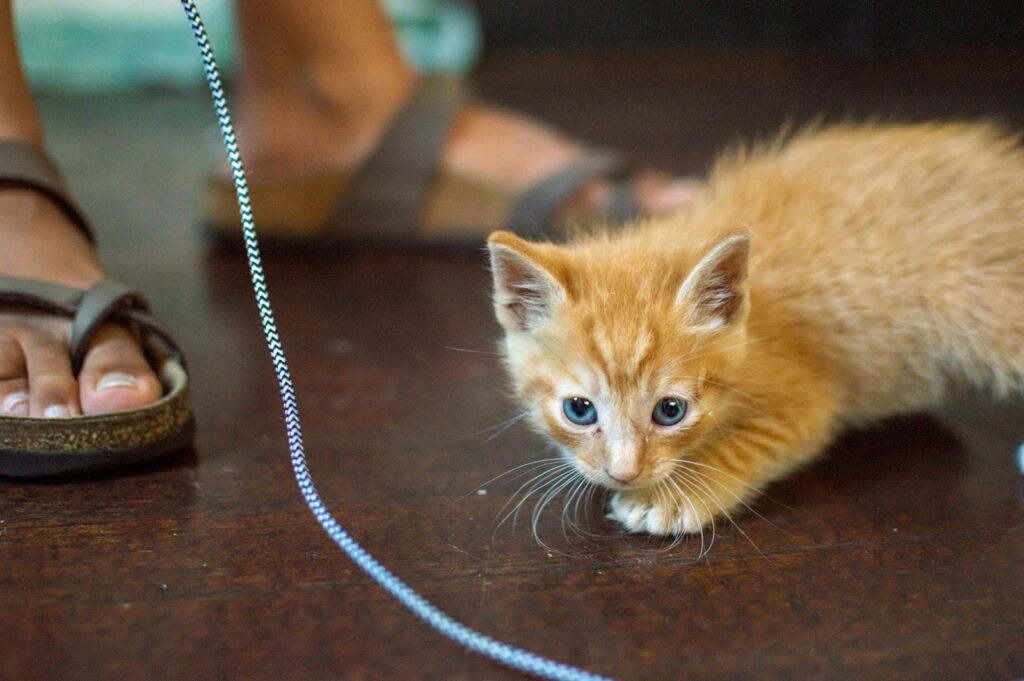
Here’s something I find genuinely fascinating about cats: their play is basically rehearsal for hunting. Cats are natural hunters, and they often mimic this behavior during playtime. You might notice them stalking, pouncing, or batting at objects, which are all signs they’re ready to engage. When your cat creeps low along the baseboard and suddenly launches at a sock on the floor, that’s not aggression. That’s an invitation.
When cats crouch, wiggle their hind legs, and pounce, they mimic hunting behavior in a safe, playful context. Their movements are quick but loose, and their overall body language reflects high energy rather than aggression. The key difference between real aggression and playful stalking is that loose, almost wiggly quality to the movements. The difference between play behaviors and the “real thing” is that play will be quieter, softer, and more inefficient.
7. Bringing You a Toy Like a Gift
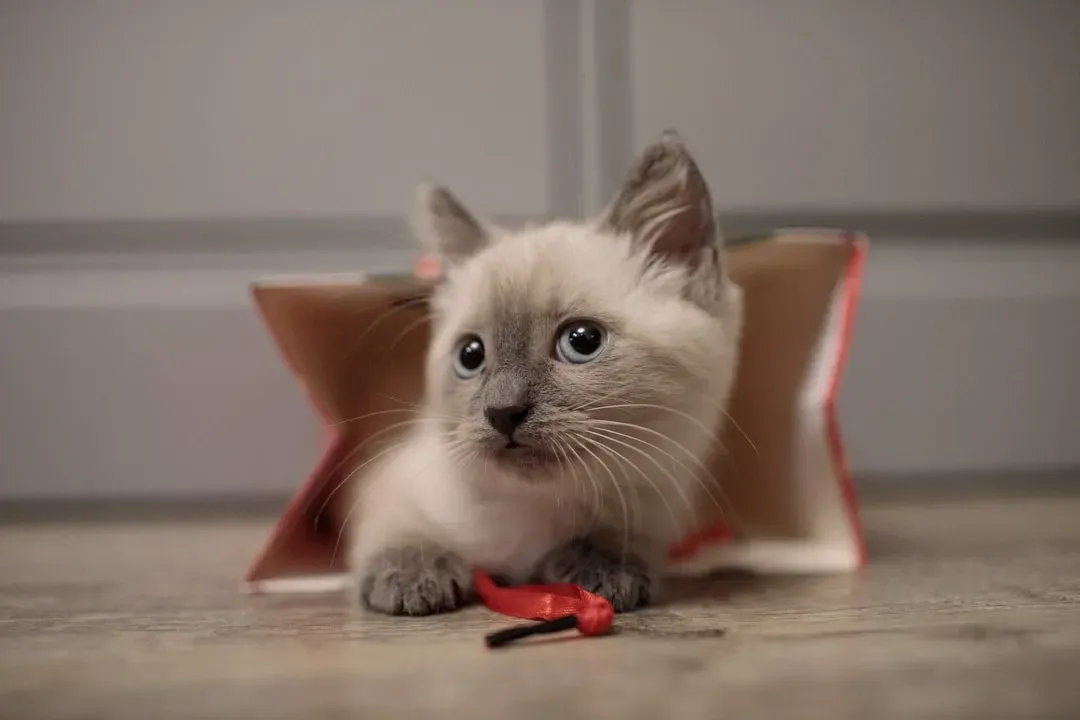
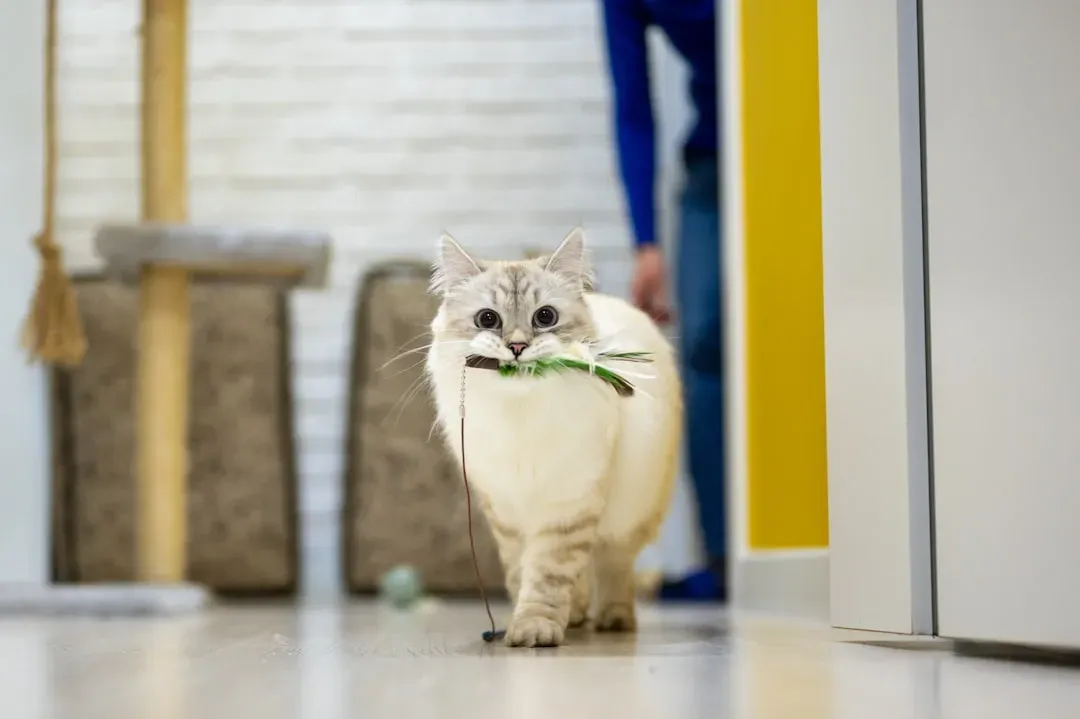
Some cats are genuinely generous about communicating what they want. If your cat brings you a toy or nudges your hand with their head, they’re likely trying to initiate play. It’s a bit like a child dragging their parent off the couch by the hand to come outside and kick a ball. The message couldn’t be clearer if they typed it out.
When a cat wants to play, they may actively seek your attention. This can manifest in various ways, such as bringing their favorite toys to you as an invitation to play. Gentle pawing or nudging is a clear sign your cat wants interaction. If you find a crinkle mouse deposited in your lap or a toy feather dropped at your feet, don’t scroll past it. Your cat just handed you a formal request for a play session.
8. Following You Around the House
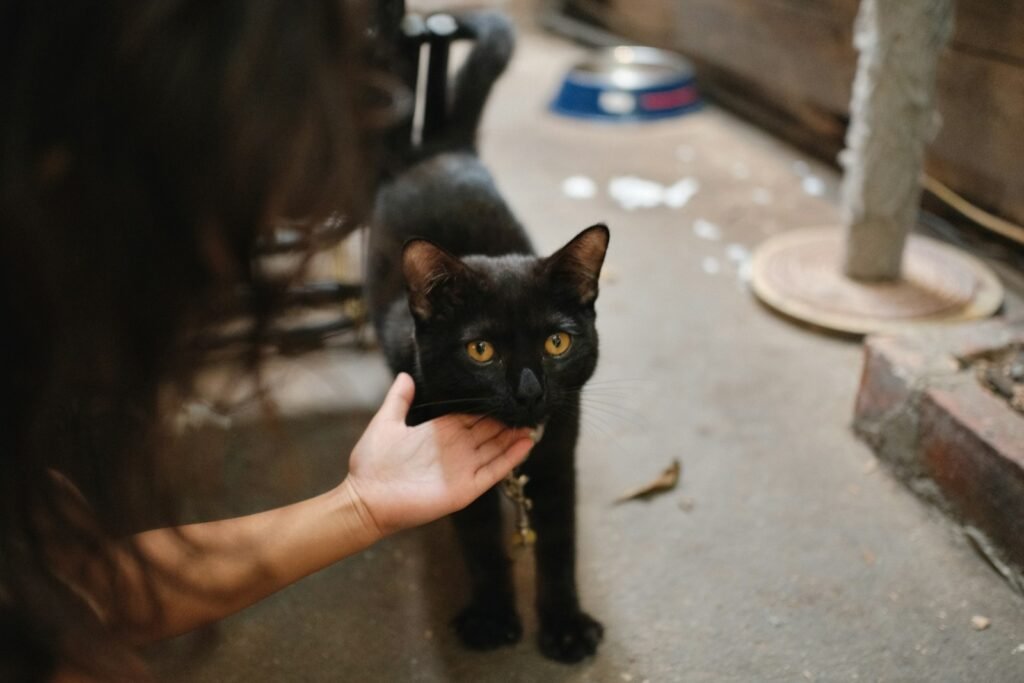
It’s easy to write off a cat shadowing your every move as neediness. It’s hard to say for sure sometimes, but more often than not, it’s a classic play signal that gets misread. If your cat is following you from room to room, it’s a sign they’re seeking attention and may be in the mood to play. This behavior is particularly common in younger cats or those with high energy levels.
Another possible indicator of your cat wanting to play is if they are following you from room to room. Though cats may follow you for many reasons, it may also be an indication of their willingness to play. Picture it like a friend who keeps hovering near you at a party, clearly hoping you’ll suggest doing something fun. Sometimes all it takes is pulling out a toy and making eye contact to confirm their suspicions that you’re finally paying attention.
9. The Belly Roll: More Invitation Than Relaxation

The belly roll is one of the most misunderstood signals in the entire cat communication playbook. Most people see a cat roll onto their back, expose their fluffy tummy, and assume it means “please pet me here.” Sometimes that’s true, but the context matters enormously. A cat that rolls over and shows their belly means they’re likely keen to interact with you. Many cats do this when they’re in the mood for some cuddles, and a cuddle session may also be enhanced with some playtime.
When playing, cats will put themselves into compromising positions such as rolling on their back, something they wouldn’t do in the face of real danger or if they were hunting actual prey. So when your cat does this and then immediately swats at your hovering hand, they weren’t being rude. They were inviting play, not a belly rub. The exposed belly is a sign of comfort and trust, but it is not necessarily an invitation for a belly rub. Bring out a toy instead, and you’ll likely have a much better interaction.
Conclusion
Living with a cat is essentially a constant, wonderfully rewarding exercise in learning a second language. Once you start tuning into these nine signals, something shifts. You stop feeling like your cat is indifferent to you and start realizing they’ve been talking to you all along. Understanding your cat’s play signals not only ensures enjoyable playtime but also strengthens the bond between you and your feline friend. By recognizing their cues and responding to their playful moods, you create a deeper connection based on trust and companionship.
Play is an essential part of a cat’s life. It helps them stay physically active, mentally stimulated, and emotionally balanced. A cat that plays regularly is genuinely a happier, healthier animal. The next time your cat chirps at you, drops a toy at your feet, or goes into full stealth mode across your living room floor, you’ll know exactly what they’re saying.
So the real question is: now that you know all nine signals, how many have you been ignoring? Tell us in the comments which one surprised you the most!
Kristina is a young writer from India. An arts graduate and an avid content creator, Kristina is passionate about animals and wildlife. She enjoys exploring topics related to pet care, animal behavior, conservation, and nature, combining thorough research with engaging storytelling.