You’ve probably watched your senior cat rise from a three-hour nap, stretch in a way that would shame a yoga instructor, and then proceed to do something utterly impressive – all before walking off like it was nothing. It’s easy to assume that once your cat crosses into their golden years, the athletic glory days are behind them. Think again.
Older cats are, honestly, some of the most underestimated creatures on the planet. There’s this assumption that age equals surrender, but cats seem to have skipped that memo entirely. What follows might change the way you look at your sleepy, sunbathing companion. Let’s dive in.
The Legendary Landing: Still Sticking It After All These Years
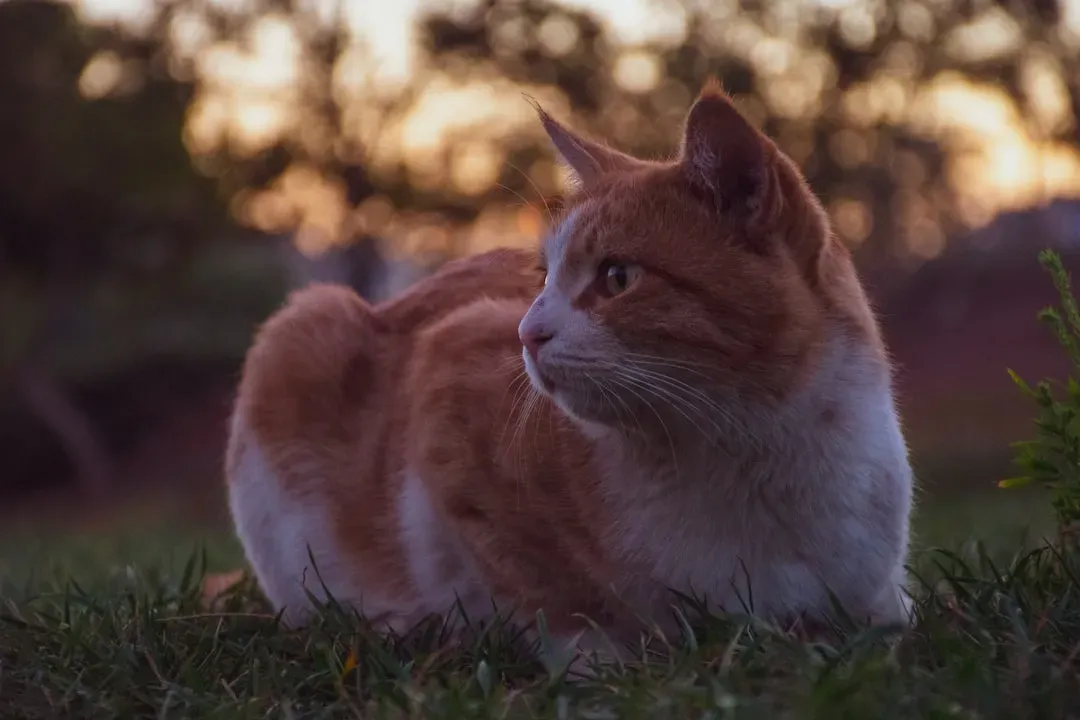
Here’s a fact that never gets old: your older cat likely still possesses one of nature’s most awe-inspiring survival tools. The cat righting reflex is a cat’s innate ability to orient itself as it falls in order to land on its feet. What makes this even more remarkable is the engineering behind it. The underlying biomechanics rely on the cat’s extraordinary spinal flexibility, possessing 27 vertebrae compared to the human 24, allowing the anterior and posterior body segments to rotate independently while conserving overall angular momentum.
Even in senior years, this reflex doesn’t simply vanish. A combination of the vestibular system, vision, and proprioception creates a powerful sensory toolbox for perfect landings. It’s genuinely breathtaking when you think about it. That said, many cats start to experience joint stiffness or arthritis that can make midair twists more difficult, and aging cats also tend to lose muscle mass and may struggle with balance. So while the reflex is still there, supporting your older cat’s joint health is not just recommended – it’s essential.
The Impeccable Balance on Narrow Surfaces
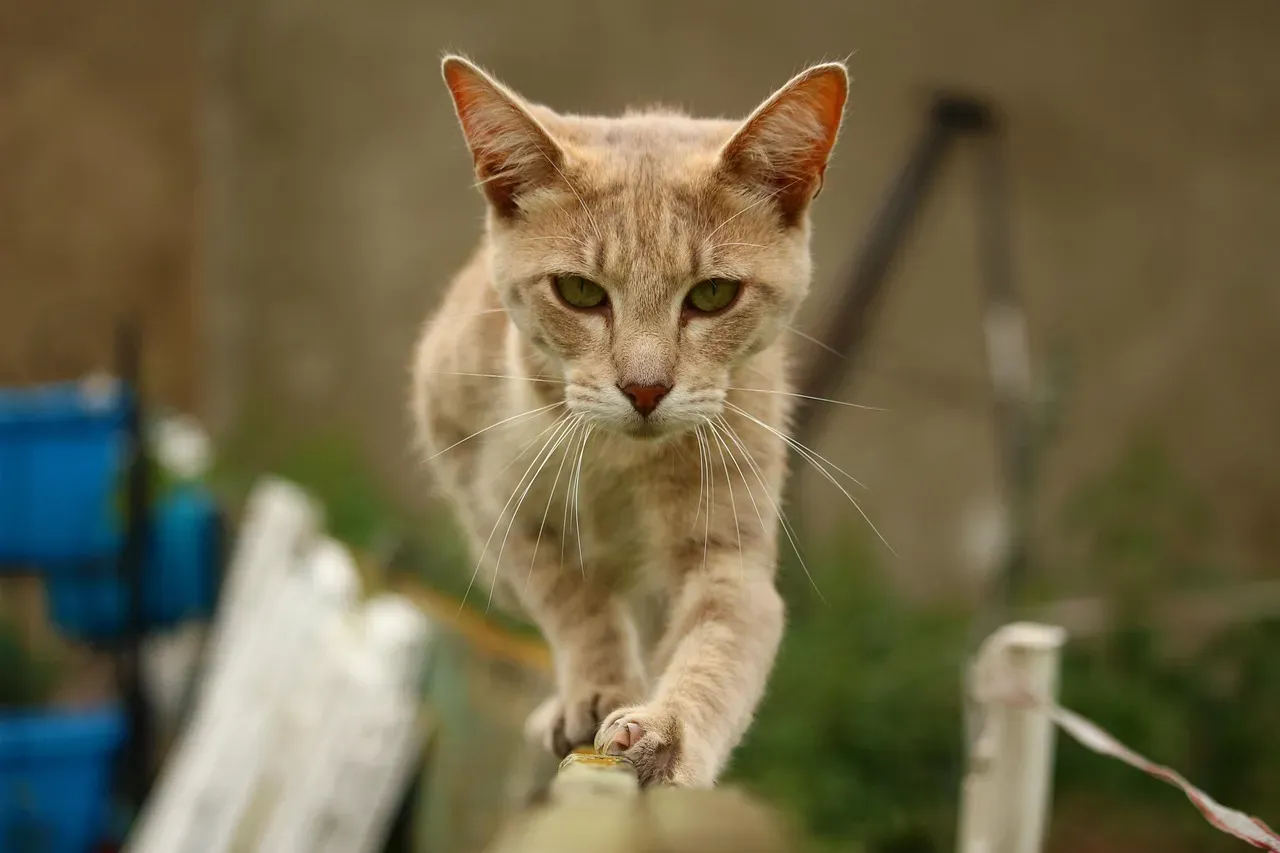
You’ve seen it. Your grey-muzzled companion walks the back of the couch like a tightrope artist without even looking down. That’s not luck. One of the key reasons why cats have such good balance is their unique anatomy. Cats have a flexible spine that allows them to twist and turn their bodies with incredible precision, and this, coupled with their powerful muscles and strong joints, enables them to make quick adjustments in mid-air and land on their feet in almost any situation.
Think of a cat’s tail as a built-in gyroscope. Cats’ tails act as a counterweight to fine-tune their orientation. For example, when a cat swerves to the right their tail will swing to the left, and when a cat jumps upwards their tail will go down. With proper care and attention, older cats can continue to maintain their balance and agility well into their senior years. Your aging feline walking narrow edges is less “daredevil” and more “deeply engineered precision machine.”
The Pounce: That Explosive Low-to-Ground Power Move
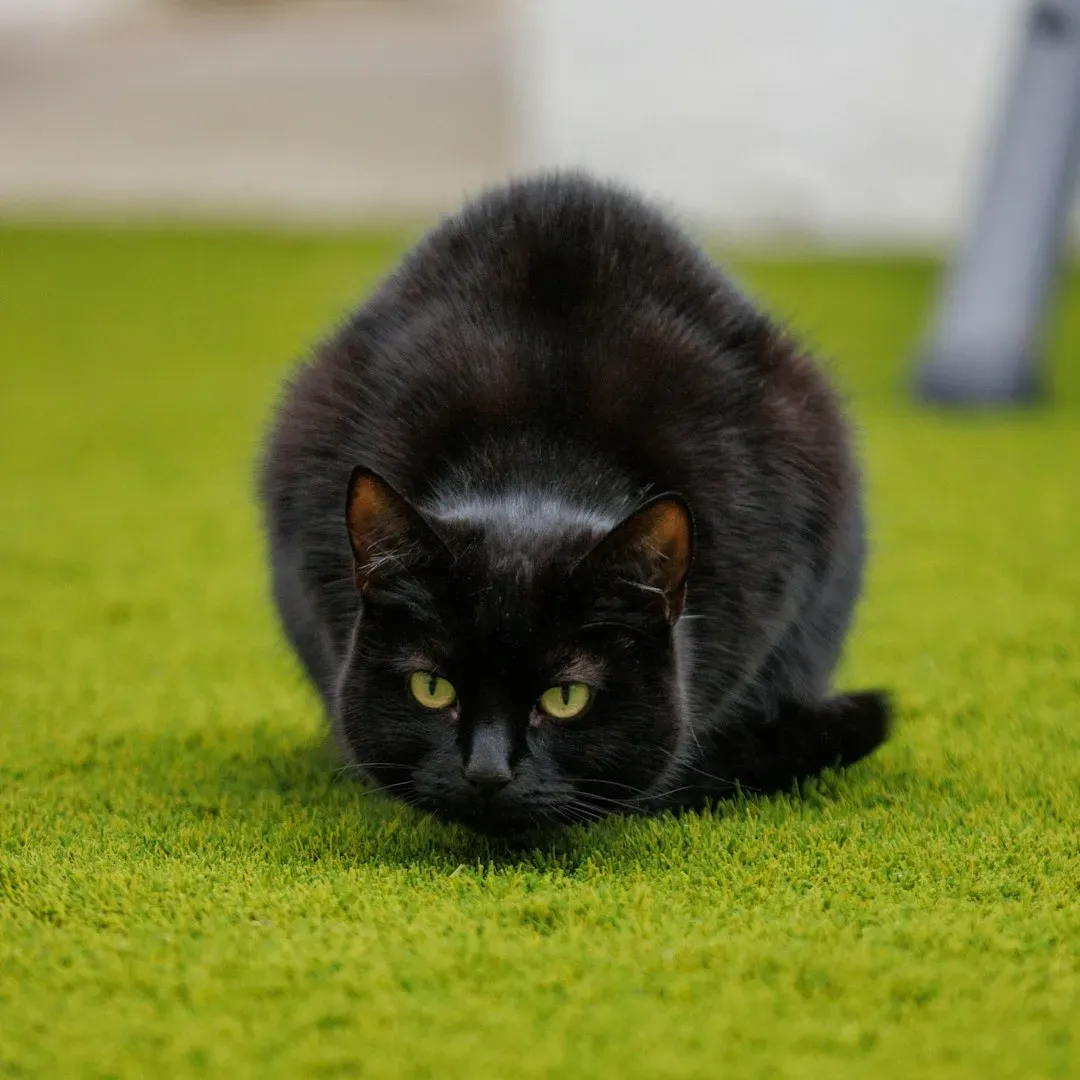
Let’s be real – there are few things more satisfying than watching an older cat spot a toy, crouch low, and execute a perfect pounce. Short bursts of activity trigger their natural predatory sequence – stalking, chasing, and pouncing – which satisfies their instinctual needs. The pounce is not just a party trick. It’s a deep biological program running in the background, regardless of how many grey hairs your cat sports.
Cats possess a unique physiology that contributes to their impressive jumping and falling capabilities, and their strong hind legs are built for explosive power, allowing them to propel themselves vertically and horizontally with incredible force. Even if the pounce is a little slower now than it was at age three, the mechanics are all still there. It’s like watching a veteran athlete – not as fast, maybe, but with a wisdom and precision that younger cats simply don’t have yet.
The Slow-Motion Stalk: Stealth Mastery That Age Only Refines
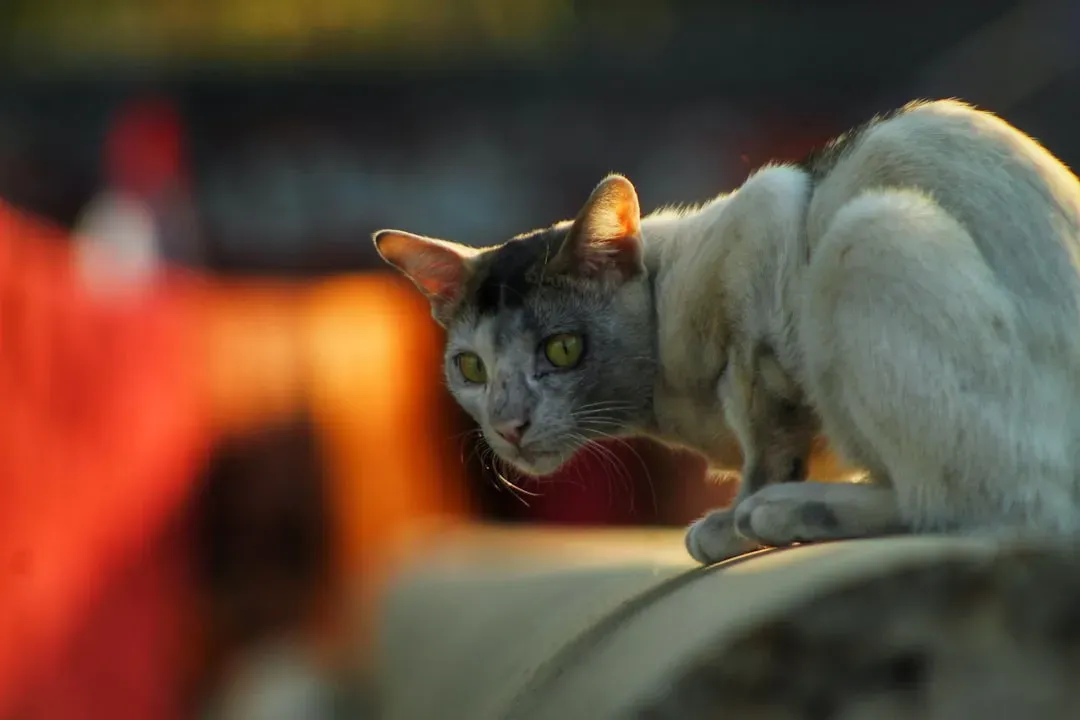
Stalking is honestly an art form, and your older cat might be better at it than ever. Senior cats, while still possessing the instinct to hunt, may approach the process differently than their younger counterparts. Age-related changes may make hunting a more challenging endeavor, however they may adapt by using their hearing and eyesight more effectively, going for smaller prey, and getting closer to their target before initiating the hunt. Clever, right?
Think of it the way a seasoned chess player approaches the board. Less brute force, more strategy. Cats’ hunting instincts come from their wild ancestors and are so strong that they hunt even when they aren’t hungry – domestication hasn’t stopped the stalk, pounce, and kill sequence. Your cat circling that crinkle ball on the kitchen floor? Pure, ancient instinct – still firing on all cylinders, just with a few decades of extra wisdom loaded in.
The Mid-Air Twist: Physics Defying Flexibility That Doesn’t Retire
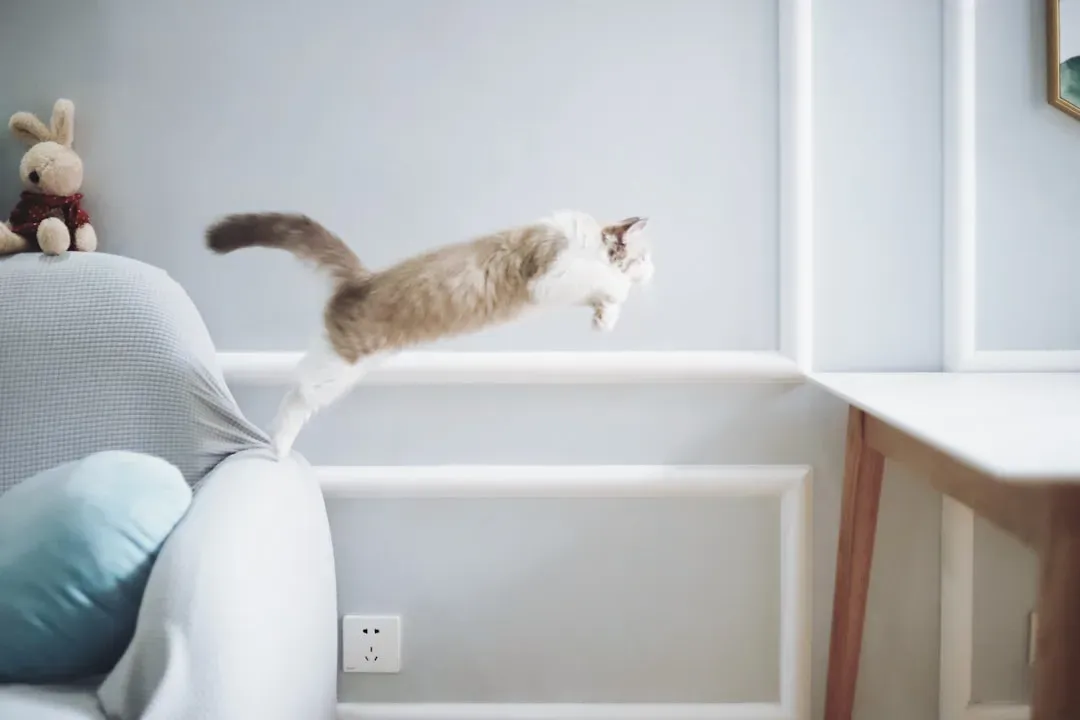
If you’ve ever tossed a soft toy past your older cat and watched them twist to bat at it, you’ve just witnessed evolutionary brilliance in real time. This innate ability combines their uniquely flexible spine, a sophisticated inner-ear balance system, and sharp vision, allowing them to twist and orient their body in mid-air. Even senior cats regularly demonstrate this in everyday play. It’s not the dramatic leaps of kittenhood, but the mechanics are absolutely still intact.
Cats are renowned for their exceptional agility, and their reflexes play a crucial role in this. Their flexible spines, coupled with strong muscles and ligaments, allow them to contort their bodies in seemingly impossible ways, enabling them to squeeze through narrow gaps, jump great distances, and navigate challenging terrains with ease. It’s hard to say for sure at exactly what age cats lose this entirely – because honestly, many never fully do, especially with the right care and regular gentle movement.
Vertical Climbing: Reaching the Heights (at Their Own Pace)
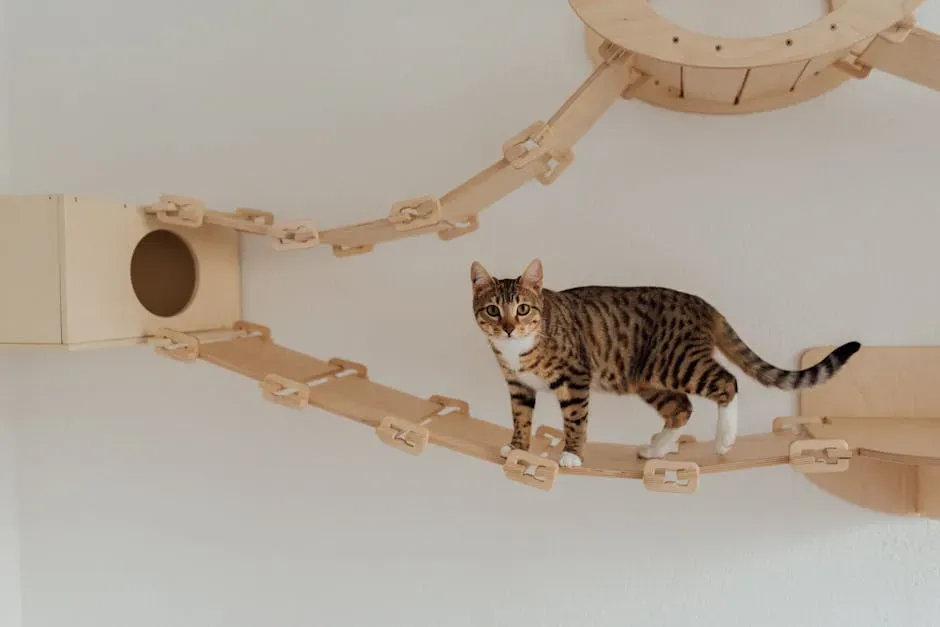
Your older cat may not be scaling the bookcase in one fluid leap anymore, but don’t underestimate their vertical game. Your senior cat might not be able to scale the tallest tree in the garden anymore, but they’ll still need to stretch, scratch and climb. Climbing is more than exercise for a cat. It’s territorial, it’s instinctive, and for senior cats, it remains a deeply satisfying behavior. Cats are natural climbers and love to perch in high places, and cat trees or shelves mounted on the wall can provide your cat with a safe and comfortable place to satisfy this instinct.
The desire to be elevated doesn’t fade with age – only the speed of getting there does. Incorporating cat trees, shelves, or climbing structures in your home enables climbing and jumping, which are excellent activities for maintaining muscle tone and agility. You can support your older climber beautifully by adding gentle ramps or lower platforms. It’s the same destination; just a slightly more scenic route to get there.
Lightning-Fast Reflexes: The Surprising Speed That Still Surfaces
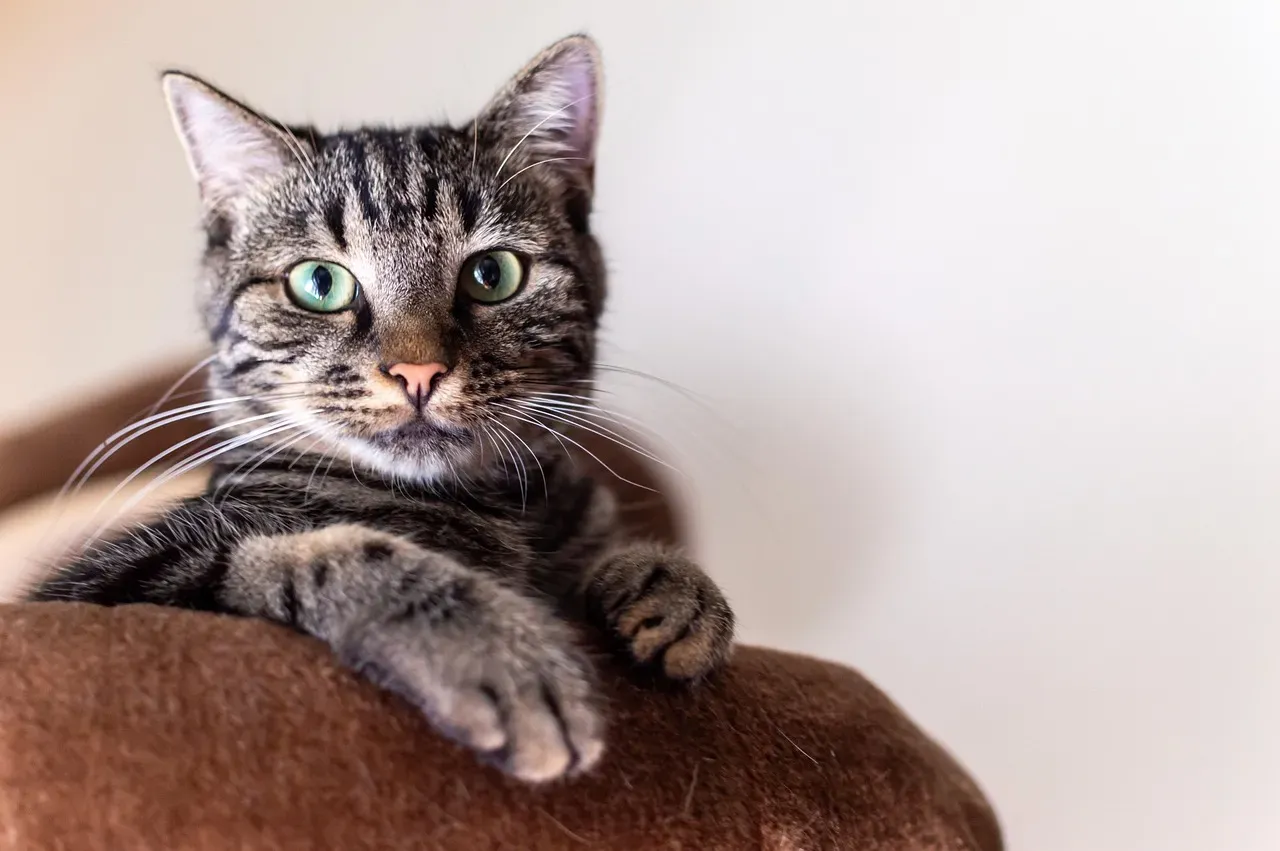
You know that moment – you’re walking past your cat and suddenly their paw shoots out to tap your ankle, almost faster than you can see it. That’s no accident. Cat reflexes are not only essential for their agility and hunting skills but also for their impeccable balance and coordination. Cats possess an incredible sense of proprioception, which allows them to move with grace and precision, and this sense combined with their reflexes ensures that cats rarely stumble or lose their footing, even in the most challenging situations.
Even geriatric cats can produce a burst of startling quickness when properly motivated. Cats jump higher when motivated – whether chasing a toy, reaching a favorite perch, or escaping a perceived threat. Motivation is the magic word here. Studies indicate that interactive play can enhance the physical health of senior cats by promoting exercise and reducing sedentary behavior, which is crucial for maintaining a healthy weight. So that feather wand? It’s not just entertainment. It’s physiotherapy, reflex training, and sheer joy rolled into one.
The Sprint Burst: Those Unexpected Senior Zoomies
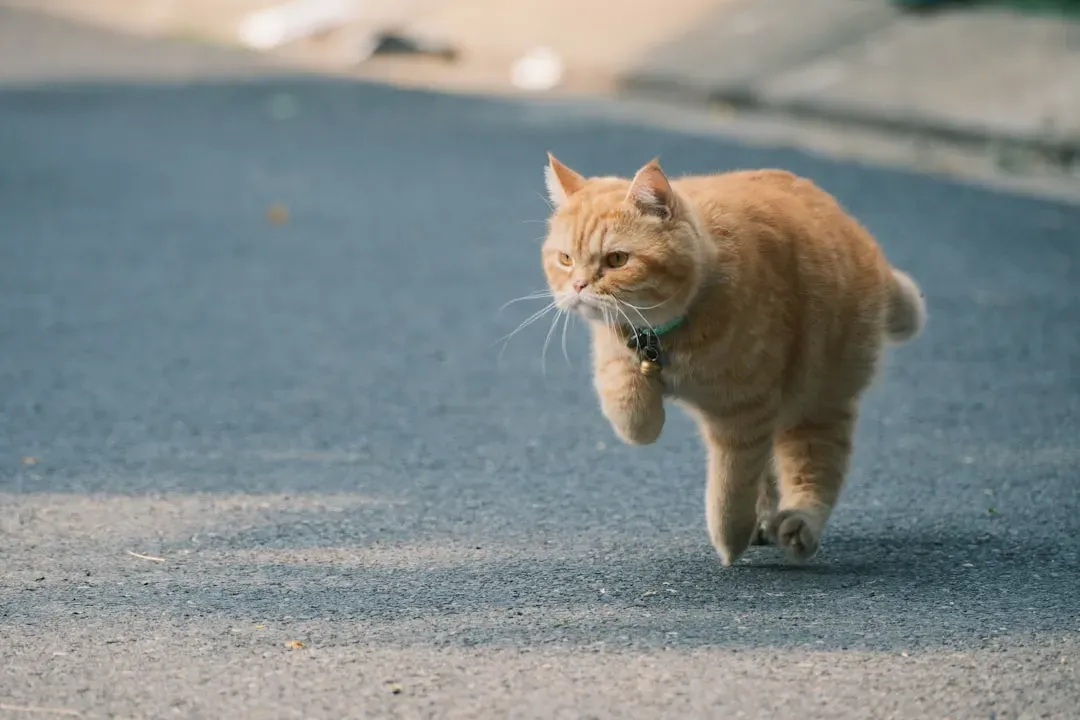
Nothing quite prepares a cat owner for the moment their twelve-year-old cat suddenly launches into a full sprint down the hallway at 11 PM. Those senior zoomies are real, and they’re glorious. Cats are not designed for extended periods of high-energy activity. Even when they hunt, it’s not a marathon. It’s a sprint. This is actually how cats are built – not for endurance, but for explosive, spectacular short bursts of speed.
Cats are built for short, intense sprints rather than long-distance running, and they can maintain their top speed for only 10 to 20 seconds before tiring, as their bodies rely on anaerobic energy for these bursts. The senior zoomie is your older cat tapping into that same ancient reservoir of speed – briefly, brilliantly, and usually at the most unexpected moment. Senior cats might sleep more than they used to, but it’s still important they get enough exercise. Keeping active helps them to maintain a healthy weight, stay mentally stimulated and keep their joints and muscles strong. Those spontaneous sprints? Cherish every single one.
Conclusion: Your Older Cat Is Still an Athlete – Just a Wiser One
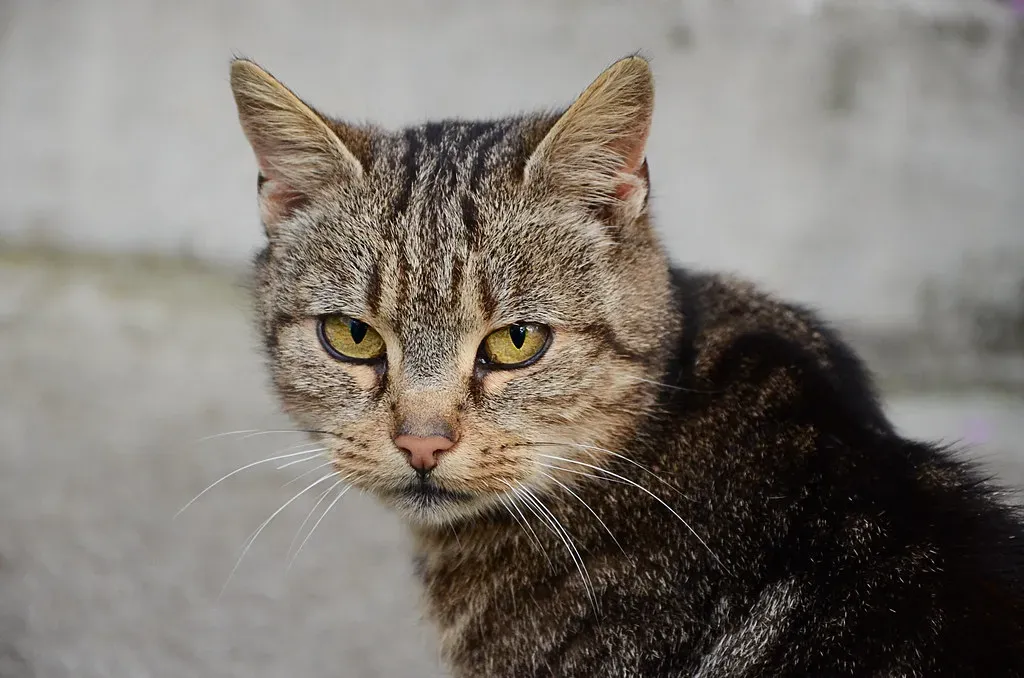
Here’s the thing about senior cats that most people miss: age doesn’t strip them of their brilliance. It layers on top of it. The righting reflex still fires. The pounce is still there. The sprint still ignites. The balance still impresses. What changes is the pace, the frequency, and perhaps the recovery nap that follows. Your older cat has simply earned those long, deep sleeps – because even athletes rest between performances.
Supporting your senior cat means understanding what they’re still capable of, not only what they’ve slowed down from. As they grow older, cats continue to practice and refine their balance skills, ensuring that they remain nimble and agile throughout their lives. Offer them the right environment, regular gentle play, and consistent veterinary check-ins, and you’ll continue to witness feats that honestly should not be possible for a creature that spent eighteen hours sleeping today.
So next time your older cat pulls off something impossibly graceful and then saunters away without a backward glance – take a moment to appreciate the sheer biological mastery in front of you. What feat of your senior cat surprised you most? Drop it in the comments – we’d genuinely love to hear it.
Kristina is a young writer from India. An arts graduate and an avid content creator, Kristina is passionate about animals and wildlife. She enjoys exploring topics related to pet care, animal behavior, conservation, and nature, combining thorough research with engaging storytelling.