You call your cat’s name. Nothing. You wiggle your fingers. Still nothing. You offer a lap, a treat, a warm blanket – and your furry little enigma walks clean across the room without so much as a glance in your direction. Sound familiar? Millions of cat owners know this exact feeling, and honestly, it’s both infuriating and weirdly fascinating at the same time.
Here’s the thing: your cat is not broken, angry, or plotting your downfall (probably). What you’re actually witnessing is one of the most elegantly designed behavioral strategies in the animal kingdom. Your cat isn’t ignoring you by accident. It’s deliberate, it’s deeply rooted, and once you understand the “why” behind it, you’ll never look at your cat the same way again. So let’s get started.
They Basically Domesticated Themselves – On Their Own Terms
Before you can decode your cat’s hard-to-get behavior, you need to understand where it comes from. Cats likely started hanging around farming communities in the Fertile Crescent about 8,000 years ago, where they settled into a mutually beneficial relationship as humans’ rodent patrol. They weren’t invited. They weren’t trained. They just showed up and decided the deal was worth it.
People more or less allowed cats to domesticate themselves. Think about what that means for a second. Every other animal we call domesticated was bred, trained, and shaped by human hands. Cats? They negotiated their own terms from day one. That independent streak isn’t a personality flaw. It is, quite literally, baked into their origin story.
Your Cat Is Wired to Be a Solitary Hunter – Not a Social Butterfly
Cats are solitary hunters that defend their home ranges fiercely from other cats of the same sex. This is the creature sleeping on your couch. Unlike dogs, which evolved from pack animals hardwired to seek approval and companionship, your cat’s ancestors survived entirely alone. No team, no hierarchy, no need to check in with anyone.
While dogs were domesticated and specially bred over thousands of years to be loyal and obedient companions, cats more or less domesticated themselves, moving into cities and hunting mice and rats around grain stores by their own choice. Consequently, your cat doesn’t have a strong drive to listen and obey, and may ignore you if they’d rather be doing something else. I know that sounds harsh, but honestly? It’s also kind of impressive. Your cat simply doesn’t feel the same social pressure humans and dogs do.
The Aloofness You See Is Not Rejection – It’s Communication
Let’s be real: when your cat turns its back on you after you’ve spent ten minutes trying to get its attention, it stings a little. But cat “ignoring” is rarely about rejection. It’s often a mix of how cats communicate, their environment, their innate instincts, and their health. Your cat isn’t sending you a message of disdain. It’s just operating on a completely different social frequency.
Cats are territorial creatures who value their personal space. When they appear to ignore you, they might be establishing boundaries or communicating their need for alone time. This behavior is particularly common during activities like grooming, hunting, or observing their environment. Think of it like someone who needs quiet time to recharge. You wouldn’t take it personally if a friend needed to decompress alone – your cat deserves the same understanding.
Your Cat Actually Knows When You’re Calling – And Chooses Not to Come
This one might genuinely surprise you. Recent studies have revealed that cats possess remarkable cognitive abilities when it comes to human interaction. Research from Paris Nanterre University has shown that cats can not only recognize their owner’s voice but can also distinguish it from strangers’ voices. So when your cat doesn’t come running, it’s not because they didn’t hear you. Oh, they heard you.
Cats are selective responders who choose when to acknowledge calls based on their motivation and current state. This behavior reflects their independent nature rather than a lack of attachment to their owners. A cat’s apparent indifference is usually just their way of maintaining healthy boundaries and expressing their natural independence. It’s a little like texting someone and watching the “read” receipt appear. The cat saw the message. The cat just isn’t ready to respond yet.
They Are Actually Attached to You – Just in a Quieter Way
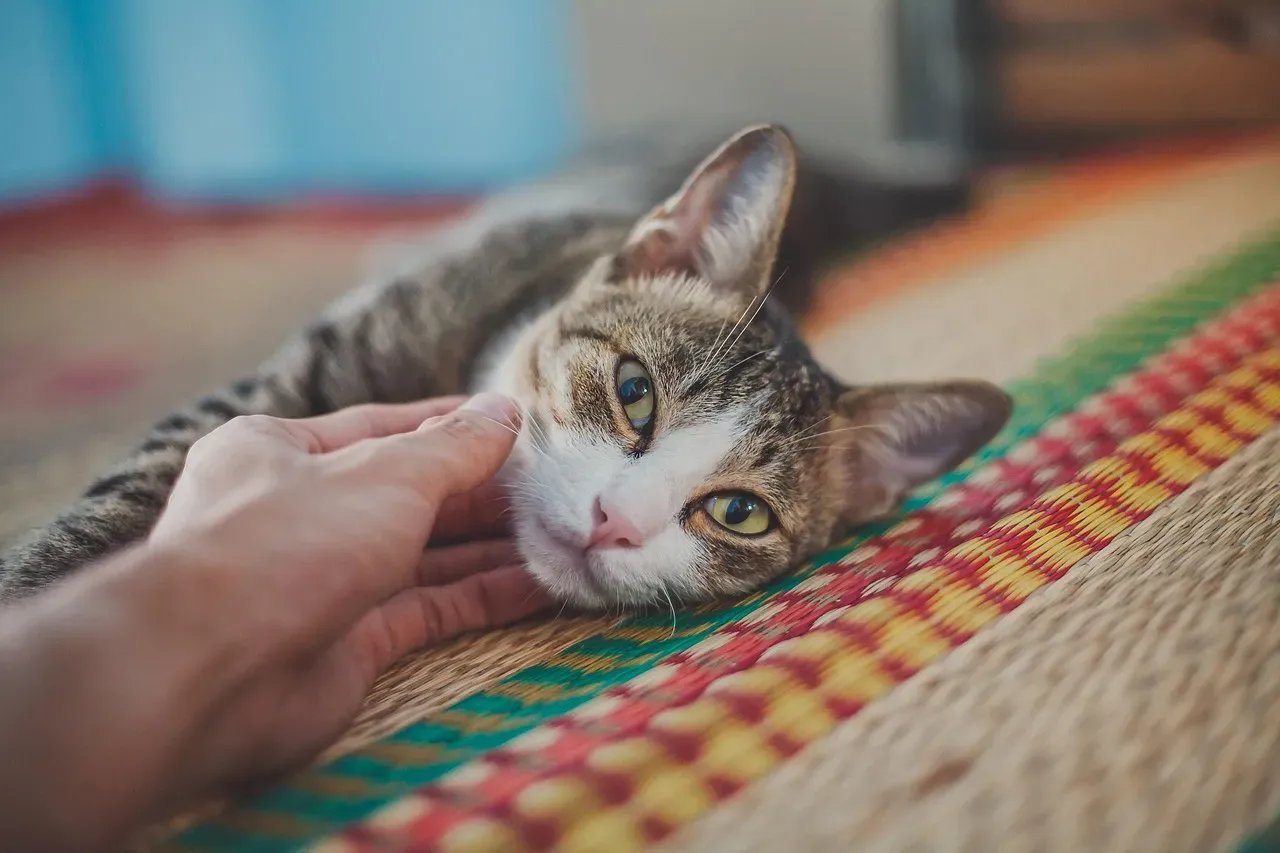
Here is where things get genuinely touching. Research conducted by Oregon State University in 2019 found that cats can form secure attachments to their owners, similar to dogs and even infants. However, the way they express this attachment is more nuanced. Rather than always seeking attention, cats regulate interaction to suit their comfort levels. So your cat loves you. They’re just not going to make a big production out of it.
The way cats show they’re attached is very different from dogs. Dogs make a lot of prolonged physical contact, whereas cats may stay close to the person they like, but they don’t necessarily engage. Staying in the same room as you, sleeping near your feet, or just parking themselves on the opposite side of the couch – these are all quiet declarations of affection. Your cat isn’t playing hard to get because they don’t care. They’re doing it because this is genuinely how they’re built to love.
The Silent Language Your Cat Is Actually Speaking
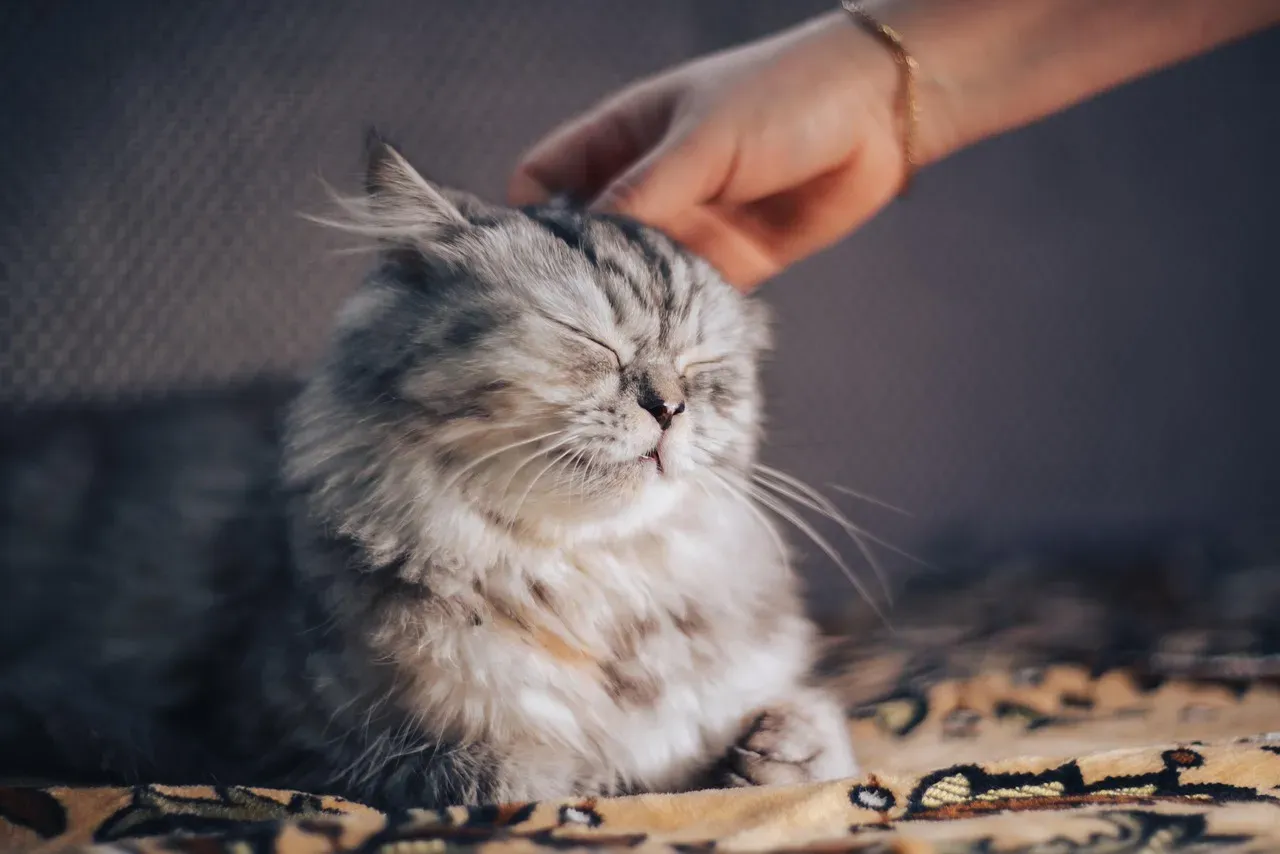
Your cat may not be talking with words, but they are absolutely talking. When a cat trusts you and feels comfortable around you, they might blink at you slowly. A slowly blinking cat is usually a comfortable one. That drowsy-looking half-blink across the room is actually one of the most meaningful things a cat can say. It’s their version of “I love you.” Seriously.
A slow blink is a deliberate affiliative signal indicating trust and positive emotional intent. Research by Dr. Tasmin Humphrey found cats are significantly more likely to approach humans after receiving slow blinks. So try it. Next time your cat is doing their whole “I’m not looking at you” routine from across the room, slow blink at them. You might be shocked by what happens next. Unlike dogs, cats don’t wag their tails when happy – instead, they hold them upright. A raised tail when your cat walks toward you? That’s a greeting. Learn the language, and suddenly the silence makes perfect sense.
When Playing Hard to Get Crosses Into Something You Should Actually Watch
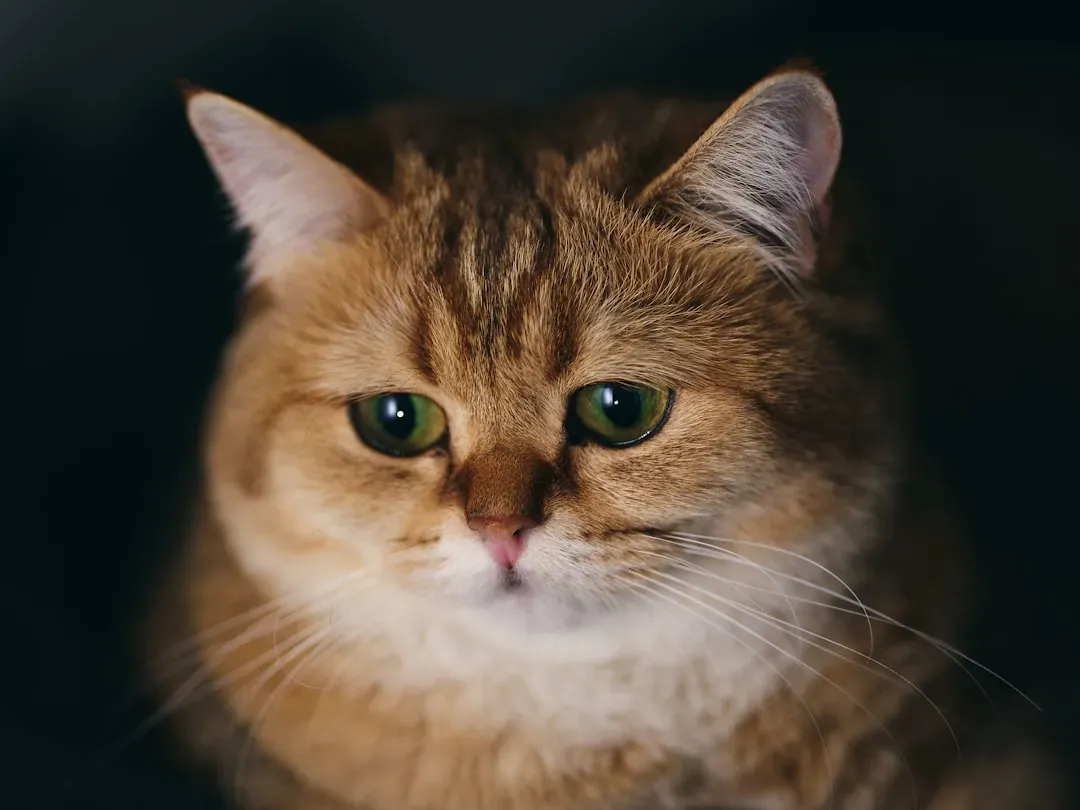
It’s important to know that not all feline distance is strategic or behavioral. Sometimes, withdrawal is a red flag. Sick cats often act detached and withdrawn, behaviors that might seem like they are ignoring you. If your cat is ignoring you, illness is a possible reason, especially if they’ve started ignoring you all of a sudden and they weren’t always like this. Many illnesses can cause lethargy, weakness, and pain among other symptoms.
If your cat is ignoring you, it could mean they’re sick or in pain – especially if this behavior started suddenly. Many medical conditions, including kidney disease, infections, or anything that causes pain, can cause cats to withdraw and interact less with their families. This is related to cats being prey-predators who need to protect themselves from larger animals in the wild when they’re in vulnerable states, and our house cats retain this instinct. The rule of thumb is simple: if your normally social cat suddenly goes cold, a vet visit is always the smartest move.
How to Win the Game Your Cat Didn’t Tell You It Was Playing
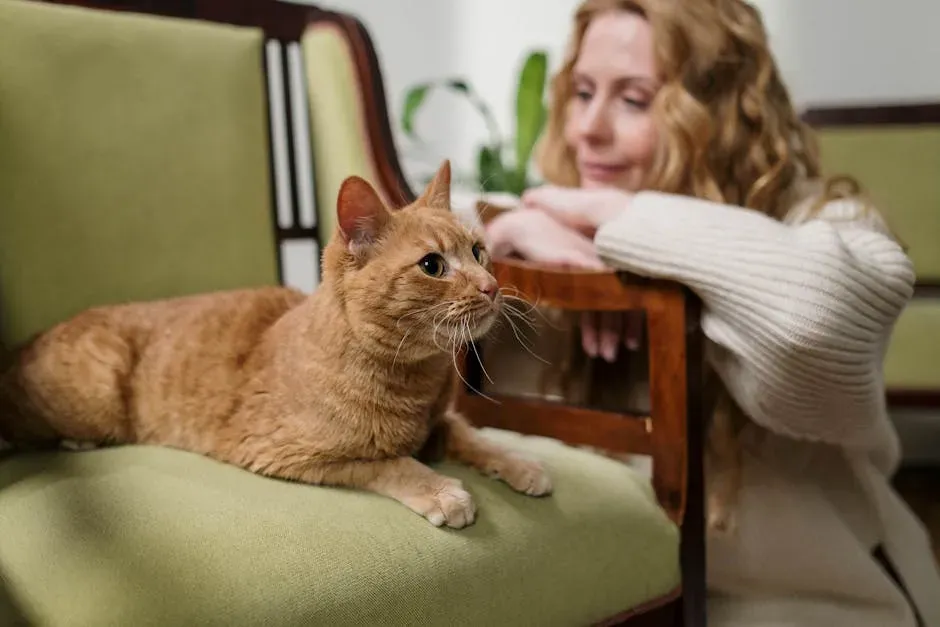
Here’s the delicious irony of living with a cat: playing hard to get is the best way to get a cat to approach you. Letting your cat take the lead on the affectionate moments will help you ensure that all the interactions are positive, and you will see that they will start to gain your trust. The harder you chase, the faster they run. The moment you stop chasing? Suddenly there’s a furry face in yours.
Establishing regular feeding and play schedules, respecting their boundaries, offering treats and positive reinforcement, and letting them initiate contact all help. Creating a predictable, enriching environment helps build trust over time. Think of it less like trying to win over a pet and more like earning the trust of someone who’s seen too much to be impressed easily. The initiation of social interactions between cats and humans has been shown to influence both the duration of the interaction and total interaction time in the relationship. Compliance with the interactional wishes of the partner is positively correlated between cats and humans. In other words, let them lead, and they’ll come to you more often.
The Predator Mind: Why Your Cat Can Zone Out Completely
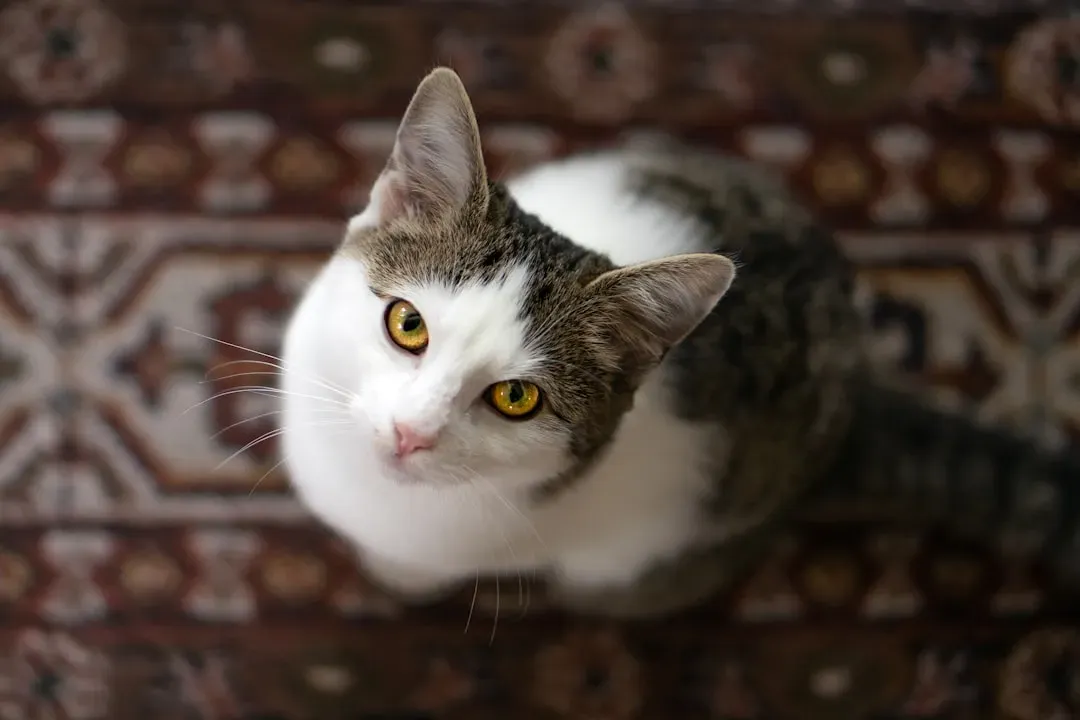
You’re mid-sentence, talking to your cat, and they are staring at literally nothing on the wall with the intensity of someone defusing a bomb. What’s happening? When your cat is in “hunt” mode, they can become intensely focused on certain stimuli, seemingly ignoring everything else, including their owner. They are tuned into their primal instincts, and everything else fades into the background. You’re not even on the radar at that moment.
Most cat games are of the stalk-and-pounce variety, which help cats fulfill an instinct that begins as early as kittens can wobble about and play with one another. Never mind that their pampered pets receive daily helpings of specially prepared meals – such games are a part of feline genetics and are here to stay. That wandering attention, the sudden sprint through the hallway at 2am, the intense staring at the corner of the ceiling – it’s all the predator brain doing what millions of years of evolution designed it to do. You just happen to live inside the hunting ground.
Conclusion: Your Cat’s Indifference Is the Highest Form of Honesty
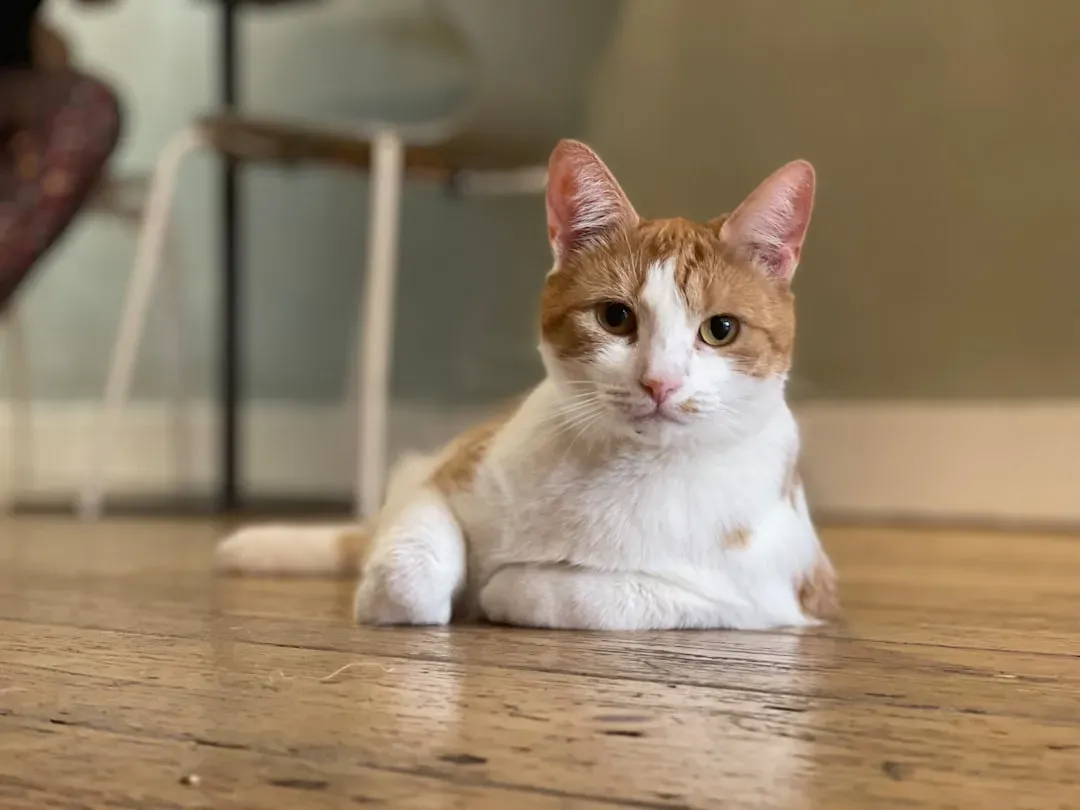
Here’s what most cat owners eventually come to realize: the very thing that frustrates you most about your cat is also what makes them extraordinary. They don’t fake enthusiasm. They don’t perform affection for your benefit. When your cat chooses to be near you, curl up on you, or grace you with a slow blink from across the room, it means something real. There’s no performance. No flattery. Just a supremely honest creature telling you, in their own ancient language, that you’ve made the cut.
Understanding the science and instinct behind your cat’s hard-to-get behavior doesn’t make it less magical. If anything, it makes every purr, every slow blink, and every unexpected head-bump feel like a small miracle. Your cat is not ignoring you. Your cat is choosing you, on their own terms, in their own time – and honestly, that might be the most meaningful thing a living creature can do.
So the next time your cat walks past you without a second glance, try not to take it personally. Try a slow blink instead. You might just be surprised by what comes back. What do you think – do you see your cat’s aloofness differently now? Let us know in the comments.
Kristina is a young writer from India. An arts graduate and an avid content creator, Kristina is passionate about animals and wildlife. She enjoys exploring topics related to pet care, animal behavior, conservation, and nature, combining thorough research with engaging storytelling.