In October 2024, Yazmin took a chance on a weathered feral cat known as Pooh Bear, pulling him from a community colony where locals had sustained him for a full decade. The once-agile survivor had slowed with age, prompting her decision to offer him a new life indoors. What followed defied typical rescue tales – a year on, Pooh Bear captured hearts online through his peculiar displays of attachment.
A Decade on the Streets Shapes an Unlikely Survivor
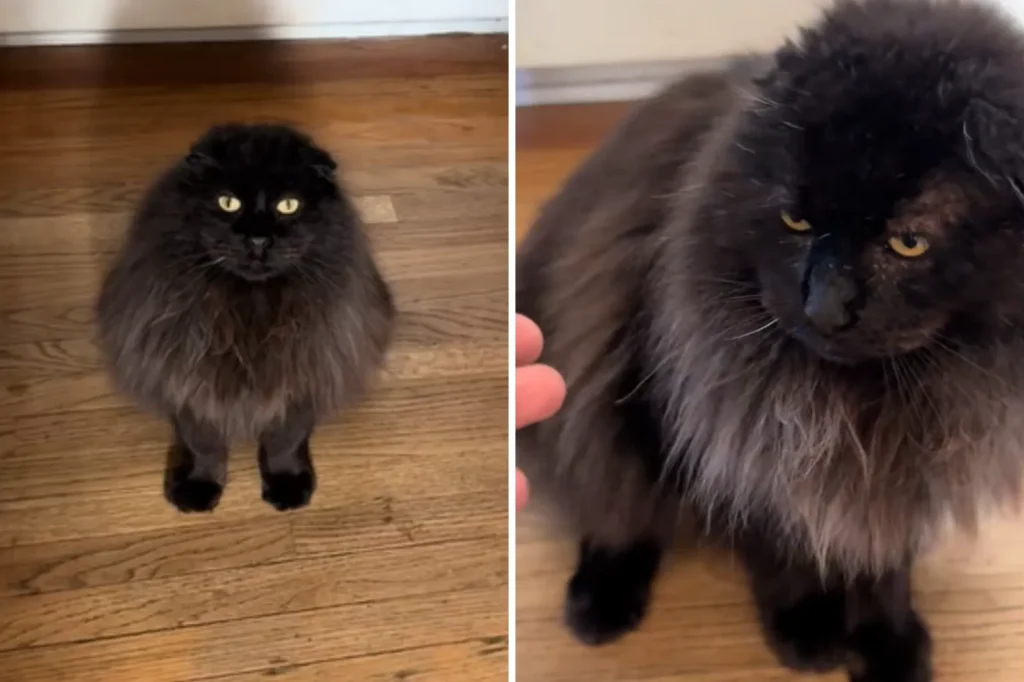
Pooh Bear spent ten years navigating the challenges of a community cat colony, relying on the kindness of neighborhood feeders for survival. His agility faded over time, leaving him vulnerable in ways that feral cats rarely admit. Locals noticed the change and alerted Yazmin, who stepped in during October 2024 to bring him inside.
This rescue marked a turning point for a cat who had mastered independence. Unlike kittens or young strays, Pooh Bear arrived with deeply ingrained habits from years outdoors. His story highlights how long-term ferals adapt uniquely, often resisting quick domestication.
Stalking from the Shadows: Pooh Bear’s Signature Affection
Pooh Bear trails Yazmin at a careful distance, his eyes fixed on her every move – a silent vigil that speaks volumes. Attempts to pet or cuddle trigger instant retreats, yet he returns moments later to resume his watchful routine. This push-pull dynamic unfolded over the year, revealing a bond built on his terms.
Experts in feline behavior note such patterns in former ferals, where trust rebuilds gradually. Pooh Bear’s method avoids vulnerability while signaling loyalty. His persistence turned everyday moments into captivating vignettes, drawing widespread attention.
TikTok Fame Ignites a Viral Phenomenon
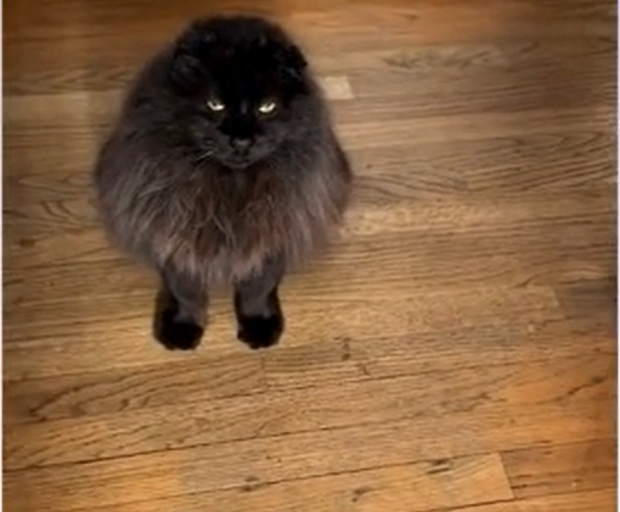
Videos of Pooh Bear’s antics exploded on TikTok roughly a year after his rescue, amassing views from animal lovers worldwide. Clips show him shadowing Yazmin through rooms, only to dart away at contact – a routine that resonated deeply. The platform’s algorithm propelled the content, turning a personal rescue saga into a social media hit.
Audience reactions poured in, with comments praising the cat’s authenticity. Shares highlighted parallels to shy pets everywhere. Yazmin’s posts offered glimpses into patience’s rewards, fueling discussions on feral adoptions.
Lessons from a Feral’s Journey to Trust
Pooh Bear’s experience underscores the patience required for feral transitions. Rescuers often face similar standoffish behaviors, which stem from survival instincts honed over years. Success stories like his encourage more interventions for aging colony cats.
Common strategies include providing safe spaces and respecting boundaries, much like Yazmin did. His viral rise demonstrates how individual personalities shine through, captivating observers.
- Allow ample space for observation before interaction.
- Use feeding routines to build positive associations.
- Observe subtle cues like trailing as signs of growing comfort.
- Patience trumps force in earning feral trust.
- Celebrate small victories, such as voluntary proximity.
Key Takeaways
- Feral cats like Pooh Bear express love through actions, not cuddles.
- Years on the street create lasting habits that evolve slowly indoors.
- Viral stories inspire adoptions and highlight rescue realities.
Pooh Bear’s tale reminds us that true connections form beyond expectations, thriving on mutual respect. One feral cat proved devotion needs no touch to feel profound. What unique pet behaviors have you witnessed? Share in the comments below.
Kristina is a young writer from India. An arts graduate and an avid content creator, Kristina is passionate about animals and wildlife. She enjoys exploring topics related to pet care, animal behavior, conservation, and nature, combining thorough research with engaging storytelling.