Cats are funny creatures. One minute your feline is boldly strutting across the kitchen counter, knocking things off with zero remorse, and the next they have completely vanished without a trace. You check every room. Nothing. Then you spot a tiny paw peeking out from under the bed skirt, or notice that suspiciously shaped lump beneath your pile of laundry. Sound familiar?
There is a whole world of reasoning behind where your cat disappears to when life feels like too much. These chosen spots are not random at all. They tell a surprisingly deep story about your cat’s emotional state, their instincts, and just how much they trust their home environment. Get ready to look at your cat’s favorite haunts in a completely new way. Let’s dive in.
Under the Bed: The Ultimate Feline Fortress
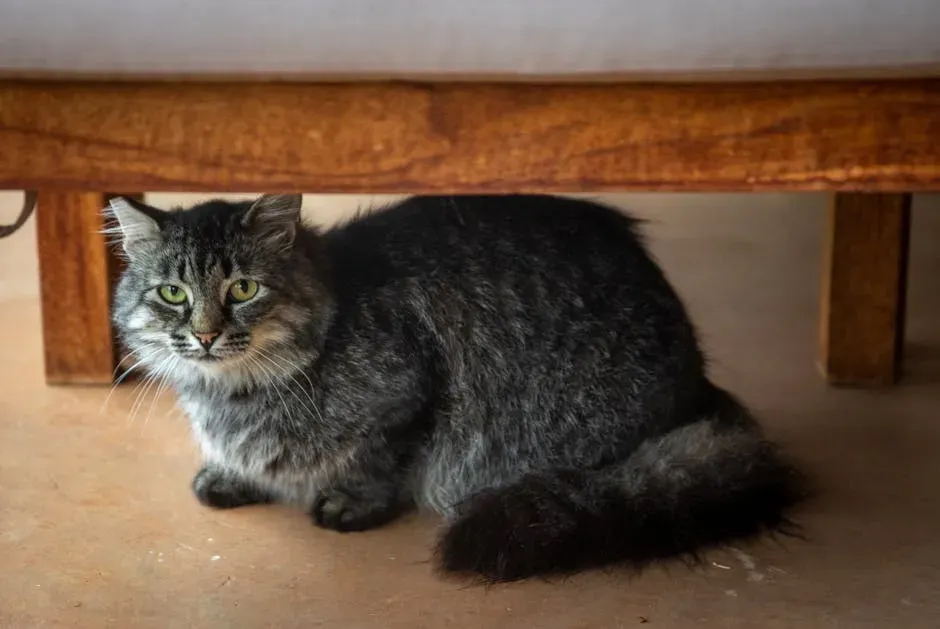
Honestly, if cats could design their own apartments, every single one would come with a built-in under-bed cavern. The space under your bed is dark, quiet, and hard to reach, which makes it ideal from a cat’s perspective, especially when they are feeling anxious or overstimulated. It’s essentially the VIP lounge of cat hiding spots.
Hiding under the bed feels especially secure for your cat. If you are hosting a party and you cannot find your cat, you may find them there because it is dark, quiet, and too small to fit a human. In other words, it is perfect for when your cat feels shy and would rather not interact with your house guests.
You also likely spend a lot of time in bed, so the general area may remind your cat of you, which can be comforting. Think of it like this: your cat is not hiding from you, they are hiding near you. There is a meaningful difference.
Inside Cardboard Boxes: Simple, Magical, Irresistible
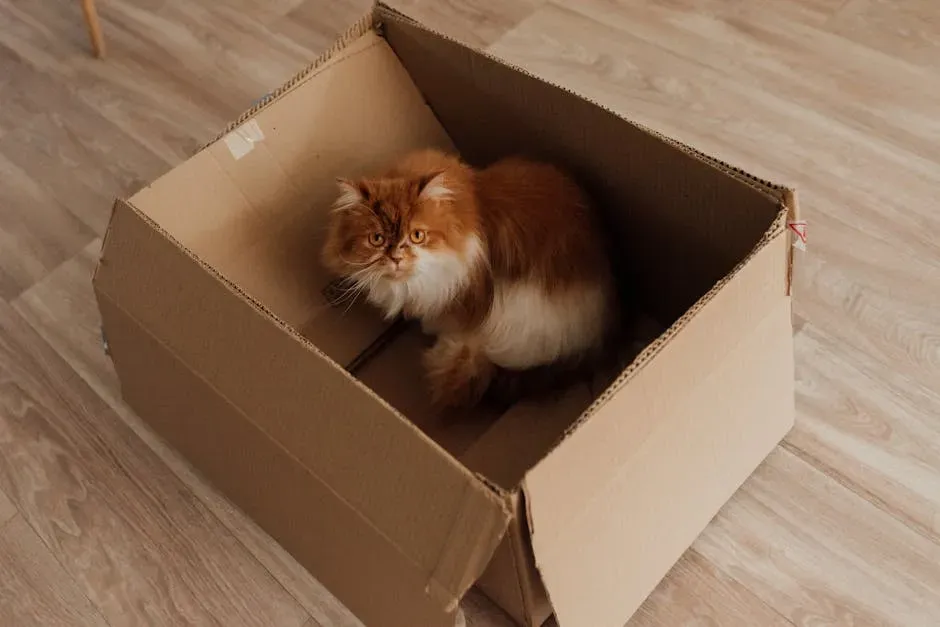
Let’s be real, you could spend a fortune on a state-of-the-art cat bed and your cat will still choose the Amazon delivery box sitting next to it. The most common escape spot is your average cardboard box. Boxes provide a soothing space for your feline friend, and for many cats, the smaller the better. In addition to the warmth that cardboard insulation generates, a box’s four walls give cats the security and comfort they crave.
Enclosed spaces provide a sense of comfort that cats find irresistible. Cardboard boxes or cat houses, in particular, offer a warm, confined space that helps retain body heat, making them cozy retreats. There is also something deeply satisfying, from a cat’s perspective, about having walls on all sides. It removes that exposed, vulnerable feeling that wide open spaces create.
Beyond warmth, small spaces also help reduce sensory overload. The world can be a busy, chaotic place, especially in a household with children, other pets, or loud noises. A hidden spot allows cats to have a personal retreat where they can relax without being disturbed.
The Clothes Closet: Scented Sanctuary
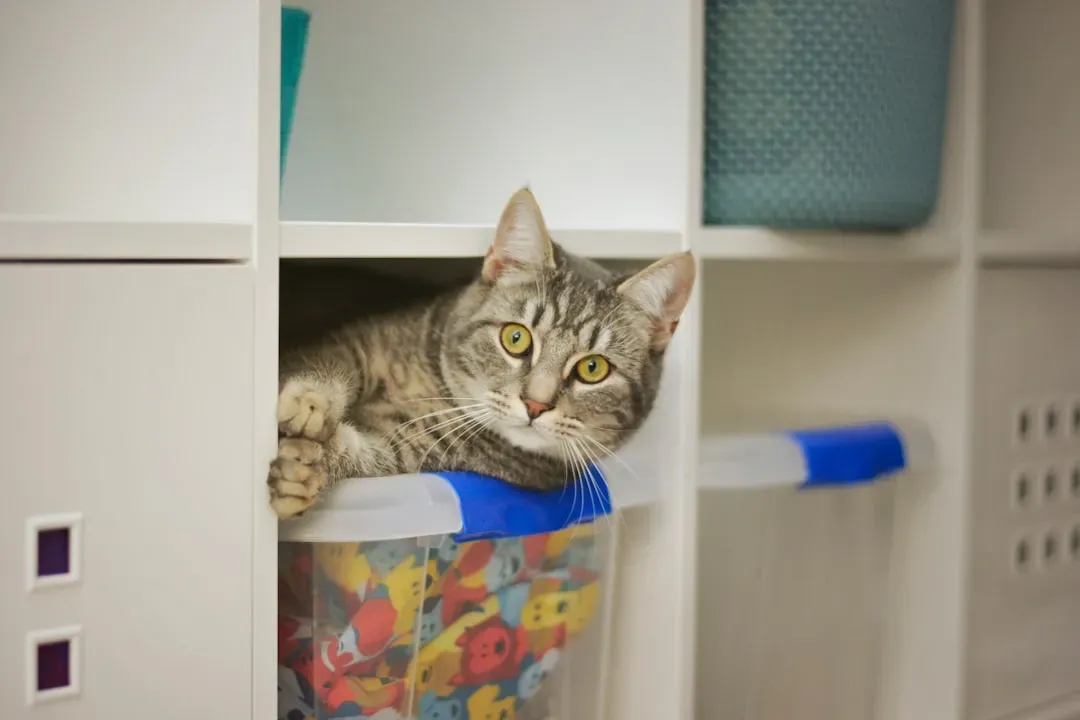
Your wardrobe might just be the most underrated cat comfort zone in the entire house. Cats love the closet because it has sturdy, secure walls and an abundance of soft fabric to cuddle. The clothes also smell like you, and your scent can be a great feline stress buster. Another benefit of a closet is that the enclosed space blocks much of the sound emanating from the rest of the home, so your cat can get a good day’s sleep.
If your cat is bonded with you and knows you can be trusted, they might associate your scent with safety and find comfort in sitting on objects that smell like you, such as your unwashed laundry. So when your cat squeezes into a corner of your closet, they are essentially wrapping themselves in a scent-based hug. I think that is one of the sweetest things a cat can do.
The Laundry Basket: Warm, Scented, and Perfectly Cozy
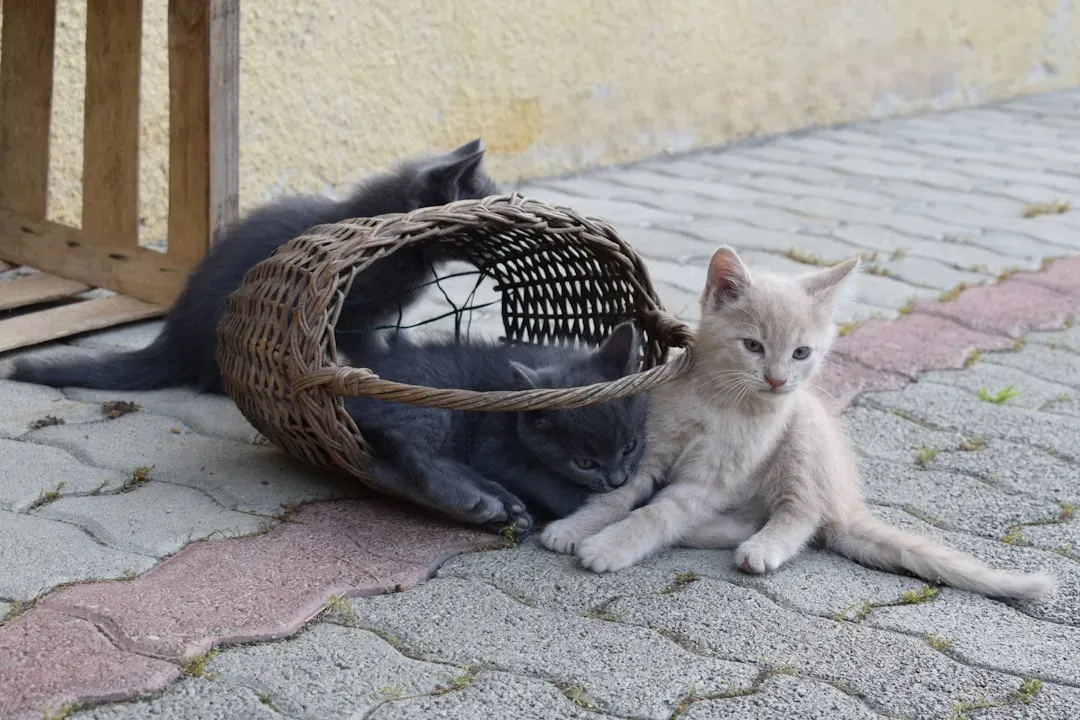
You pull the warm clothes out of the dryer, set them on the couch to fold, turn away for ten seconds, and there is your cat. Buried. Completely unbothered. One of the most significant reasons that cats love to sit inside laundry baskets is because they make them feel safe and comfortable. This is partially due to the instinct that tells them that small, hidden places are safe.
Another reason your cat may feel safe in the laundry basket is your clothes. Not only are clothes comfy for your cat to curl up on, but they also retain your scent. Your scent is calming and familiar to your cat, which makes the laundry basket feel like a safe area for them. It is hard to say for sure, but it seems like cats genuinely experience something close to relief when they find a space that smells like the person they love most.
The structure of a typical laundry basket provides partial coverage, allowing cats to see without being fully exposed. This “half-hiding” spot reduces anxiety while maintaining situational awareness. Unlike open beds or couches, which leave a cat vulnerable from all sides, a basket offers psychological protection.
On Your Lap: The Warmest Spot That Moves
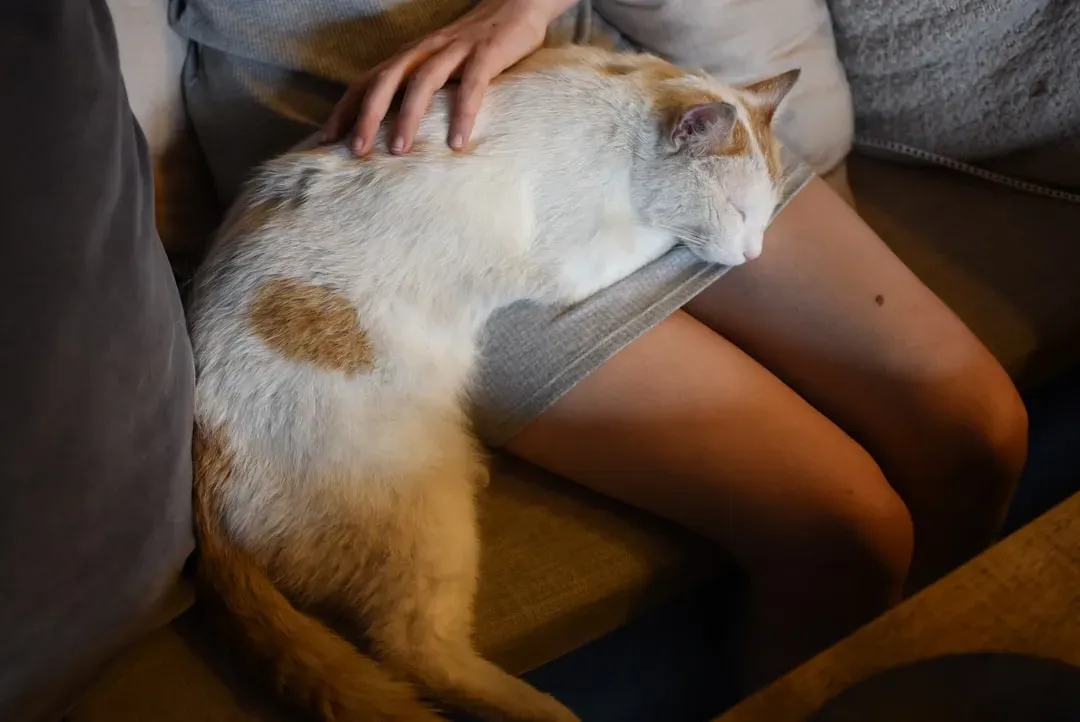
There is something undeniably special about a cat choosing your lap as their comfort destination. Cats are highly sensitive to rhythmic sounds, and few things are as calming as the steady rhythm of a heartbeat and the gentle rise and fall of breathing. Much like how newborn kittens seek the warmth and heartbeat of their mother, adult cats may find similar comfort in their human.
If your cat loves sleeping on your chest, it is more than just a cozy habit. This behavior is deeply rooted in feline instincts, emotional bonding, warmth-seeking tendencies, and even evolutionary traits. Research suggests their choice is based on the rhythm of your heartbeat, trust, stress relief, and their ancestral behaviors. So the next time your cat refuses to let you stand up, just know that you are essentially functioning as their emotional support human.
High Perches and Cat Trees: Comfort From Above
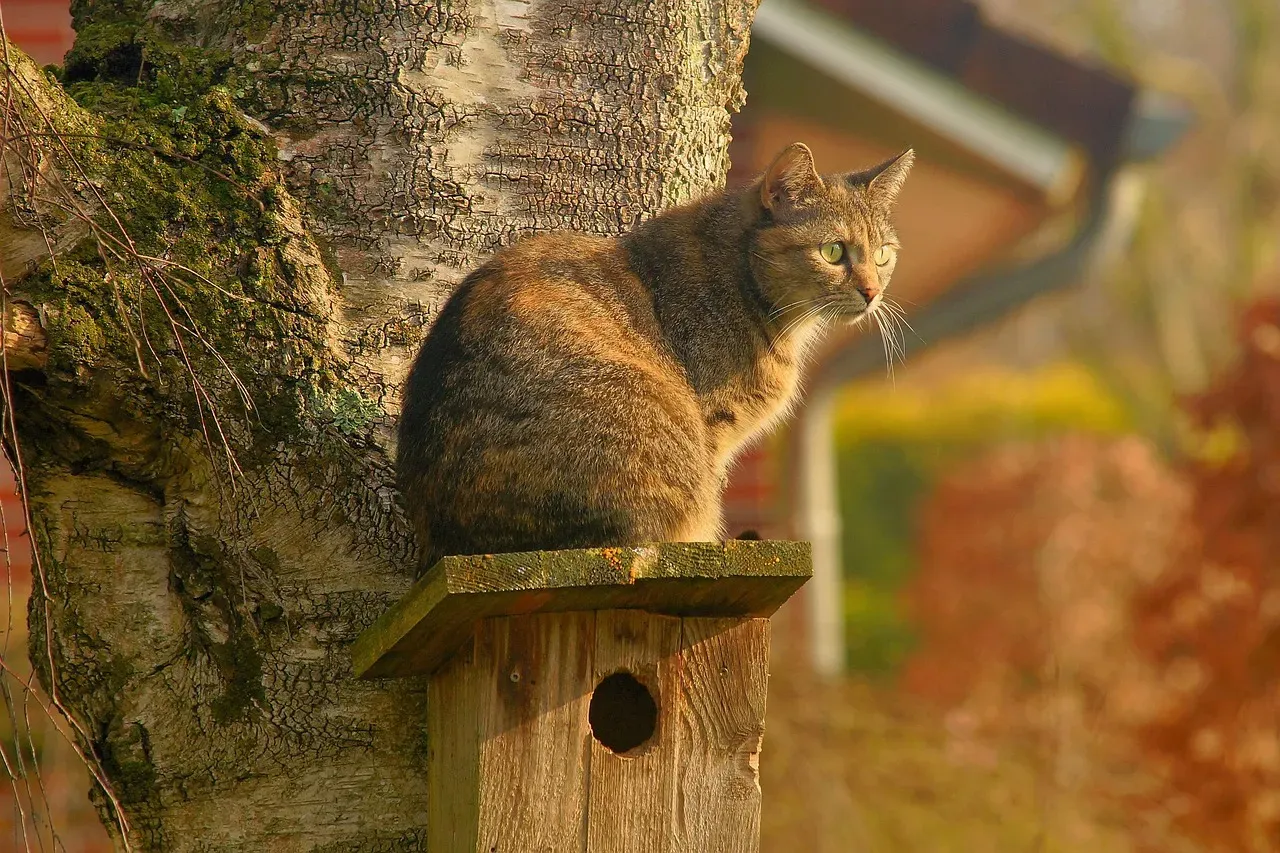
Here is the thing about cats: they feel genuinely safer the higher up they are. It sounds counterintuitive, but it makes complete sense once you understand the instinct behind it. Cats love to climb, and cat trees, shelves, or window perches allow them to survey their domain from above, which can reduce anxiety.
Getting your nervous pet a cat tower provides vertical space. Your cat’s perspective is limited when they are on the ground, so they like to find a higher spot where they can keep an eye on their surroundings. Think of a high perch like a cat’s personal observation tower. When the world feels unpredictable or stressful, being elevated is not about showing off. It is about control, clarity, and calm.
Cats also feel safer when they are off the ground. This gives them a good view of their surroundings to help them watch out for potential threats. Even the most pampered indoor cat still has that watchful, cautious streak running through them.
Quiet Corners and Behind Furniture: The Art of Disappearing
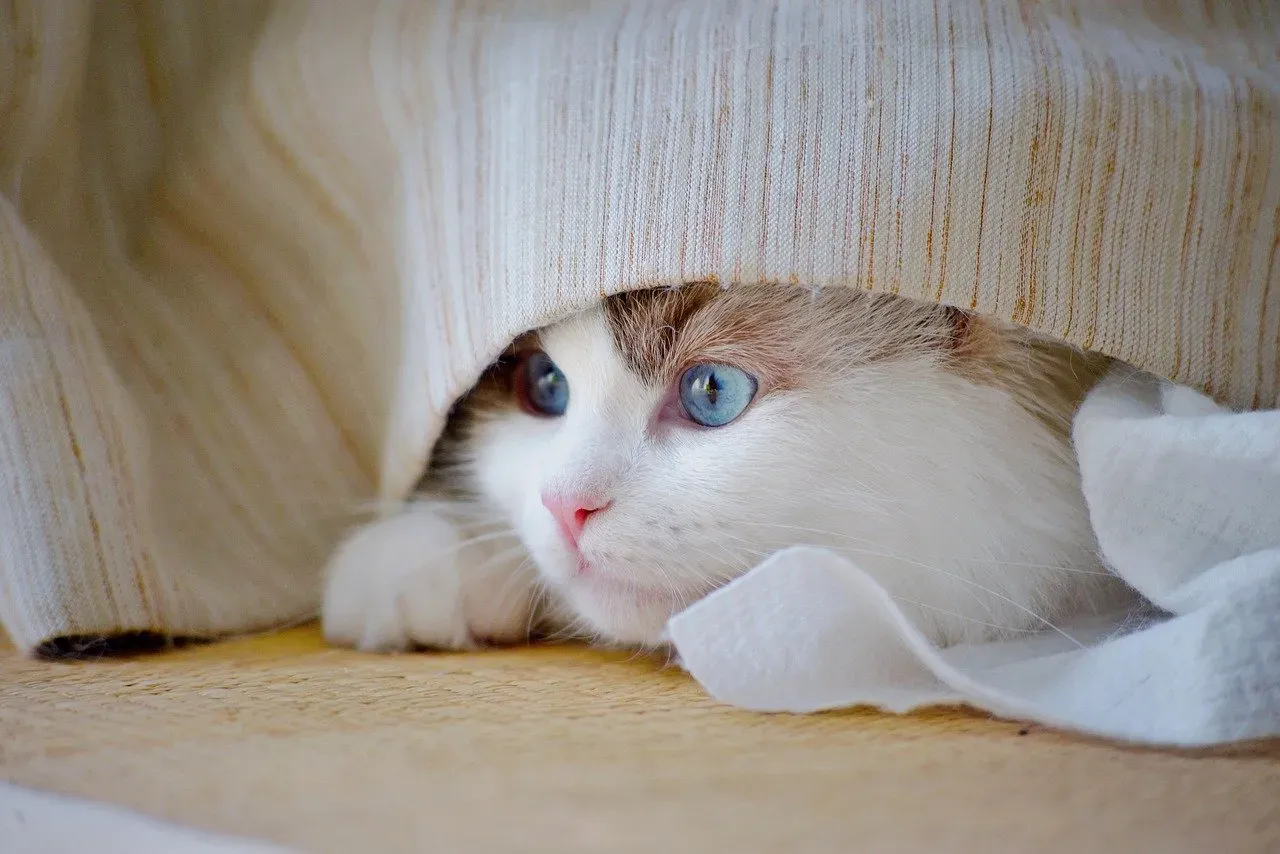
Cats under stress will seek comfort and will likely find a place to hide where they feel safe. Cats in new environments are likely to find a quiet, dark corner until they are comfortable. If your cat has suddenly discovered the gap behind the washing machine or the narrow sliver of space between the bookshelf and the wall, something in their environment probably feels off.
Sometimes cats hide because something has upset their peace. A loud vacuum, a visiting dog, or even a move to a new house can make them feel nervous or uneasy. Hiding gives them time to process what is happening and regain a sense of calm. Honestly, it is not so different from a person needing to lock themselves in the bathroom for five minutes of quiet after a chaotic day.
Hiding in the home can be a stress-reducing, relaxing thing to do. Many locations are warm, dark, and safe-feeling. A good hiding spot can be a welcome refuge from a noisy family or a pesky dog.
Soft Bedding and Blanket Nests: DIY Comfort Cocoons
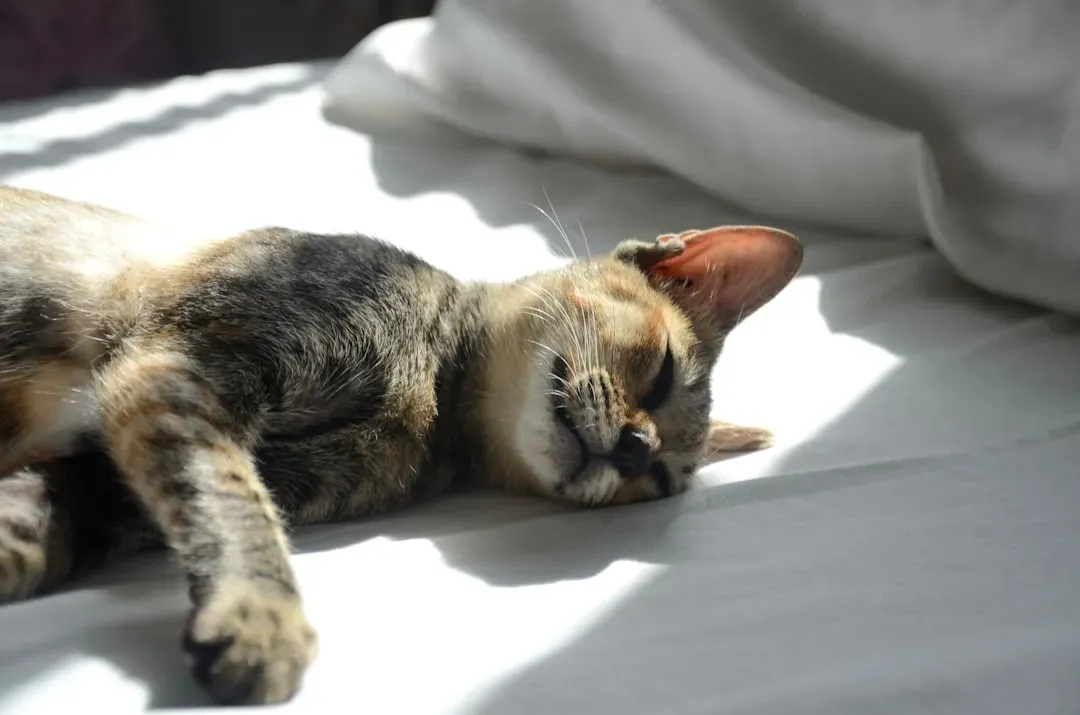
Your cat is an expert nest builder. Give them a pile of blankets, a soft throw, or even a rumpled duvet and they will arrange it into something that looks suspiciously intentional. Providing a soothing space with familiar bedding and toys helps your cat feel more secure. That is exactly why cats gravitate toward the softest, most fabric-rich corners of your home when they are seeking comfort.
Providing your cat with plenty of cozy places to rest and relax is important. Cats are not always very particular about where they sleep. Store-bought beds are acceptable, but your cat is equally happy to snuggle up on a neatly folded blanket or a soft pillow nestled in a charming wicker basket. I know it sounds crazy, but sometimes the simplest setup is the most beloved one.
It is actually healthy for cats to have a private hideout. A cat cave, soft bed, or quiet corner gives them a safe place to rest and recharge. These cozy spaces help them feel in control of their surroundings, and many cats rely on these retreats when they feel nervous or overstimulated.
The Owner’s Bed: Sleeping Close to Someone They Trust
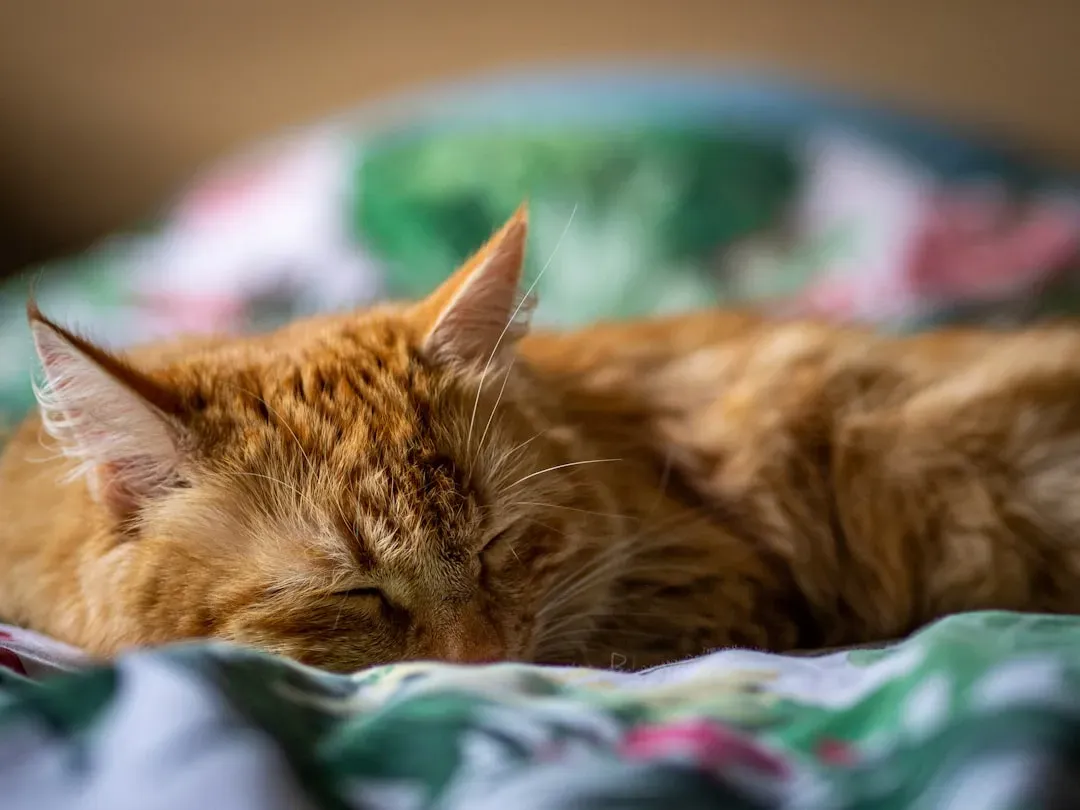
Your bed is basically prime real estate in your cat’s eyes. It smells like you, it is warm, it is soft, and it carries a sense of deep familiarity. Sleep can be a vulnerable time, and cats instinctively gravitate toward places where they feel safe. By choosing to sleep near a familiar human, cats not only find warmth and comfort but also benefit from a sense of security that reinforces their bond.
Although cats are often labeled as solitary hunters, they exhibit surprisingly social behaviors when it comes to rest. Felines may prefer some independence during the day, yet they often seek out trusted companions at night, whether those companions are fellow cats or their human caretakers. This social sleeping tendency reveals a more communal side of feline behavior than many realize.
It is no secret that cats are heat-seekers. Their body temperature runs higher than ours, so they instinctively seek out the warmest spots for rest. Your bed, layered with blankets and carrying your scent from hours of sleep, is basically a five-star hotel to a comfort-seeking cat.
Conclusion: Your Cat’s Comfort Spots Are a Window Into Their Soul
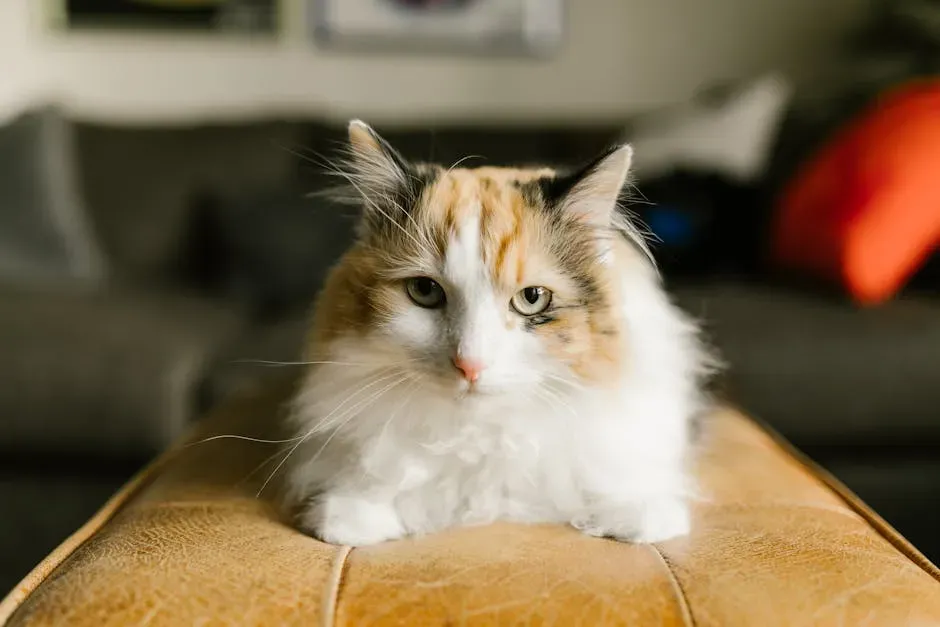
Every spot your cat retreats to tells you something real. The dark hideaway under the bed, the warmth of your freshly dried laundry, the safe vantage point of a high perch, and the closeness of your lap each speak to a different layer of feline need. Every hiding cat has a reason, and most of the time it is perfectly natural. These quiet moments help them feel secure, rested, and balanced in their own way. Giving your cat a calm space to retreat shows love, patience, and understanding.
The smartest thing you can do as a cat owner is stop seeing these habits as strange and start seeing them as communication. Building trust through positive reinforcement, safe spaces, and predictable routines allows cats to gradually come out of hiding and feel secure in their home environment. Your cat is not being dramatic or difficult. They are simply doing what deeply emotional, instinct-driven creatures do when they need to feel okay again.
The next time your cat vanishes into their favorite cozy spot, resist the urge to coax them out. Let them have it. That tiny hidden corner might just be the safest place in their whole world. What is your cat’s go-to comfort spot? Drop it in the comments, because something tells me there are some truly surprising answers out there.
Kristina is a young writer from India. An arts graduate and an avid content creator, Kristina is passionate about animals and wildlife. She enjoys exploring topics related to pet care, animal behavior, conservation, and nature, combining thorough research with engaging storytelling.