There is something almost magical about sharing your home with a creature that never utters a sentence yet somehow makes you feel completely understood. Cats are, without question, masters of non-verbal expression. You might think your cat is being mysterious or even indifferent, but the truth is far more fascinating. They are communicating with you constantly, in a rich and nuanced language that most humans simply have not learned to read yet.
What makes this even more surprising is that much of what your cat expresses is remarkably precise. Happiness, fear, trust, irritation, affection – it is all there, written across their bodies in posture, eyes, tails, and whiskers. This article breaks down each piece of that silent vocabulary, one signal at a time. Get ready to see your cat in a whole new light.
More Than Just a Meow: The Bigger Picture of Feline Communication
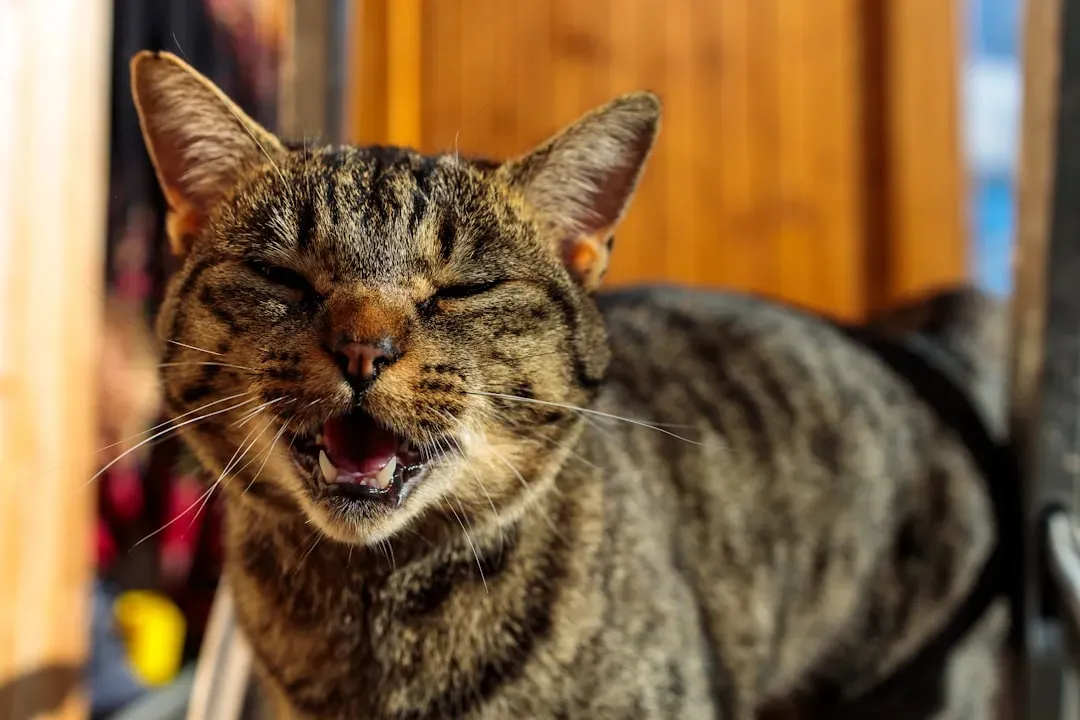
Most people hear the word “meow” and think that is about as far as cat communication goes. Honestly, that is like assuming humans only talk through hand gestures. Cats can use a range of communication methods, including vocal, visual, tactile, and olfactory communication. Each channel carries its own set of messages, and when you understand all of them together, your cat suddenly seems far less enigmatic.
Here is something that will genuinely surprise you: your cat’s meow is mostly reserved just for you. Studies have shown that domestic cats tend to meow much more than feral cats, and they rarely meow to communicate with fellow cats or other animals. In other words, every time your cat meows at you, that vocalization was invented specifically for your relationship. It is, in a strange and wonderful way, a language your cat designed for you alone.
The Tail Tells a Story: Reading Your Cat’s Most Expressive Tool
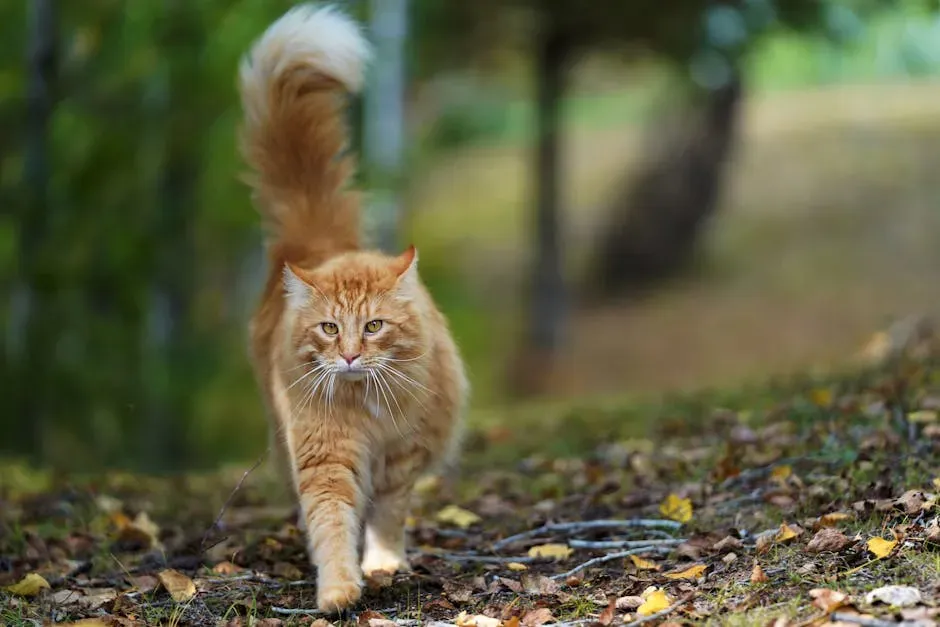
Think of your cat’s tail as a live emotional ticker-tape. It never stops broadcasting how your cat feels, right there in plain sight. A cat’s tail holds a complex language all its own, and every swish, wag, flick, and curl contains a hidden message that can give you deeper insight into your cat’s personality and feelings. The only challenge is learning to read those movements correctly.
Straight up or high tails indicate cats are attentive and alert, and usually confident, contented, and willing to be sociable. On the other end of the spectrum, a cat may lower their tail below the level of their back if they are frightened or anxious, and if the tail is tucked between their legs, they are really scared or may be experiencing pain. The middle ground is equally telling – when your cat thrashes their tail or is thumping it on the ground, they are irritated, annoyed, or angry, and something is clearly bothering them.
Ear Positions: Your Cat’s Built-In Mood Radar

If you want a quick emotional read on your cat, look at their ears first. This is one of the fastest and most reliable signals available to you. Cats have 32 muscles in each ear – far more than humans have – and their ears can move 180 degrees, which is a huge range of motion. That physical capacity translates directly into an incredibly expressive communication tool.
Natural or forward-facing ears usually signal a relaxed and friendly cat, while airplane ears, meaning ears flattened to the sides, typically indicate discomfort, stress, or overstimulation. There is also the more alarming flat-to-the-head position. When a cat pins their ears flat against their head, it is a strong signal that they feel threatened or upset, and it often comes with other signs like a puffed-up tail and a low growl. If you see this, give your cat space immediately.
The Slow Blink: A Cat’s Equivalent of “I Love You”
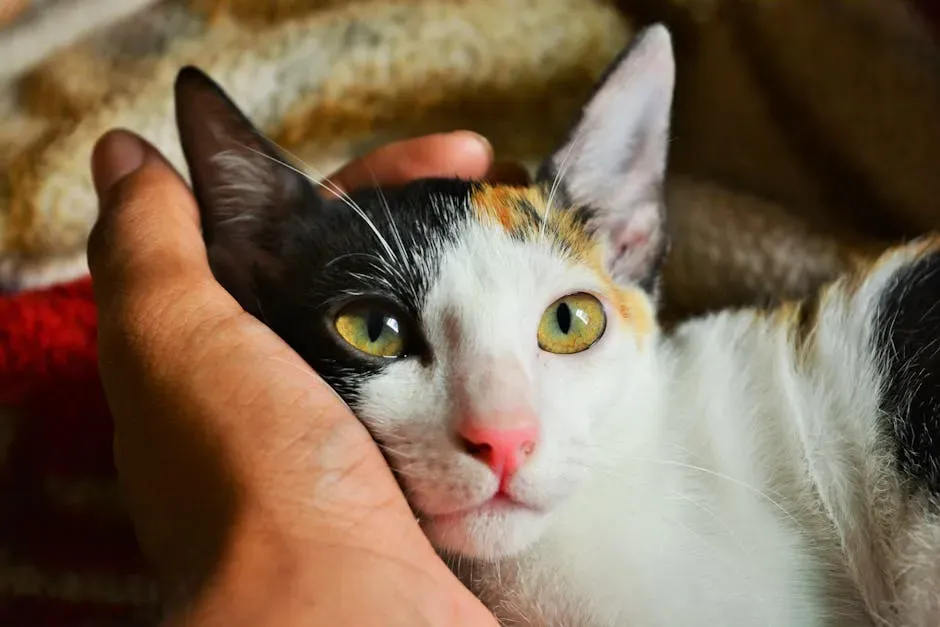
Let’s be real – there are not many gestures in the animal kingdom more quietly profound than the cat slow blink. It looks almost like sleepiness. It is anything but. For the most part, slow blinking is your cat’s way of telling you that they trust and are comfortable around you. In the wild, closing your eyes around a potential threat is an enormous act of vulnerability. When your cat does it while looking at you, they are saying something deeply meaningful.
Science has actually confirmed this. Scientists from the University of Sussex and University of Portsmouth confirmed the magic effect of the slow blink in a study published in Scientific Reports. Even more remarkable, cats more often offered a slow blink at their owners if the owners slow-blinked first, and cats were also more likely to approach an experimenter who was a stranger after a slow-blink exchange. So try it. Look at your cat gently, close your eyes slowly, and open them. You might just start a conversation.
Whisker Wisdom: The Emotional Compass on Your Cat’s Face
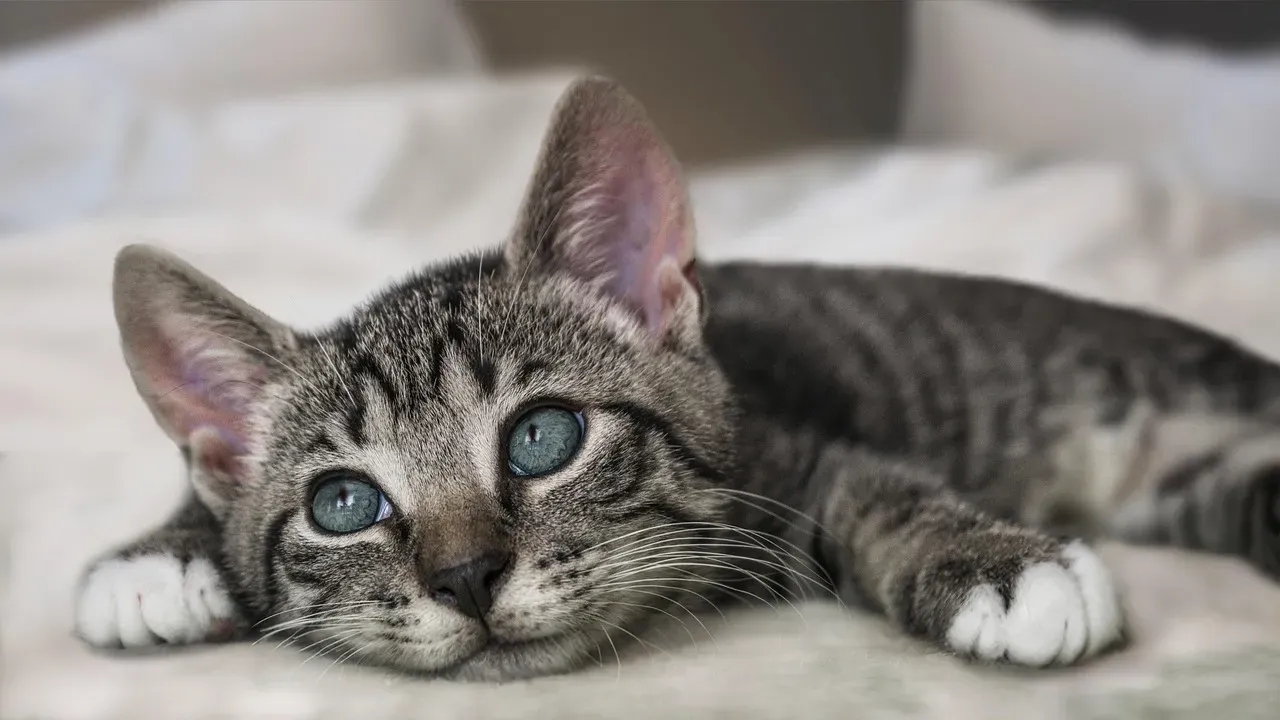
Whiskers are wildly underrated as a communication tool. Most people know they help cats navigate in the dark, but their role in expressing emotion is equally important. When tense or highly alert, a cat’s whiskers will be fanned out and pointing forward in front of the face, while when relaxed, the whiskers point directly out and are less spread out. That distinction alone gives you two very clear emotional snapshots.
Pay close attention when something unsettles your cat. A frightened or nervous cat may flatten their whiskers against the side of their face and bunch them together. Think of it like a turtle pulling into its shell, only subtler. Whiskers are highly sensitive tactile hairs that provide spatial awareness, and while whiskers pulled back indicate stress or defensive behavior, whiskers pointing forward signify curiosity and readiness to explore. A quick glance at those whiskers and you know exactly what emotional mode you are dealing with.
Body Posture: The Full-Body Announcement
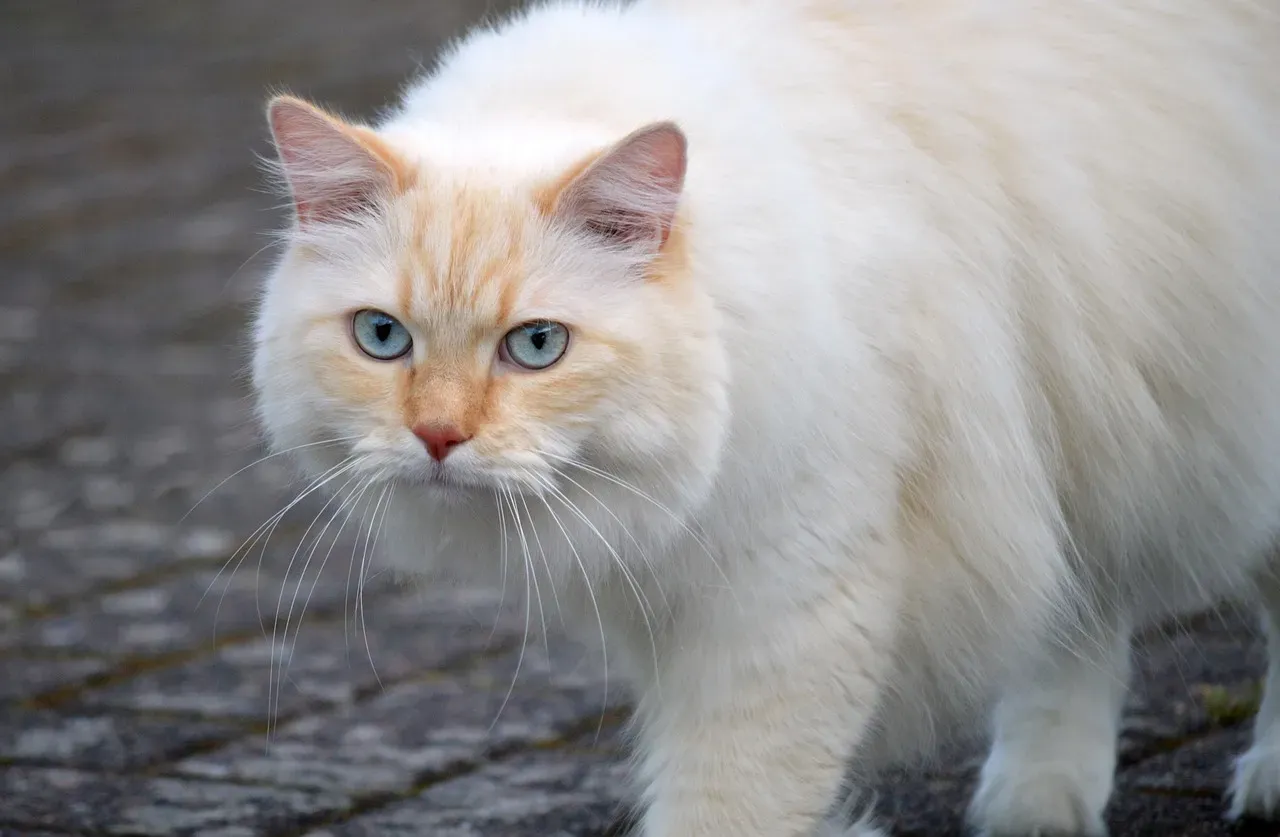
Your cat’s entire body posture is one long continuous broadcast about their inner state. Relaxed cats are almost architectural in their looseness, a kind of effortless elegance that practically radiates safety. Cats who are relaxed will have loose, fluid body movements with slow, steady breathing, and they might fold their feet in front of themselves, stretch their feet way out in front, or slouch over the side of a perch. Contrast that with an anxious cat, and the difference is immediately stark.
Crouching down to look small shows a cat is anxious, while arching their back and puffing up their fur signals that they feel threatened. There is also the interesting middle ground, the belly-up position. When a cat lies on its back with its belly exposed, this can be taken as a sign of trust, because it feels safe enough to adopt this vulnerable position. However, do not mistake that as an invitation for a belly rub – many cats will swipe at you for trying.
Scent Marking: The Invisible Messages You Cannot Read
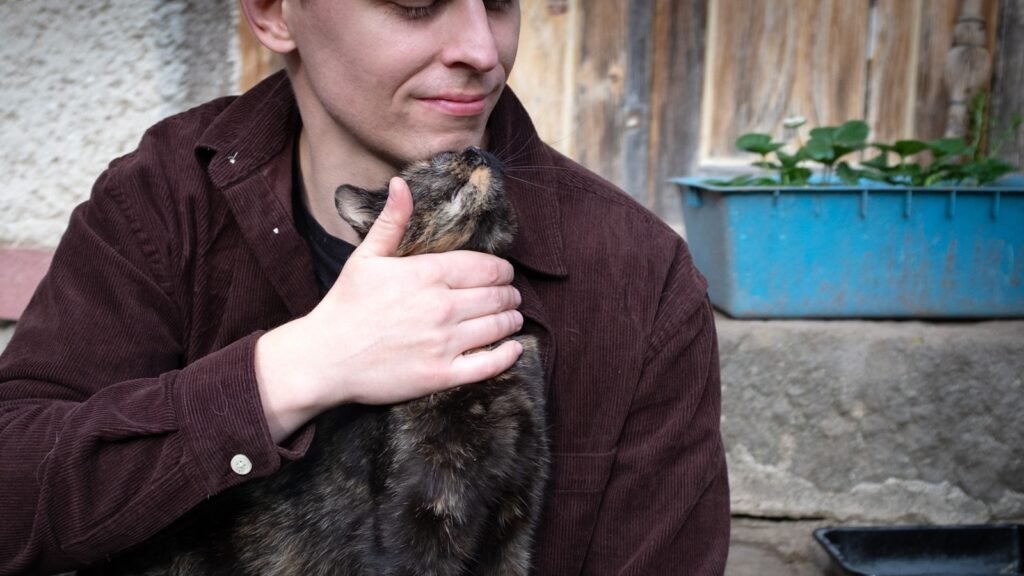
Here is where things get genuinely fascinating, because an enormous part of what your cat communicates happens in a dimension completely invisible to you. Cats have nine scent glands spread throughout their body, with the most prominent located on the face, tail, paws, and anal region, and releasing pheromones from these glands helps mark territory and signal emotions such as comfort, affection, or stress.
When your cat rubs their face against your leg or your furniture, that is not random behavior. When your cat rubs their head against you, furniture, or other objects, comforting pheromones are released from their cheeks to enhance bonding and signal happiness and contentment. So your cat is essentially signing you with a scent that says “mine, and I feel good about it.” Chemical signalling involving odours and pheromones can be very specific, last for a long time, and spread over long distances, making it vital for cats to identify their territory and recognize friendly individuals.
Tactile Communication: What Touch Means Between Cats and Humans
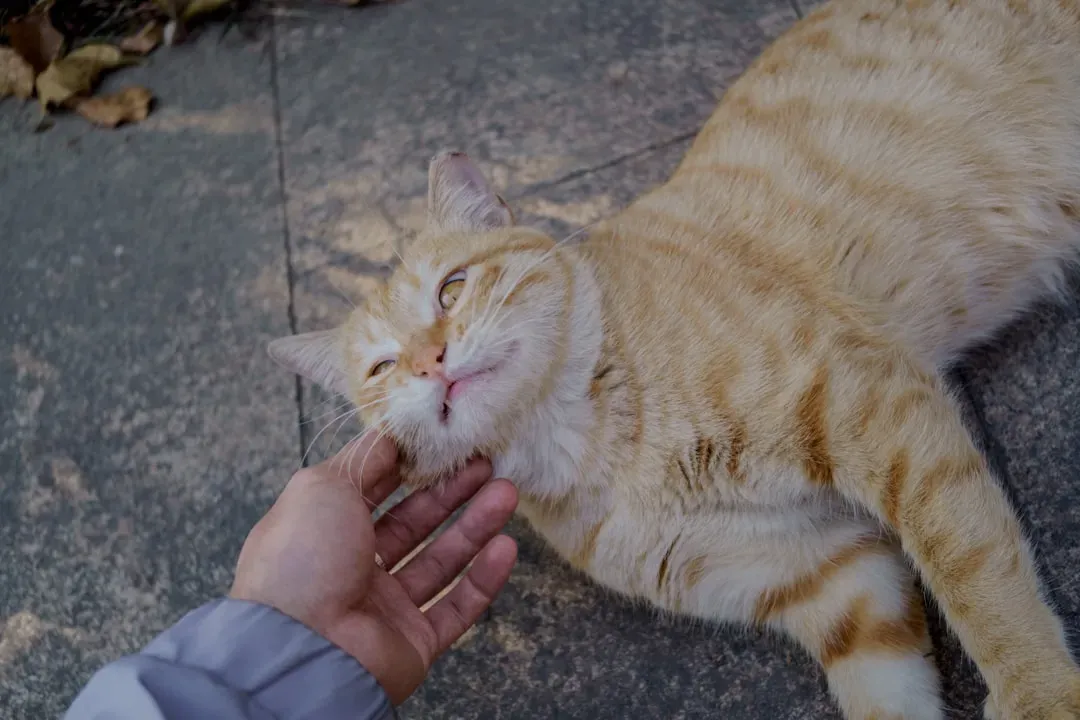
Touch is the love language that many cats reserve for the beings they trust most. It is not casual or accidental. Common forms of tactile communication include allorubbing, where two cats rub their bodies against each other around the mouth and cheek area, as well as allogrooming, nose touching, and resting or curling up together. When your cat does any version of these things with you, they are treating you as a trusted member of their social group.
Head-butting, sometimes called bunting, is another gesture worth understanding. When cats head-butt humans and rub against them, scientists believe this is either a way to greet humans and say they are happy to see them, or a way of spreading their scent and marking their territory. Either way, it is fundamentally affectionate. If you have ever seen cats cuddling curled with their tails around each other, it is a very pro-social tail behavior, and one of the ways cats bond and socialize. When your cat does it with you, you are officially in the inner circle.
Vocalizations Beyond the Meow: Purrs, Chirps, and Trills
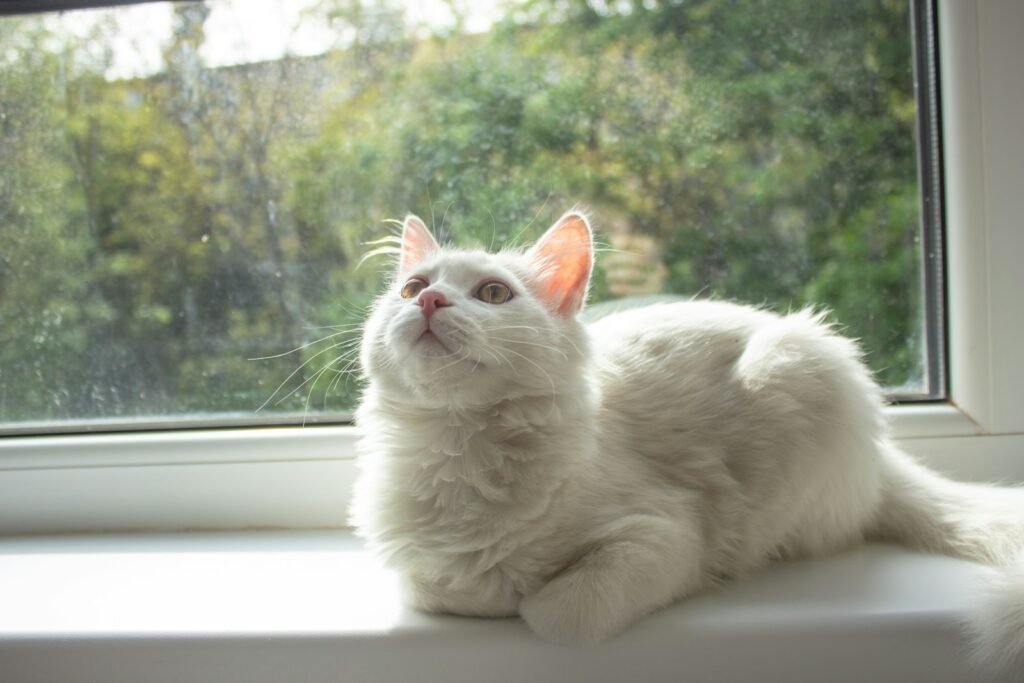
While we have established that meowing is mostly a human-directed tool, your cat’s vocal repertoire is considerably richer than that single sound. Up to 21 different cat vocalizations have been observed. That is not a single-note instrument. That is a whole orchestra.
The chirr or chirrup sounds like a meow rolled on the tongue, and it is commonly used by mother cats to call their kittens inside the nest. Kittens recognize their own mother’s chirp, but they do not respond to the chirps of other mothers. It is also used in a friendly manner by cats when greeting another cat or a human. Then there is purring, which people often misread. Cats have been found to purr as a means of soliciting human attention, and purring is often misunderstood as a sign of happiness rather than a request for attention that may occur even when a cat is not feeling well. Not so simple after all, is it?
Context Is Everything: Reading the Full Picture
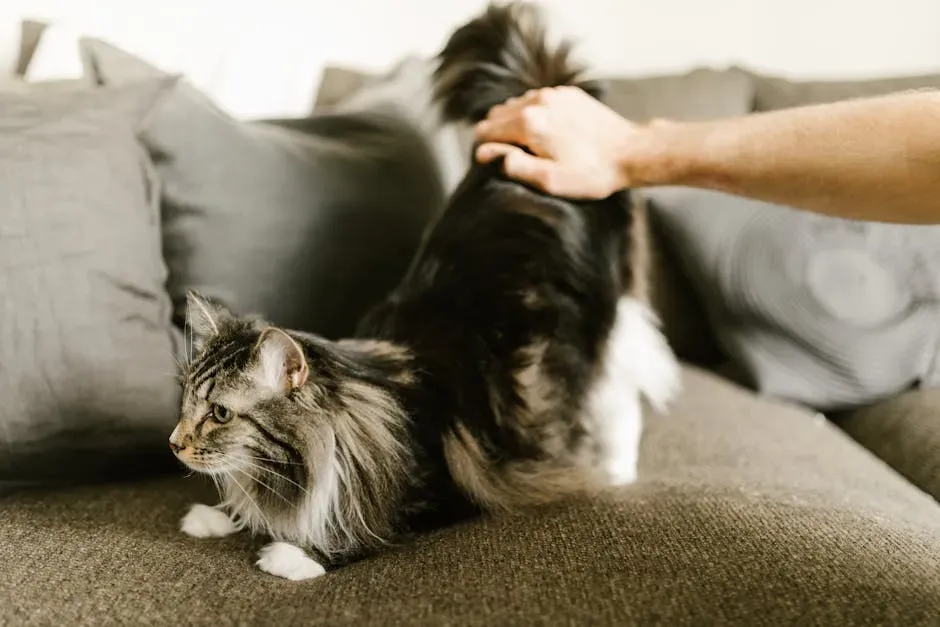
The most common mistake people make when reading cat body language is focusing on one signal in isolation. Cats are not signaling in single sentences; they are communicating in full paragraphs. Interpreting cat body language requires considering the context and the overall situation, as cats often display a combination of cues to convey their emotions, making it essential to observe multiple signs in conjunction. A twitching tail means something very different when the ears are forward and the eyes are soft versus when the ears are flat and the pupils are dilated.
Cats rarely communicate with just one signal. Instead, they combine ears, eyes, tails, and posture into a full message. For example, forward ears combined with an upright tail and a slow blink signal a relaxed, friendly cat, while pinned ears with dilated pupils and a lashing tail signal agitation. The more you observe your individual cat over time, the more fluent you will become in their specific dialect. The more you watch and listen to your cat, the easier it will be to understand what they are communicating, including whether they make one type of meow when they are hungry and another when they first see you.
Conclusion: Learning the Language Changes Everything
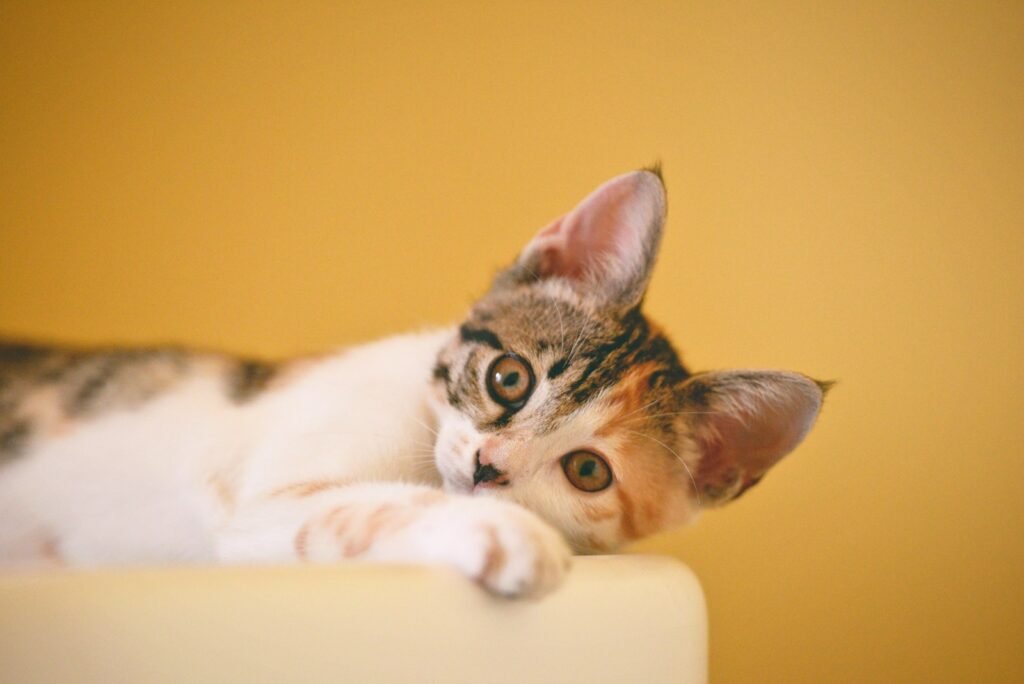
Cats have been speaking this rich, layered, non-verbal language for thousands of years. The only thing that has changed is whether humans are listening. Once you start paying attention, what once looked like aloofness or mystery begins to look like something far more meaningful: a creature patiently trying to connect with you in every way it knows how.
You do not need to become a feline behaviorist to benefit from this knowledge. By paying close attention to your cat’s body language, you can do a better job of attending to their needs and have even stronger, happier relationships with them. Start small. Notice the tail position when your cat walks toward you. Look for the slow blink. Watch those whiskers. The signals are there every single day, and your cat has been sending them all along.
The real question is not whether your cat is telling you something. They absolutely are. The question is whether you are ready to listen. What signals from your cat have you always wondered about? Share your thoughts in the comments below.
Kristina is a young writer from India. An arts graduate and an avid content creator, Kristina is passionate about animals and wildlife. She enjoys exploring topics related to pet care, animal behavior, conservation, and nature, combining thorough research with engaging storytelling.