You’ve probably seen it happen more than once. You’re sitting quietly across the room, and your cat – that notoriously mysterious creature – catches your eye and slowly, almost dramatically, closes and reopens their eyelids. It’s so subtle you might brush it off as tiredness. But here’s the thing: it’s anything but random.
That small, gentle gesture is one of the most meaningful things your cat will ever do in your direction. It’s a doorway into the fascinating world of feline communication – a world most people barely realize exists. Stick around, because what you’re about to discover might completely change how you see your cat. Let’s dive in.
The Slow Blink Decoded: More Than Just Tired Eyes
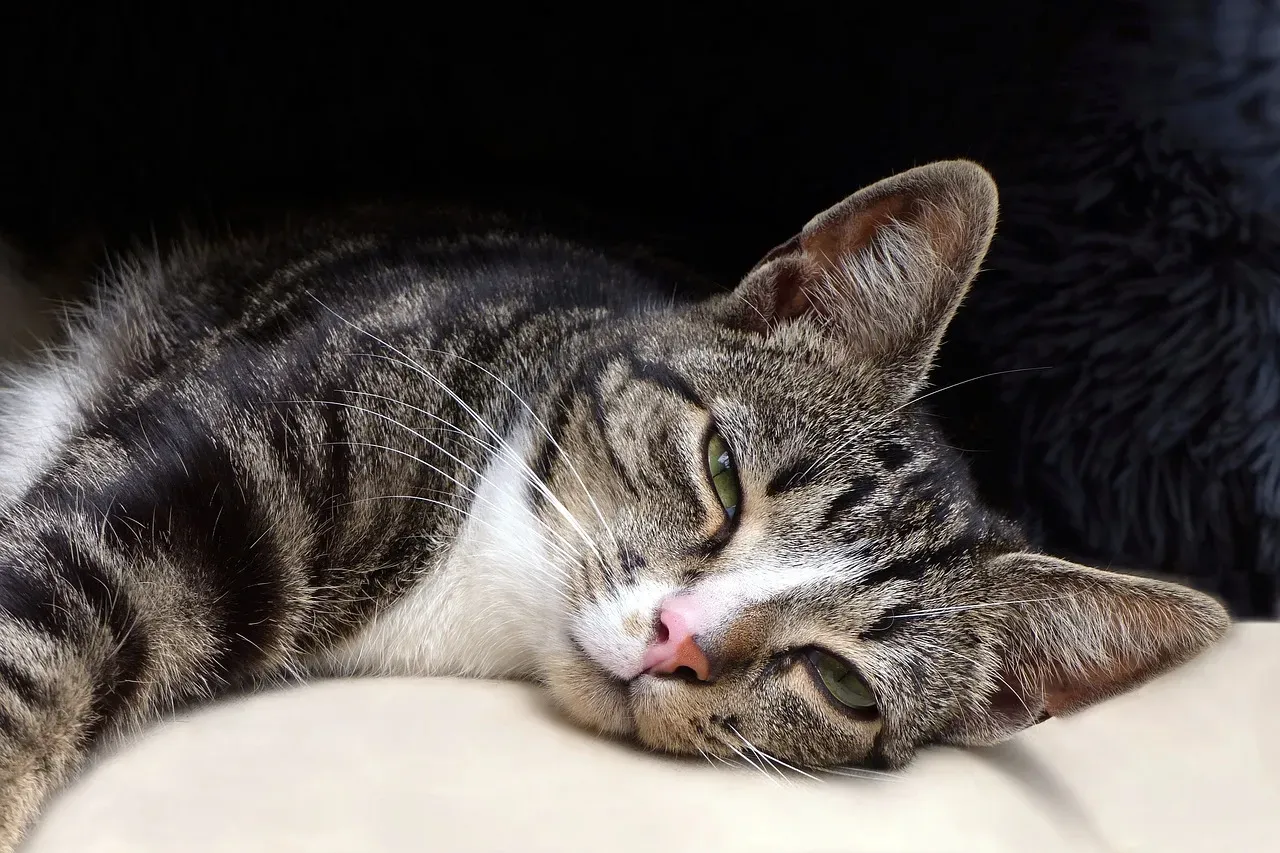
Most of us assume that when a cat slowly closes their eyes, they’re either half-asleep or completely unbothered. Honestly, that second part is closer to the truth, but in the best possible way. Slow blinking is a subtle feature that has been observed in cats for some time, and is thought to be used by cats to indicate a sense of calm and a positive emotional state.
The cat slow blink is a facial expression in which cats gently narrow their eyes and close them slowly before reopening. To us, it looks like a soft, sleepy blink, but for cats, it’s a social signal. Think of it like the difference between a polite nod and a warm, heartfelt wave. The mechanics look almost identical. The meaning couldn’t be more different.
The slow blink, for those who don’t know, is just what it sounds like: a leisurely closing and opening of the eyes that, to the uninitiated, probably looks like any other blink. But it’s not like any other blink. With a slow blink, your cat will completely or partially shut their eyelids for more than half a second. So if you’ve been dismissing these little moments, it’s time to start paying much closer attention.
Why Vulnerability Is the Whole Point
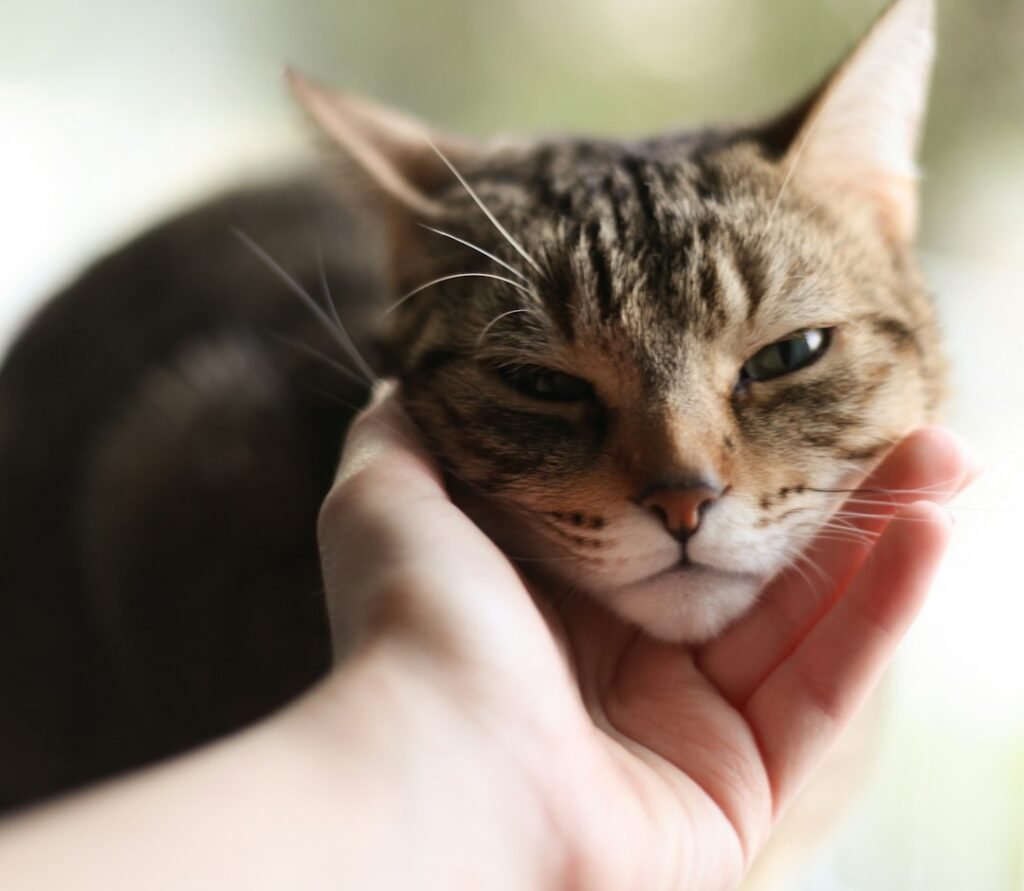
When a cat slow blinks at you, they are often expressing a sense of trust, contentment, and affection. In the feline world, closing their eyes in the presence of another creature makes them vulnerable, as they are unable to detect potential threats. For an animal wired entirely around survival and self-preservation, that is a genuinely enormous deal.
Your cat’s slow blink is a sign that they trust you and feel comfortable around you. For an animal wired for self-preservation, that kind of voluntary vulnerability is genuinely a big deal. Imagine a soldier laying down their shield mid-battle. That’s essentially what your cat is doing, except instead of a battlefield, it’s your living room sofa.
The Science That Proved Cat Owners Right All Along
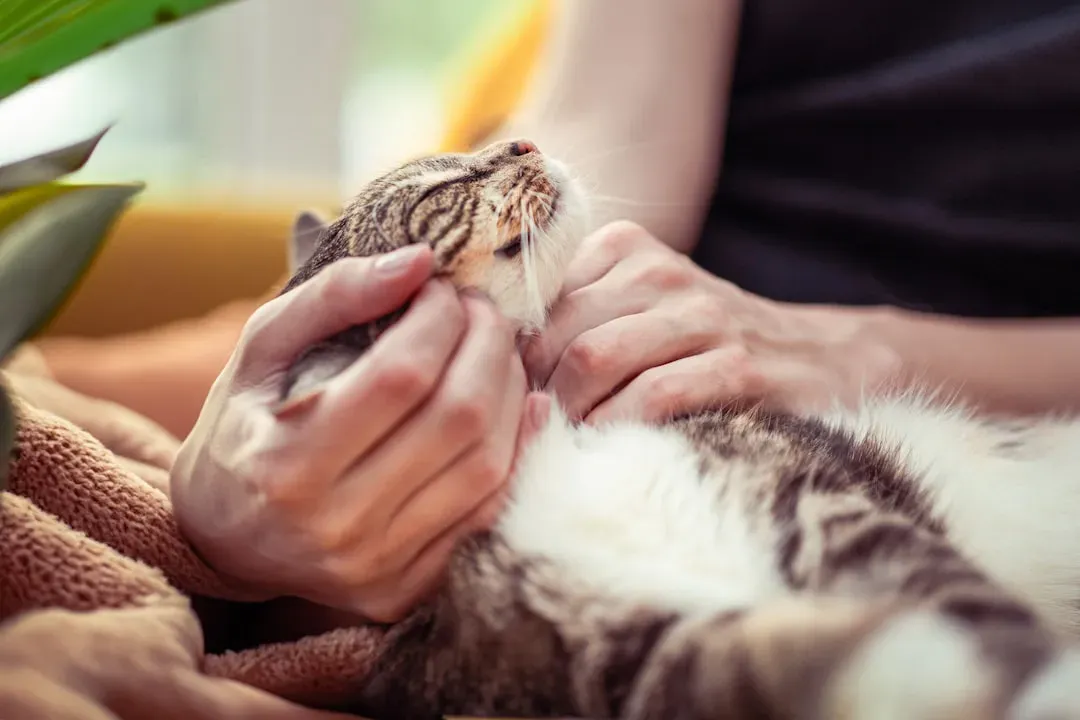
In 2020, psychologists at the University of Sussex conducted the first scientific study on the meaning of the cat slow blink. Led by Dr. Tasmin Humphrey and Professor Karen McComb, the research published in Scientific Reports proved something cat owners had long suspected: slow blinking is genuine cat communication. Not folklore. Not wishful thinking. Actual, peer-reviewed science.
In the first experiment, owners slow-blinked at 21 cats from 14 different households. Once the cat was settled and comfy in one spot in their home environment, the owners were instructed to sit about a metre away and slow-blink when the cat was looking at them. Cameras recorded both the owner’s face and the cat’s face, and the results were compared to how cats blink with no human interaction. The results showed that cats are more likely to slow-blink at their humans after their humans have slow-blinked at them. The message was clear: you speak, they listen, and they speak right back.
What Cats Are Actually Saying to You
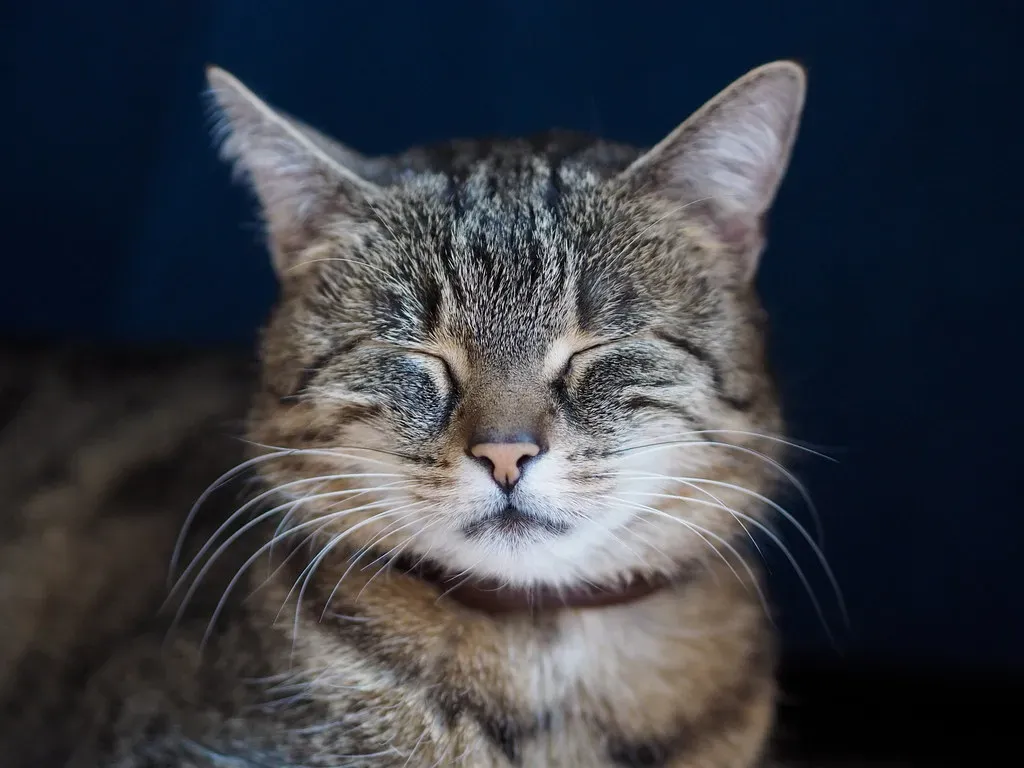
By shutting their eyes momentarily, cats show they aren’t preparing for defense – they believe you’re not a threat. While felines express love differently than humans do, slow blinking comes close to an emotional declaration. If your cat blinks slowly while lounging nearby, they’re likely feeling relaxed and satisfied with both their environment and your company. Some cats use this gesture as an invitation for interaction, especially if accompanied by head tilts or forward leans.
In a nutshell, your cat’s slow blink is a sign that they trust you and feel comfortable around you. It’s as close to an “I love you” from them as you’ll ever get. I think that’s one of the most quietly beautiful things about sharing a home with a cat. They don’t need grand gestures. A half-second of closed eyelids says everything.
How to Blink Back and Actually Be Understood
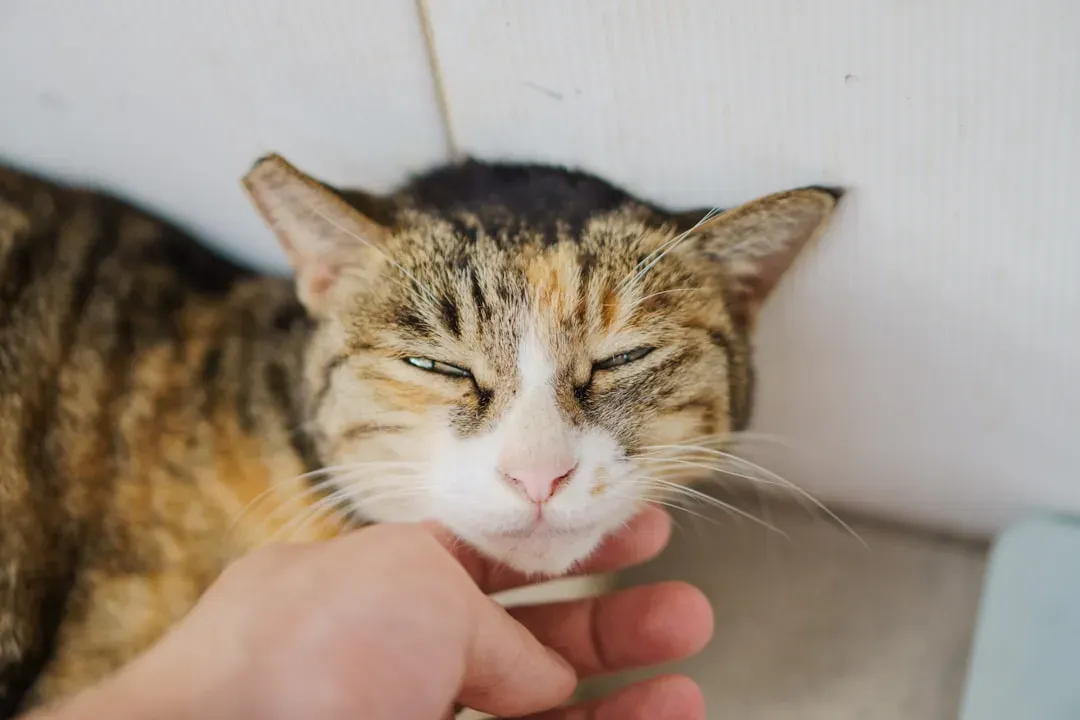
Here’s the fun part: you can absolutely talk back. Anyone, from a longtime owner to someone meeting a cat on the street, can use the slow blink technique to signal calmness and friendship. Just soften your gaze, gently narrow your eyes, and slowly lower your eyelids – then wait. Most cats will understand the message instantly.
It should also be noted that while communicating through slow blinking requires attention and eye contact between humans and cats, it is also recognized that direct eye contact in the form of a prolonged stare can be perceived negatively and as a threatening behavior by cats, so slow blinking needs to be used in a subtle non-confrontational way. So don’t stare them down. Keep it soft, keep it gentle, and let your eyelids do the talking.
Do Cats Slow Blink at Each Other Too?
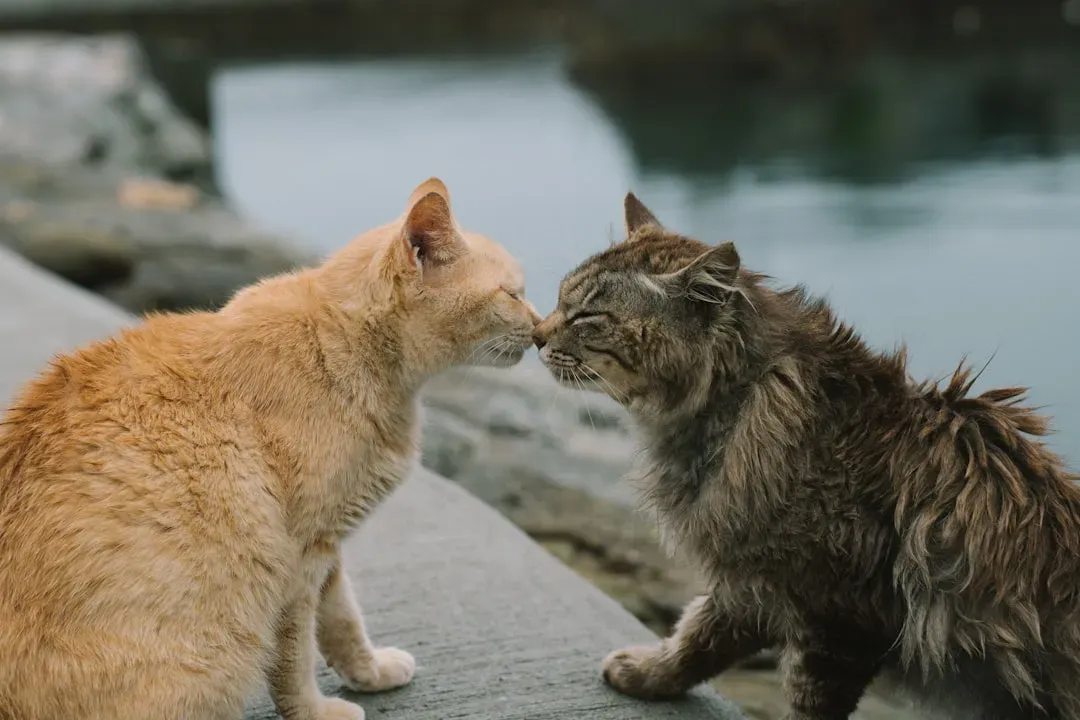
You might be wondering if this is just a human-cat thing. Nope – cats use it with each other too. It is common to see cats slow blink at one another. When you see one cat slow blinking at another cat, it means they are communicating that they are friendly and not threatening to the other cat. On the other hand, a hard stare between cats is usually perceived as a threat or a challenge.
Unlike meowing, cats do slow blink at each other. You’re more likely to see this among two cats who aren’t threatened by each other’s presence, like cats who’ve grown up together. Male cats meeting for the first time might not always be so friendly. They might need a bit more time to warm up to each other, usually due to territorial instincts. So if you’re introducing your cat to a friend’s and they look at each other, blink, and then look away, it’s a sign they just about became besties. It’s essentially the feline equivalent of a handshake followed by a smile.
When a Slow Blink Might Actually Be a Warning Sign
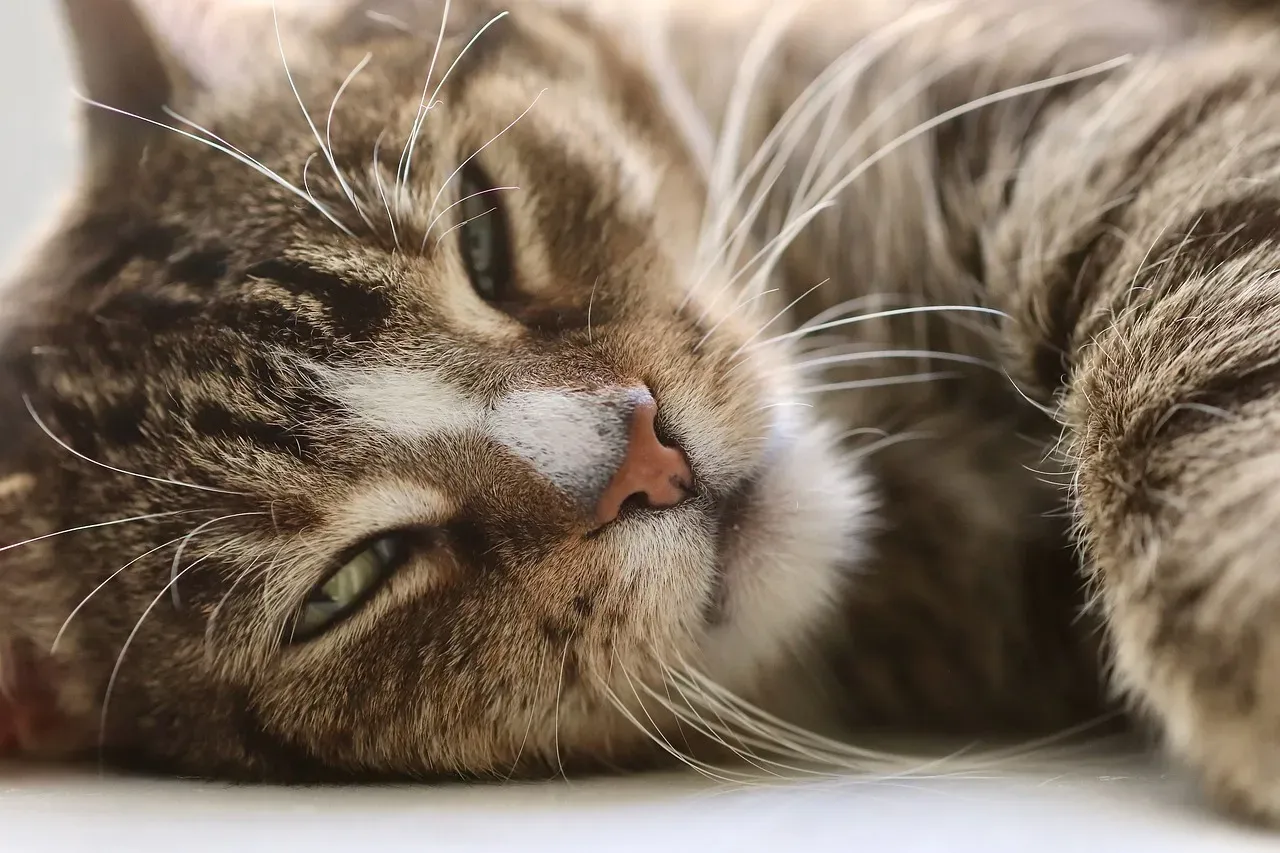
Let’s be real – not every slow-looking eye movement from your cat is a love declaration. A cat’s slow blinking doesn’t always communicate trust or affection. That’s because what looks like a slow blink is actually a squint, which generally means your pet is experiencing pain, discomfort, or injury. Knowing the difference is genuinely important for your cat’s wellbeing.
Rapid blinking can indicate stress or irritation, particularly if accompanied by flattened ears or a twitching tail. Half-closed eyes due to illness or fatigue lack the rhythmic, deliberate quality of a true slow blink. The genuine version is calm, repeated, and often paired with other signs of friendliness like purring or head-butting. If something looks off, it’s always worth a check-in with your vet. Trust your gut. If it feels off, it probably is.
The Surprising Shelter Cat Connection
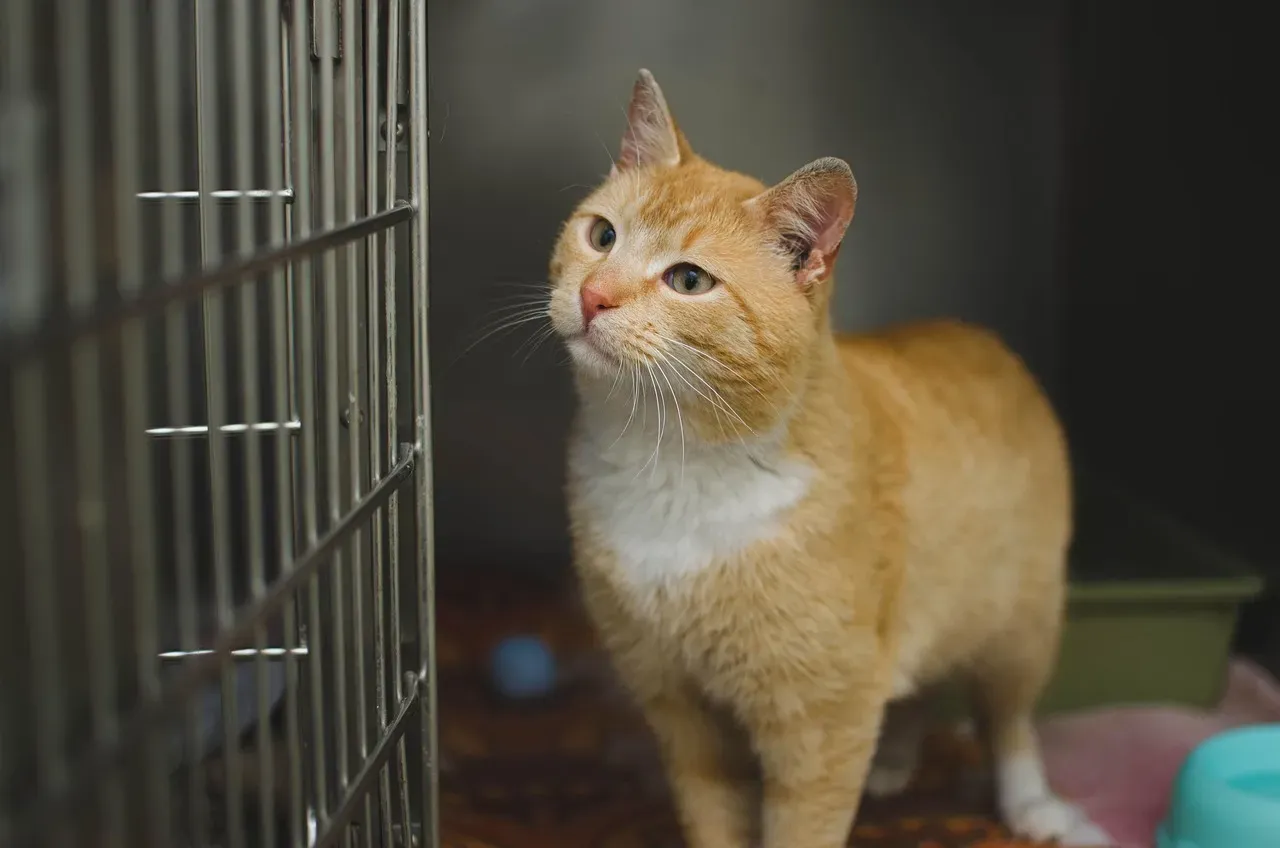
Here is a detail that genuinely surprised me when I first came across it. For the first time, research demonstrated that cats that responded to human slow blinking, specifically by using eye closures, were rehomed quicker than cats that closed their eyes less. This suggests that the use of slow blinking may have given cats a selective advantage during the domestication process. Essentially, the cats who could “smile” with their eyes found families faster.
Furthermore, cats that were identified as more anxious around humans upon arrival at the shelter had a tendency to spend more time producing slow blink sequences. It’s almost heartbreaking and heartwarming at once. Nervous cats, in the most vulnerable moments of their lives, were reaching out through the only language they had. Recognizing the meaning behind slow blinking helps us offer better emotional support, whether a cat lives in a warm home or a crowded rescue center.
How Domestication Gave Cats Their Secret Language
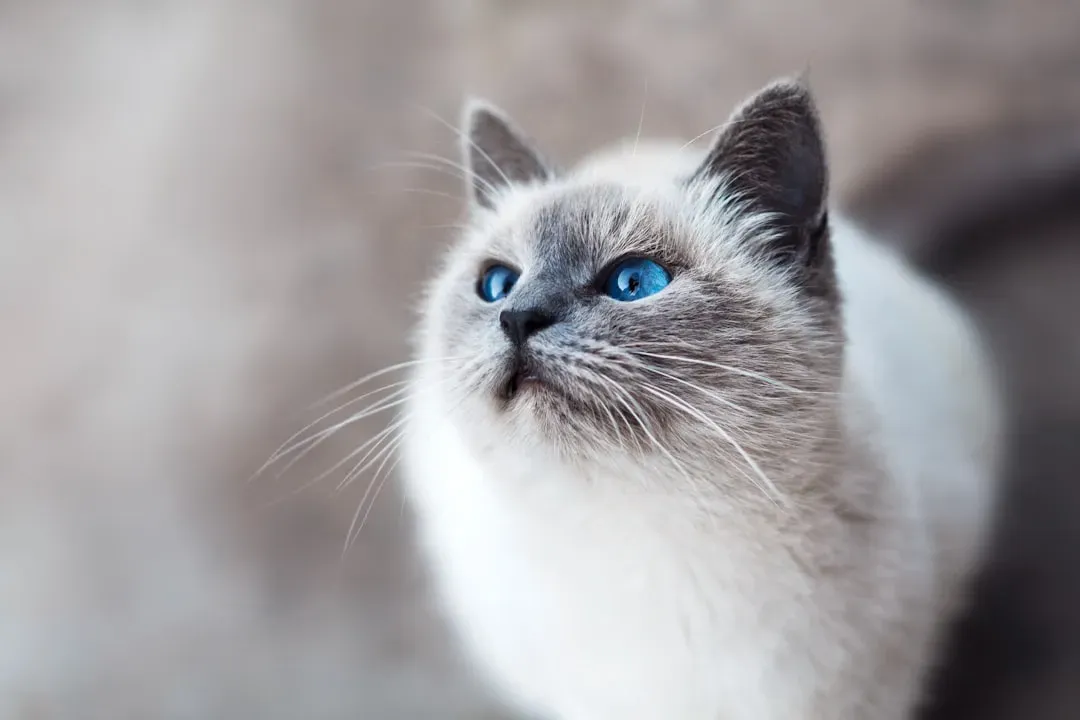
Cats began as solitary hunters who prowled for small rodents at dawn and again at dusk. About 10,000 years ago, farmers in the fertile crescent noticed that cats made terrific allies in the war on mice and birds. Cats became valuable; before long, they were sleeping by the hearth, and the family was sharing tidbits of food with them. As cats transitioned from wild creatures into valuable farm animals and finally to family pets, they developed new relational skills.
The slow blink behavior in cats likely evolved through their interactions with humans. Cats may have learned that humans perceive slow blinking positively and reward them for it. It’s a bit like how humans developed the handshake to show empty, weapon-free hands. Over time, cats may have learned that humans reward slow blinking with affection, making it an adaptive behavior in domesticated life. Two species, thousands of years, one tiny gesture – and here we are.
Conclusion: Your Cat Has Been Saying “I Love You” All Along
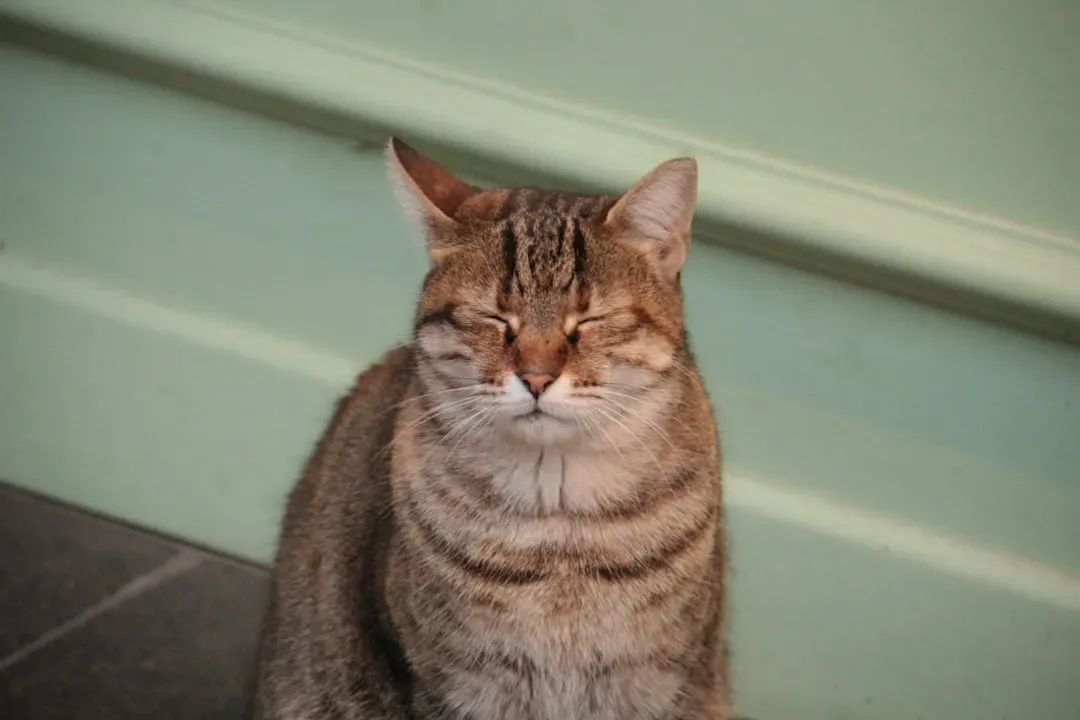
Here’s what it all comes down to. Your cat is not mysterious for the sake of being difficult. They simply speak a different language – one built on stillness, subtlety, and eye contact rather than wagging tails and excited barks. Slow blinking is a simple yet powerful way to connect with your cat on a deeper, more emotional level. Whether your cat is a slow blinker or shows affection in other ways, being present, observant, and responsive goes a long way.
The research also highlights something deeper: cats are far more socially aware than many people assume. Tasmin Humphrey, another psychologist involved in the study, noted that understanding positive human-cat interactions can improve public perceptions of cats and enhance their overall well-being. That single soft blink carries within it thousands of years of co-evolution, trust-building, and an animal choosing to let you in.
So the next time your cat locks eyes with you and gently folds those eyelids shut, don’t look away. Blink back. Slowly. Because in that quiet moment, you’re not just sharing space – you’re having a real conversation. Have you ever tried slow blinking at your cat? Tell us what happened in the comments.
Kristina is a young writer from India. An arts graduate and an avid content creator, Kristina is passionate about animals and wildlife. She enjoys exploring topics related to pet care, animal behavior, conservation, and nature, combining thorough research with engaging storytelling.