You’ve probably watched your cat crouch low, pupils blown wide, tail twitching with laser focus, before launching into a full-speed pounce at a toy mouse. It’s adorable. It’s funny. Most of us pull out our phones to record it. But there’s a whole lot more happening in that moment than you might realize.
What looks like simple playtime is actually a window straight into your cat’s ancient soul. Behind those leaping, darting, stalking bursts of energy lives a predator shaped by millions of years of survival. The more you understand what’s driving that behavior, the more surprising and honestly impressive your cat becomes. Let’s dive in.
The Ancient Blueprint Wired Into Your Cat’s Brain
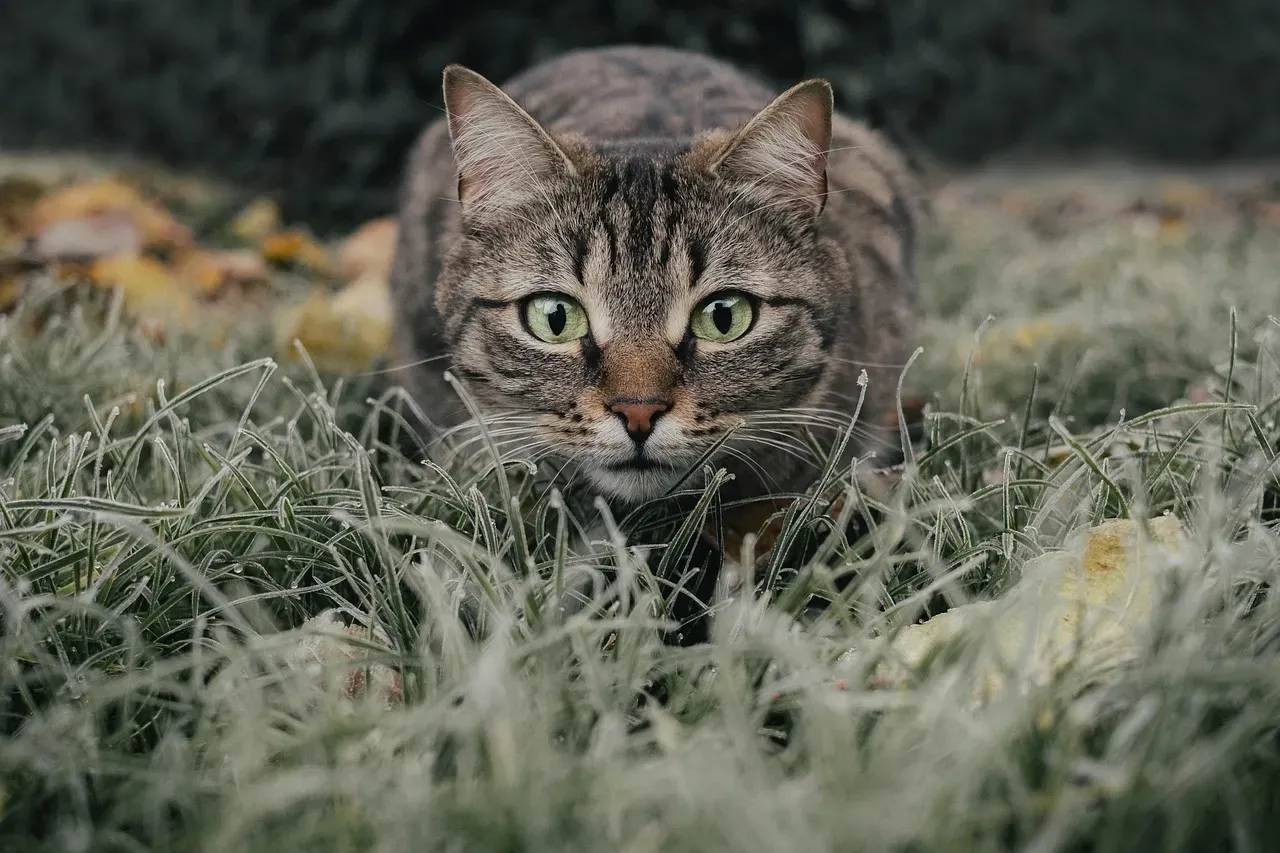
Hunting behavior is hard-wired into your cat’s DNA. Your cat’s wild ancestors developed their hunting skills over millions of years of stalking and chasing prey to feed themselves and their young. Think about that for a second. Every silly pounce on a crumpled piece of paper is the echo of a lineage that long predates your apartment, your couch, or your cat’s fancy food bowl.
Hunting is natural behavior for cats. Before they were brought into our homes, they had to hunt for their food, just like big cats such as lions and tigers. Over the centuries, domestication has meant that most cats now get food from their humans. However, their brains are still hardwired to react to the sight and sound of prey, so hunting behaviors remain. Domestication changed a lot of things, but it couldn’t rewrite that ancient code.
Why Your Well-Fed Cat Still Hunts (and Plays Like It Matters)
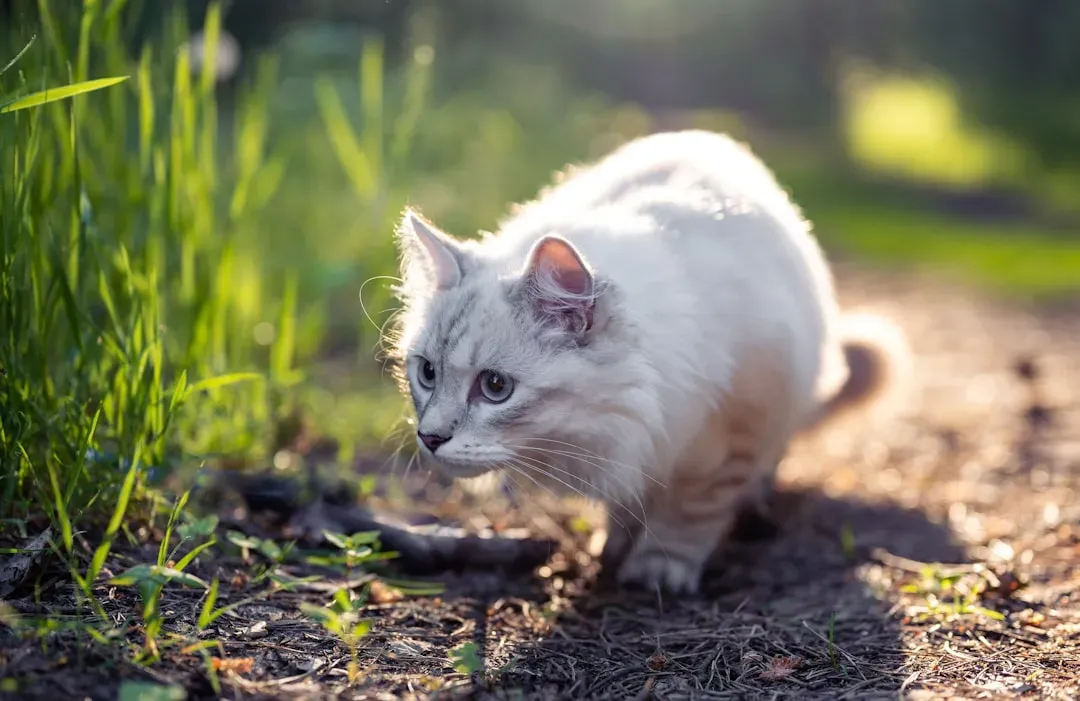
Well-fed cats still hunt out of instinct, not hunger. This surprises a lot of people. You’ve just filled their bowl, yet moments later they’re stalking invisible prey across the kitchen floor. Honestly, it’s one of the most fascinating things about cats. Hunger and hunting are separate systems in the feline brain entirely.
Feeding your cat will have some effect on their hunting behavior, but because hunting is not entirely motivated by hunger, providing your cat with greater amounts of food won’t reduce their desire to hunt, and instead risks them overeating and gaining weight. So feeding more is never the solution. The drive to hunt lives somewhere much deeper than the stomach.
The Stalk, Pounce, and Capture: A Ritual in Three Acts
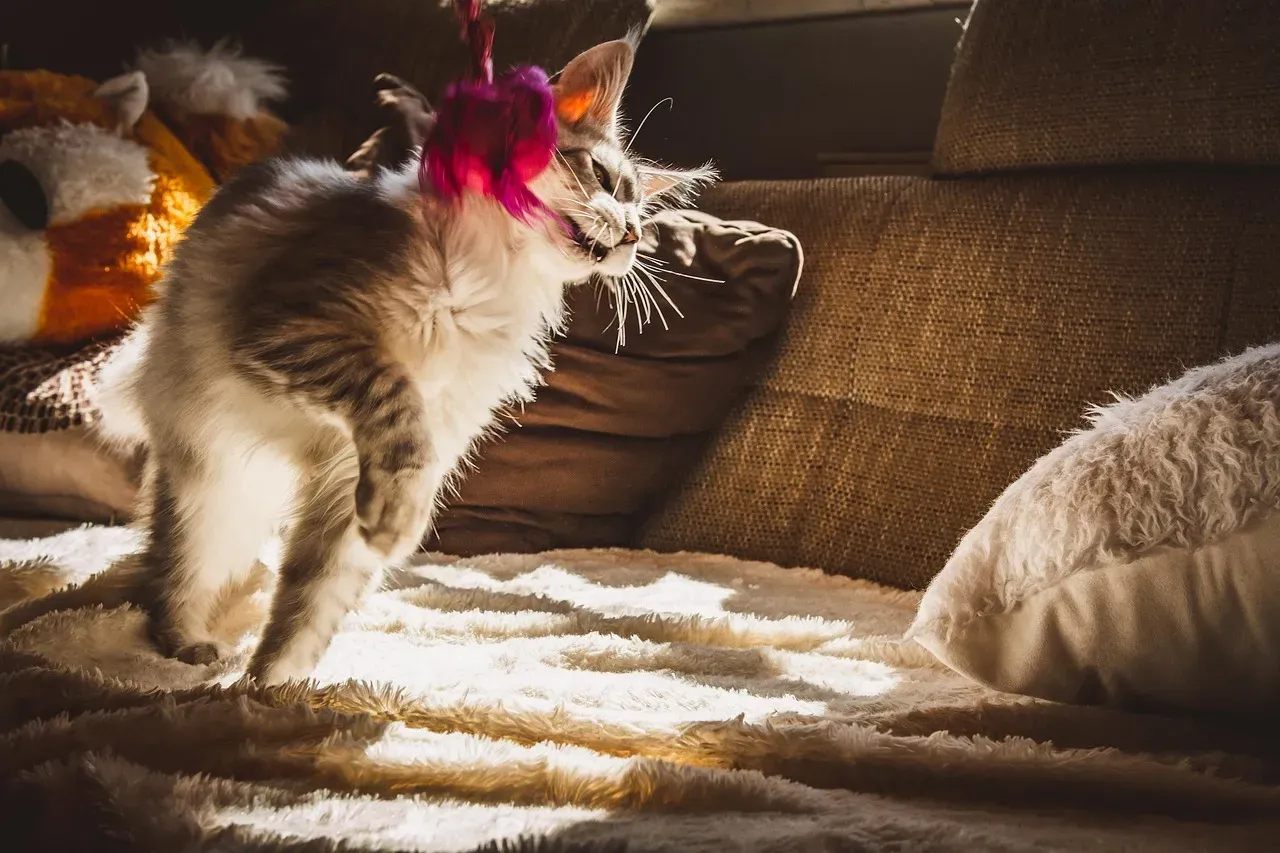
Cats use a seek, capture, and kill process when hunting. First, they search their environment for potential prey. Once they’ve spotted something, they will slowly approach, or stalk, the prey until they are close enough to pounce and capture it. Then, they may play with it for a while before killing it, depending on their hunger level and the difficulty or size of the prey. It’s structured, deliberate, and repeatable. Every single time.
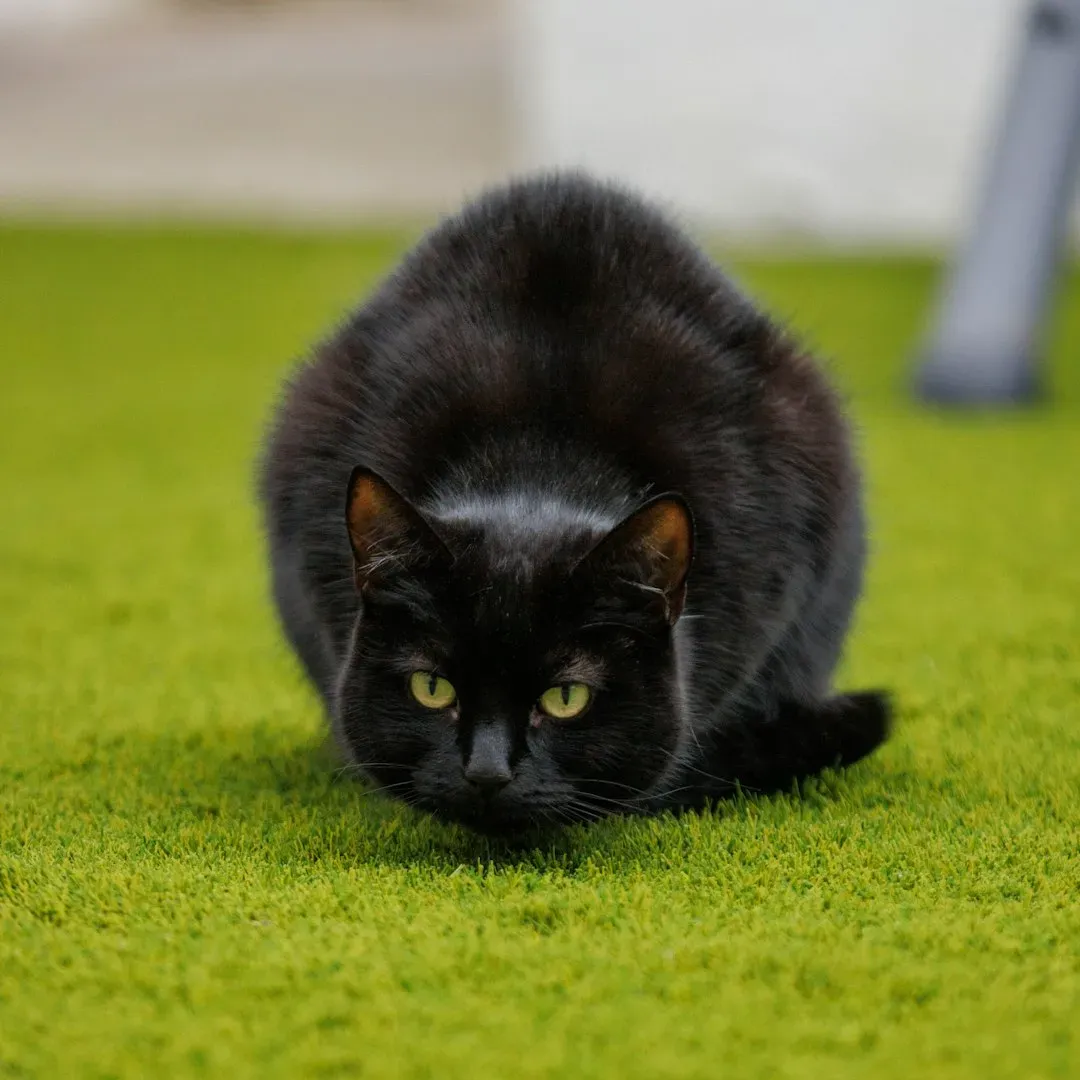
Cats begin their hunt by stalking. From a hidden spot they carefully watch their potential prey. This involves the cat being in a crouched position, head stretched out and eyes dilated. When they are close enough, they prepare to jump by briefly stopping, tensing up and attacking. You can watch this exact sequence play out with a feather wand or a toy mouse. Your cat isn’t improvising. They’re running a program older than civilization itself.
The Science Behind the Pre-Pounce Wiggle
Whether your cat is stalking a toy mouse or preparing to ambush your toes, you’ve likely seen that iconic little butt wiggle right before they pounce. It’s adorable, yes, but behind that shimmy lies a blend of neurological prep, muscle activation, and primal instinct. I think this is one of the most underappreciated moments in all of feline behavior. It looks like silliness. It’s actually biomechanics at work.
The wiggle isn’t just for show. It’s a subtle warm-up. As cats shift their back legs, they activate key muscle groups in preparation for an explosive jump. The feline pre-pounce wiggle isn’t just cute. It’s a window into your cat’s primal world. Each shimmy reflects muscle prep, instinctual behavior, and playful anticipation. So next time you see it, resist the urge to interrupt. You’re watching your cat prepare for the hunt.
Why Cats “Play With Their Prey” and What It Really Means
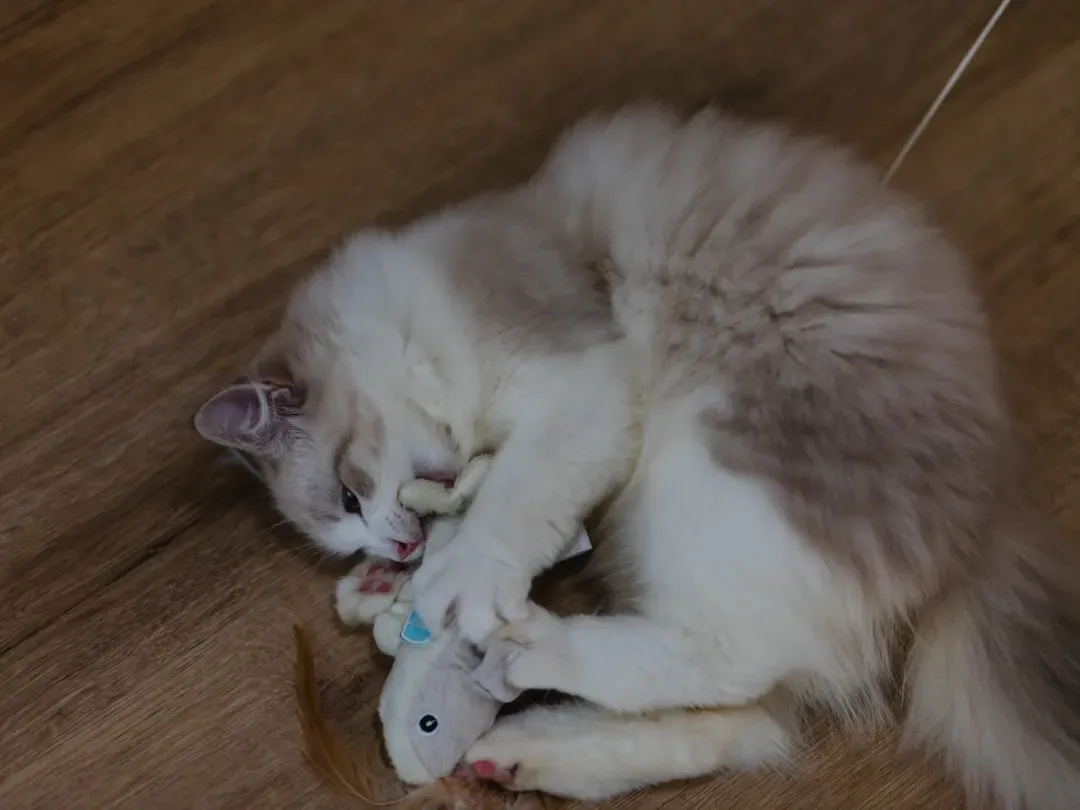
In the wild, cats play with their prey before administering the last fatal bite through the spinal cord in a deliberate attempt to tire the prey animal out. What looks to us like cruelty or extended entertainment is actually a calculated safety strategy. Your cat isn’t being theatrical. They’re being smart.
When a cat bats around its prey after the initial pounce, it may seem like they want to “play” with their catch. But in reality, the cat is tiring out the animal until it’s safe to go in for the killing bite. Mice and rats have sharp incisor teeth that can bite and injure your cat. Birds’ beaks are pointy and can cause damage, too. It’s risk management, not entertainment. Let’s be real, your cat is far more strategic than they get credit for.
How Kittens Learn to Hunt Through Play
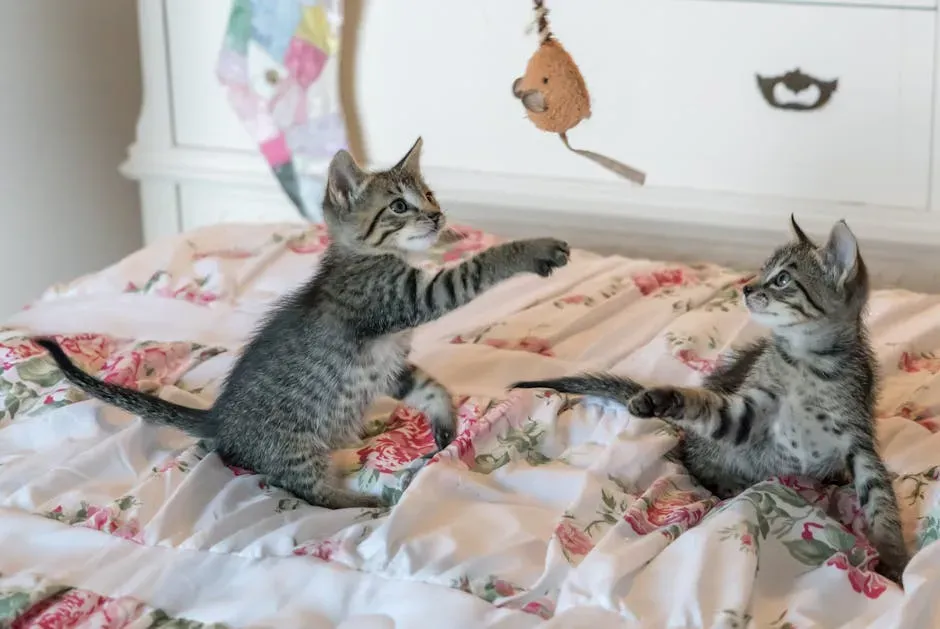
The mother cat is crucial in the development of her kittens’ hunting instincts. As early as around 5 weeks old, the kittens will start learning the basics of hunting. This is mostly done through observing and imitating their mother’s behavior. The mother cat will hunt and chase mice and birds in front of her kittens so they can see how it’s done. She will then bring the prey to the baby cats for eating or playing with.
Studies have shown that kittens who had the opportunity to observe their mothers hunt become better hunters than kittens who didn’t. Even so, most kittens who never see their moms hunt can still instinctually figure it out on their own. For kittens, playtime is a learning tool for budding physical abilities such as balance, speed, coordination, accuracy, and sensory development. Playtime for kittens provides a critical education for future survival as they learn essential skills for stalking and capturing prey.
What Happens When the Hunting Instinct Goes Unsatisfied
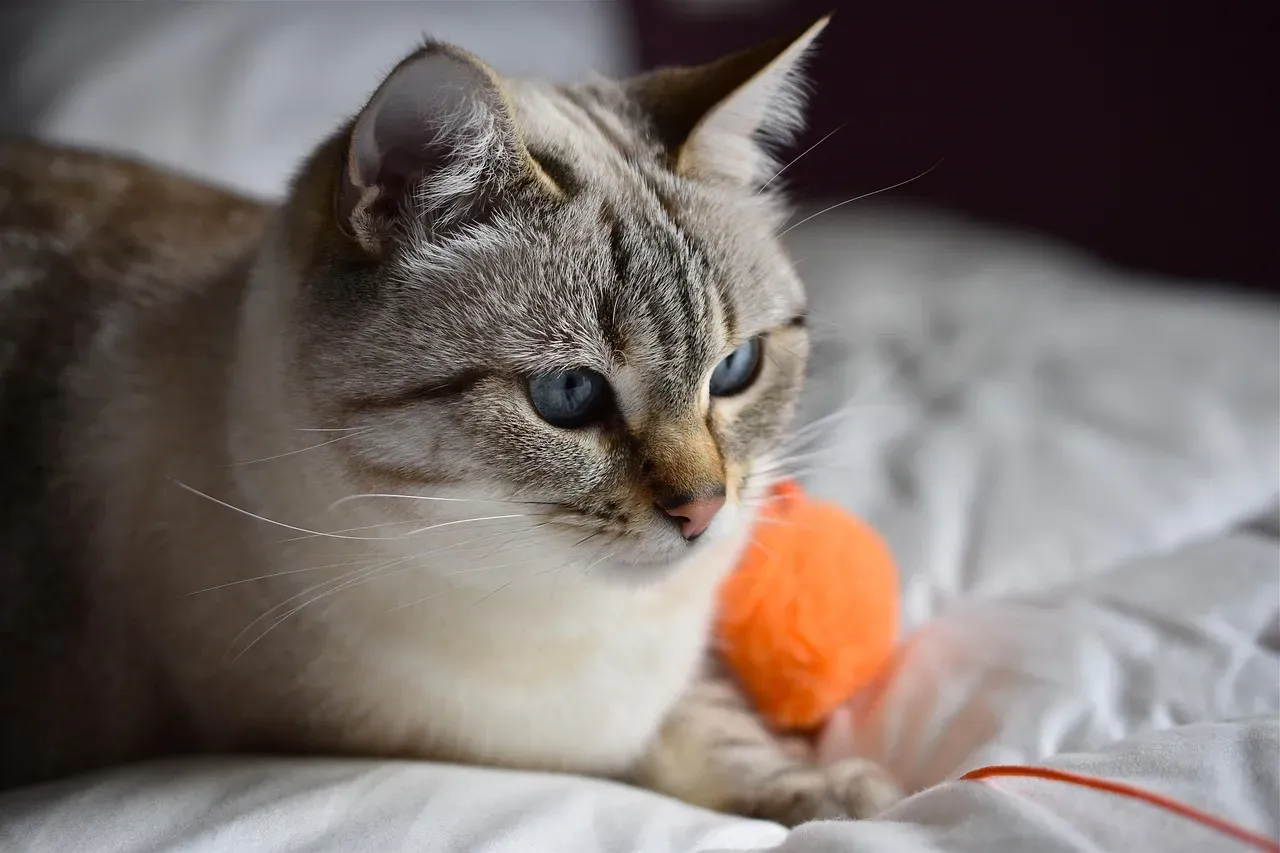
Cats, especially those living indoors, need enrichment that mimics their natural behaviors, including chasing, climbing, and hunting. When these instincts aren’t fulfilled, the result can be more than just boredom. It can lead to real health problems. This is something a lot of cat owners genuinely don’t realize until behavioral issues start showing up out of nowhere.
Cats are intelligent, curious creatures who thrive on mental stimulation and physical activity. Without it, they can become bored, anxious, or even depressed, conditions that may lead to behavioral challenges or physical health issues over time. This type of play is essential for pet cats, as they don’t have many opportunities to hunt naturally, which may cause behaviors like biting, pouncing on your feet or being destructive. Sound familiar?
Why Your Cat Brings You “Gifts” and What It’s Communicating
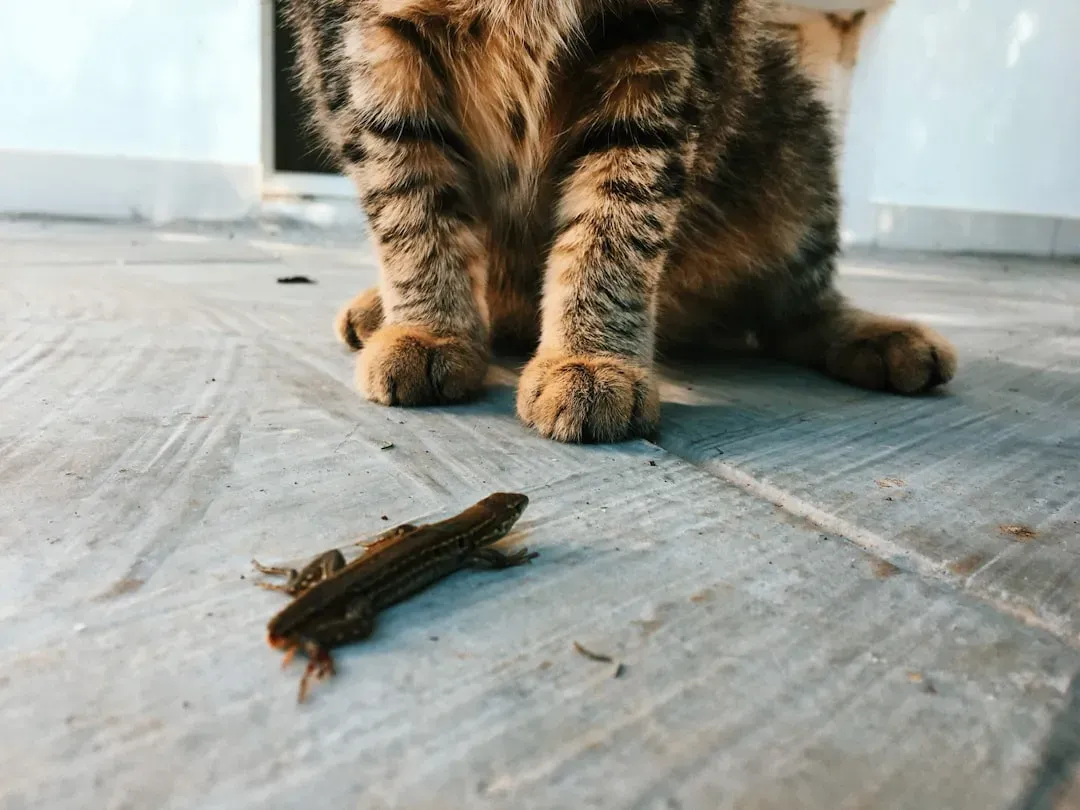
When your cat delivers a small dead animal to you, it’s easy to assume she’s bringing you a gift, but is that really the case? It may be similar to the way wild cats provide for their young while teaching them valuable survival skills. Since most domestic cats are neutered, however, and have no young to provide for, they may transfer these instincts to their owners instead. In other words, your cat might genuinely see you as family and is trying to take care of you. Weird. Sweet. Absolutely primal.
Your cat actually sees you as a bigger, clumsier cat. So if you’re finding your feline friend bringing you their gifts, it’s actually their way of teaching you how to hunt. Your cat has an instinct to bring prey back to a safe environment to guard it from other predators that may want to steal from them. Take it as a compliment: your cat feels safe and secure in the home you’ve made for them.
How You Can Channel the Hunting Drive in Healthy, Positive Ways
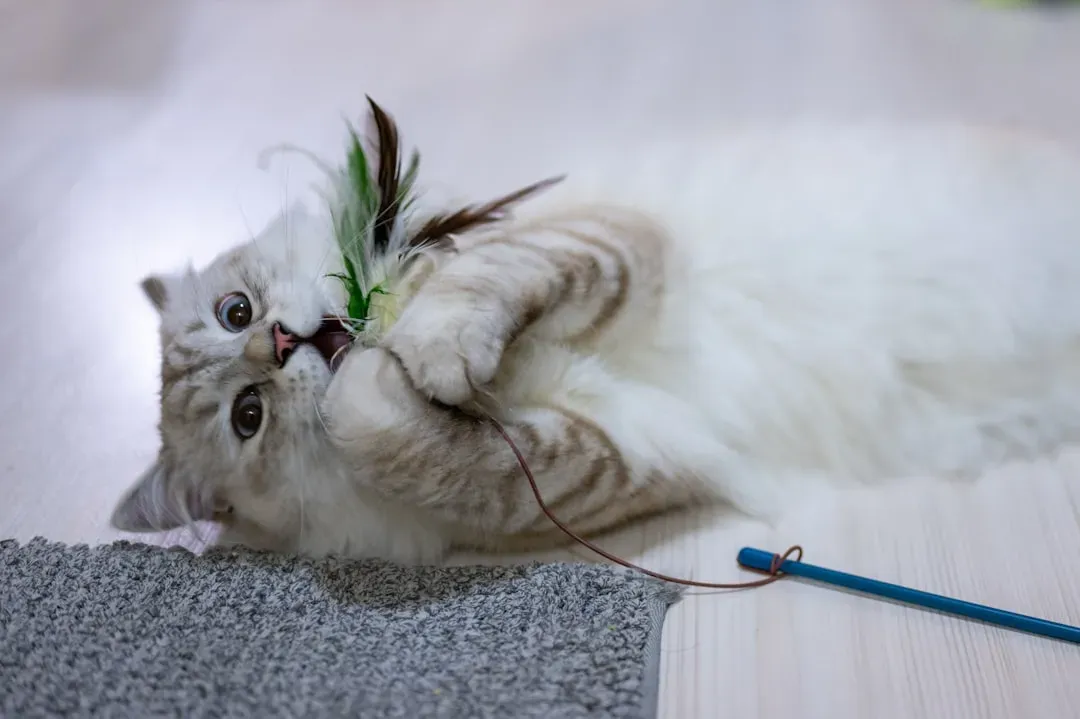
Redirecting your cat’s hunting instincts through frequent play is one of the most effective methods in helping to reduce or eliminate hunting behaviors. Play provides mental stimulation for your cat and helps to satisfy their hunting desires. Studies have found that adult cats show more intense and prolonged play with toys that resemble actual prey items. Similarly, the hungrier the cat was at the time of object play, the more intense and prolonged the play sessions were. Both factors indicate that cats consider these toys to be prey when they are playing.
Interactive play is one of the most effective ways to provide enrichment. Wand toys, feather chasers, and laser pointers can mimic the hunt and help your cat burn off energy. Aim for two 10-minute sessions a day, morning and evening, to mimic a cat’s natural hunting times. To be truly enjoyable, make sure your cat gets plenty of successful mini captures throughout the game and then one final grand capture at the end. Wind the action down as the game comes to a close to let your cat know they have successfully exhausted the prey. That final “catch” matters more than you think. It’s closure for the hunt.
Conclusion: There’s a Predator in Every Purr
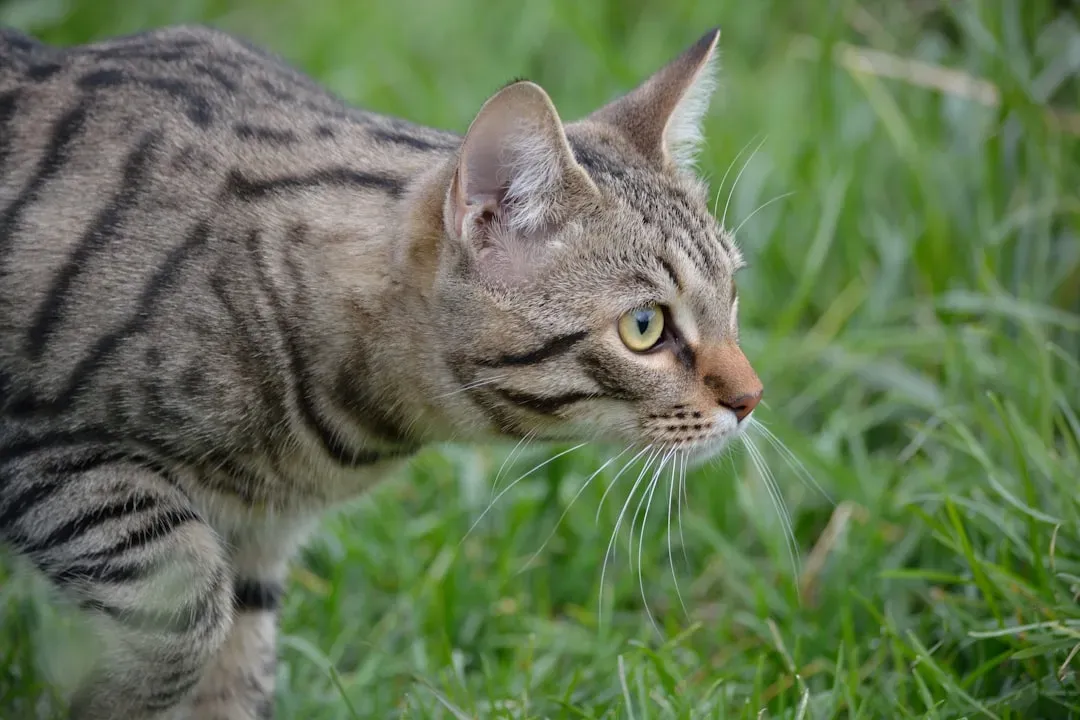
Here’s the thing about cats: they are not small, soft humans. They are not decorative furniture with fur. They are highly adapted, instinct-driven predators who happen to share your sofa. Every stalk, every wiggle, every mid-air pounce at a toy speaks to something genuinely ancient living just beneath that domestic surface.
Understanding that changes how you see your cat entirely. Their play is not random. It’s not just cute. It’s a primal language they were born speaking, long before any human ever offered them a food bowl or a warm blanket. The more you respect and engage that instinct, the happier, healthier, and more fulfilled your cat will be. So the next time your cat locks eyes on a toy and that tail begins to twitch, don’t just watch. Participate. You’re not just playing. You’re honoring something wild.
Did you ever realize just how much ancient instinct was hiding inside your cat’s everyday play? What would you do differently now?
Kristina is a young writer from India. An arts graduate and an avid content creator, Kristina is passionate about animals and wildlife. She enjoys exploring topics related to pet care, animal behavior, conservation, and nature, combining thorough research with engaging storytelling.