Most people assume cats are cold, self-sufficient creatures who simply tolerate humans for a warm bed and a full food bowl. Honestly, that idea couldn’t be further from the truth. Science keeps proving, over and over, that cats are deeply emotional, surprisingly social, and far more tuned into you than you’d ever expect.
The twist? Many of the things your cat adores about you aren’t the grand gestures. They’re the small, quiet, sometimes unnoticed habits you carry out every single day. Get ready – some of these might genuinely surprise you. Let’s dive in.
1. Talking to Them in a Soft, Calm Voice
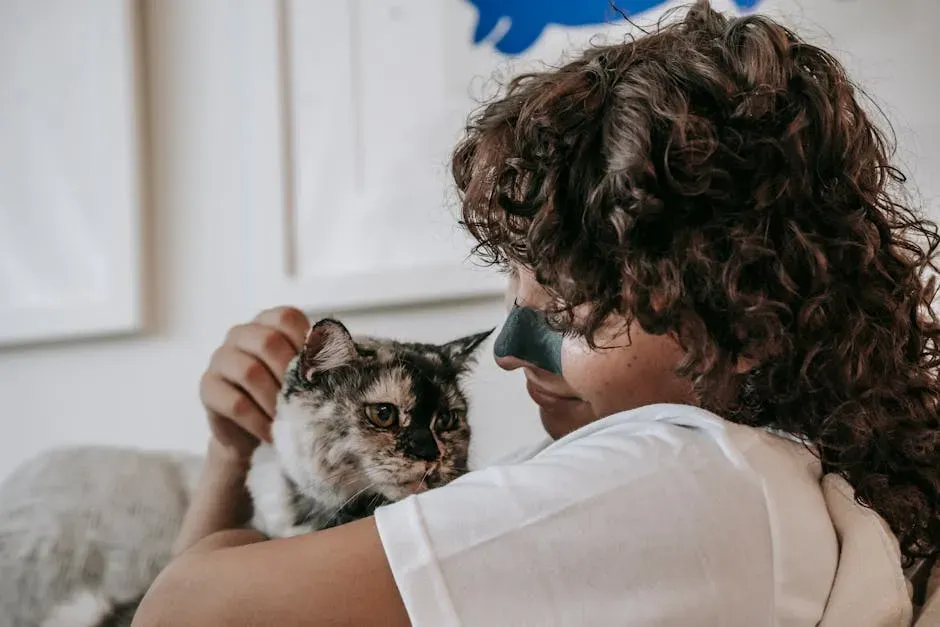
You might feel a little silly narrating your dinner prep to your cat, but here’s the thing – your cat actually loves it. Some potential interactions with humans that cats enjoy include being talked to, petted, played with, fed, and trained. That calm, warm voice you use when you greet them after a long day? It’s not wasted breath.
Cats have sophisticated communication signals, and their tail positions, postures, purrs, and various noises tell us a great deal about their emotions. Cats use lots of different vocalizations when they get excited, and may greet people with trills and chirrups, which indicate positive feelings. When you talk to your cat and they chirp or trill back, that’s a genuine response – not coincidence. You’re actually having a conversation, just in two very different languages.
2. Maintaining a Consistent Daily Routine
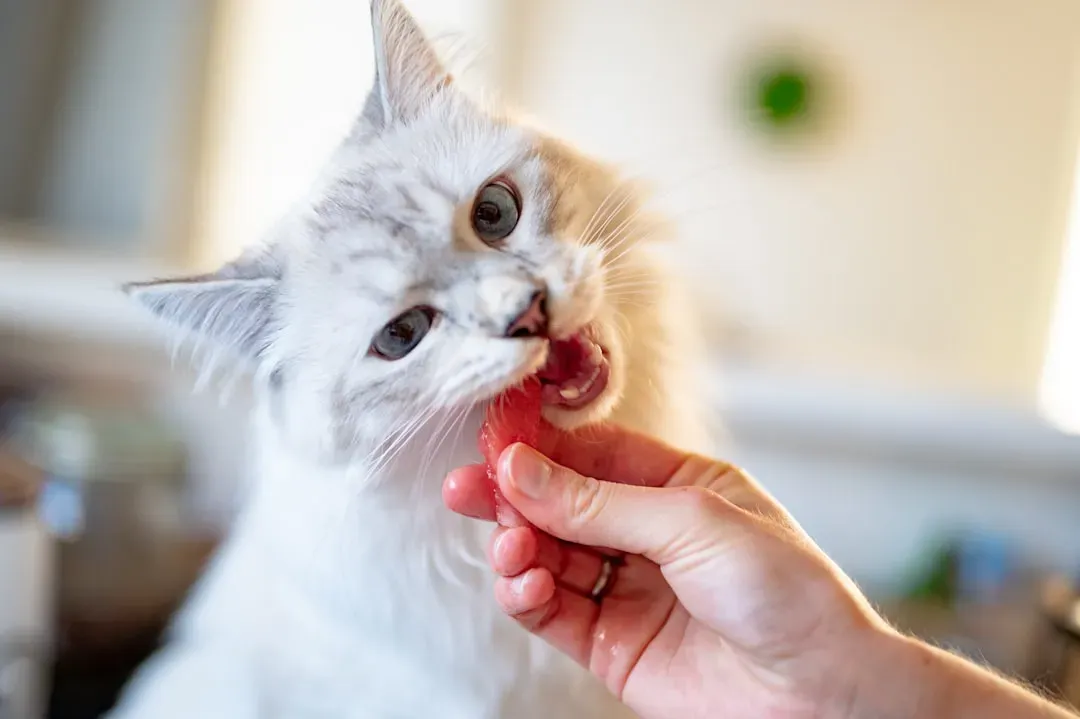
Cats are creatures of habit and feel comforted by routine – so feeding them at the same time every day matters deeply. Think of your routine as your cat’s personal security blanket. The moment you start disrupting it, their whole world feels a little wobblier.
A predictable and consistent routine is important. An inconsistent routine can be a source of chronic stress for cats, which in turn can have detrimental effects on their physical health over time. Inconsistent routines can induce cats to show more sickness behaviors and house soiling. So when you wake up at the same time, feed them on schedule, and follow the same evening wind-down habits, your cat isn’t just tolerating the predictability – they’re genuinely thriving because of it.
3. Giving Them Space When They Ask for It
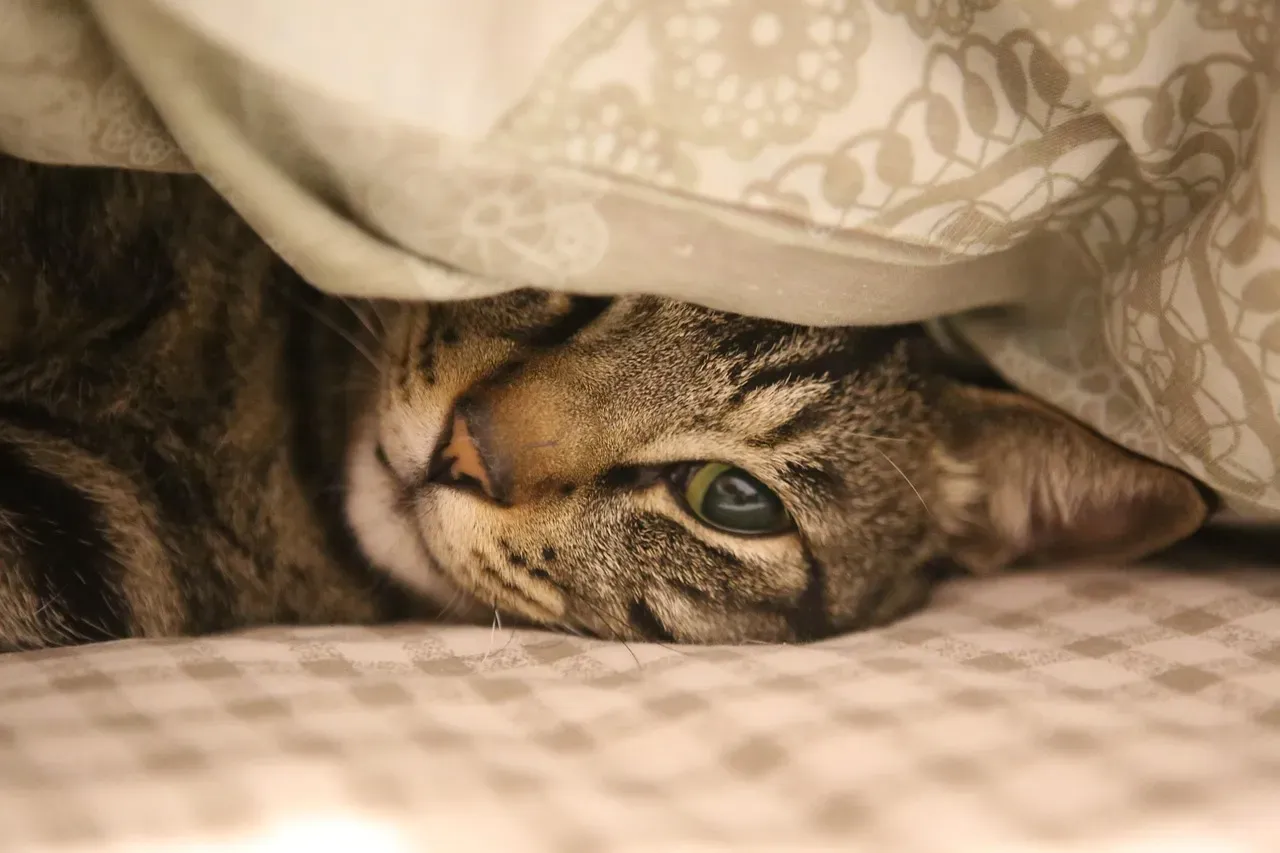
Here’s something counterintuitive: one of the most loving things you do for your cat is simply leave them alone when they want it. Allow an adult cat to come to you at their own pace. That means letting them hide when they want to hide, and perhaps providing a safe space in the house removed from a lot of noise and activity.
It matters to cats that interactions with us are enjoyable, consensual, and not distressing. It matters to us, as we ultimately want cats to enjoy interactions and spending time with us if they wish to. It’s important that both cats and people benefit from human-cat interactions and feel safe, both physically and emotionally. When you resist the urge to smother your cat and let them come to you on their own terms, you’re actually building a deeper, stronger trust – and they know it.
4. Slow Blinking Back at Them
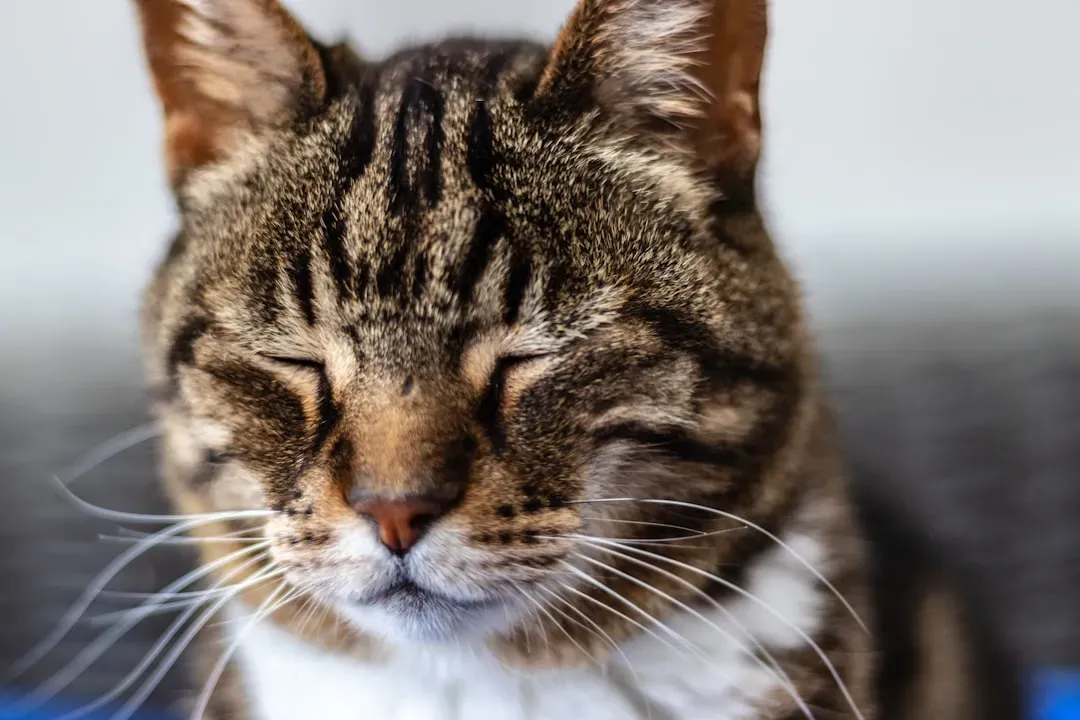
If you’ve ever locked eyes with your cat and gently blinked – and got a slow blink in return – you just exchanged something genuinely meaningful. Slow blinking is one of the most reliable affection signals cats exhibit. When cats look directly at you and slowly close and open their eyes, the message translates roughly to “I love and trust you.”
One way to communicate love and trust to a cat is to say its name, get its attention, look it in the eyes and then slowly blink at it to emulate trust and love. They may return the gesture. In a study of 18 cats, the cat behavior of several half-blinks followed by a prolonged eye narrowing or eye closure was found to be a positive emotional response. I think this might be one of the most surprisingly tender things on this entire list. It costs you nothing, takes about three seconds, and speaks directly to your cat’s heart.
5. Petting Them in Their Favorite Spots
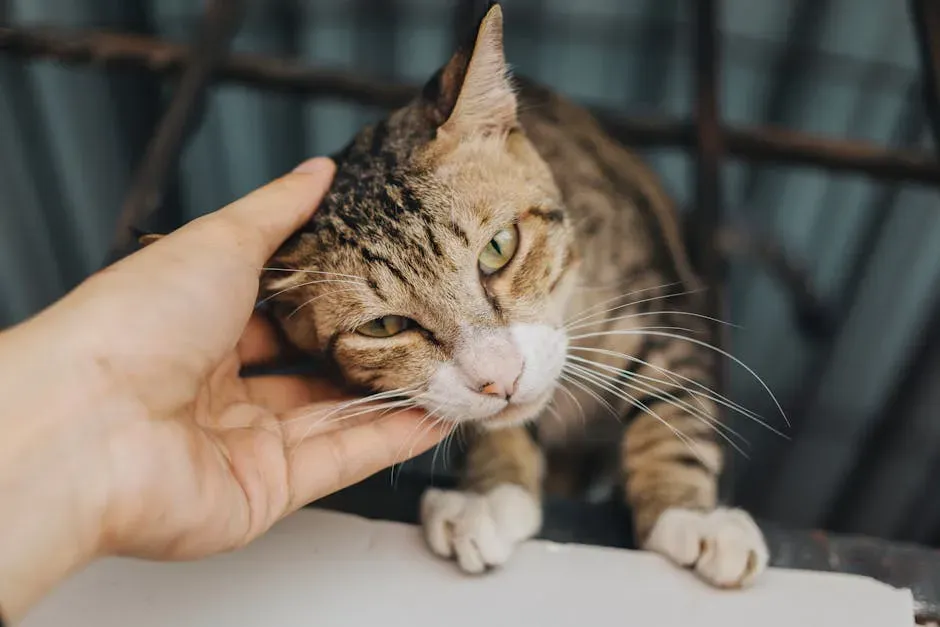
Not all petting is equal – your cat has very clear opinions about this. Research reported that cats preferred certain places on their bodies, particularly the head region, for being stroked, and they modified their postures to promote access to those preferred regions, and even led their keepers to preferred places in the home for petting episodes. Let’s be real: when your cat butts their head into your hand or nudges your chin to a specific spot, they’re directing your technique like a tiny, demanding spa client.
One of the most endearing behaviors of cats is when they head butt you and rub against your body. Not only is it cute to watch, it’s a sure sign that your cat loves and cares for you. In fact, by head butting you, your cat is leaving pheromones on you to let everyone else know that you belong to them. So yes – you are officially claimed. Take that as the highest compliment a cat can offer.
6. Playing With Them Regularly
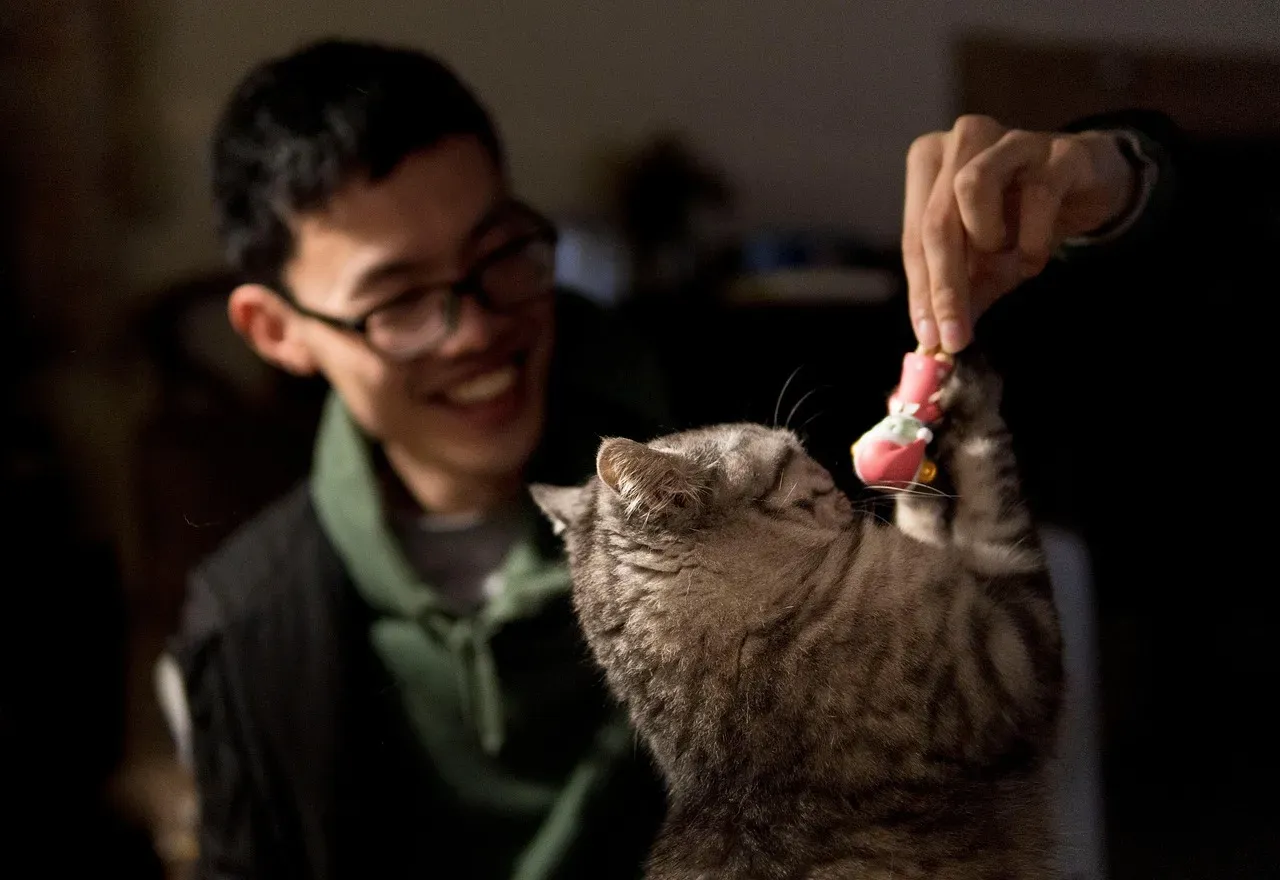
Playtime isn’t just fun – it’s absolutely essential, and your cat secretly depends on you to make it happen. Play provides excellent physical and mental enrichment to help keep cats healthy, so provide them with a toy when they act like they want to play. Think of interactive play like a gym membership for your cat’s brain and body combined into one wild, chaotic session with a feather wand.
If your cat frequently brings home real prey, redirecting their hunting energy by engaging in interactive play with wand toys or puzzle feeders satisfies their natural hunting instincts in a way that’s fun for both of you. Providing puzzle feeders, treat-dispensing toys, and interactive games challenges your cat mentally and physically. Cats who are played with regularly tend to be calmer, more sociable, and genuinely happier – a fact that probably surprises no one who has watched a well-played kitten melt into a peaceful heap afterward.
7. Letting Them Sit Near You Without Forcing Interaction
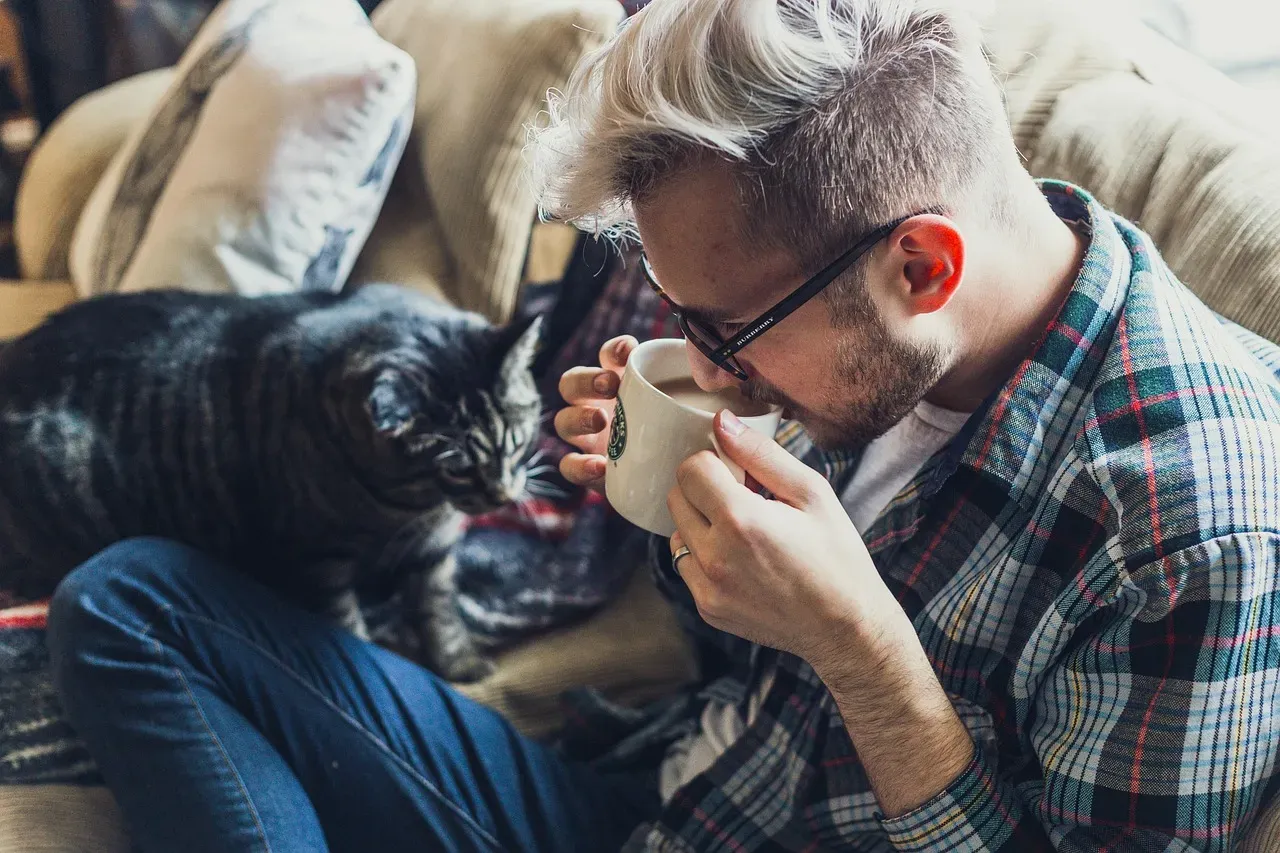
Your cat sitting with their back to you while staring out the window isn’t rejection. It’s actually love – just very cat-flavored love. Cats secretly show affection by sitting next to you, even if they have their back turned to you and are preoccupied with looking out the window. They chose to be near you.
Cats often want to be near their humans without necessarily wanting physical contact. Following behavior shows affection and interest in your activities, but some cats prefer observing from a respectful distance. When you sit quietly on the couch reading or watching television and your cat settles just a few inches away, you’re providing something irreplaceable: a safe, comfortable presence. That calm togetherness – without pressure – is genuinely one of the things they cherish most.
8. Keeping Their Litter Box Clean
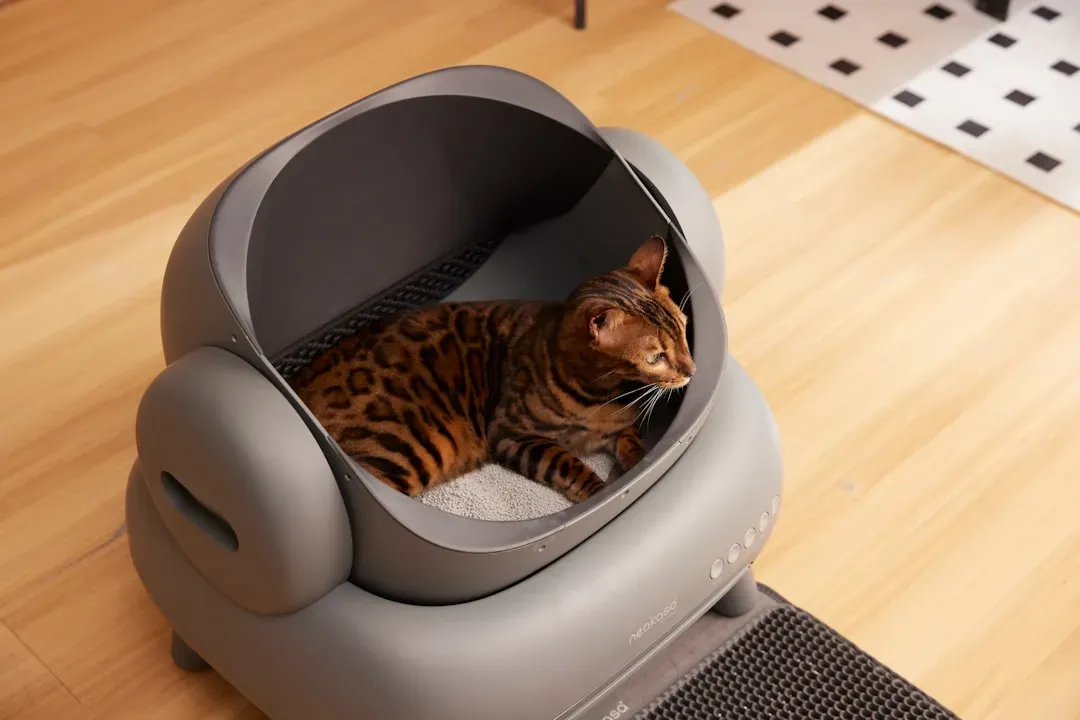
This one might not feel romantic, but your dedication to a clean litter box means more to your cat than you might realize. Being fastidious self-cleaners, cats detest their own waste and instinctually bury their urine and feces. Cleanliness isn’t a preference for cats – it’s hardwired into their very nature.
The cat’s sense of smell is important for information gathering. Acceptable items where olfactory cues can be deposited, such as scratching posts, should be provided. Maintaining familiar cat scent and using a synthetic facial pheromone in the environment can give cats a sense of security. A spotless litter box isn’t just hygienic – it’s an act of deep respect for how your cat experiences the world through scent. Every time you scoop, you’re telling them that you genuinely care about their comfort at the most basic, primal level.
9. Letting Them Knead You Without Pulling Away
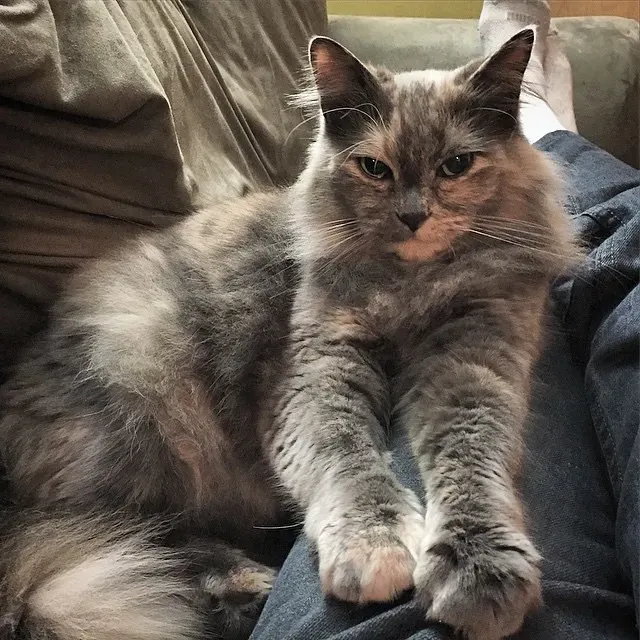
Those little paws rhythmically pushing into your lap, claws and all – it stings a little, doesn’t it? Still, enduring it (or gently placing a blanket on your lap) matters enormously to your cat. When your cat kneads, it’s their way of showing affection and comfort, creating a sense of security in their environment. It’s one of the most endearing actions they can do, often making us smile with their cute, rhythmic movements.
As adult cats, kneading becomes a comfort behavior, often associated with feelings of security and happiness. It is a deeply ingrained instinct, and even though your cat may no longer need to nurse, kneading serves as a form of emotional release. When they knead, they’re not only communicating trust and love, but they’re also reminding themselves of a time when they felt safest – close to their mother. When you sit still and let your cat work through that little ritual on your lap, you become their safe haven – which is honestly one of the sweetest things imaginable.
10. Simply Coming Home to Them
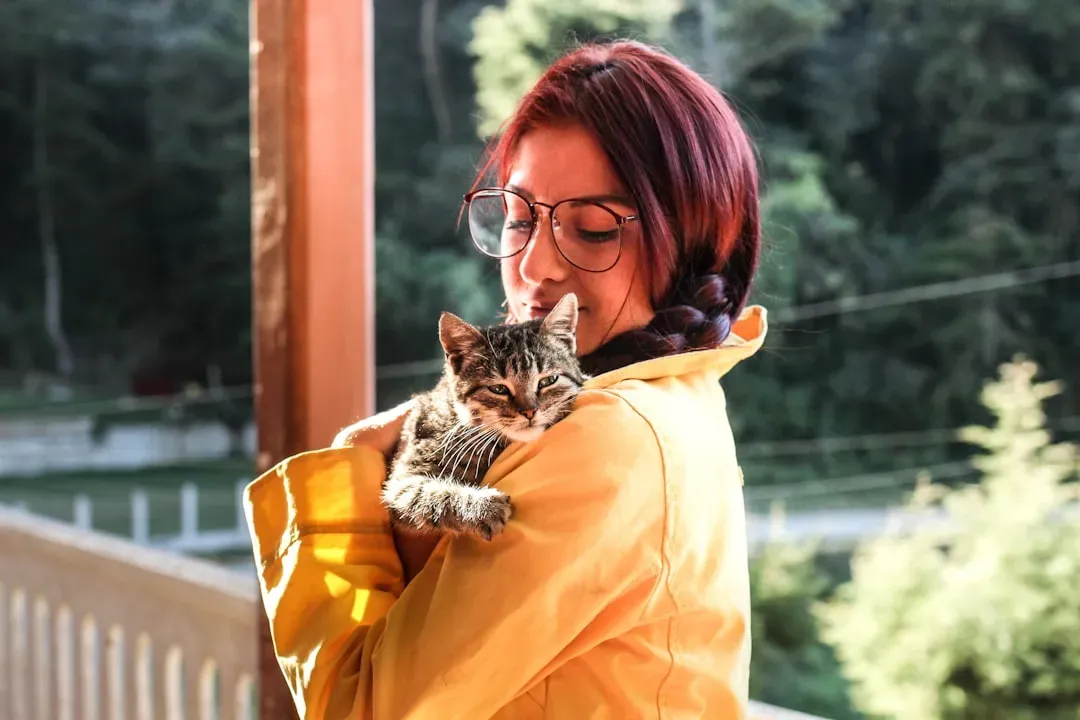
It sounds too simple to matter, but your return home every single day is one of the most anticipated events in your cat’s world. A study examining vocal recognition found cats display a significantly higher orienting response, meaning movement of ears and head, to their owner than to a stranger. Another study found that, similar to dogs and humans, cat blood pressure and heart rate increases significantly when presented with a human they are bonded to as compared with a stranger. This physiological response to a bonded caretaker has been said to indicate excitement for interaction with a preferred human.
Your cat is trying to show you that they missed you when they greet you at the door. This is often followed by walking in-between your legs and curling their tail around your legs. Sometimes it’s also accompanied by meowing and “rattle-tail” behavior, where your cat will shake their tail quickly. This is your cat’s way of welcoming you home. That frantic, purring, ankle-weaving greeting isn’t theater. It’s as genuine as affection gets – and honestly, it might just be the best part of the whole day for both of you.
Conclusion
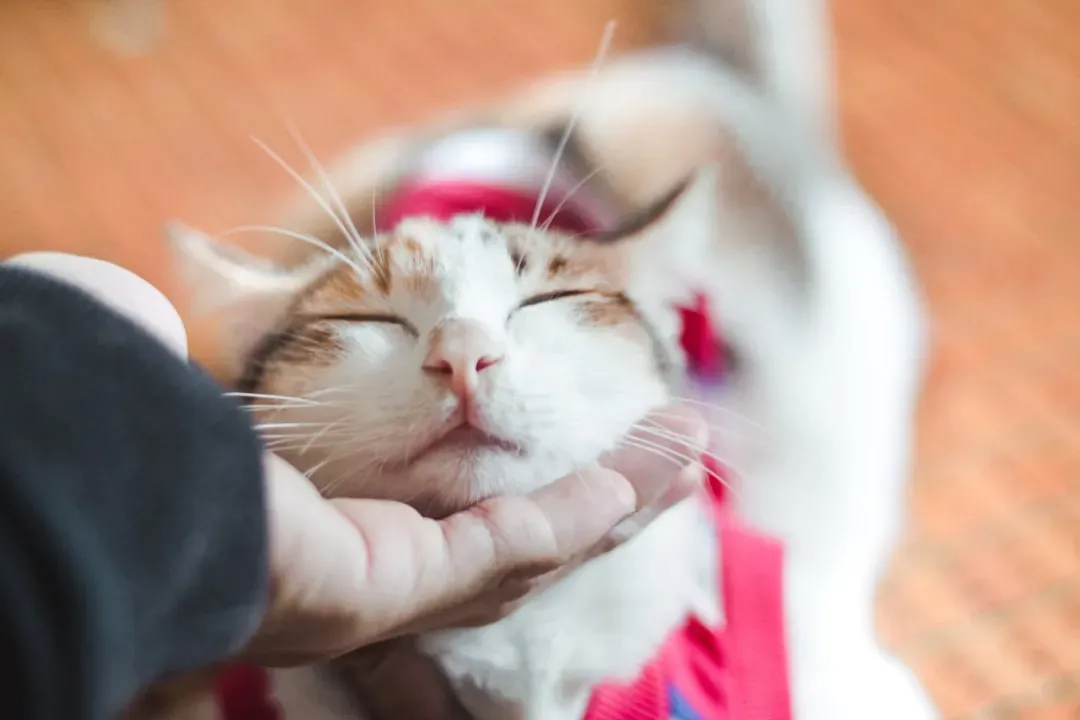
Cats have spent centuries earning a reputation for aloofness, but the reality is far warmer and more wonderful than that old myth suggests. A study published in Current Biology found that cats form attachment bonds to their human caretakers in very much the same way that dogs and human children do. The love is real – it just speaks a different language.
Most of the things your cat secretly loves are already woven into the fabric of your everyday life. The steady routine. The quiet presence. The slow blink across the room. You’re already doing so much more right than you know. Paying attention to their unique cues and responding with care ensures that your cat feels loved, secure, and cherished, leading to a healthier and happier life for your beloved pet and deepening the extraordinary bond you share.
So the next time you wonder whether any of it matters to your fluffy, seemingly indifferent housemate – it does. Deeply. Which of these surprised you the most? Drop your thoughts in the comments below!
Kristina is a young writer from India. An arts graduate and an avid content creator, Kristina is passionate about animals and wildlife. She enjoys exploring topics related to pet care, animal behavior, conservation, and nature, combining thorough research with engaging storytelling.