There’s a reason people joke that cats adopted us rather than the other way around. These mysterious little creatures have built a reputation for being icy, detached, and frankly unbothered by your very existence. Yet anyone who has lived with a cat knows there are those quiet, almost secret moments where something shifts. A look. A gesture. A tiny act that feels oddly significant.
The truth is, cats are deeply communicative animals. They just don’t speak your language. Their trust is not handed out freely or loudly. It’s earned slowly, expressed subtly, and honestly? That makes it so much more meaningful. If you’ve ever wondered whether your cat actually cares about you or just tolerates your presence, prepare to be pleasantly surprised. Let’s dive in.
1. They Give You the Legendary Slow Blink
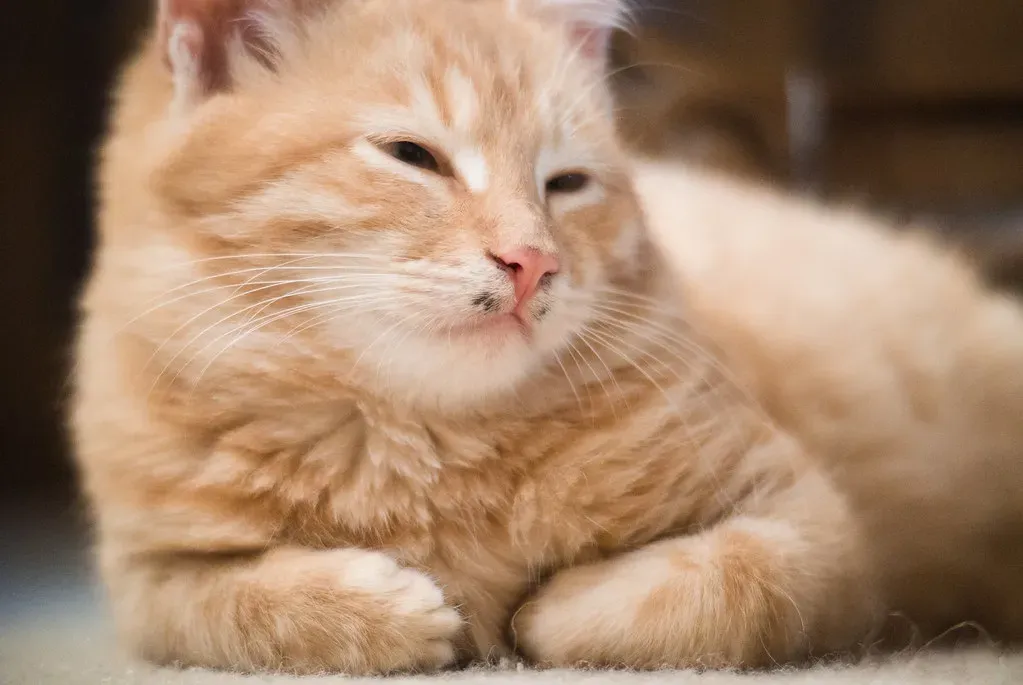
You’ve probably caught your cat staring at you from across the room and wondered what on earth is going on in that furry little head. Here’s the thing – if that stare ends in a long, slow, deliberate blink, you’ve just been given one of the most precious gifts in the feline world. Research suggests slow blinks are associated with a positive emotional state and can be a sign of trust, contentment, and affection, similar to a human smile.
Think of it this way: in the wild, closing your eyes around something you perceive as a threat is basically an invitation to get eaten. In the wild, closing their eyes makes cats vulnerable. If a cat slowly blinks at you, it’s telling you it feels comfortable and protected. When you notice it happening, try slowly blinking back. You might just get a blink in return, and that, honestly, is one of the sweetest two-way conversations you’ll ever have.
2. They Knead You Like You’re Freshly Baked Bread
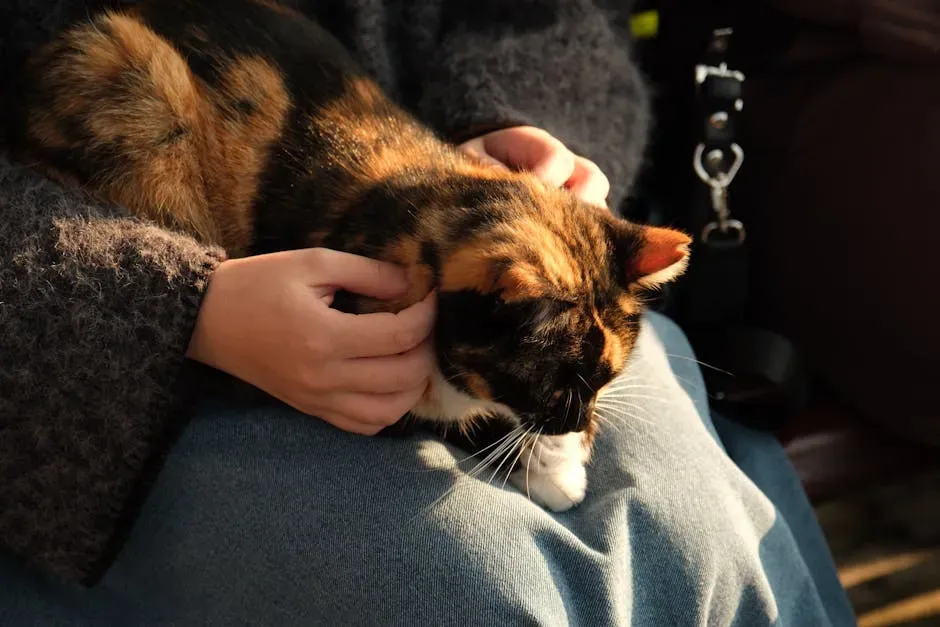
If your cat climbs onto your lap and starts rhythmically pushing their paws into you like they’re working dough, welcome to the inner circle. It’s quirky, it can be slightly uncomfortable with those little claws, but it means everything. Kneading, where cats push their paws against a soft surface, often accompanies purring. This behavior, rooted in kittenhood when they kneaded their mother’s belly for milk, shows that your cat feels relaxed and trusts you completely.
Kneading is believed to bring comfort by releasing endorphins to reduce stress and promote relaxation. Relaxed cats that knead are showing contentment. They will often knead when you gently pet or stroke them. So the next time those paws start pressing into your thigh, resist the urge to move. Your cat just told you something really important.
3. They Sleep On You or Right Beside You
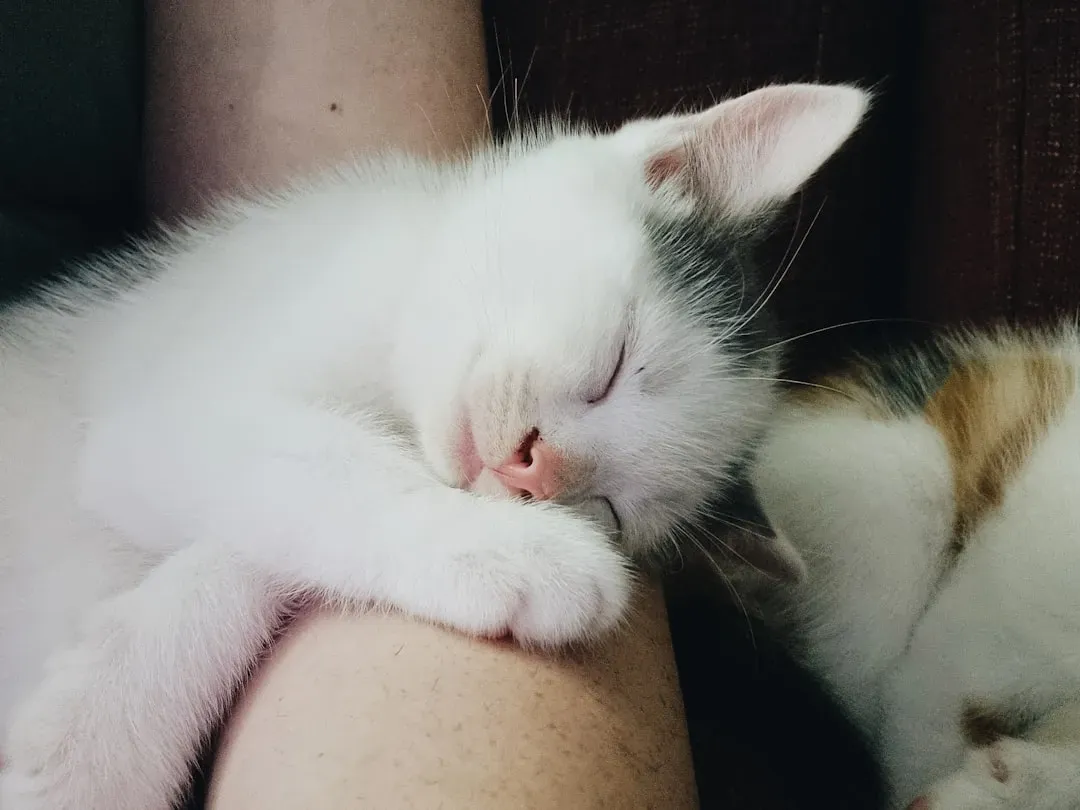
Sleep is vulnerability. When you drift off, your defenses drop. Cats know this on a deeply instinctive level, which is exactly why where they choose to sleep says everything about who they trust. A cat choosing to sleep on or pressed directly against you is one of the deepest signs of trust. Sleep is a cat’s most vulnerable state, so by selecting your lap, chest, or side as their bed, they are demonstrating that they feel completely secure in your presence.
Cats will often curl up close to their human’s head or chest, and this is the ultimate sign of trust and affection from a cat. They feel completely safe and loved when sleeping in this position. Honestly, if your cat naps on you regularly, you should feel genuinely honored. They didn’t choose that spot because it was warm. They chose it because it was you.
4. They Headbutt and Rub Their Face on You
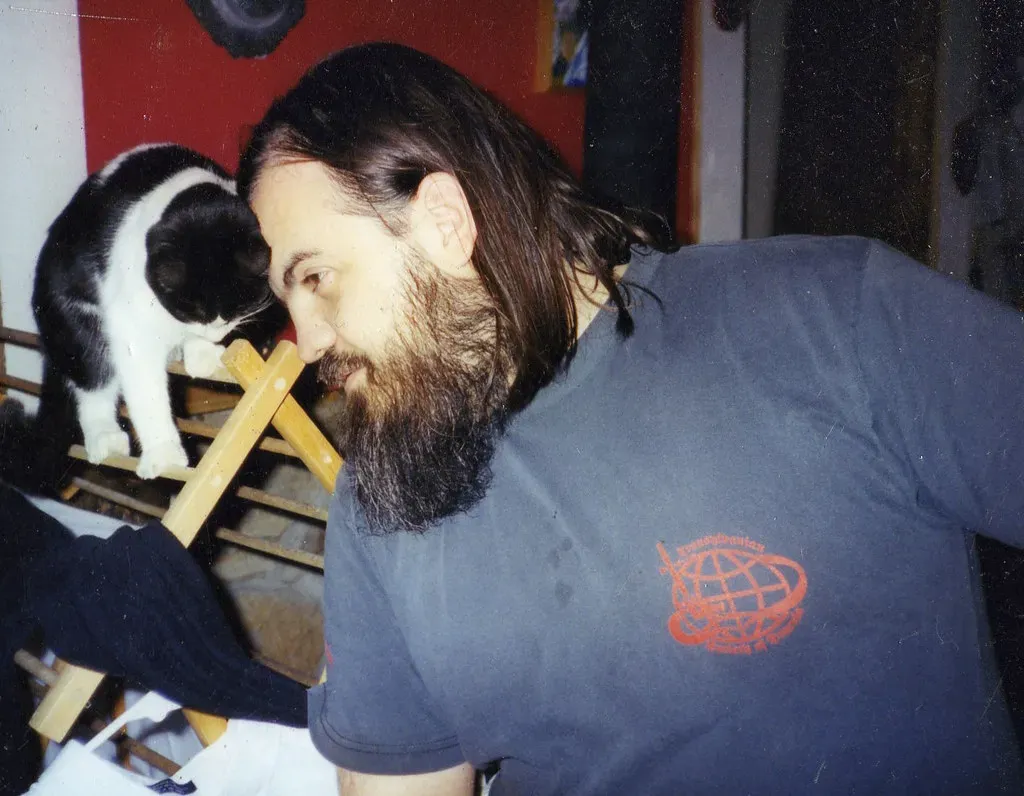
A cat pressing their forehead firmly into your face or chin might look bizarre to someone who doesn’t own cats. To the feline world, though, it’s the equivalent of a warm, wholehearted embrace. Headbutting, or bunting, is a primary way cats show affection and claim ownership. Cats have sweat glands on their chins, cheeks, and foreheads. By firmly pressing or rubbing their face against your leg, arm, or head, they are depositing their scent and marking you as their territory and part of their family.
That familiar feeling when your cat hits the back of your knee can also be a sign that they feel an extremely close bond to you. The feline version of a high-five, the head bump is usually saved for a cat’s closest feline friends and most trusted humans. So yes, your cat is essentially tagging you as theirs. It’s possessive, yes, but in the most loving way imaginable.
5. They Groom You
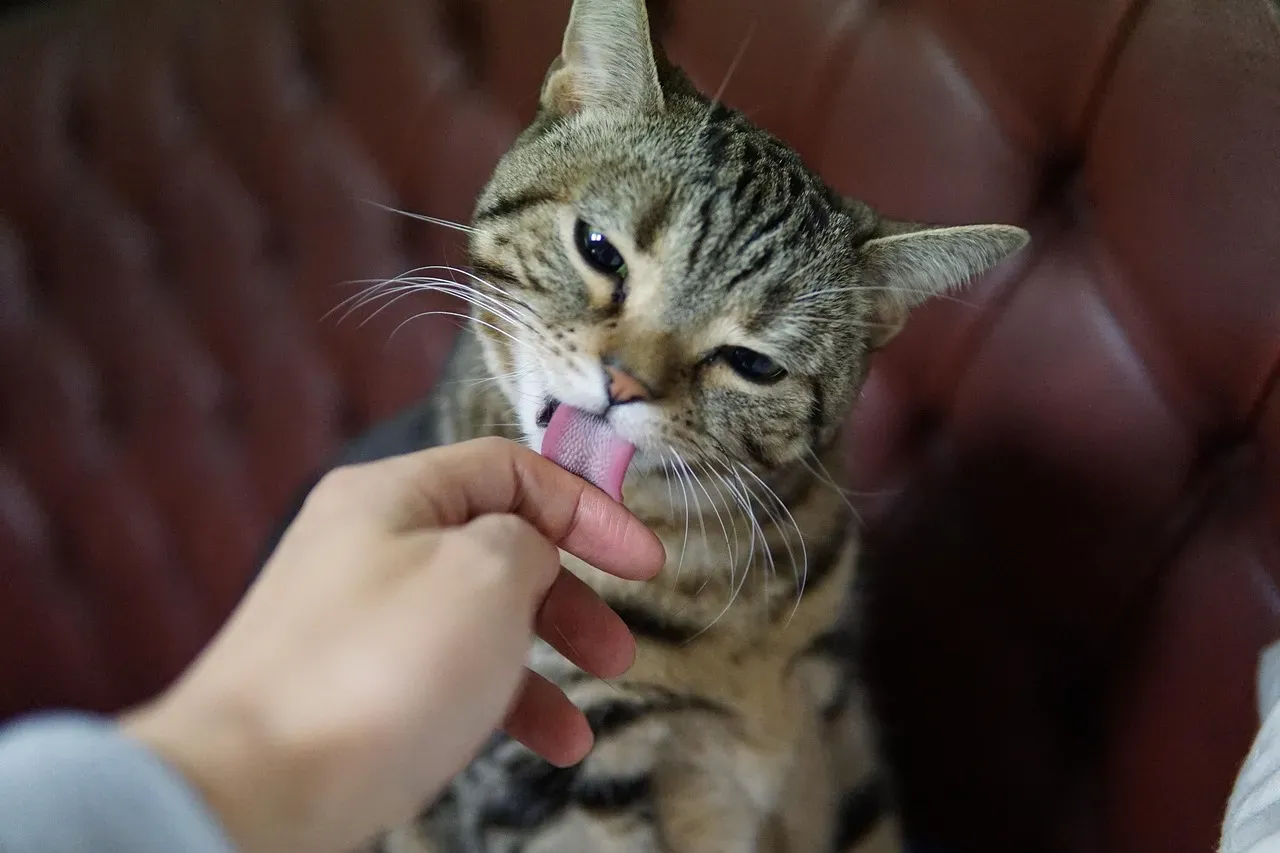
Cats are meticulous groomers. It’s practically a life philosophy for them. So when they turn that focused grooming attention toward you, licking your hand, your arm, or even attempting to tidy up your hair, it is not random behavior. Social grooming, also called allogrooming, is a sign of social bonding and is associated with security. Cats are often solitary animals, but if they live in a bonded pair or group, they will spend time grooming each other. If your cat licks you or grooms you, this is cat behavior indicating trust and love.
When a cat licks your skin or hair, it’s mimicking the grooming behavior they use with other cats. This action signifies that they see you as part of their social group and trust you enough to share this intimate behavior. Think of it like being accepted into an exclusive club with a very specific initiation ritual. It’s a little rough on the skin, but the membership perks are absolutely worth it.
6. They Show You Their Belly
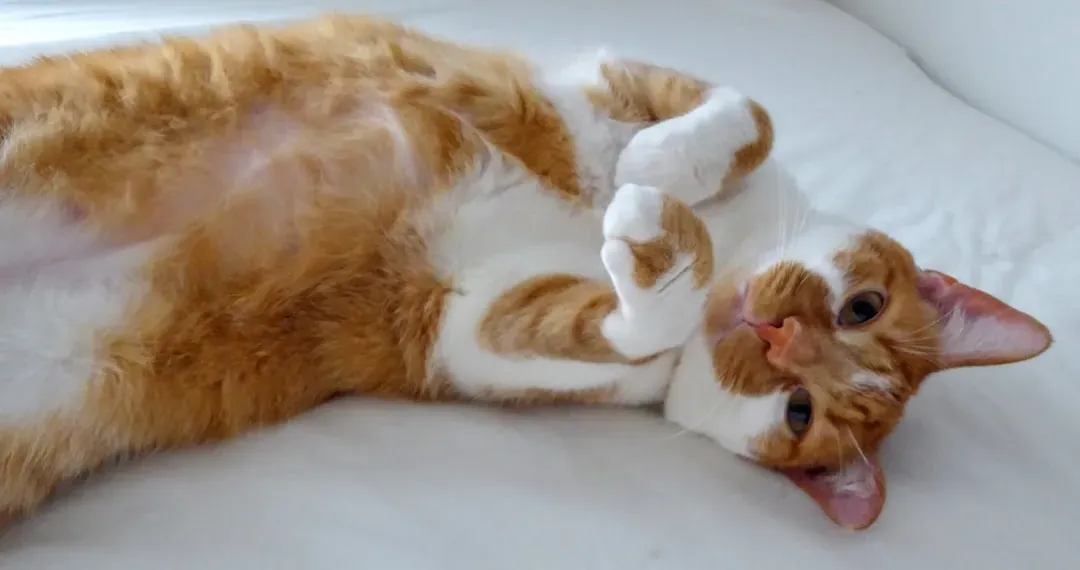
The belly. That soft, vulnerable, and notoriously tricky territory. When your cat rolls over and exposes it to you, there’s a very important thing to understand – and it’s not that they want you to immediately dive in for a rub. A cat’s belly is a highly vulnerable area. If your kitty rolls onto its back and exposes its belly to you, it is a sign your cat trusts you. This is not necessarily an invitation for a belly rub, but rather a sign that your cat feels protected and secure in your presence.
Contrary to popular belief, when cats show you their belly, it is not always an invitation to pet said belly. But it can be an indication that they trust you enough to expose one of their most vulnerable parts to you. I know it sounds crazy, but the single most touching thing about this behavior is precisely that restraint is required. Your cat is saying “I trust you” – and the best response is to honor that trust rather than betray it with an unwanted belly rub.
7. They Greet You at the Door
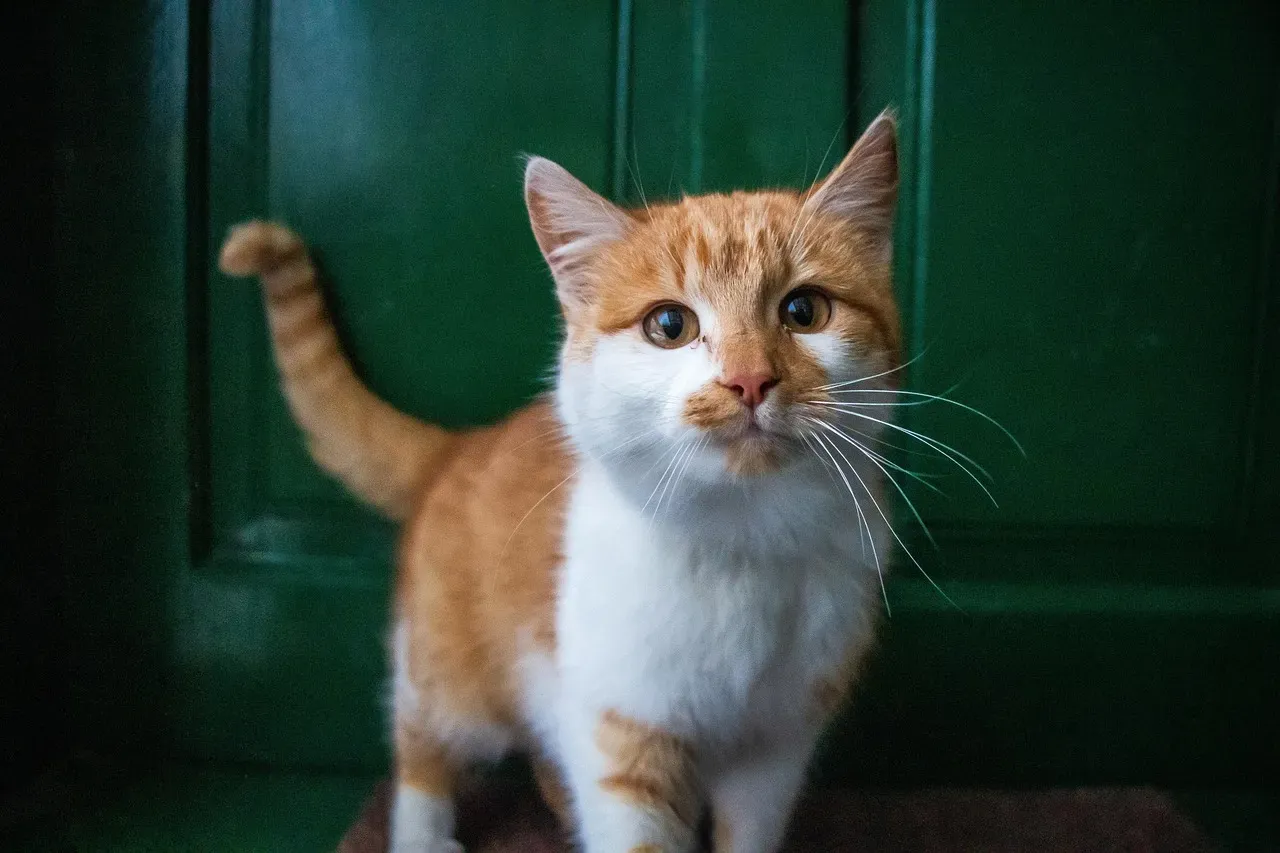
Dogs have made the dramatic homecoming greeting famous, but cats? They’ve made a fine art of appearing completely indifferent to your comings and goings. So when your cat actually rushes to meet you at the door, ears forward, tail up, ready for contact, pay attention. If your cat comes running to greet you when you come home, it’s a good sign that your cat trusts you. Cats are curious creatures and love to investigate when something new happens. Adult cats are also territorial and make a habit of keeping a close eye on what happens in their territory. A nervous cat may watch from afar, but if your cat comes running to greet you when you come home, this is a good sign that your kitty trusts their human companions.
One of the most obvious signs that your beloved pet is fond of you is the way that your cat greets you. When cats greet members of their social group they show signals to indicate friendship and a desire to move closer. Cats also show these signals to humans. A tail held in the upright flagpole position shows a friendly intention, indicating familiarity, trust, and affection. A greeting like that is not a coincidence. It’s a declaration.
8. They Bring You “Gifts”
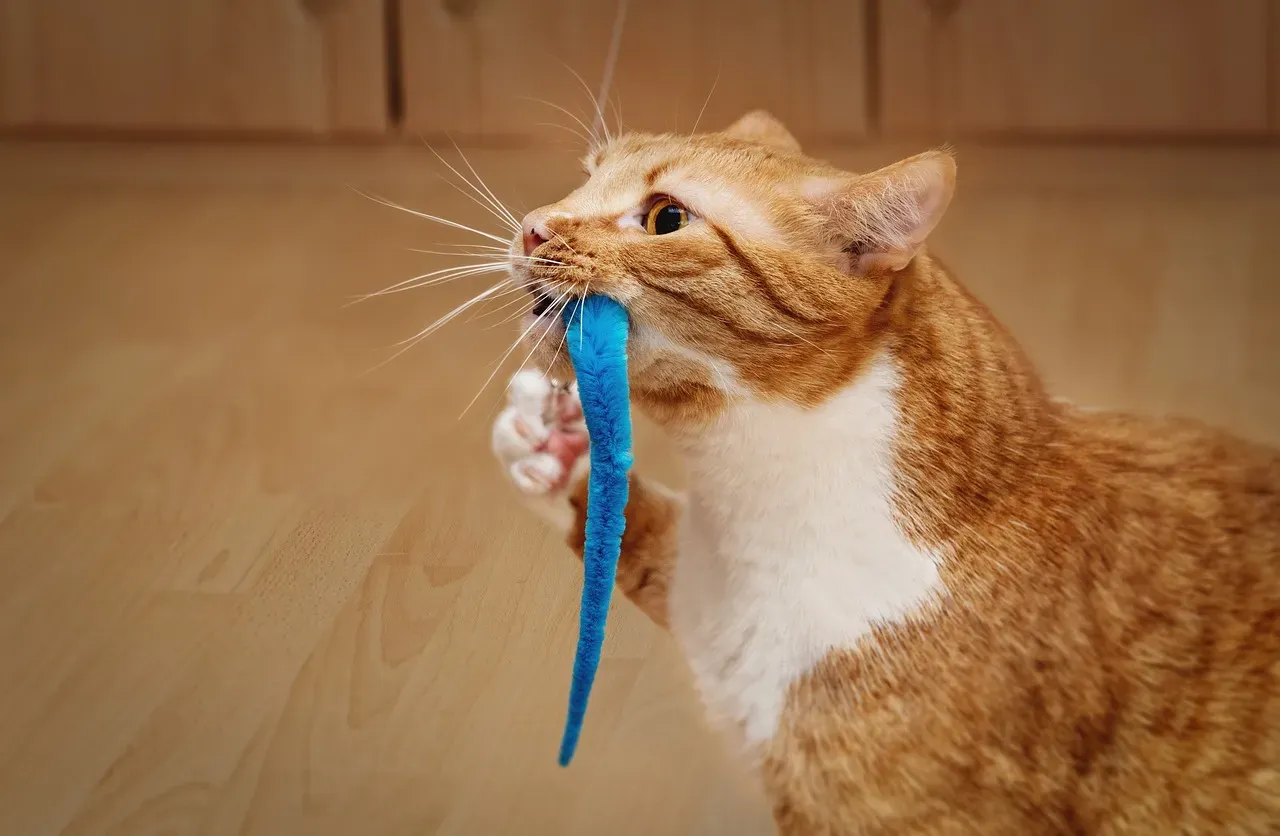
Let’s be real – finding a deceased mouse or mangled bird on your doorstep is not most people’s idea of a thoughtful gesture. It can be alarming, maybe a little gross, and honestly confusing. Yet in the deeply instinctive world of your cat, this is an act of profound generosity. Cats are solitary hunters, but if they live in groups will tend to eat together. In feral cat colonies, some members of the group are hunters and bring back gifts of food to their bonded companions. Finding a mouse at your feet may not be the best present you’ve ever received, but if your kitty hunts and then presents you with the reward, this is a prime example of cat behavior that should be appreciated rather than deplored.
If you have an indoor kitty, they may lay toys near you to indicate the same trust. If their favorite catnip toy is always left beside you after a nap, know that your cat adores you and has no problem showing it. Just as humans give gifts when they have a strong bond with someone, cats have the same tendency to show appreciation. Whether it’s a real catch or a worn-out toy mouse, the sentiment is identical. You’ve been included in their world.
9. They Meow Specifically at You
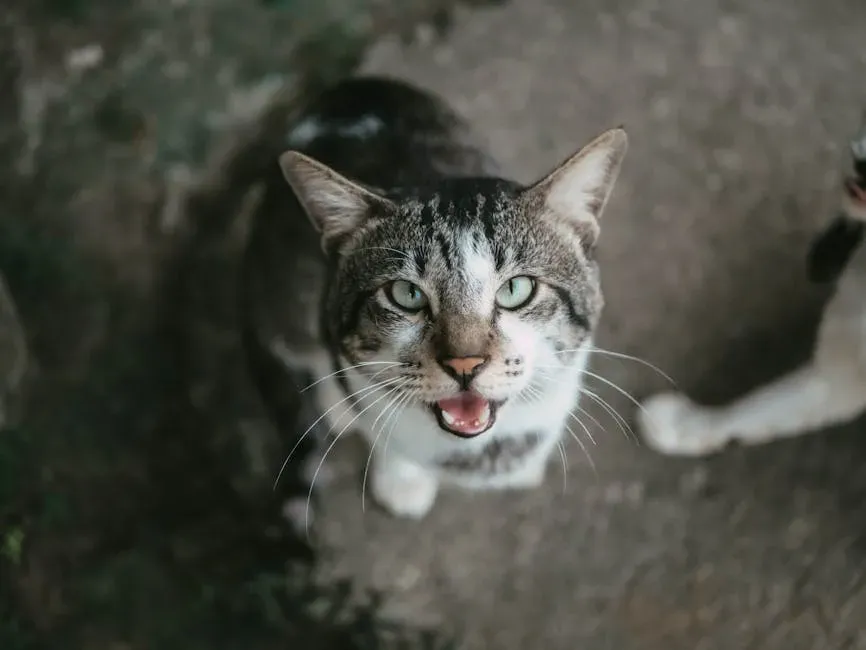
Here’s a fascinating little feline secret most people don’t know: adult cats essentially developed the habit of meowing for one audience only. Not other cats. You. Often, they do this by meowing, which is interesting, because cats don’t really meow at each other. They meow at their mothers, who provide them with food, warmth, and safety when they are kittens, and they meow at their people, who provide them with the same things as adults.
Cats don’t typically meow to communicate with other cats; they reserve this behavior for interacting with humans. If your cat frequently meows at you, especially with a soft, gentle tone, it’s their way of getting your attention and showing affection. Each cat has a unique meow that can indicate different needs or emotions. So when your cat trots into the room, locks eyes with you, and starts talking, they’re not being random. You are literally the only one in the world they’d bother saying that to.
10. They Purr in Your Presence
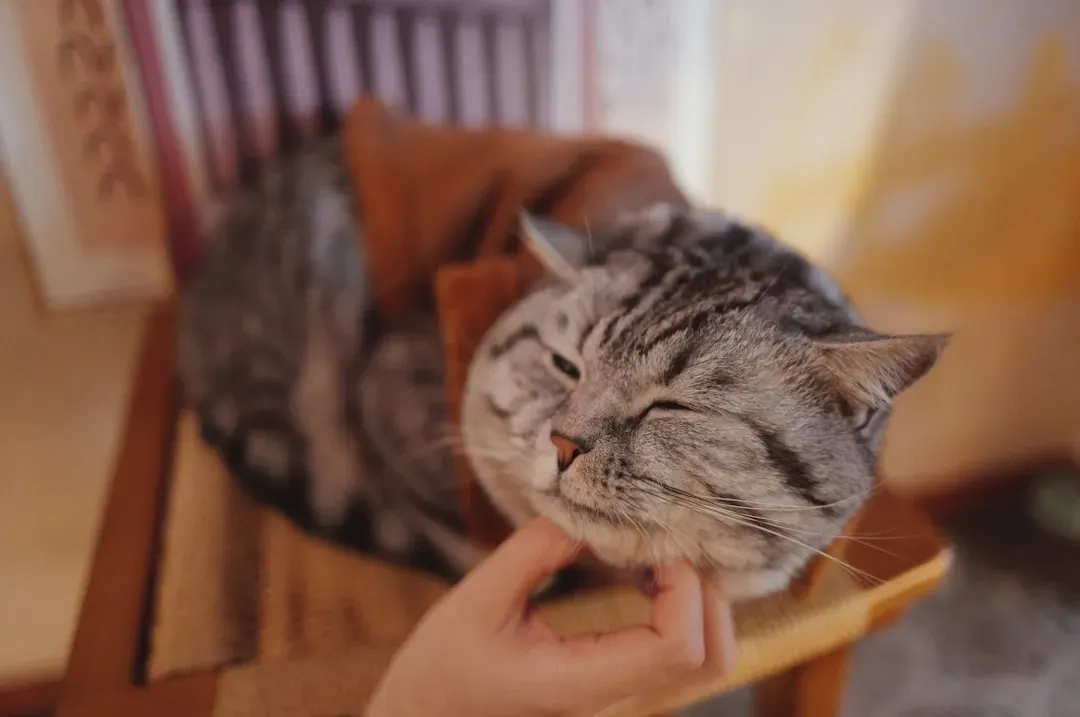
Few sounds in the world are as immediately soothing as a cat’s purr. It’s rhythmic, warm, deeply satisfying, and honestly a little addictive once you’ve experienced it. Most people associate purring with happiness, and they’re mostly right, but there’s a layer of trust embedded in it too. Purring is often used as a sign of pleasure and contentment. This is often expressed during close contact, such as stroking or grooming, but purring isn’t just about your cat having an enjoyable experience.
Purring and other vocalizations also show that they trust you and your presence. Cats vocalize to communicate with you. Listening to your cat allows you to distinguish what they need. Think of a purring cat curled up next to you as a living, breathing sound machine broadcasting one clear signal: “I am safe, I am content, and you are the reason.” Honestly, it doesn’t get much better than that.
11. They Follow You From Room to Room
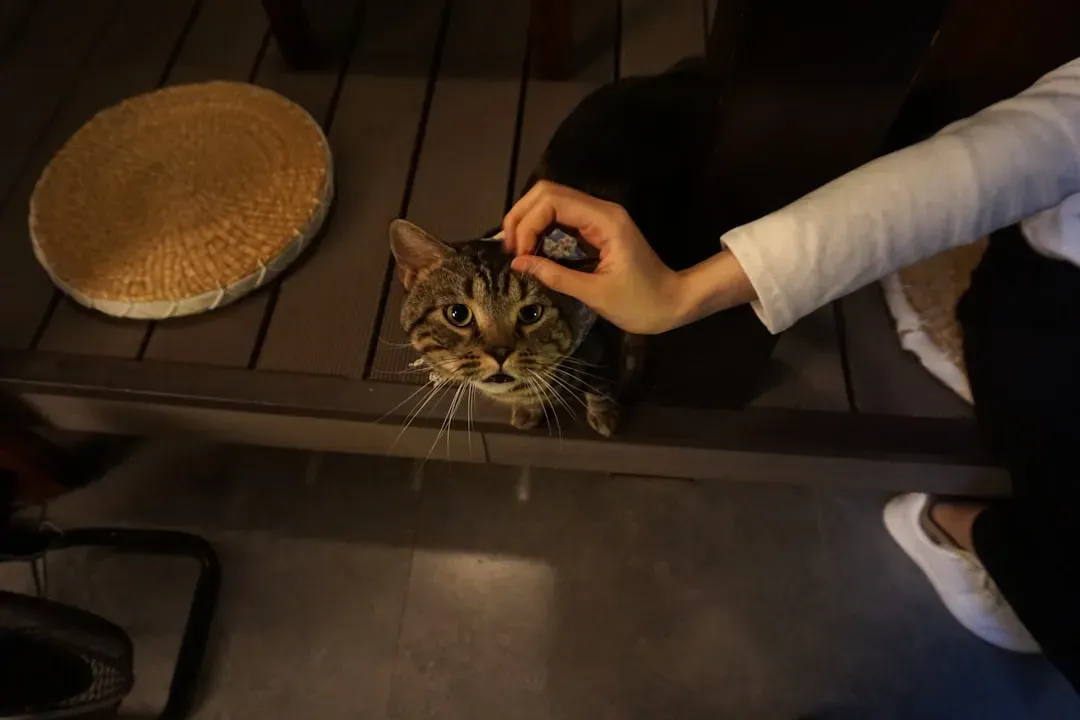
You get up to make coffee. Your cat gets up too. You move to the couch. So does your cat. You head to the bathroom. Your cat is inexplicably at the door within seconds. Sound familiar? If your furry feline likes spending time with you, chances are, they feel comfortable in your presence. A nervous cat would run and find somewhere to hide, but if they’re happy sauntering around the house with you around, it means they feel safe. Whether they like to curl up on your lap, follow you from room to room, or even sleep on you, spending time with you is a sign you’re in their good books.
Cats care about physical comfort and safety, and their trust in you is about whether or not you provide those things in the ways and quantities that they need. While they can’t tell you whether or not you are doing a good job of this, they can and do show you through their behaviors. Following you is their version of saying “I want to be where you are.” For a creature that values independence above nearly everything else, that’s a remarkably powerful statement.
12. They Let You Handle Them Without Resistance
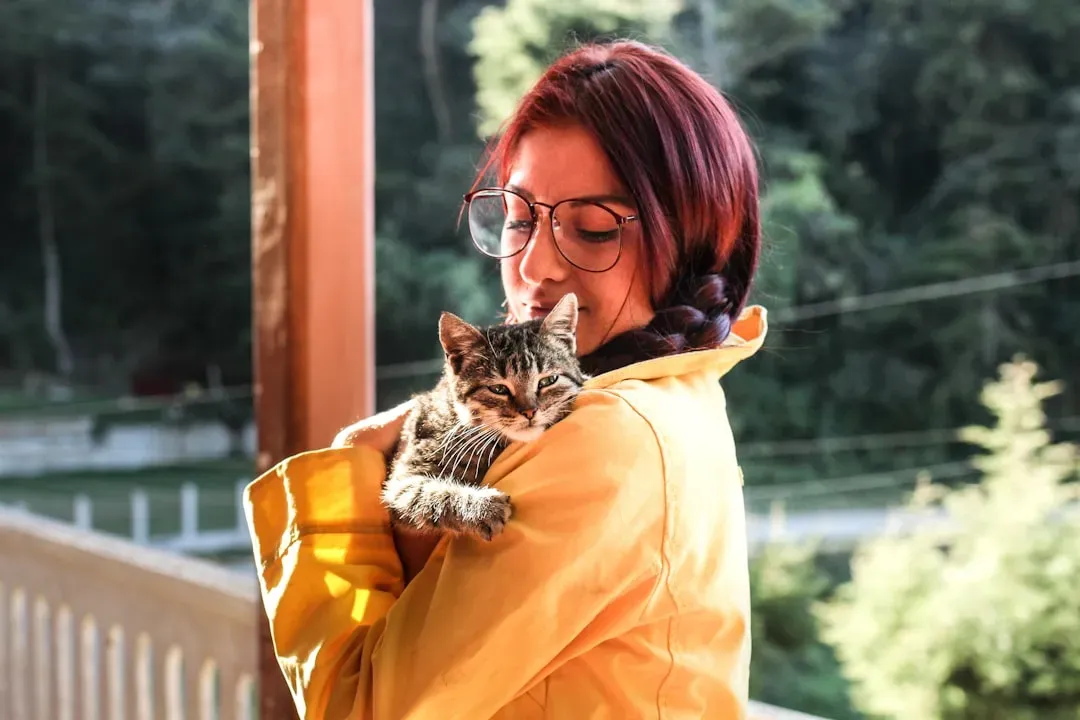
Some cats tolerate being picked up. Others allow it from strangers like it’s mildly offensive but fine. Then there are cats that go completely limp and relaxed in your arms, as if every muscle in their body has simply agreed that this is okay. That second kind of surrender tells you everything. When your cat allows you to pick them up and their body is relaxed, it means that they have absolute trust in you. Sometimes owners hold their cat cradled like a baby or they hold their relaxed cat on their shoulder.
Maybe they hide behind you when there are new people in the house, keeping you between them and the strangers because they trust you to protect them. Or maybe at the vet, when you hold them, they bury their face in your shoulder, trying to get as close to you as possible. It’s hard to say for sure which of these moments hits the hardest, but a cat pressing their face into your shoulder in a scary situation? That one stays with you. That’s not tolerance. That’s unconditional trust.
A Final Thought Worth Sitting With
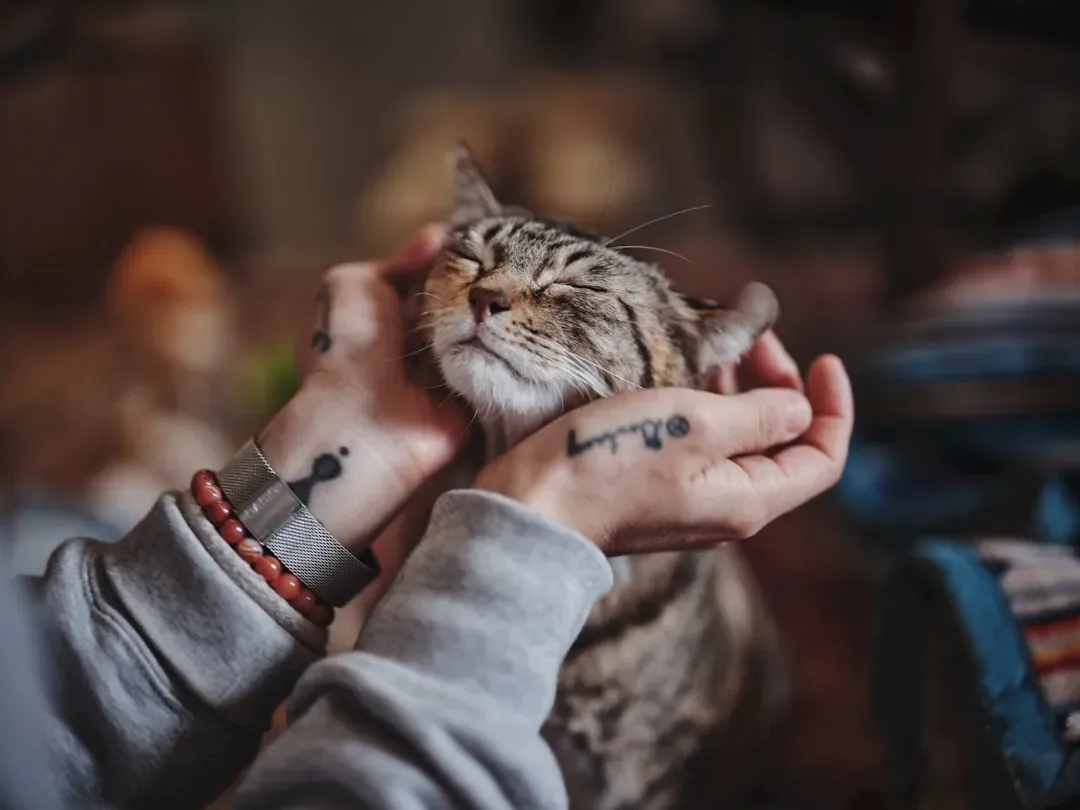
Cats are not dogs. They will not bound over to every person who walks through the door, wagging and thrilled. Their affection is selective, measured, and earned over time. While cats are stereotypically thought to be aloof, standoffish and less attached to their owners than dogs, cats do have a wide spectrum of passive and active behaviors that demonstrate attachment, affection, and trust of their owners.
That selectiveness is exactly what makes a cat’s trust so extraordinary. When a cat chooses you, it is not out of obligation or training or treat-based manipulation. Pets rely on routines to feel comfortable and happy, so the best way to build a trusting relationship with your cat is to turn boring routines into positive interactions. Every slow blink, every kneading session, every ridiculous dead-mouse gift is a deliberate act of connection from an animal that absolutely did not have to give it.
So the next time your cat gazes at you across the room with those half-closed, sleepy eyes, know that you’re not imagining it. You’ve earned something genuinely rare. How many of these signs does your cat show you? Tell us in the comments – we’d love to know which one surprised you most.
Kristina is a young writer from India. An arts graduate and an avid content creator, Kristina is passionate about animals and wildlife. She enjoys exploring topics related to pet care, animal behavior, conservation, and nature, combining thorough research with engaging storytelling.