Cats have this incredible gift for making everything look effortless. They stretch, yawn, and curl up in a sunbeam like the world was literally built for their comfort. Yet underneath all that composed fur-covered elegance, there’s actually a rich emotional life happening that most people completely miss.
If you’ve ever looked at your cat and wondered, “Is this little creature truly happy, or just tolerating my presence?” – you’re not alone. Honestly, that’s one of the most common questions cat parents wrestle with. The good news is that cats do communicate their contentment, just not always in the ways you might expect. Let’s dive in.
You Notice the Famous Slow Blink – and Your Cat Does It First
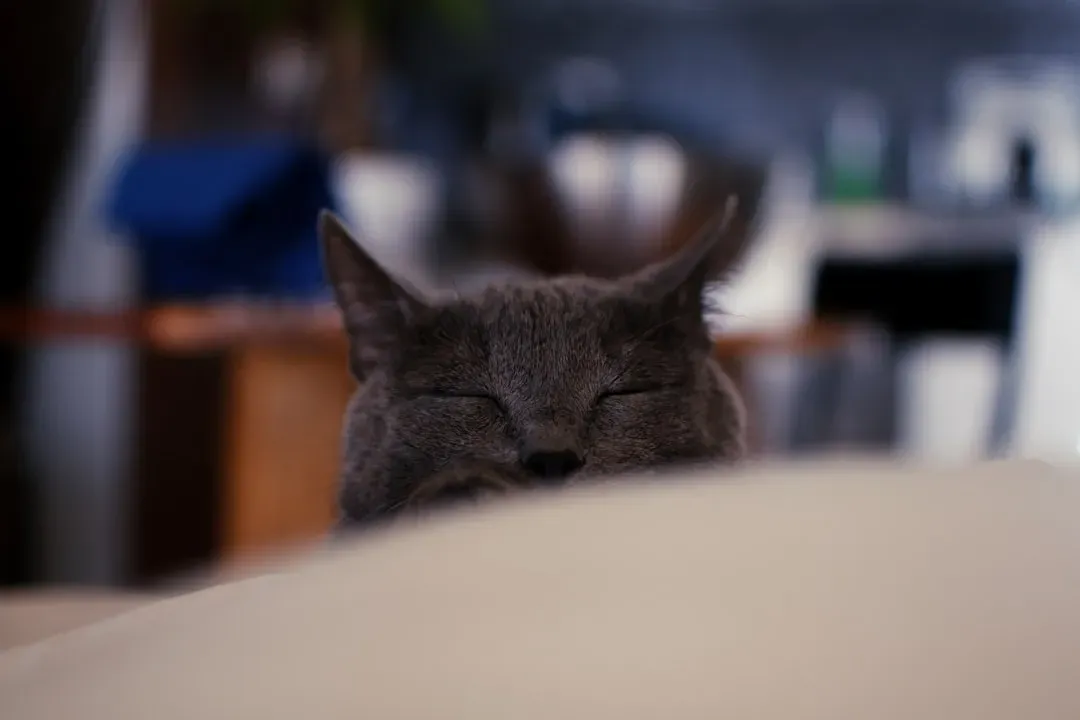
You’ve probably heard about the slow blink, but here’s the thing: when your cat does it to you unprompted, that’s a whole different level of trust. Slow blinking in cats signals “I trust you and I’m super relaxed right now.” Think of it less like a gesture and more like your cat handing you a handwritten thank-you note.
Slow blinking is one of the most heartwarming signals in cat body language. Often called a “cat kiss,” this gesture reflects trust and relaxation. Many cats will even return the gesture if you slow blink at them first. So next time your cat does it, blink back. You’re basically having a conversation, and it’s a good one.
Your Cat’s Tail Tells the Whole Story
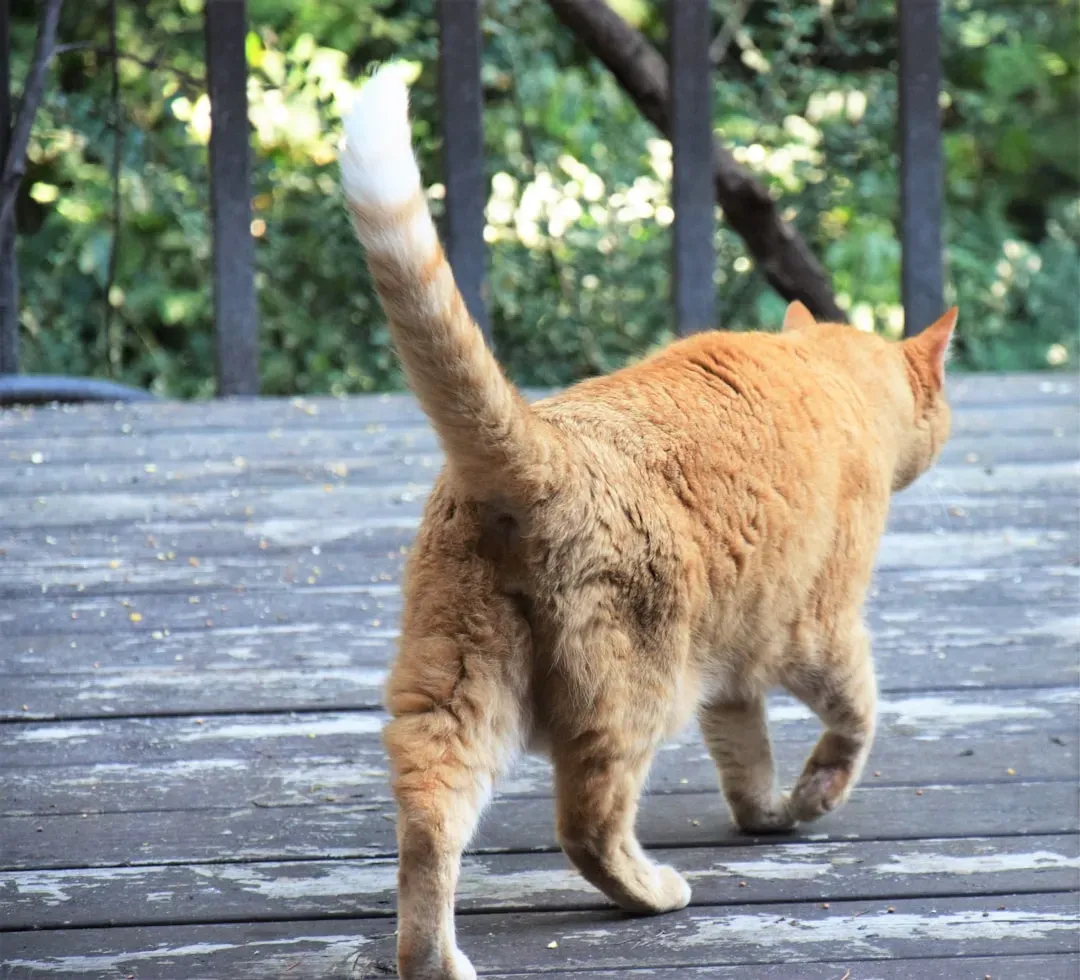
A cat’s tail acts like a mood barometer. Every twitch, flick, and curl adds context to what your cat is feeling. One of the most positive signs in cat body language is a tail held straight up. It’s the feline equivalent of walking into a room and saying, “I own this place and I love it.”
Their tails are held high, often with a tiny curve at the very end, showing that they’re happy to see you or another cat. When your cat feels happy and safe, their tail might be upright with a little curl at the end. It won’t be stiff or look puffy. If your cat walks towards you with their tail lifted up, this is often their way of greeting you. That little curl? Pure joy, right there.
They’re Kneading You Like There’s No Tomorrow
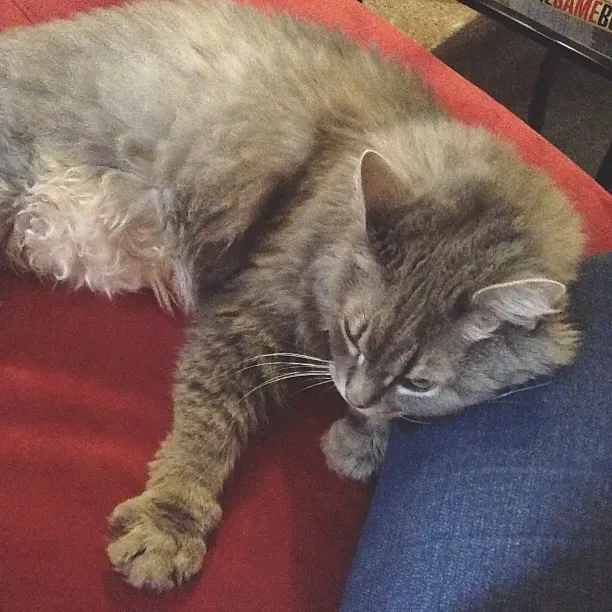
That rhythmic paw-pressing routine your cat does on your lap, your blanket, or seemingly random couch cushions? It’s not weird. It’s wonderful. When your cat is spending some time cuddling on your lap, you might notice them kneading, also known as “making biscuits,” another sign of enjoyment because it mimics feeding behavior in nursing kittens. You’ll probably hear your cat purring too, a classic sign of contentment.
Kneading is essentially a throwback to kittenhood. It’s a deeply ingrained behavior that surfaces when cats feel utterly safe and at ease. A happy cat might cuddle up next to you or knead you with their paws. If your cat is doing this regularly, consider yourself officially trusted. That’s no small thing in the cat world.
Their Coat Is Glossy, Soft, and Absolutely Pristine
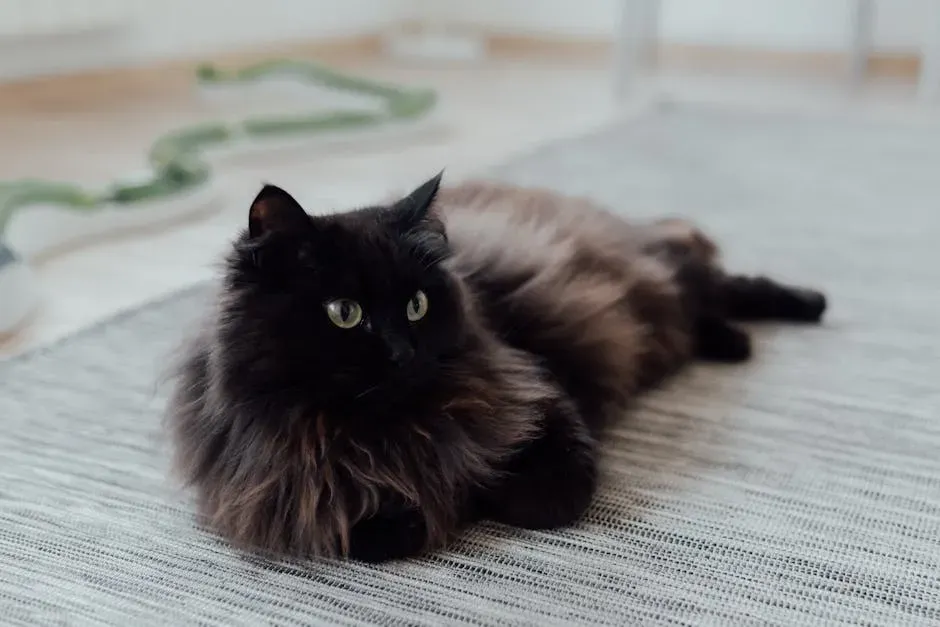
A cat’s coat is a reflection of their internal health. A glossy, clean, and well-groomed coat suggests a content and thriving cat. Clear, bright eyes without discharge or redness are also indicative of good health. Think of their fur as a health report card displayed right on the outside.
A healthy feline coat is rich in color and free of flakes and mats. It should be clean and pliable without dirt, debris or excessive oil. When a cat is happy, their coat is likely to be sleek, clean, and free of mats, showing that the cat is engaged in regular grooming – an activity often associated with contentment. Basically, a fluffy, shiny cat is a happy cat, full stop.
Your Cat Is Eating Well and Actually Excited About Meals
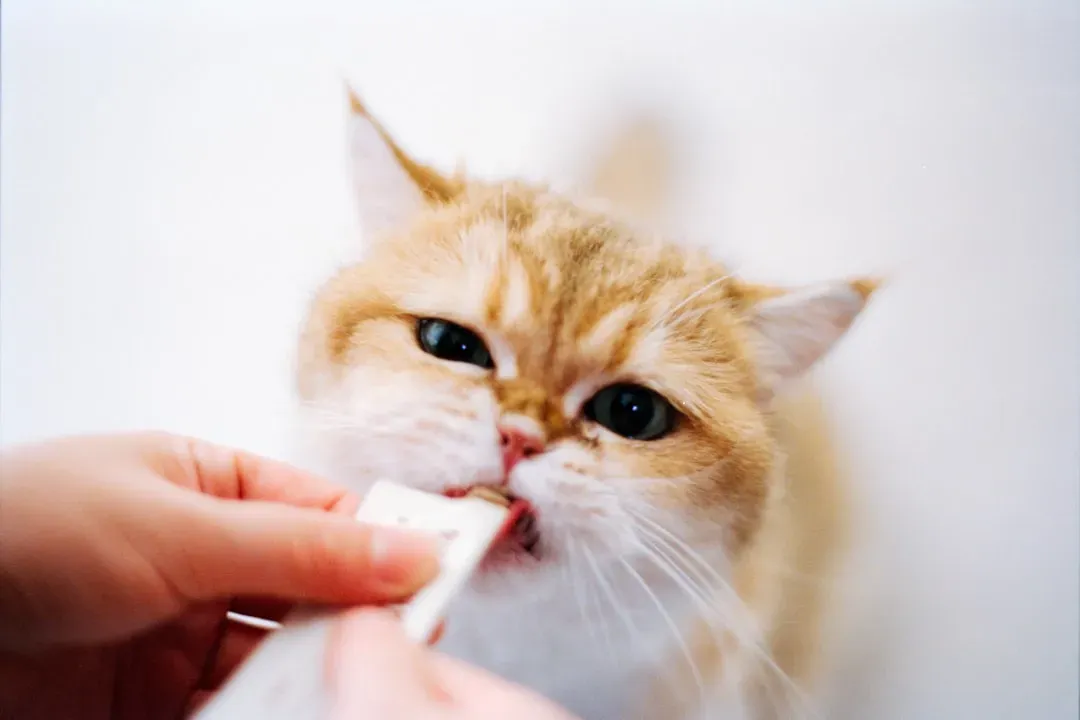
Let’s be real: most cats have opinions about their food. Strong ones. Mealtime itself can be a source of joy. Many cats get visibly excited when they see their cat food, associating the event with feelings of security and happiness. If your cat does a little trot to the bowl and eats with genuine enthusiasm, that’s a pampered kitty at work.
Consistent eating habits are a reliable indicator of a cat’s well-being. A happy cat will have a steady appetite, so pay attention to any drastic changes, which may necessitate a vet visit. Feeding special treats and the occasional food-related enrichment, like puzzle feeders, can also add an extra layer of joy to their day. If you’re already doing that, your cat is living the life.
They Greet You at the Door (Yes, Really)
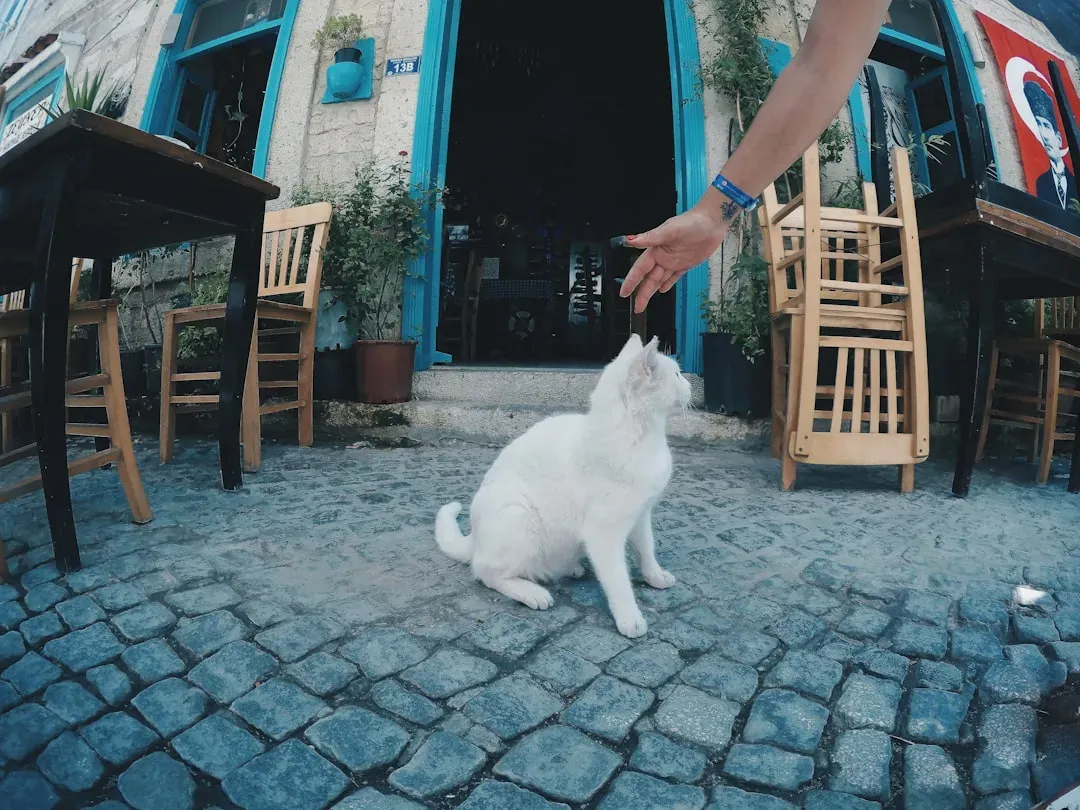
Dogs get all the credit for enthusiastic greetings, but a pampered cat will absolutely meet you at the door. You can tell if a cat is pleased to see you as they will rub around your legs when you walk into a room. It’s subtle compared to a tail-wagging Labrador, sure, but coming from a cat, it means everything.
When they’re showing their affection, cats rub themselves on you, often circling or turning in little figure eights. Head butts and chin rubbing are also clear signs that your cat loves you because cats have scent glands in their faces that allow them to claim friends and objects as their own. Translation: you’ve been claimed. Congratulations, you’re their person.
Their Body Language Is Completely Relaxed and Open
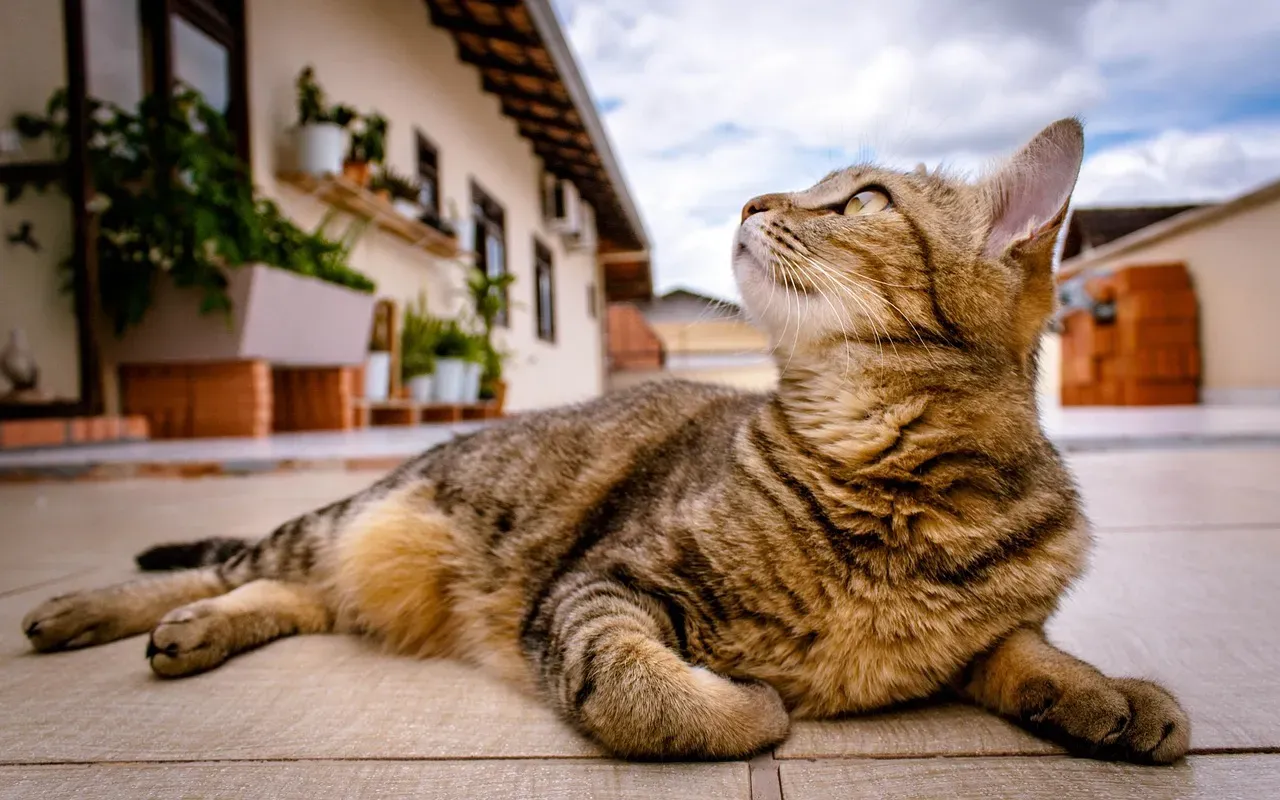
A stressed cat tucks itself into a tight ball. A pampered, content cat? Completely different story. Cats who are relaxed will have loose, fluid body movements, and their breathing will be slow and steady. They might fold their feet in front of themselves, stretch their feet way out in front, or slouch over the side of a perch. It’s like watching someone sink into a hammock after a long, perfect vacation.
When a cat is happy, their posture is typically loose, with their limbs and tail stretched out away from their body when lying down. If they are showing their belly, it probably means that they feel safe. A cat stretched out on its side with paws loose and body extended feels comfortable and secure. Another common relaxed pose is lying belly-up, which reflects total trust. I think there’s nothing more satisfying than seeing a cat sprawled out with zero concern for the world around them.
They’re Playful, Curious, and Always Up for Some Mischief
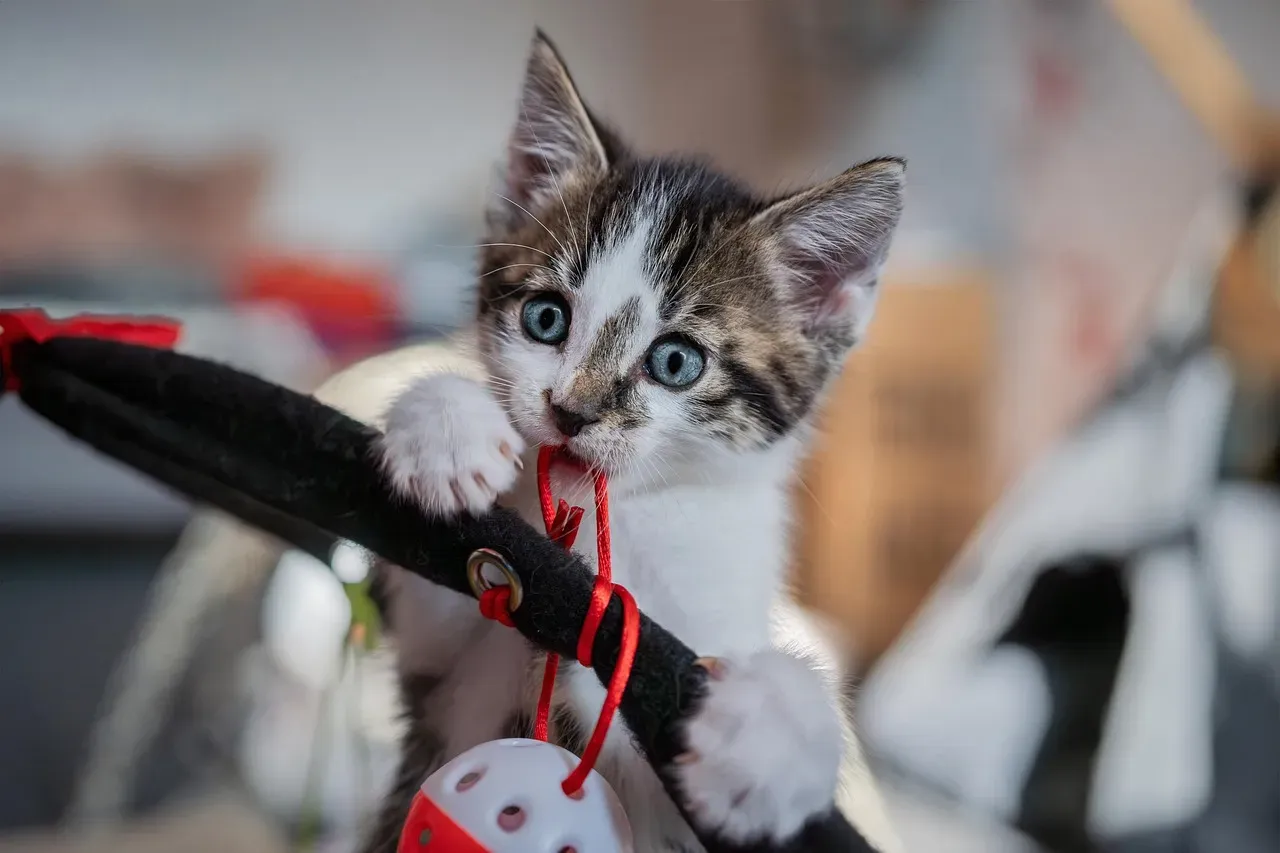
A happy cat is a curious cat. If your kitty is exploring its environment, playing with toys, or initiating playtime with you, it’s likely enjoying life. An active cat is not just physically healthy but also mentally stimulated. Think of it this way: a bored cat is a miserable cat. A playful one? Thriving.
A healthy cat will engage in play, stretching, and grooming regularly. Playfulness is a key sign of a contented cat, whether they’re chasing toys, pouncing on imaginary prey, or having a gentle wrestle with you. Several short play sessions per day are common for many cats. If your cat is regularly batting things off shelves just to watch them fall, honestly, that’s curiosity and mental stimulation doing its job.
They Purr – and the Context Is Pure Happiness
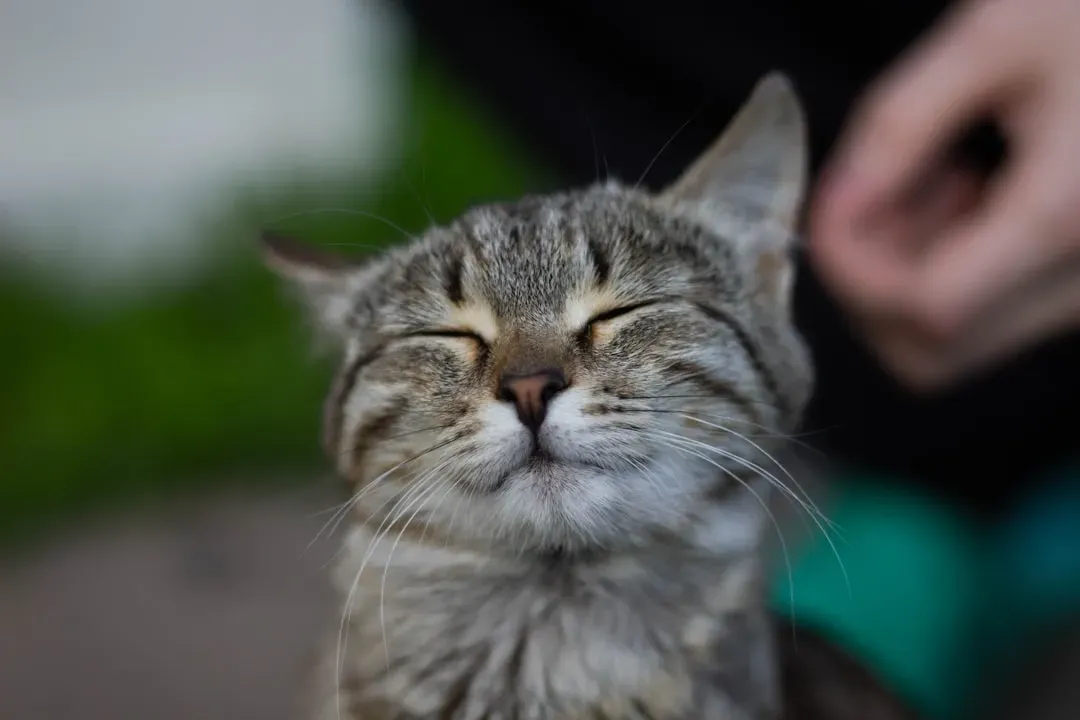
Okay, here’s one that deserves a little nuance. Purring is often the go-to sign people point to, but it’s not always a simple happiness meter. We often think that our cats are happy when they purr, but this is only true if their body language is relaxed. They can also purr to get your attention and fuss. Context, as always, is everything.
When the purring happens during a calm cuddle session, while your cat is melted across your lap with half-closed eyes? That’s the real deal. A purring cat with a relaxed posture, half-closed eyes, and loose body signals contentment. This combination of sound and body language is one of the clearest signs of happiness. A cat may also trill, which is like a high-pitched purr, to show they are friendly. Together, these sounds paint a portrait of a deeply satisfied creature.
They Sleep Deeply, Peacefully, and Without a Care in the World
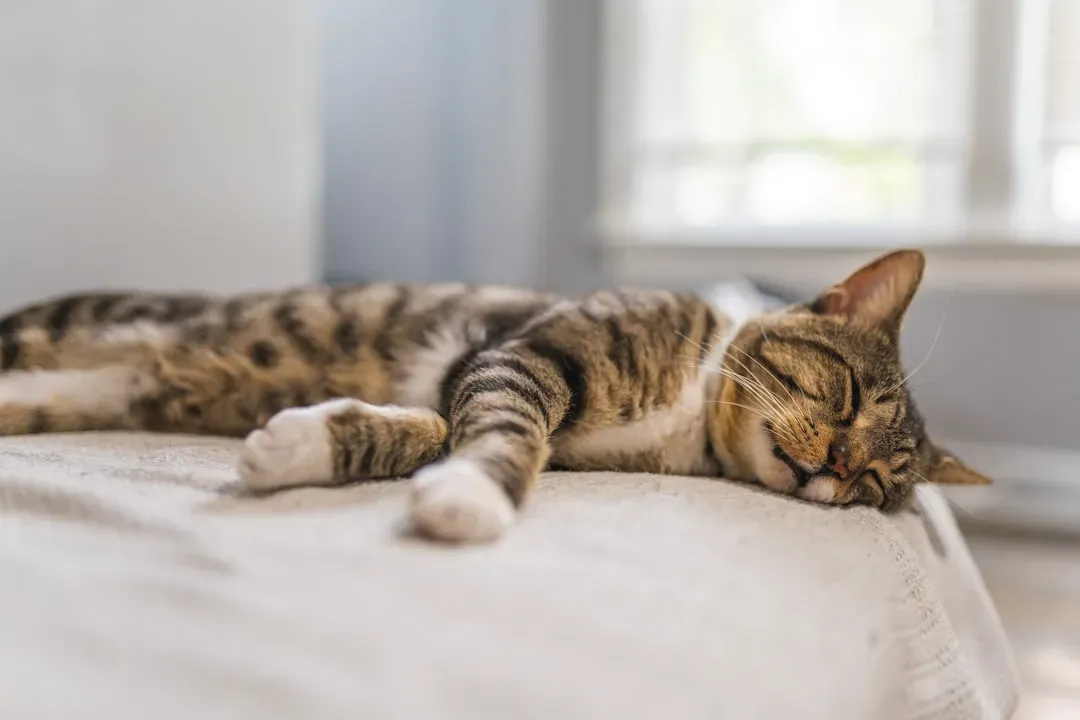
Cats are legendary sleepers, and a pampered cat takes that to an art form. It’s hard to say for sure just how much of their day they spend asleep, but it’s a lot – upwards of roughly two thirds of their lives, by some estimates. If your cat is sleeping peacefully, it’s a sign of trust and contentment. Watch out for excessive sleeping though, as it could indicate health issues. There’s a difference between blissful rest and lethargy.
A pampered cat chooses their sleep spots with incredible purpose. Their favorite warm patch of sunlight, your freshly laundered hoodie, the exact center of your pillow. A really content cat will often sit or lie down with eyes half closed, pupils narrowed, tail mostly still, ears forward – and purring. You can better understand your cat by paying attention to their vocalizations, body postures and daily routines. In time, you may become so attuned to your kitty’s personality and habits that you’re able to detect subtle changes in their mood. That deep attunement? That’s the mark of a truly pampered life shared between two beings who get each other.
Conclusion: Your Cat Has Already Won at Life
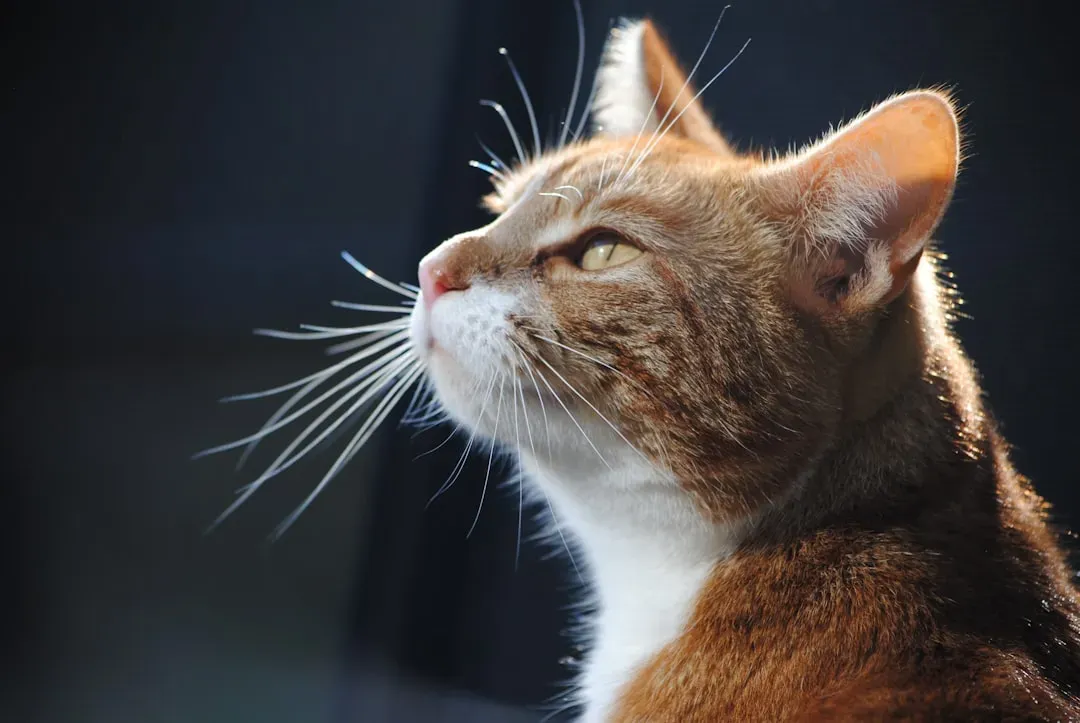
Here’s the beautiful truth: cats don’t need much to be happy, but they notice everything. They feel safe in routines, they respond to your energy, and they thrive when their basic needs are met with genuine care and attention. The slow blinks, the belly-up naps, the enthusiastic mealtime struts – all of it is your cat saying, in their own eloquent, unhurried way, “Life is good.”
The signs above aren’t a checklist to stress over. They’re an invitation to pay closer attention to the small, beautiful moments that happen every day between you and your cat. Understanding your cat’s language isn’t just about recognising specific signs – it’s about knowing the context in which they’re acting. The more you observe, the easier it will be to tune into their unique way of expressing happiness.
So the next time your cat curls up on your lap and starts making biscuits, just sit with it for a minute. They’re not tolerating your presence. They chose you. And in the cat world, that is genuinely the highest honor there is. How many of these signs does your pampered feline check off? Tell us in the comments!
Kristina is a young writer from India. An arts graduate and an avid content creator, Kristina is passionate about animals and wildlife. She enjoys exploring topics related to pet care, animal behavior, conservation, and nature, combining thorough research with engaging storytelling.