Most people can spot a Siamese or a Persian from across the room. They’re practically household names at this point. But the cat world is so much bigger, and honestly, so much more fascinating than the usual suspects on Instagram. There are breeds out there with curling ears, naturally spotted coats, a deep love of water, and personalities so distinct they almost feel like cartoon characters brought to life.
While you’re probably familiar with some of the most common breeds like the American Shorthair or the Maine Coon, there’s a whole world of rare cat breeds out there waiting for you to discover. Some of these cats have odd anatomical features that set them apart, while others are simply newer breeds that have yet to go mainstream. That’s exactly what makes them so irresistible. Let’s dive in.
1. The Sokoke: Africa’s Wild Secret
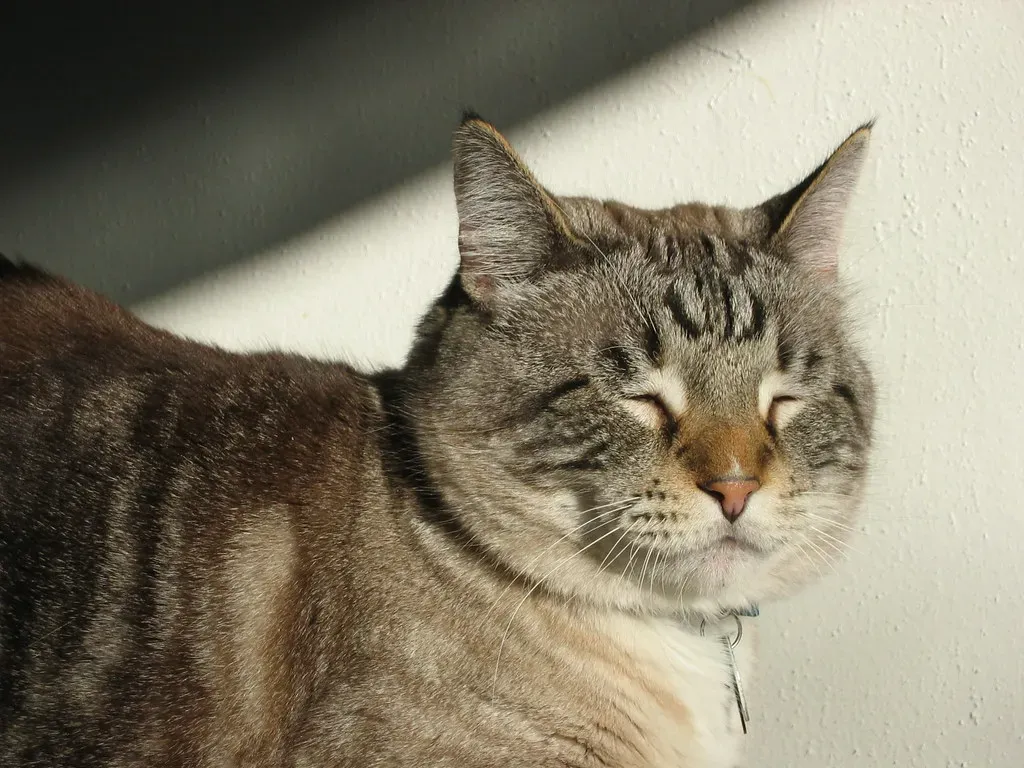
If you’ve never heard of the Sokoke, you’re not alone, and honestly, that’s part of what makes this cat so extraordinary. The Sokoke is said to be the rarest cat in the world. Rather than being a human-created breed, it is a naturally occurring, tiny wildcat found only in the Arabuko-Sokoke Forest Preserve in Kenya, Africa.
These long-limbed, striped cats have unique, thickly-banded stripes as if drawn on with charcoal. Despite their wild origins, Sokoke cats are happy to follow their people around, whether you’re cleaning or watching TV. As a feral breed, the Sokoke needs lots of exercise and can become bored quickly. It has only really started to gain recognition as a breed since 2015, so it may become more popular and widespread as its recognition increases.
2. The Khao Manee: Thailand’s Living Gemstone
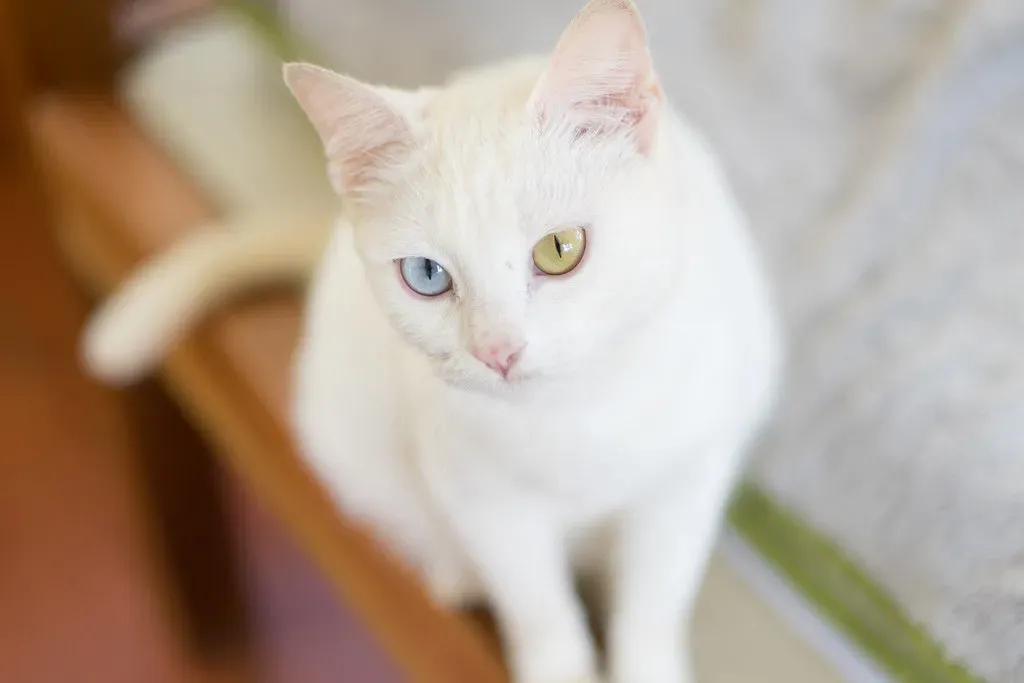
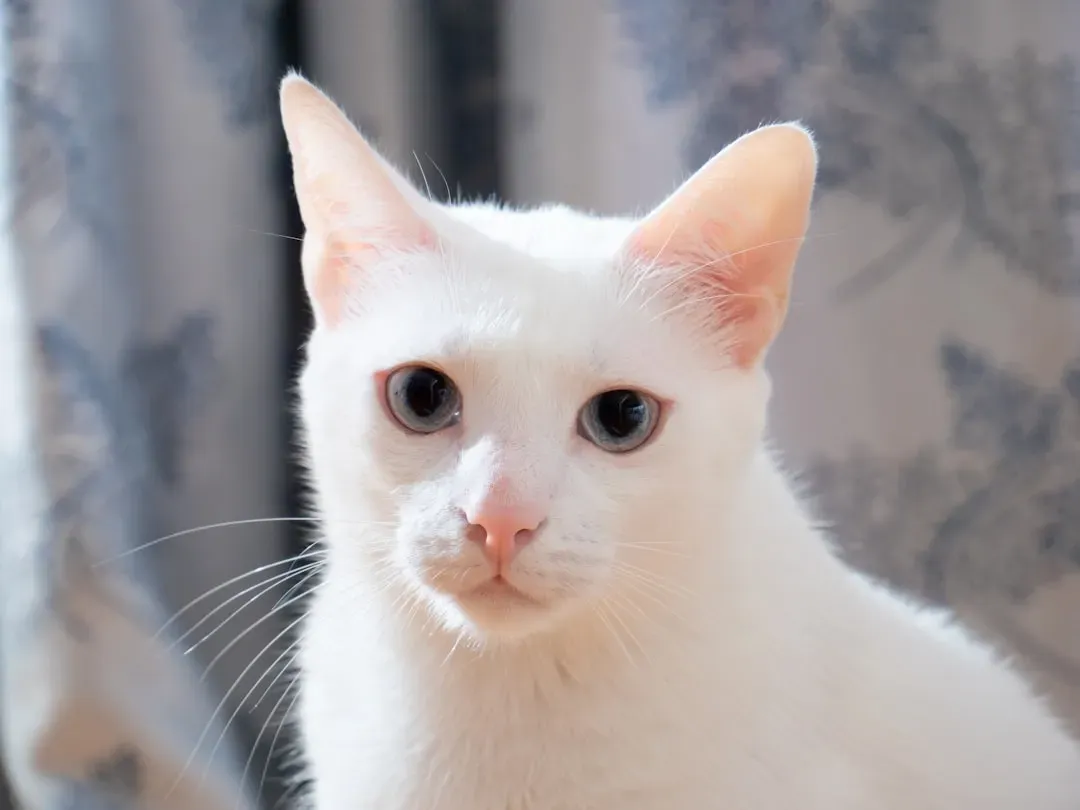
Here’s the thing, if you’ve never set eyes on a Khao Manee, you’re missing out on one of the most visually striking animals on the planet. Considered one of the rarest domestic cats in the world, the Khao Manee is an ancient cat breed originating in Thailand. With a name that means “white gem,” it’s not surprising that the Khao Manee is a pure white cat. Also known as the Diamond Eye cat, its eyes can be shades of blue, gold, and green, with some even having odd eyes with one of each color, or multiple colors within one eye.
This rare breed from Thailand is known for its striking white coat and dazzling blue or odd-colored eyes. Khao Manee cats are rarer outside of their native country, and they have a long history of being revered as symbols of good luck. The Khao Manee has either blue or gold eyes, sometimes a combination of the two, and is one of the rarest cat breeds in the world. Because of their unique eyes, they are also known as the Diamond Eye Cat. This breed of cat is curious and intelligent and loves a good game of fetch.
3. The Lykoi: The Cat That Looks Like a Werewolf
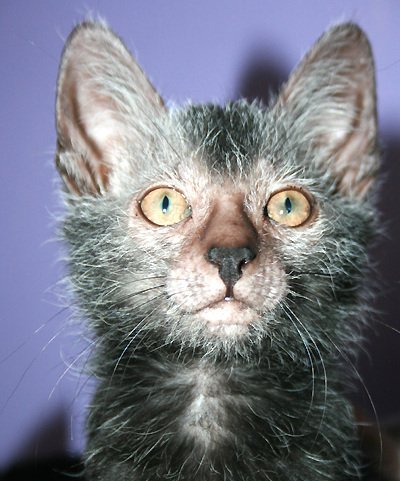
I know it sounds crazy, but imagine opening your door and seeing a cat that genuinely resembles a werewolf staring back at you. That’s the Lykoi. Often called the “werewolf cat,” the Lykoi has a partially hairless body and a wild, scruffy appearance. It’s one of those breeds where photos don’t fully prepare you for the real thing.
Lykoi cats change colors. Yes, you read that right. Lykoi usually have pink skin, but when exposed to sunlight or heat, their skin will slowly turn dark, even pitch black. Despite that haunting exterior, these cats are reportedly warm, loyal, and deeply affectionate with their families. Don’t let the Halloween aesthetic fool you.
4. The Burmilla: A Happy Accident Worth Celebrating
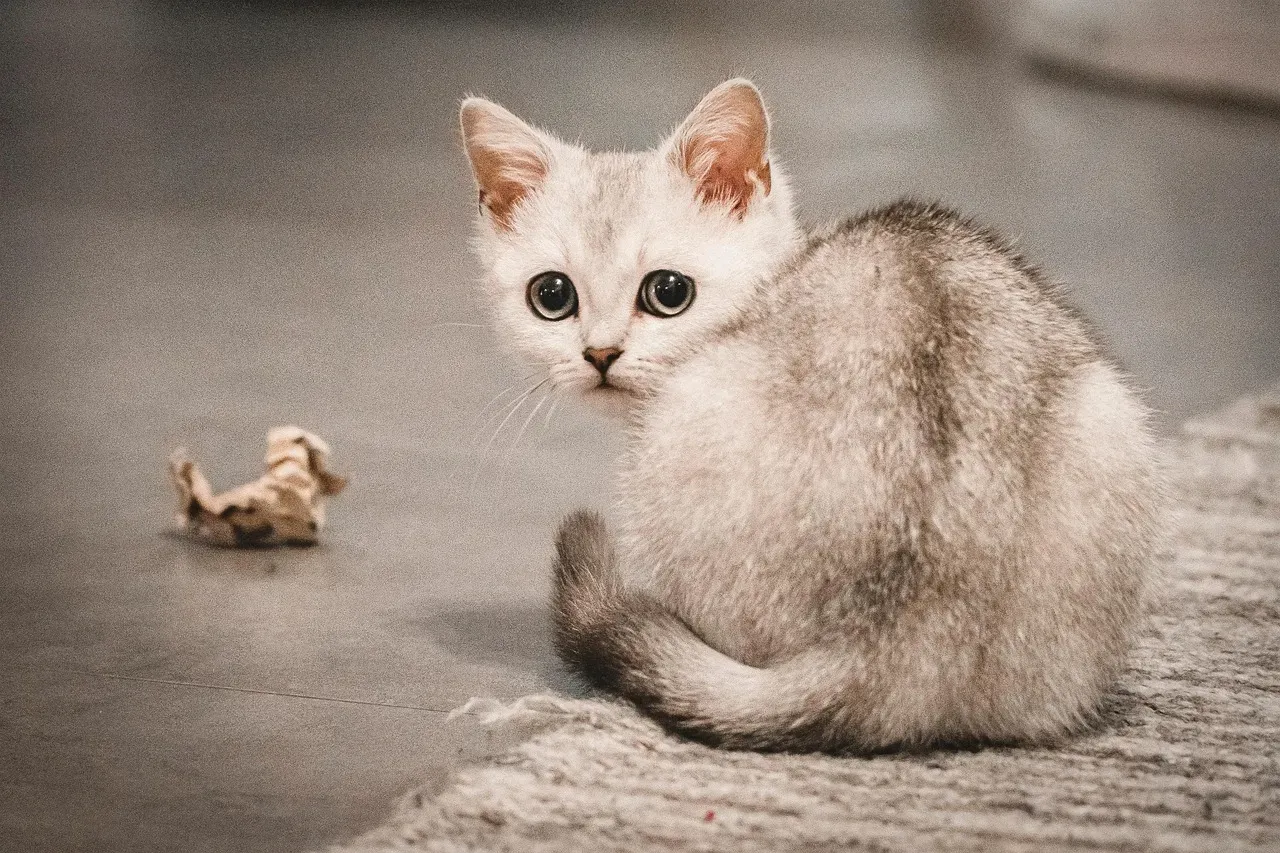
Sometimes the best things in life happen purely by accident, and the Burmilla is living proof of that. The Burmilla cat’s origins were set in motion entirely by chance. After completing his duties, a housecleaner accidentally left a door open, giving a female Lilac Burmese the opportunity to escape. She encountered a beguiling Persian male, and the two produced the first litter of Burmillas.
Burmilla cats have adorable, forever-baby faces, as well as matching, kitten-like behavior. They have distinctive black rimming around their eyes and noses and very soft fur. The Burmilla makes a lovely companion animal, as they tend to bond closely with their owners, are not needy, and are immensely loyal. Think of them as the cat equivalent of finding a vintage treasure at a garage sale. Rare, beautiful, and absolutely worth keeping.
5. The Kurilian Bobtail: Russia’s Pom-Pom Tail Wonder
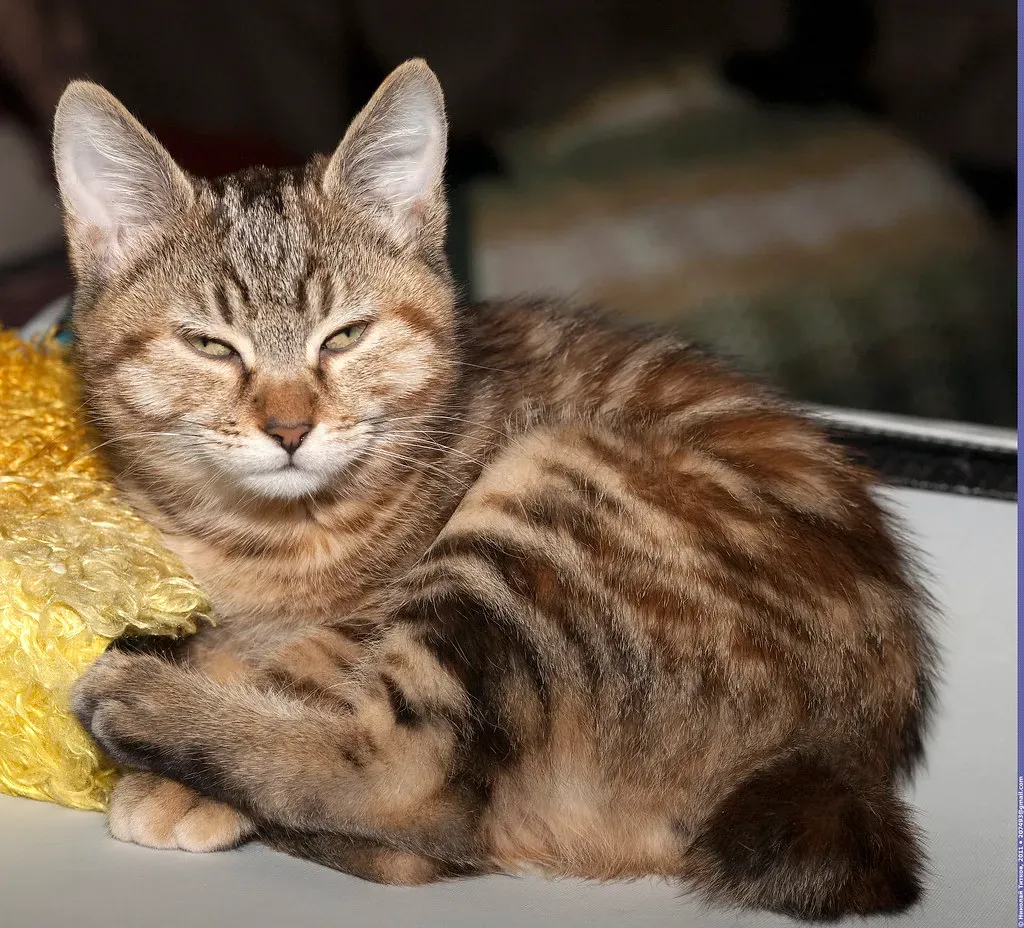
If you’ve ever wanted a cat with a tail that looks like a tiny fluffy snowball, you need to know about the Kurilian Bobtail. Developed in Russia, the Kurilian Bobtail is rarely seen in the United States. In fact, TICA registration statistics suggest there are fewer than 100 of them in the U.S. These medium-sized cats are highly intelligent and inquisitive, but their defining feature is their stubby, pom-pom-like tail. Every Kurilian Bobtail’s tail is unique, containing anywhere from 2 to 10 vertebrae kinked in various directions.
The Kurilian Bobtail is a natural breed, which means that it developed and bred naturally rather than being intentionally bred by people. It typically has the short tail that gives it the Bobtail name. This breed is a slow developer, growing and maturing until it reaches 5 years of age, because the breed can live as long as 20 years. That kind of longevity in a cat is genuinely rare, and honestly, a little breathtaking.
6. The Turkish Van: The Cat That Actually Loves Water
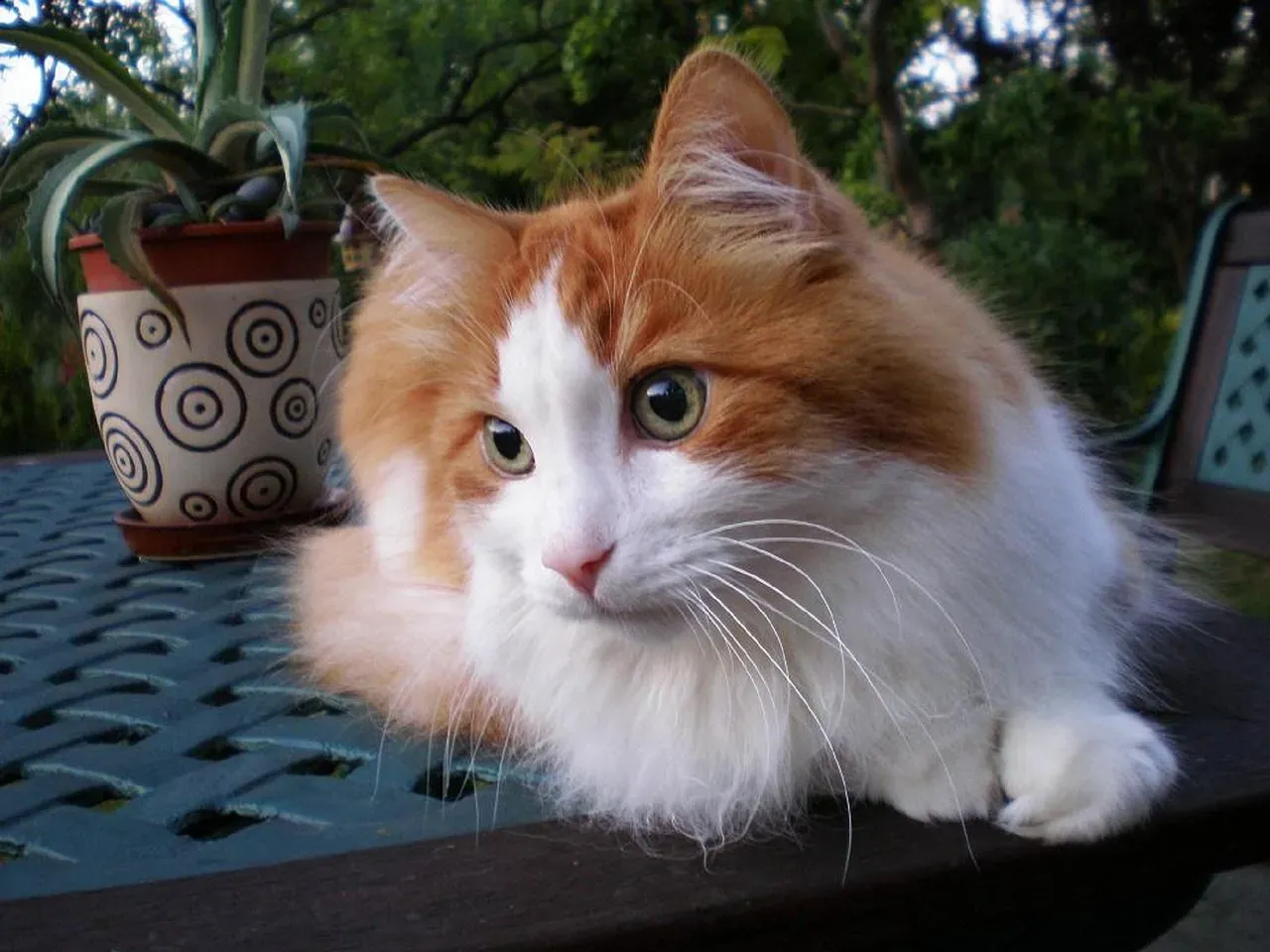
Cats and water. That’s basically a universal joke. Except, nobody told the Turkish Van. Turkish Van cats are known for their lively, energetic, and playful nature. They are often referred to as “swimming cats” because they have an unusual affinity for water. They form strong bonds with their families, are highly intelligent, and enjoy interacting with their surroundings, including humans and other pets.
This ancient semi-longhaired breed was developed in central and southwest Asia, including parts of Iran, Iraq, and Turkey. The Turkish Van was then brought to England in the 1950s, where it was further developed. The Turkish Van’s single-coated fur has a very soft texture and is water-resistant, something this water-loving cat surely appreciates. The Turkish Van is a robust and healthy breed, and they often live to be 13 to 15 years old given proper care. A large-sized breed, males can weigh 10 to 20 pounds and females between 7 to 12 pounds.
7. The LaPerm: Nature’s Perm Enthusiast
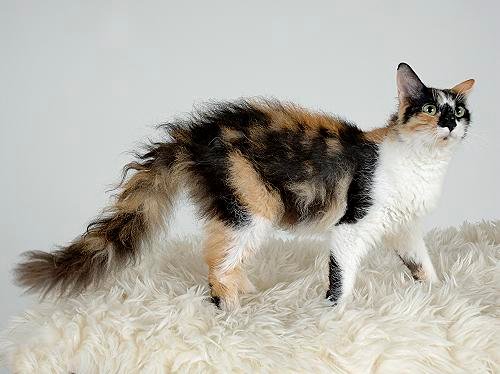
Picture a cat that looks like it walked out of a 1980s hair salon and you’ve got the LaPerm. The LaPerm Cat has highly unique, naturally curly fur. Appearing relatively recently in the 1980s, the LaPerm is the result of a spontaneous genetic mutation that caused their fur to curl, much like a lamb’s. This is the most distinctive trait of the rare LaPerm cats, along with their friendly, lap-cat tendencies.
In 1982, Linda Koehl was surprised when a curly-haired kitten was born to her brown tabby cat. Appropriately dubbed “Curly,” this unique cat inspired Koehl to begin a breeding program. The friendly LaPerm has a clown-like personality and a habit of getting into mischief. LaPerms have curly, wavy fur that sets them apart. Despite their unusual coat, they require minimal grooming, making them great family pets. A curly coat that practically takes care of itself? Honestly, sign me up.
8. The Egyptian Mau: The Speed Demon With Spots
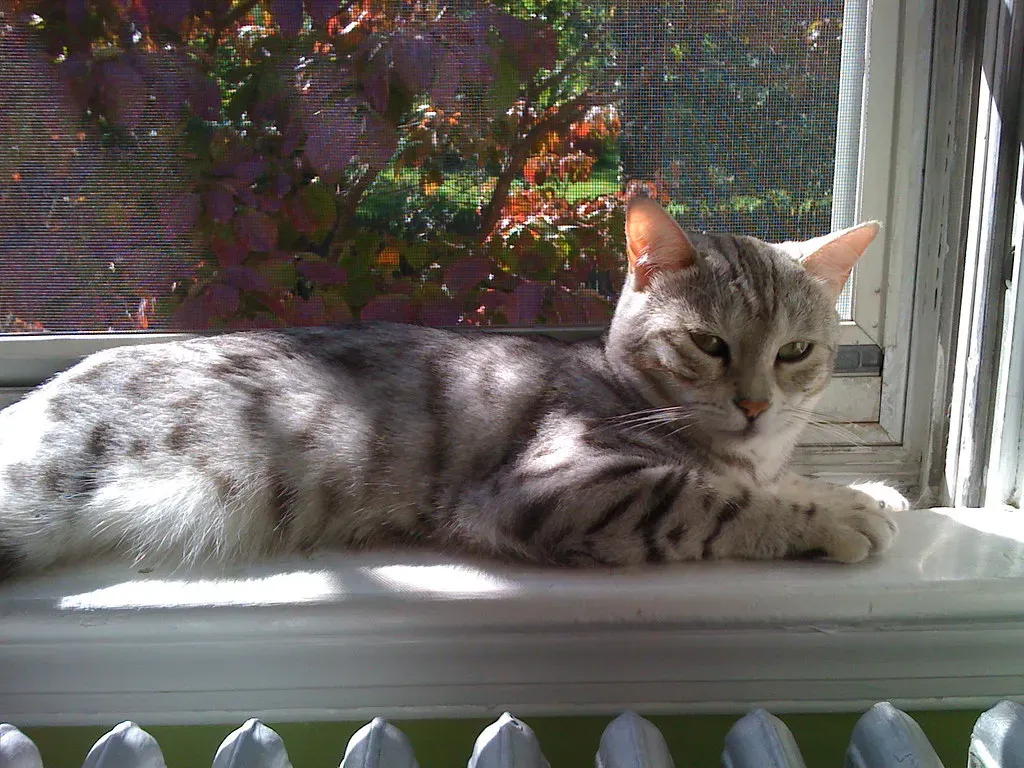
There’s something almost mythological about the Egyptian Mau, and with good reason. With fewer than 7,000 registered with the Cat Fanciers’ Association, the Egyptian Mau is a very rare breed. What makes this breed unique is that they are one of the few domestic cat breeds with naturally occurring spots. Egyptian Maus are considered one of the progenitors of the modern domestic cat and they come in six colors.
They have playful, active personalities and they are one of the fastest cat breeds with recorded speeds up to 30 mph. Outgoing and exotic, the Egyptian Mau definitely makes the list of rare cat breeds. It’s also one of the few domestic cat breeds with naturally occurring spots on its coat. Think of the Egyptian Mau as the cheetah of your living room. It moves fast, looks incredible, and commands respect the moment it enters the room.
Finding Your Perfect Rare Companion
There you have it, eight cats that most people walk right past without knowing they exist. From Africa’s forest-dwelling Sokoke to Thailand’s gemstone-eyed Khao Manee, and from Russia’s pom-pom-tailed Bobtail to America’s curly-coated LaPerm, the world of rare cat breeds is nothing short of spectacular.
Honestly, the only real challenge is tracking one of these breeds down. If you are looking for a rare-breed cat, you still need to be diligent when choosing a breeder. Try to meet the parent cats, ask for documentation of the cat’s breed, and try to look around the premises before you commit to buying. These are living, breathing animals that deserve responsible ownership and reputable sourcing.
The next time someone asks you what kind of cat you have, wouldn’t it be something to say “a Sokoke” or “a Kurilian Bobtail” and watch their jaw drop? Rare breeds aren’t just pets, they’re conversation starters, living pieces of history, and endlessly fascinating companions. Which one of these eight has captured your heart? Drop your thoughts in the comments and let us know.
Kristina is a young writer from India. An arts graduate and an avid content creator, Kristina is passionate about animals and wildlife. She enjoys exploring topics related to pet care, animal behavior, conservation, and nature, combining thorough research with engaging storytelling.