You probably think you know your cat. You give it food, it occasionally acknowledges your existence, maybe it sits on your lap during a movie. Simple enough, right? Honestly, that picture barely scratches the surface of what is actually going on behind those calm, half-lidded eyes.
Your cat is not just lounging around. It is running a quiet, continuous security operation over your home, your family, and you personally. The behavior seems casual. The instincts behind it are anything but. Let’s dive in.
The Territorial Truth: Your Home Is Their Kingdom
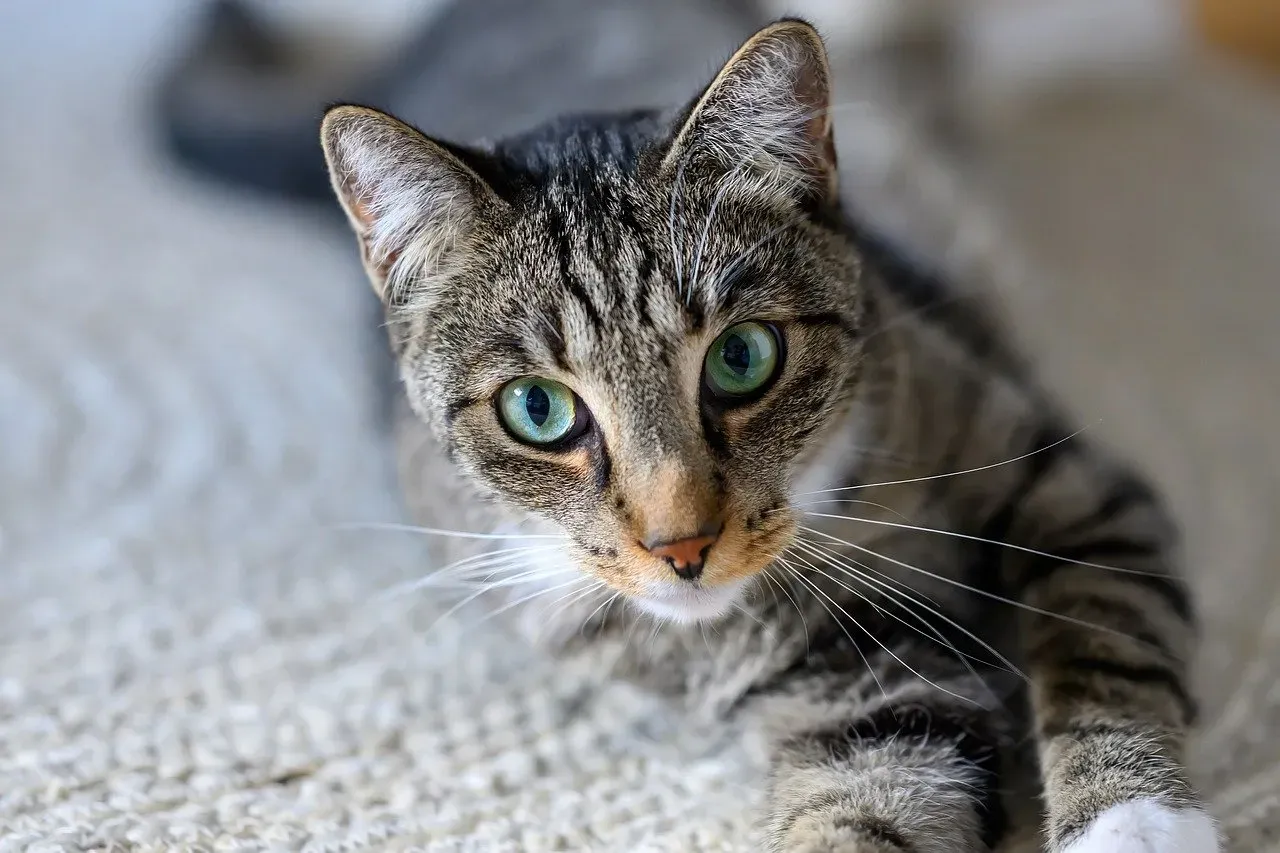
In the wild, cats are territorial animals that rely on vigilance to survive. When they become domesticated, that instinct doesn’t disappear – it simply redirects toward their human family. Your home becomes their territory, and you become part of their social group. Think of it like being adopted into a small, very serious security firm where the CEO weighs about ten pounds and insists on sleeping through half the day.
This behavior stems from wild ancestors who would guard den entrances to protect their families and resources. Modern house cats maintain these protective instincts, even in the safety of our homes. They view doorways as strategic observation points that allow them to monitor both sides of their territory while maintaining a tactical advantage. Every window ledge, every door frame, every hallway corner – your cat has already mapped it all out.
Watching From Above: Why Your Cat Loves High Places
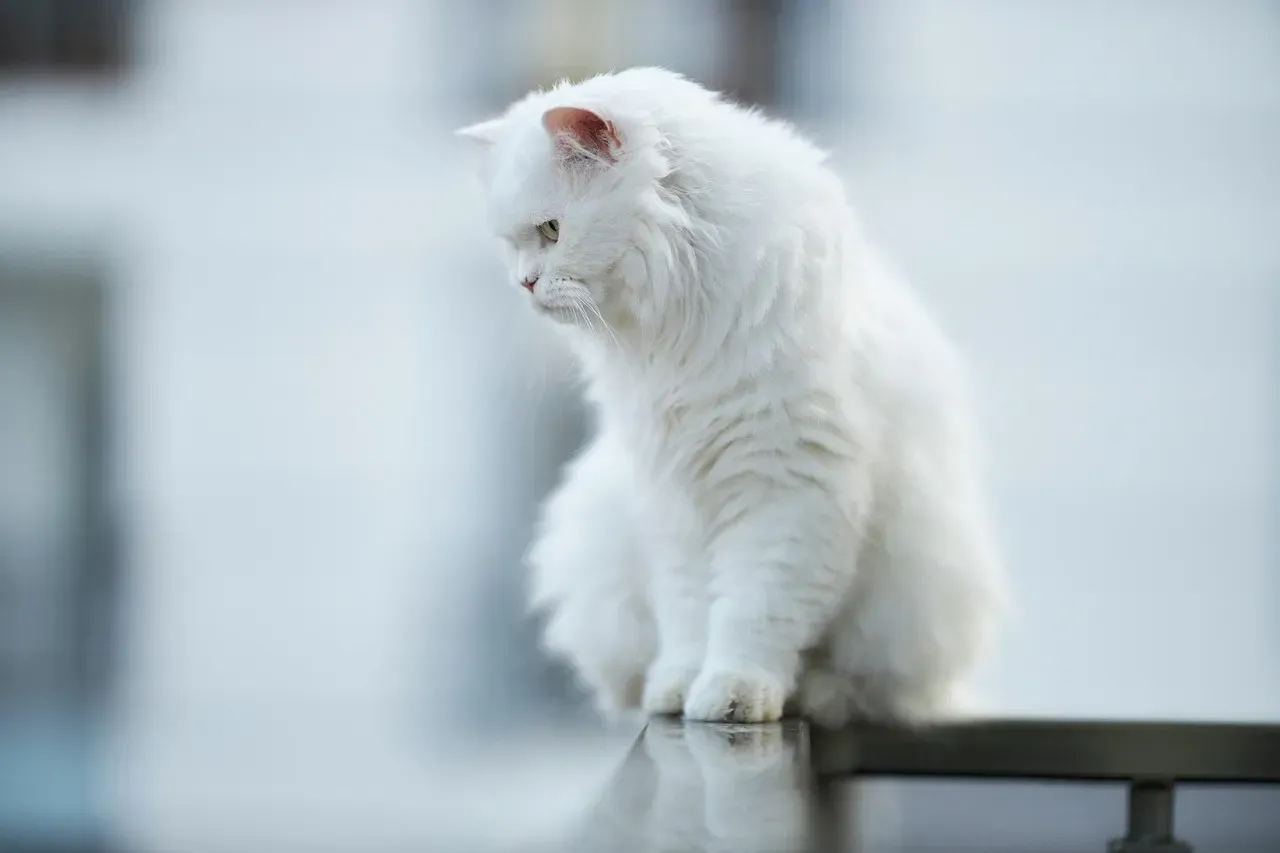
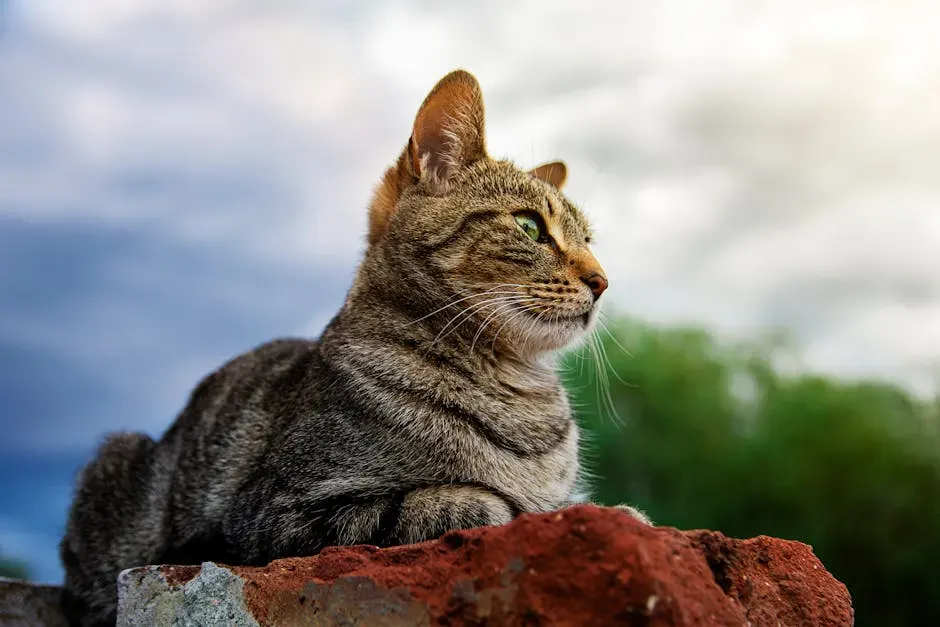
Cats often keep a keen eye on their surroundings and loved ones by choosing high vantage points for better surveillance. If you’ve ever wondered why your cat insists on perching on top of the fridge or staring down from a bookshelf like a tiny feathered gargoyle, there’s a very deliberate reason behind it. Height gives them the upper hand, literally.
Cats often demonstrate their protective nature by maintaining careful watch over their environment and family members. They may position themselves in elevated spots with good visibility. Their acute senses allow them to detect environmental changes that humans might miss, making them excellent early warning systems for potential dangers. It’s hard to say for sure whether cats consciously think of themselves as guardians, but the behavior speaks for itself.
Senses Beyond Your Own: The Feline Detection System
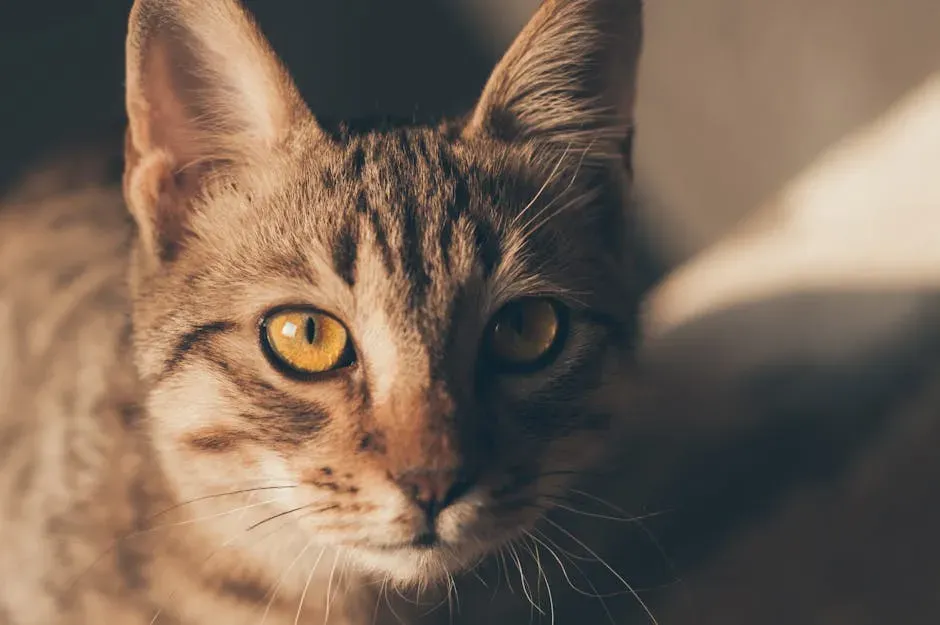
Cats have sharp senses, including hearing, smelling, and seeing. If you’ve ever noticed your cat’s pupils dilate in the darkness, you know they can still see well during the nighttime. Additionally, their hearing can pick up on the slightest sounds. This is why many cats will jolt awake at the most minor noise, often even checking up on you in the process. If something is off, your cat will likely be the first to know.
Cats have extraordinarily sharp senses, with hearing being their forte. They can detect faint noises much earlier than we can. While they might not confront an intruder like a dog, their heightened awareness can serve as an early warning system. Honestly, if you installed a piece of technology that could do half of what a cat does sensory-wise, you’d pay a lot of money for it. Your cat does it for free, plus a bowl of kibble.
The Nighttime Vigil: Cats That Guard You While You Sleep
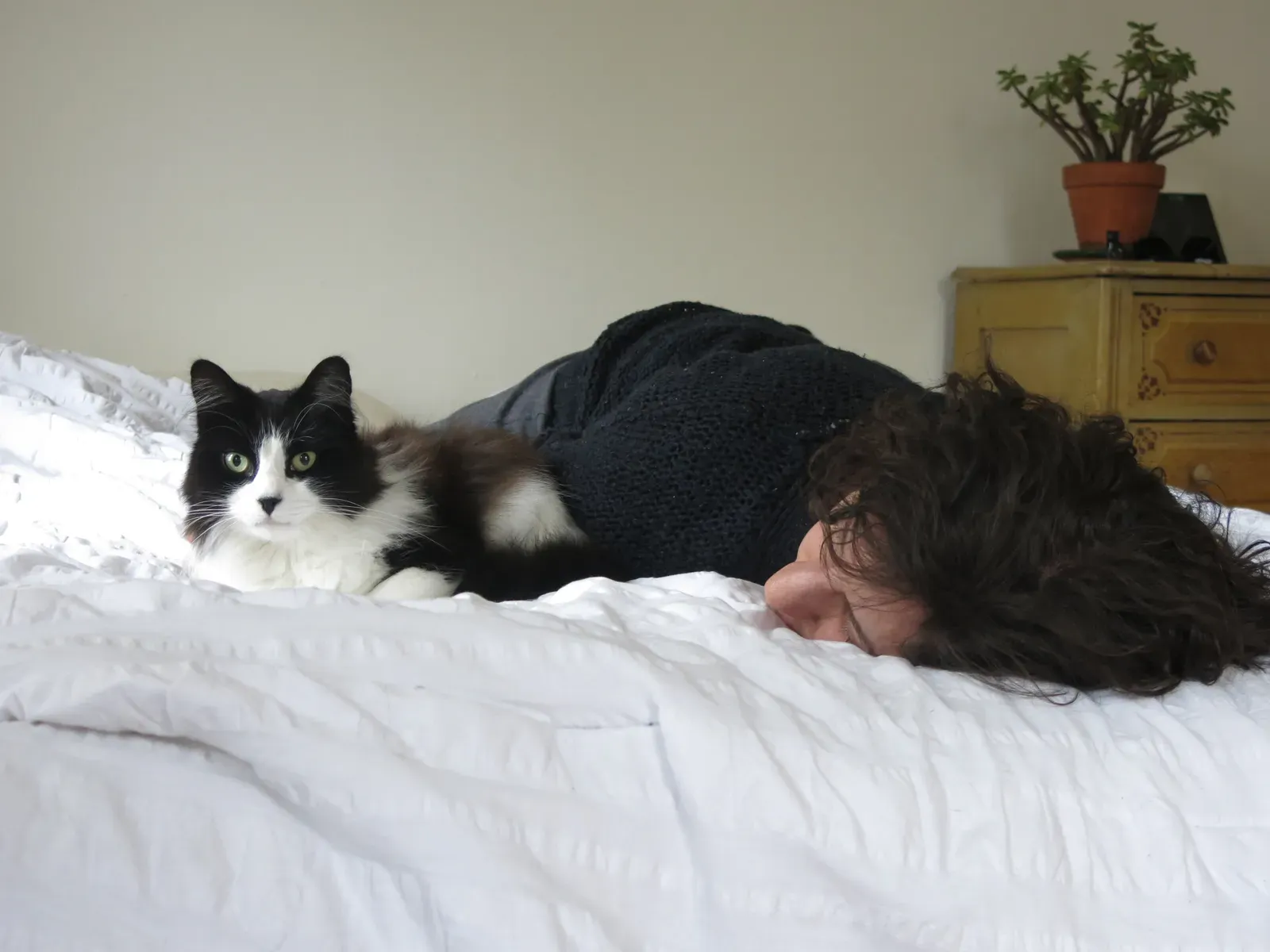
As they stake a claim on their surroundings and you, they exhibit behaviors to ensure their territory remains uncompromised. They often stay alert, especially at night, to ward off potential intruders. You might think your cat curled at the foot of your bed is just seeking warmth. You’d be partially right – but that’s not the whole story.
Some cats are especially attentive while their owners sleep, displaying behaviors that might seem like protective instincts. Cats that sleep close to or on their owner’s bed may be providing comfort while subtly keeping watch, particularly if they rest by the door or foot of the bed. Sleeping near your head or chest, where they can monitor your breathing and heartbeat, is a recognized sign of feline watchfulness. Sleep tight – your cat definitely isn’t.
Sensing Danger Before You Do: Carbon Monoxide, Fires, and Beyond
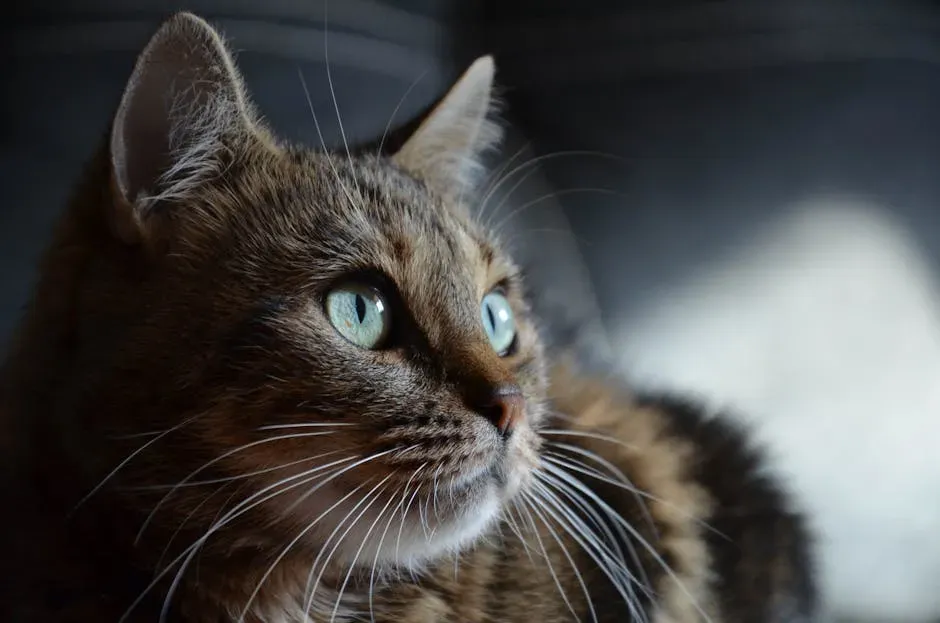
Cats have been known to alert their humans to danger, sometimes even saving their lives. They can detect carbon monoxide leaks, gas leaks, house fires, and even medical issues like low blood sugar or cancer, warning their owners before these threats become serious. Cats likely use their sharp senses to detect danger or health issues in their humans. This is the kind of thing that makes you look at your cat a little differently during your morning coffee.
A family cat in Florida emerged as an unexpected hero by alerting owners about the dangerous presence of carbon monoxide. The odorless and colorless nature of this gas makes it a silent killer. One night, as the lethal gas filled the family’s home, the cat, sensing the danger, acted urgently. Another cat, Tiger, persistently pawed at his owner’s left side, which led to the detection of stage 1 lung cancer, potentially saving his life. These are not myths. These are documented events.
Reading the Room: How Your Cat Responds to Your Emotions
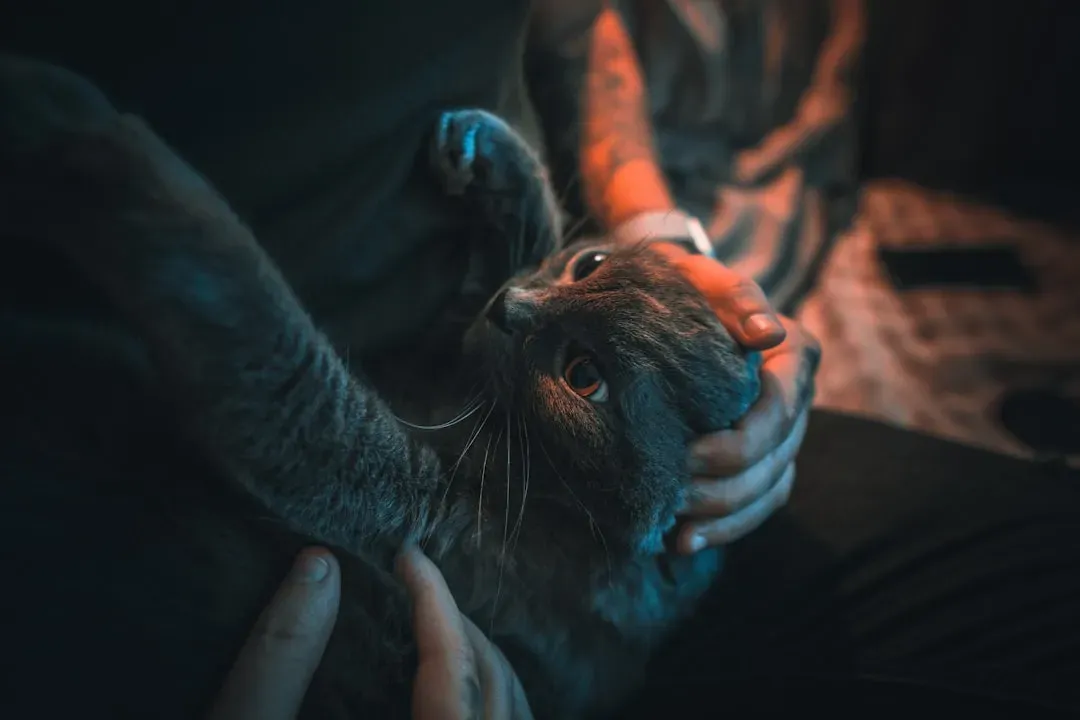
One of the reasons why cats are incredibly close to their owners is their ability to understand the state of mind of those they are close to. If you own a cat and you are sad or happy for some reason, be aware of the fact that your feline knows you are sad. Cats also tend to be more affectionate to people with emotional issues. Let’s be real – that’s more emotional awareness than a lot of people manage on a daily basis.
Many cat owners report that their pets behave differently when they’re upset, sick, or anxious. Cats are highly perceptive to changes in body language, tone of voice, and scent – all of which shift when humans experience stress or illness. In response, a cat may stay closer, purr more often, or act unusually attentive. Cats offer emotional protection in addition to physical protection. Their affection and companionship can provide a sense of security and support. Additionally, because of their sensitivity and ability to pick up on energy, cats can often tell when you need extra love.
Guarding the Gate: Why Your Cat Stands Watch at Every Door
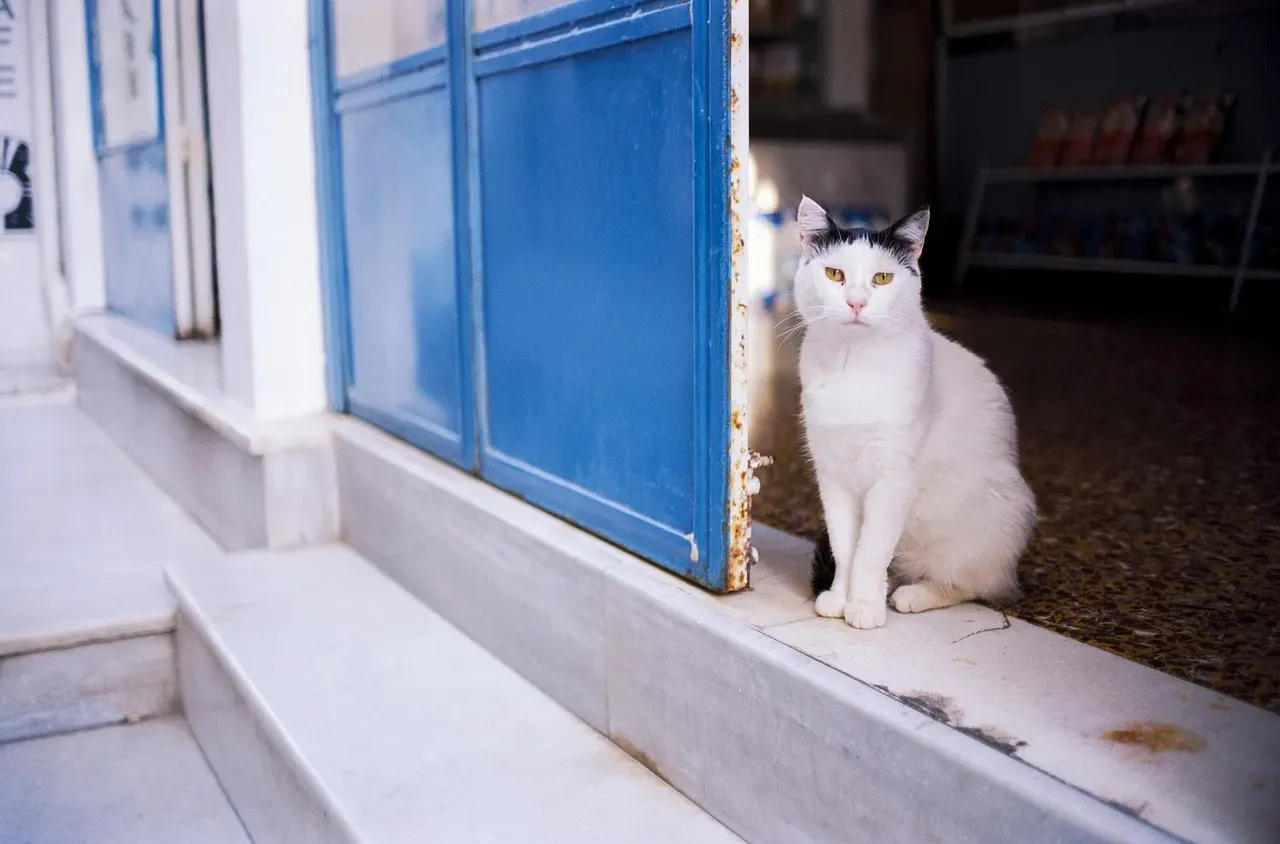
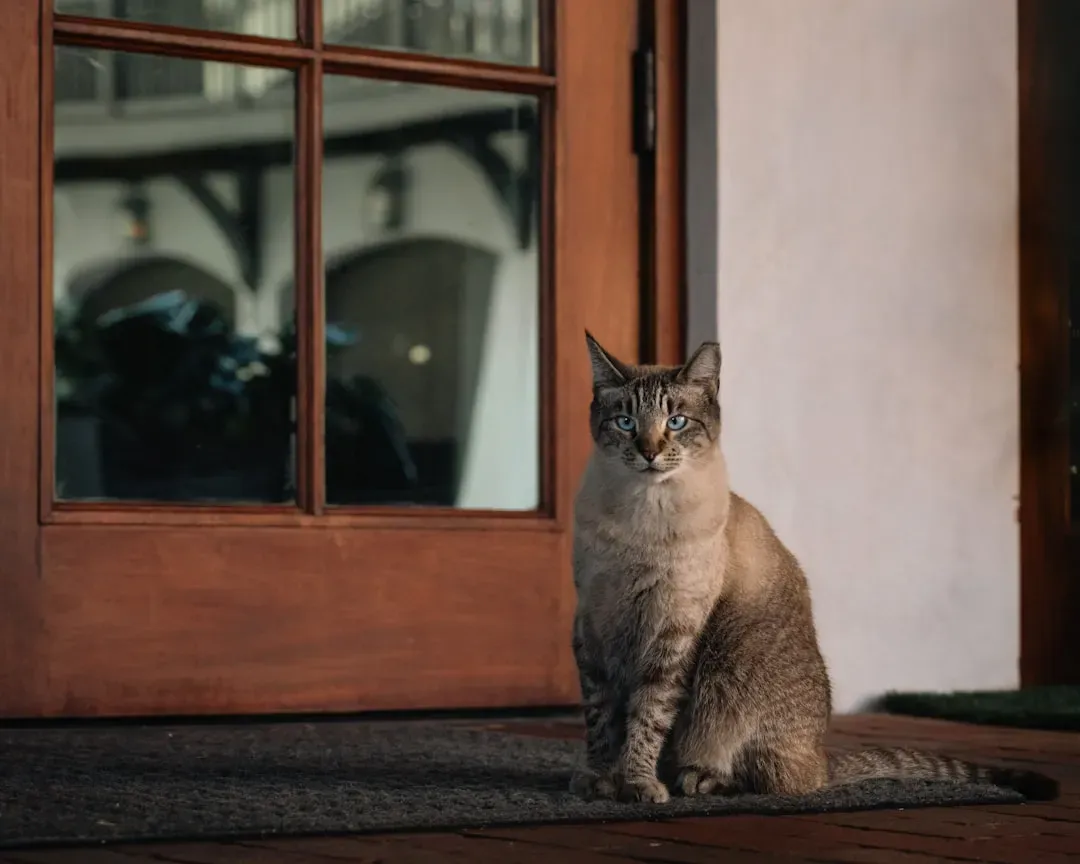
Cats are territorial creatures by nature, and guarding doors may stem from their innate desire to defend their territory and assert their dominance. By positioning themselves near a door, cats may be signaling to other animals – both inside and outside the home – that this area belongs to them and should be approached with caution. Watch your cat the next time someone knocks. The ears rotate. The body stiffens. It’s not random.
Many cats guard doors out of a deep emotional attachment to their human family members. This behavior often intensifies when they perceive their humans as vulnerable, such as during bathroom visits or sleep. Your cat might see themselves as your dedicated protector during these moments. It sounds almost comical – your cat standing guard outside the bathroom – but the instinct behind it is genuinely rooted in care. A small, slightly judgmental form of care, but care nonetheless.
The Deep Bond Behind the Behavior: More Than Just Instinct
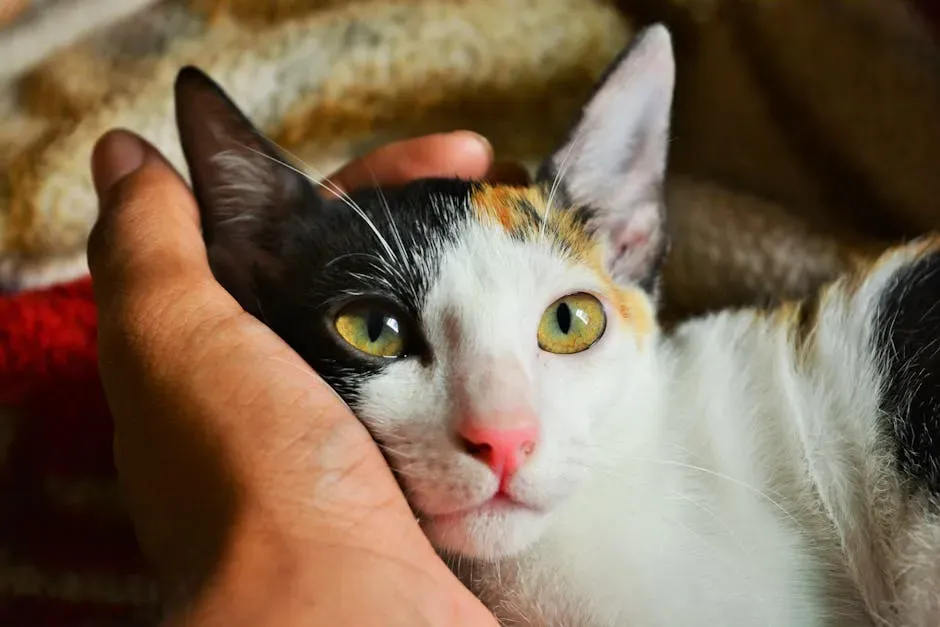
Research indicates that cats develop strong emotional attachments to their owners, akin to the bonds seen between parents and infants, which underpin their instinct to protect. In a groundbreaking study published in 2011, researchers showed for the first time that “cat-human relationships are nearly identical to human-only bonds.” That is a genuinely surprising finding for those who still believe cats are simply indifferent roommates.
Research has shown that cats prefer social interaction with their owners over food or toys, indicating a strong social bond that goes beyond mere dependency for survival. Cats that feel secure and loved often reciprocate by watching over their owners. They may sense subtle changes in your mood or health and respond accordingly. The relationship you have built with your cat is more layered than most people give it credit for – and that bond is exactly what fuels their protective instincts.
Real Acts of Heroism: When Cats Stepped Up
Petful highlights a cat who protected a child from a dog attack as well as numerous cats who alerted their humans to medical emergencies, including cancer and carbon monoxide poisoning. In a unique instance, two cats stood guard at the entrance to their owner’s kitchen, refusing to let her enter until they successfully dealt with a pair of venomous copperhead snakes. These are not isolated stories – they reflect a pattern of behavior grounded in real, observable instinct.
There are documented cases of cats defending their owners in dangerous situations, including protecting children from aggressive dogs and alerting families to fires or gas leaks. While not all cats may act heroically, many have demonstrated remarkable protective instincts when needed. The level of protectiveness varies based on factors including early socialization, individual temperament, breed characteristics, and the strength of the bond between cat and owner. Cats may not guard their owners like dogs do, but their unique blend of instinct, intelligence, and affection creates a meaningful form of guardianship.
Conclusion
There is something deeply reassuring about understanding what your cat is actually doing while it stares at the corner of the room, sits outside your bedroom door, or bolts awake at 3 a.m. over a sound you didn’t even hear. It is not random. It is not just quirky feline behavior. It is a quiet, consistent, ancient form of protection that your cat extends to you because, in its world, you are worth guarding.
Your cat may never bark, may never chase an intruder down the street, and may never look particularly heroic while doing any of this. Cats may not guard their owners with loud barks or physical defense, but their protective instincts run deep. Through subtle gestures – like staying close, watching over you, or reacting to unfamiliar sounds – they express loyalty and care in their own quiet way. The next time your cat locks eyes with you from across the room for no apparent reason, consider the possibility that it is not being strange. It is simply doing its job. What would you have guessed it was doing?
Kristina is a young writer from India. An arts graduate and an avid content creator, Kristina is passionate about animals and wildlife. She enjoys exploring topics related to pet care, animal behavior, conservation, and nature, combining thorough research with engaging storytelling.