There is something deeply unsettling, in the most fascinating way, about watching a cat stare intensely at a perfectly blank wall. No sound. No movement. Nothing you can detect. Yet your cat is locked in, pupils wide, whiskers forward, absolutely convinced that something is there. It happens in households all over the world, every single day, and most of us just laugh it off. Maybe we should not.
Cats have been confusing, enchanting, and occasionally terrifying humans for thousands of years. From ancient Egyptian temples to your living room couch, the feline mystique has endured. Science has started to catch up with what cat owners have always intuitively known: these creatures are wired in a way that defies easy explanation. So if you have ever wondered whether your cat is just quirky, or whether something deeper and more extraordinary is going on, you are in the right place. Let’s dive in.
A Nose That Knows: The Power of the Feline Sense of Smell
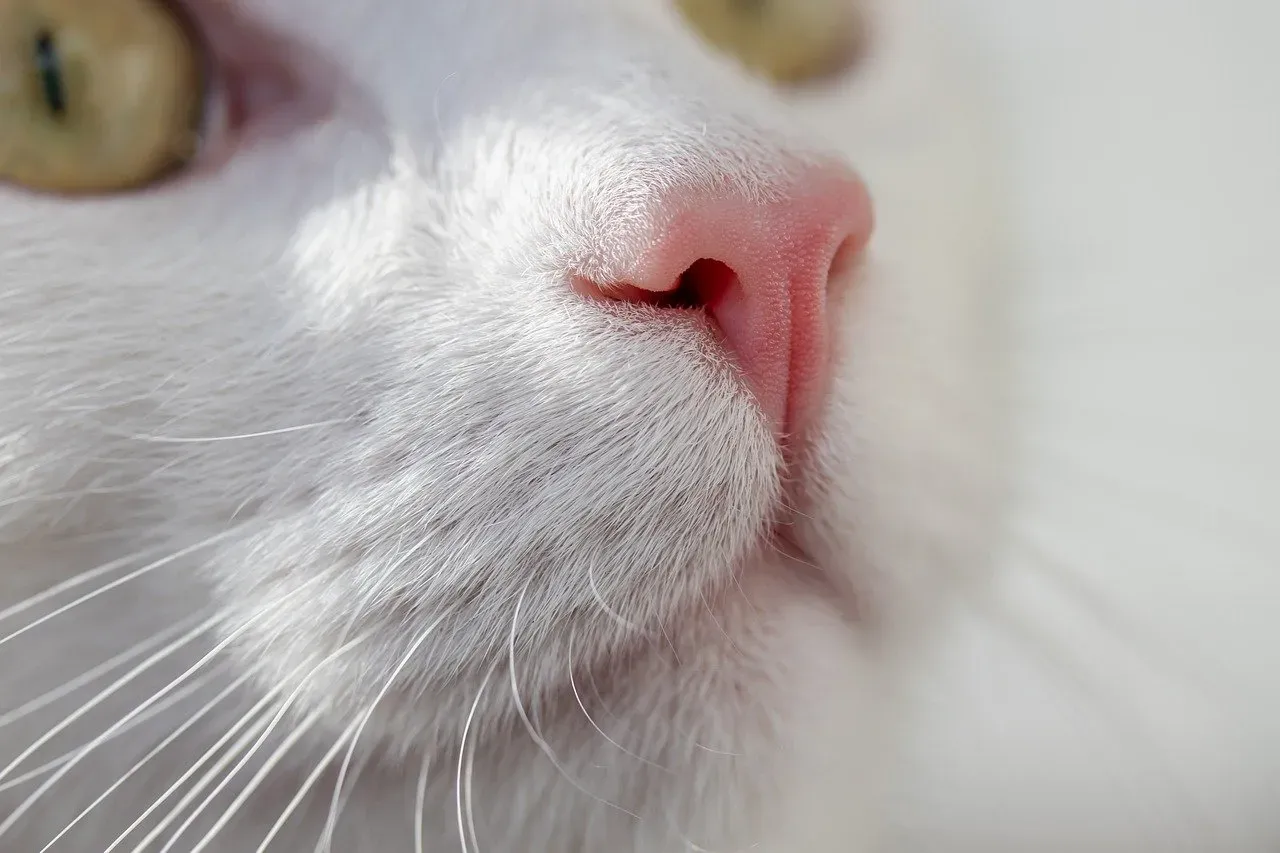
Let’s be real, when you think about a cat’s superpowers, smell might not be the first thing that comes to mind. Yet it is arguably the most extraordinary tool in their sensory arsenal. Your cat’s heightened olfactory ability stems from approximately 200 million odor-sensitive cells packed into their nasal cavity, compared to only five million in humans. That is not a small difference. That is an entirely different league of perception.
Cats rely on this supercharged sense of smell for essential daily activities, from determining if food has spoiled to tracking potential prey and finding their way home. Think about that for a moment. While you are sniffing your coffee to decide if it is still good, your cat is essentially running a full chemical analysis of the entire kitchen without even trying.
What makes cats truly special is their vomeronasal organ, also known as Jacobson’s organ. This specialized organ, located in the roof of their mouth, allows cats to analyze chemical signals and pheromones with remarkable precision. This is why you sometimes catch your cat making that odd, slightly goofy open-mouthed grimace. When you see your cat making that peculiar expression with their upper lip curled, they are actually directing scent molecules toward this organ for deeper analysis.
Hearing Beyond the Human Range: Ears That Catch Everything
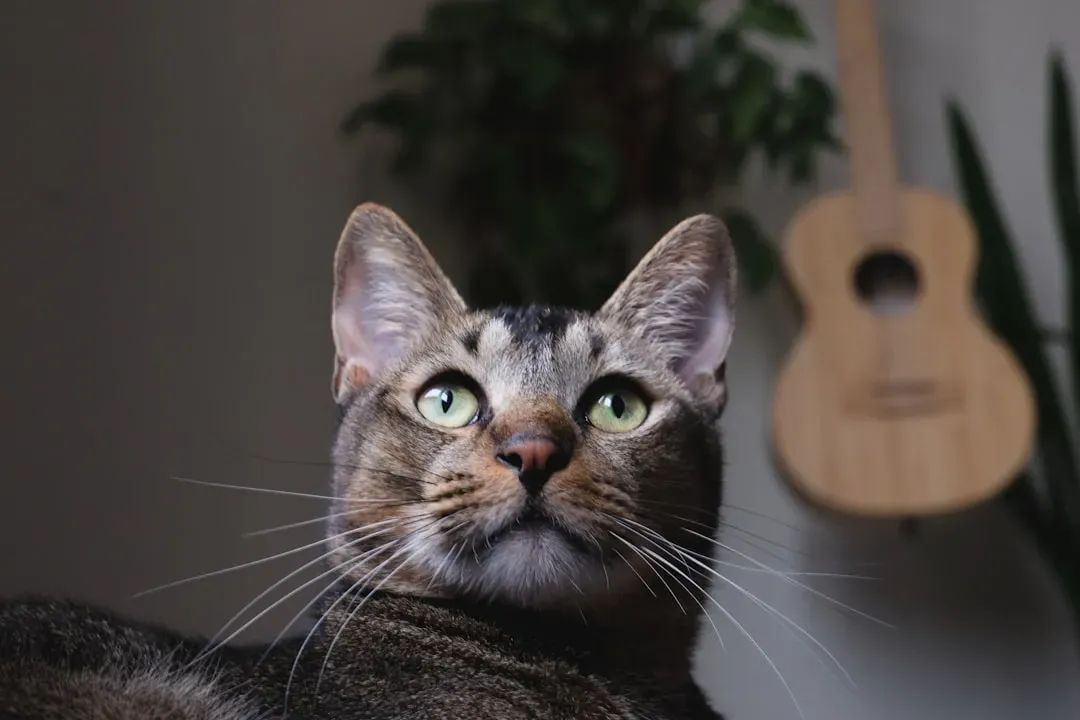
If you have ever been baffled by your cat suddenly jumping to attention in a completely quiet room, here is the explanation. Cats can hear a wider range of frequencies than humans. While humans can hear sounds between 20 Hz and 20,000 Hz, cats can hear frequencies from 48 Hz to 85,000 Hz. That upper range is genuinely staggering. You are not even in the same conversation.
Cats are able to rotate their ears up to 180 degrees which enables them to better locate the direction and position of a sound. Most humans cannot move their ears at all, although a few have the ability to wiggle them marginally. There are 32 muscles in a cat’s ear that give them the ability to move each ear backward, forward, and side to side, often completely independently of the other ear. Honestly, those ears are basically a high-end acoustic radar system.
This enhanced hearing allows cats to detect the subtlest rustling of prey, even when hidden from view. They can hear ultrasonic sounds, frequencies far beyond the range of human hearing. This is critical for hunting small rodents, which communicate using high-pitched squeaks. So the next time your cat looks possessed while staring at your skirting boards, there is likely a very good reason.
Night Vision That Rivals Technology: Seeing in Near Darkness
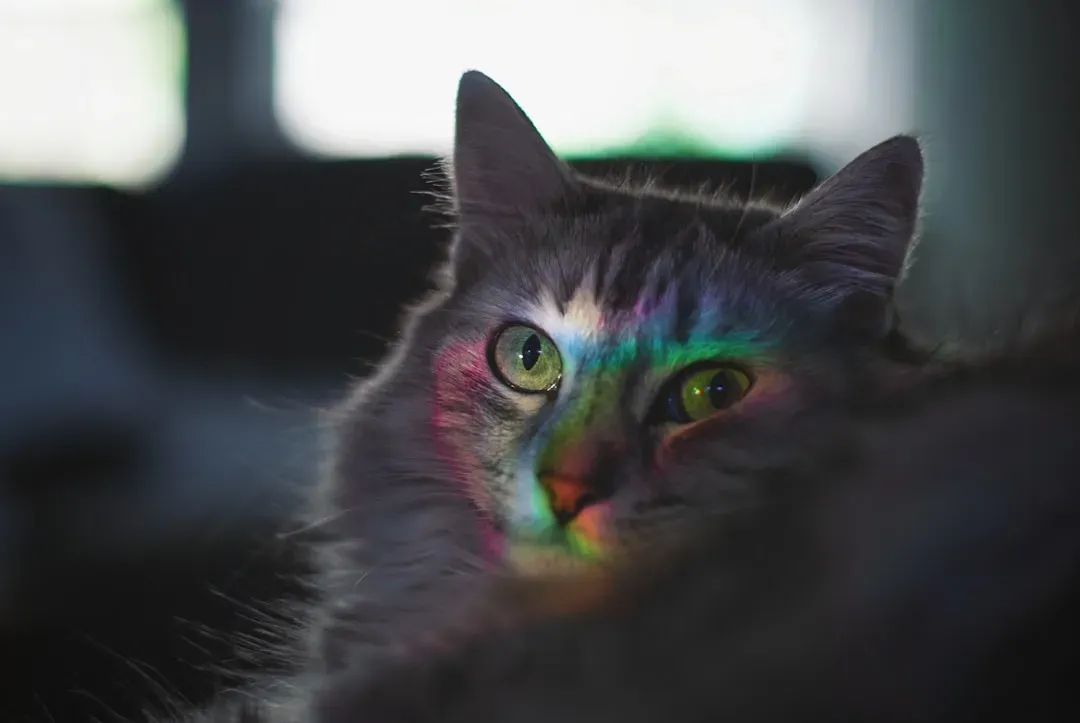
You have probably noticed your cat prowling around confidently at 3 a.m. while you are bumping into furniture. That is not arrogance. That is biology. Cats see in six times dimmer light than humans using a massive dilating pupil, rod-dense retina, and tapetum lucidum mirror, though total darkness defeats even feline eyes. It is an extraordinary adaptation, but it does have limits.
Cats have a tapetum lucidum, which is a reflective layer behind the retina that sends light that passes through the retina back into the eye. They also have a high number of rods in their retina that are sensitive to dim light. This combination is essentially a biological light amplifier, and it explains why your cat’s eyes glow an eerie green-gold when caught in a flashlight beam.
Cats can also see ultraviolet light. Cat lenses are significantly more transparent to UV wavelengths, allowing UV photons to reach the retina and stimulate rod photoreceptors. Research suggests that cat lenses transmit UV light that human lenses block, giving cats access to a visual spectrum slightly wider than our own. I think that one deserves a moment of quiet awe. Your cat may literally be seeing a part of the world that is invisible to you.
Whiskers: The Built-in Sensory Supercomputer
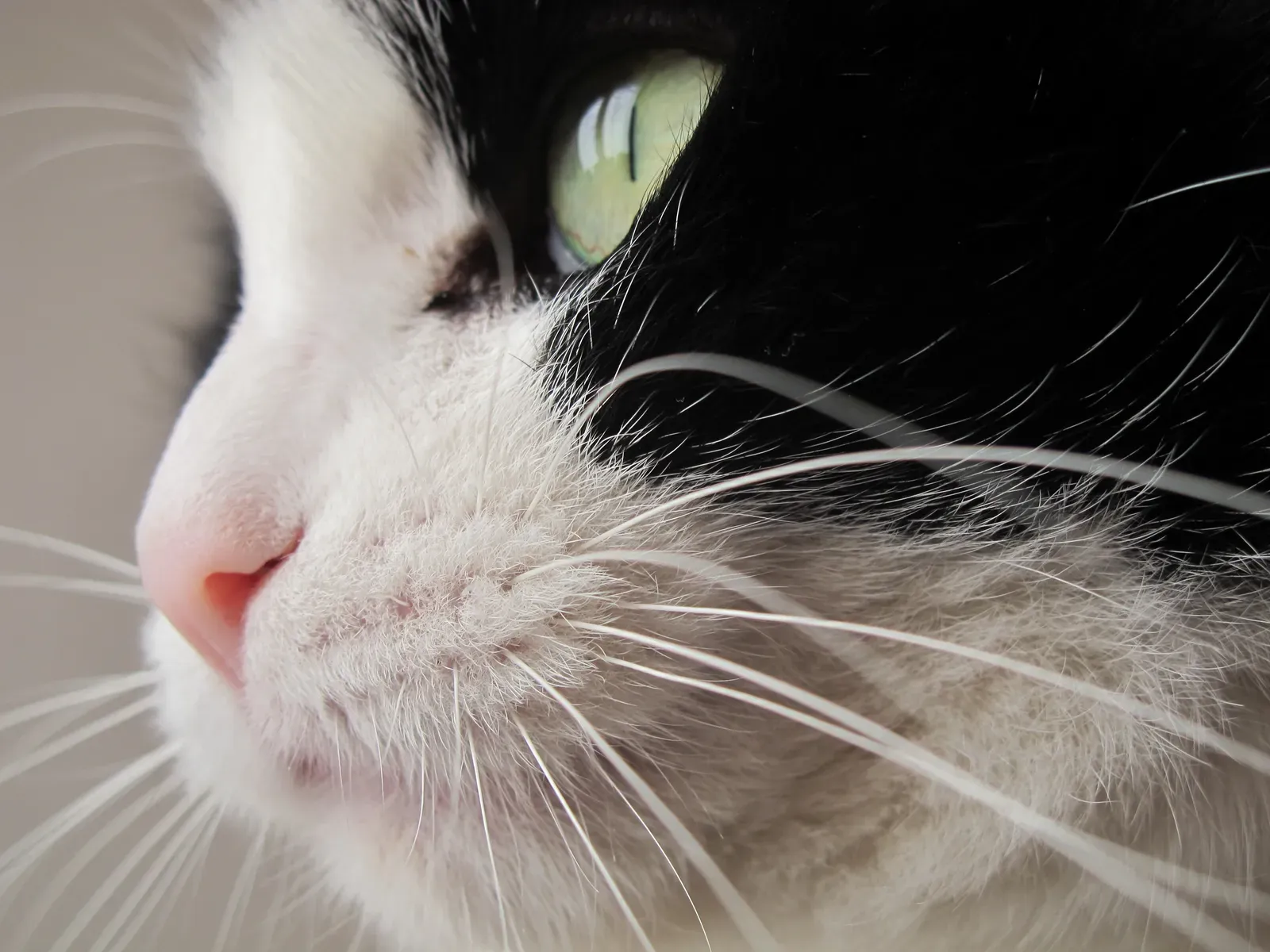
Whiskers look adorable. Whiskers are also, without exaggeration, one of the most sophisticated sensing systems in the natural world. A cat’s whiskers are more than twice as thick as ordinary cat hairs, and their roots are three times deeper in a cat’s tissue than other hairs. They have numerous nerve endings at their base, which give cats extraordinarily detailed information about nearby air movements and objects with which they make physical contact.
Whiskers detect air current changes as small as movements 1/2000th the width of a human hair. Approximately 40 percent of the cat’s brain sensory cortex maps to whisker input, making these tactile sensors extraordinarily sensitive to spatial information. Let that sink in. Nearly half of a cat’s entire brain processing power dedicated to sensory input is devoted to those little facial hairs. That is not decoration. That is a finely tuned instrument.
High-speed photography reveals that when a cat is unable to see its prey because it is too close to its mouth, its whiskers move so as to form a basket shape around its muzzle in order to precisely detect the prey’s location. A cat whose whiskers have been damaged may bite the wrong part of its prey, indicating that they provide cats with detailed information about the shape and activity of its prey. The engineering in a cat’s face is, honestly, humbling.
Reading Human Emotions: Your Cat Knows How You Feel
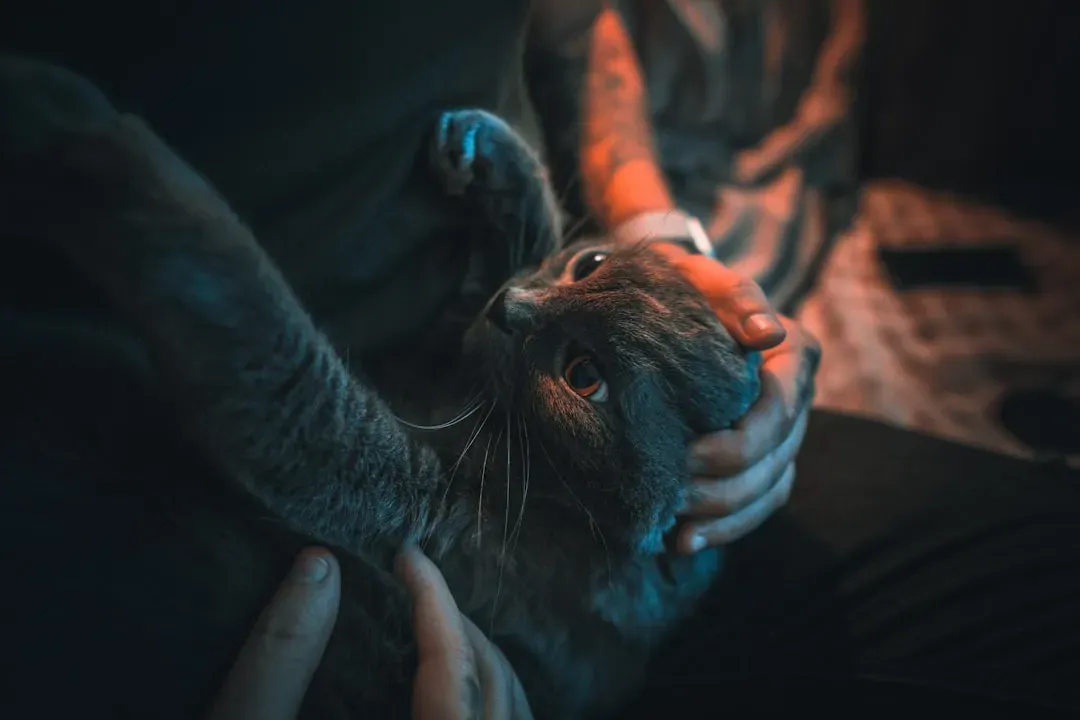
Here is something that surprises most people. Your cat is not indifferent to your emotional state. Far from it. A study featured in the journal Animal Cognition demonstrated that cats possess an exceptional ability to discern human emotions. The findings highlighted that cats could differentiate between their owner’s expressions of happiness and anger, suggesting a level of emotional intelligence beyond mere instinct.
Cats are very adept at picking up on human emotions. They can sense when you are happy, stressed, or sad, often reacting to your emotional state with comforting behavior or by seeking attention. This sensitivity makes them seem like they have an intuitive grasp of human feelings, but it is actually a result of their ability to read body language and emotional cues. Think of it less like magic and more like a very attentive roommate who never says a word but notices everything.
Cats communicate primarily through body language. They can pick up on the tiniest of cues in the movements and postures of other animals, including humans. This intuitive understanding of body language enables them to gauge the mood and intentions of those around them. For example, a cat may sense fear or anxiety in a person’s body language and react accordingly. So when your cat jumps into your lap on a rough day, it is probably not a coincidence.
Detecting Illness in Humans: The Feline Medical Alert
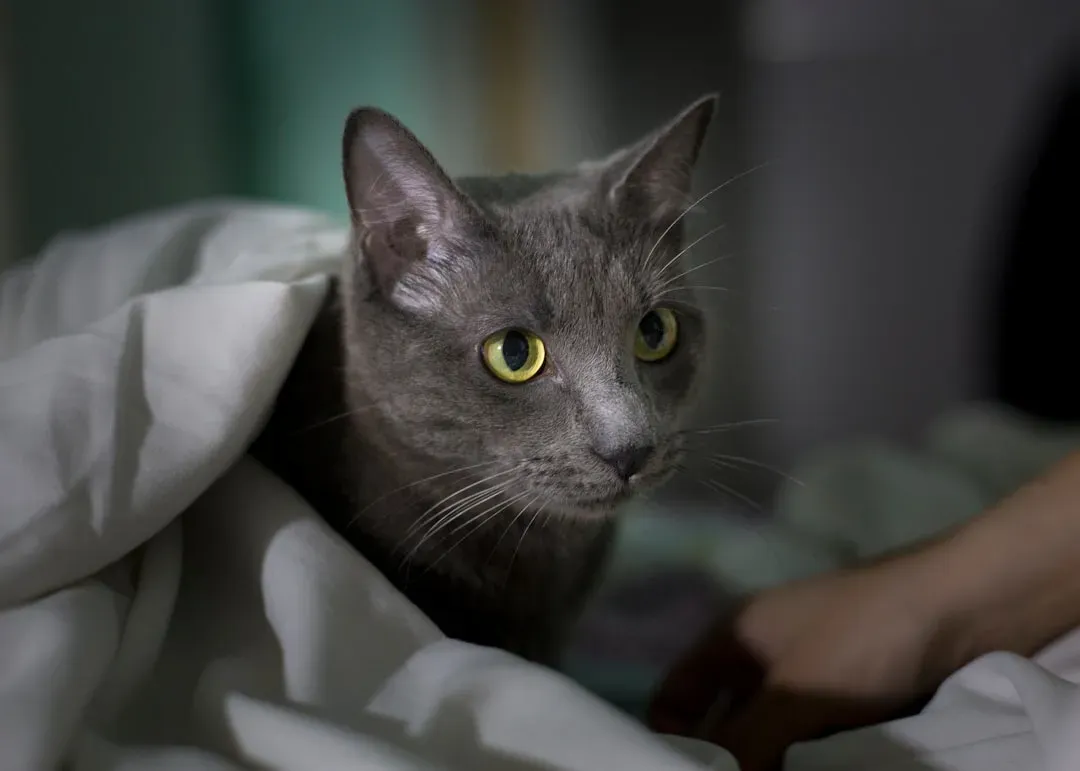
This is where things get truly remarkable. There is a growing body of evidence suggesting that cats can detect illness in humans, sometimes before the person even knows they are sick. Cats possess a remarkable number of olfactory receptors, allowing them to differentiate between a wide range of scents. Changes in volatile organic compounds associated with illness can be detected by these receptors, providing a scientific basis for cats’ ability to sense disease.
When people get ill and the decomposition of cells causes chemical changes in the body, it is well evidenced that cats can sense the hormonal changes using their olfactory pathway. This might vary depending on what sort of condition and how developed it is, but tumors can certainly change the composition of affected cells and organs, causing chemical changes in the body. Cats have an acute sense of smell for changes in hormones and pheromones and could well be able to pick up on these changes in a human.
Cats have been observed reacting to their diabetic owners’ low blood sugar episodes. They seem to sense changes in scent and behavior, alerting owners to potential danger. There are also documented cases of cats repeatedly pawing at or sniffing specific areas on their owners’ bodies that were later found to harbor tumors. There is evidence, both scientific and anecdotal, that cats can predict epileptic seizures. Some hypotheses suggest that cats detect seizures through smell or by noticing subtle behavior changes before an episode.
Sensing Death: The Haunting Case of Oscar the Cat
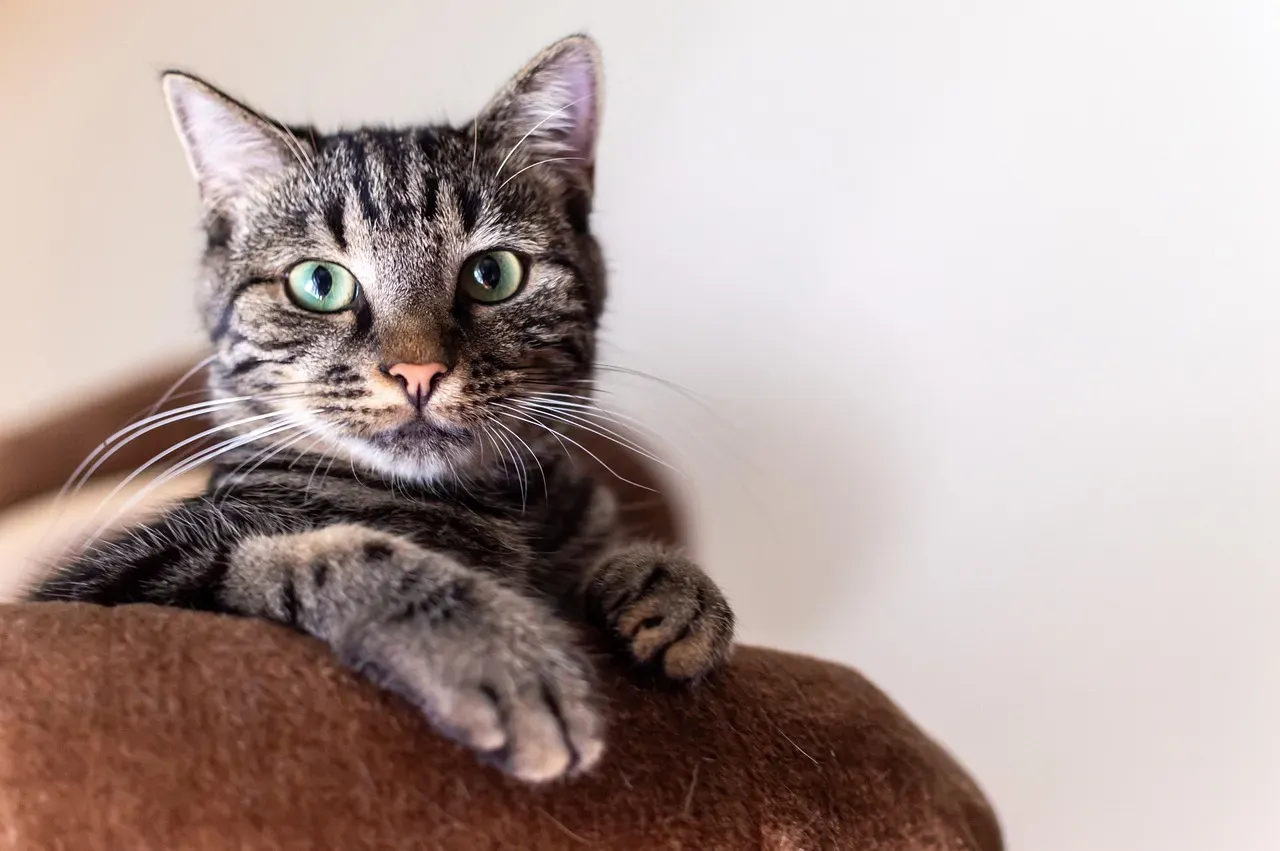
Nothing about cats’ mysterious abilities is more chilling, or more moving, than their apparent capacity to sense death. The most famous documented case is Oscar, a therapy cat living in a Rhode Island nursing home. Oscar, a gray tabby, gained fame for sensing when residents in the Steere House Nursing Center were near death. He would curl up next to them, offering quiet comfort in their final moments. His presence brought peace to families, making his visits a poignant part of hospice care. His story was shared in the New England Journal of Medicine.
According to Reuters, Oscar predicted over 50 deaths. Dr. David Dosa, who was the first to share Oscar’s abilities in a paper in the New England Journal of Medicine in 2007, revealed the feline’s remarkable pattern of behavior. The explanation, as best scientists can offer, is rooted firmly in biology. It is hypothesized that cats might be able to use their incredible sense of smell to detect when people’s organs are shutting down. A dying person might also give off different pheromones that cats might pick up with their heightened senses. Cats have been known to detect other illnesses with their sense of smell, so it is certainly plausible they can sense a chemical released just before humans die.
Experts propose that cats like Oscar may detect biochemical changes that occur as the body begins to shut down. These changes can produce distinct odors or temperature variations that cats notice long before humans do. Additionally, cats’ acute hearing might allow them to sense subtle physiological shifts, such as slowed respiration or weakened circulation. Oscar was not performing magic. He was doing what cats do best: sensing what humans simply cannot.
Predicting Earthquakes and Natural Disasters: Nature’s Early Warning System
Reports of cats behaving strangely before earthquakes go back further than you might expect. Observations supporting the prediction theory date all the way back to written accounts by Roman historian Aelian around 373 BC. In his writings, Aelian noted that five days before the devastating earthquake that ravaged the city of Helike, a diverse assortment of animals emerged from their underground domiciles only to flee the city. These are not recent internet rumors. These are ancient, documented observations.
Scientists don’t all agree on whether cats can predict earthquakes well in advance, but research suggests they can sense them up to 15 seconds before they occur. Cats have sharper senses than humans and can detect tiny vibrations we can’t feel or hear. Earthquakes start with fast, subtle P-waves, which we don’t notice, followed by stronger shaking S-waves. Unlike us, cats can likely sense the initial P-waves, which is why they often act anxious before an earthquake hits.
Scientists suggest that cats might be able to detect the static electricity changes in the air that occur before a quake. Their acute hearing also allows them to pick up on the faintest of sounds, potentially alerting them to underground rumblings. The city of Haicheng, China offers a compelling real-world example. The city was evacuated in 1975 based on the behavior of animals, potentially saving an estimated 150,000 lives. Whether or not you call that a sixth sense, the outcome was undeniable.
The Homing Instinct: Finding Their Way Back Against All Odds
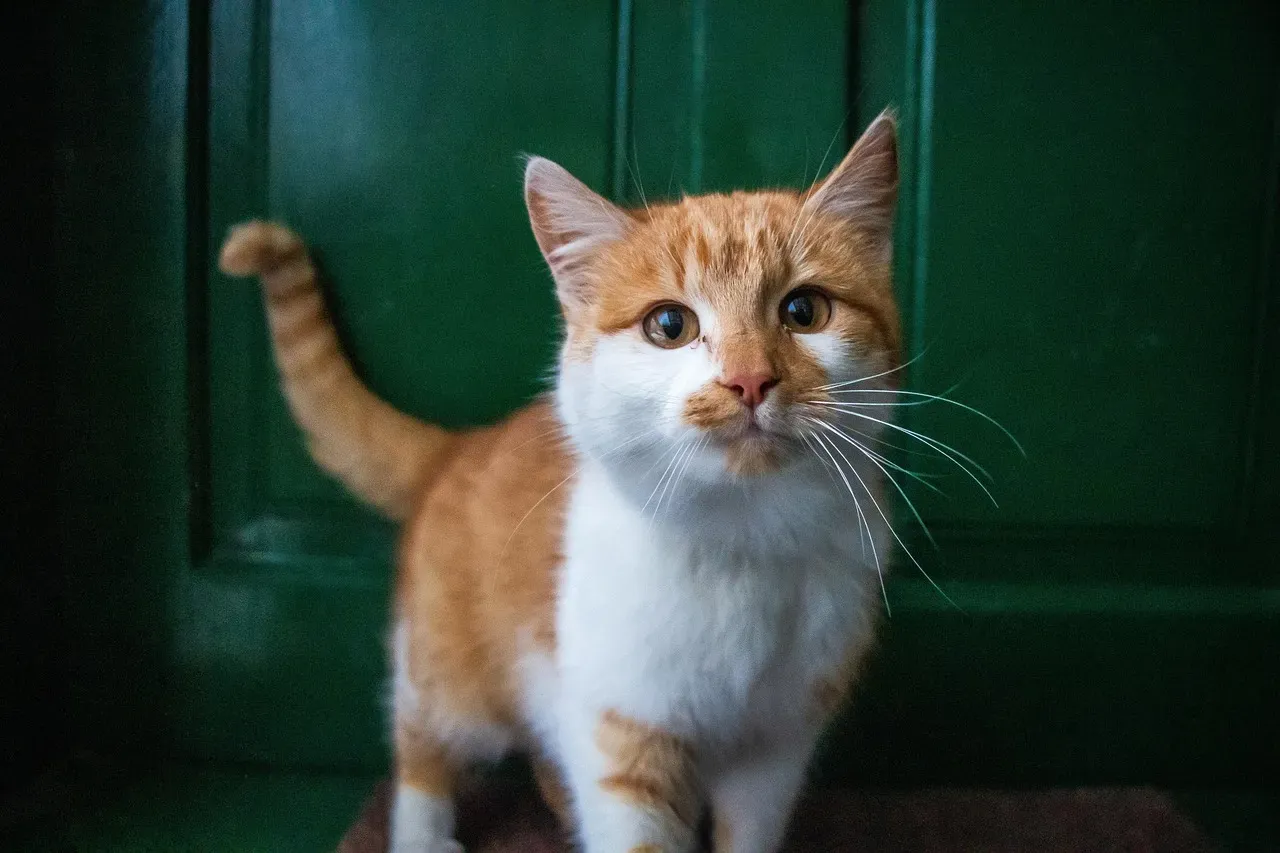
Perhaps one of the most underappreciated feline abilities is the homing instinct. Cats have a special ability called a homing instinct. This means they can often find their way back even from unfamiliar places, sometimes traveling miles to return. There are countless verified stories of cats navigating back home over extraordinary distances, often through terrain they have never seen before. It is the kind of thing that, if a dog did it, would probably become a Hollywood movie.
The mechanisms behind this ability are still not fully understood, which is part of what makes it so compelling. Scientists believe it involves a combination of sensory tools: acute smell for tracking familiar scents, sensitivity to Earth’s magnetic fields, an internal spatial map built from environmental cues, and possibly even sensitivity to subtle changes in light or temperature. This intuition likely emerged as an evolutionary advantage to help cats survive in ever-changing environments. Many scientists believe that cats have a natural capacity for sensing energy waves from other living creatures, enabling them to detect danger before it happens.
Cats have extraordinary sensory abilities that allow them to perceive things humans cannot. Their keen hearing picks up frequencies well beyond our range, helping them detect subtle sounds like the rustle of prey or distant footsteps. Similarly, their sharp vision, particularly in low light, allows them to notice movements invisible to us. Put all of these capabilities together and you begin to understand why a cat separated from home does not simply give up. It recalibrates. It navigates. It finds its way.
Conclusion: Science Has Only Scratched the Surface
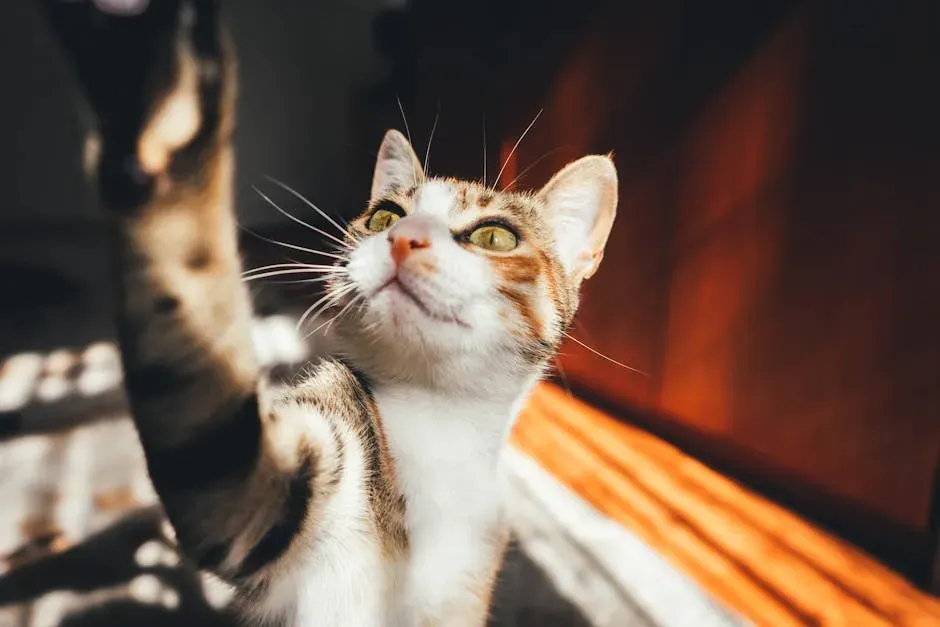
What makes cats so genuinely captivating is not just what we know about them, it is how much we still do not. While cats may not have a supernatural sixth sense, their remarkable sensory capabilities allow them to experience the world in ways that feel otherworldly to us. That distinction matters. It is not mysticism. It is biology operating at a level so refined that it looks like magic to untrained human eyes.
Millions of years of evolution have equipped animals with sensory systems we are only beginning to understand. The truth is likely nuanced: animals probably aren’t predicting earthquakes in any mystical sense, but they may be detecting real physical precursors that our instruments haven’t been designed to measure. Cats sit right at that frontier, straddling the line between the explainable and the astonishing.
So the next time your cat bolts out of a room for no apparent reason, or curls up next to you when you are feeling off, or stares at that suspiciously blank corner of the wall, maybe pause before dismissing it. Their advanced sensory capabilities allow cats to detect subtle changes in human behavior and the environment that may signal impending issues. So if your cat starts acting strange, pay attention, as they may be trying to tell you something important. Your cat might just be perceiving a world you do not yet have the senses to see. Does that change how you look at the creature currently judging you from across the room?
Kristina is a young writer from India. An arts graduate and an avid content creator, Kristina is passionate about animals and wildlife. She enjoys exploring topics related to pet care, animal behavior, conservation, and nature, combining thorough research with engaging storytelling.