Two cats walk into a room. One is draped in a waterfall of silky fur, moving with the slow, deliberate grace of someone who knows they’re royalty. The other is completely naked, enormous ears swiveling like satellite dishes, eyes wide with the manic energy of a cat who absolutely wants to know what you’re doing right now and why you haven’t petted it yet. Together, the Persian and the Sphynx represent two of the most fascinating and wildly different directions that domestic cat breeding has ever taken.
You’d be hard-pressed to find two breeds that are more visually opposite and yet equally beloved. One breed practically invented the concept of lap-cat luxury, while the other seems to have reinvented what “affectionate” even means. Whether you’re a seasoned cat owner or you’re still on the fence, this comparison is going to surprise you in more ways than one. Let’s dive in.
A Tale of Two Origins: Ancient Persia Meets Modern Canada
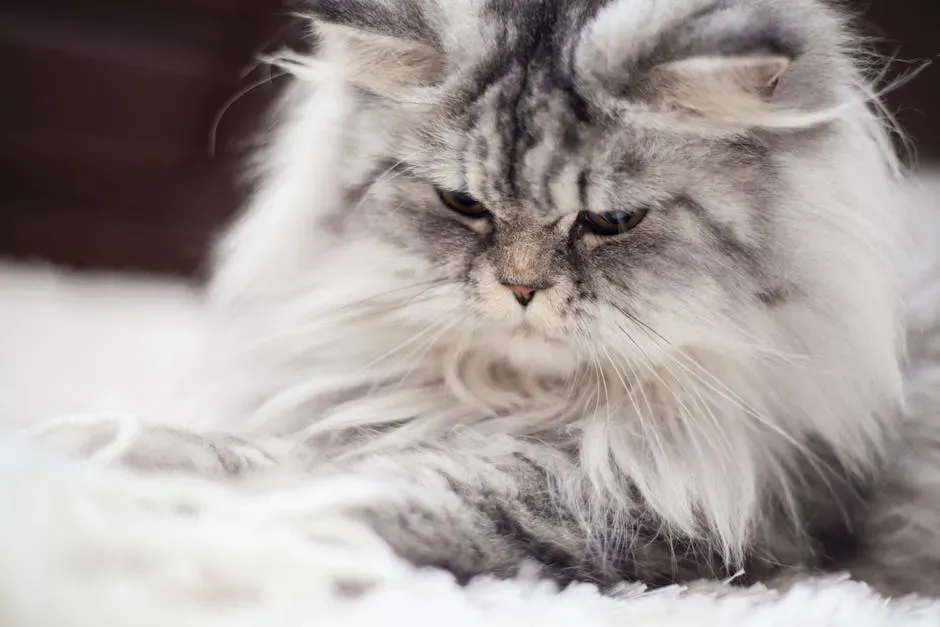
If you want to understand these two breeds, you have to start at the very beginning. The Persian cat can be traced back to Mesopotamia, an ancient civilization that was later called Persia, which is exactly how it got its name. It was introduced to Europe in the 1600s by travelers to Persia who became enamored by its beauty. Honestly, it’s no surprise. There’s something genuinely timeless about a Persian cat, a creature so beautiful that European nobility in the 17th century couldn’t help but bring one home.
Queen Victoria herself took particular interest in the Persian breed and owned several during her lifetime, including one she named White Heather, who remained in Buckingham Palace after the Queen herself had died. The Sphynx, on the other hand, has a far more accidental and recent story. Sphynx cats originally come from Canada and came about completely accidentally. One of the first ancestors to the popular breed was Prune, a hairless kitten born in 1966 in Toronto to a black and white domestic cat named Elizabeth. Prune’s hairlessness was the result of a natural, recessive mutation. Two breeds, two continents, centuries apart. That’s quite the contrast.
First Impressions: The Looks That Stop You in Your Tracks
Let’s be real, both of these cats will make you stop and stare, just for entirely different reasons. A show-style Persian cat has an extremely long and thick coat, short legs, a wide head with ears set far apart, large eyes, and an extremely shortened muzzle. One of their most distinguishing characteristics is their long, silky coat. They have an undercoat and a topcoat, which feels luxurious to the touch, but also tends to shed quite a bit. It’s the kind of coat that belongs in a shampoo commercial.
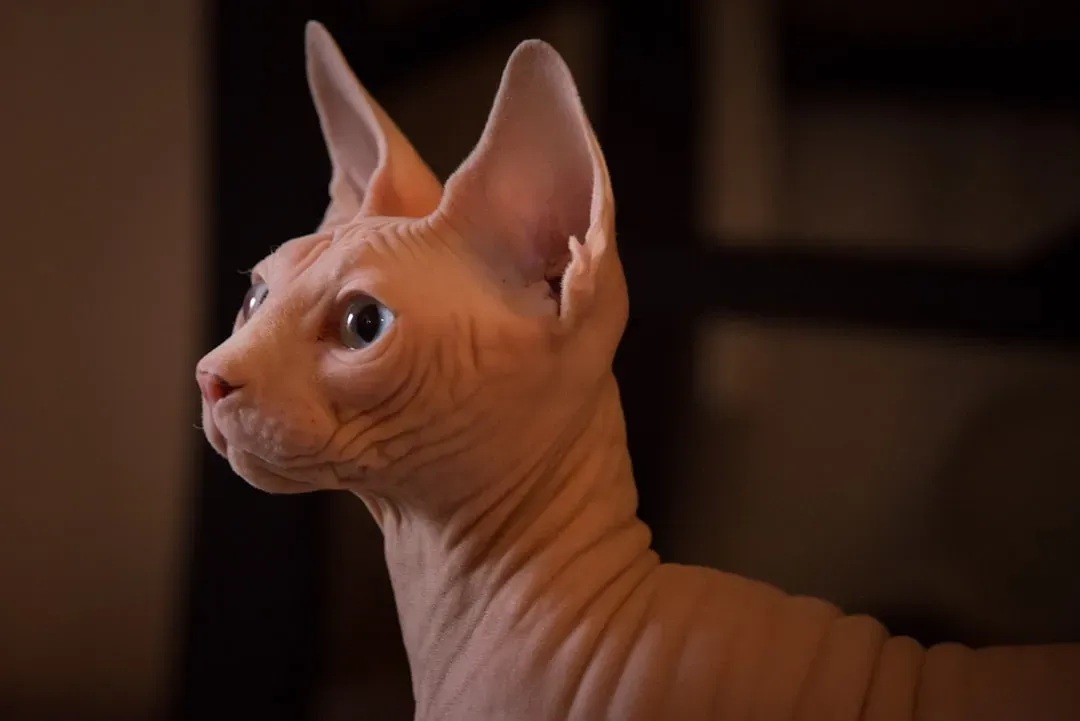
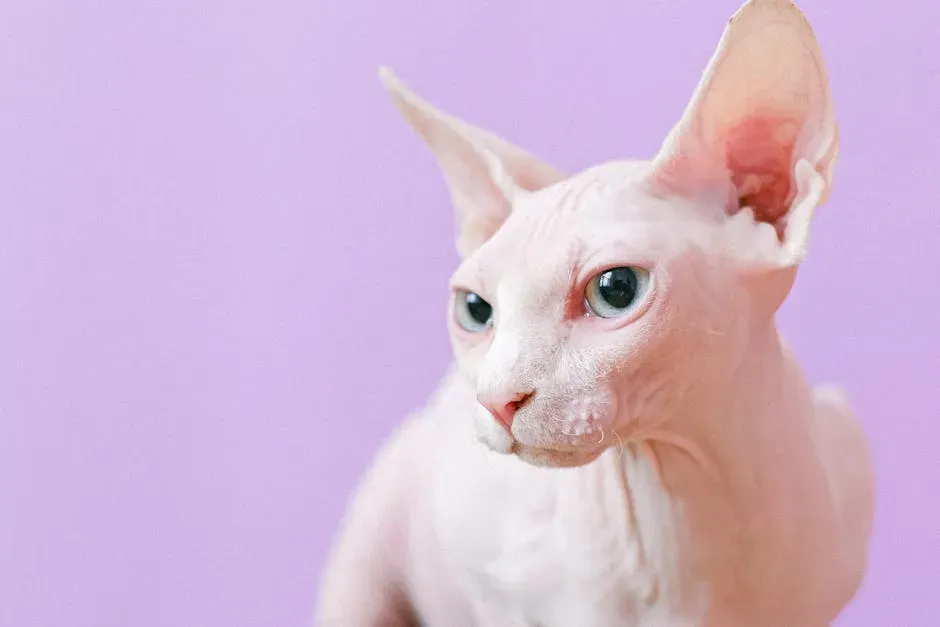
The Sphynx, by contrast, takes a completely different kind of dramatic. They are without fur and have a smooth, muscular body covered in very fine hairs. This gives them a bald and wrinkled appearance and a chamois-like texture. Their head is wedge-shaped, with prominent cheekbones, large ears, and distinctive, lemon-shaped eyes. The Sphynx comes in all colors and patterns. They can be solid or patterned, from white and black to calico, tabby, tortoiseshell, and more. The color lives in their skin pigment, which makes them even more extraordinary to look at up close. Think of it like a living, breathing piece of abstract art.
Personality Face-Off: The Calm vs. The Hurricane
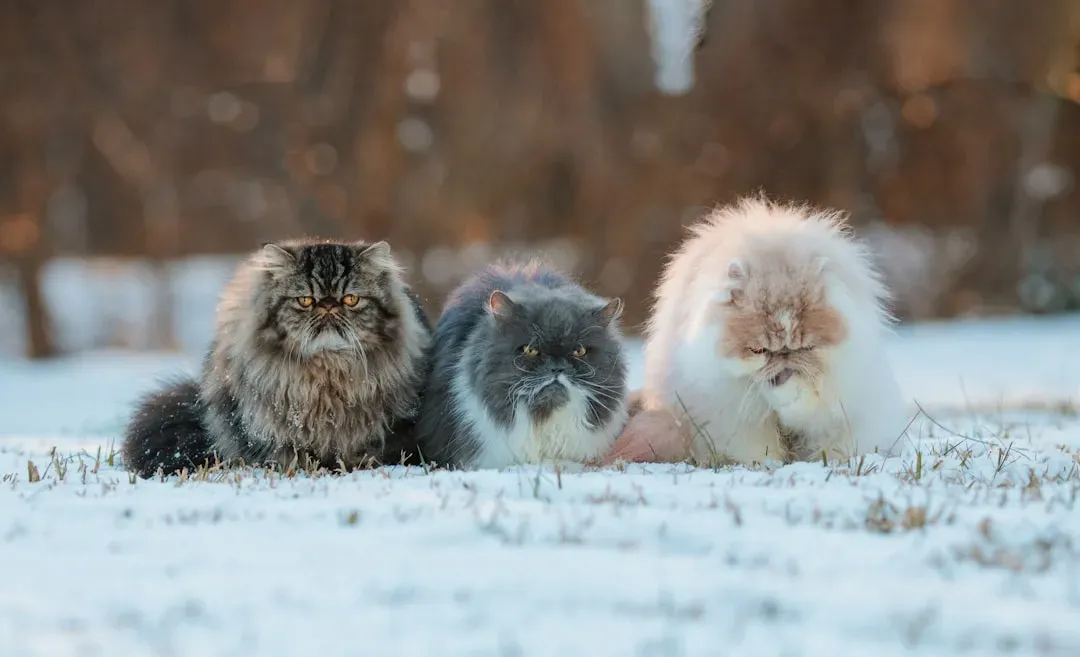
Persians are known for their docile and well-mannered temperament, which can make them great companions for those with a laid-back lifestyle. They are said to be relatively quiet and sweet cats who love to lounge around. While they are affectionate and enjoy attention, they’re not usually the type to demand constant attention. In fact, they can be standoffish and reserved around new people until they get to know them. Think of a Persian as your quiet, intellectually sophisticated friend who enjoys a cup of tea in comfortable silence. You love them for exactly that.
The Sphynx is a completely different story. It is a loving, friendly, energetic, extrovert cat that loves nothing more than to be petted and pampered. It is one of the few truly dependent cats there are. Sphynx cats will often try to involve themselves in your activities and may be overly demanding at times. If they don’t get enough attention, they can be mischievous. Because of this, you shouldn’t leave Sphynx cats alone for long periods of time. If the Persian is your quiet tea-drinking companion, the Sphynx is the friend who texts you fifteen times before noon and genuinely means well every single time.
How Social Are They Really? A Look at Friendliness and Bonding
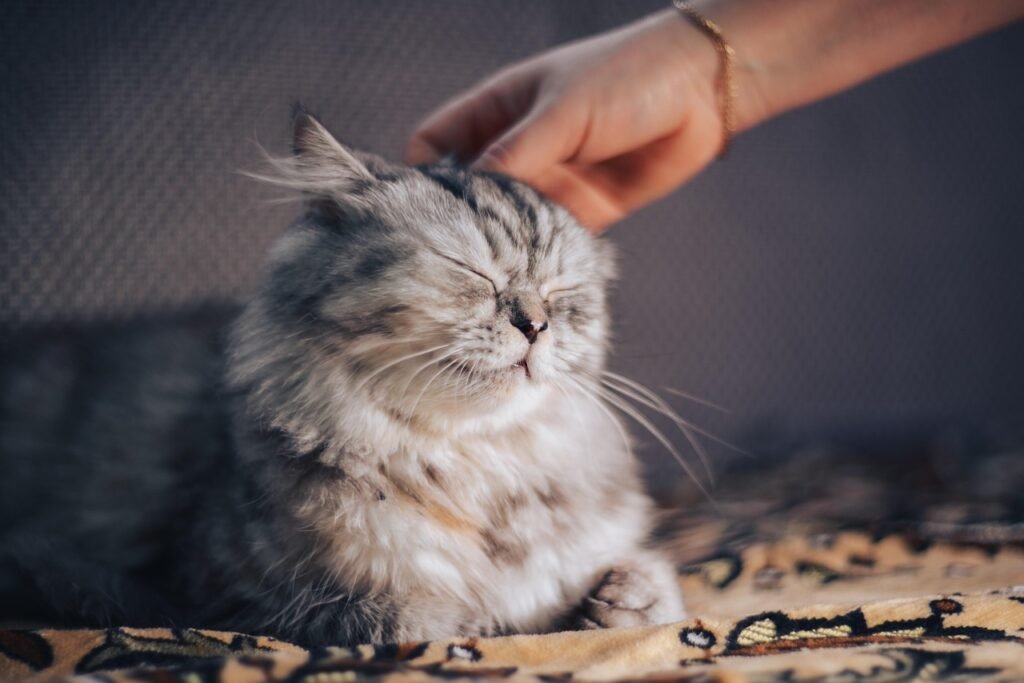
Persians are typically reserved and wary of new people. Once they warm up, though, they form deep bonds with their family members. You may have to earn a Persian cat’s trust. As long as you’re calm and respectful with them, they likely won’t take long to open up to you. This actually makes the Persian’s affection feel earned, which, I think, makes it all the more meaningful when your Persian finally chooses your lap as its throne.
Sphynx cats are very outgoing, energetic, and intelligent. They will cherish your companionship, but also the companionship of other cats and dogs. In fact, they were rated as the most affectionate cat breed in a study conducted by Asselineau and Abitbol in 2012. Sphynx cats are generally more pet-friendly than Persians, making them a standout choice for multi-pet households. It’s hard to say for sure why Sphynx cats are so socially wired, but one popular theory is that they are so affectionate because they rely on us to keep warm. That’s somehow both adorable and very, very real.
Grooming: Who Actually Requires More Work?
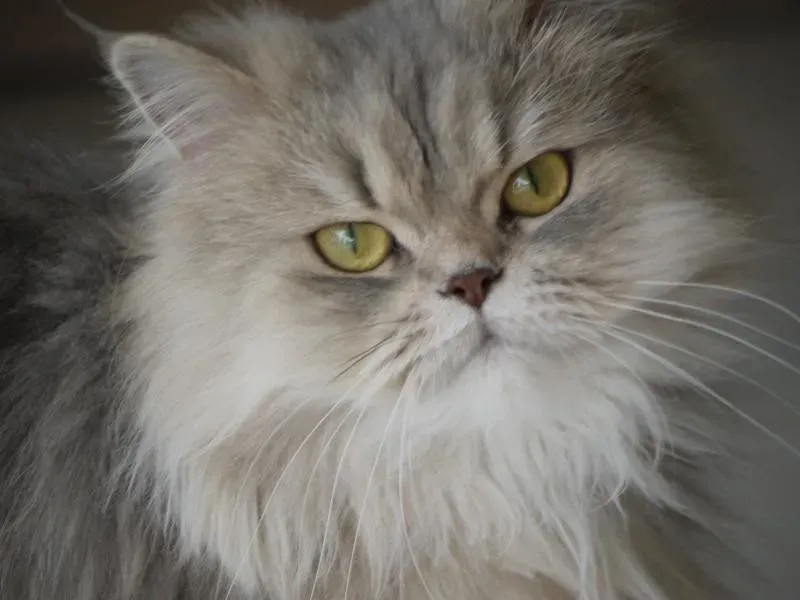
Here’s the thing that surprises almost everyone: neither of these breeds is low-maintenance in the grooming department, even though you’d assume the bald one would be. Daily brushing with toothed grooming combs is a must for the Persian breed. Without it, their fur can become tangled, resulting in uncomfortable mats that pull at their skin. You should keep their fur clean by giving them a bath every few weeks to help prevent skin irritations.
Now for the Sphynx surprise. The lack of hair and the protection it provides puts the Sphynx at increased risk of skin problems. Because there is no hair to distribute sebaceous gland secretions, oil can build up on their skin and around their nail beds, meaning they need to be bathed regularly to prevent secondary bacterial and yeast skin infections. You’ll find Sphynx cats require regular bathing to manage oil buildup, while long-haired Persians need frequent brushing with specialized grooming tools to prevent mats and maintain coat health. It’s a full-time commitment either way, just a different kind of commitment.
Intelligence and Trainability: Smarter Than They Let On
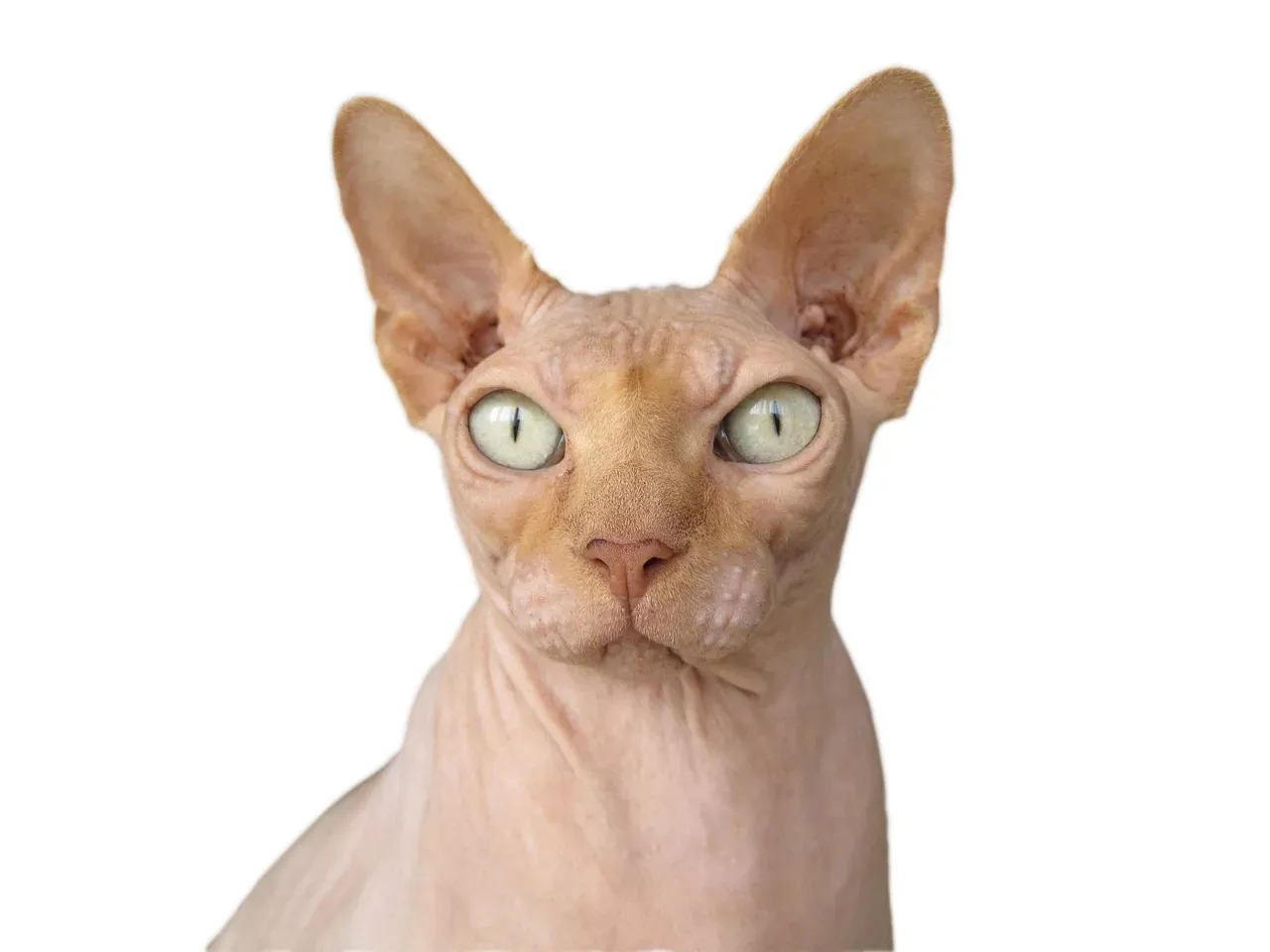
Persians are known for their affectionate nature and calm demeanor, but they are also highly intelligent. These cats are adept at solving puzzles and playing games that challenge their minds. Persians are also known for their excellent memory. They can remember their favorite toys and the places where they like to nap. Additionally, they have a strong sense of curiosity, which means they enjoy exploring their environment and learning new things.
While Persian cats are intelligent, Sphynx cats have a reputation for being even smarter. Sphynx cats are often described as being dog-like in their behavior, which means they are highly trainable and eager to please. In general, Persians are better at training that requires repetition and consistency, such as agility training and obedience training. Sphynx cats, on the other hand, excel in training that requires problem-solving and creative thinking. Think of the Persian as the methodical, consistent student and the Sphynx as the creative, slightly chaotic genius who still somehow gets the answer right. Both have their kind of brilliance.
Health Considerations: What You Need to Know Before Choosing
This is where you need to pay close attention, because both breeds carry distinct health risks that should factor into your decision. Persian cats, like other brachycephalic breeds, are prone to breathing difficulties due to their shortened skull structure, which can cause narrowed nostrils, an elongated soft palate, and airway obstructions. Persian cats are also prone to polycystic kidney disease where cysts form in the kidneys. This is a serious condition that can lead to kidney failure. Persians also deal with eye issues regularly, since these flat-faced cats produce more tears than most other breeds, which can lead to unsightly tear stains and potentially uncomfortable, infection-prone moist fur.
The Sphynx has its own set of concerns, particularly around the heart. Sphynx cats are genetically predisposed to heart disease, and more specifically, mitral valve dysplasia and hypertrophic cardiomyopathy. This can cause the thickening of the heart’s left ventricle, which interferes with the heart’s ability to pump blood efficiently. Symptoms include lethargy, breathing difficulties, and in very severe cases, heart failure. Sphynx cats’ large, exposed ears can also trap moisture and debris, increasing the risk of ear infections, with signs including head tilting, scratching at the ears, redness, or discharge. Regular vet screenings aren’t optional for either breed. They’re non-negotiable.
Lifespan: How Long Will You Have Them?
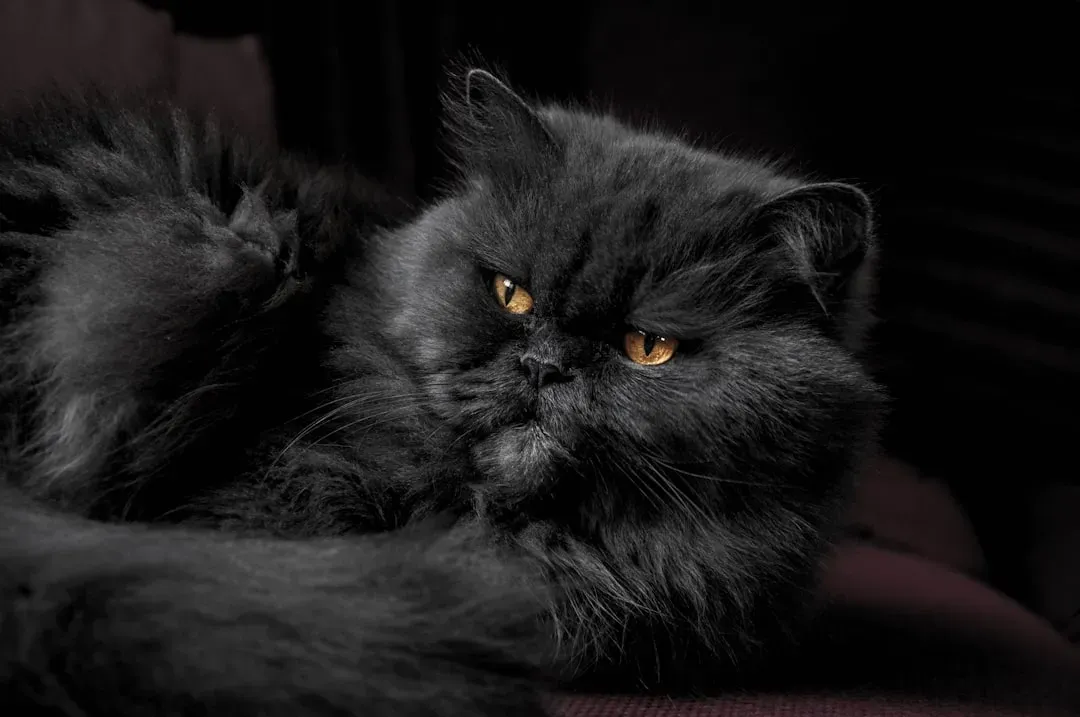
Lifespan is always an emotional topic when it comes to our pets. For Persians, the picture is reasonably positive. A Persian cat that is in good health and stays indoors can typically live for 10 to 17 years. Persian cats are known for their longevity, often living well into their teens and sometimes into their twenties with proper care. On average, a healthy Persian cat can live anywhere between 12 to 17 years. These are genuinely long-lived cats, which makes the grooming commitment and health management feel even more worthwhile.
The Sphynx story is a bit more complicated. Sphynx cats typically live between 8 to 14 years, though some can reach 16 years or beyond with proper care. However, recent studies have shown concerning statistics. A notable UK veterinary study found that Sphynx cats had a significantly lower average lifespan of 6.7 years compared to the general feline population’s 11.7 years. This shorter life expectancy is largely attributed to their unique genetic makeup and predisposition to certain health conditions. Selecting a breeder who regularly screens their cats for health issues is the first step to adopting a healthy Sphynx kitten. Reputable breeders will be transparent about their health practices and provide information about the cat’s pedigree, which helps prevent genetic diseases from being passed on. Choose your breeder wisely. It genuinely matters.
Temperature Sensitivity and Lifestyle Needs
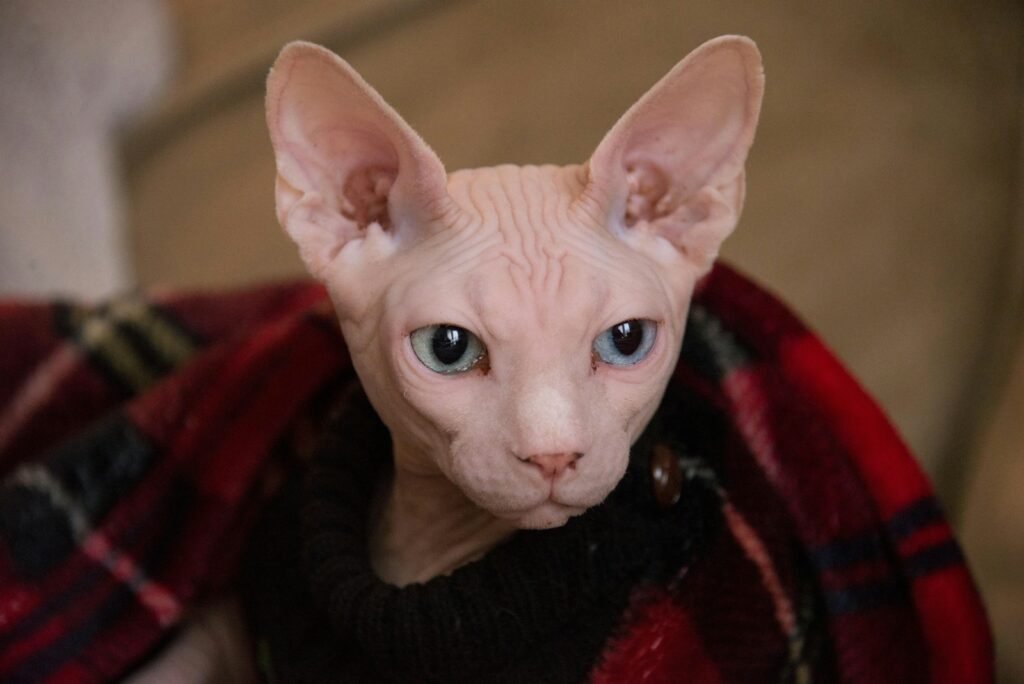
Your home environment plays a surprisingly big role in which breed might be right for you. Sphynx cats are highly sensitive to temperature, becoming uncomfortable in particularly hot or cold weather. The risk of injury and illness, combined with the breed’s sensitivity to environment and temperature, means the Sphynx is safest when kept indoors. If you do happen to allow them outside, you’ll need to dress them in a UV-blocking shirt or pet-safe sunscreen to prevent sunburn. They might also get chilly, so you’ll need to consider getting them a couple of cat sweaters to stay warm. Yes, you may genuinely be shopping for sweaters for your cat. Welcome to Sphynx ownership.
Persians, while not quite as environmentally delicate, still thrive in calm, controlled indoor settings. Creating an enriching indoor environment for your Persian cat is crucial. You should avoid exposing them to harsh weather conditions, as their delicate respiratory systems can be compromised. Provide ample opportunities for mental and physical stimulation, and ensure they have cozy, quiet spaces where they can retreat and feel safe. Persian cats are excellent pets for calm households that have the time and enthusiasm to groom them regularly. Loud, chaotic households? Probably not the best match for a Persian. But then again, most Persians will simply find a quiet corner and ignore you until conditions improve.
Diet and Nutrition: Fueling Two Very Different Bodies
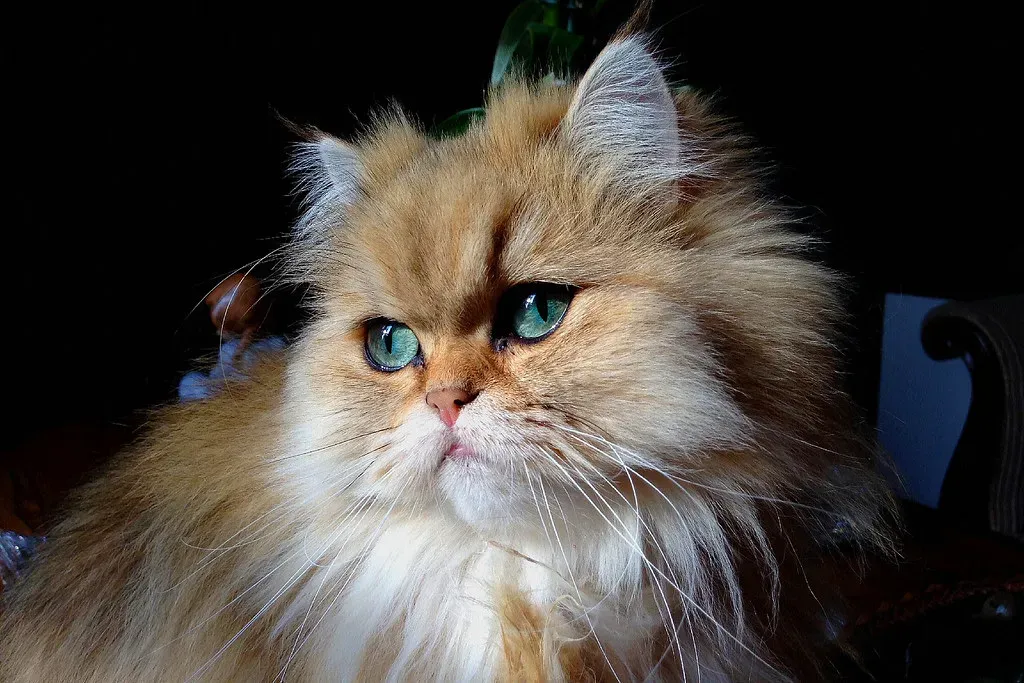
What goes into these cats matters just as much as how you care for the outside. Sphynx cats may require a higher caloric intake to maintain body heat, so a well-balanced and nutritious diet is crucial. Sphynx cats are also reported to have higher metabolisms than other breeds due to their need to regulate their body temperature without fur to keep them warm. A food with omega-3 and omega-6 fatty acids will help maintain your hairless cat’s skin health, which makes sense when you realize their skin is entirely unprotected and under constant environmental stress.
For Persians, the nutritional focus is slightly different. A balanced diet is crucial for maintaining the health and coat quality of your Persian cat. Feed your cat a well-balanced diet that meets their nutritional needs without overfeeding. Obesity is a significant threat to their longevity. Their generally inactive nature may lead to weight gain in Persian cats, and obesity only puts a Persian at further risk for the health conditions they’re already prone to. Think of it this way: a Persian loves nothing more than lounging, so portion control isn’t just good practice – it’s actually an act of love.
Conclusion: Which Breed Is Actually Right for You?
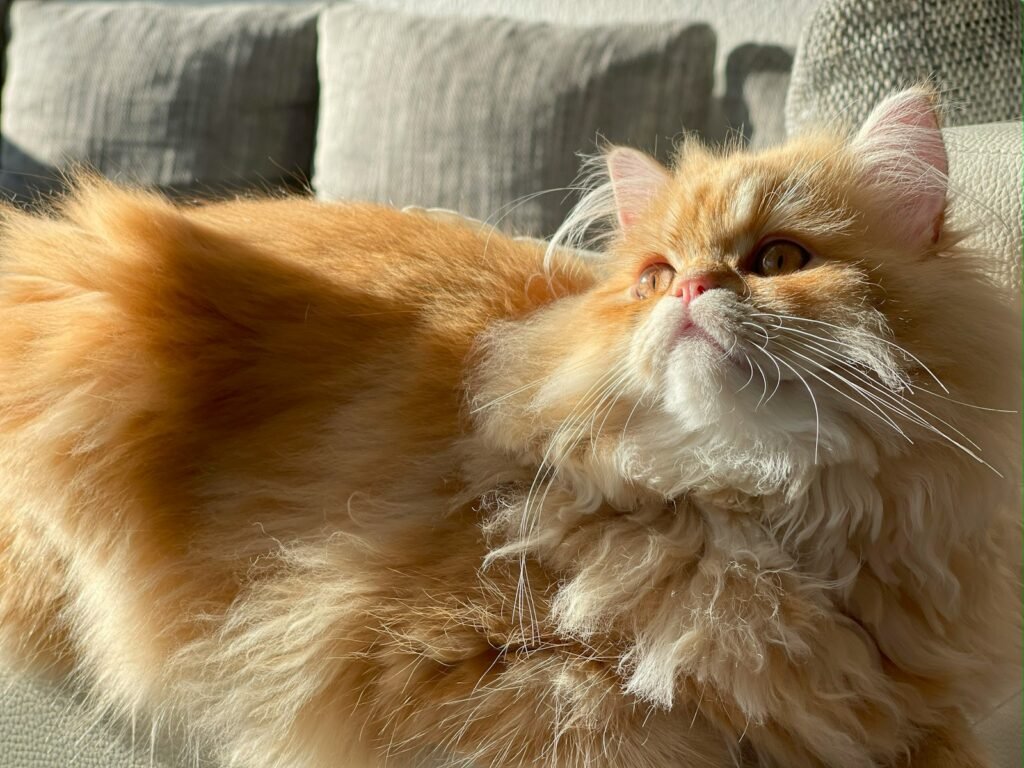
After going through all of this, one thing becomes crystal clear: there is no universally “better” breed between the Persian and the Sphynx. They are just wonderfully, brilliantly different. If you crave serenity, elegance, and a companion who will quietly fill your home with a sense of aristocratic calm, the Persian is your match. If you want something closer to a dog that happens to be a cat – social, demanding, playful, and intensely loyal – then the Sphynx will absolutely change your life.
Both breeds ask a lot of you. Both breeds give back even more. The Persian asks for patience in grooming and gentle environments. The Sphynx asks for warmth, attention, and more baths than you ever thought a cat could need. What both of them offer in return is a depth of companionship that is genuinely hard to find elsewhere in the feline world. So here’s the real question: are you a silk-and-silence Persian person, or does the naked, chaotic, full-throttle Sphynx love story sound more like your kind of adventure?
What do you think? Which breed stole your heart – and did the answer surprise you? Share your thoughts in the comments below.
Kristina is a young writer from India. An arts graduate and an avid content creator, Kristina is passionate about animals and wildlife. She enjoys exploring topics related to pet care, animal behavior, conservation, and nature, combining thorough research with engaging storytelling.