There is something quietly heartbreaking about watching a cat you have loved for over a decade start to slow down. The leaps become smaller. The playtime gets shorter. The naps stretch longer. Most pet owners assume this is simply the natural order of things, just a cat growing old. Honestly, that assumption is one of the most common reasons senior cats miss out on the care they deserve.
The truth is, your vet probably has a mental list of things they wish every cat owner understood before problems become serious. From subtle behavioral shifts that signal something deeper, to the surprisingly common myths around senior cat nutrition, the gap between what vets know and what owners assume can make a profound difference in your cat’s quality of life. So let’s dive in.
1. Your Senior Cat Is a Master at Hiding Pain and Illness
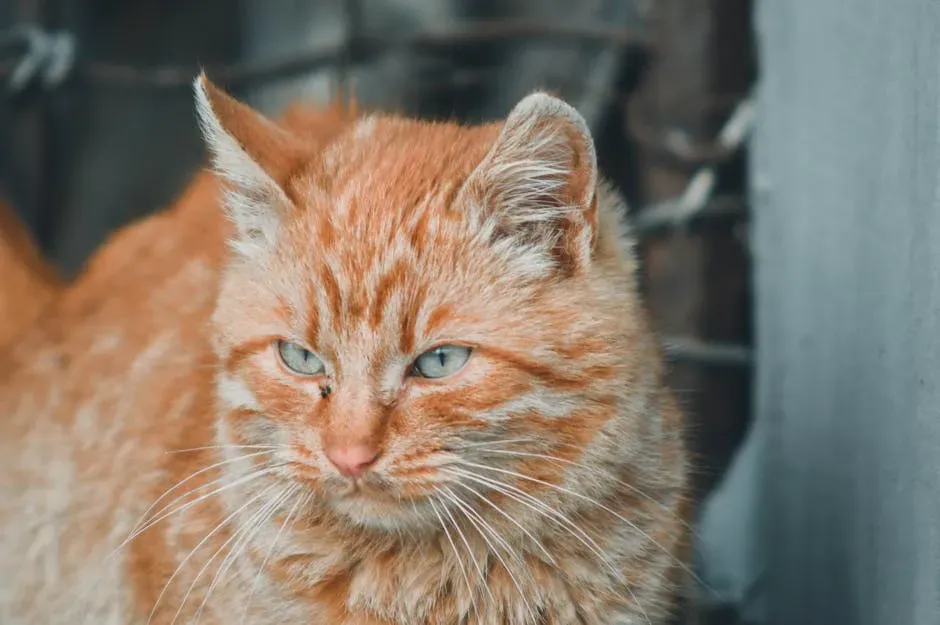
Cats are masters at hiding signs of pain and sickness, which is why it’s often difficult for owners to know when their cat is in the early stages of illness. This isn’t stubbornness or mystery. It is a deeply ingrained survival instinct, left over from your cat’s wild ancestors who could not afford to appear vulnerable.
One of the marvels of felines is their skill at hiding pain or illness; signs can be so subtle, you’ll easily miss something. Notice your cat sleeping more than usual or hiding? Don’t hesitate to take action. Think of it like an iceberg. What you see on the surface is rarely the whole picture, and what hides below can be far more significant. Never assume that changes you see in your older cat are simply due to old age and therefore untreatable. Owners of older cats often notice changes in their cat’s behavior but consider these changes an inevitable and untreatable result of aging. However, any alteration in your cat’s behavior or physical condition should alert you to contact your veterinarian.
2. Twice-Yearly Vet Visits Are Not Optional at This Stage
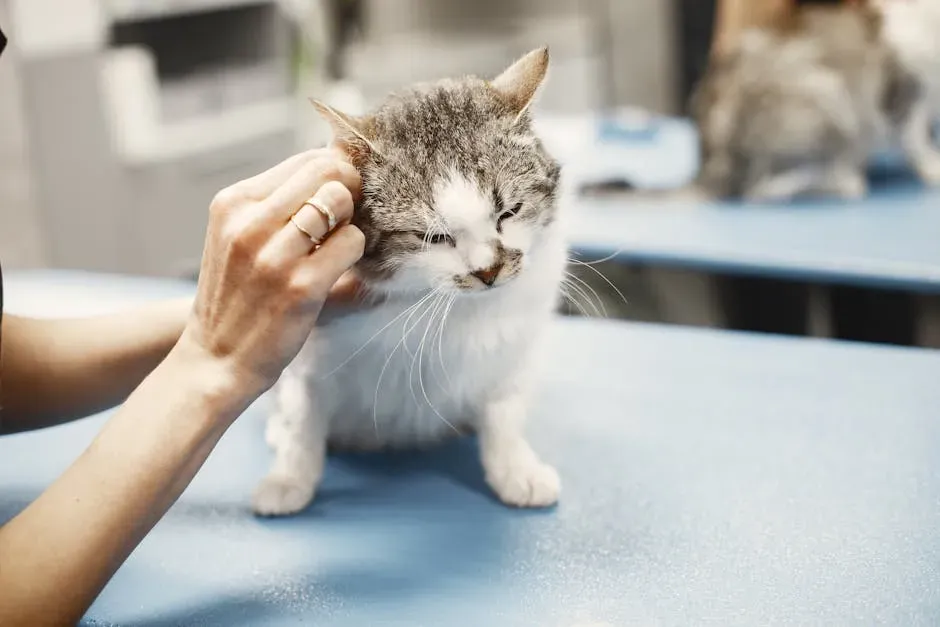
Here is something most owners do not realize until it is too late. Once your cat crosses into senior territory, the once-a-year vet visit schedule is no longer sufficient. Senior cats over 8 to 9 years old should go to the vet twice a year or more often. Older cats are more likely to get sick, and catching problems early is important. Your vet might suggest regular blood tests to check for early signs of chronic illness.
Because most of the chronic diseases seen in senior cats are slow to progress, early recognition is usually only possible through diagnostic tests. The earlier a disease is diagnosed, the more likely its progression can be slowed or reversed, and a high quality of life for your senior cat can be maintained for longer. Think of biannual checkups the way you would think of regular car servicing. You do not wait for the engine to fail before you check the oil. The same logic applies here.
3. Weight Changes Are Never Just “Normal Aging”
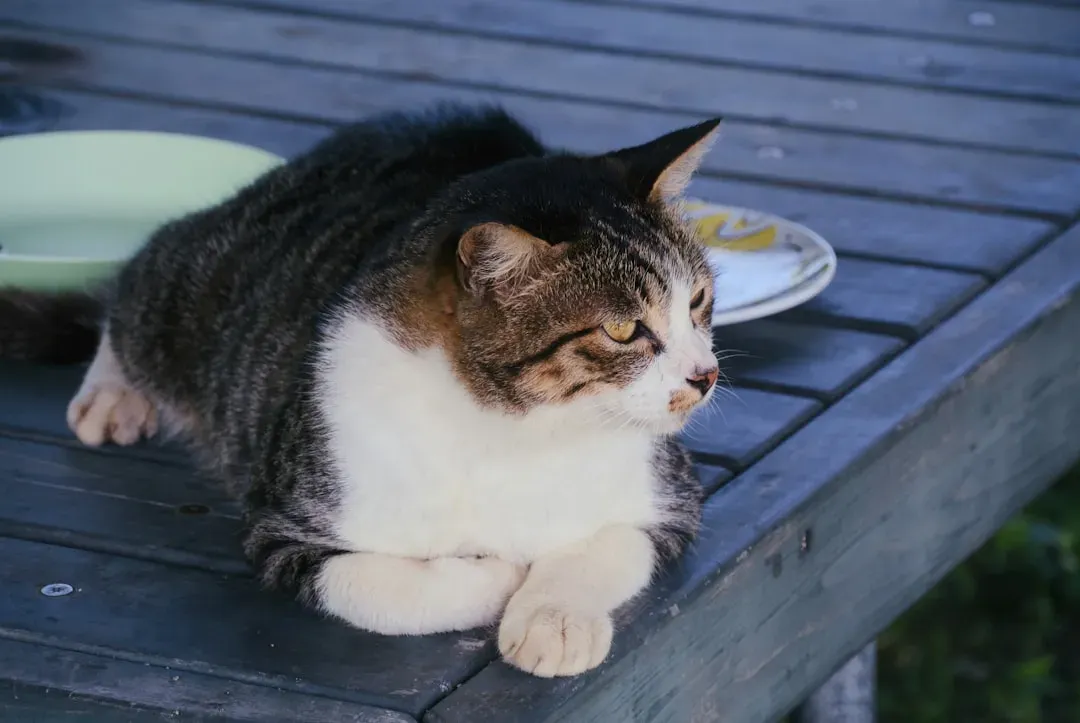
You might notice your cat looking a little thinner lately and chalk it up to getting older. That is one of the most dangerous assumptions you can make. Any weight changes, whether an increase or unplanned loss, means your cat needs a trip to the vet. Weight gain in mid-life can predispose chronic diseases and a shortened life span, and weight loss in advanced age is usually a sign that something is amiss. Common diseases that cause weight loss, such as hyperthyroidism, intestinal illness, and diabetes, can happen with a normal or even increased appetite.
Weight loss is a common concern for senior cats. It’s often one of the first signs of illness, and can even occur despite your cat eating the same or more than they used to in conditions such as hyperthyroidism and diabetes. So it’s important to always get any weight loss checked by a vet. Gaining weight is equally problematic. The lack of exercise results in a fall in energy requirements of up to 40%. If a cat maintains a good appetite, daily food intake must be reduced to prevent excessive weight gain, as it can cause obesity-related health issues.
4. Senior Cat Nutrition Is More Complicated Than You Think

Let’s be real. Most cat owners assume they can just grab a bag labeled “senior formula” at the grocery store and call it a day. The reality is far more nuanced. Do not automatically switch to a “senior” cat food. Your vet can advise whether your cat needs added protein or specific vitamins, and a cat food labeled “senior” may not always be the right choice. Feline nutritional needs change with age, for both healthy older cats and those with chronic illnesses, so discussing your cat’s best diet options with your vet is essential.
It’s especially important that senior cats have easy access to clean water because kidney function frequently deteriorates in older cats. Consider mixing canned and dry food to let your cat absorb the water canned food offers. Hydration is not just a comfort issue. It is a kidney issue, a digestive issue, and frankly a longevity issue. Make sure your senior cat has multiple water sources available so they don’t have to work hard to find water. Picky drinkers may benefit from having more wet food in their diet or water fountains that keep fresh water flowing.
5. Dental Health Directly Impacts Your Cat’s Overall Wellbeing
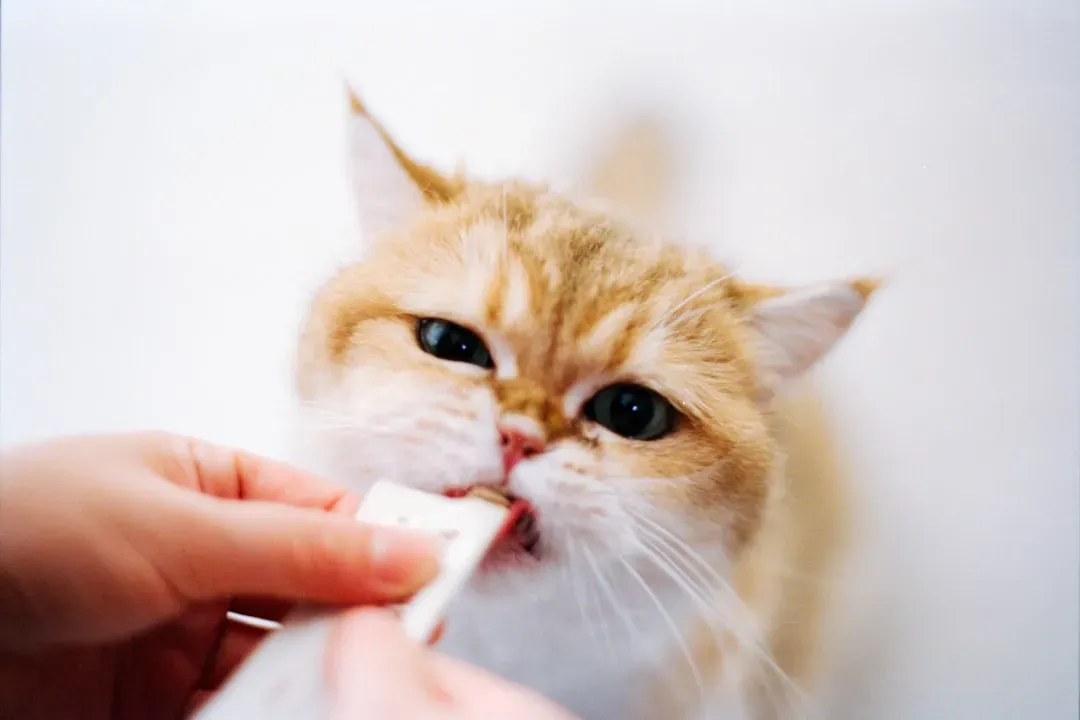
I think this is the one point that surprises most cat owners the most. Dental disease is not just a cosmetic issue. It has a direct and measurable effect on your senior cat’s ability to eat, maintain weight, and stay comfortable. Dental disease is one of the most significant issues in elderly cats. Many senior cats develop tartar and gingivitis, which can cause tooth decay, pain, difficulty eating, and serious infections. Routine dental cleanings and exams are important for cats of all ages, but they are especially vital for older cats.
Senior cats have the same set of teeth they had at 6 months old. Years of wear and changes in oral bacteria can lead to dental health issues in older cats that affect appetite and grooming. Toothbrushing, oral care diets, and routine anesthetic dentistry in young cats will help protect them from needing surgical dental care as seniors. Unfortunately, oral health issues like fractured teeth, cancerous masses, and periodontal disease can arise in senior cats even with the best preventative care. If your cat has started eating less, seems grumpy around meal time, or has noticeably bad breath, the teeth and gums should be the very first place you investigate.
6. Arthritis Is Far More Common in Cats Than Most People Realize
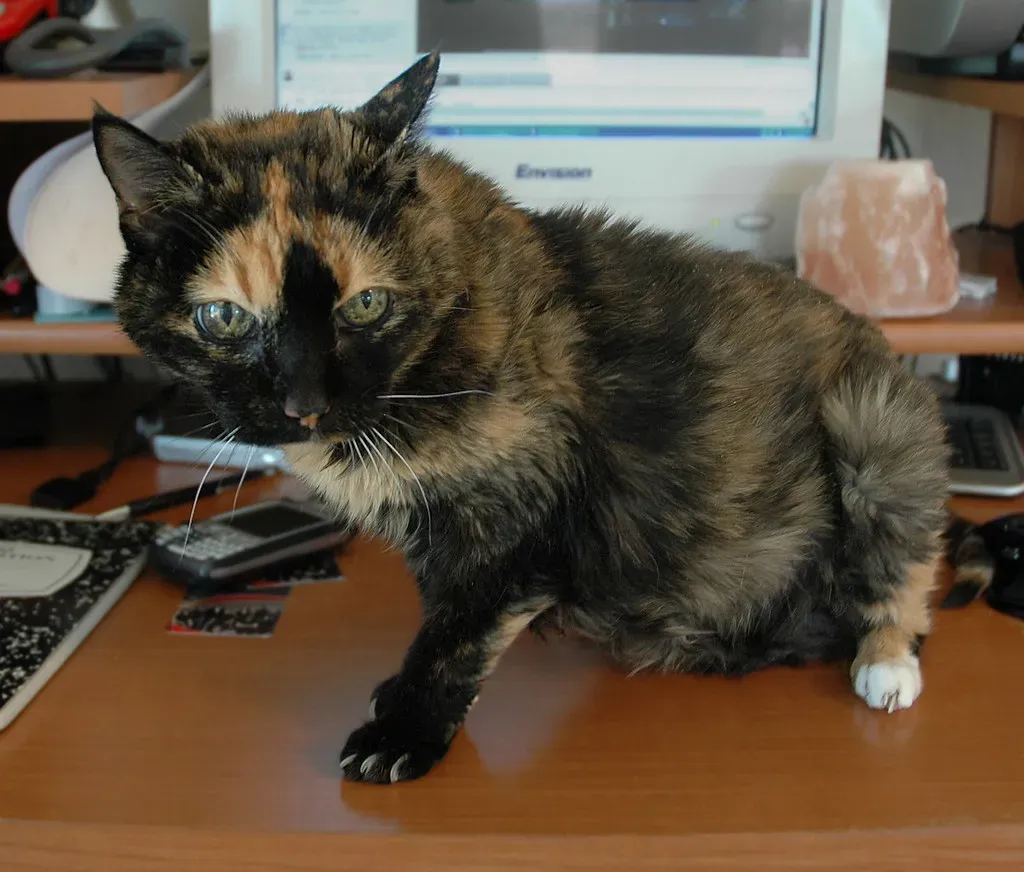
Arthritis is something most people associate with dogs or elderly humans. Cats? Not so much. That perception needs to change. Many aging cats are affected by osteoarthritis, which contributes to decreased activity. The lack of activity then contributes to the stiffening of the joints and worsens the symptoms. Reduction in exercise may result in reduced muscle tone, which further reduces the cat’s ability to jump, climb, or exercise.
Arthritis is a common condition in older cats, leading to joint pain and reduced mobility. It results from joint cartilage deterioration, causing chronic pain and discomfort. Diagnosis involves a physical examination, movement assessment, and imaging such as X-rays to evaluate joint health. You can help at home by making simple environmental tweaks. As cats age they are more prone to getting arthritis and may have reduced control over their bowels and bladder. It’s a good idea to install litter boxes on every floor to make them easy to reach. A ramp up to a favorite couch or a lower-sided litter box can transform your arthritic cat’s daily comfort in ways that are genuinely moving to witness.
7. Behavioral Changes Could Be Feline Cognitive Decline, Not Just “Getting Old”
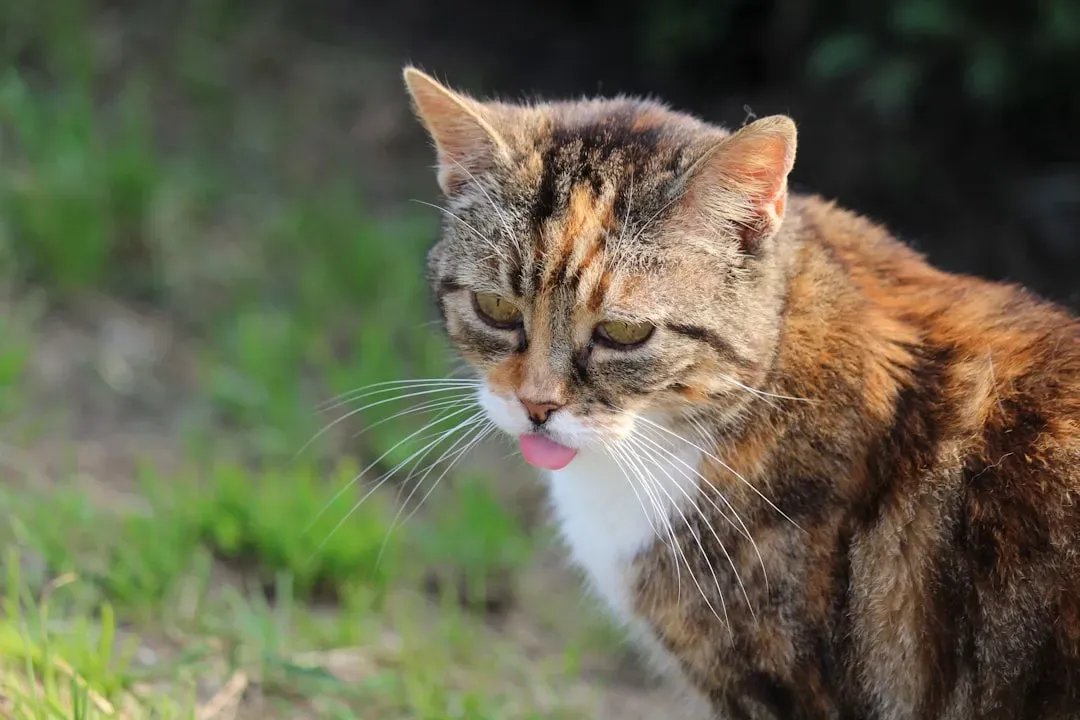
Here is something that even devoted cat owners tend to overlook. When a senior cat starts yowling at night, becoming confused, or wandering aimlessly, it is not just a personality quirk. It may be a genuine cognitive condition. Behavioral changes such as litter box accidents or avoidance, new or increased human avoidance, wandering, excessive meowing, and seeming disorientated, are also potential signs of mental confusion or feline senility and should be examined by your vet.
The incidence of behavioral signs increases with age, with roughly half of cats over 15 years of age and over a quarter of cats 11 to 14 years of age being affected. Cats 11 to 14 years of age were more likely to show alterations in social interactions, while older cats were reported to show alterations in activity and excessive vocalization. Meanwhile, reducing environmental stress whenever possible is very important since older cats are usually less adaptable to change. Special provisions should be made for older cats that must be boarded for a period of time. Having a familiar object, such as a blanket or toy, may prevent the cat from becoming too distraught in a strange environment. A better alternative is to have the older cat cared for at home by a neighbor, friend, or relative. Stability is not just comforting for your senior cat. It is genuinely therapeutic.
Conclusion: Your Senior Cat Deserves Your Full Attention
Caring for a senior cat is one of the most rewarding and, at times, emotionally demanding chapters of pet ownership. The good news is that so much of what your vet wishes you knew is actually within your reach. Scheduling those biannual checkups, watching your cat’s weight closely, staying alert to dental problems and behavioral shifts. None of it requires special training. It just requires paying attention.
Thanks to improved nutrition, living indoors, and advances in veterinary medicine, cats live longer and are now considered older at 12 to 14 years. That is a gift. More years with an animal you love is a gift worth protecting. Your senior cat cannot tell you when something hurts. They cannot book their own vet appointment or ask for a softer bed. All they can do is trust you to notice. The real question is: are you paying close enough attention? What changes have you already been letting slide?
Kristina is a young writer from India. An arts graduate and an avid content creator, Kristina is passionate about animals and wildlife. She enjoys exploring topics related to pet care, animal behavior, conservation, and nature, combining thorough research with engaging storytelling.