You live with a creature capable of producing over a hundred distinct vocal sounds, and yet most of us still think our cat is “just being weird” when they make that strange chirping noise at the window. Honestly, that’s a bit like standing next to someone speaking fluent French and assuming they’re mumbling. Your cat has an entire emotional vocabulary, and once you start listening closely, it’s surprisingly easy to decode.
Next to birds, cats possess the widest range of vocalizations of any domestic pet. Though best known for their meows, purrs, hisses, and growls, the full list of sounds they regularly make is far more comprehensive than most people realize. The really fascinating part? Most of those sounds are aimed directly at you. Let’s dive in.
1. The Trill: Your Cat’s Warm, Affectionate Hello
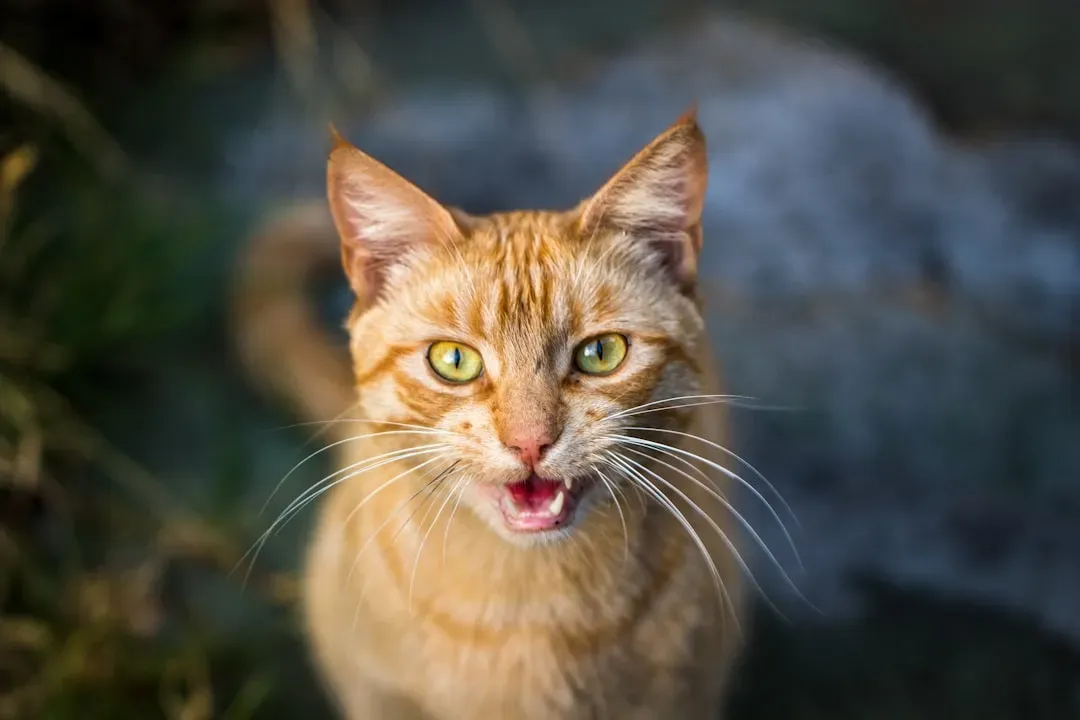
If you’ve ever walked into the room and your cat greeted you with a sound that falls somewhere between a purr and a chirp, that was a trill, and it’s basically the feline equivalent of a warm hug. Cat trilling is a vocal form of communication that cats use to “talk” to other cats, to humans, and even to other animals. It is a high-pitched, repetitive noise that comes out in short bursts. Think of it as the cat’s version of waving from across the room.
Cats trill when they see or approach a familiar and well-liked person, cat, or other animal. Studies show it is specifically associated with positive and familiar situations. A person they know may be offering treats or bringing out a favorite toy, but the reason for the trill is the specific person, not the activity itself. So when your cat trills at you, they’re not just happy about breakfast. They’re genuinely happy to see you. That’s worth something.
2. The Chirp: “Hey, Pay Attention to Me Right Now”
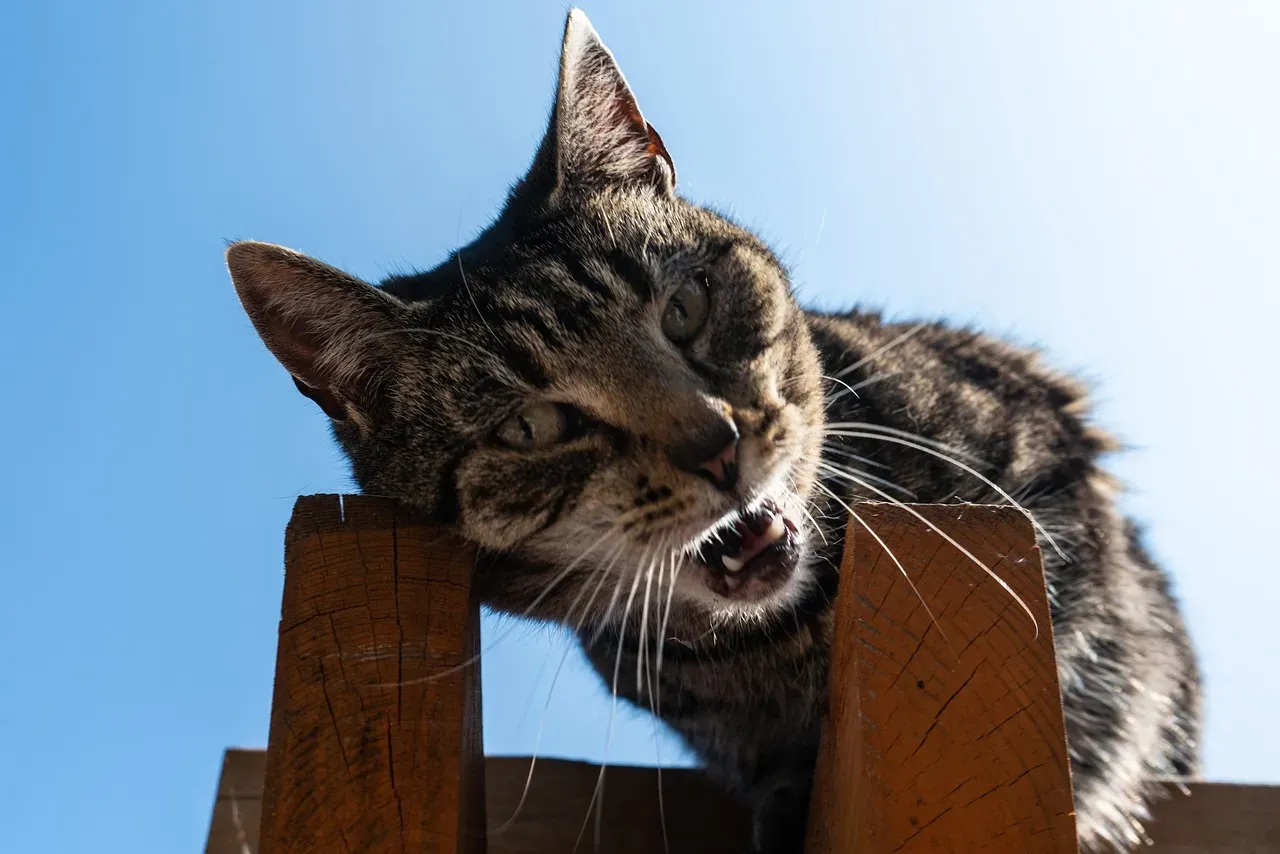
The chirp is one of those sounds that stops you mid-scroll and makes you look up. It’s short, staccato, almost bird-like, and it carries a very specific kind of urgency. Chirps, or chirrups, are staccato, bird-like sounds that mother cats use to say to their kittens, “Follow me.” When your adult cat directs that same sound at you, it carries the same basic message: follow me, I have something to show you.
Originally used by mothers to tell kittens to pay attention and follow her, your cat may chirp in an effort to get you to pay attention to her or as a way to get you to check out something she deems important. Adult cats also chirrup to get attention and to let other cats or people know their location. Excitement and prey drive also play into this common cat sound. In other words, if your cat chirps at you, you’d better look up, because they’re probably not going to stop until you do.
3. The Purr: Contentment… Or a Cry for Help?
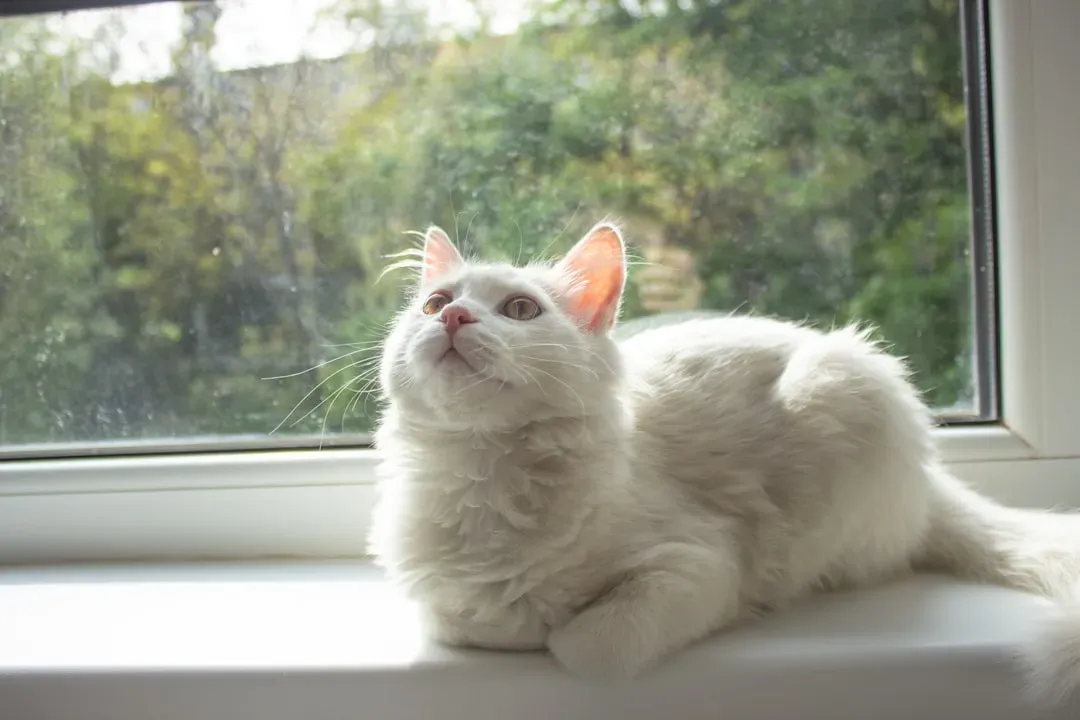
Here’s the thing about purring: most people assume it’s always a good sign. And most of the time, it absolutely is. Purring is generally a sign of satisfaction, comfort, and happiness, such as when being petted or snuggling. It’s one of those sounds that feels almost therapeutic to listen to, and there’s actually science behind why. Some research indicates that the frequency of a purr’s vibrations may have healing properties for the body.
The twist, however, is that purring isn’t always a happy signal. In rare instances, purring may also occur when a cat is anxious, in pain, sick, or afraid, acting as a method of self-comfort or self-repair. The key to distinguishing a “worry purr” is observing body posture: if the cat’s ears are flattened back and their body is tense, it suggests distress. So the next time your cat purrs, take a quick glance at their body before you assume everything is fine. Context is everything.
4. The Chattering: Pure, Frustrated Hunting Energy

You’ve probably seen this one before. Your cat is sitting at the window, completely locked onto a bird or squirrel outside, and then out comes this rapid, jaw-clicking sound that almost looks like they’re having a tiny seizure. It’s chattering, and it’s one of the most emotionally charged sounds in a cat’s repertoire. Chattering, also called twittering, is a low smacking sound produced by a rhythmic clashing of the jaws. It is usually voiceless, produced without using the vocal cords. Along with chirping, chattering may occur when a cat spots prey that’s out of their reach.
This clickety sound is thought to be a mix of predatory excitement and frustration at not being able to get to the elusive feathered or furry prize. Think of it like the feeling you get when you see your favorite food on the other side of a glass display case. Your cat isn’t just being dramatic. This behavior harks back to their wild instincts as skilled hunters. The theory is that these sounds mimic the calls of prey animals, attempting to lure them closer. Observing a cat chirping at a tantalizing bird highlights their innate predatory nature.
5. The Slow, Drawn-Out Meow: When Your Cat Is Genuinely Upset

Not all meows are created equal, and this is where most cat owners get it wrong. A quick, bright meow when you walk through the door is a greeting. A low, drawn-out, almost mournful meow is something else entirely. A longer, more plaintive meow may express worry, annoyance, or protest. Occasionally, a meow can also indicate loneliness, anxiety, boredom, frustration, or illness. Your cat isn’t being dramatic for no reason.
Subtle variations in pitch, length, and repetition allow cats to convey different emotional states, from a friendly greeting to a plea for food or reassurance. A general rule of thumb is that any change in a cat’s vocalization, including the frequency, intensity, duration, or pitch, warrants a visit to the veterinarian to evaluate for pain, illness, or anxiety. Pay attention to patterns. If your cat’s meow sounds different from how it usually sounds, that shift alone is worth noticing.
6. The Growl: A Warning You Should Never Ignore

I know it sounds obvious, but a growl from your cat is one of those sounds that people sometimes try to push through, especially if they’re in the middle of petting a cat who then starts growling. Don’t. A growl is a low, rumbling sound used to warn or scare off a threat. It can be directed toward humans or other cats or animals. Growling is an indication that a cat feels threatened, frightened, or is about to become aggressive.
A growl is a deep, rumbling vocalization produced by partially closed vocal folds under tension. It is a clear warning sound, often signalling fear, anger, pain, or territorial defense. Recognizing growls as cautionary alerts allows you to act with care and avoid escalating confrontation. Think of it like a traffic light turning red. Your cat is not overreacting. They’re giving you one final, clear warning before the situation escalates. Respect it, back off, and give them some space.
7. The Yowl: Distress, Loneliness, or Something More Serious
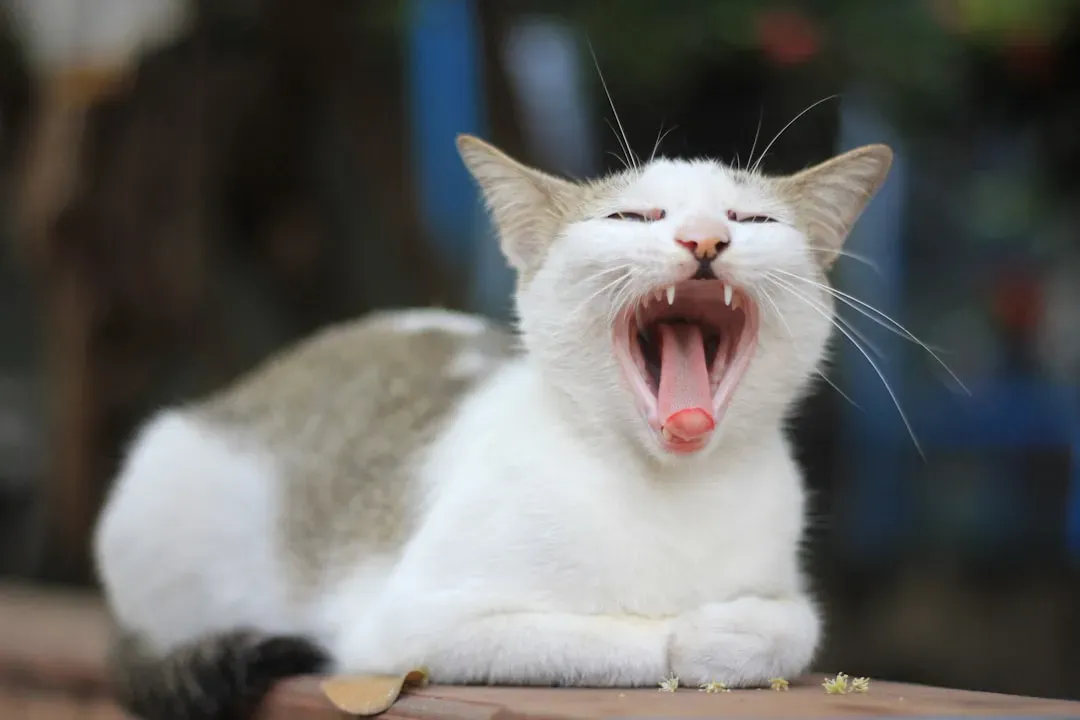
The yowl is hard to miss. It’s loud, long, and genuinely unsettling to hear, especially in the middle of the night. Unlike a meow, a yowl carries a weight to it that’s hard to ignore. Yowling and howling are signs that a cat is in distress. This may be physical distress from pain or illness, or emotional distress from worry, frustration, boredom, or confinement. If your cat is yowling regularly, that’s not something to brush off.
Elderly cats may yowl if they suffer from cognitive dysfunction syndrome, or dementia. If a cat yowls when the family is away from home, they may have separation anxiety. Cats can also become increasingly vocal as they age. Two possible reasons for this are age-related dementia and deteriorating eyesight. It’s hard to say for sure what’s triggering every yowl without looking at the full picture, but if it’s a new or escalating behavior, a vet visit is absolutely the right call.
Conclusion: Your Cat Has More to Say Than You Think
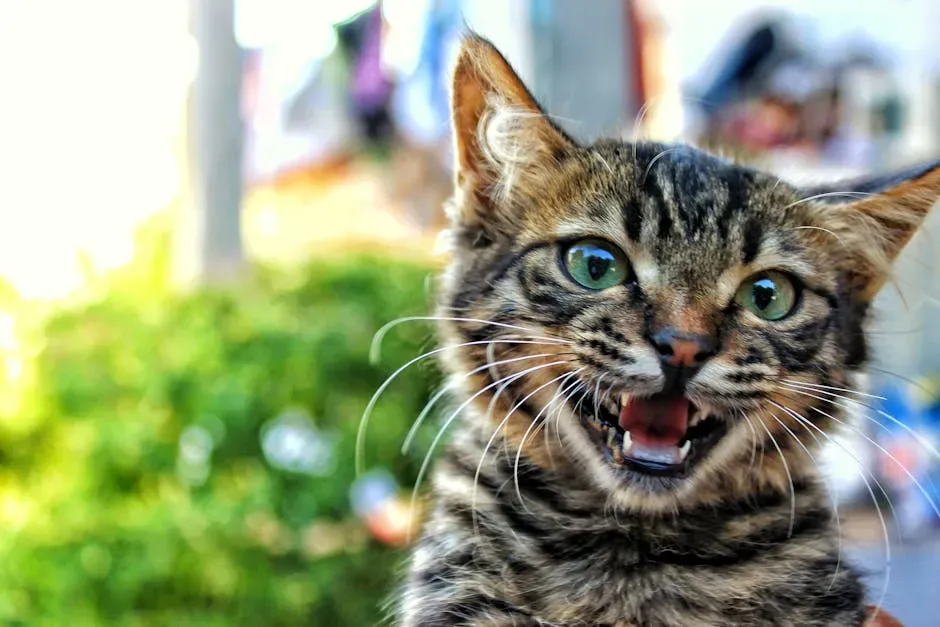
Once you start really listening to your cat, everything changes. Those random sounds stop feeling random. The trill near the food bowl, the chirp at the window, the low grumble during a petting session – each one is a window into exactly how your cat is feeling in that moment. You can better understand your furry friend by paying attention to their vocalizations, body postures and daily routines. In time, you may become so attuned to your kitty’s personality and habits that you’re able to detect subtle changes in their mood and even recognize health problems before physical signs of illness appear.
Depending on the situation, your cat is capable of making many distinct utterances, with multiple nuanced variations of each, according to importance. Some reflect contentment and ease, while others expose worry, fear, or even anger. All, though, are indicative of your cat’s emotional state of mind. You share your home with a genuinely communicative creature who is constantly reaching out. The only question is whether you’re listening closely enough to hear what they’re saying.
What sound does your cat make most often, and have you ever decoded what it really means? Tell us in the comments.
Kristina is a young writer from India. An arts graduate and an avid content creator, Kristina is passionate about animals and wildlife. She enjoys exploring topics related to pet care, animal behavior, conservation, and nature, combining thorough research with engaging storytelling.