You probably never thought that the most powerful health tool in your life would weigh about ten pounds, nap for sixteen hours a day, and occasionally knock your water glass off the table just to watch it fall. Yet here we are. Cats have been quietly doing something remarkable for their owners for thousands of years, and science is finally catching up with what cat lovers have known all along.
If you’re over 45, your body and mind are navigating a whole new chapter. Stress climbs, blood pressure creeps up, sleep gets a little shaky, and sometimes the house just feels a little too quiet. What if a purring companion curled up on your lap was genuinely helping you live better, longer, and healthier? Let’s dive in.
1. Your Heart Gets a Powerful, Furry Ally
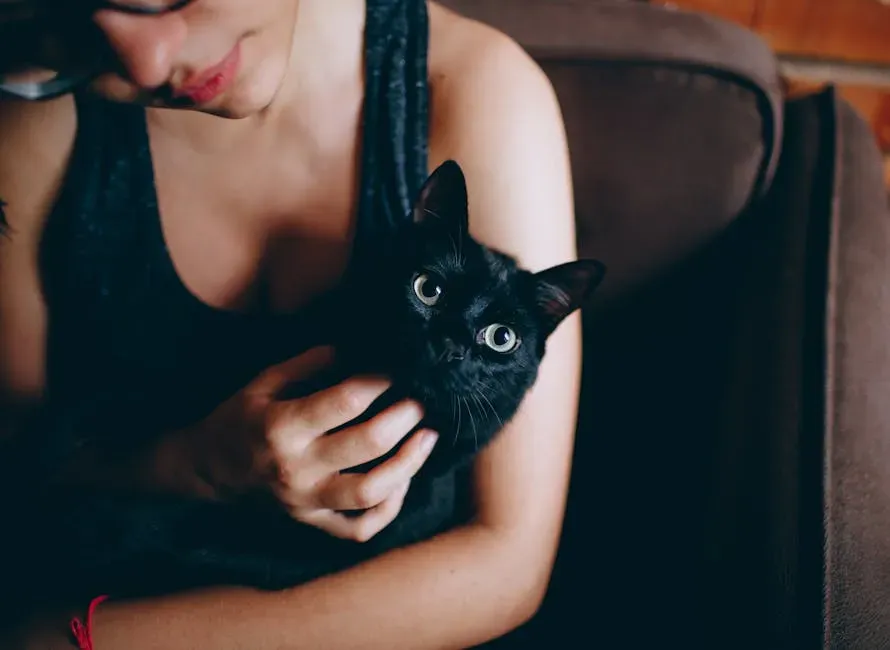
Here’s something that might genuinely stop you in your tracks: cat owners have been reported to carry a lower risk for heart disease and stroke. That’s not just a nice story people tell at dinner parties. There’s real science behind it. There’s scientific evidence behind the calming effect cats have on our hearts, and cats have been proven to reduce the risk of cardiovascular diseases by lowering heart rate and blood pressure.
Think about what that means for you after 45, when cardiovascular health becomes one of your most important priorities. The presence of a cat at home has a positive effect on your heart and reduces the risk of strokes and heart attacks. It’s a bit like having a living, breathing, purring stress-management device installed permanently in your living room.
2. That Purr Is Doing More Than You Think
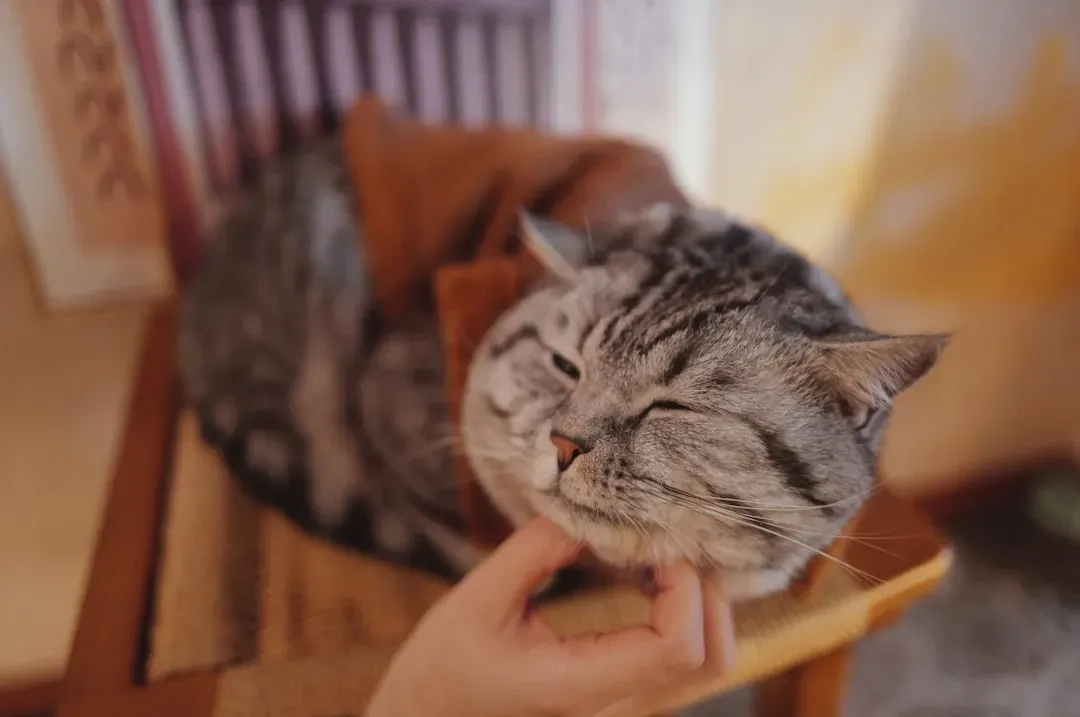
Honestly, this is the one that blew my mind when I first read about it. A cat’s purrs can be healing. The frequency of their purring falls between 25 and 150 Hertz, the same range as vibrational and electrical frequencies that are used in clinical settings to treat pain and injuries. That gentle rumble you feel when your cat curls up on your chest isn’t just cozy. It’s actually therapeutic.
The frequency of a cat’s purr is the exact frequency needed for bone growth. According to studies, a frequency of 25 to 50 hertz can improve bone density, build bone strength, support wound and fracture healing, and stimulate bone fracture repair. For anyone over 45 who is thinking about bone density and joint health, that’s remarkable. It can also provide pain relief and help manage breathlessness and inflammation.
3. Stress Melts Away Faster Than You’d Expect
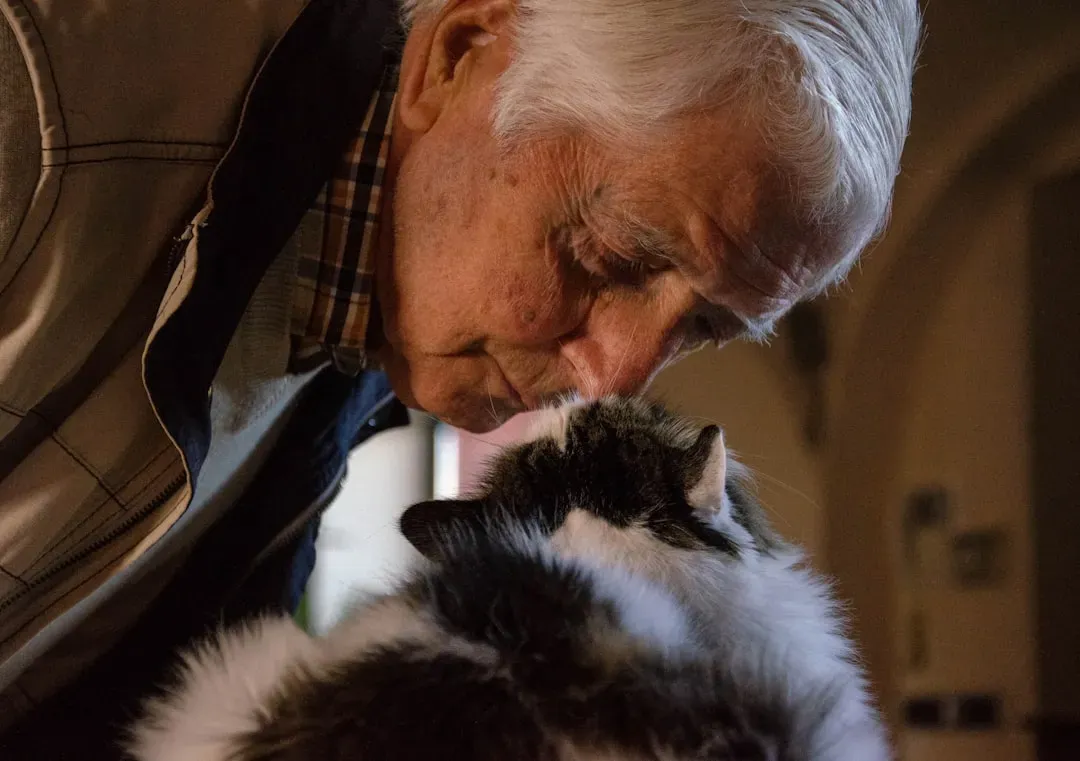
Interacting with cats triggers the release of hormones in humans such as serotonin, dopamine and oxytocin. These are often associated with good, positive feelings. Oxytocin in particular has been recognized for its role in bonding and stress relief, as well as its physiological effects such as decreased heart rate and slowed breathing. Your brain is literally rewired toward calm just by spending time with your cat.
Petting cats can reduce stress. In a study, college students who spent as little as 10 minutes per day petting a cat experienced decreased levels of cortisol, the hormone associated with stress. If ten minutes of petting a cat can do that for a stressed-out college student, imagine what a daily habit of quality feline time can do for you. Cat owners were more likely than dog owners to say their pets offer companionship, provide a calming presence and help reduce stress and anxiety.
4. Your Brain Stays Sharper for Longer

This one is particularly exciting, especially as cognitive health becomes a growing priority for people in their mid-forties and beyond. Dog and cat ownership was associated with slower cognitive decline compared to no pet ownership. These findings suggest that dog and cat ownership might act as a protective factor aiding to slow down cognitive decline. That’s not a minor footnote. That’s a genuinely significant finding from longitudinal research.
One study looked at data from almost 8,000 adults in the English Longitudinal Study of Ageing. They found that pet owners typically had slower rates of decline in some areas of cognitive function, like verbal cognition, verbal memory, and verbal fluency. Additionally, cat owners showed less decline in memory and language functioning specifically, which are often among the earliest areas to show wear. That’s worth sitting with for a moment.
5. Loneliness Becomes a Smaller Problem
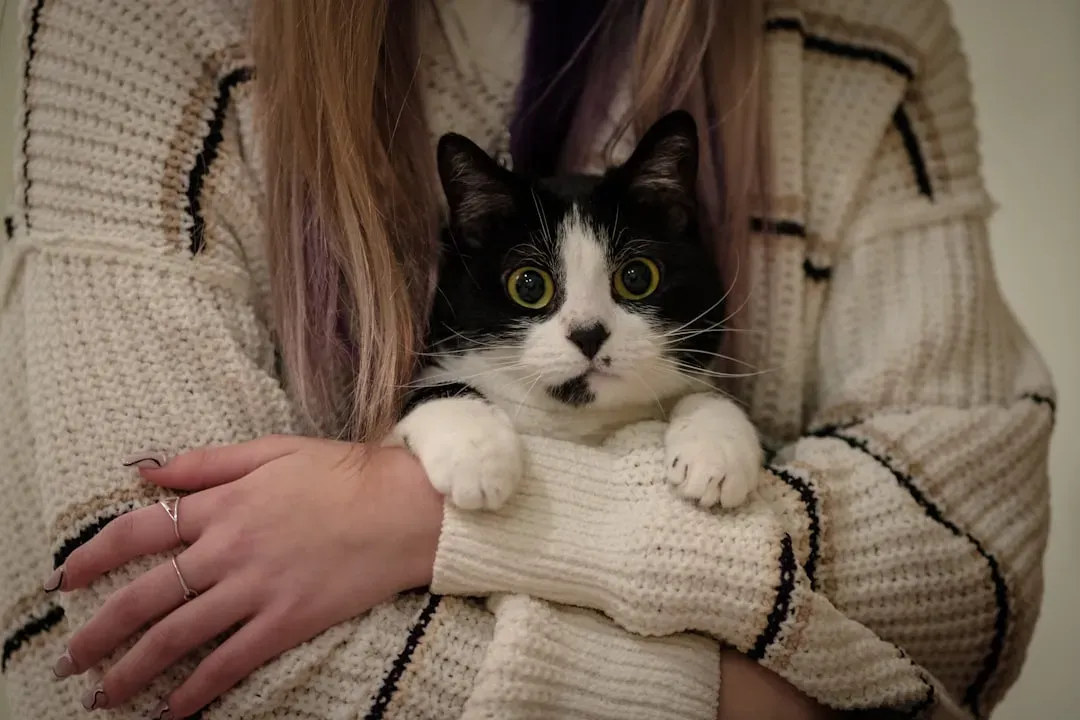
Loneliness after 45 is more common than most people admit. Children grow up and move away, friendships shift, routines change. It creeps in quietly, and the health impacts are real. Cats are exceptional companions, particularly for individuals living alone or going through challenging times. Owning a cat offers companionship that reduces feelings of loneliness.
A study that examined the effects pets have on adults who live alone found that pet owners were 36% less likely than non-pet owners to report loneliness. Thirty-six percent is not a rounding error. That’s a substantial difference, and it makes sense when you think about it. Cats possess a unique ability to sense when their owners need comfort and support, providing a listening ear or a gentle paw to hold. You know that feeling. It’s unmistakable.
6. Your Mental Health Gets Daily, Gentle Support
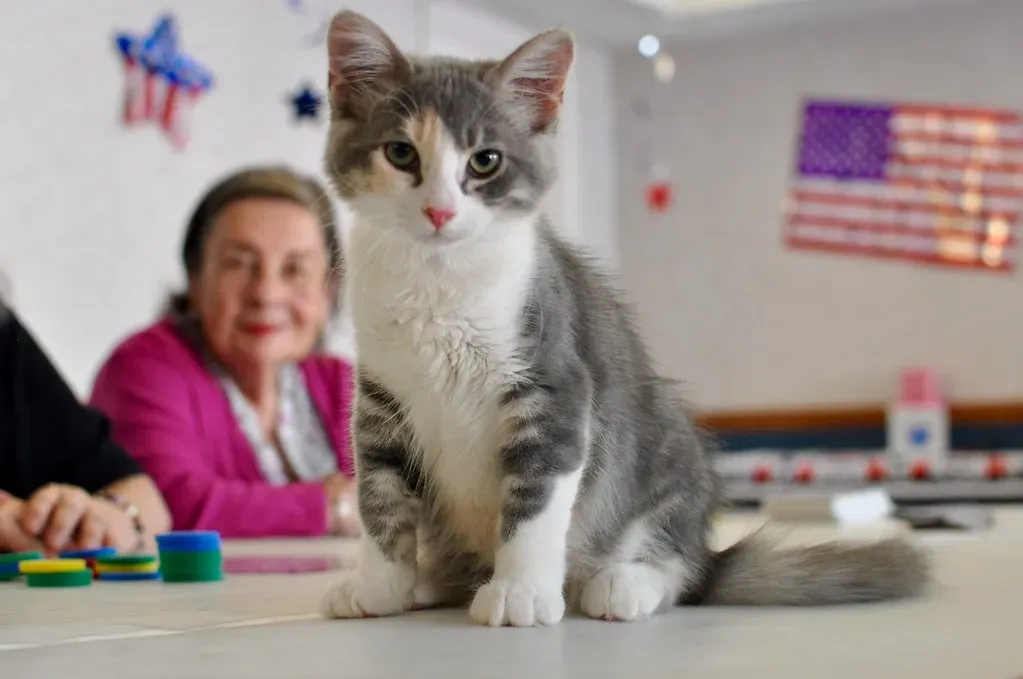
Cats can provide companionship, support, and unconditional love, which can benefit people with mental health conditions. Beyond providing emotional support during challenging times, cats play a significant role in promoting psychological well-being. For individuals experiencing stress, anxiety, depression, loneliness, or even autism, the presence of a cat can offer comfort and security.
Cat ownership is associated with lower levels of depressive symptoms and improved mood. In addition, cat owners have been found to laugh more frequently and spontaneously than non-owners, particularly in response to something their cat has done. Let’s be real. Has your cat ever done something so absurd that you burst out laughing at exactly the moment you needed it most? The calming presence of a cat has been found to help people manage a mental health challenge. The routine and care associated with cat ownership can help instill a stronger sense of identity and provide purpose.
7. You Discover a New Sense of Purpose and Routine
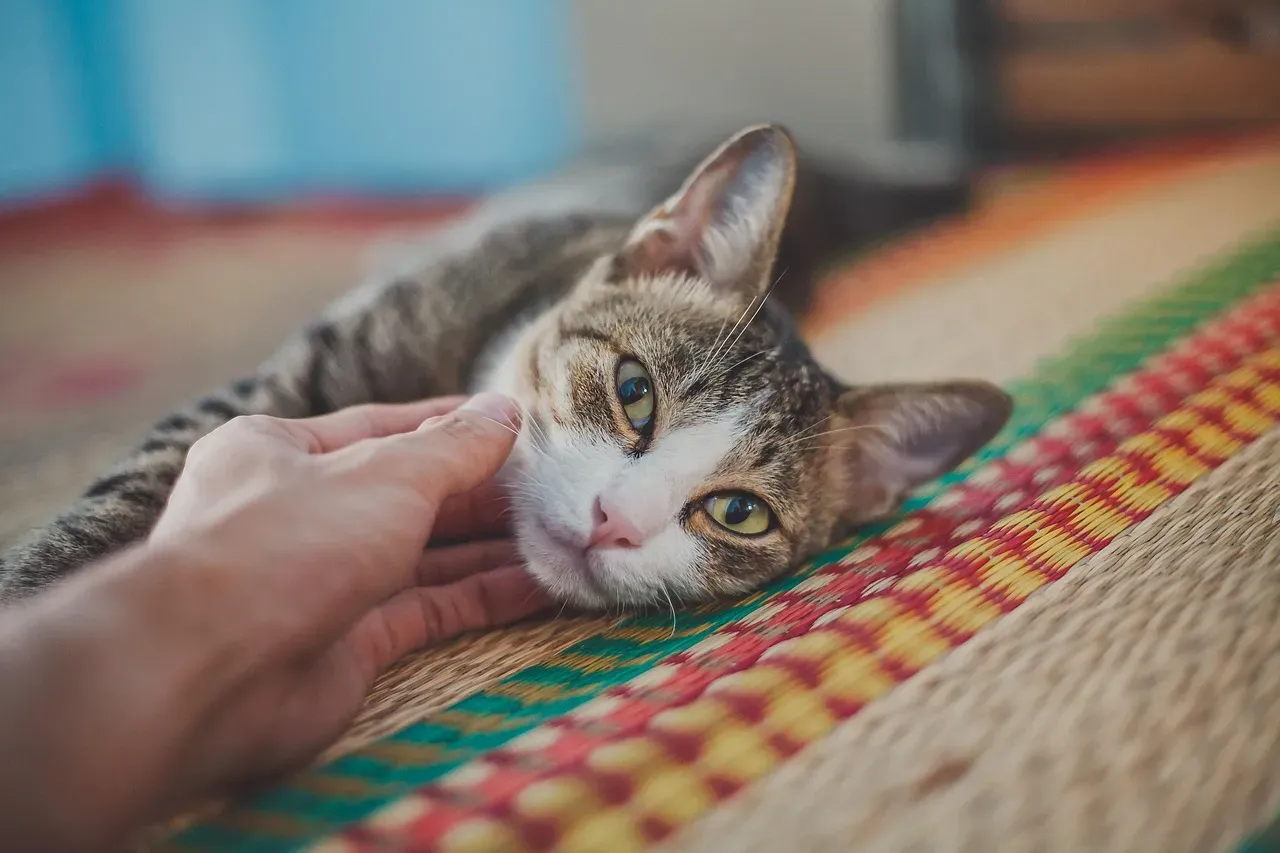
Something shifts after 45 for many people. Career milestones change, kids leave home, the daily structure loosens up. That loss of routine is more consequential than people realize. The responsibility of owning a pet can seem overwhelming, but it is a great way to add structure to your daily routine. Feeding schedules, playtime, grooming. These small, consistent acts build a dependable rhythm to each day.
Pets need us, and it’s good to feel needed. That’s not a small thing. Particularly in the years when children no longer depend on you and retirement may be on the horizon, having a living creature count on you for its wellbeing is genuinely grounding. Companion pets make seniors feel needed, provide them with a companion, and give them someone to care for. It’s a quiet but powerful shift in daily life perspective.
8. Your Immune System Gets a Quiet Boost
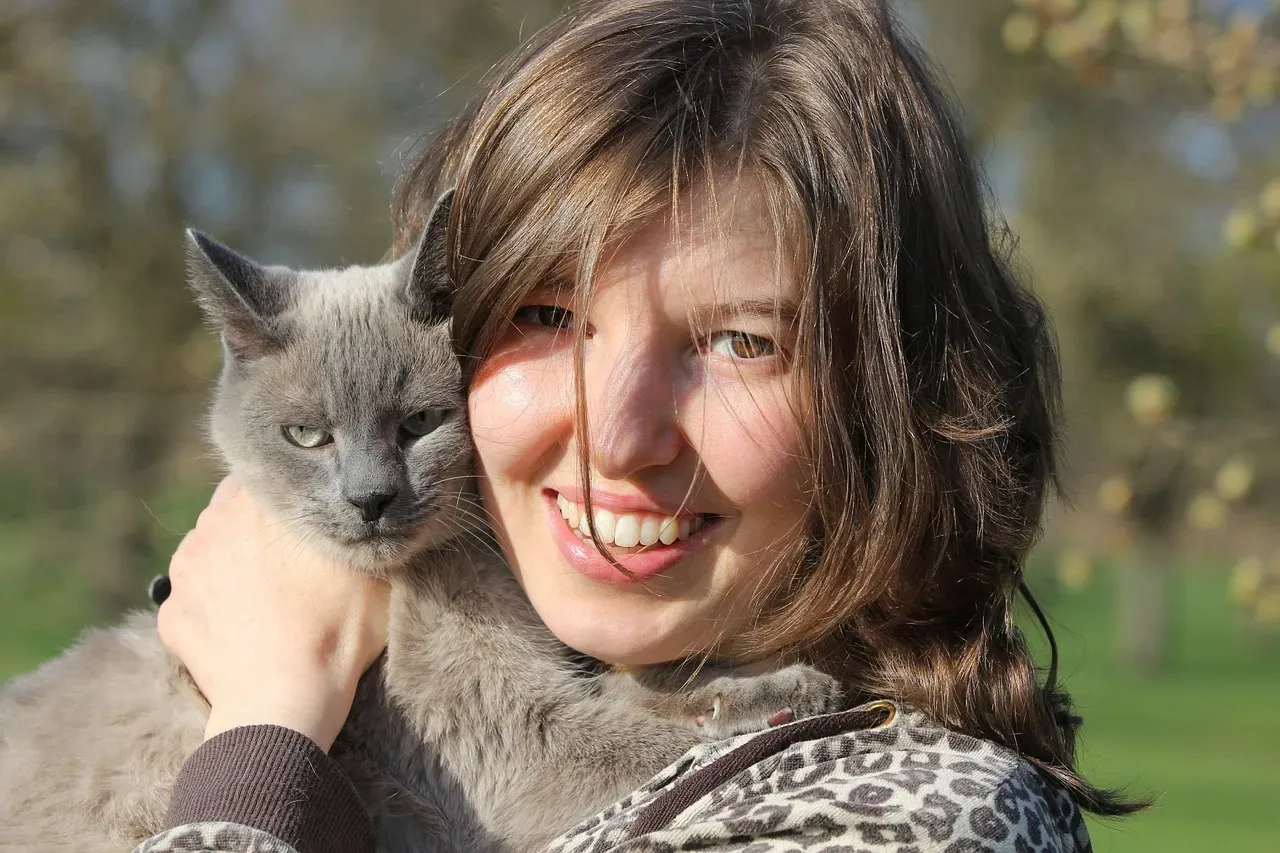
You might assume that living with an animal increases your exposure to illness. In many cases, the opposite is true. The physical health benefits of owning a cat can indirectly improve emotional well-being. Studies have shown that cat ownership can lead to lower blood pressure, reduced risk of heart disease, and improved immunity. Your immune system and your stress levels are deeply intertwined, and lowering one almost always improves the other.
These factors can improve health by decreasing stress, increasing sleep quality, reducing blood pressure, and possibly improving one’s immune system functioning. Think of it this way. When you’re chronically stressed, your immune system operates at reduced capacity. It’s a bit like trying to run your home’s security system during a power outage. Cats help keep the lights on. Studies show that interacting with pets can lower blood pressure, reduce stress, and increase the release of oxytocin, the “feel-good” hormone. The simple act of petting a furry friend can create a calming effect, helping to improve mood and even boost the immune system.
9. Social Connection Expands in Unexpected Ways
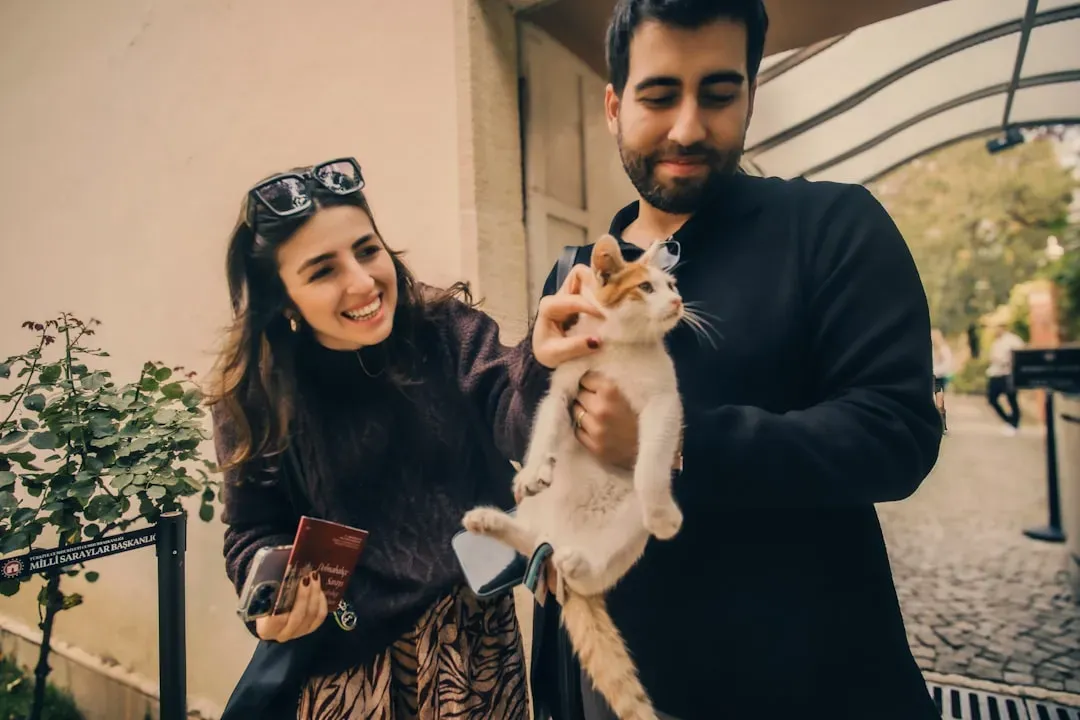
Here’s something people don’t talk about enough. Cats are social catalysts. Cats can serve as a conversation starter and create opportunities for socialization. Neighbors or visitors may be more inclined to engage in friendly chats when they see a cute feline friend nearby. Joining local cat clubs or participating in online communities for cat lovers can also help people connect with like-minded individuals and forge new friendships.
This cross-species bonding may benefit our human-to-human relationships. For cat lovers, their cat can be part of their social network, and when someone makes us feel good and connected, it builds up our capacity for kindness and generosity toward others. It’s almost counterintuitive that an animal known for its independence could make you more socially connected as a human. A 2022 study revealed that owning a pet was associated with lower levels of social isolation. The science agrees: cats open doors.
10. Your Overall Quality of Life Measurably Improves
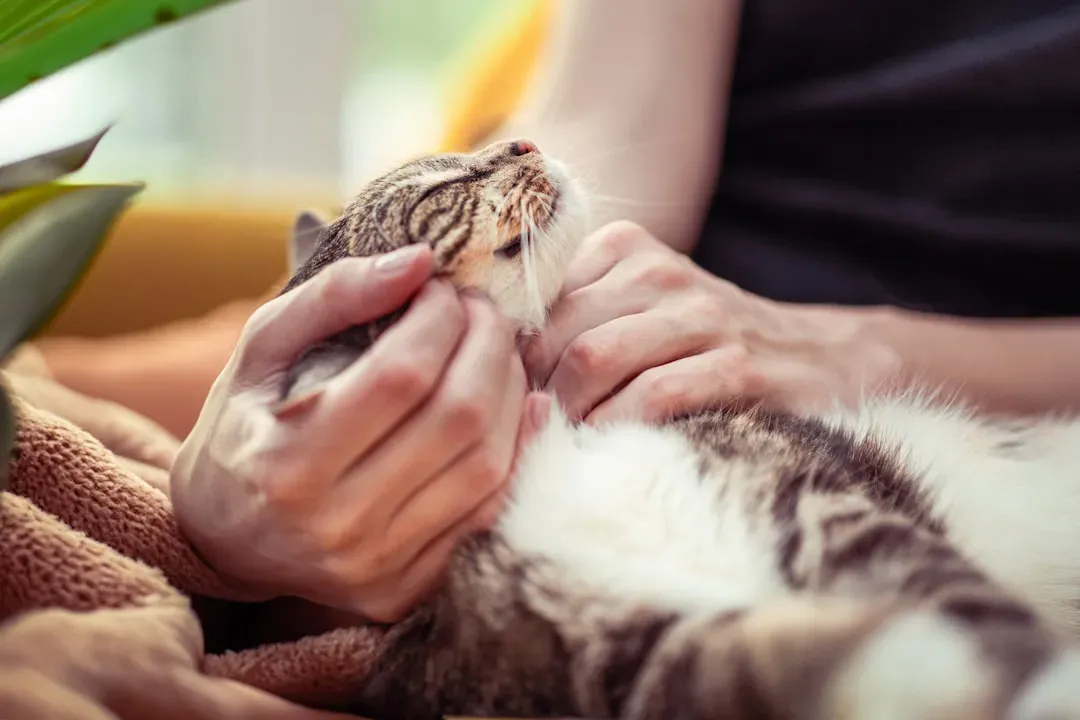
Pet ownership can provide essential social and emotional support for older adults. Older adults who own pets report a reduction in stress and loneliness. They also experience an increase in activity and overall quality of life. It’s hard to put a price on a measurably better life, but the research does it for us. The data is consistent and, honestly, a little humbling.
In a study of 448 people completed during the lockdowns of the COVID-19 pandemic, study participants completed online surveys that measured their mental health. According to the surveys, pet owners coped better with the isolation of lockdowns than did non-pet owners. People with pets also scored higher on measures of positive emotions and well-being. If pets can carry people through something as difficult as a global pandemic, it’s safe to say that older adults who have strong connections with their pets report lower rates of depression. That’s the kind of everyday miracle a cat quietly provides.
Conclusion
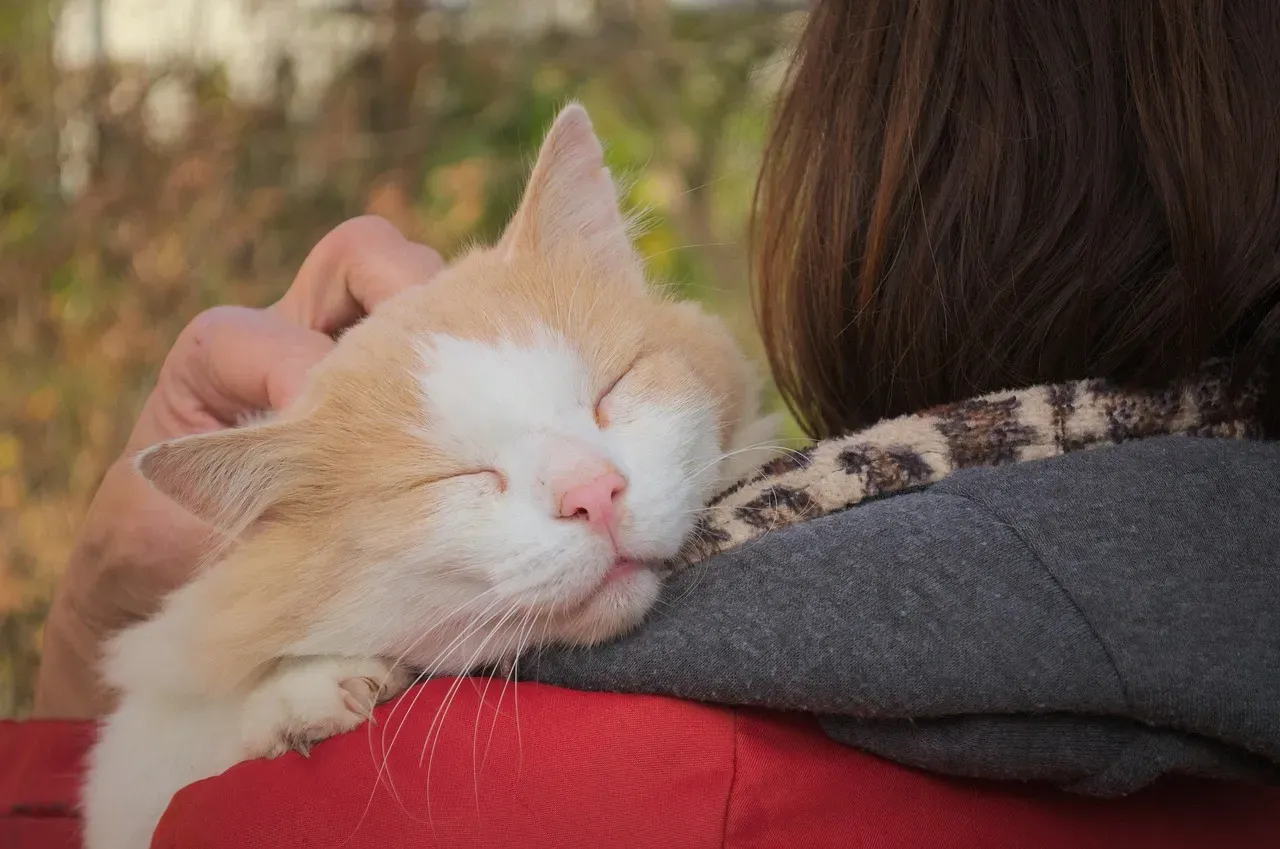
When you add it all up, the case for owning a cat after 45 is genuinely compelling. We’re not talking about a minor lifestyle perk. We’re talking about meaningful improvements to your heart health, your brain, your mood, your immune system, your social life, and your sense of daily purpose, all wrapped up in one fur-covered companion who, on most days, seems completely indifferent to how impressive this all sounds.
The beautiful thing is that cats are low-maintenance by design. Cats are the best companions for seniors because they don’t require as much care as dogs. Cats don’t need to be walked or trained to go outside to satisfy their physiological needs, and they are also pleasant animals with whom you can form a real bond. You get all the benefits without the 6 a.m. park walks in the rain.
So here’s the real question to sit with: if a purring cat curled up on your lap could measurably protect your heart, sharpen your memory, ease your loneliness, and lift your mood, what exactly are you waiting for? What do you think about it? Share your thoughts in the comments.
Kristina is a young writer from India. An arts graduate and an avid content creator, Kristina is passionate about animals and wildlife. She enjoys exploring topics related to pet care, animal behavior, conservation, and nature, combining thorough research with engaging storytelling.