Cats are fascinating creatures. Mysterious, elegant, hilariously unpredictable, and yet deeply sensitive in ways most people never fully appreciate. You love your cat, that much is obvious. You buy the good food, you let them sleep on your pillow even when you swore you wouldn’t, and you spend way too much time watching them stare at a blank wall and wondering what on earth they’re thinking.
Here’s the thing though – even the most devoted cat owners unknowingly do things every single day that leave their cats genuinely confused, anxious, or stressed. Some of these habits seem completely harmless on the surface. A few might even feel like affection. The reality is a bit more complicated, and honestly, quite eye-opening. Get comfortable, because what you’re about to discover might completely change the way you relate to your feline companion. Let’s dive in.
1. Being Inconsistent With Rules and Boundaries
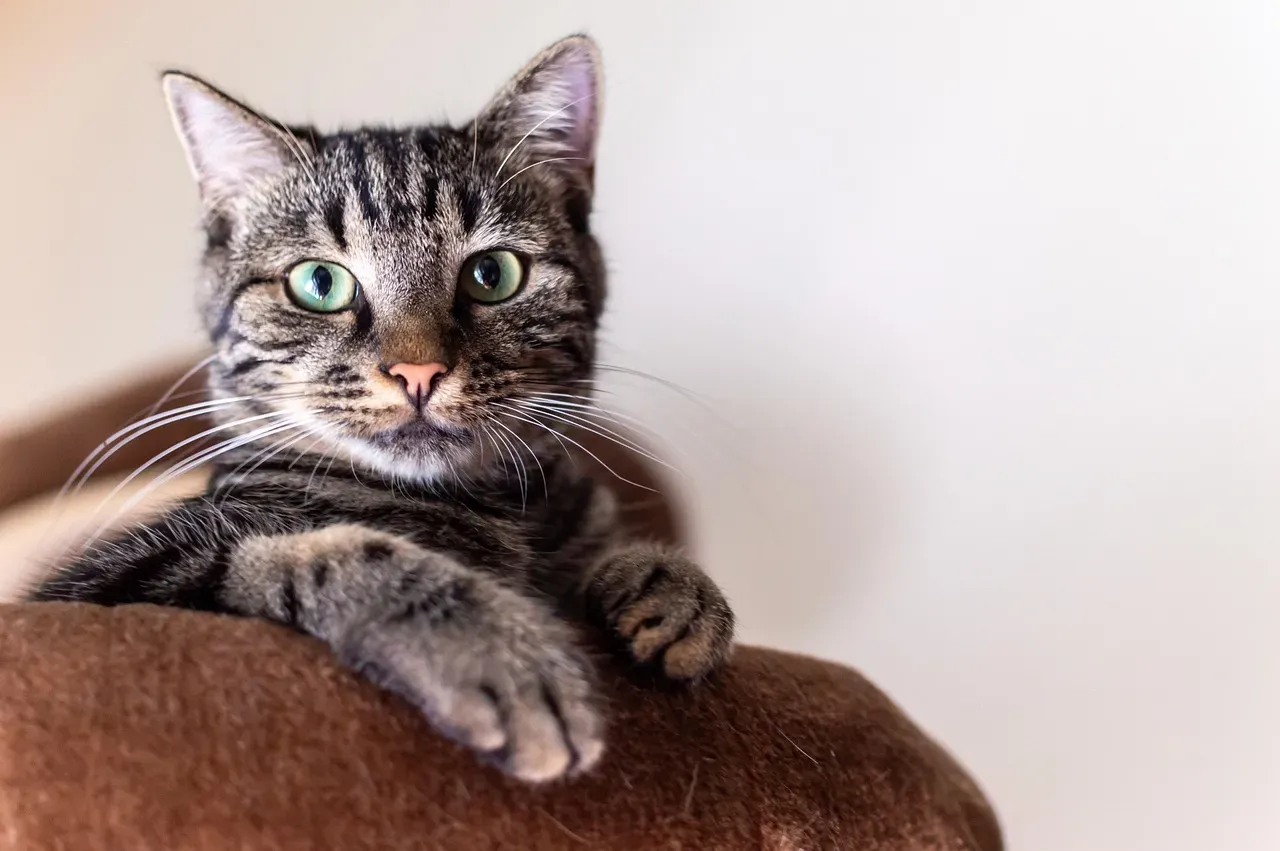
One day you let your cat jump on the kitchen counter, the next day you shoo them away with a loud clap. Sound familiar? As cat owners, we tend to send out confusing signals that stress our cats out, reacting inconsistently to the same action while at other times improvising different rules. Such inconsistent behavior can lead a cat to a disorientation of safety. Think of it from your cat’s perspective. Imagine your boss praising you for something on Monday and then scolding you for the exact same thing on Friday. You’d be a nervous wreck.
Like many other animals, cats are creatures of dependence, strongly clinging to their habits and finding it soothing to repeat actions, which gives them a sense of assurance about their surroundings. When you flip the rules around without warning, you essentially pull the rug out from under them. Decide on clear, consistent boundaries and stick to them. Your cat will not only feel safer, they’ll actually be calmer and better behaved over time.
2. Forcing Physical Contact Before Your Cat Is Ready
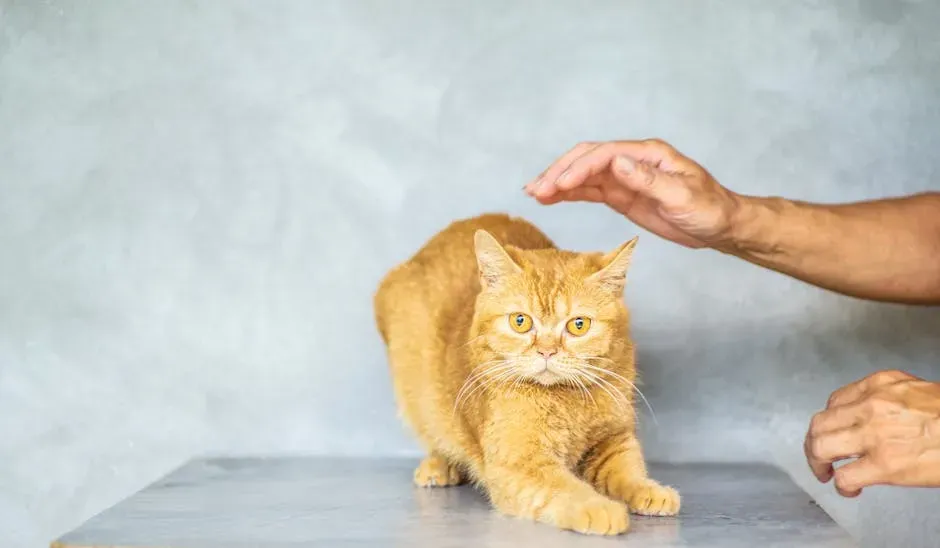
This one might sting a little, especially if you’re someone who just can’t resist scooping up your cat the moment you walk through the door. A critical error many owners make involves forcing contact rather than allowing cats to initiate or control interactions, approaching their cats and immediately beginning petting or handling them without waiting for signs that the cat is receptive. This approach violates cats’ fundamental need for personal space and control over social interactions. Honestly, it’s a bit like someone hugging you before you’ve even had your morning coffee. Nobody wants that.
Cats are naturally cautious animals that prefer to assess situations before engaging. When humans bypass this natural process and force interaction, it creates stress and can lead to avoidance behaviors or defensive responses from the cat. The fix is surprisingly simple. Successful cat interactions begin with allowing the cat to make the first move. Rather than immediately reaching for your cat, extend your hand and let them approach and sniff first. This simple gesture respects their need to assess the situation and gives them control over the interaction.
3. Keeping an Inconsistent Feeding Schedule

Here’s a mistake that seems trivial but has a much bigger impact than most people realize. Feeding your cat whenever it fits into the day can confuse them. A little extra food here, inconsistent timing there, and suddenly your cat’s routine feels chaotic. Cats aren’t just hungry when they meow at you at 6 AM. They’re actually working off an internal clock, and when you disrupt it, the confusion bleeds into the rest of their day.
Cats associate food with trust. When feeding feels unpredictable or stressful, it can affect bonding. A clear, calm routine often leads to a more relaxed and confident cat. Try to avoid leaving food out all day for your feline to graze on, as this can lead to weight gain. Instead, set a daily feeding schedule and leave food dishes out for just 30 to 45 minutes. Structure isn’t restrictive – for a cat, it’s genuinely comforting.
4. Using Punishment Instead of Redirection

Yelling at your cat, spraying them with water, or making sudden scary noises to stop bad behavior might seem like an effective quick fix. Spoiler alert: it isn’t. Wanting more contact than your cat is comfortable with, or being inconsistent in how you behave toward your cat, can damage the relationship between a cat and their owner. The cat may view their owner as unpredictable and choose to avoid them, or even act defensively by scratching or biting. Punishment doesn’t teach your cat what you want them to do. It just teaches them to be afraid of you.
Many of us have varied responses whenever cats decide to scratch furniture, sometimes brushing it off and other times reprimanding them by attempting to stop them with hand clapping. This naturally causes confusion within cats about whether scratching is appropriate or not. In reality, they are simply acting upon their instincts, which makes our mixed reactions all the more frustrating for them. A better approach? Provide a scratching mat or item that cats can use to scratch when they have the impulse to do so, often placed near the furniture they tend to scratch. When they use the post, praise them to make this a more habitual behavior.
5. Ignoring the Importance of a Clean Litter Box
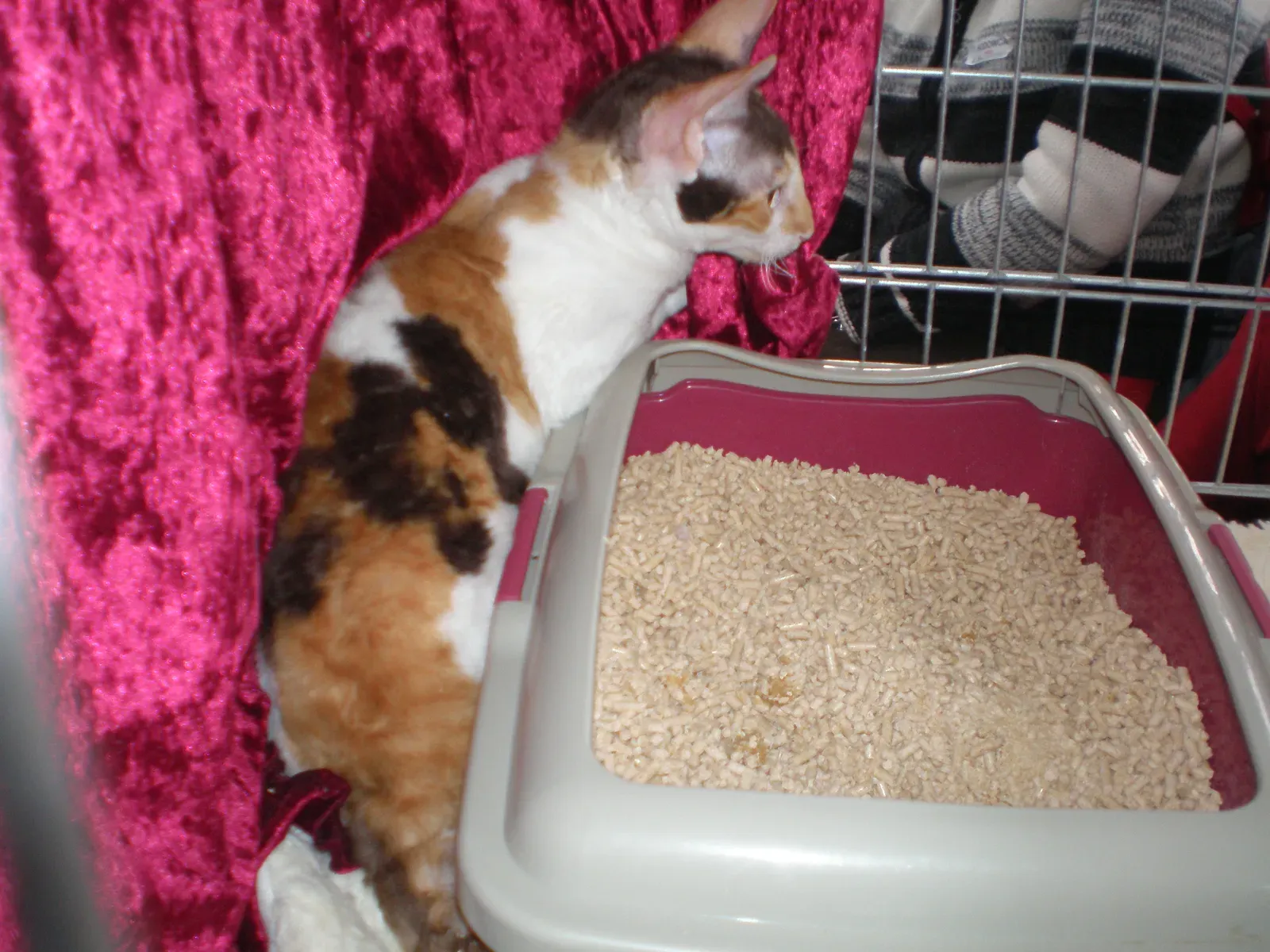
You might think scooping the litter box every couple of days is perfectly fine. Your cat would like a word. Cats are fastidiously clean and prefer a clean litter tray in a quiet place. Most cats do not like to share. When you neglect litter box hygiene, you’re essentially asking your cat to use a porta-potty that hasn’t been serviced in days. Not exactly welcoming, is it?
Your cat might avoid their water bowl if it’s dirty, causing them to drink less water and become dehydrated. A dirty litter box might also cause your cat to eliminate outside their designated bathroom. This can lead to stress and dangerous conditions like cystitis. Cats are very clean animals, and they appreciate a clean area for their waste. Cleaning the litter box once a month is simply not enough to keep your cat happy and healthy. You should check the litter box at least once a day and keep it clean and fresh. When your cat starts going outside the box, the first suspect should always be hygiene, not attitude.
6. Misreading Stress Signals as “Quirky” Behavior
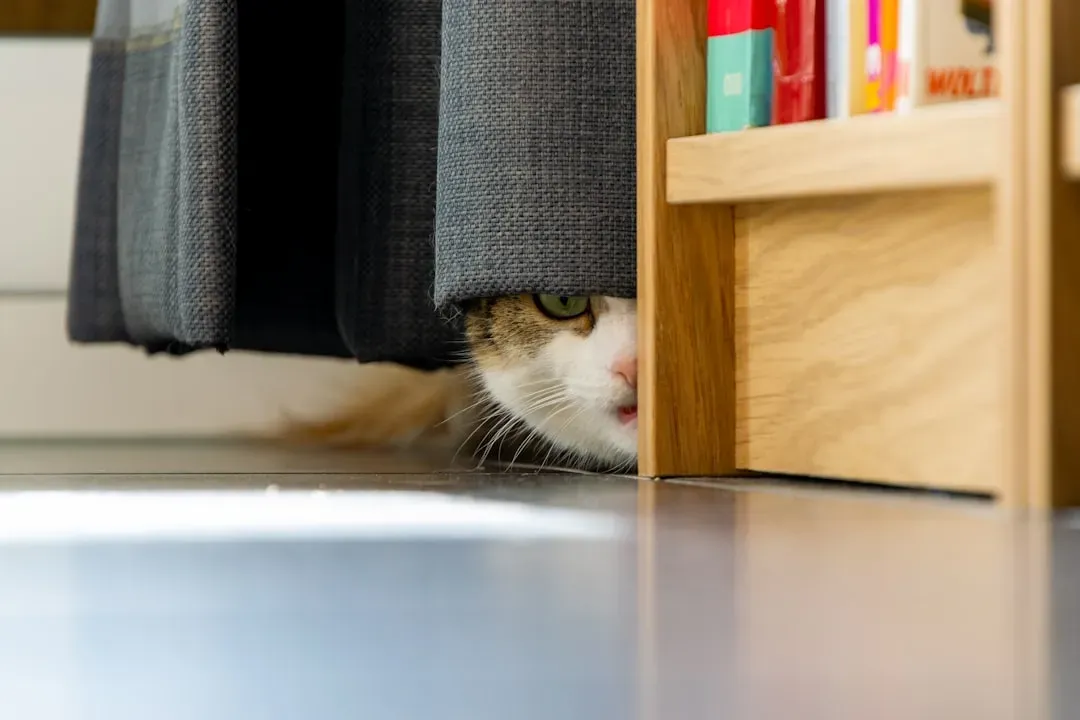
This is probably the most widespread mistake cat owners make, and it’s easy to understand why. Cats are masters of subtlety. The truth is, cats are masters at hiding their discomfort. Unlike dogs who might whimper or seek comfort, cats often express stress through subtle changes that we’ve learned to accept as part of their mysterious nature. You might notice your cat hiding more often, grooming excessively, or suddenly acting out, and chalk it all up to “that’s just how cats are.”
Stressed cats seek out dark, enclosed spaces where they feel protected. While occasional hiding is normal, especially during loud events or with strangers present, constant withdrawal from family life indicates your cat feels overwhelmed. Cats are creatures of habit, and disruptions to their routine can manifest as appetite changes long before you notice other signs of distress. I think this is where most well-meaning cat owners drop the ball, not because they don’t care, but because they simply don’t know what to look for. Learning your cat’s baseline behavior is everything.
7. Providing Too Little Mental and Physical Stimulation
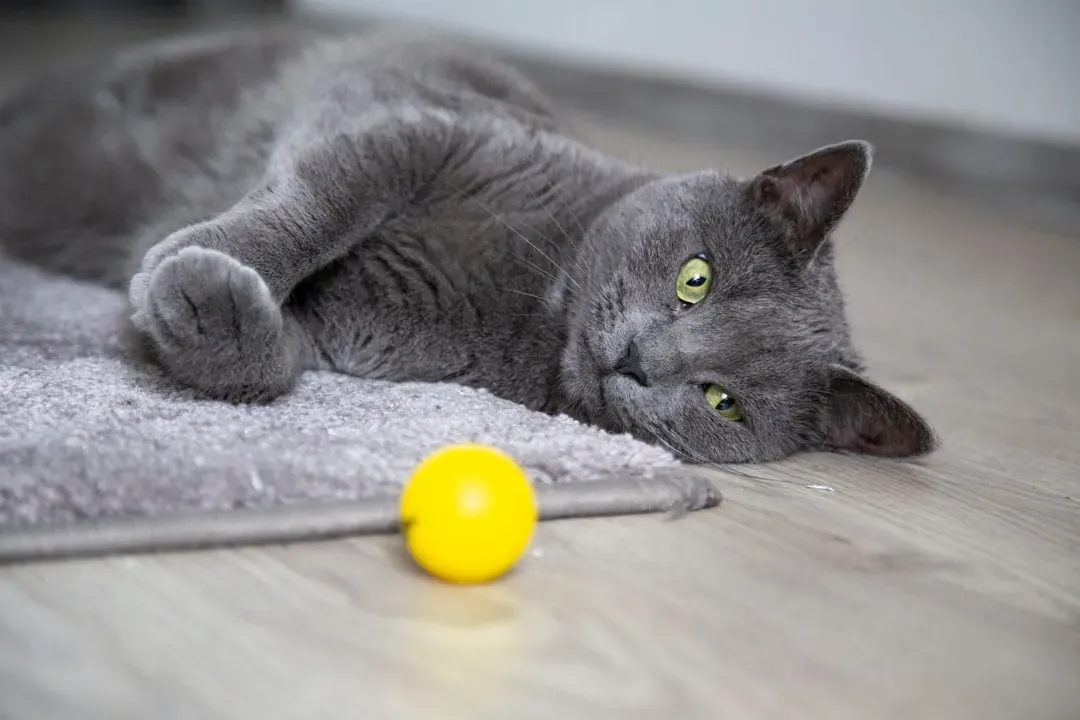
It’s tempting to assume that because your cat sleeps for what feels like roughly two thirds of the day, they must be perfectly content doing very little. Not quite. Even the most docile cat needs plenty of environmental enrichment. A lack of stimulation is a mistake many cat owners make without even realizing it. Not only can bored cats become aggressive and destructive, but boredom can cause other serious issues too. A bored cat is like a brilliant mind with nothing to do. Chaos tends to follow.
Your cat may start overgrooming, which can lead to skin conditions, or become increasingly stressed and depressed. The remedy doesn’t have to be complicated or expensive. Make a point to play with your cat multiple times every day, aiming for 10 to 15 minutes per session. Creating vertical space and setting up multiple cat trees throughout your home gives your cat opportunities to climb and play. Think of it as giving your cat a job. Something to hunt, stalk, pounce on. Something that keeps their instincts sharp and their spirits lifted.
8. Suddenly Changing Your Cat’s Food Without a Transition Period
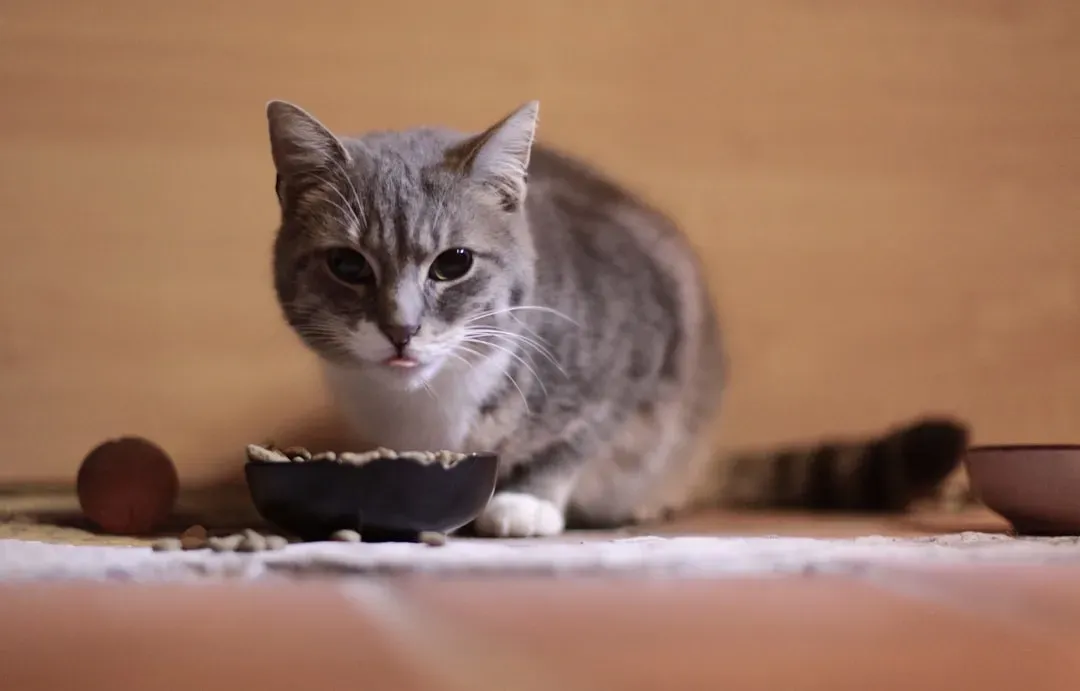
You’ve found a great new food, it’s healthier, better quality, and your cat is going to love it, right? Maybe. But the way you introduce it matters enormously. Cat stomach sickness and diarrhea are common reasons for vet visits, and often the culprit is a sudden change in diet. It’s a common mistake because not all cat owners realize how sensitive cats’ stomachs are to new foods. Switching things up overnight is the dietary equivalent of throwing your cat off a cliff and hoping they land gracefully.
New owners often experiment with different foods early on, trying to find the perfect option. While the intention is good, sudden changes can upset digestion. Slow transitions give cats time to adjust, even if the new food is higher quality. The general rule of thumb is to mix a small amount of the new food with the old and gradually increase the ratio over a period of about one to two weeks. Your cat’s digestive system will thank you. More importantly, you’ll avoid a very unpleasant cleanup situation.
Conclusion: Small Changes, Big Difference
Here’s the beautiful thing about all of this: none of these mistakes are catastrophic, and every single one of them is fixable. You don’t need to be a cat behavior expert to give your feline companion a calmer, less confusing life. You just need a little awareness and a willingness to see things from their perspective.
Cats communicate constantly. They just do it quietly, subtly, and in a language we have to actually learn. The good news is that once you start recognizing these patterns, it becomes almost second nature. Your cat will be less anxious, more affectionate, and, honestly, a lot more fun to live with.
The relationship you have with your cat is built on the small daily choices you make. Consistency, patience, and a clean litter box go a long way. Did any of these mistakes surprise you? Drop your thoughts in the comments – it’s always interesting to hear which ones hit closest to home.
Kristina is a young writer from India. An arts graduate and an avid content creator, Kristina is passionate about animals and wildlife. She enjoys exploring topics related to pet care, animal behavior, conservation, and nature, combining thorough research with engaging storytelling.