You probably scroll past a dozen cat memes every morning without thinking twice. You go about your commute, your meetings, your grocery runs. Then you come home, your cat blinks at you slowly from the couch, and somehow the whole day feels a little lighter. Funny how that works, isn’t it?
There’s more happening in that moment than you’d ever guess. Science has been quietly catching up to what cat owners have known in their guts for decades – that living with a cat changes you, deeply and in ways you can’t always see. The effects are real, measurable, and honestly, a little surprising. Stick around, because some of these might genuinely catch you off guard. Let’s dive in.
1. Their Purr Is Literally Healing You
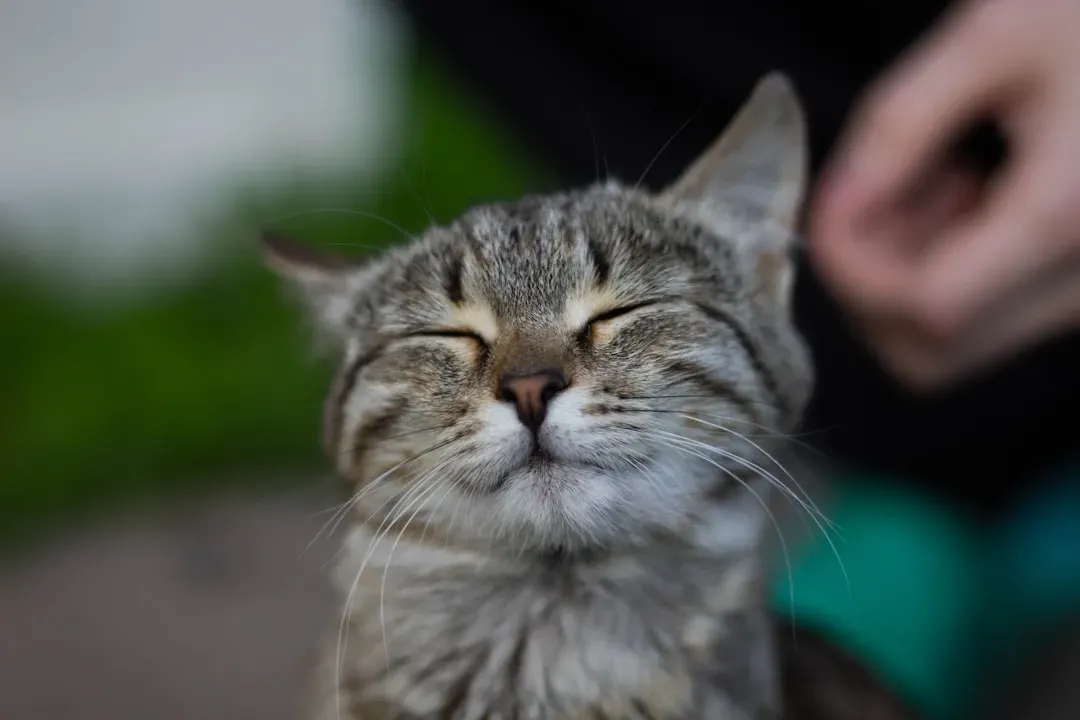
Here’s something that sounds almost too good to be true: your cat’s purr isn’t just a pleasant background noise. A cat purrs within a range of 20 to 140 Hz, which is known to be medically therapeutic for illnesses in humans. Think of it like a tiny, living sound therapy machine curled up on your lap.
A cat’s purr produces vibrations between 20 and 140 Hz, and studies have shown that frequencies in the range of 18 to 35 Hz have a positive effect on joint mobility after an injury. So while you think you’re just watching TV with your cat, your body is essentially receiving a low-frequency wellness treatment. Every single time.
A cat’s purr can not only lower stress, it can also help labored breathing, lower blood pressure, help heal infections, and even heal bones. Honestly, if a wellness spa offered that kind of service, you’d probably pay a fortune for it. Your cat does it for free, usually while shedding on your favorite sweater.
2. You’re Getting a Hormone Boost Every Time You Pet Them
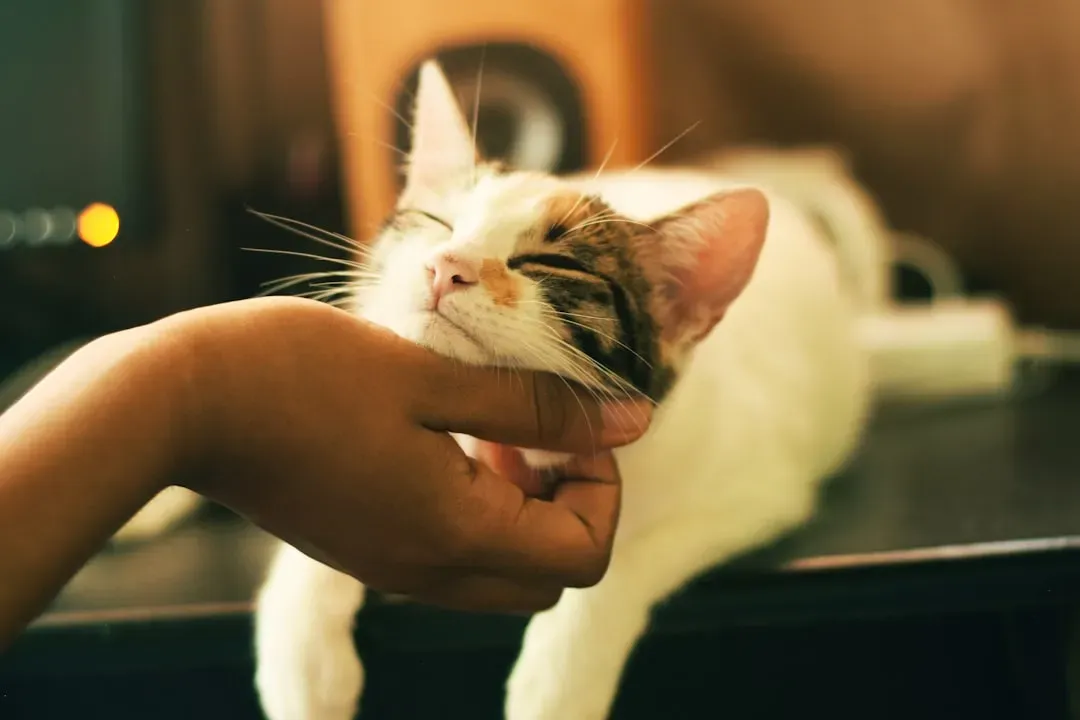
You know that soft, melting feeling you get when your cat climbs into your lap and starts kneading? That’s not just comfort. That’s chemistry. Interacting with cats triggers the release of hormones in humans such as serotonin, dopamine, and oxytocin, which are often associated with good, positive feelings.
Oxytocin in particular has been recognized for its role in bonding and stress relief, as well as its physiological effects such as decreased heart rate and slowed breathing. It’s basically the same bonding hormone that mothers experience with newborns. Your cat is, in the most scientific sense, giving you a chemical hug.
The simple act of petting a cat can activate the release of serotonin and dopamine, neurotransmitters that improve mood and relieve anxiety. Next time someone tells you that you love your cat “too much,” you can confidently explain that you’re simply optimizing your neurochemistry.
3. They’re Actively Lowering Your Stress Levels
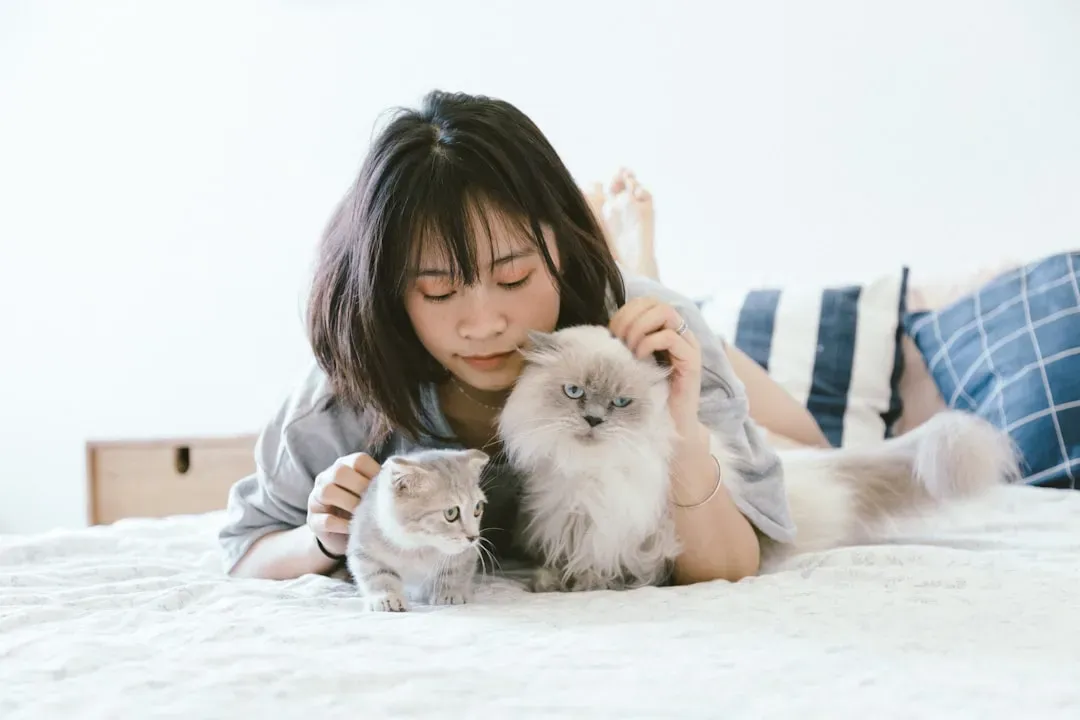
Let’s be real – stress is everywhere right now. Work, finances, the news cycle. It’s a lot. A study that used university students as subjects found that petting cats and dogs for just 10 minutes decreased the amount of cortisol, a stress hormone, in their saliva. Ten minutes. That’s shorter than most meetings that could’ve been emails.
Cortisol, sometimes referred to as a stress hormone, decreases when people spend time with cats. Cortisol, along with high blood pressure, can lead to high cholesterol and hypertension. So your cat isn’t just cheering you up emotionally. They’re quietly intervening in a chain reaction that could affect your long-term health.
Caring for a cat helped people lower levels of stress, better manage their emotions, and even increased their ability to handle difficult life circumstances. That’s an extraordinary return on investment for something that mostly asks you for food and the occasional chin scratch.
4. They Protect Your Heart – Literally
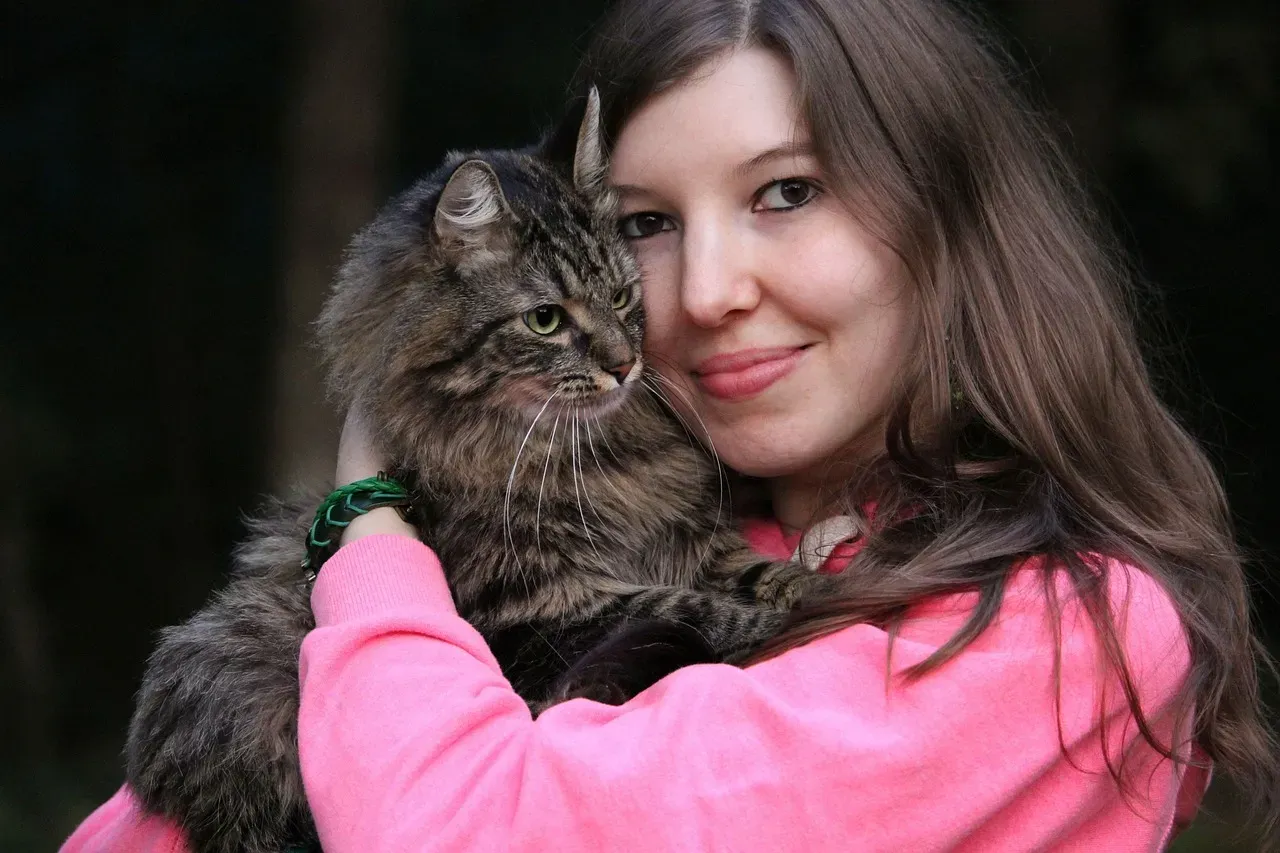
This one genuinely surprised me when I first came across it. Your cat might be one of the best things for your cardiovascular system. Studies have shown that being close to cats relieves stress, which reduces the risk of cardiovascular disease. The time spent with them can reduce the possibility of various heart diseases and stroke by approximately 30 percent. That’s not a small number.
Even spending just 10 minutes interacting with a cat can reduce heart rate and blood pressure, and this positive effect increases if you’ve owned your cat for more than 2 years. So the longer you’ve had your cat, the more your heart is benefiting. The relationship literally gets more protective over time.
5. Your Cat Helps You Sleep Better at Night
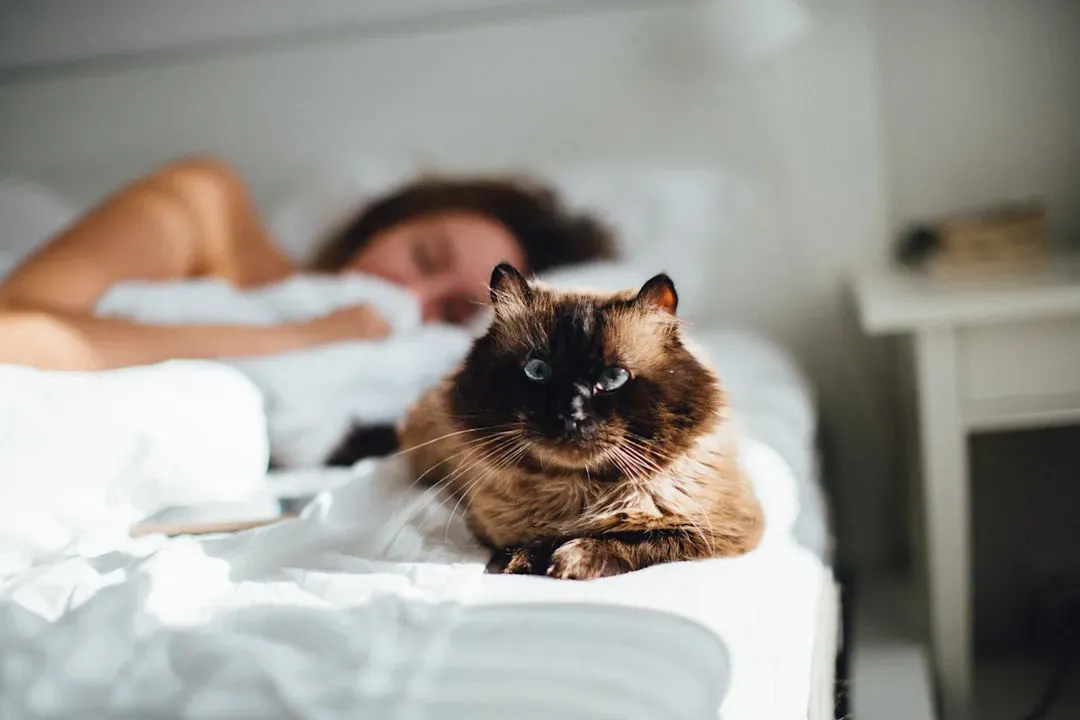
You probably never thought about your cat as a sleep aid. Sleeping with your cat, if both pet and owner are comfortable with it, can enhance restfulness. The rhythmic purring and body warmth of a cat can make falling asleep easier, and better sleep translates into better mood and mental health. It’s a bit like having a warm, purring weighted blanket that occasionally judges your alarm choices.
Studies have shown that having your cat close by results in a better night’s sleep. Owners who allowed their pets to sleep in their bed, or in the same room, said they had an easier time both falling and staying asleep. Cat owners specifically indicated waking fewer times throughout the night and having reduced feelings of restlessness and fatigue. That’s a meaningful difference that ripples out into everything else you do the next day.
6. They Give You a Reason to Get Up Every Morning

On the hard days – and we all have them – motivation can be genuinely elusive. It’s hard to say for sure what makes purpose feel real in the darkest moments, but here’s what research keeps showing: your cat helps. For those struggling with depression, it’s significant. Knowing that your cat relies on you for food and care can reignite motivation.
On those days when life has got you down and you just don’t feel like you can do it, your cat gives you a reason to get up and out of bed. Whether they wake you with a gentle nudge, a persistent meow, or coughing up a hairball in the middle of your bed, your cat won’t let you forget it’s time to get up and fill their bowl. Demanding? Sure. But sometimes that’s exactly what you need.
7. Their Presence Activates Your Brain in Surprising Ways
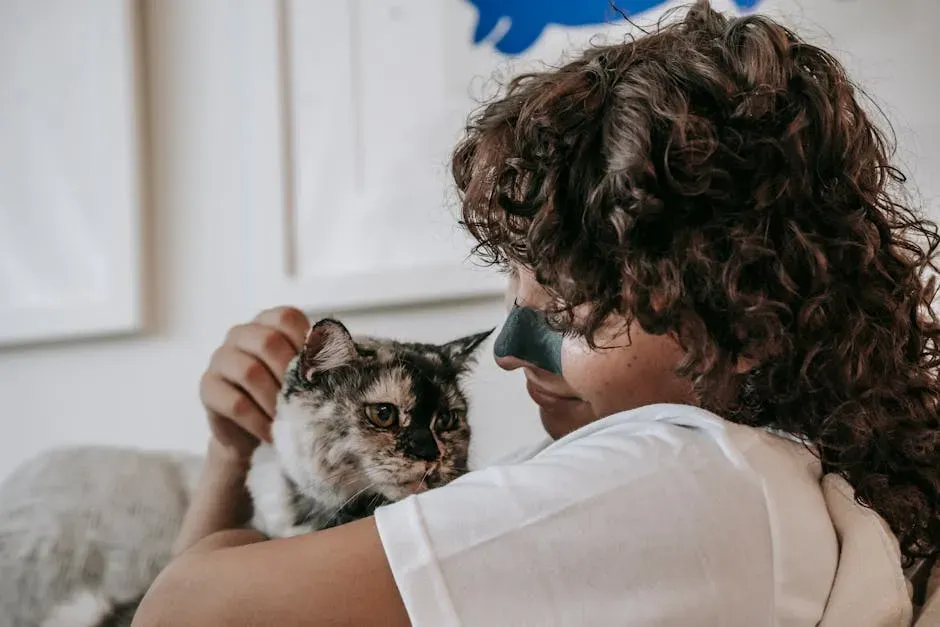
Science has been getting quite specific about what cats actually do to the human brain. Interacting with cats has positive effects on their owners’ brains. It improves mood and activates the prefrontal cortex and inferior frontal gyrus in the brain, contributing to physiological and psychological health. These are regions associated with decision-making, emotional regulation, and social behavior.
Research showed that interactions with a cat significantly activated the prefrontal cortex, regardless of interaction type. That means it doesn’t even matter if you’re just watching them sleep, feeding them, or trying to get them to do a trick they have absolutely zero interest in performing. Your brain is still lighting up. Every. Single. Time.
8. They Quietly Combat Loneliness and Isolation
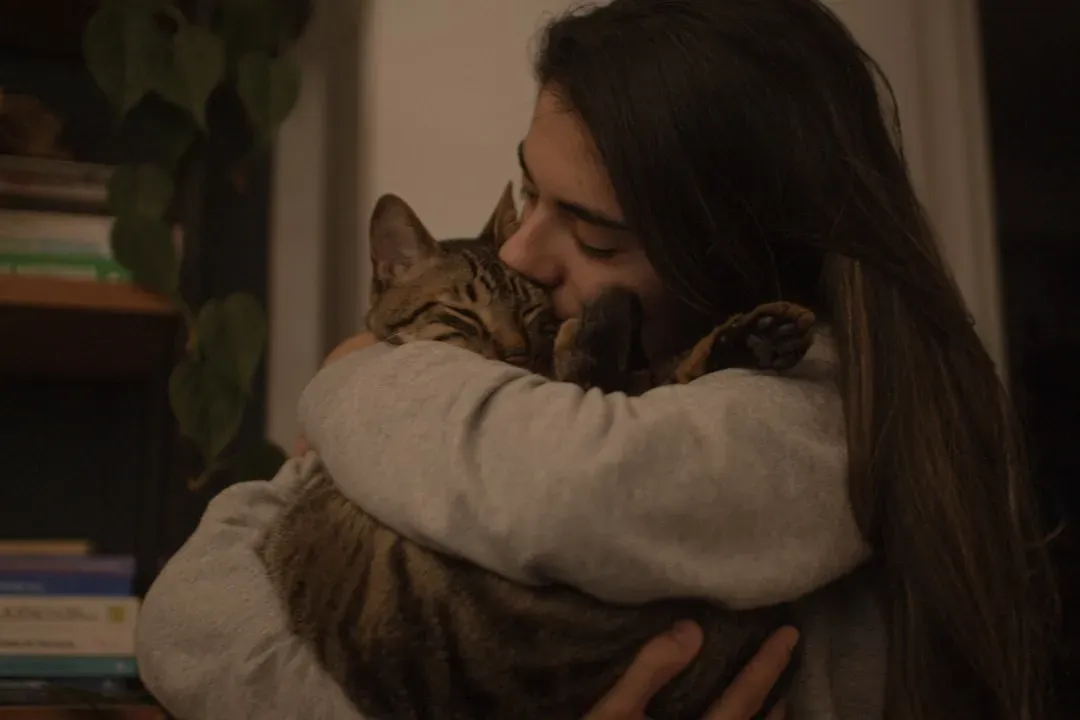
Loneliness is one of the most underrated health crises of our time. It’s not just sad; it’s genuinely damaging. Having a cat can help people with feelings of loneliness and provide purpose. Having an animal react to you, rely on you, and love you in such a simple and pure way can elevate positive mental health.
In one study, people with cats reported experiencing fewer negative emotions and feelings of seclusion than people without cats. In fact, singles with cats were in a bad mood less often than people with a cat and a partner. I know it sounds a little wild, but there you go. Sometimes the cat just gets it in a way people don’t.
The relationship established with a pet is one that offers predictability, encouragement, and positivity, which can be a big help for many that may experience negativity within human relationships. That consistency, day after day, adds up to something enormously grounding.
9. They Make You More Socially Connected to Other People
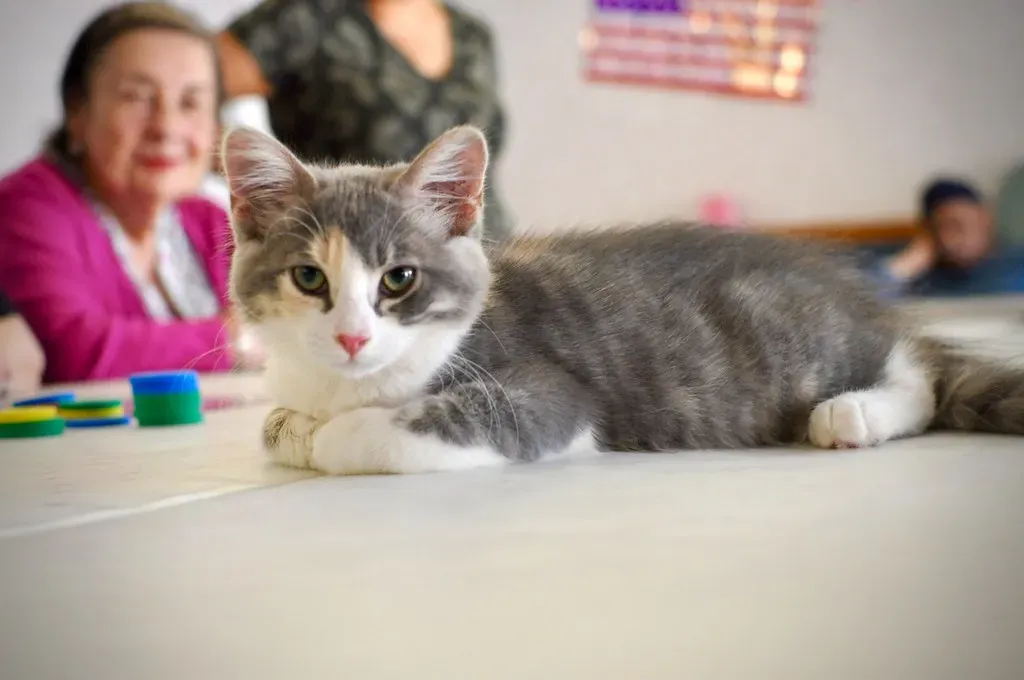
Here’s something nobody talks about enough. Your cat doesn’t just connect you to them – they actually connect you to other humans too. Research has found that cat owners are more socially sensitive, trust other people more, and like other people more than people who don’t own pets. That’s a genuinely remarkable ripple effect.
Cats play the role of a social catalyst – they start conversations and provide common topics with others. Think about how many conversations you’ve had that started with “Oh, you have a cat too?” or how many friendships you’ve deepened over shared cat photos. Whether it’s sharing photos online or discussing cats with friends or neighbors, pet ownership opens the door to conversations. Feeling part of a community, even a digital one, reduces isolation.
10. They Build Your Emotional Resilience Without You Realizing It
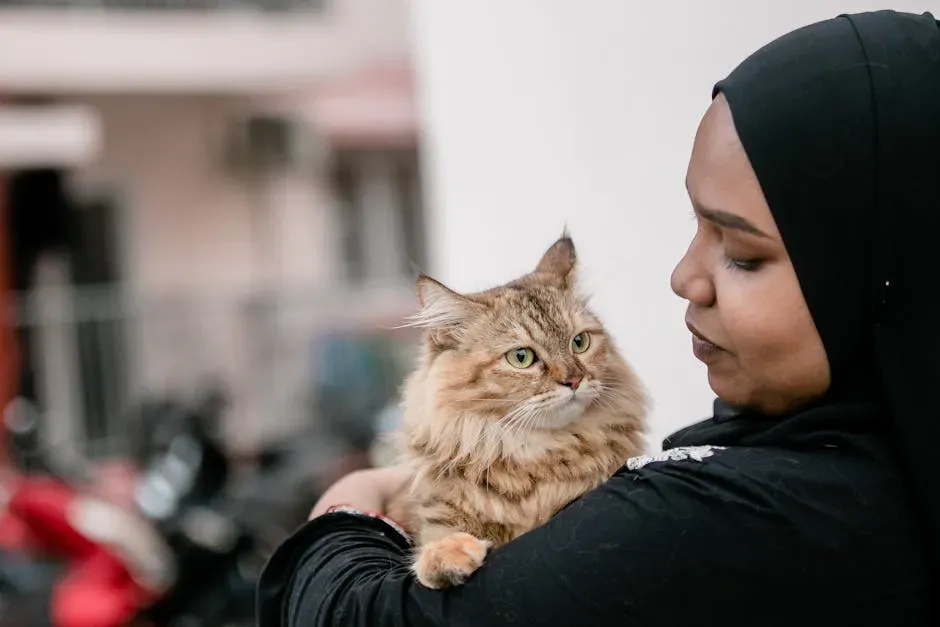
This one is subtle, but honestly, it might be the most powerful of all. Living day after day with a creature that has its own strong personality, its own moods, its own mysterious agenda – it changes you. Living with a cat teaches patience, empathy, and adaptability, which build emotional resilience. Whether you’re dealing with a finicky eater or a scared rescue cat, you learn to manage stress and solve problems more calmly.
Caring for a cat helped people lower levels of stress, better manage their emotions, and even increased their ability to handle difficult life circumstances. That’s not just a soft, feel-good claim. That’s a measurable shift in how you function when life gets hard. Your cat has essentially been running a quiet emotional training program on you this whole time.
According to one Australian study, cat owners have better psychological health than people without pets. On questionnaires, they claim to feel more happy, more confident, and less nervous, and to sleep, focus, and face problems in their lives better. Growth in resilience, happiness, and confidence – all quietly delivered by a creature who appears to be doing absolutely nothing.
Conclusion: The Smallest Companion, the Biggest Impact
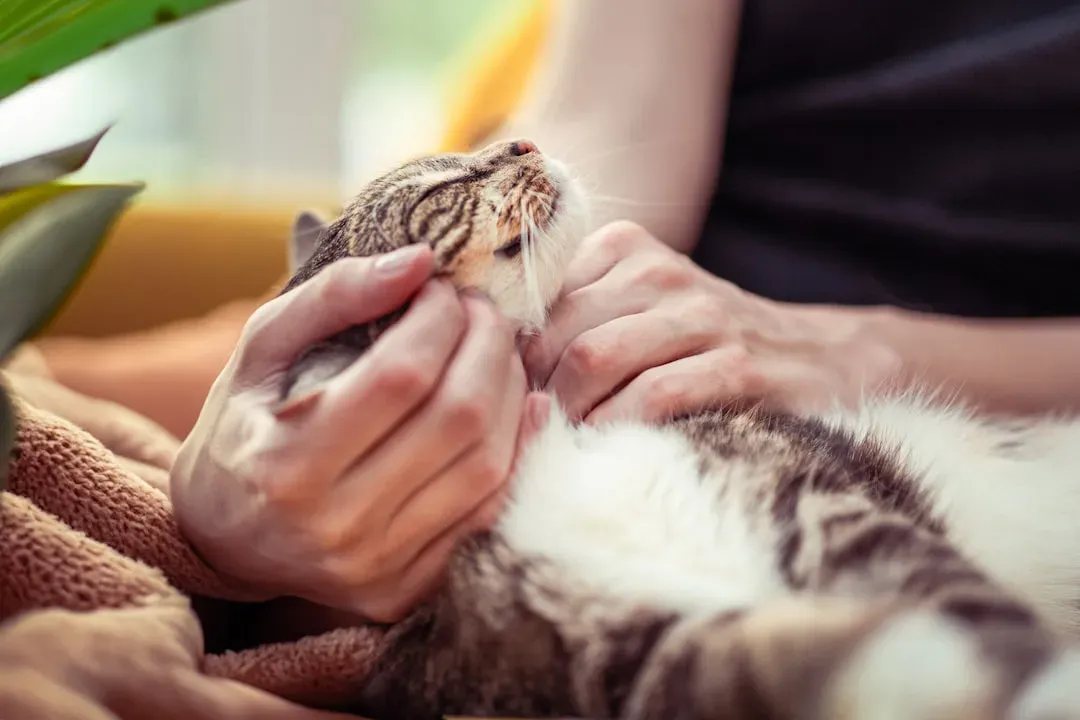
When you really step back and look at the full picture, it’s almost staggering. Your cat isn’t just a pet. They’re a stress buffer, a sleep aid, a heart protector, a mood lifter, and a daily reminder that you have a reason to show up. They do most of this silently, without fanfare, and often while looking completely unbothered by everything.
The beauty of it is that you don’t have to do anything special. You don’t need a plan or a routine. Cats help our mental health just by being themselves. That slow blink from the couch, the purr at the end of a long day, the warm weight on your lap – it’s all working in your favor, whether you notice it or not.
So the next time your cat knocks something off the table for absolutely no reason, maybe cut them a little slack. They’ve probably already done more for your wellbeing today than you’ll ever fully know. What part of this surprised you the most? Drop it in the comments – we’d love to know.
Kristina is a young writer from India. An arts graduate and an avid content creator, Kristina is passionate about animals and wildlife. She enjoys exploring topics related to pet care, animal behavior, conservation, and nature, combining thorough research with engaging storytelling.