You’ve probably caught yourself staring at your cat’s tail more than once, totally mystified. One moment it’s shooting straight up like a little furry antenna, and the next it’s thrashing back and forth like your cat is personally offended by the existence of everything around it. Sound familiar?
Here’s the thing – your cat isn’t being random. Not even close. A cat’s tail holds a complex language all its own, and every swish, wag, flick, and curl contains a hidden message that can give you deeper insight into your cat’s personality and feelings. Learning to read that language isn’t just a fun party trick – it can genuinely transform the way you relate to your furry companion. So let’s dive in and decode what your cat has been trying to tell you all along.
Why the Tail Is Your Cat’s Most Expressive Feature
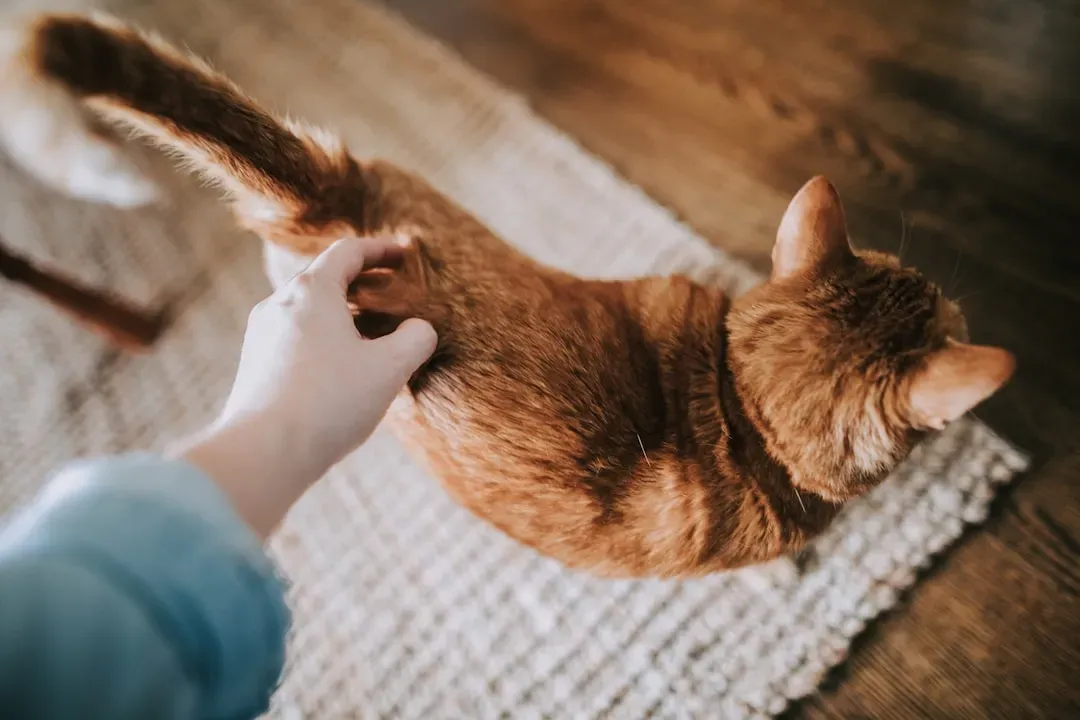
Most people think of a cat’s meow as its primary form of communication. Honestly, that’s a bit like assuming the only thing telling you about a friend’s mood is what they say out loud. In cats, it’s the tail position that provides the greatest insight into what they’re feeling, used together with their eyes, ears, and body posture to communicate.
The tail is a remarkable biological tool. A cat’s tail is remarkably flexible thanks to its unique anatomy, consisting of 18 to 23 small bones known as caudal vertebrae, which interlock like a chain and enable the tail to move in many directions. Think of it like a built-in emotional display screen, always broadcasting exactly what’s going on inside.
When a cat experiences an emotion, its brain sends signals to muscles in the tail through the pudendal nerve, the nerve that connects tail muscles to the central nervous system. That means every little twitch or flick is quite literally a neurological response to how your cat is feeling in that exact moment. Pretty extraordinary for something you might’ve dismissed as just random wiggling.
The High Tail: A Flag of Confidence and Friendship
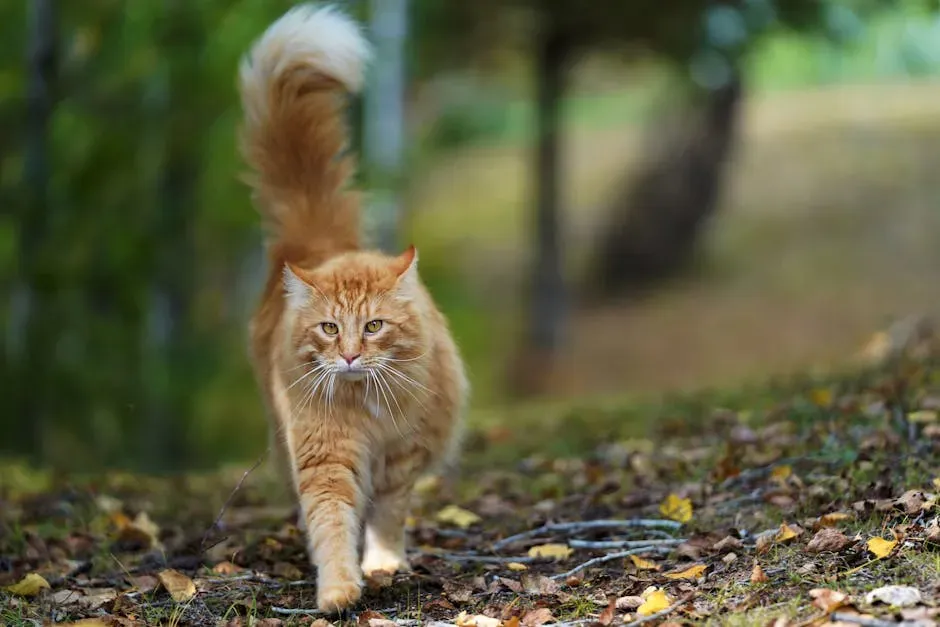
If you want to know whether your cat is happy to see you, just look up. When your cat holds their tail high in the air as they move about their territory, they’re expressing confidence and contentment, and a tail that sticks straight up signals happiness and a willingness to be friendly. It’s practically a standing ovation directed at you.
There’s also something fascinating about where this signal comes from. A doctoral study on communication in domesticated and wild cats found that while wild cats displayed many of the same social behaviors as domestic cats, they did not use the “tail up” signal commonly seen in domestic cats during friendly interactions, suggesting that this signal likely developed during the process of domestication. In other words, your cat’s high tail greeting is a gift of thousands of years of living alongside humans. You earned that.
The Question Mark Tail: Your Cat’s Playful Invitation
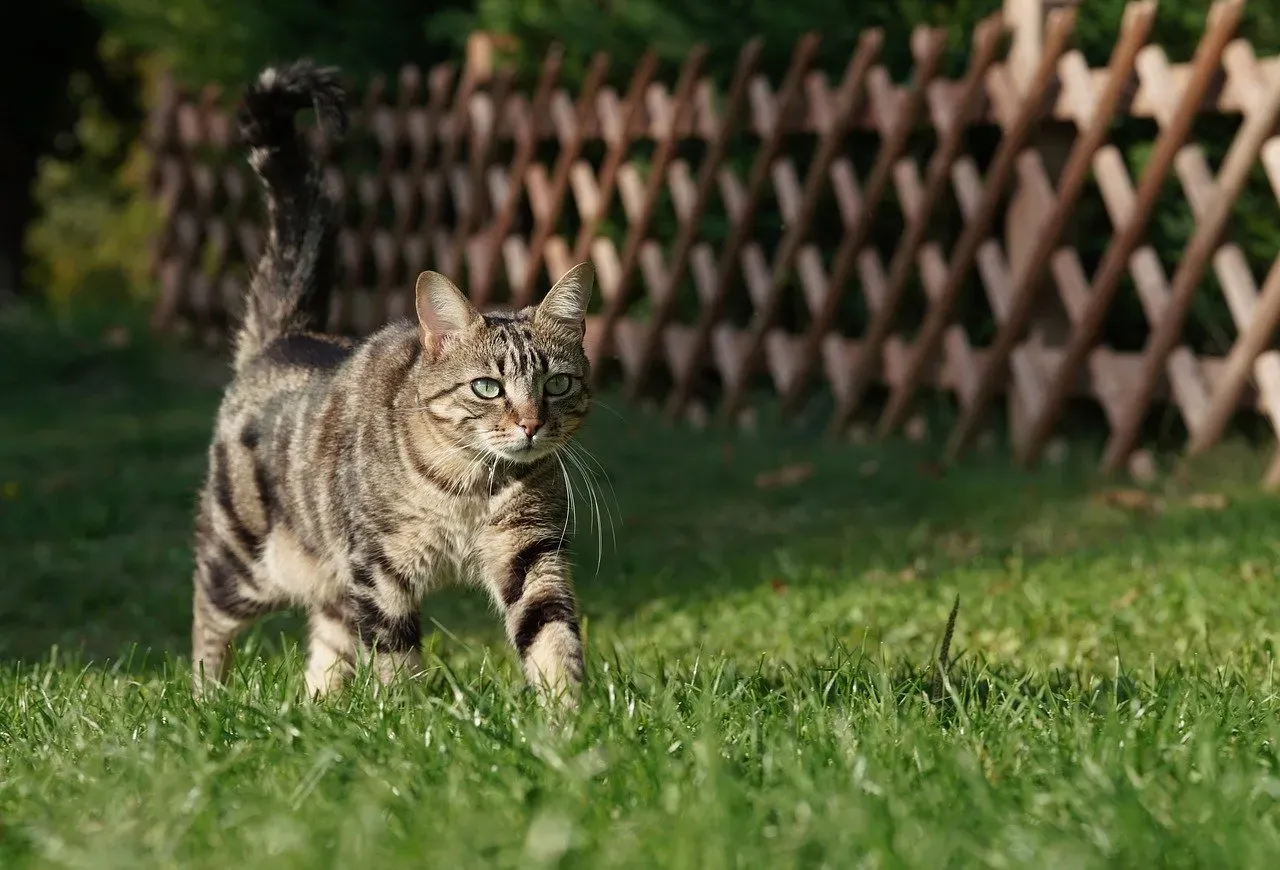
A tail in the shape of a question mark is a gesture often featured in cartoons and humorous musings about cats. The question mark isn’t about confusion but instead is an invitation to play or interact. I think this is one of the most delightful signals in the entire feline vocabulary. It’s basically your cat saying, “Hey, I’m in a great mood – want to hang out?”
When your cat bends their tail into the shape of a hook or question mark, this is a very positive sign. This “question mark tail” is a pro-social behavior, like walking up to another person with a huge smile on your face and your arms open wide – it’s your cat’s way of giving you a friendly greeting. A question mark tail may even be accompanied by purring. When you see that little curved tip, drop what you’re doing and give your cat some attention. They’re practically begging you to.
The Tail Wrap: The Feline Version of a Hug
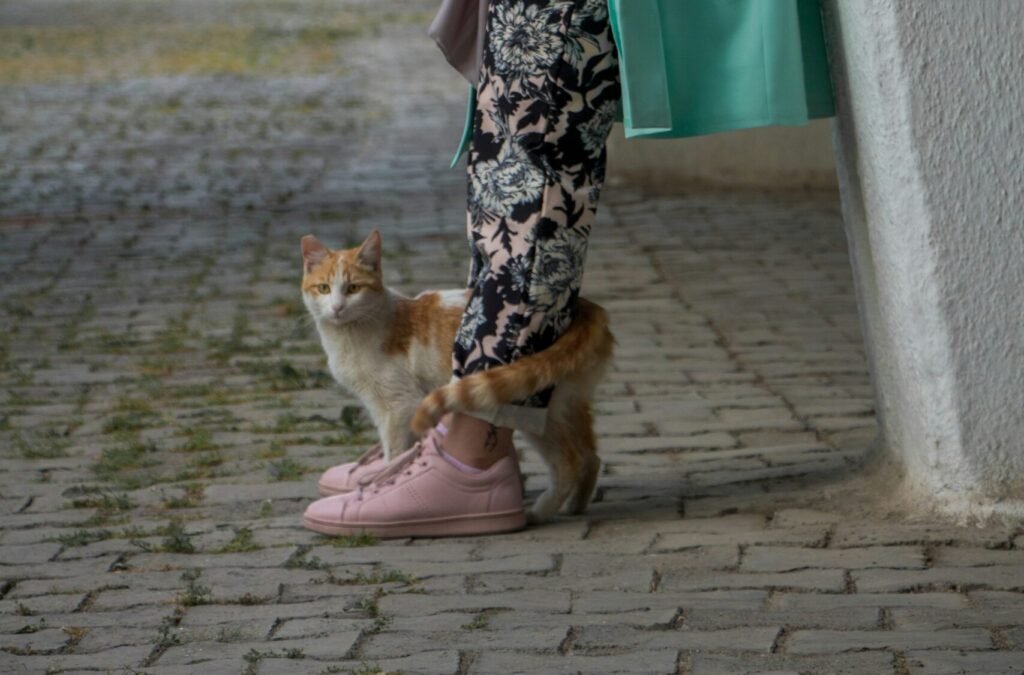
There is something undeniably heartwarming about a cat curling its tail around your leg or ankle. It feels affectionate, and – good news – it absolutely is. Just as humans greet one another with handshakes or hugs, cats may greet by curling their tails around people and intertwining their tails with other cats, and this tail wrapping is an affiliative behavior that demonstrates a willingness to interact.
When a cat wraps their tail around a person or animal, it is usually a sign of affection. If a cat uses their tail to wrap around your leg, or perhaps another cat’s tail, this is a sign of close affection. At a biological level, a cat’s tail includes scent glands, so the tail is being used to swap scents with the other creature. You’re not just getting a hug – you’re being claimed, in the best possible way. Your cat is literally marking you as family.
The Thrashing or Lashing Tail: Back Off Before It’s Too Late
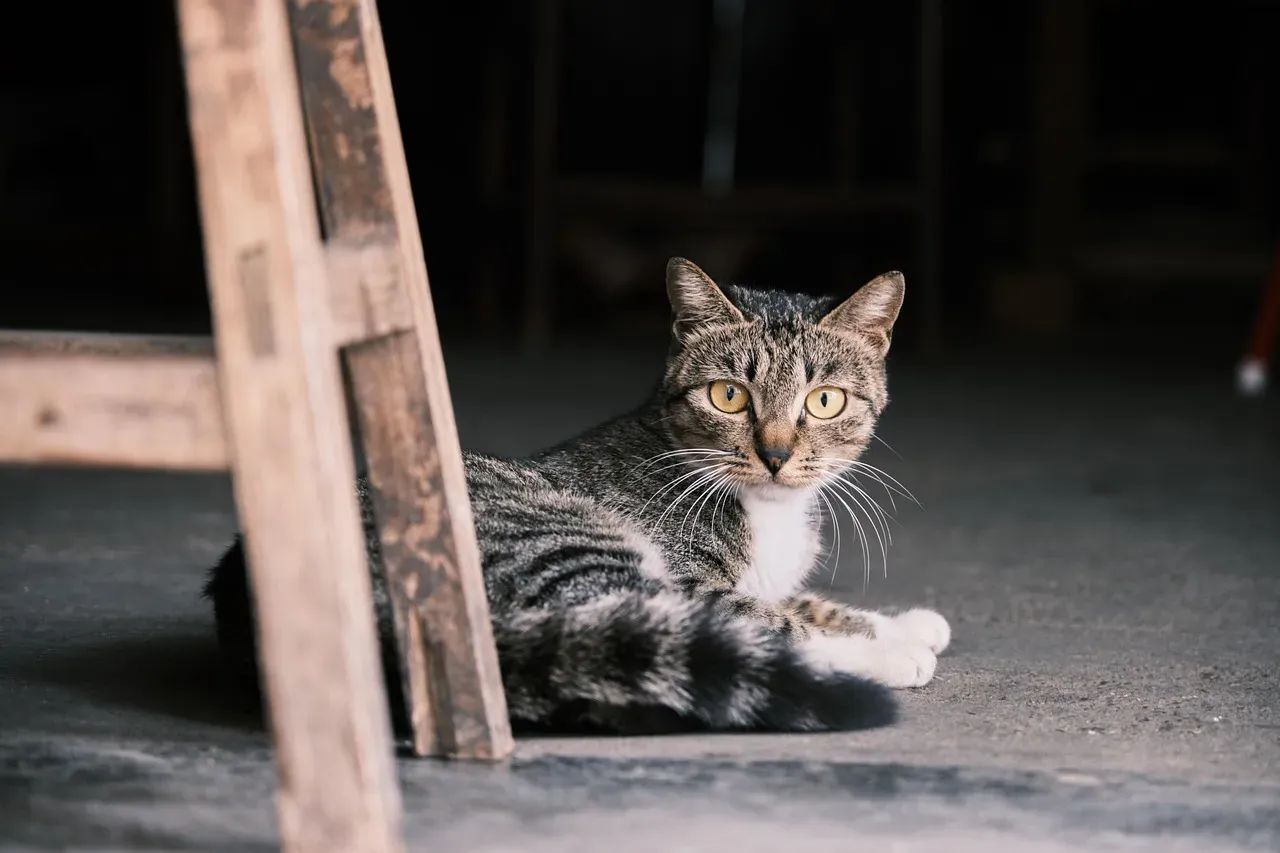
Let’s be real – this is the tail signal most people learn the hard way. You’re petting your cat, everything seems fine, and then suddenly that tail starts whipping back and forth like it’s trying to swat away an invisible enemy. When your cat thrashes their tail or is thumping it on the ground, they are irritated, annoyed, or angry, and something is bothering your cat.
If you are petting your cat and they start thrashing their tail, they are trying to tell you to stop. If you don’t, the thrashing tail may become a prelude to hissing, growling, swatting, or biting. Think of it like a traffic light stuck on amber – it hasn’t turned red yet, but it will soon if you don’t take action. Whipping or lashing of the tail is a sign that a cat is angry and may take sudden strong action in the near future. It’s time to take a step backwards and give the cat some space, or you may risk being bitten or scratched. Consider yourself warned.
The Puffed-Up Tail: Halloween Cat Energy Is Real
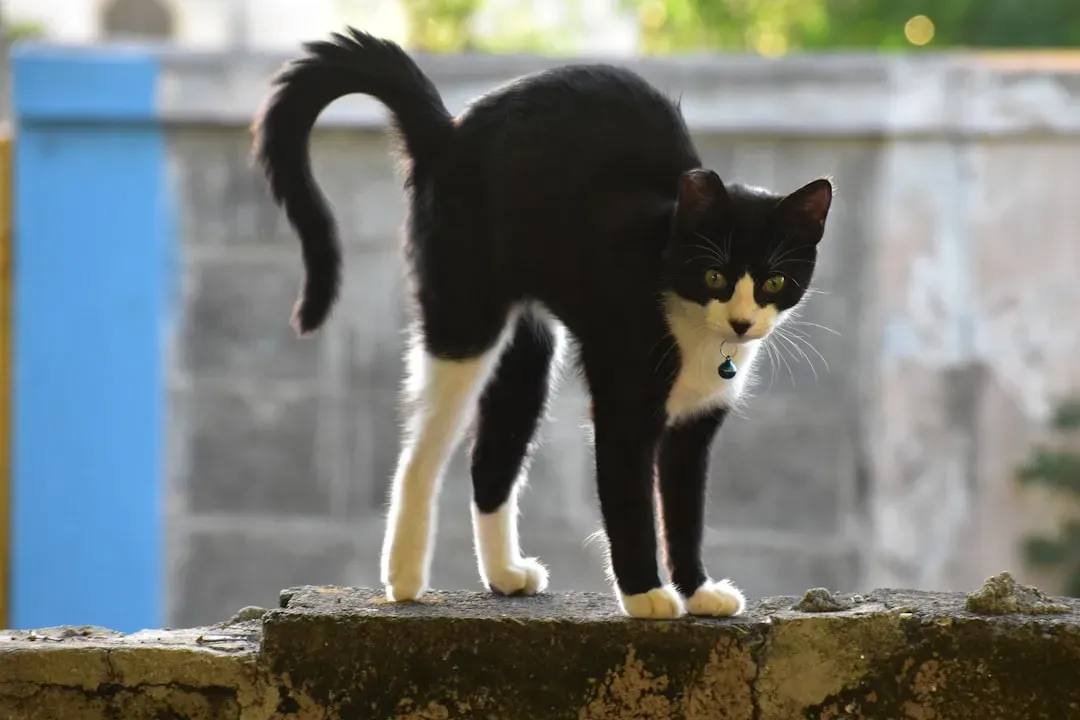
You’ve seen the classic Halloween black cat image – arched back, puffed-up tail, hair standing on end. That image exists for a reason. A puffed-out tail, often two or three times the size of a normal one, is either a sign of a very excited cat or one that is scared and ready for a fight. A feline may also have hair raised on their back to make them appear larger and a more formidable opponent, and it’s an indication of high emotions that can go either way.
If your cat assumes the quintessential Halloween-cat posture with a puffed tail and arched back, they are startled or frightened by a sudden, severe threat. Your cat’s hair stands on end so they can appear larger, which is a defensive reaction indicating that your cat wishes to be left alone. This tail position is often triggered by feeling threatened, such as by other animals in the yard, approaching dogs, visitors in the home, or sudden noises. The best thing you can do in this moment is give your cat space and reduce the source of the threat where possible.
The Low or Tucked Tail: When Your Cat Is Telling You Something Is Wrong
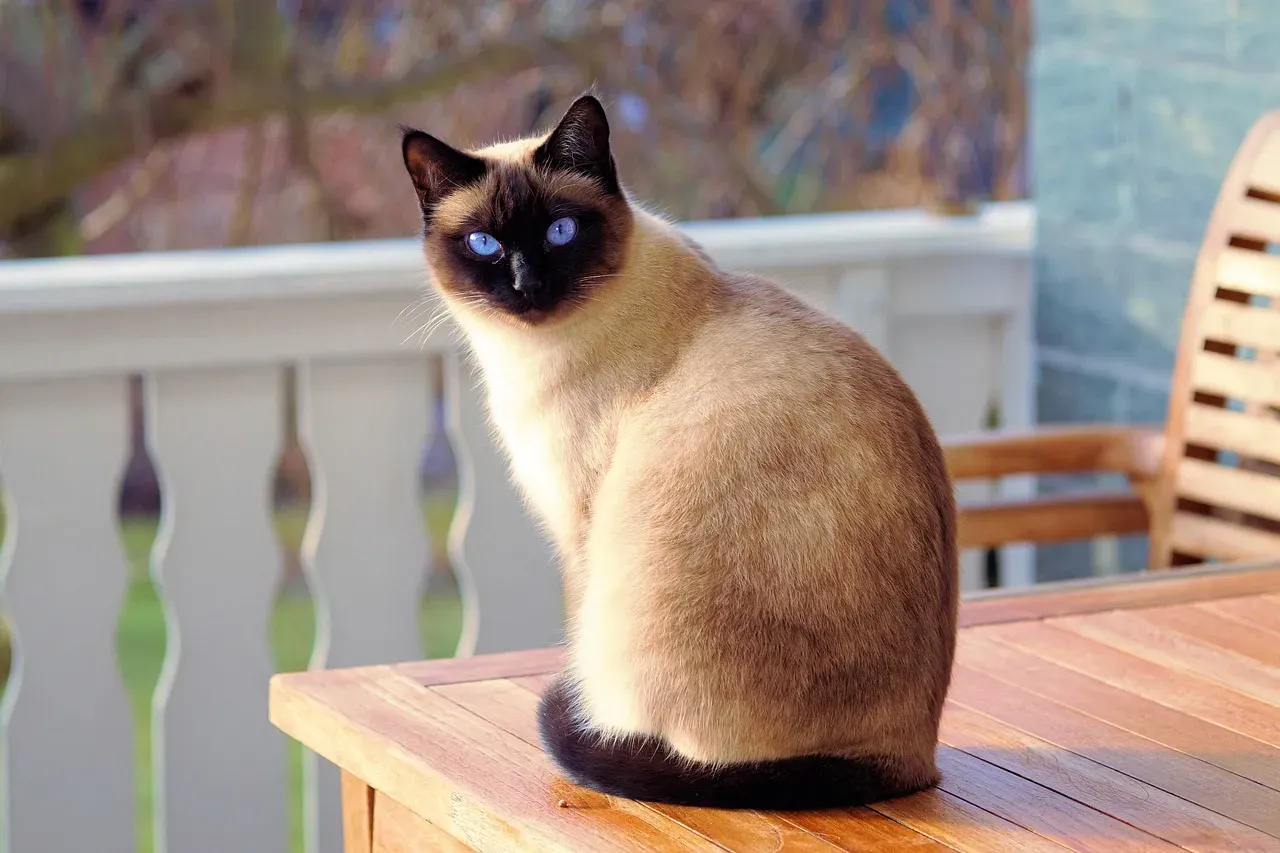
A tail held low or curled under the body is one of the most important signals you can learn to recognise. Most tail-down positions indicate that a cat is feeling defensive or submissive. If the tail is in a hooked-down position covering the cat’s anus, she is most likely in a defensive posture ready to express aggression if needed. If her tail is tucked under her belly, she is feeling submissive.
A cat who has tucked the tail between the hindlegs is very frightened. This is a submissive posture where the cat is trying to appear small and non-threatening. It’s a bit like watching someone try to disappear into themselves in an uncomfortable situation. A cat may lower their tail below the level of their back if they are frightened or anxious, and if your cat’s tail is tucked between their legs, they are really scared or may even be experiencing pain. If you notice this often and without an obvious trigger, a visit to the vet might be worth considering.
The Slow Swish vs. the Tail Flick: Two Very Different Moods
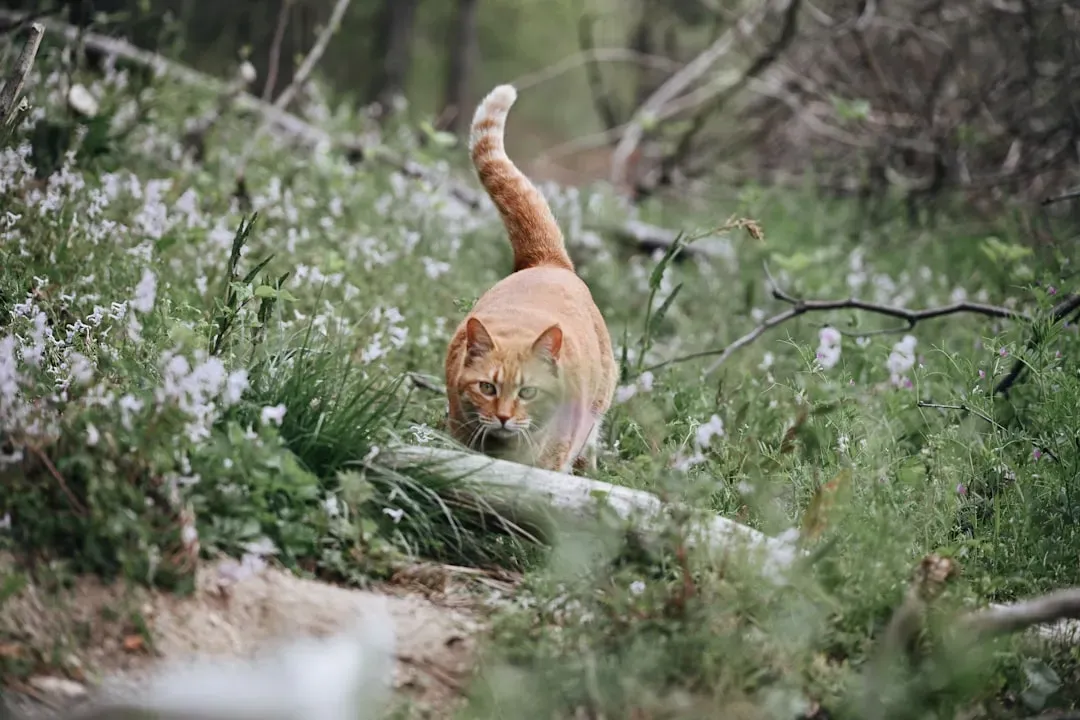
Not all tail movement means anger or excitement. Sometimes, a slow, gentle swish is actually a sign of peace. Swishing tails slowly from side to side in a soft, fluid manner indicate cats who are relaxed, calm, and perhaps mildly interested in something – so just let these purring machines hang out and enjoy life. If that swishing changes to just the tip of the tail flicking, your cat is ready to play with you or a toy.
The tip flick deserves its own spotlight. Tail flicking doesn’t always indicate agitation. Cats who are engaged in hunting behaviors, whether real or play, will often flick their tails as they watch their prey. If you’re using an exciting cat toy and your cat is going crazy for it, chances are there’s some tail flicking going on before they pounce. In this situation, tail flicking is a sign of stimulation and alertness. Context, as always with cats, is everything. A flick during playtime is pure excitement. A flick while you’re trying to cuddle a clearly annoyed cat? That’s a very different story.
Reading the Full Picture: Tail Language Doesn’t Work Alone
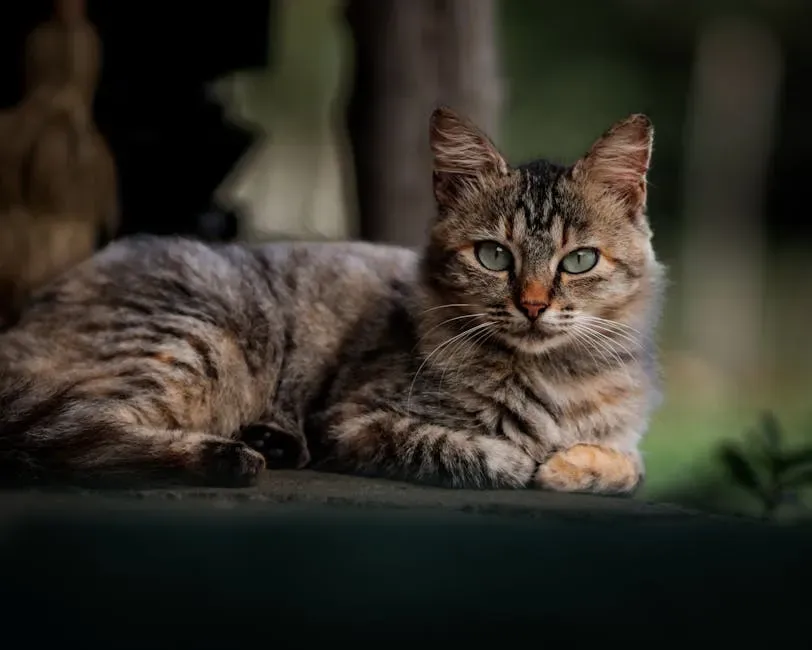
Here’s something that experienced cat owners understand well – the tail is only one part of a much bigger conversation. Although you should look at more than just tail movements to fully understand your cat’s emotional state, the tail may be the most expressive part of a cat’s body language. You need to take in the whole scene at once, like reading a paragraph rather than a single word.
With their posture, tails, ears, eyes, whiskers, and vocalizations, cats will tell you whether they’re comfortable or not. The main takeaway is that a cat’s body language and behaviors should be looked at as part of a single big picture. By using the context of the entire situation and trying to see things from the cat’s point of view, you’ll have an excellent chance at understanding your feline friends. Once you train yourself to read these signals together, conversations with your cat will start feeling surprisingly clear.
Conclusion: Your Cat Has Always Been Talking – You Just Needed to Listen
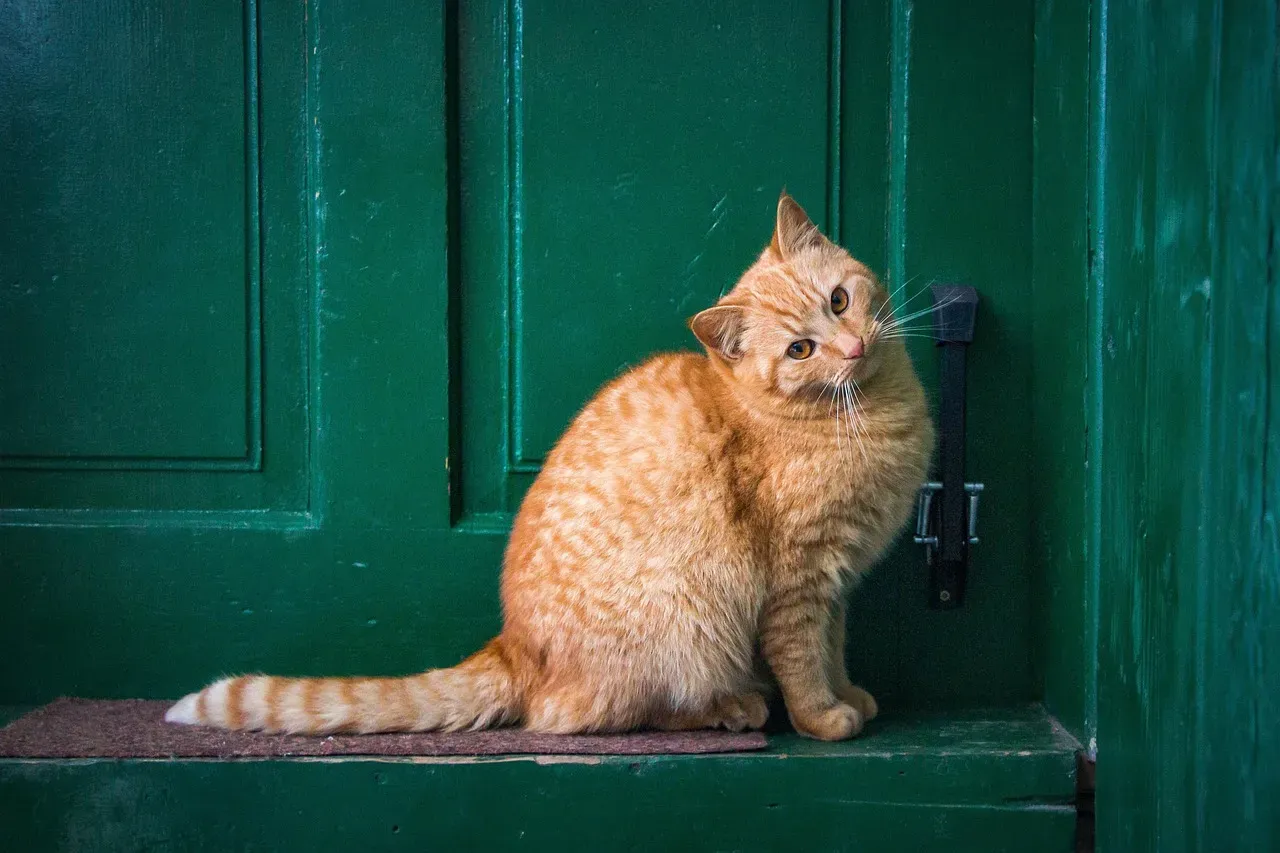
It’s kind of humbling, isn’t it? All this time, your cat has been patiently sending you signals, and you might have been too busy to notice. A cat’s tail is one of their most expressive features, and they use it to let you in on a world of feelings and emotions. Once you better understand feline body language and know what your cat is trying to convey, you can respond to them when they’re feeling happy or assist them when they’re stressed, helping you form a deeper bond with your furry friend.
The relationship you have with your cat is genuinely a two-way street. They study you constantly – your moods, your routines, your energy. The least you can do is study them back. Cats use their tails to communicate subtle and not-so-subtle messages to those around them. If owners take the time to learn about what the various tail messages mean, they will enjoy a richer, closer relationship with their pets. So the next time your cat walks into the room and lifts that tail sky-high, you’ll know exactly what they’re saying – and hopefully, you’ll say something back.
What’s the most surprising tail signal you’ve noticed in your own cat? Share it in the comments – there’s a good chance other cat lovers have seen something just like it.
Kristina is a young writer from India. An arts graduate and an avid content creator, Kristina is passionate about animals and wildlife. She enjoys exploring topics related to pet care, animal behavior, conservation, and nature, combining thorough research with engaging storytelling.