There’s something quietly extraordinary about sharing your home with a cat. Unlike a dog that practically throws a parade every time you walk through the door, your cat operates on a different frequency. A subtler one. A more deliberate one. Honestly, I think that’s what makes feline love so fascinating. When a cat chooses to show you affection, it actually means something – because they didn’t have to.
Cats have more subtle ways of making their affection known, and just because they’re naturally more understated, it doesn’t mean the bond is any less strong. The challenge is simply learning the language. Once you do, you’ll start noticing signs of deep love all around you, some so quiet you’ve probably been missing them for years. Let’s dive in.
The Slow Blink: Your Cat’s Version of “I Love You”
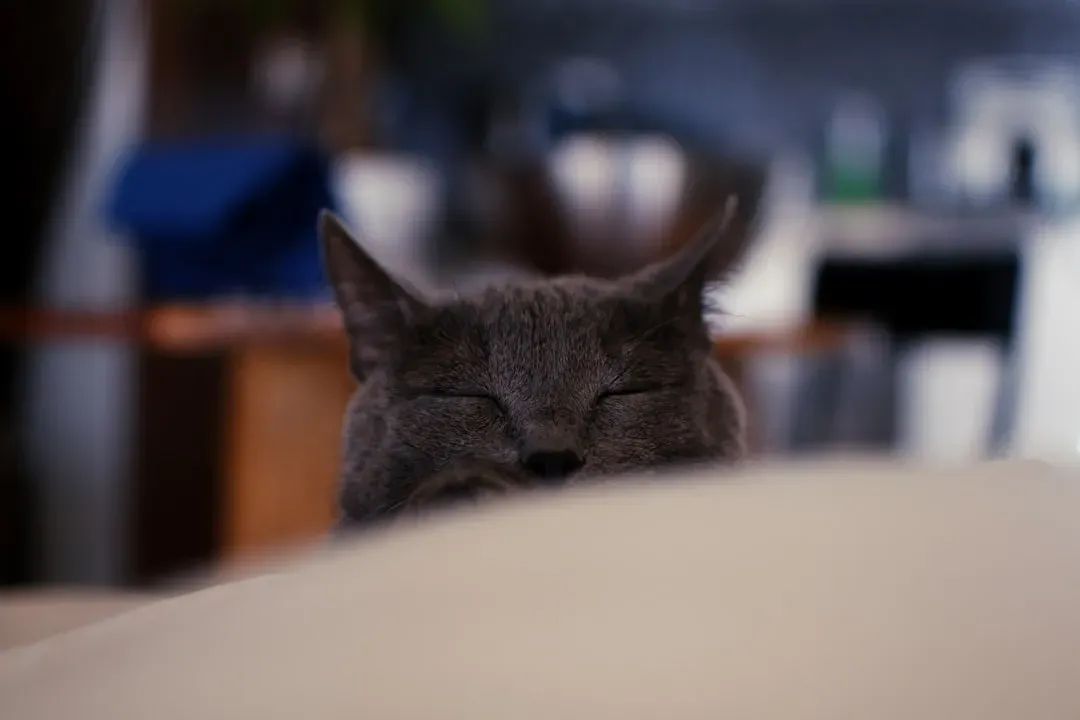
You’ve probably caught your cat staring at you from across the room, eyes half-closed, blinking in that long, unhurried way. Here’s the thing – that’s not laziness. The subtle language of a slow blink, often called a “cat kiss,” is a universal feline gesture. This simple yet profound action is a clear display of affection, a moment where your cat is essentially saying, “I trust you, and I love you.”
Researchers at the University of Sussex conducted a study that found cats are far more likely to slow blink back at their owners than at strangers. When humans initiated these slow blinks, cats responded positively, often mirroring the gesture or approaching with relaxed body language. So the next time your cat gives you that dreamy, half-lidded look, try blinking slowly back at them. You might be surprised by their response.
Head Butting and Cheek Rubbing: Claiming You as Their Own
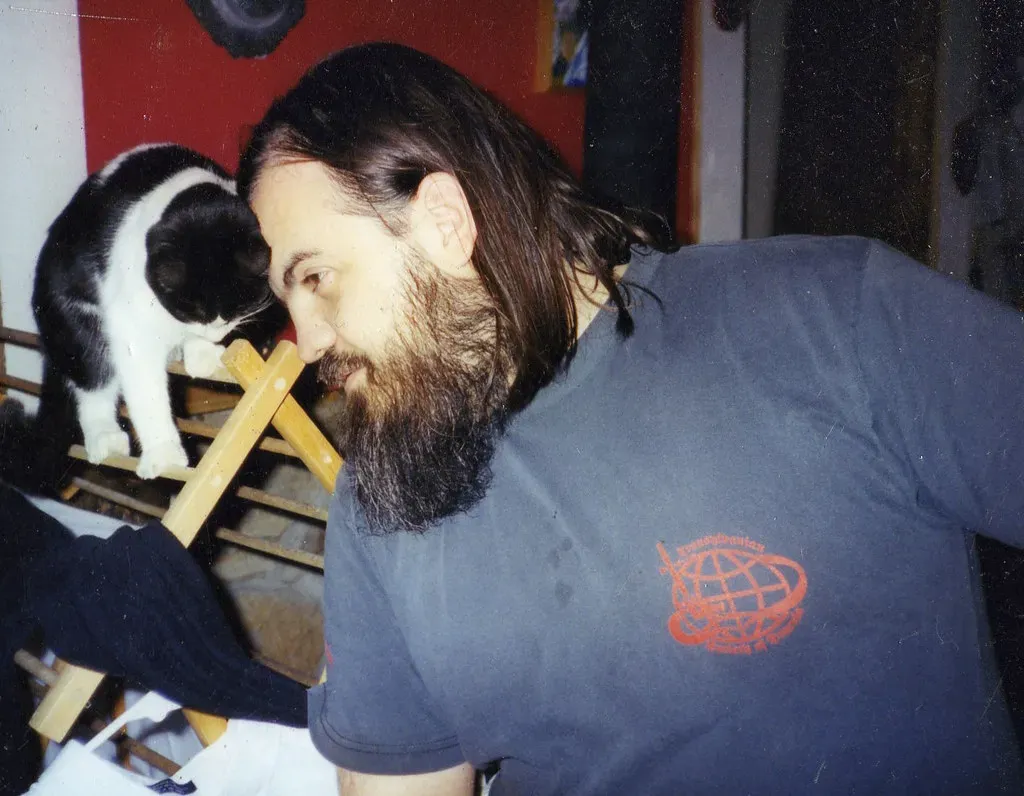
When a cat bumps their head against you or rubs their cheeks on your hand or leg, they’re doing more than being cute. This behavior deposits scent from glands on their face, marking you as familiar and safe. In cat language, that’s a sign of social bonding. Think of it like your cat quietly whispering, “You’re mine, and I’m proud of it.”
Head butts and chin rubbing are clear signs that your cat loves you because cats have scent glands in their faces that allow them to claim friends and objects as their own. Headbutting and cheek rubbing are both social behaviours that are learnt and expressed throughout kittenhood. Both are ways in which cats build bonds and affection with other animals and, by extension, with the humans they do it to. It’s intimate. It’s intentional. It’s love with a forehead.
Kneading: The “Biscuit Making” That Goes Way Back
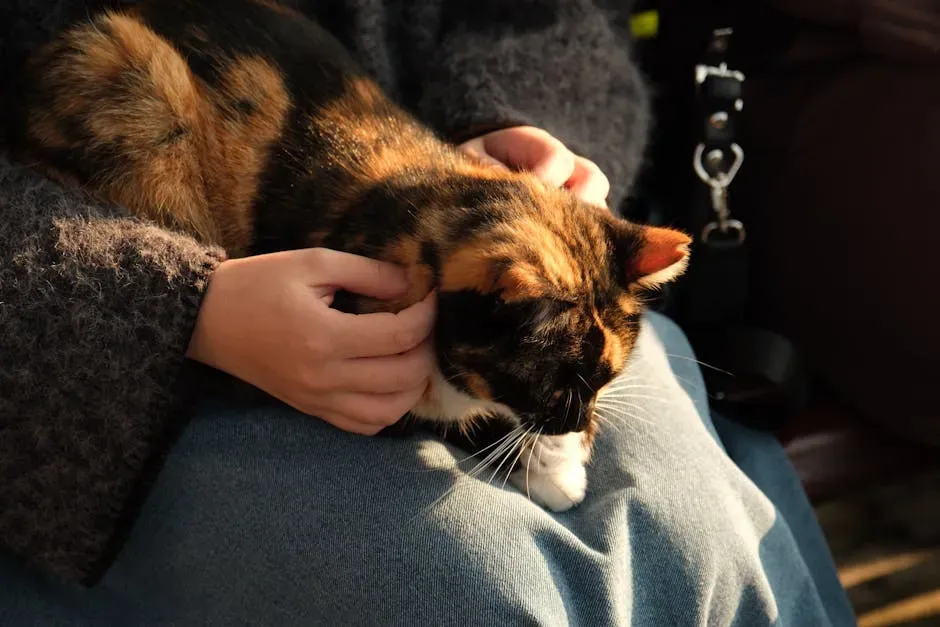
Cats usually knead with their front paws. This is a behavior that begins in kittenhood and is associated with nursing on their mother. Kneading is believed to bring comfort by releasing endorphins to reduce stress and promote relaxation. So when your cat climbs onto your lap and starts rhythmically pressing their paws into your legs – yes, even with those needle-like claws – that’s a deeply rooted gesture of contentment and love.
During kittenhood, cats use their front paws to knead at their mothers to stimulate milk flow, and many adult cats still knead at soft things as a form of comfort. Sitting on your lap and kneading you with their claws is actually a sign of love – although it may not feel like it! Consider it a compliment wrapped in mild discomfort. Your cat is telling you that you feel like home to them.
Sleeping Near You: Vulnerability Is the Deepest Compliment
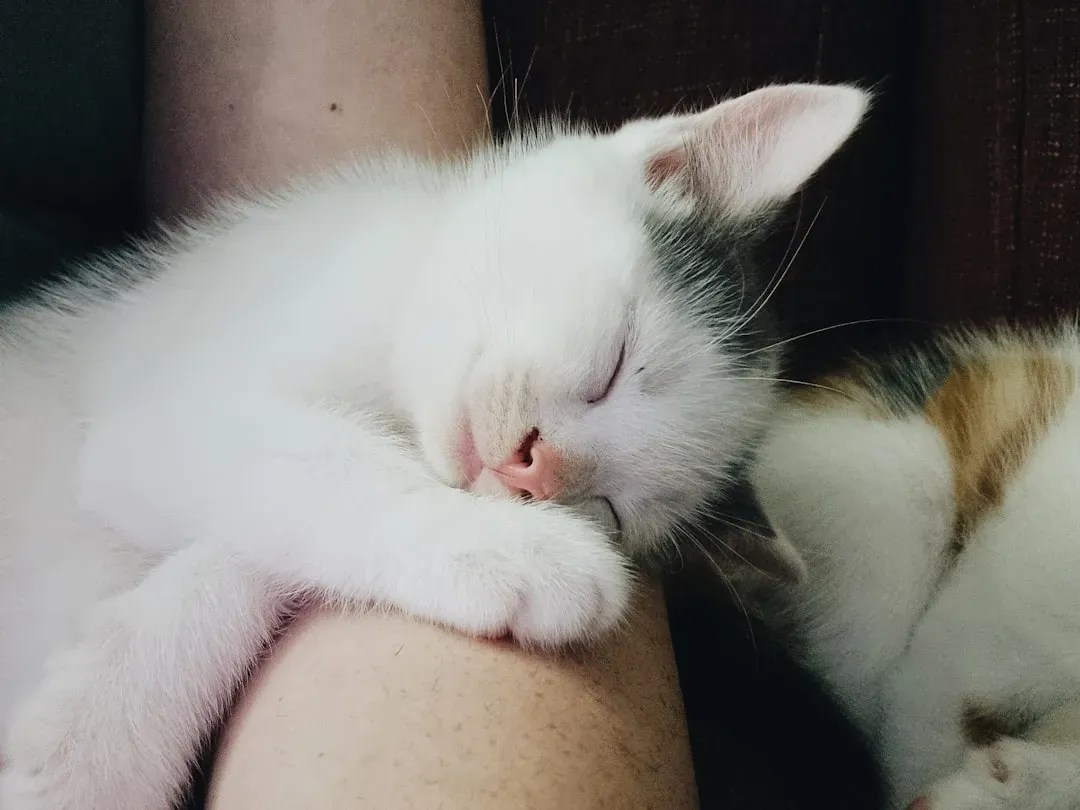
Sleep is a vulnerable state for cats. Choosing to nap next to you – or even in the same room – is a strong indicator of trust. Some cats may sleep at your feet or nearby rather than directly on you, but that close proximity still counts as a sign of love. In the wild, a sleeping animal is an exposed one. Your cat choosing to be vulnerable near you is genuinely remarkable when you think about it that way.
Trust from a cat is often demonstrated through subtle but meaningful body language. When a cat exposes vulnerable areas such as the belly, throat, or paws, it signals comfort and confidence in your presence, since these are parts they typically protect from potential threats, showing deep security. If your cat routinely settles in beside you at night, you are their safe place in the most literal sense possible.
The Upright Tail: A Greeting Disguised as a Posture
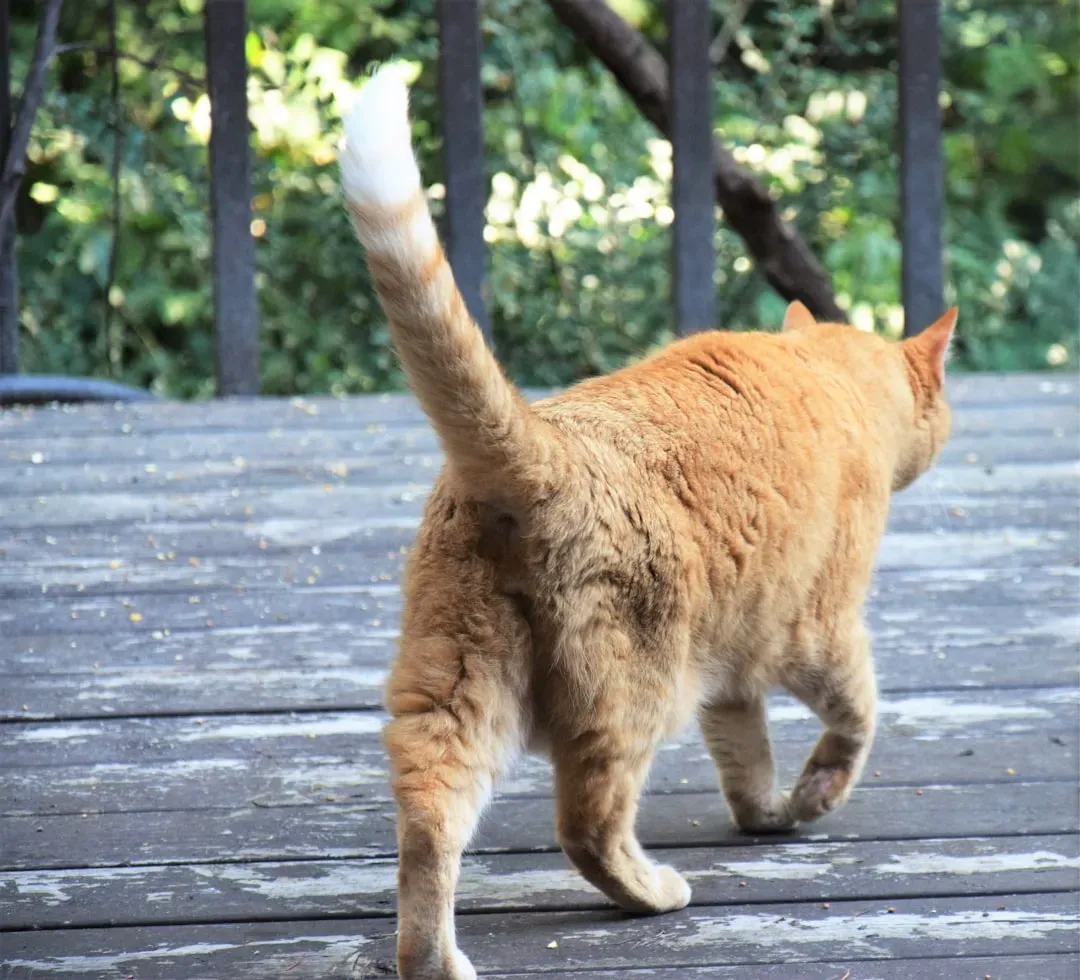
Often, when showing affection, cats use their body and tail as a form of expression. Sometimes by winding their way through your legs, or even just by sitting close enough so that their tail touches you when they swing it. A very happy cat tail position is upright, with a slight curve at the top, which means that they are glad to see you! It’s the feline equivalent of someone throwing their arms open wide when you arrive.
When they’re showing their affection, cats rub themselves on you, often circling or turning in little figure eights. Their tails are held high, often with a tiny curve at the very end, showing that they’re happy to see you. Pay attention to this the next time you walk through your front door. If your cat’s tail goes straight up like a tiny flagpole with a curl at the tip, that’s pure joy pointed right at you.
Social Grooming: Being Licked Is Actually an Honor
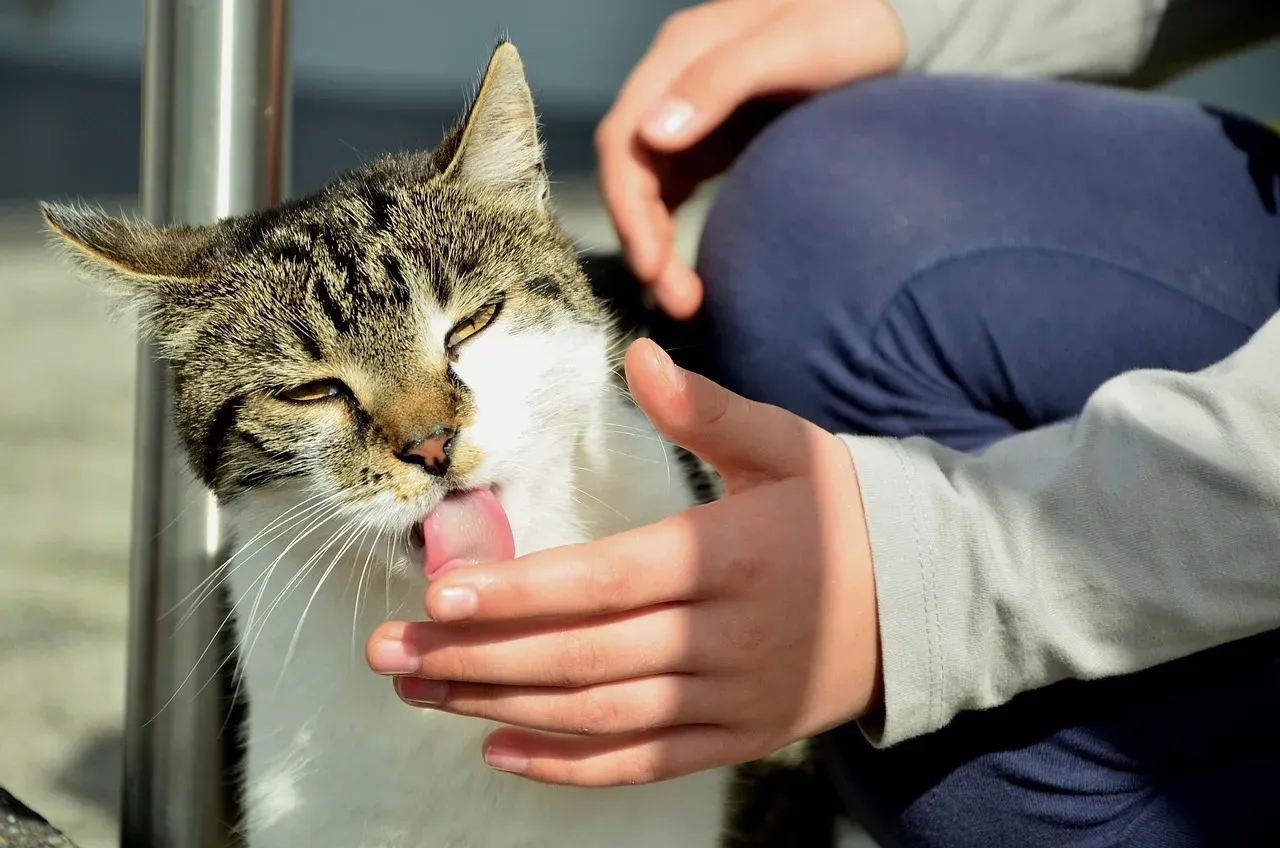
If your cat licks your hand, hair, or even your clothing, they may be engaging in social grooming. In multi-cat households, grooming is a bonding behavior. When directed at a person, it’s often a sign your cat considers you part of their social group. Let’s be real, a sandpaper tongue on your arm isn’t exactly spa-level comfort. Yet the meaning behind it is genuinely touching.
When your cat licks your hair or skin, they’re extending their social behaviors toward humans they’re bonded to. Your cat is treating you as family, caring for you the way a mother cat grooms her kittens or the way kittens groom their mom back. Cats groom each other to combine their individual scents and demonstrate trust. The same is true for their human companions, so as uncomfortable as that sandpaper tongue can feel, your cat grooming you is definitely intended as a compliment.
Purring During Proximity: A Sonic Declaration of Trust
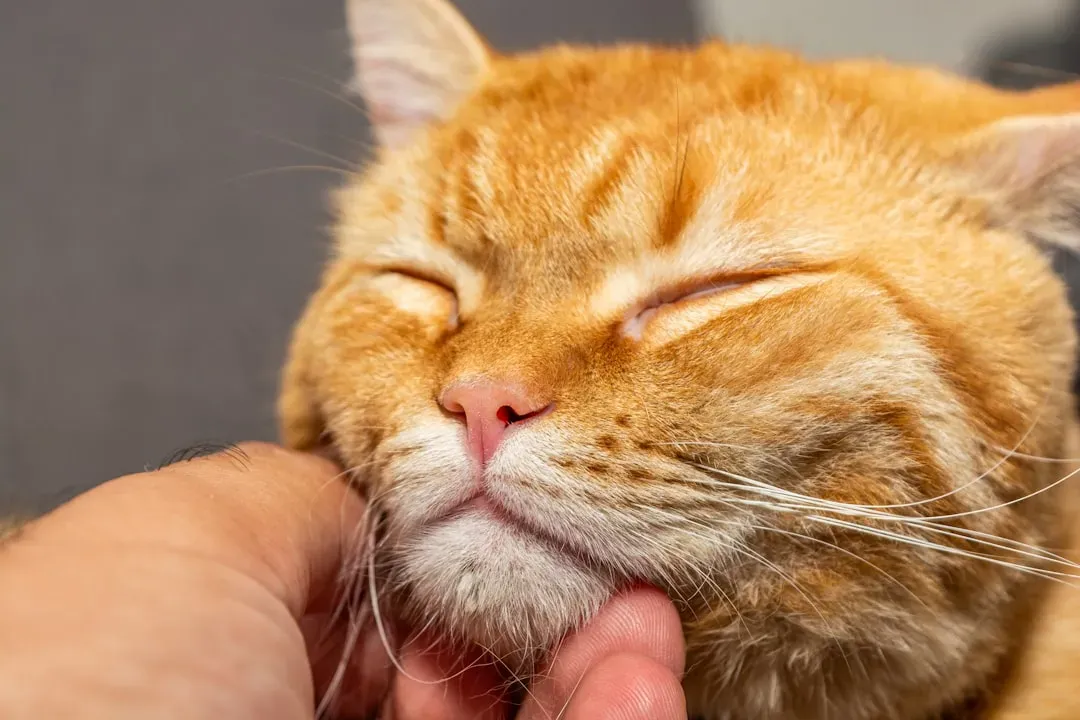
This soothing vibration can occur during moments of affection, such as when a cat is being petted or resting peacefully, and it often reflects a state of well-being and trust. These purrs are usually accompanied by relaxed body language, such as soft eyes and a calm posture, further confirming their contentment. It’s a sound that does something to you, doesn’t it? There’s science behind why humans find purring calming. Honestly, it might just be mutual love made audible.
Purring is often used as a sign of pleasure and contentment. This is often expressed during close contact, such as stroking or grooming, but purring isn’t just about your cat having an enjoyable experience. They are letting you know through vocalisation how much they are enjoying their bonding time. When your cat purrs specifically in your arms or in your presence, it means you are the source of their peace. That’s a profound thing to be for another creature.
Bringing You “Gifts”: The Unexpected Love Language
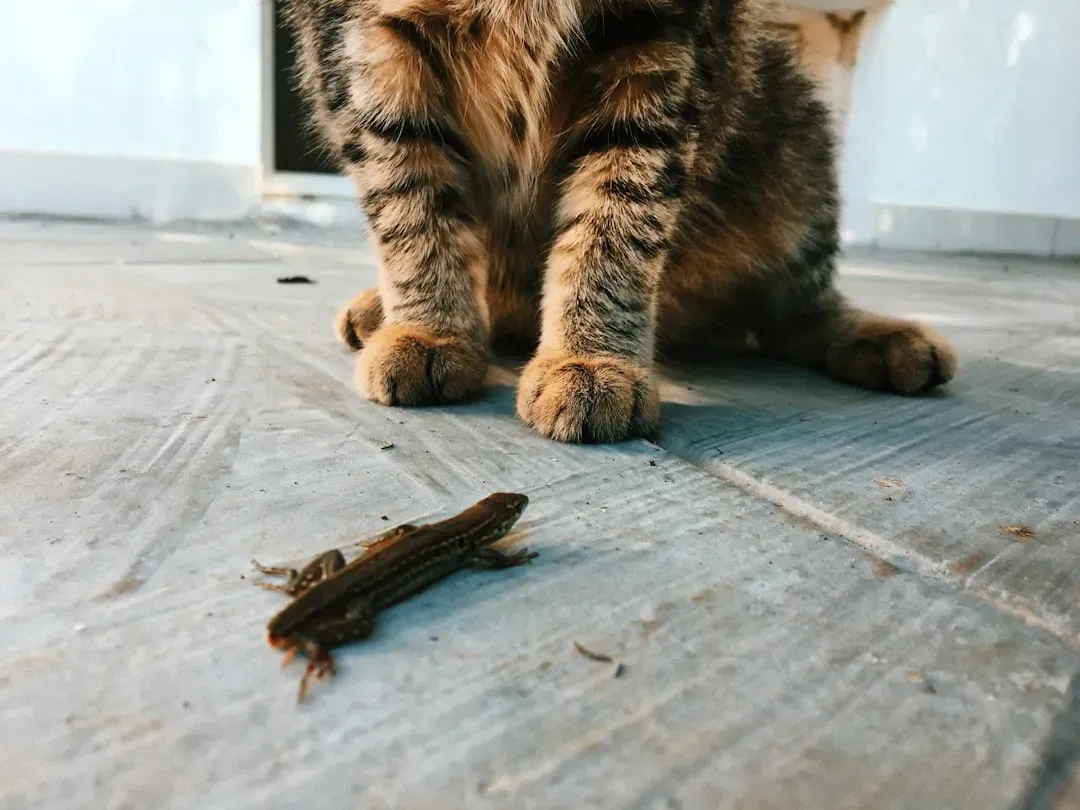
Cats are natural-born hunters, and this instinct is deeply ingrained in their DNA. While it might seem unusual – or downright unpleasant – to us, hunting and presenting captured prey, whether it’s a live mouse or a toy, is a sign of love and trust. In the wild, adult cats teach their kittens to hunt by bringing them injured prey to practice their hunting skills. This behavior continues into adulthood, with cats gifting food to their human companions as a way of showing affection.
When your cat presents you with their “gift,” it’s not about feeding you but sharing their success and expressing their love. In their eyes, they view you as part of their family, and by offering you the bounty of their hunt, they acknowledge your role within their social group. It’s a display of trust and affection, and while you might not appreciate the gesture in the same way, acknowledging their intention and offering praise strengthens the connection between you and your feline friend. So yes, thank your cat graciously. It cost them something to share that with you.
Following You and Sharing Routines: Love Is Consistency
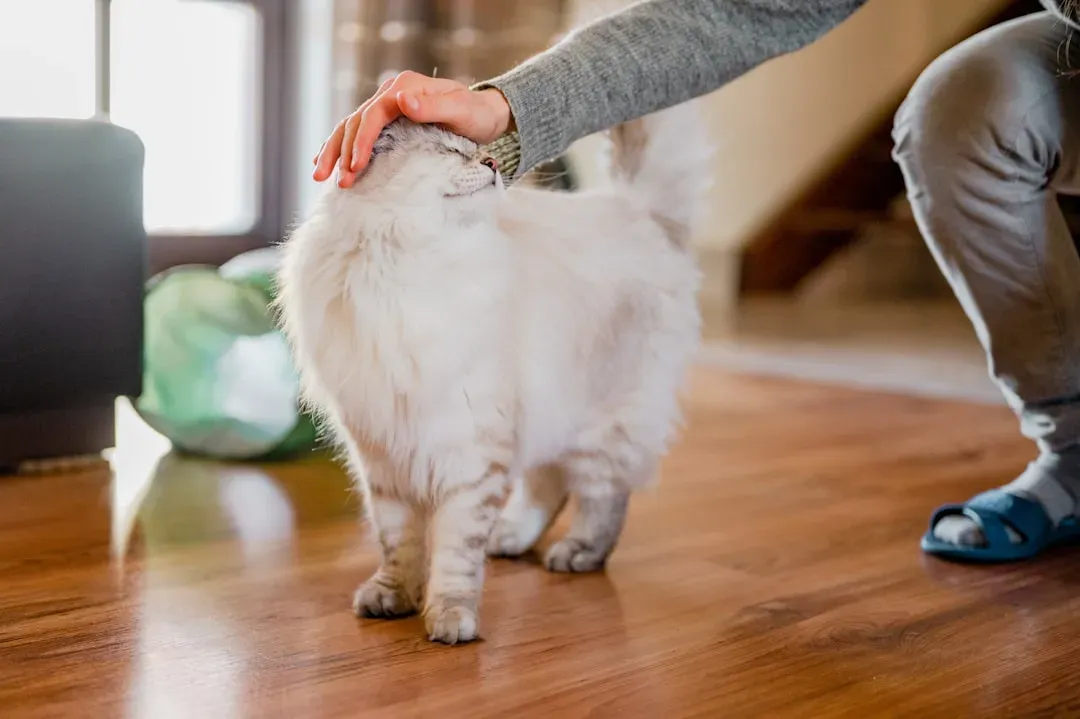
Cats are creatures of habit. If your cat consistently joins you for morning coffee or nighttime TV, that shared routine reflects a bond. These predictable moments help cats feel secure, and participating in them is a form of affection. There’s something quietly beautiful about a cat who simply wants to be wherever you are, not demanding attention, just choosing your company.
When a cat has imprinted on you, they see you as part of their safe space and a trusted companion. Imprinting is a strong emotional bond, where your cat may follow you around, seek your attention, and show affection in ways that go beyond typical pet-owner interactions. This behavior is a clear sign that your cat loves you, feels secure with you, and considers you an important part of their world. It’s the feline way of saying: wherever you go, I want to be near that. And honestly, does it get any sweeter than that?
Conclusion
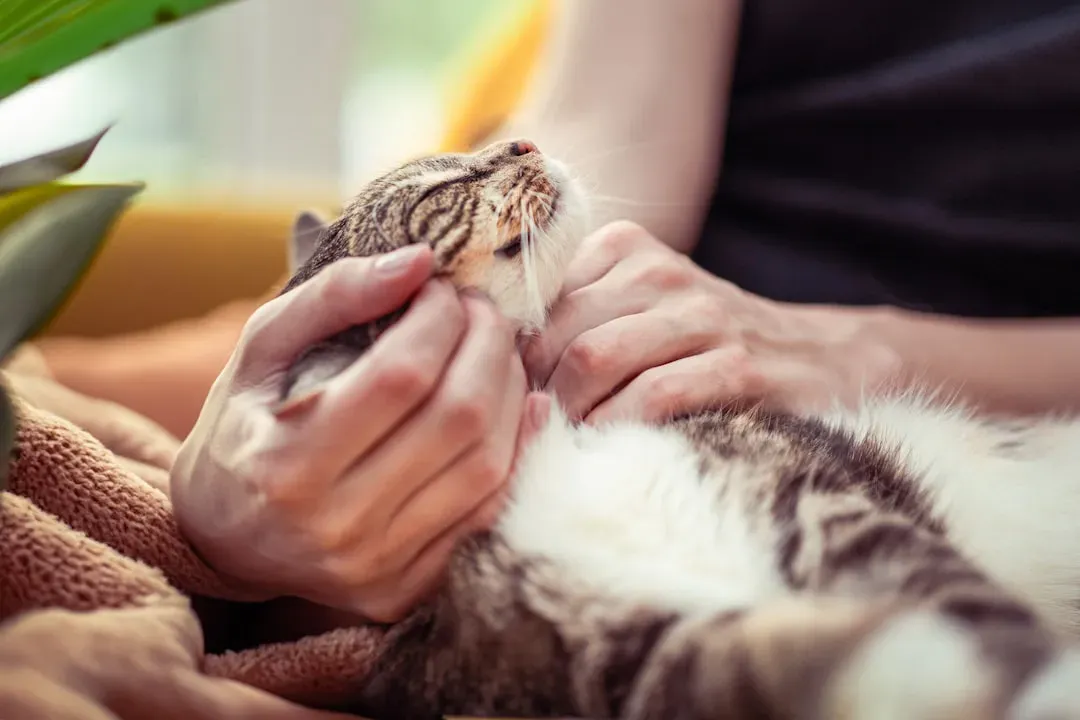
Living with a cat who loves you is one of those quiet, rich experiences that sneaks up on you. You don’t notice it all at once. You notice it in the slow blink from across the room. In the warm weight of them choosing your lap. In the forehead pressed gently against your chin at seven in the morning. These aren’t random behaviors. Cats can’t fake affection. With love and nurturing, your bond will only grow stronger over time.
Every cat is unique, and observing and understanding your cat’s specific signals is crucial. By being attentive to their cues, you can respect their individual love language and reciprocate in a way that resonates with them. Demonstrating your affection through patience, respect, and attention to their needs ensures a healthier and happier life for both you and your beloved cat. Once you learn to speak their silent language, you’ll realize it was never really silent at all. It was just waiting for you to listen.
So here’s a thought to carry with you: when was the last time your cat did one of these things, and you almost missed it entirely? What would you have seen if you’d been paying closer attention?
Kristina is a young writer from India. An arts graduate and an avid content creator, Kristina is passionate about animals and wildlife. She enjoys exploring topics related to pet care, animal behavior, conservation, and nature, combining thorough research with engaging storytelling.