You’ve probably sat across the room from your cat wondering why on earth it gravitates toward your partner, your roommate, or even a skeptical houseguest who doesn’t particularly like animals. Cats have a famously mysterious social life. They’ve been labeled aloof, cold, and emotionally detached for decades, mostly by people who simply never learned to read them. Honestly, that reputation couldn’t be more unfair.
Science has been quietly dismantling the myth of the indifferent cat, one study at a time. What’s emerging is a portrait of an animal that chooses its people with extraordinary care, running a kind of invisible checklist that has nothing to do with who feeds them most. So buckle up, because the truth behind feline loyalty is stranger, more surprising, and frankly more moving than you’d ever expect. Let’s dive in.
Your Scent Is Your Identity to a Cat
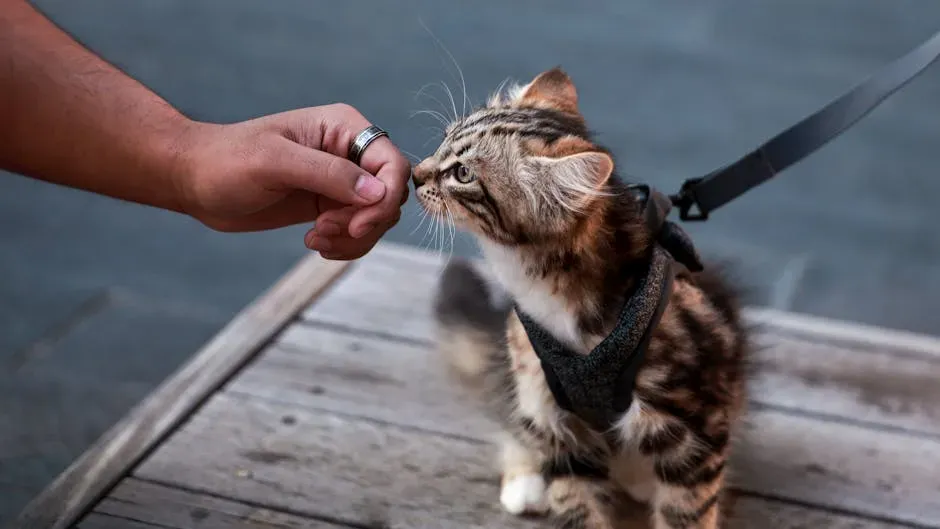
Here’s the thing most cat owners never consider: you don’t introduce yourself to a cat with your name or your face. You introduce yourself with your smell. A cat’s sense of smell far exceeds a human’s, and cats use scent in the same way humans use faces and voices to gather social information. Think about how powerful that is. Your cat has filed away a complete olfactory map of you before it’s even decided whether you’re trustworthy.
Research published in the open-access journal PLOS One found that cats spent more time sniffing the odor of a stranger than that of their owner, suggesting they can identify familiar humans based on smell alone. The study, conducted at Tokyo University of Agriculture with thirty domestic cats, is genuinely eye-opening. On average, cats spent about 4.8 seconds sniffing a stranger’s odor, roughly twice as long as they spent on their owner’s scent, which clocked in at around 2.4 seconds. When your scent is familiar, your cat simply moves on quickly. You’re already filed away. That’s a compliment in cat language.
You Are Judged by Your Body Language More Than You Know
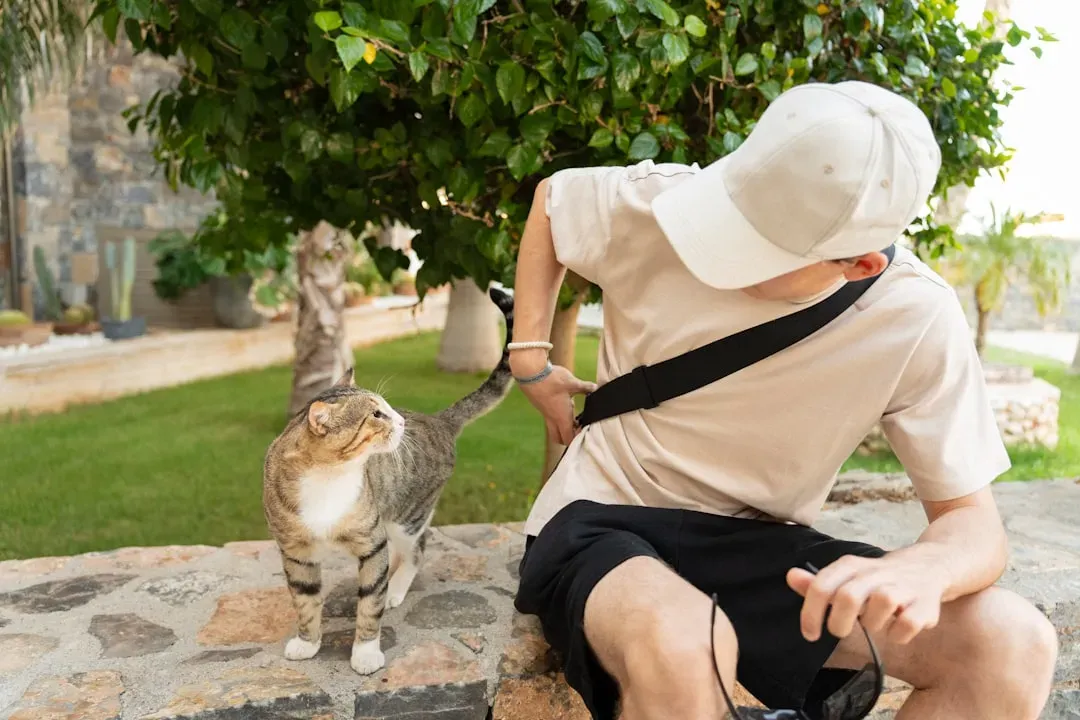
Cats are watching you constantly, even when they appear to be sleeping. Cats read body language exceptionally well, and they tend to prefer people who blink slowly, sit or lie on the floor, turn their bodies sideways, and allow the cat to initiate contact. It sounds almost comically specific, but from a cat’s perspective, it makes total sense. A person who crouches low and looks away is non-threatening. A person who charges in, arms wide, shouting “here kitty kitty!” is basically a walking alarm siren.
Cats feel safer when they have control over their environment, which explains why they often head straight for the one person in the room who is ignoring them. I know it sounds counterintuitive, but that person is basically giving the cat the most important gift possible: freedom of choice. The way a person moves or acts can either attract or deter a cat, so cats may choose someone based entirely on how they physically interact with them. You can’t fake relaxed energy with a cat. They know.
The Slow Blink Is a Secret Language You Should Learn
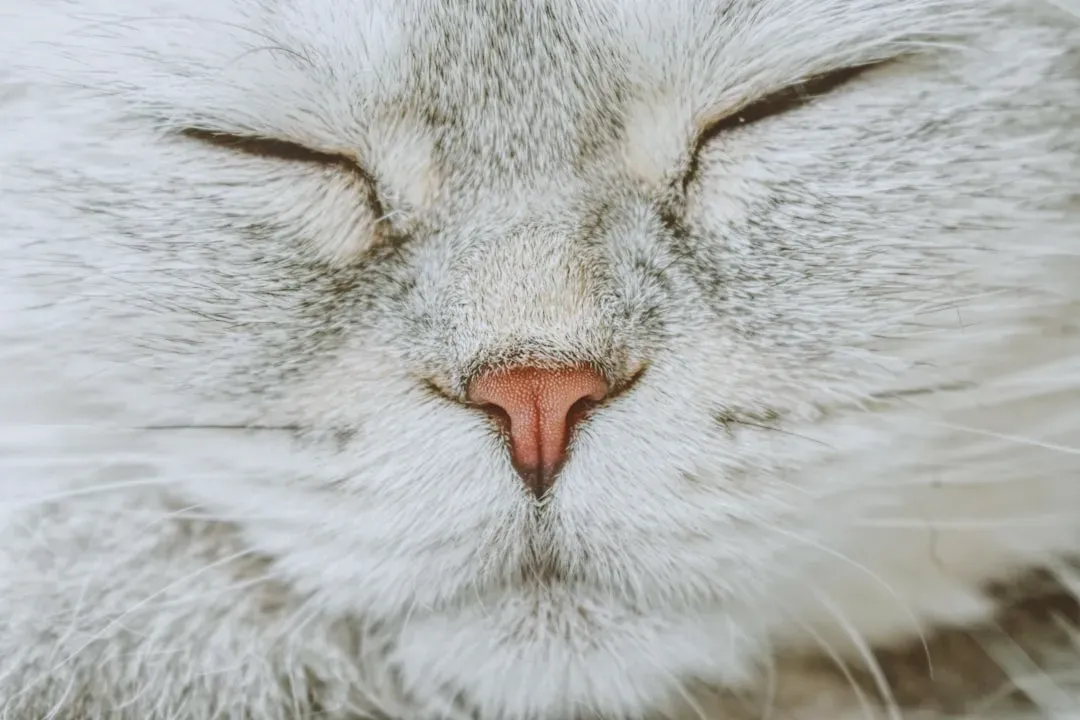
If you want to unlock a deeper bond with your cat, you need to learn exactly one move. Just one. It’s called the slow blink, and it’s arguably the most underestimated communication tool in the human-animal world. By observing cat-human interactions, scientists confirmed that this simple gesture makes cats, both familiar and unfamiliar, more likely to approach and engage with humans. It’s essentially a cat smile, and you’ve been walking past it every single day.
Research revealed that cat half-blinks and eye narrowing occurred more frequently in response to owners’ slow blink signals, and in a second experiment, cats had a higher propensity to approach the experimenter after a slow blink interaction than when the experimenter adopted a neutral expression. Let that sink in. A total stranger, an experimenter the cat had never met, became more appealing simply by blinking slowly. When a cat slow blinks at you, they are expressing trust, contentment, and affection, because in the feline world, closing their eyes in the presence of another creature makes them vulnerable to potential threats. That vulnerability is the compliment.
Cats Form Deep Attachment Bonds, Just Like Babies Do
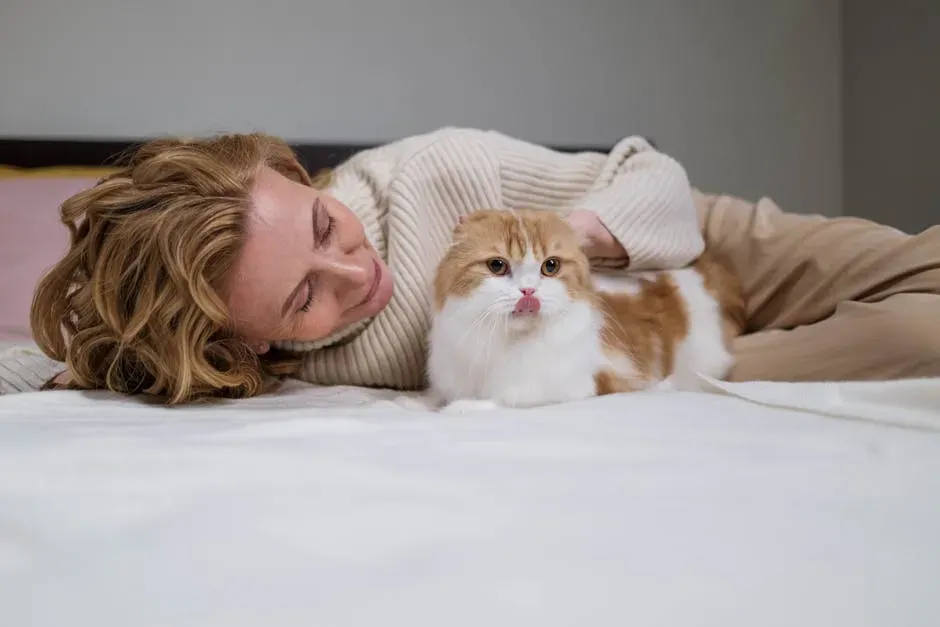
The idea that cats don’t actually bond to people the way dogs do has been confidently repeated for generations. Science has now firmly dismantled it. Findings reported in the journal Current Biology show that, much like children and dogs, pet cats form secure and insecure bonds with their human caretakers. Not sometimes. Not occasionally. Reliably, measurably, scientifically.
Research supports the hypothesis that cats show a similar capacity for the formation of secure and insecure attachments toward human caregivers, previously demonstrated in children at roughly 65 percent secure and 35 percent insecure, and in dogs at 58 percent secure and 42 percent insecure. In other words, your cat’s attachment patterns mirror those of a human infant. Securely attached cats display a reduced stress response and curiously explore the room while checking in periodically with their owners for attention, while cats with insecure attachment remain stressed after their owner returns and display behaviors such as clinging, avoiding, or switching between the two. Your cat has an attachment style. That’s not poetry. That’s peer-reviewed science.
Effort and Attention Matter More Than Food
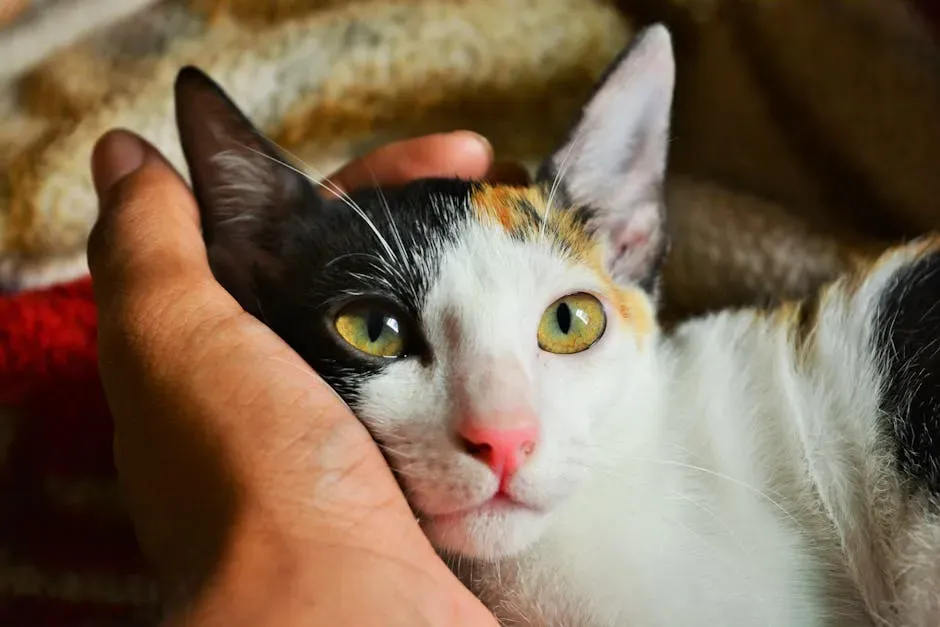
Here’s a surprisingly humbling finding for anyone who assumed that the person with the treat bag automatically wins a cat’s heart. According to a study by the nutrition company Canadae, the person who makes the most effort is the favorite, and people who communicate with their cat by getting to know their cues and motives are more attractive to their cat companions. That’s a beautiful thing when you sit with it. You earn your place through attentiveness, not convenience.
Research suggests that quality attention and playtime are equally as crucial as feeding, and cats often form their strongest bonds with people who provide a balance of physical care, emotional engagement, and respect for their independence. It’s a lot like any honest human relationship, really. You can’t just show up with groceries and expect deep connection. If your cat is the sort who just wants to be chill and relax, they will probably gravitate toward the calm, quiet family member, while playful, energetic cats are more likely to choose a companion who matches that same energy. Your cat, in a way, is choosing someone who reflects them.
Early Socialization Shapes Who Your Cat Will Choose
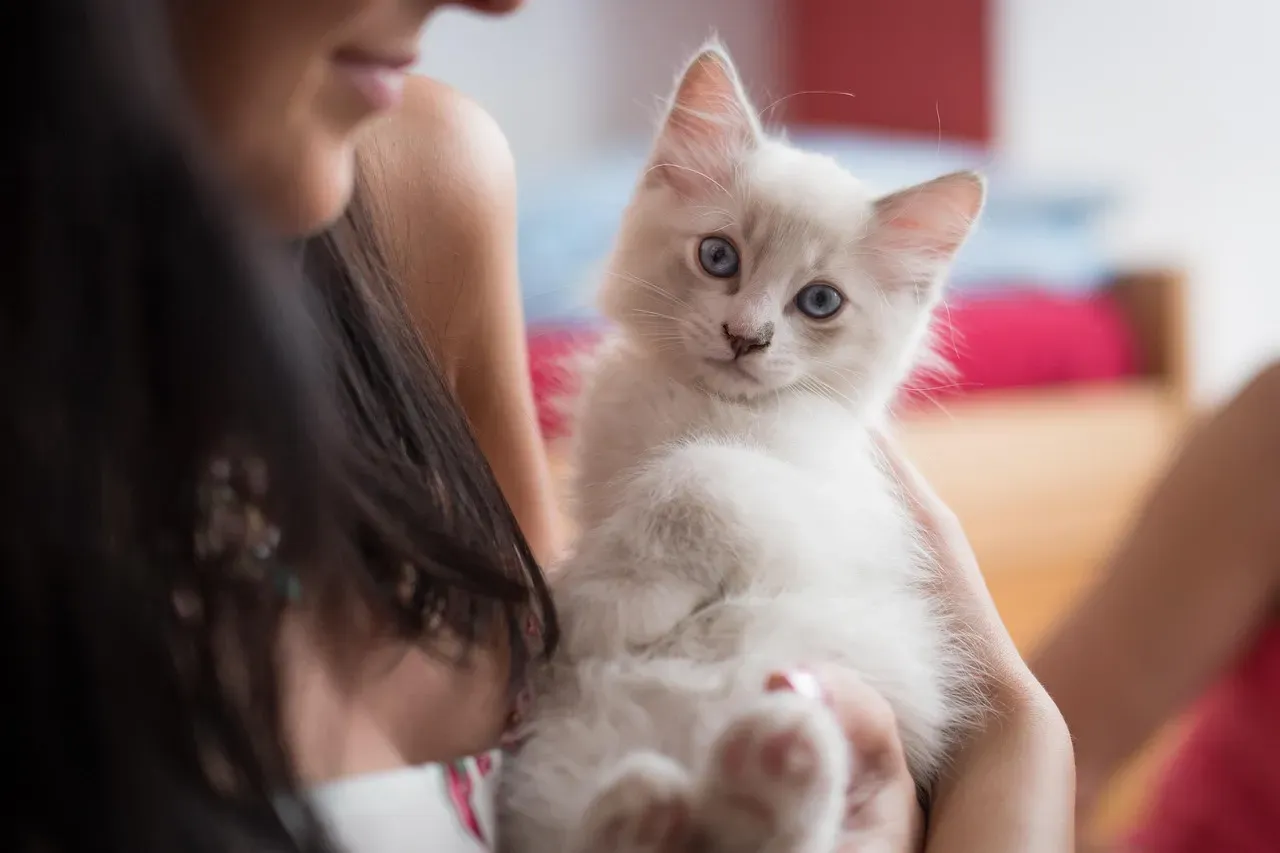
Many people assume that a cat’s personality is fixed, either it likes people or it doesn’t. The reality is far more nuanced and, frankly, more hopeful. A cat’s early experiences can profoundly impact its social preferences, and kittens exposed to various humans in a positive context tend to be more friendly and less fearful as adults. This window of opportunity in kittenhood is not unlike childhood development in humans. The impressions left early run deep.
Research showed that male cats who began living with humans earlier had more contact with experimenters, and individual male cats with lower testosterone levels were more likely to interact, suggesting that both hormones and the timing of early human contact play a significant role in how social a cat becomes. That’s a fascinating detail most people never consider. Unless cats get the opportunity to socialize with humans and other cats, they’re less likely to learn how to form emotional bonds and achieve a good quality of life, which at best makes for a lonely existence. Social confidence in cats isn’t innate. It’s cultivated.
Cats Actually Prefer Human Interaction Over Food
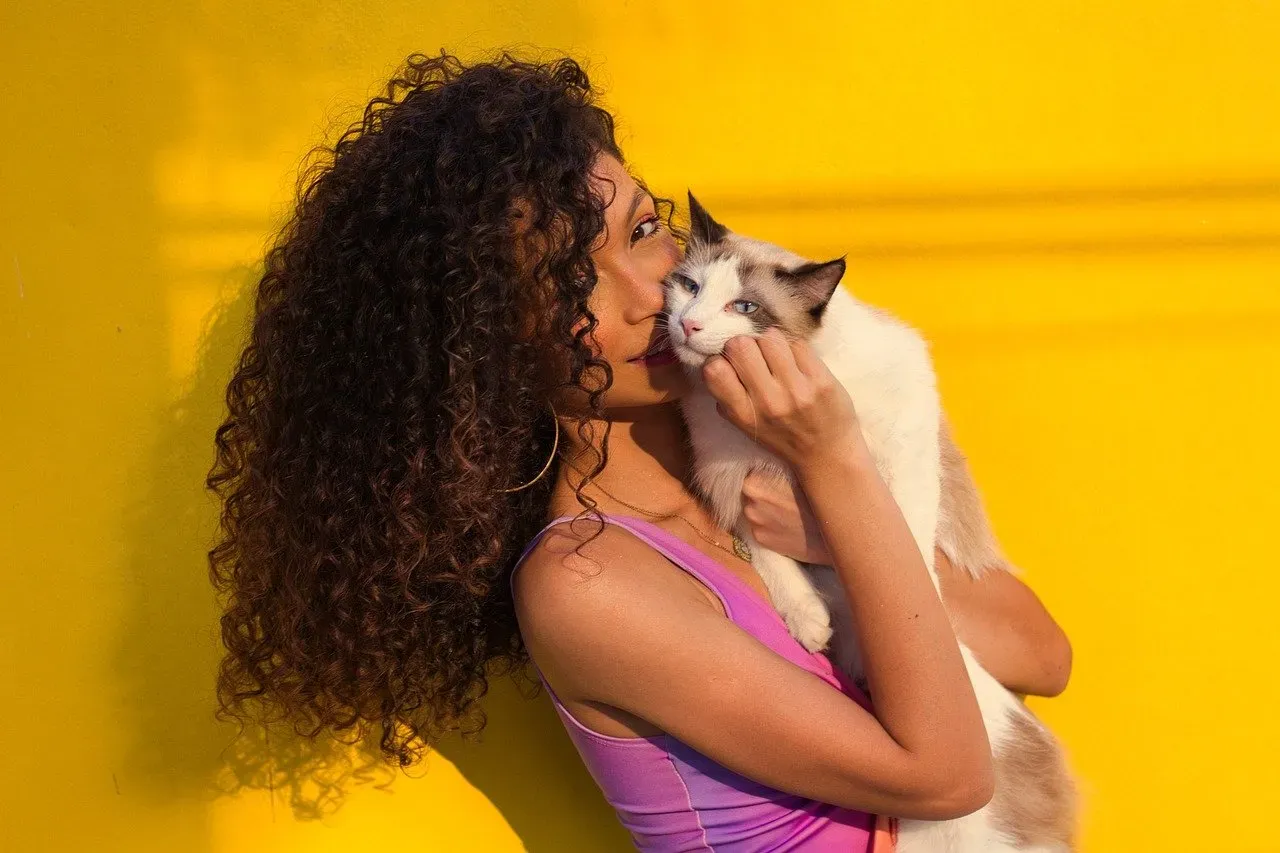
Still think your cat only tolerates you because you’re the one operating the can opener? This one might genuinely surprise you. Although there was clear individual variability in cat preference, social interaction with humans was the most-preferred stimulus category for the majority of cats, followed by food. Not toys. Not catnip. People came first. That finding flips the popular narrative entirely.
For the study published in the journal Behavioural Processes, scientists examined what happened when domestic pets and shelter cats were given a choice of stimuli, including food, toys, scent, and social interaction with humans, and found that social interaction was the preferred activity for the majority of both populations. This was true not just for pampered house cats but also for shelter cats who had limited positive human contact. This research highlights the depth and flexibility of social relationships cats can form with humans, suggesting that attachment in cats may be a biological trait evolved for enhancing survival within human environments. Your company, in other words, is genuinely valuable to your cat on a biological level.
Cats Communicate With Meows Specifically For You
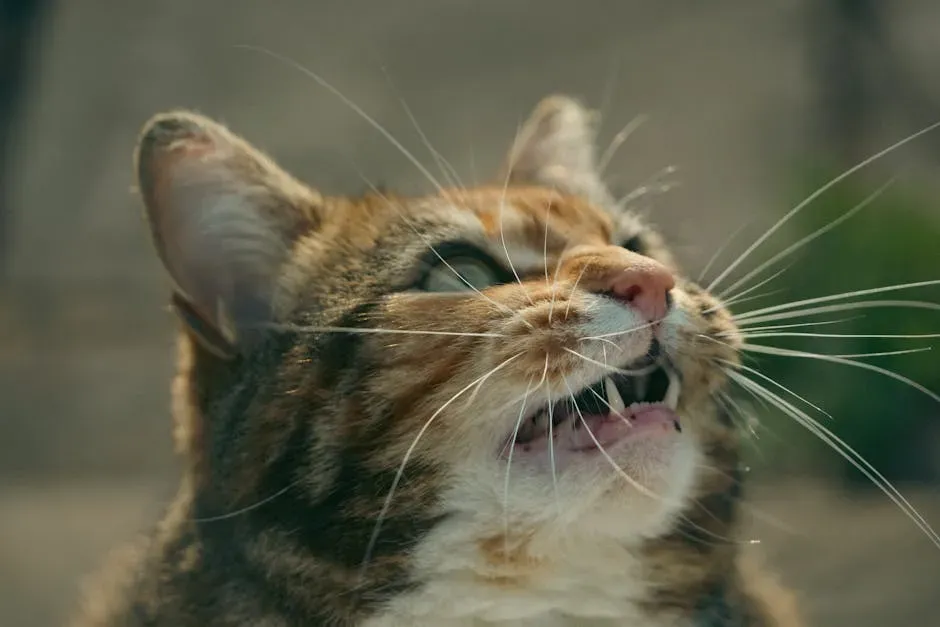
This one lands differently once you understand it. Your cat’s meow is not a universal cat sound. Over time, cats learned that humans tend to respond to meowing sounds, perhaps because they are somewhat similar to those of a crying baby, and have adapted to use them to communicate with their favorite humans. Wild cats and feral cats largely don’t meow at each other as adults. That behavior, the whole vocabulary of meows you’ve come to recognize, was developed for you specifically.
Cats communicate through vocalizations, body language, and behaviors, forming strong bonds with their human owners through these multi-layered channels. Every chirp, trill, and insistent yowl is part of a tailored communication system your cat built around you. Recent research also shows that cats pay far more attention to their human companions than once believed, and they often mirror their owners’ personality traits while even detecting human emotions, including sadness. Let that settle in. Your cat is reading your emotions and responding. That’s not random. That’s a relationship.
Respecting Boundaries Is the Fastest Way Into a Cat’s Inner Circle
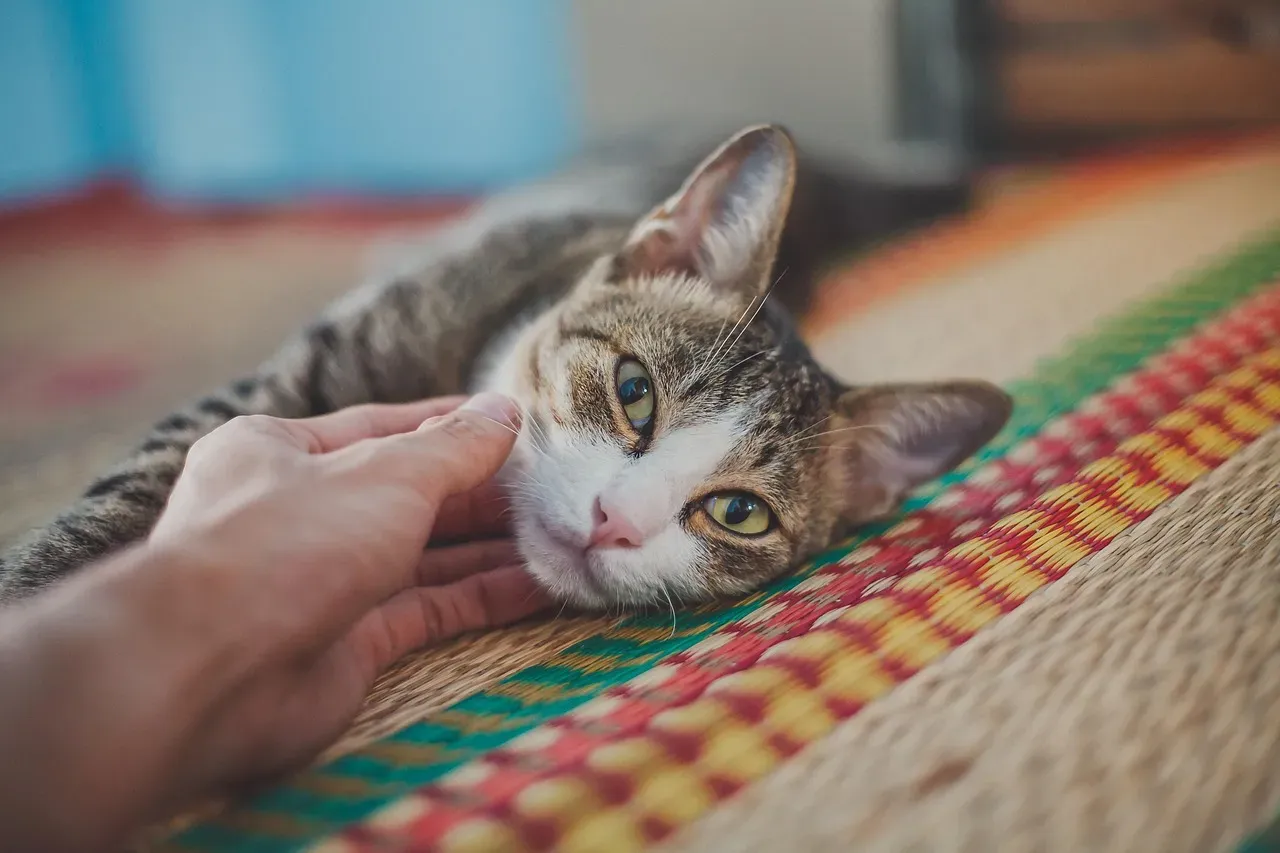
You cannot force your way into a cat’s heart. Let’s be real about that. The whole idea of grabbing a cat, pressing it to your chest, and cooing at it while it tries desperately to escape is perhaps the single most effective way to guarantee you’ll never be that cat’s chosen person. Over-affection can push cats away, as they dislike forced cuddles, being picked up constantly, direct staring, and loud baby talk, because to a cat, too much affection feels like a loss of control, and they prefer love that’s offered, not demanded. That’s a distinction most people learn too late.
Cats typically choose their favorite person based on who provides the most consistent positive experiences, including feeding, playtime, and respectful interaction, and they often favor those who understand and respect their boundaries. Think of it like earning a very discerning colleague’s trust at a new job. You can’t rush it, you can’t fake it, and you definitely can’t demand it. Earning a cat’s favor takes time, consistency, and genuine respect for their unique personality and preferences. When it finally happens though, when your cat climbs into your lap unprompted after weeks of indifference, there are few things in life that feel quite as earned.
Conclusion
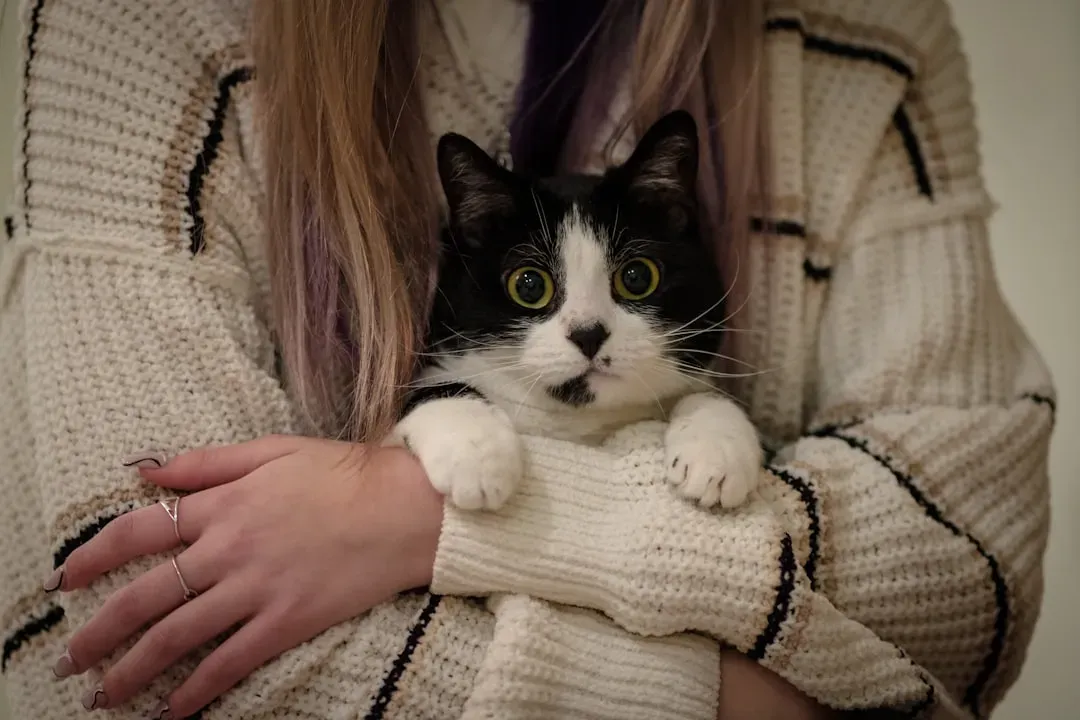
Cats are not random in their loyalty. They are exceptionally deliberate. They build their trust through scent, body language, consistency, attentiveness, and a quiet negotiation of boundaries that most humans never even realize is happening. The emotional bond between humans and their feline companions has gained significant recognition in recent years, reflecting a deeper understanding of this relationship’s profound impact on both species.
What the science keeps revealing is something deeply moving: that your cat chose you. Not by accident, not out of habit, but through a slow, careful, instinct-driven evaluation that took into account everything from the way you smell to the way you move across a room. When a cat chooses someone, it is one of the deepest forms of trust in the animal world. So the next time your cat curls up beside you, don’t take it lightly. You passed a test you didn’t even know you were taking.
Has your cat ever chosen someone you completely didn’t expect? Drop your story in the comments.
Kristina is a young writer from India. An arts graduate and an avid content creator, Kristina is passionate about animals and wildlife. She enjoys exploring topics related to pet care, animal behavior, conservation, and nature, combining thorough research with engaging storytelling.