Picture this: it’s 2 a.m., you’re deep in sleep, and suddenly a furry blur launches off your chest, ricochets off the wardrobe, and disappears down the hallway at full speed. No warning. No explanation. Just chaos in fur form. If you’re a cat owner, you know exactly what that is.
The nighttime zoomies are one of those gloriously baffling parts of cat ownership that range from hilarious to downright exhausting. There’s actually a surprising amount of science, instinct, and even emotion packed into that seemingly random madness. Curious to find out what’s really going on? Let’s dive in.
What Exactly Are the Zoomies?
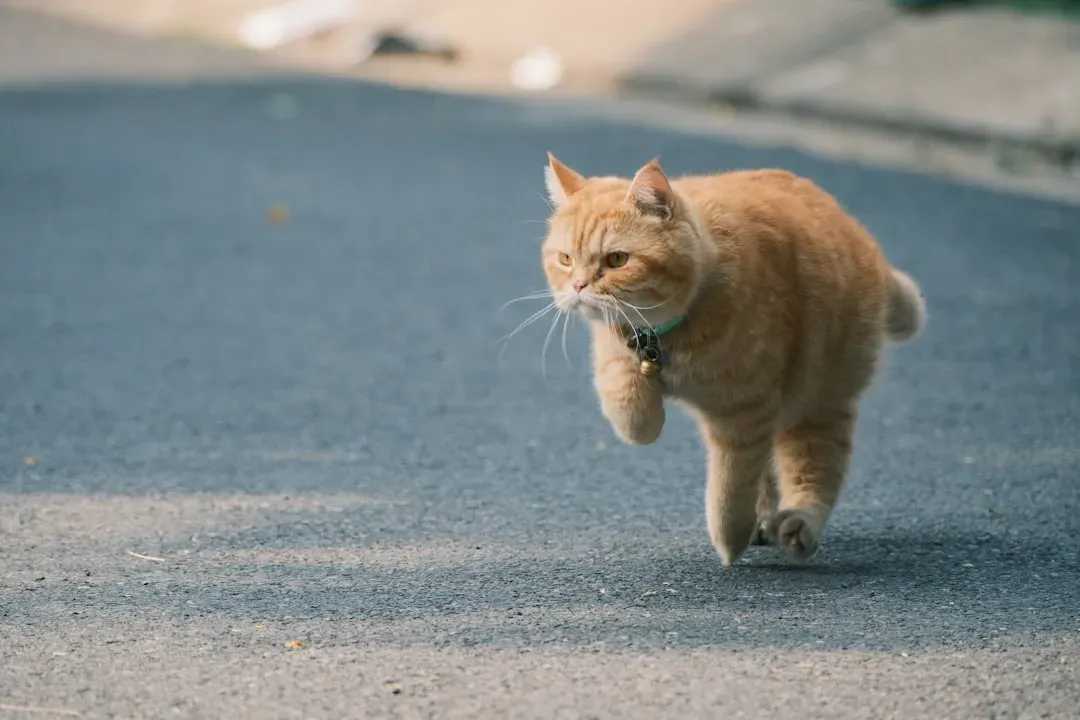
Some call it the witching hour, others know it as the nighttime “crazies,” and scientists refer to it as Frenetic Random Activity Periods, or FRAPs. Most people, though, simply know it as the “zoomies,” that sudden burst of hyperactivity that mystifies many cat parents. It’s that moment when your perfectly calm, regal feline transforms into a tiny, fur-covered tornado with absolutely no off switch.
The term “zoomies” is used to describe those sudden bursts of energy seen in cats, which often manifest as running, jumping, or pouncing at high speed, usually for no apparent reason. In reality, zoomies are a form of instinctual play behavior. Think of it less like random chaos and more like your cat briefly becoming the wild predator they were always meant to be.
Your Cat Is Not Nocturnal – Here’s the Real Story
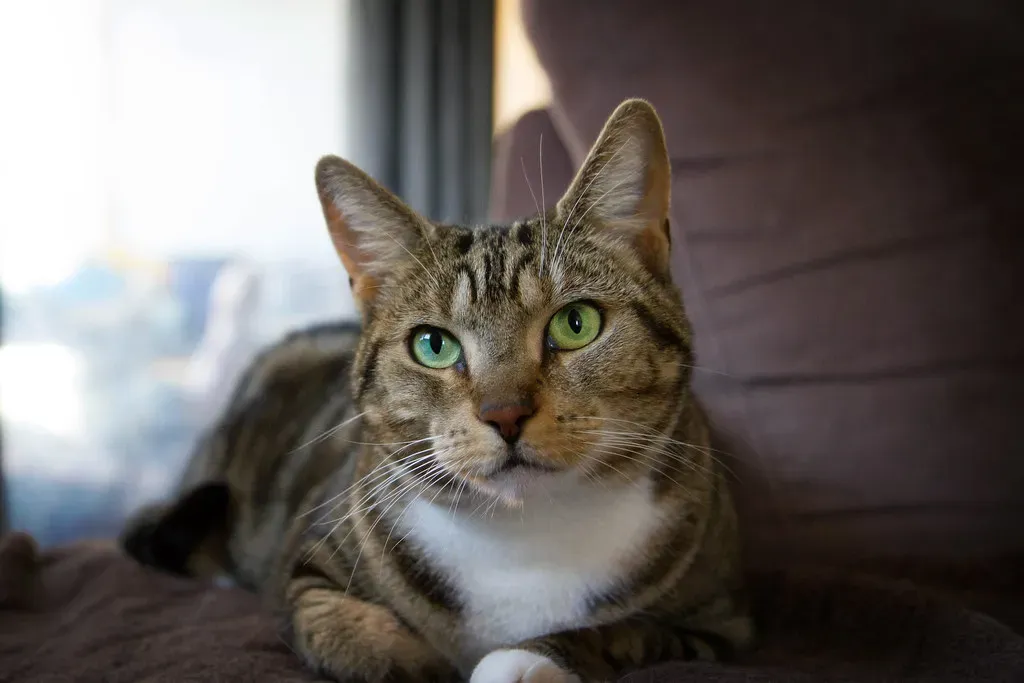
Here’s the thing that surprises almost every cat owner when they first hear it. Cats aren’t truly nocturnal. Rather, they follow a crepuscular rhythm that has them more active during the low-light hours of the day, mainly around dawn and dusk, and then sleeping during the middle of the night and day. So, calling them nocturnal is technically a myth, even if your shredded curtains tell a different story.
Cats’ behavior is deeply connected to their wild ancestors, particularly the African wildcat. These predators thrived during twilight hours, hunting small prey while avoiding larger predators. This evolutionary adaptation ensured survival by balancing energy efficiency and safety. Your domestic cat, lounging on the sofa all day, still carries every bit of that ancient programming.
The Science Behind the Surge of Energy
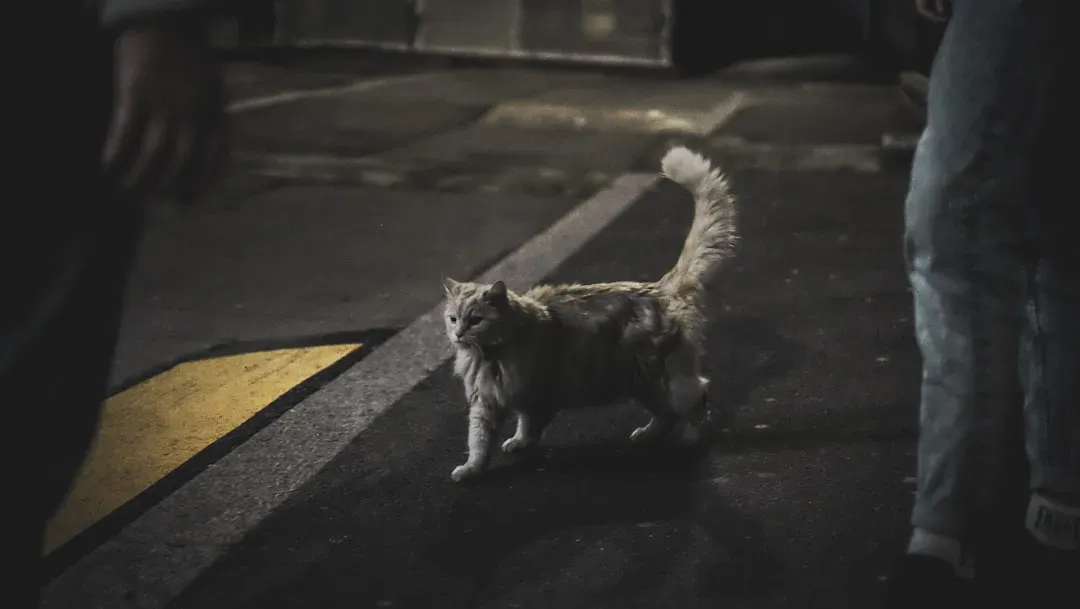
Cats are crepuscular creatures, meaning they are most active during the dawn and dusk hours. This behavior is rooted in their evolutionary history as hunters, since dawn and dusk are prime hunting times when prey animals are most active. Even though domesticated felines no longer need to hunt for survival, their instincts to be active during these times remain strong. It’s like having an alarm clock hardwired into their DNA that rings at sunset and sunrise, whether you like it or not.
Cats can reach speeds of up to 30 miles per hour during zoomie sprints, which is faster than Usain Bolt over short distances. I know it sounds crazy, but the next time your cat blurs past you in the hallway, you’re essentially watching a world-class sprinter in action. That’s not chaos. That’s pure, compressed athletic ability being unleashed.
Pent-Up Energy: The Main Culprit
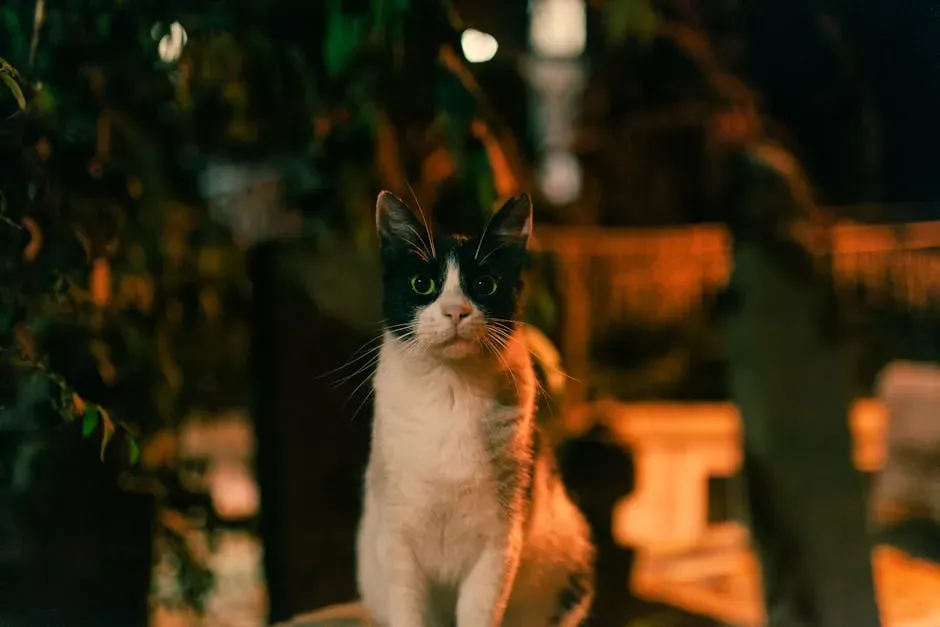
The vast majority of zoomies in cats have to do with pent-up energy. Nighttime is when it’s quietest in most people’s homes, and a cat that slept most of the day while the owners were gone may be up and looking for something to do. Think of it like a kid who sat quietly in class all day and then explodes with energy the moment they hit the playground. That’s your cat, every single night.
Cats spend a lot of time sleeping during the day, often in short bursts. This means they build up energy throughout the day that needs to be released in some way, leading to a mad dash around the house in the evening, commonly known as cat zoomies. One of the most common reasons cats experience these bursts of hyperactivity is due to the excess energy they’ve stored. The longer the nap, the wilder the sprint, apparently.
Attention-Seeking and Emotional Needs
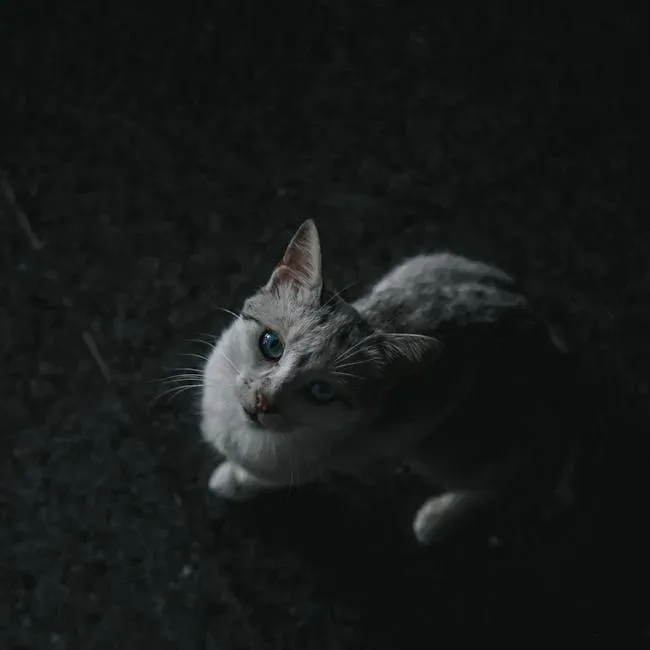
Let’s be real: your cat isn’t always racing through the house purely out of instinct. Sometimes cats get hyper at night because they’re seeking attention. If their owners are typically busy during the day, cats may use the evening to demand interaction through playful or hyperactive behavior. It’s essentially your cat’s version of tapping you on the shoulder, except the “tap” involves knocking over your bedside lamp at 3 a.m.
Their extra energy has to get out sometime, and they may want to include you, especially if you’ve been gone and haven’t been able to give them enough attention. Honestly, there’s something both endearing and guilt-inducing about that. Your cat is, in their own spectacularly chaotic way, asking you to hang out.
When Zoomies Could Signal Something More Serious
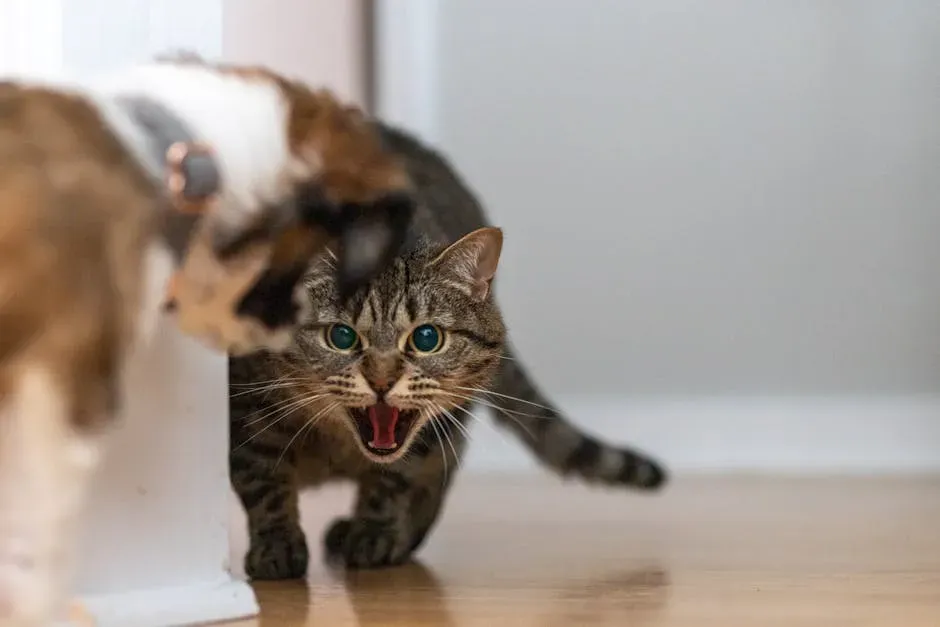
Most of the time, a midnight sprint is just a midnight sprint. Still, if these sporadic periods of energy become more intense and frequent, it may be worthwhile to chat with your vet. When a cat experiences acute pain due to arthritis or has been bitten by fleas, they may try to escape the pain or itchiness by running wildly. Your cat may also run frantically around the house if they have constipation. So, sudden and dramatic changes in zoomie behavior are worth paying attention to.
In some cases, excessive nighttime activity may be a sign of an underlying medical issue such as hyperthyroidism. If your cat’s nighttime behavior suddenly changes or becomes more extreme, it’s essential to consult with your veterinarian to rule out any potential health problems. The key word here is “suddenly.” A change from the norm is always a reason to pause and take a closer look.
Age Matters More Than You Think
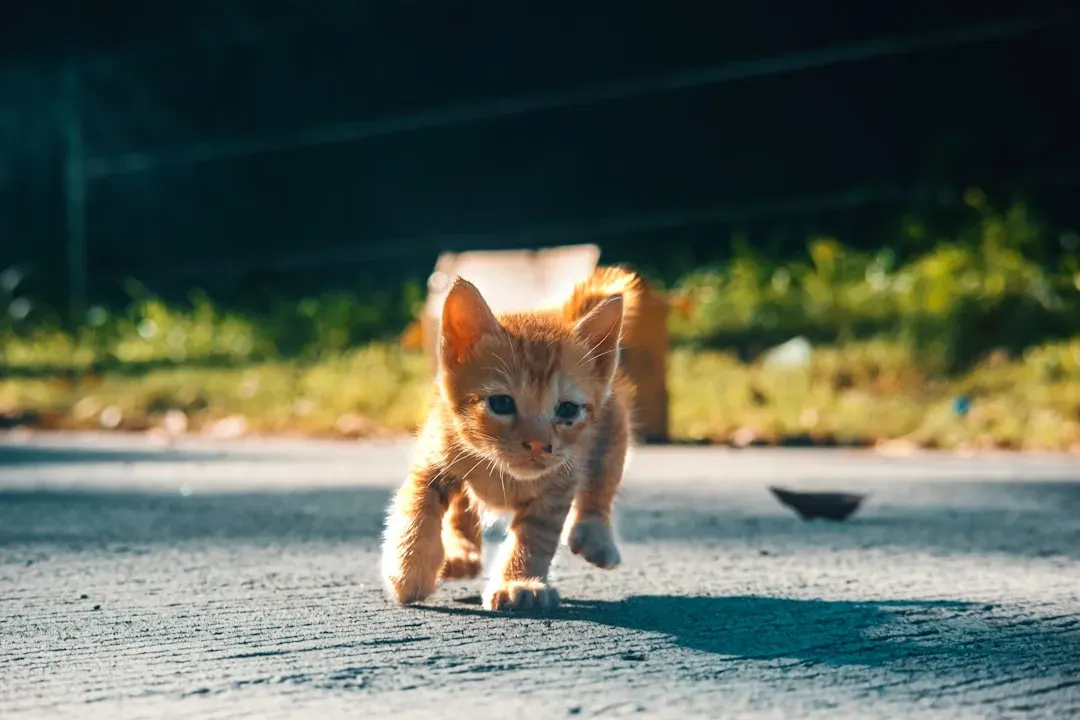
A cat’s age can significantly impact their activity levels and sleep-wake cycle. Young cats have an abundance of energy and may have more frequent and intense zoomies. They are also more likely to be active at night. Kittens, in particular, are practically live wires wrapped in fluff. The younger the cat, the more spectacular the zoomies tend to be.
Senior cats, on the other hand, may be restless at night for different reasons. Changes in their sleep cycles, hearing loss, anxiety, or the onset of cognitive dysfunction can lead to vocalizing and increased wakefulness. So while a kitten zooming around is almost always just play, an older cat suddenly becoming restless at night deserves a little more scrutiny. Same behavior, very different potential meanings.
How You Can Actually Manage the Midnight Madness
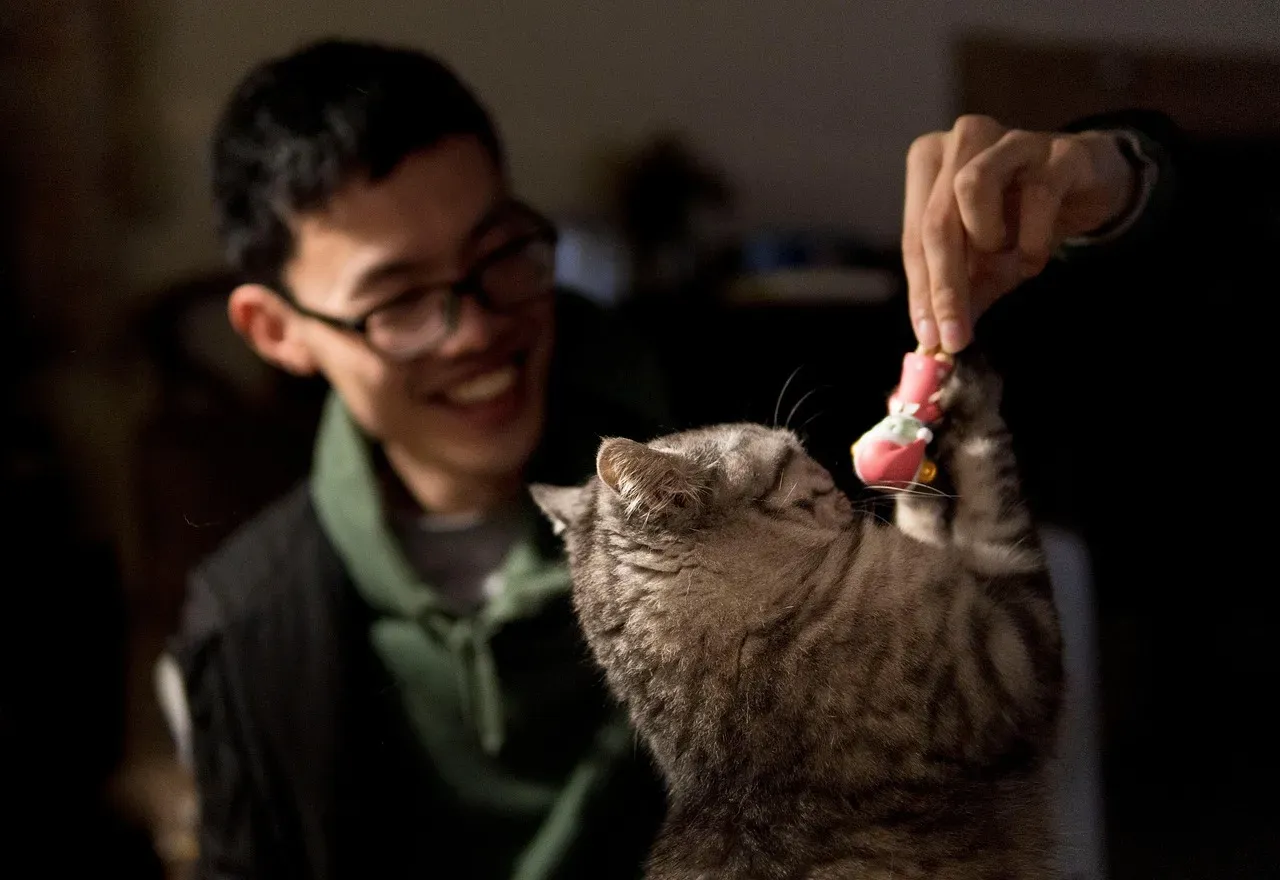
Try a play session before your own bedtime. Use toys that mimic prey behavior, such as feather wands or laser pointers, to let your cat hunt and burn off energy. This helps fulfill their exercise needs and encourages better sleep patterns. It’s a simple shift in your evening routine, but the payoff, actual sleep, is absolutely worth it.
Zoomies release endorphins that improve your cat’s mood and reduce stress. Your feline companion isn’t just burning energy – they’re keeping both their body and mind healthy. Cats thrive on routine. Feeding your feline companion at the same times each day helps stabilize their energy cycles, and may reduce the intensity of nighttime zoomies. Routine and play together are a surprisingly powerful combination, almost like a natural off switch.
Conclusion: The Hidden Joy Inside the Chaos
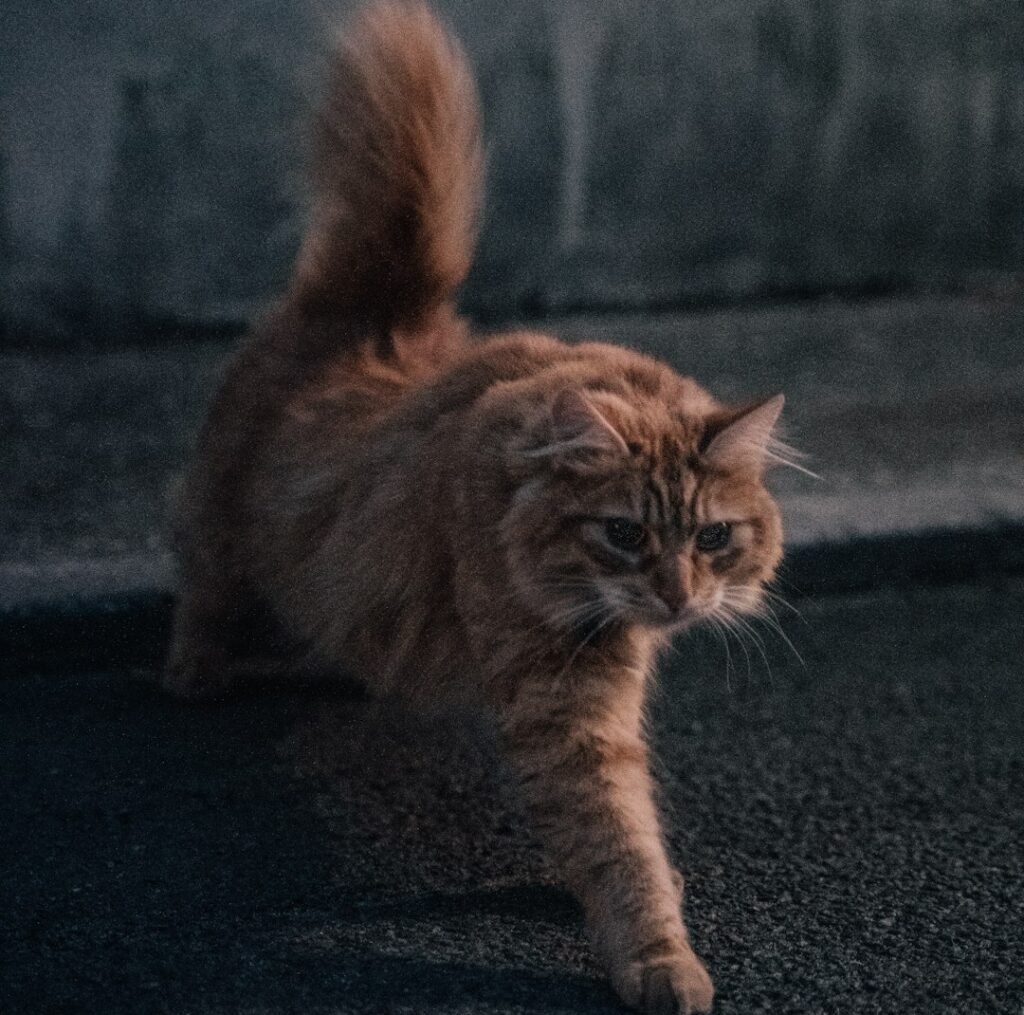
The nighttime zoomies can feel maddening when you’re half-asleep and your cat is treating your bedroom like a racetrack. Yet underneath all that chaos is something genuinely wonderful. It’s instinct, it’s joy, it’s your cat being exactly what they are, a small, fast, emotionally complex predator who also happens to love you in their own wild way.
Understanding why your cat does this changes everything. Rather than seeing the midnight sprint as an inconvenience, you start to see it as a signal, a sign of health, energy, and sometimes even affection. With a few smart adjustments to your routine, you can find a rhythm that works for both of you.
So the next time your cat launches off the sofa at midnight like a furry missile, maybe smile before you groan. What would you do with all that bottled-up energy if you slept fourteen hours a day? Share your funniest zoomie story in the comments – we’d genuinely love to hear it.
Kristina is a young writer from India. An arts graduate and an avid content creator, Kristina is passionate about animals and wildlife. She enjoys exploring topics related to pet care, animal behavior, conservation, and nature, combining thorough research with engaging storytelling.