You didn’t sign up to be alarm-clock-proof. Yet somehow, every morning before the sun has fully committed to rising, a small, furry creature decides that your sleep is over. There’s a paw on your face. There’s a stare so intense it could bore holes through the duvet. And yes, there’s that sound – somewhere between a plea and a command – that no amount of pillow-over-head can muffle.
Living with a cat means accepting that your mornings are no longer entirely your own. Honestly, there’s something both hilarious and oddly heartwarming about it. Your cat runs a tight schedule, and you, dear human, are simply the supporting cast. So what’s actually going on during those chaotic, endearing first hours of the day? Let’s dive in.
The Biology Behind the Wake-Up Call
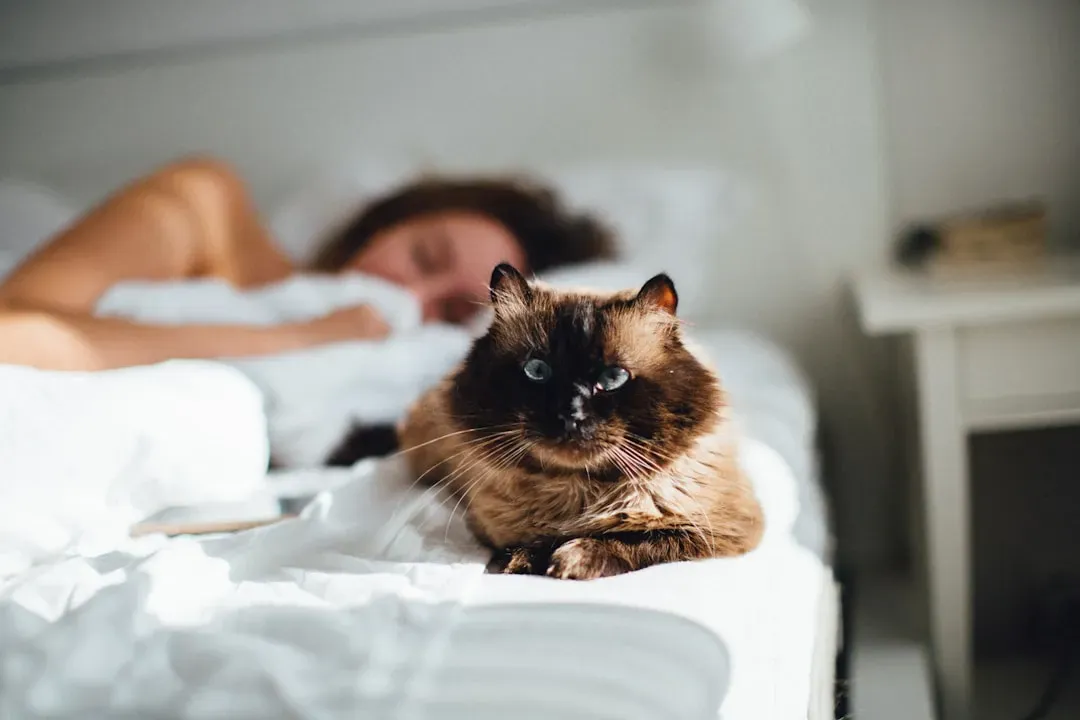
Here’s the thing: your cat is not being deliberately obnoxious at 5 AM. Cats are crepuscular animals, meaning they are naturally most active during dawn and dusk – and this evolutionary trait explains why your cat may be particularly energetic and social when you are just opening your eyes. It’s not personal. It’s biology, plain and simple.
This crepuscular nature stems from their wild ancestors’ hunting patterns, when prey was most abundant during these twilight hours. Despite domestication, this internal clock remains hardwired in household cats. Think of it like a rooster that never got the memo about apartment living – your cat’s internal sunrise alarm is older than civilization itself.
Domestic cats tend to be most active early in the morning and at dusk, not in the middle of the night. They also change their activity cycles to fit in with their human housemates, which means if you sleep at night, your cat should also be resting. So some good news – you can actually shape this behavior over time with the right approach.
The Stare That Starts It All
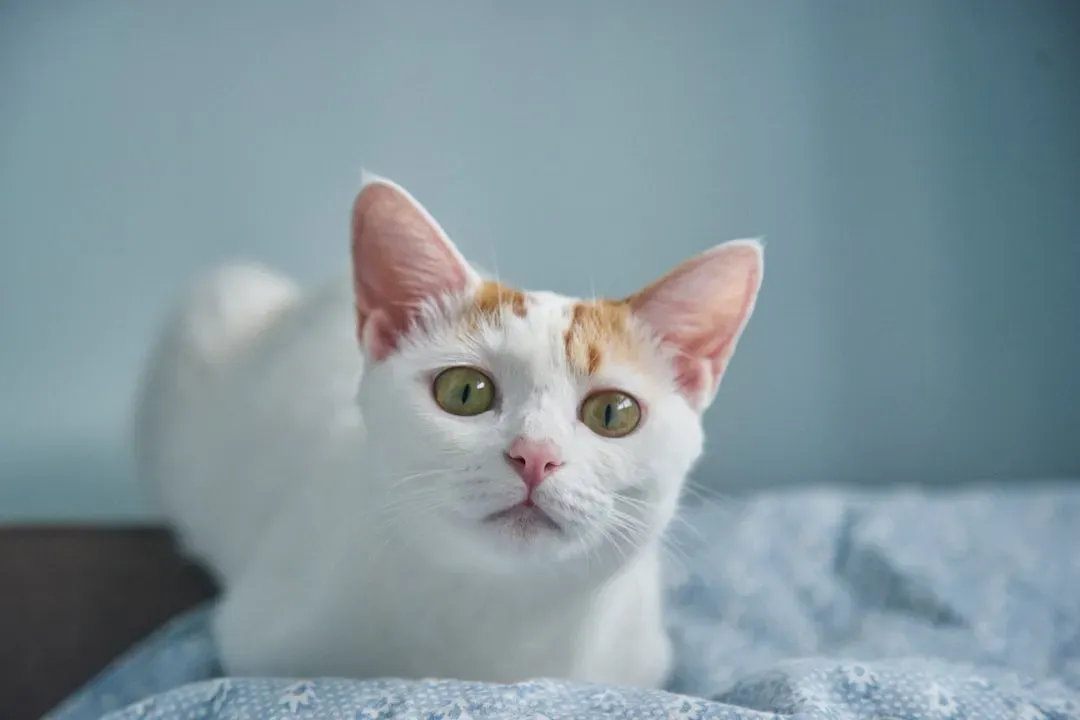
Before the meowing, before the paw taps, there is the stare. If you have ever opened your eyes to find two unblinking feline eyes already locked onto yours, you know exactly what I am talking about. Just before you wake up, you may make some noise or move and stretch your body, which gives your cat a cue that you are almost awake. Your cat may notice different breathing patterns and specific body movements when you are about to wake up.
Just before you wake up, your cat picks up these physical signals as their cue that you are almost awake – and this becomes their signal to start meowing, so you can feed them and give them much-deserved attention. It’s weirdly impressive, if you think about it. Your cat has essentially become a sleep-stage analyst without any formal qualifications. The PhD is just implied.
The Hunger That Cannot Wait
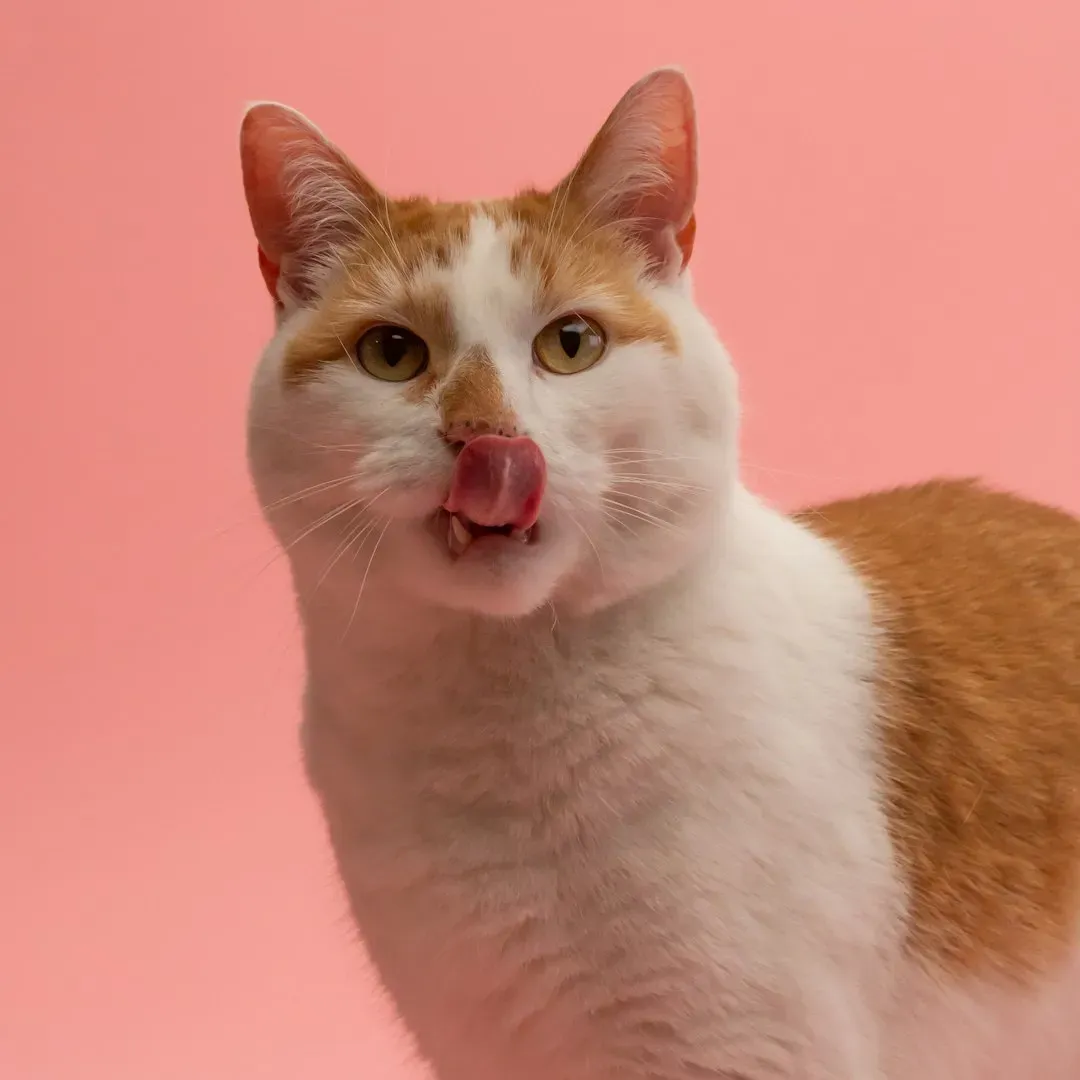
Let’s be real: food is almost always somewhere in the equation. Cats have very small stomachs, only about the size of a ping pong ball. Your cat will start to get hungry about five hours after eating, and if you go more than about eight hours between meals, your cat is essentially starving by morning. That is a long time for a creature with the patience of a toddler who missed their nap.
Cats learn to associate morning attention-seeking with successful food acquisition, making it a learned behavior reinforced by routine. In other words, the moment you stumble out of bed and pour food into that bowl while still half-asleep, you have just confirmed for your cat that their strategy works brilliantly. Cats are big fans of schedules – if you usually wake up at 6:30 AM, do not be surprised if your cat expects breakfast at 6:29, even on weekends.
The Kneading, the Head Bumps, and the Love Offensive
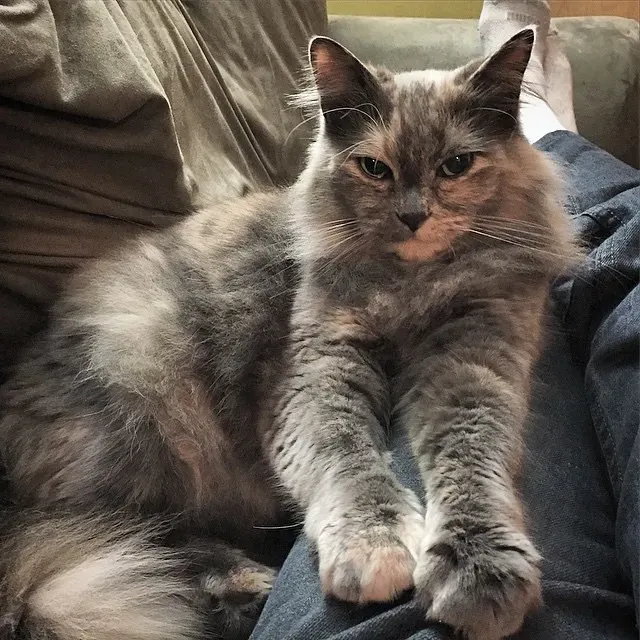
Once your cat has secured your consciousness, the affection campaign begins. And honestly, this part is the most charming piece of the whole morning symphony. Morning affection often represents a genuine emotional bond between cats and their owners. After hours of separation during sleep, your cat may simply miss you and want to reinforce your social connection. Sweet, right?
Kneading is one way your cat wakes you up in the morning as a way of saying “I love you.” You should avoid yelling at or pushing your cat when they knead your legs or stomach early in the morning, as they are only showing love. It is the feline equivalent of a morning hug, just with slightly more pressure and occasionally more claws than you bargained for.
The Morning Patrol You Never Knew Was Happening
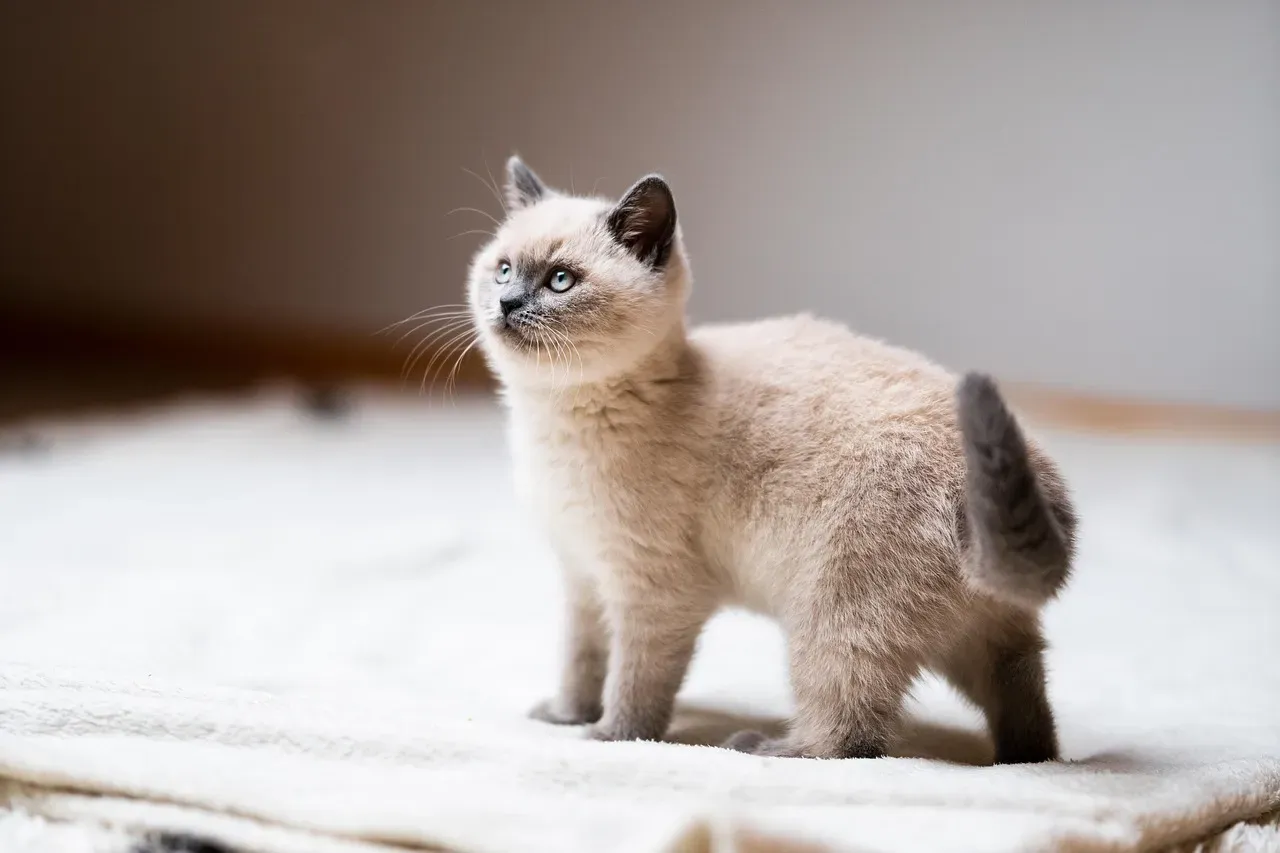
Here is something that might surprise you: long before you even stir, your cat has already been busy. Some cats may have established rituals, such as waking their owners up or following them from room to room, which may be a sign of their trust and affection. For many cats, the morning involves an entire private agenda that has nothing to do with you at all – at first.
Cats are morning people. One of the ways people see cats as demanding creatures is the way they want to wake you up – or, when you do wake up, you discover you have been closely monitored, waiting for signs of wakefulness first thing in the morning. It is a little surveillance operation you never consented to. Your cat is, essentially, the world’s most dedicated and fur-covered security guard.
The Bathroom Escort Service
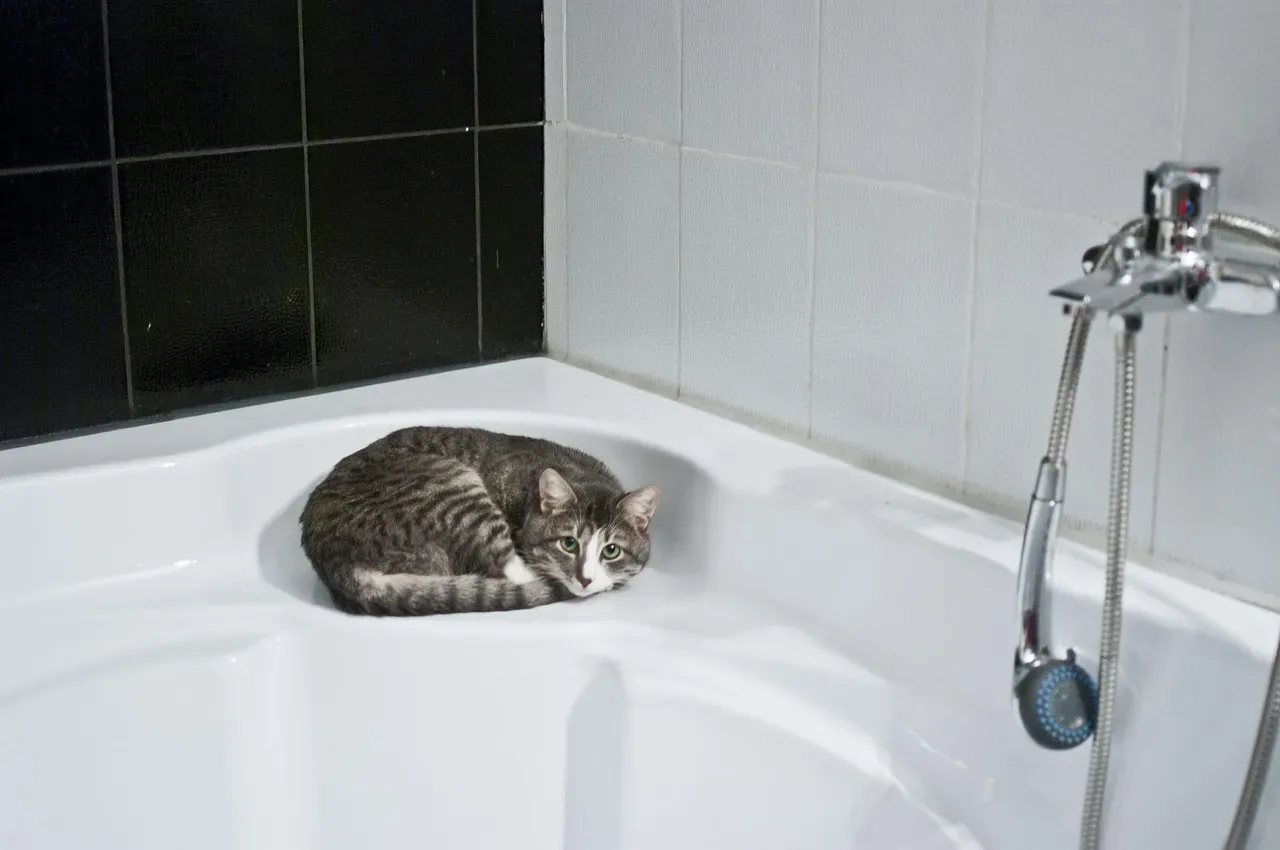
Once you have reluctantly risen from bed, your cat takes up a very specific and uninvited position: directly underfoot. Because cats love to be involved in everything, there are countless stories out there of cats following their owners to the bathroom. They will wait to welcome you once you step out of the shower and watch closely as you brush your teeth and go about your morning routine.
I think most cat owners have simply accepted this as part of the deal. You will never brush your teeth alone again. While you go about getting ready for your day, your cat wants to supervise from a vantage point somewhere nearby. By giving them a little perch or a place with a cat bed, nice and high up, they feel included while getting an opportunity to watch and learn about all the fascinating things you do. Fascinating to them, at least. Not everyone finds tooth brushing riveting, but your cat clearly does.
The Breakfast Drama Performance
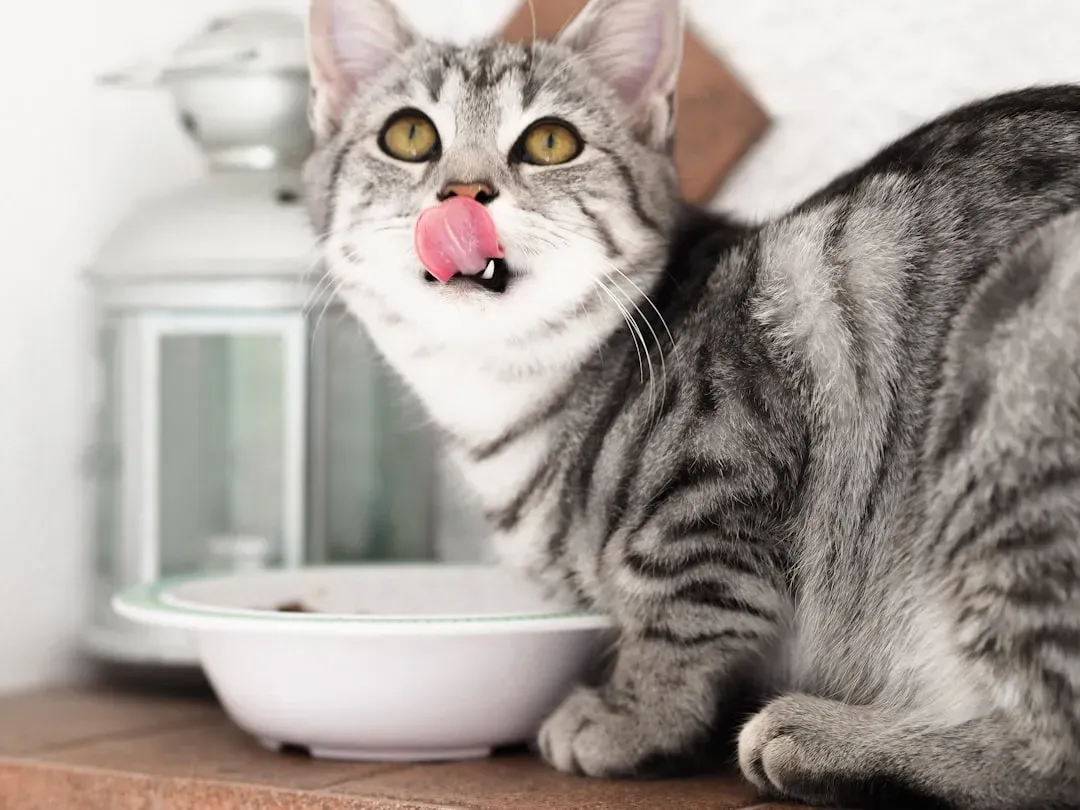
The actual act of feeding your cat is rarely a simple event. It is a performance. Most felines seem to have an internal clock that alerts them to exactly when they are supposed to be fed. Your cat will probably let you know right on the dot when it is time, and act super dramatic if you are even a few minutes late. You could set a watch by it, except the watch would be extremely loud and somewhat judgmental.
Cats do not like to eat next to people’s feet rushing around them, or while loud noises are everywhere. It gets stressful, and their natural instincts tell them to eat and run, or not eat at all, when there is a lot of commotion. So if you want your cat to actually enjoy their breakfast rather than inhale it anxiously, take a breath yourself. Keep the morning as calm as you can manage. Your cat will thank you in their own subtle, slightly imperious way.
The Post-Breakfast Energy Burst
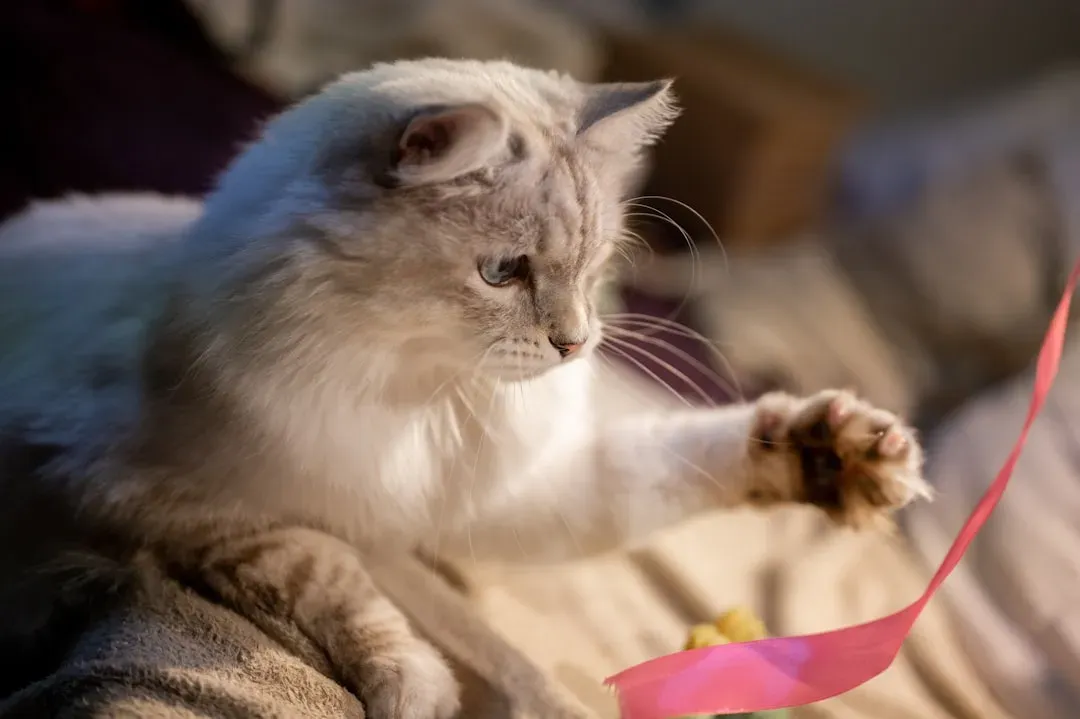
You might assume that after eating, your cat would settle down for a peaceful nap. You would be wrong. Once your cat has eaten, they will likely have a short burst of energy, and if you can add in a regular play session right after they eat, that helps turn their energy into healthy exercise and also a chance to bond with each other. Grab some toys and let them chase a wand around for a while.
Perhaps the most important routine to your cat, next to feeding time, is the frequency of interaction you have with each other. Regularly playing with your cat twice a day, even for only five minutes at a time, means your cat will begin to look forward to and even depend on your time together. Think of it as the world’s most energetic morning coffee ritual – except you are the coffee, and your cat is a tiny, furry espresso shot.
The Routine That Rules Everything
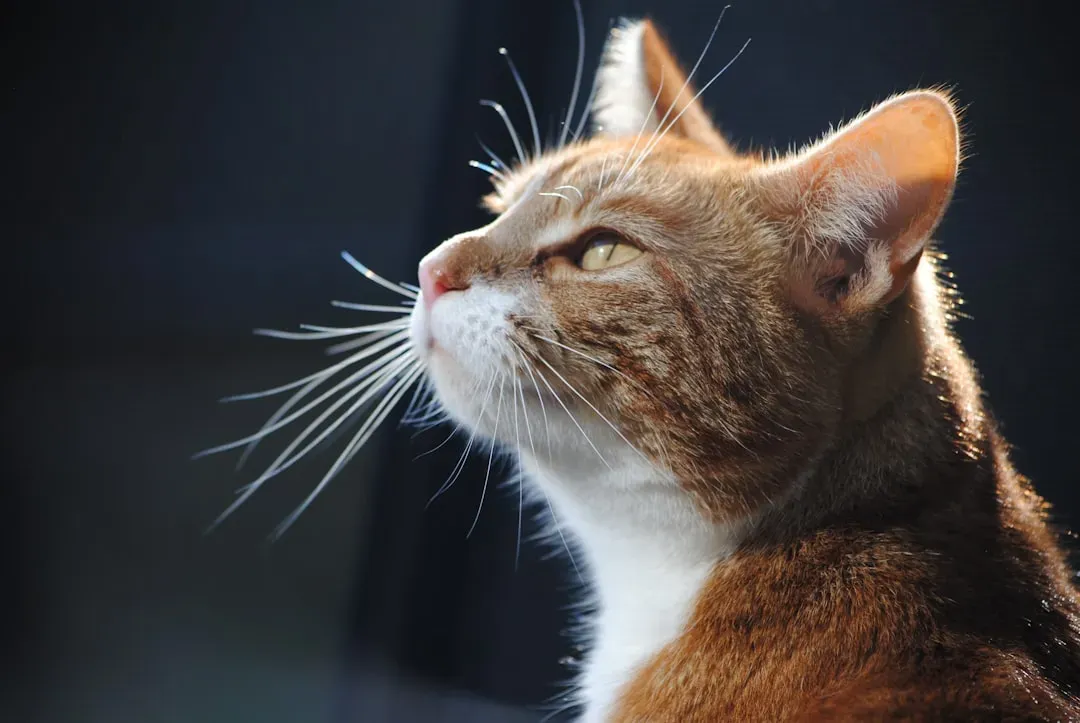
At the heart of every cat’s morning symphony is one quiet, powerful truth: cats thrive when their world feels predictable, and a daily routine provides just that. Structure gives them security, reduces anxiety, and prevents destructive behaviors that often stem from boredom or stress. Knowing what to expect allows your cat to feel more confident in their environment.
What seems like a boring existence to us is a routine that means safety and security for a cat. By setting up regular, unchanging timetables and procedures for daily events, pet owners provide an environment that is dependable, predictable, and organized. It’s hard to say for sure, but I genuinely believe that a cat with a solid morning routine is one of the most content creatures on the planet. They may not say thank you, but the purring speaks volumes.
Keeping a regular routine has even been associated with reduced stress levels in cats. To maintain a routine, keep mealtimes, playtimes, and any grooming close to the same time each day. Consistency is not just good for your cat’s nerves – it’s good for yours too. When you know what to expect from each other, mornings transform from chaotic negotiations into something that almost resembles harmony.
Conclusion
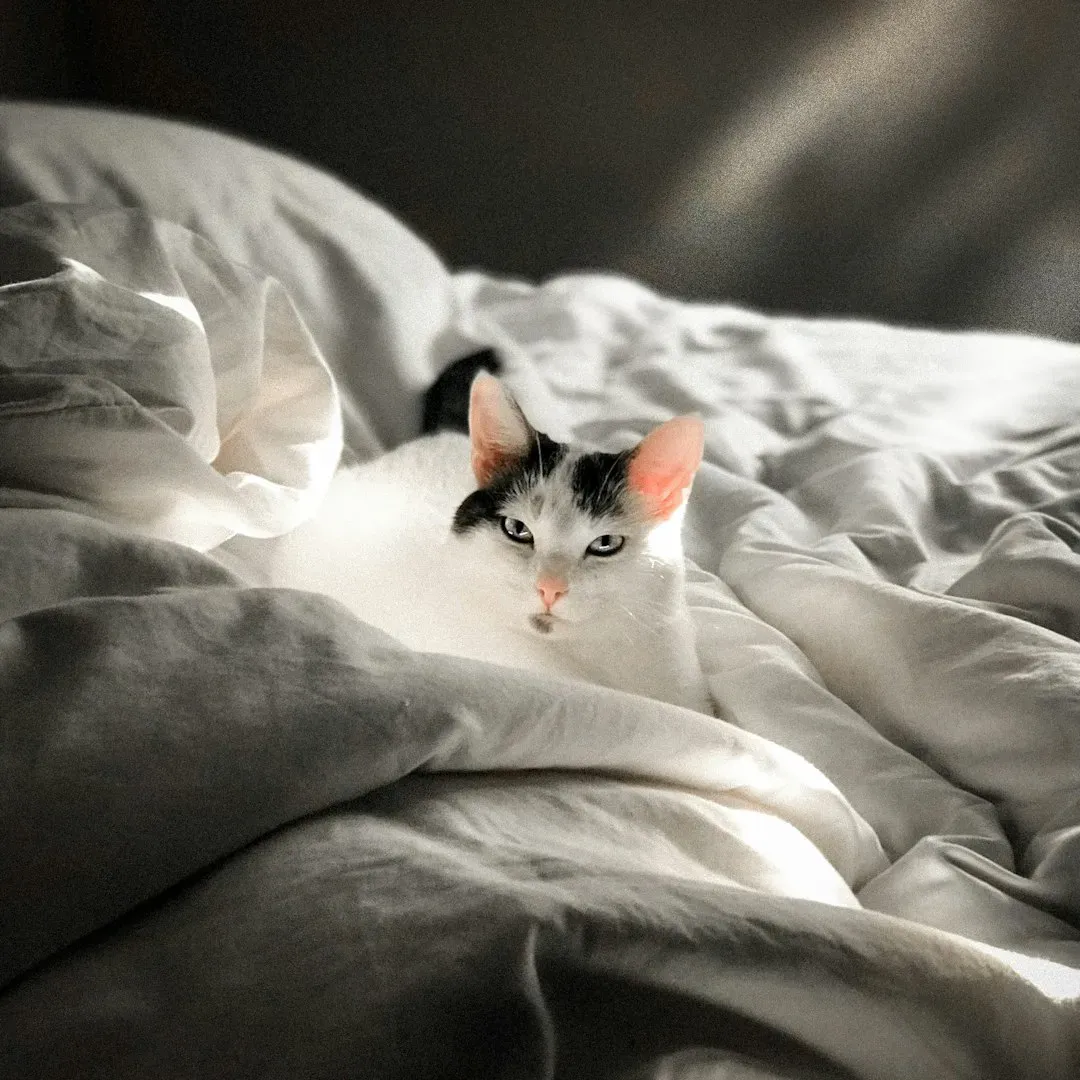
Your cat’s morning routine is not an accident. It is not random chaos. It is an intricate, deeply personal production choreographed entirely around you – your breathing patterns, your schedule, your refrigerator. There is something rather touching about that, once you get past the 5 AM face pats and the theatrical meowing.
Understanding why your cat behaves the way they do in the morning changes everything. It shifts the narrative from “my cat is driving me insane” to “my cat has a whole system built around loving me.” And honestly? That is kind of extraordinary. The next time you are woken up by a small paw on your cheek before the alarm even goes off, maybe instead of groaning, you will smile – just a little.
So here’s the real question worth sitting with: who is actually running your morning – you, or the small, determined creature who has already mapped your sleep cycles and memorized your feeding schedule? We both know the answer. What do you think? Tell us your funniest cat morning story in the comments below.
Kristina is a young writer from India. An arts graduate and an avid content creator, Kristina is passionate about animals and wildlife. She enjoys exploring topics related to pet care, animal behavior, conservation, and nature, combining thorough research with engaging storytelling.