You probably think your cat is just lounging around, completely unbothered by your daily routines. But here’s the thing – your cat is watching you. Closely. More closely than you might ever imagine.
Science has been slowly peeling back the curtain on just how deeply cats observe, process, and even mirror human behavior. They’re not merely passive roommates stealing your warmth and your couch space. They’re sharp little social learners who absorb far more from you than you realize. Some of it is genuinely heartwarming. Some of it? Well, let’s just say your worst habits may have a new four-legged fan. Let’s dive in.
1. Your Daily Schedule – Down to the Minute
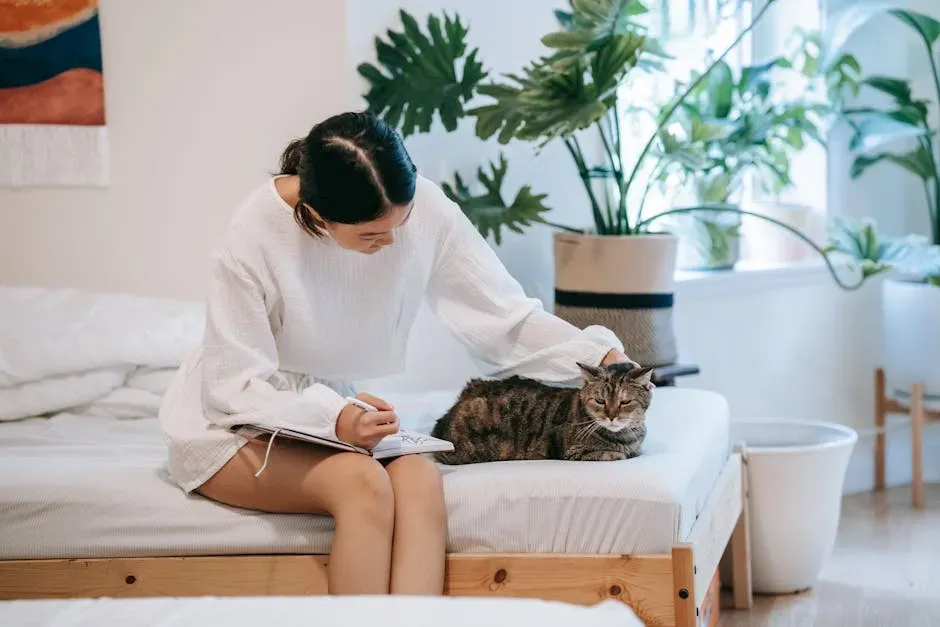
Your cat knows when you wake up, when you eat, when you sit down to watch TV, and roughly when you’ll shuffle off to bed. Cats are excellent at pattern recognition for routines such as mealtimes and door openings, and predictable human behavior becomes a cue for food, play, or attention. It’s almost like living with a tiny, fur-covered timekeeper who never misses a beat.
Cats can pick up on routines and habits. If you consistently go to bed at a specific time, it won’t be long before your cat starts to anticipate bedtime as well. Honestly, that’s both adorable and slightly unnerving – your cat has essentially memorized your entire life schedule without you ever agreeing to share it.
2. How to Open Doors and Cabinets (Yes, Really)
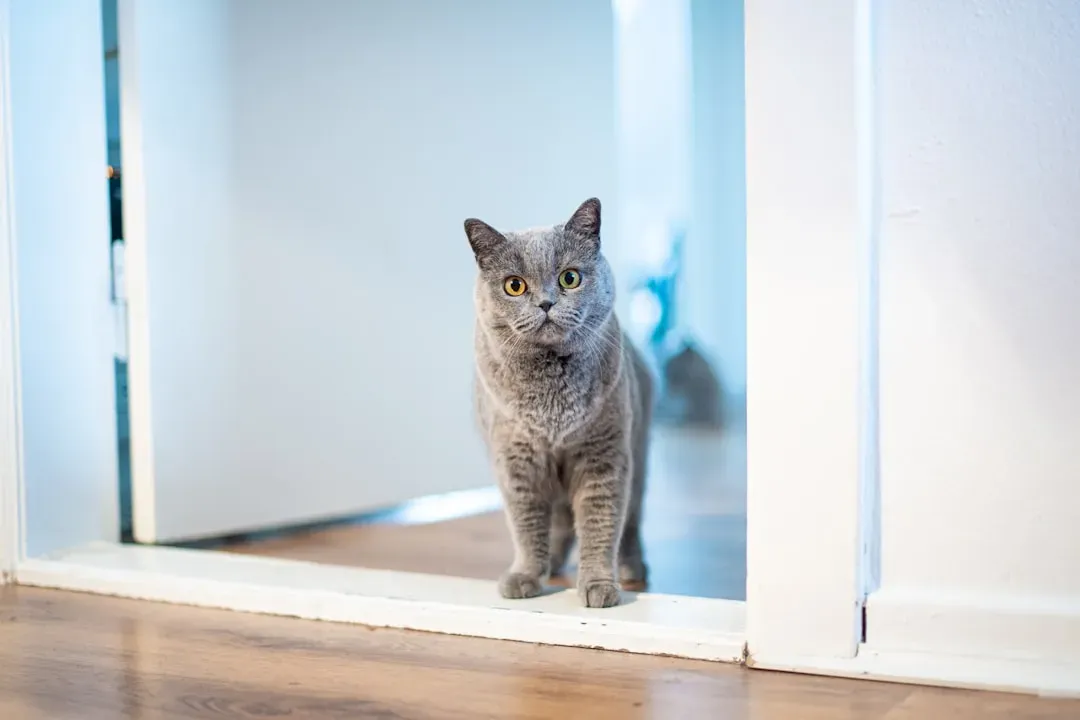
Cats don’t just learn through repetition – they also learn by watching. Observational learning in cats refers to their ability to pick up behaviors, routines, and problem-solving strategies simply by observing humans or other animals. So every time you push open that pantry door or twist that cabinet handle, you might just be running a masterclass your cat is quietly enrolled in.
Some cats can even learn to do complex things by watching you. Many cats learn to open cabinets or use simple tools by watching their owners do it over and over. Some Bengal cats, for example, have been known to turn light switches on and off after observing their humans do it. So if your cabinet doors keep mysteriously swinging open, you may have no one to blame but yourself.
3. Your Emotional State – Happiness, Fear, and Everything Between
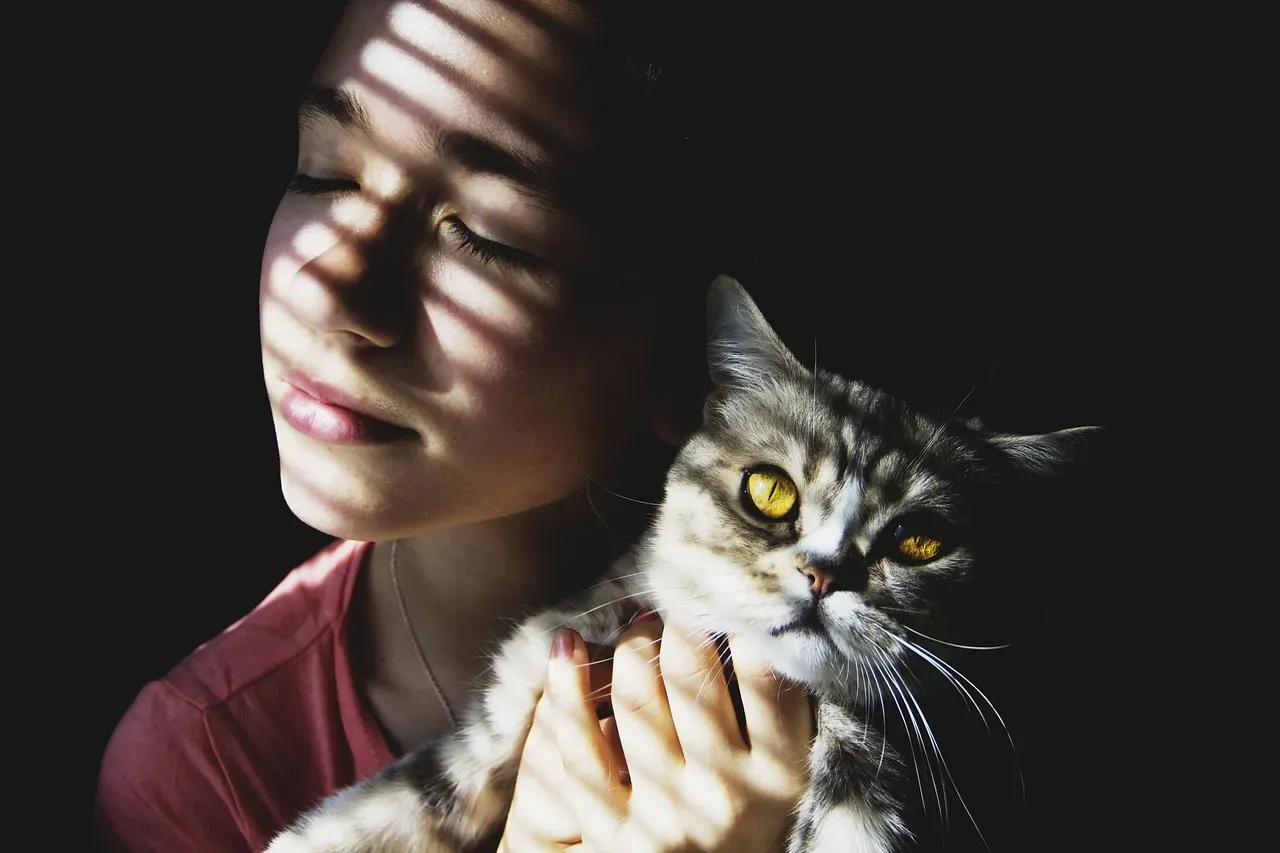
A study by researchers at the University of Bari examined whether cats recognize human emotions by using both visual and auditory signals. Different emotional stimuli such as happiness and anger were portrayed by both facial expression and nonverbal sounds, and the cats were able to discriminate between them, implying they can recognize these as separate emotional states. Your cat is reading your face right now. Probably.
Cats may not communicate emotions in the same way people do, but they are keen observers who pick up on subtle cues from their human companions. Through tone of voice, body language, and routine, cats learn how to respond to their owner’s feelings. Think of it like having a silent, whisker-twitching therapist in the room – one who doesn’t charge by the hour but definitely judges your posture.
4. Your Anxiety and Stress (The Bad Kind of Copying)
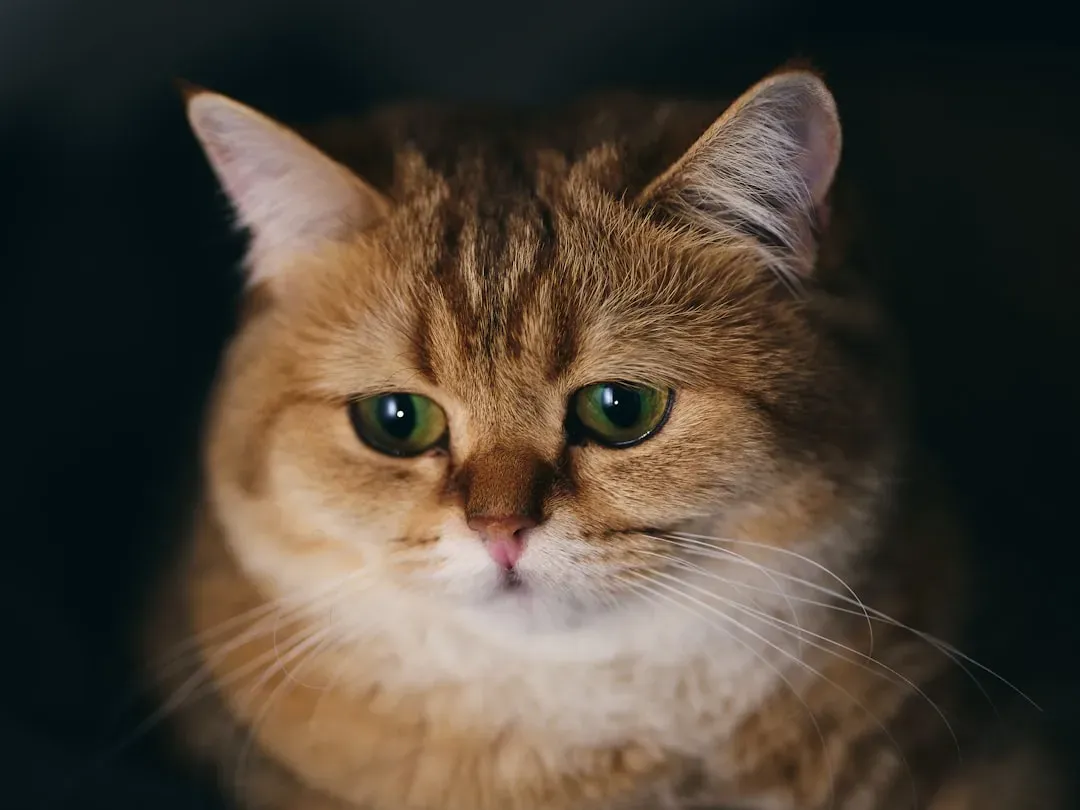
Some cats will pick up on your stress and become anxious themselves, especially if their routine changes or you interact with them differently. It’s a little like emotional contagion – the same way a tense person can make an entire room feel uptight, your anxiety can ripple right through to your cat’s nervous system.
People may not realize that emotions can be contagious to others around them, human and animal alike, if they are anxious or distressed. That’s especially true when there is a powerful bond between human and animal. This can even lead to stress-related health issues in your cat, such as gastrointestinal problems, excessive grooming, or aggression. So taking care of your own mental wellness isn’t just good for you. It’s good for your cat too.
5. Your Eating Habits – For Better or Worse
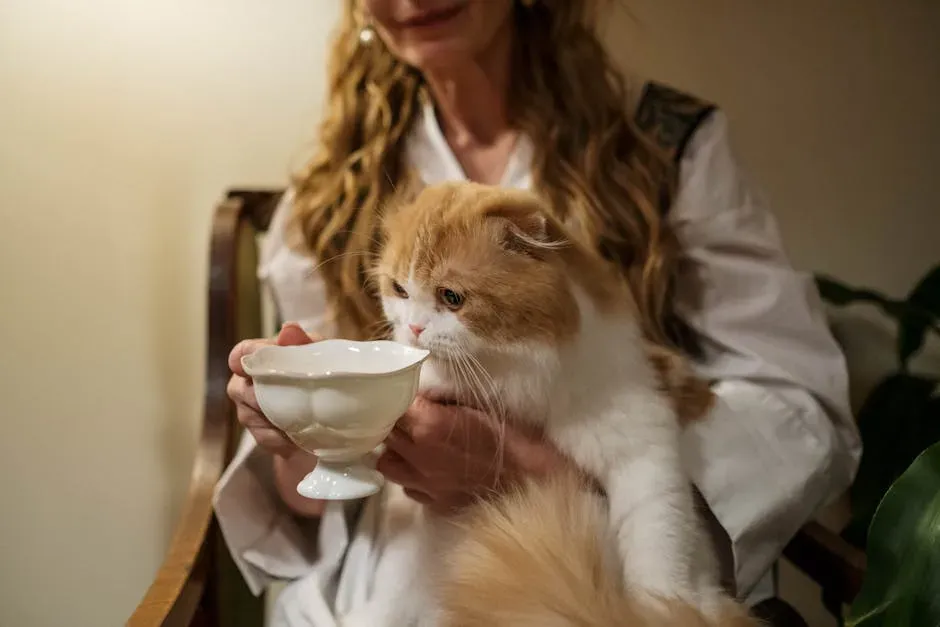
Cats seem to mimic the dietary habits of their owners. Food intake is often associated with that of their owners, which might explain why both human and cat obesity rates often tend to match. Let’s be real – this one stings a little. Your late-night snack habit might be more influential than you thought.
The group of indoor cats who stayed close to their owners and did not go outside adapted eating and sleeping patterns similar to those of their owners. Their activity levels were also similar to that of the humans around them. Basically, if you spend your evenings sedentary with a bowl of chips, your indoor cat may be developing a very similar lifestyle. It’s a humbling kind of mirror, honestly.
6. Your Sleep Patterns
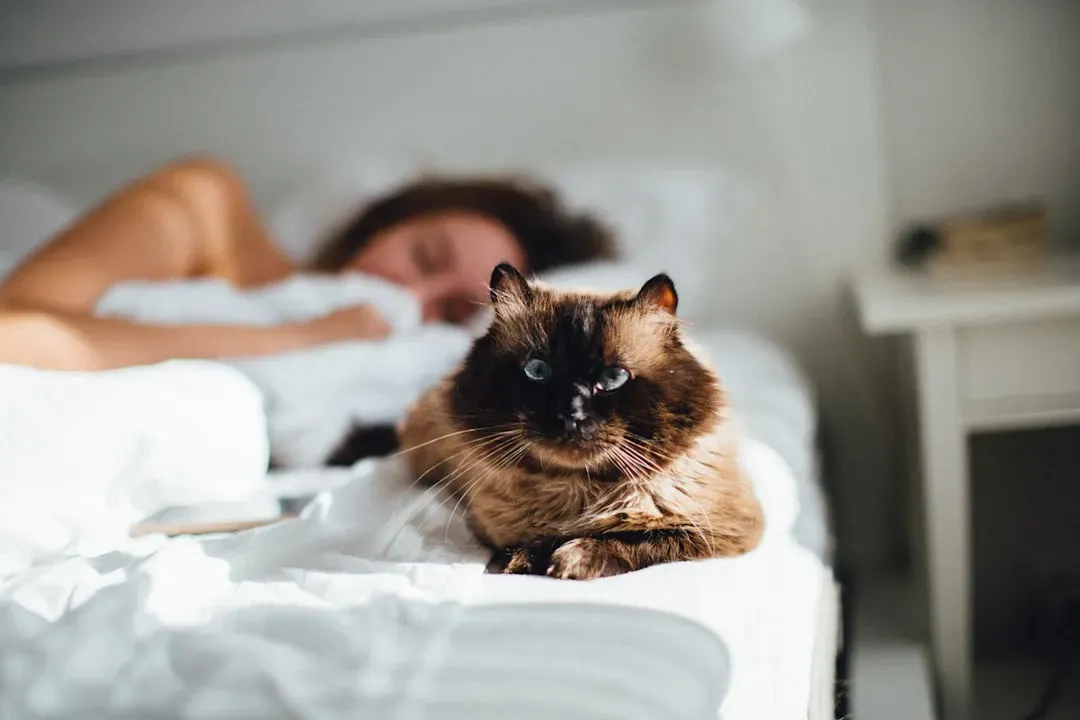
Researchers have found that cats living with their owners can mimic their owner’s habits and adapt to their lifestyle. More specifically, cats’ sleeping and eating patterns are pretty similar to their owners’. So if you’re a night owl who sleeps until noon on weekends, don’t be surprised if your cat starts operating on the same strange schedule.
The group of outdoor cats with less human interaction became nocturnal and mimicked the habits of feral farm cats. Meanwhile, indoor cats closely bonded with their humans tend to shift their sleep-wake cycles to align with yours. It’s a fascinating study in co-habitation. Your cat isn’t just sleeping next to you – they’re synchronizing with you at a biological level.
7. How to Use Social Referencing (Reading Your Reactions to New Things)
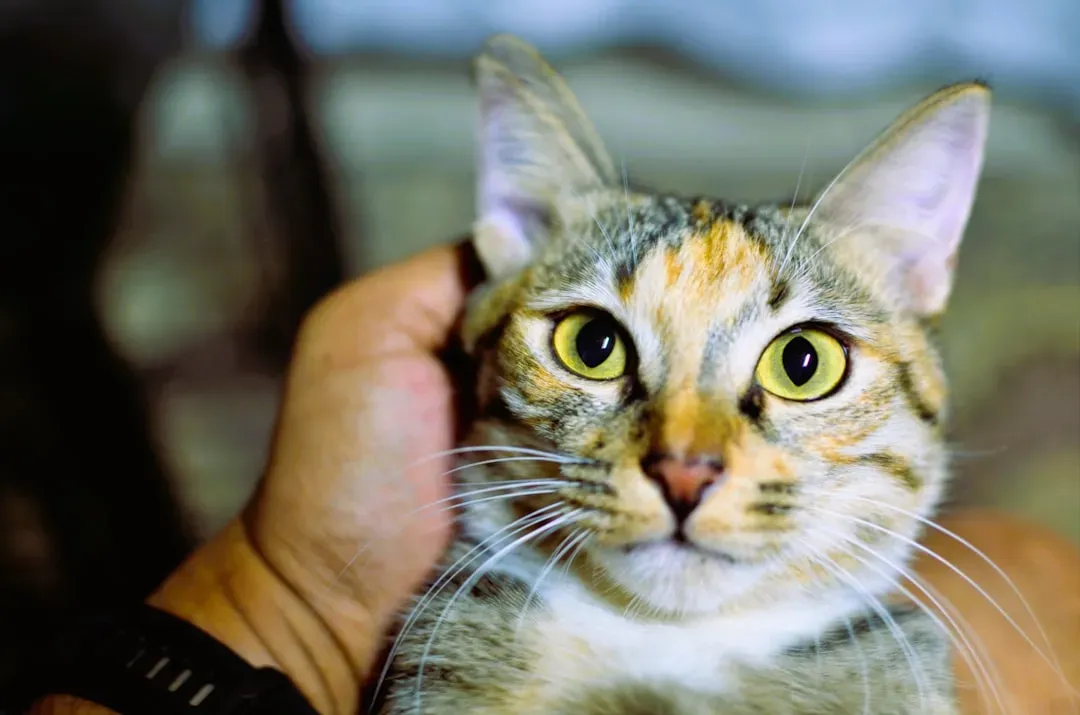
There’s evidence of social referencing in cats – the act of looking to their owners to know how to respond to novel objects or situations. You may have noticed your cat glancing at you nervously when a new piece of furniture arrives or a stranger knocks on the door. That glance is deliberate. They’re checking your face for a safety signal.
A study published in the journal Animal Cognition involved 24 felines and evaluated whether cats use the emotional information provided by their owners about a novel or unfamiliar object to guide their own behavior toward it. Cats not only repeatedly looked at their owners before or after seeing an unfamiliar object, but in the vast majority of cases they also mirrored the owner’s emotion. People’s enthusiasm and curiosity helped the cat to be more curious, while negative feelings raised circumspection and doubts. You are, in effect, your cat’s emotional compass.
8. Physical Actions and Body Movements (Yes, Actual Imitation)
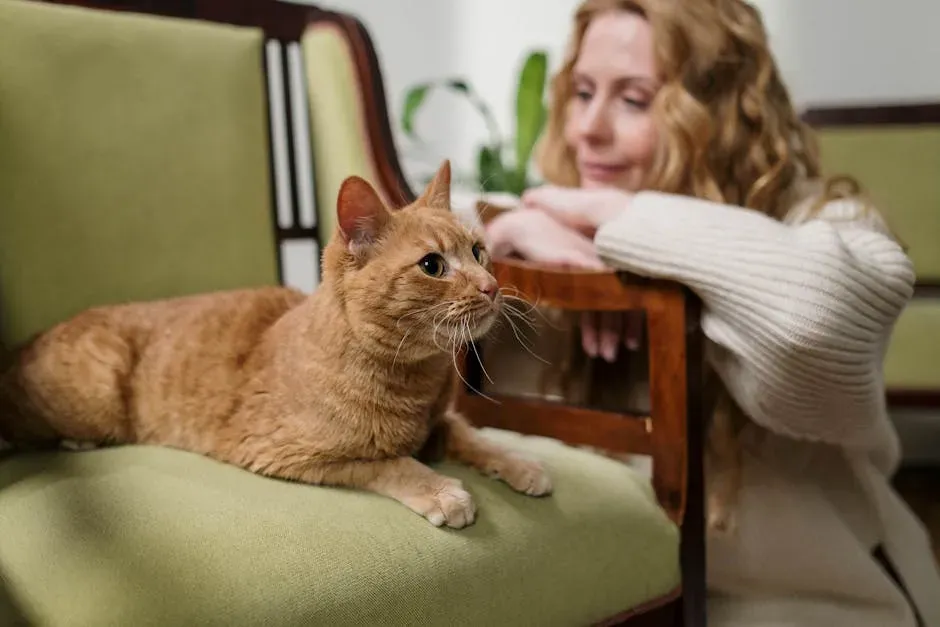
One cat named Ebisu was shown to copy familiar actions like opening a plastic drawer and biting a rubber string. When asked to imitate new behaviors, her owner raised her right hand and touched a box, and at other times bent down and rubbed her face against the box. In sixteen subsequent trials, Ebisu accurately copied her owner more than four-fifths of the time. That is a genuinely astonishing level of behavioral imitation from a species often dismissed as unsociable.
The fact that the cat used her paw and face to touch the box when her owner used her hand and face respectively indicates she was able to “map” her owner’s body parts onto her own anatomy. Only dolphins, parrots, apes, and killer whales had previously been shown to imitate people. Cats having the same ability suggests it may be widespread in the animal kingdom. I know it sounds crazy, but your cat watching you stretch in the morning might actually be taking notes.
9. Your Personality Traits (The Slow, Sneaky Transfer)
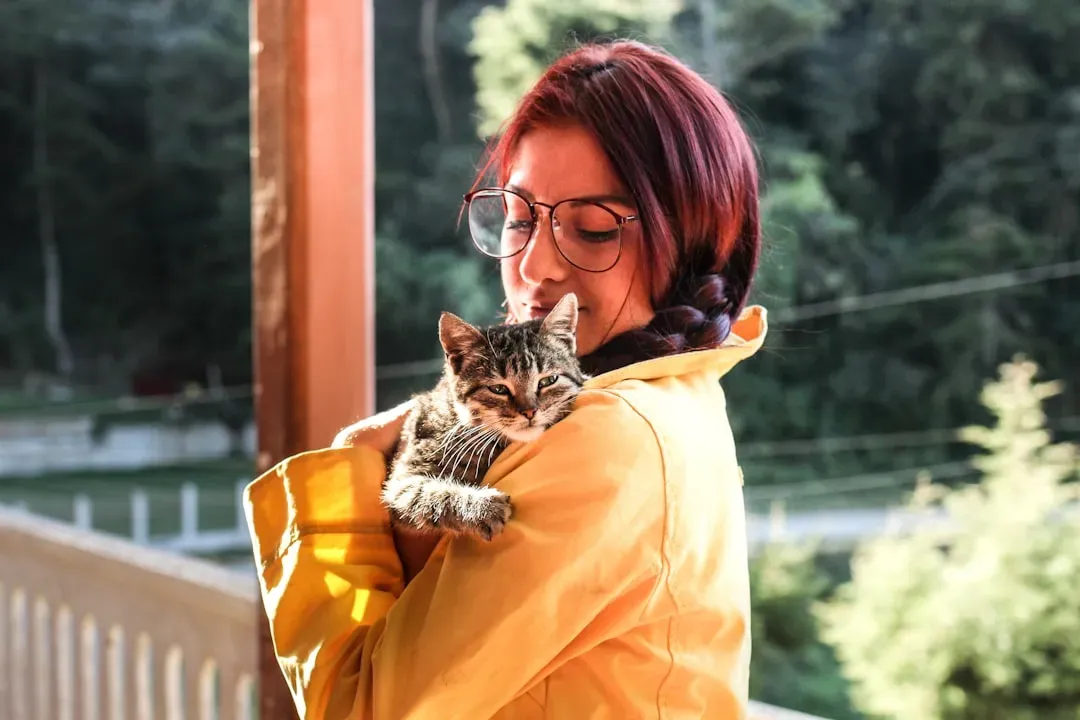
A study published in Applied Animal Behaviour Science indicated that many personality traits exhibited by cats – including arrogance, curiosity, excitability, timidness, and friendliness – often apply to the humans with whom they spend substantial amounts of time. So if your cat seems constantly irritable or unusually skittish, it might be worth a moment of honest self-reflection.
Research has revealed that cats can develop personality traits similar to their owners through prolonged interaction and behavioral mirroring. This adaptation showcases their remarkable social plasticity and ability to form deep emotional connections. It’s a long game your cat is playing, and over time the result is a personality that’s been gently shaped by yours. The cat literally becomes a furry echo of its owner. Wild, right?
10. Your Communication Style – Including Your Voice
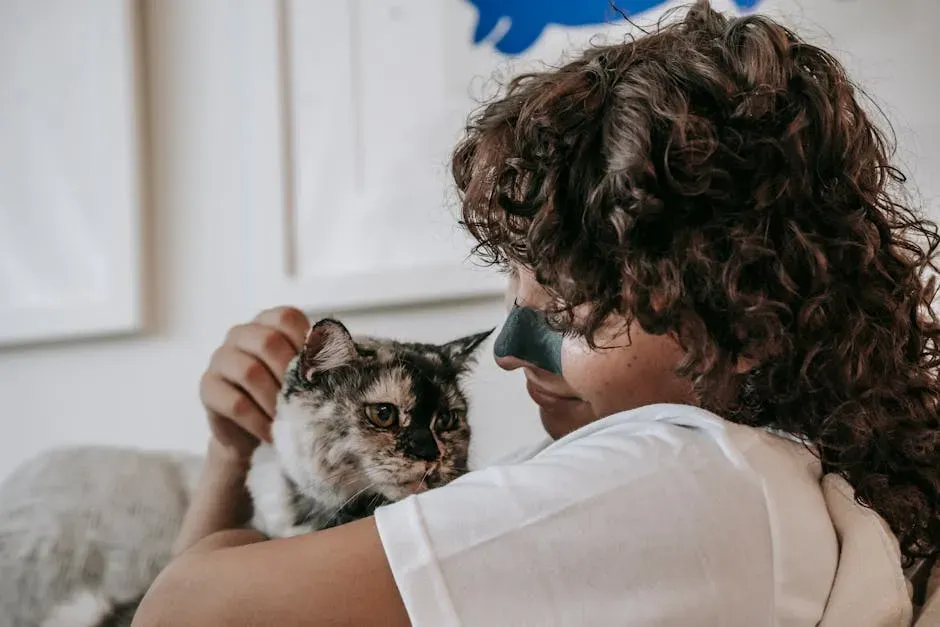
It is generally known that cats vocalize more frequently with their human companions than with other cats. Meows are attention-seeking vocalizations in interspecific situations and are higher pitched than in feral cats and wild ancestors. Cats also modify their purrs when actively soliciting food, and people are capable of distinguishing these – behaviors probably learned over time in interactions. Your cat has essentially developed a custom communication toolkit just for talking to you.
Felines communicate through body language and vocalizations, adjusting their behavior based on the responses they receive from their humans. The more you respond to a certain meow or a particular nudge, the more your cat refines and repeats it. You’ve been training each other all along, through a mutual feedback loop you probably never consciously set up. As cats became domesticated, they have developed cognitive and social skills in understanding humans’ emotions to be able to behave accordingly in response to their humans’ cues in communication and expressing emotions.
Conclusion
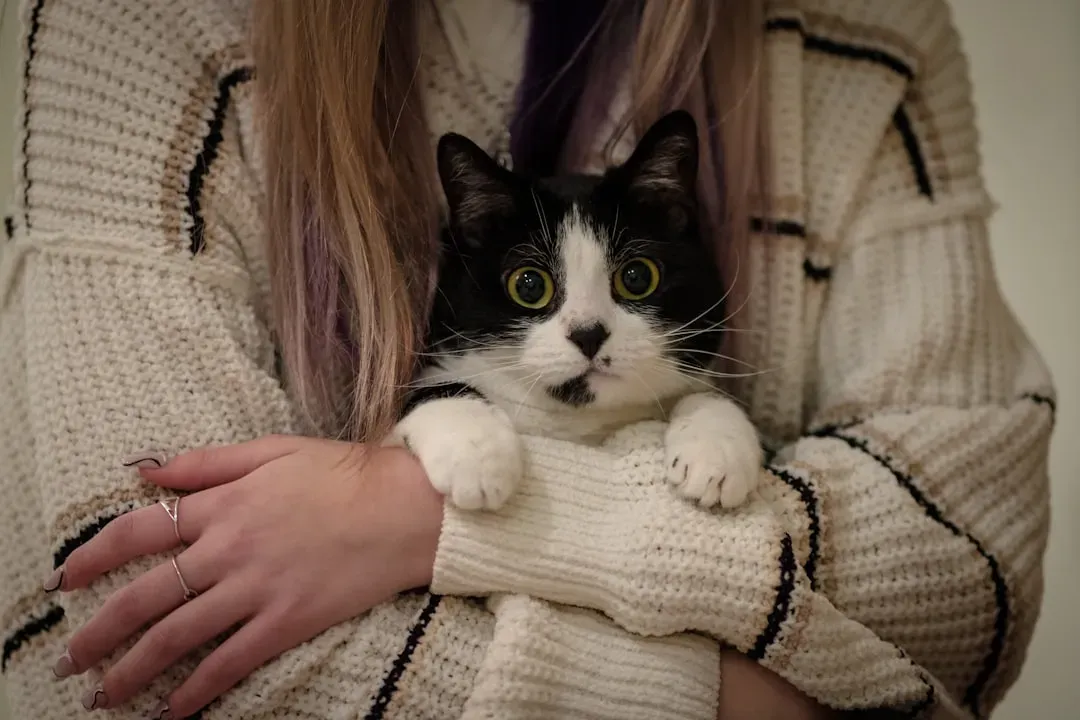
Your cat is not just a passive presence in your home. They are active, observant social learners who are picking up your habits, your moods, your schedule, your stress, and even your personality – one quiet glance at a time. Some of what they absorb makes them better companions. Some of it, if you’re honest, probably reflects habits worth improving.
The relationship between you and your cat is far more of a two-way street than most people realize. You shape them, and in subtle, surprising ways, they reflect you right back. The next time your cat stares at you from across the room, know that something is being filed away in that small, brilliant brain of theirs.
So the real question is: what kind of teacher are you being to your cat every single day? What do you think – does any of this surprise you? Tell us in the comments!
Kristina is a young writer from India. An arts graduate and an avid content creator, Kristina is passionate about animals and wildlife. She enjoys exploring topics related to pet care, animal behavior, conservation, and nature, combining thorough research with engaging storytelling.