Why Do Some Cats 'Talk' Constantly, and Others Prefer Silent Communication?
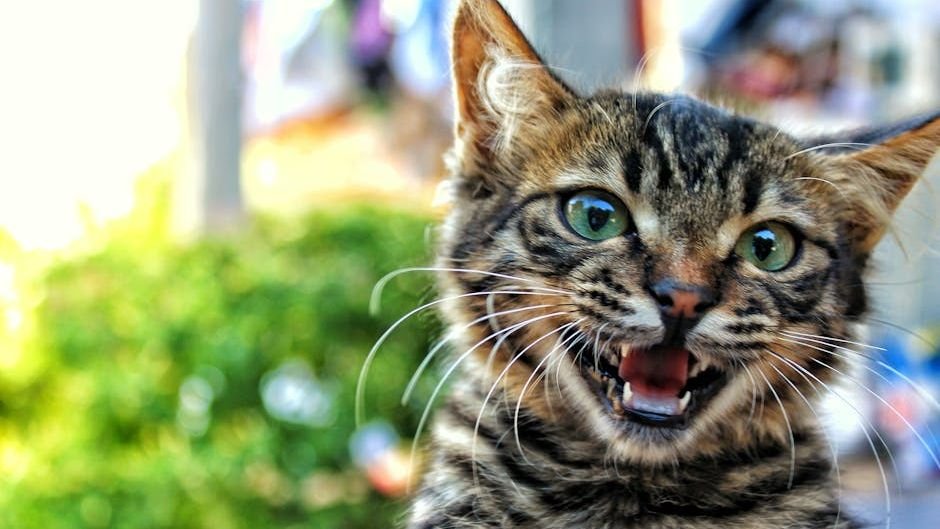
If you have ever lived with more than one cat, you already know the wild contrast. One cat shadows you down the hallway narrating every step, while the other simply blinks slowly from the couch and somehow communicates volumes without making a single sound. It is honestly one of the most fascinating quirks of domestic feline life, and it raises a real question worth exploring.
The truth is, cat communication is far more layered and complex than most people realize. Vocal cats are not simply "louder" versions of quiet ones. The gap between a chatty Siamese and a serene British Shorthair runs through genetics, environment, life experience, and even the relationship they have built with you. So let's dive in and unpack what is really going on.
The Rich and Surprising World of Cat Vocalizations
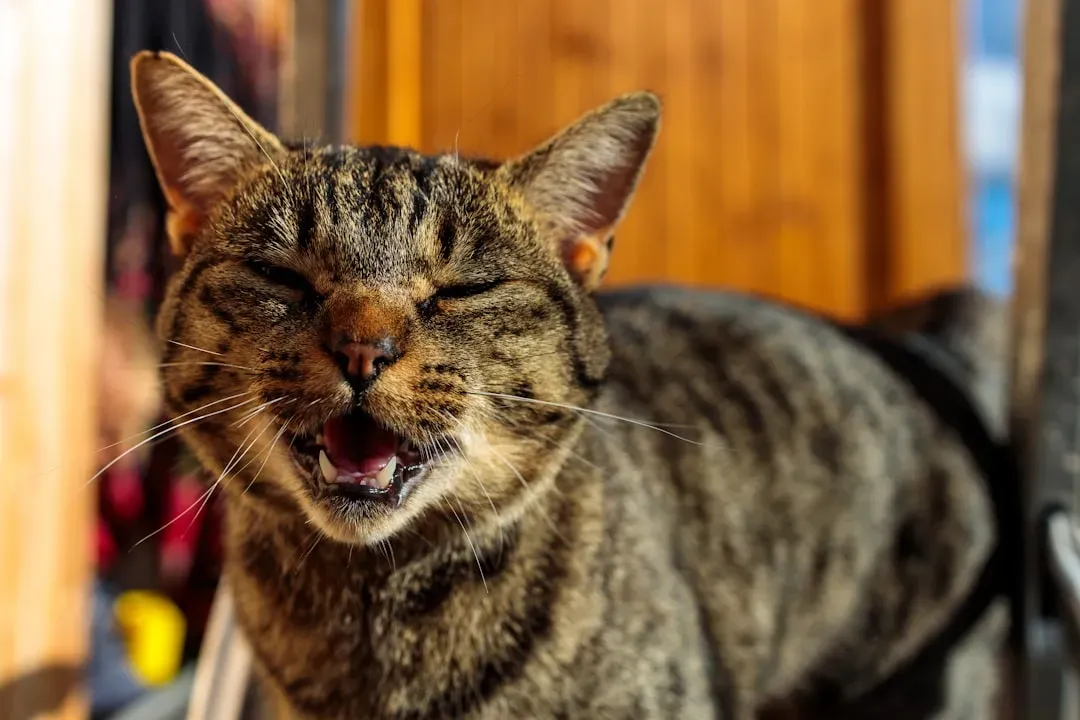
Cats communicate through meows, chirps, trills, and yowls, each serving a different purpose. That variety alone is staggering when you think about it. You might assume a meow is just a meow, the way you might assume a knock on the door is always the same thing. It is not.
Up to 21 different cat vocalizations have been observed. Research as far back as 1944 by Mildred Moelk revealed that cats had six different forms of meows to represent friendliness, confidence, dissatisfaction, anger, fear, and pain. That is a surprisingly nuanced emotional vocabulary for an animal that many still incorrectly assume to be aloof and uncommunicative.
Meowing Was Designed for You, Not for Other Cats
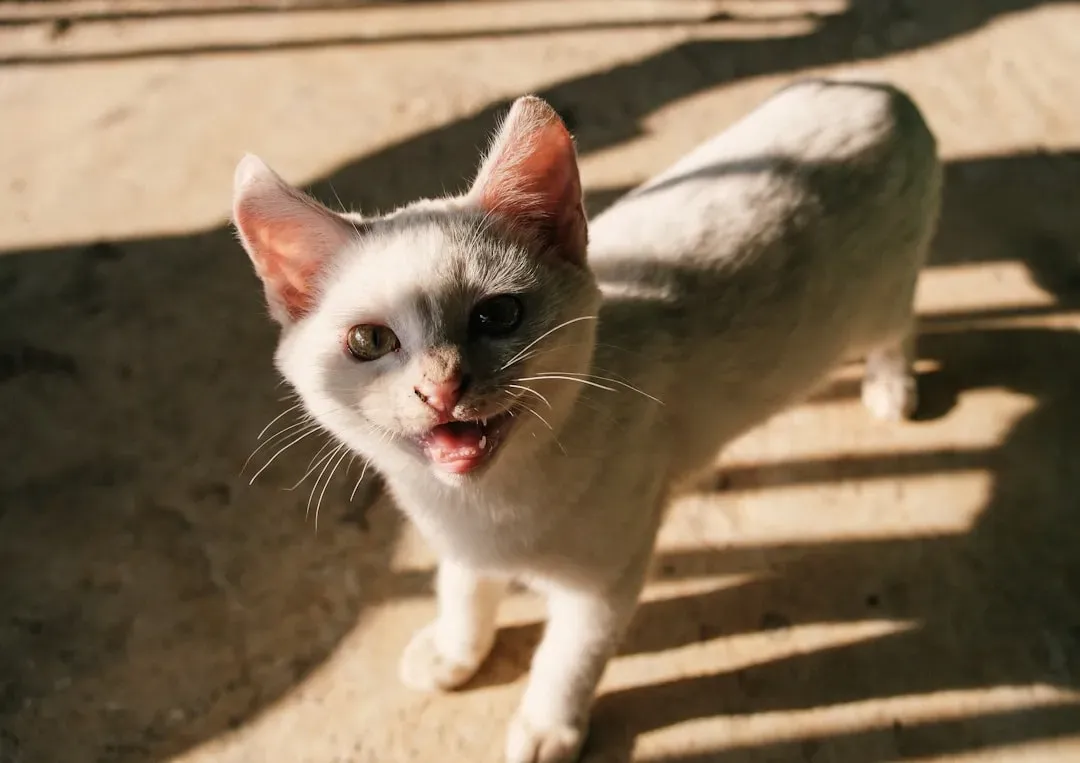
Here is something that genuinely surprises people. Meowing is an interesting vocalization in that adult cats do not actually meow at each other, just at people. Kittens meow to let their mother know they are cold or hungry, but once they get a bit older, cats no longer meow to other cats. They continue to meow to people throughout their lives, probably because meowing gets people to do what they want.
Studies have shown that domestic cats tend to meow much more than feral cats. They rarely meow to communicate with fellow cats or other animals. Think about that for a moment. The meowing you hear every morning is essentially a communication tool your cat developed specifically in response to living alongside humans. It is a co-created language, and that is kind of incredible.
Genetics and Breed: The Blueprint Behind the Chatter
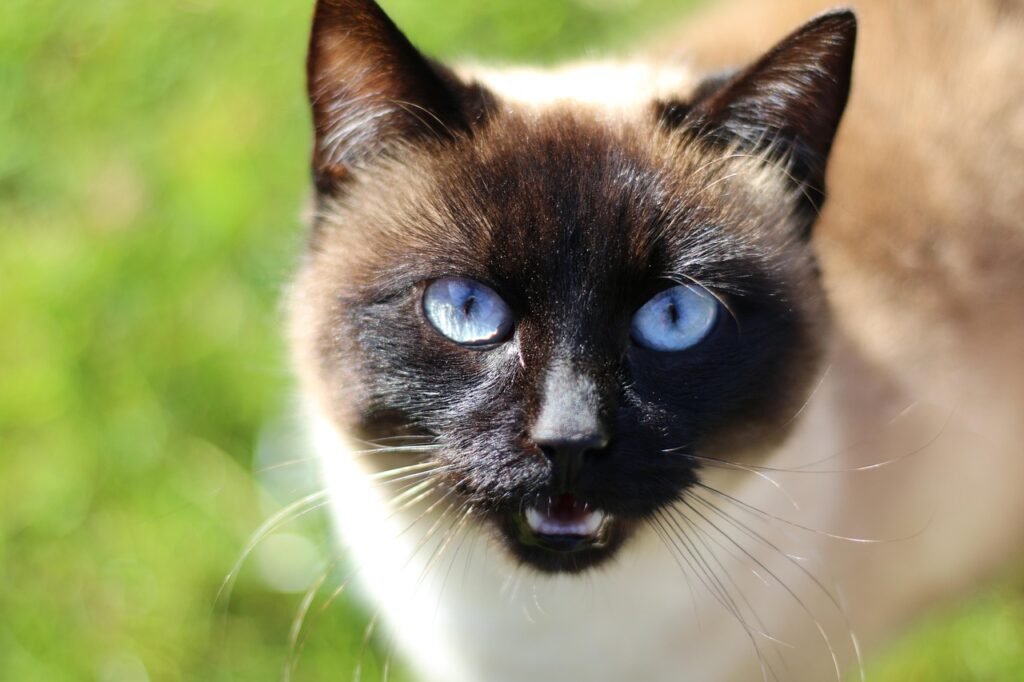
Let's be real. Some cats are born talkers, and that has a lot to do with their breeding. The number one spot for most vocal cat breed goes to the Siamese, which is unparalleled in its ability to communicate with humans through loud meows, yowls, chirps, and trills. Siamese are extremely social cats, and their intense desire to bond with their humans is part of the reason for their chatty ways. This trait seems to be genetically linked, as almost all Siamese are big talkers.
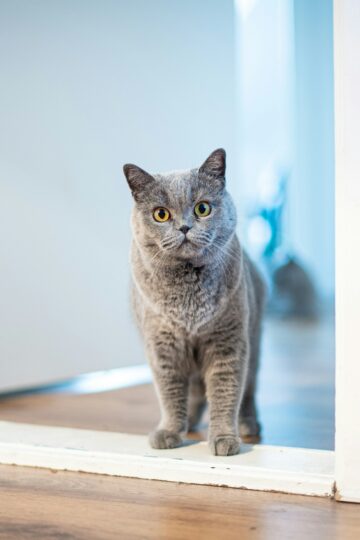
Oriental breeds, including Siamese, Oriental Shorthair, and Burmese cats, possess naturally higher vocalization tendencies, while Persian, Scottish Fold, and British Shorthair breeds typically communicate more quietly. The quietest breeds are those that are also the least active, the Persian, Maine Coon and Ragdoll. So if your fluffy Ragdoll gives you a look that seems to say everything without a single sound, that is perfectly by design.
The Talkative Breeds Worth Knowing About
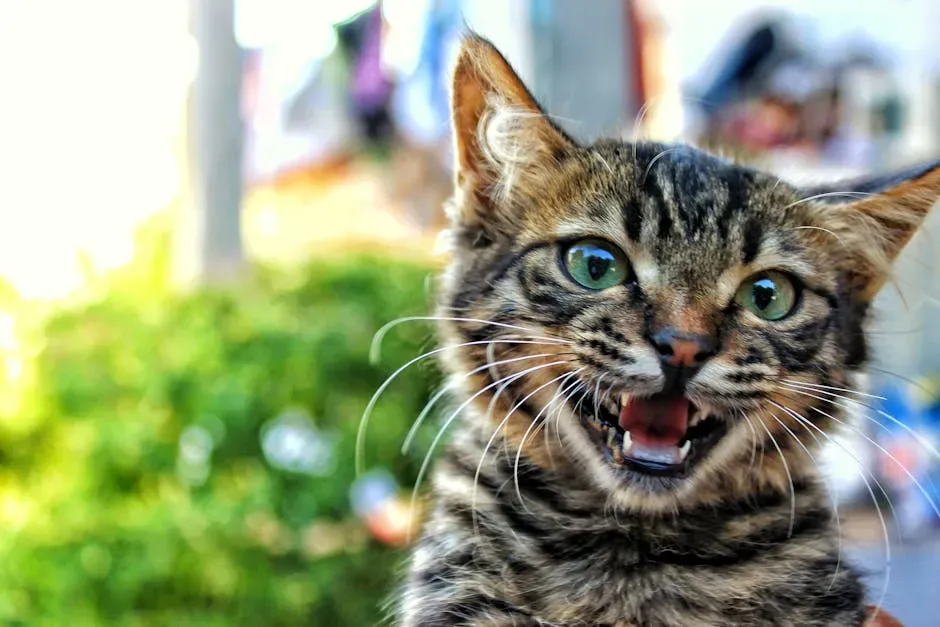
Beyond the famous Siamese, the vocal cat world has plenty of other contenders. Maine Coons are known for their distinctive trills, chirps, and chattering sounds, which they use in addition to the typical feline vocalizations. These sounds are often used when happy, excited, or engaging with their environment, such as watching birds or playing. Not loud in a demanding way, more like a running commentary on life.
Orientals seek constant engagement and dislike being ignored, so vocal communication becomes their preferred way to stay involved in daily activities. Despite their elegant appearance, they are affectionate and clingy, frequently curling up on laps while continuing their chatter. The Tonkinese is known for initiating conversations in a friendly, approachable way. Rather than loud demands, it uses gentle meows, chirps, and trills to engage, often responding directly when spoken to by its people. Honestly, owning a Tonkinese sounds like having a very polite roommate who always wants to catch up.
When Silence Is the Language: Understanding Quiet Cats
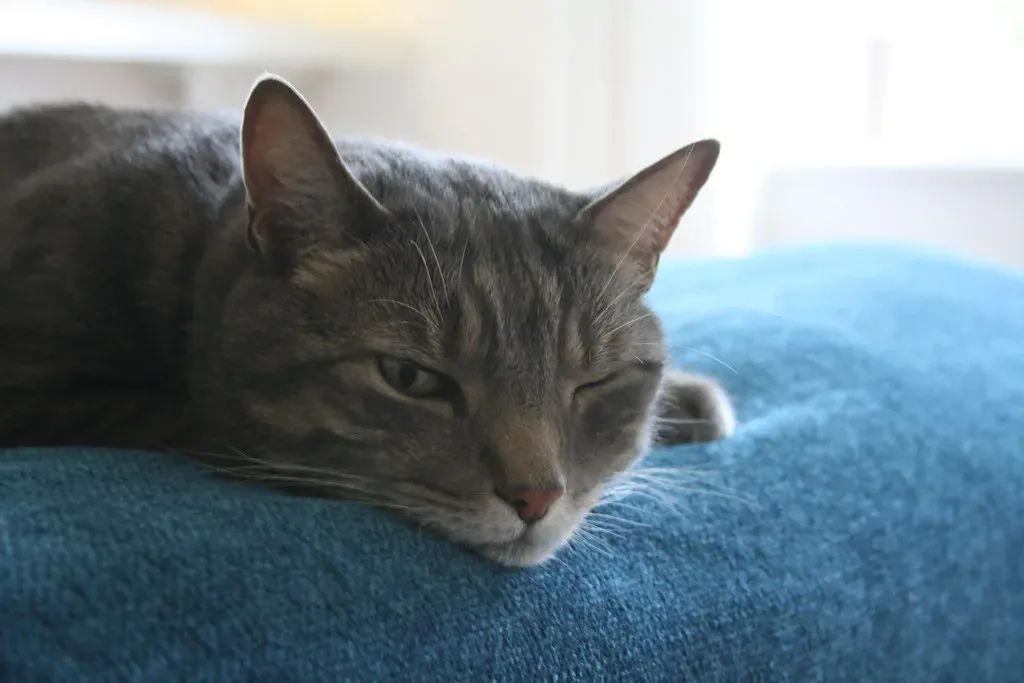
If your cat barely meows, you might worry something is wrong. In most cases, you can relax. Some cat breeds are known for their silent nature, while others are notoriously vocal. For example, British Shorthairs and Ragdolls are often described as quiet breeds, preferring to communicate through body language rather than vocalizations. Body language, for them, is the primary dialect.
There are several reasons why a cat might be silent, ranging from genetic predispositions to environmental factors. Fear and anxiety can cause a cat to become silent, as they may feel uncomfortable or threatened in their environment. Pain or discomfort can also lead to silence, as cats may not want to draw attention to their vulnerability. Additionally, lack of socialization or trauma can result in a cat becoming silent, as they may not have learned how to communicate effectively with humans or other animals. It is worth paying attention to the full picture.
The Art of Silent Communication: Body Language Decoded
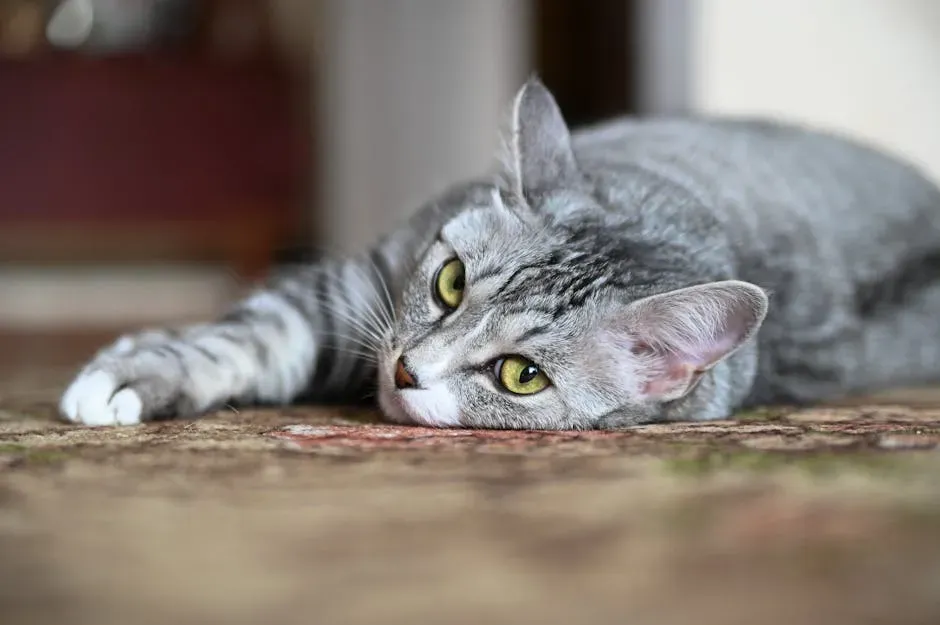
For cats that do not vocalize much, their bodies become the entire conversation. Cats rarely communicate with just one signal. Instead, they combine ears, eyes, tails, and posture into a full message. Learning to read that full message is genuinely one of the most rewarding skills you can develop as a cat owner. It changes everything.
Cats blink slowly to show affection and relaxation. If a cat blinks slowly at you, they are not threatened by you - in fact, they trust you. Researchers feel the slow blink is supposed to indicate a cat is open to interaction and does not intend to be intimidating. It may be the kitty equivalent of a welcoming smile between humans. So when your quiet cat simply looks at you and does a long, lazy blink, that is actually an "I love you." Pretty hard to beat that.
How Your Behavior Shapes Your Cat's Chattiness
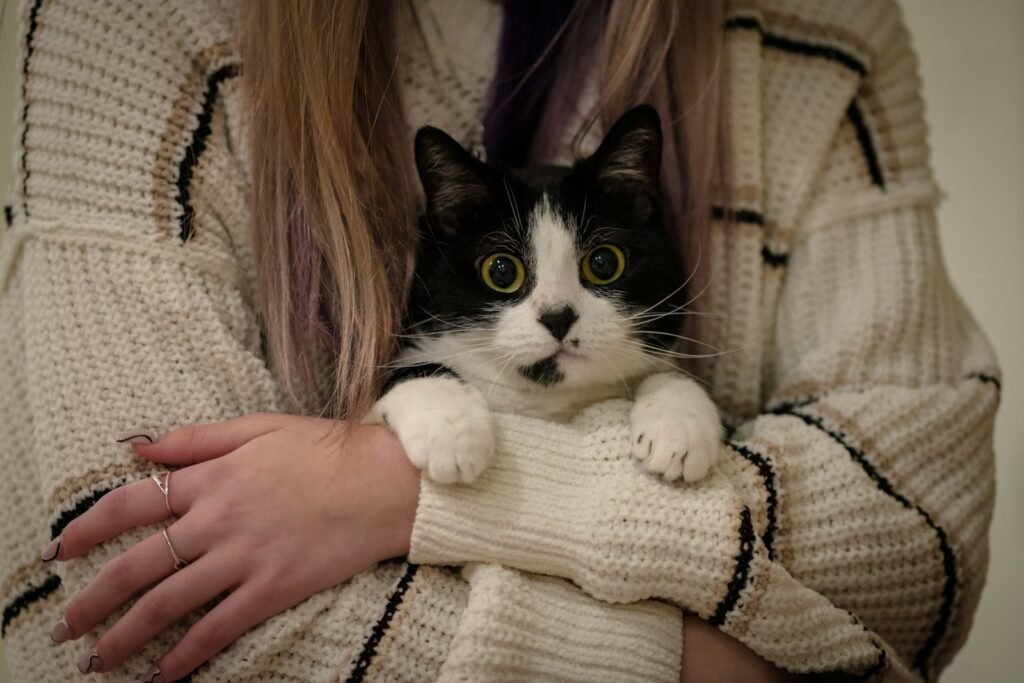
Here is something most cat owners do not fully realize. You are part of the equation. In many cases, meowing becomes more frequent when owners reinforce it, intentionally or not. If your cat meows and you respond with treats, attention, or food, they will learn that vocalizing gets results. You have essentially co-authored your cat's vocal style over time.
Cats are quick learners. If meowing leads to food, play, or affection, they will repeat the behavior. This works both ways. Women and girls spoke to the cats more often, and the cats vocalized more often with them than with the men or boys. That is a fascinating piece of research showing just how much interaction style shapes vocal output. Your cat is, in a very real sense, learning to speak your language.
When Constant Talking Signals Something Deeper
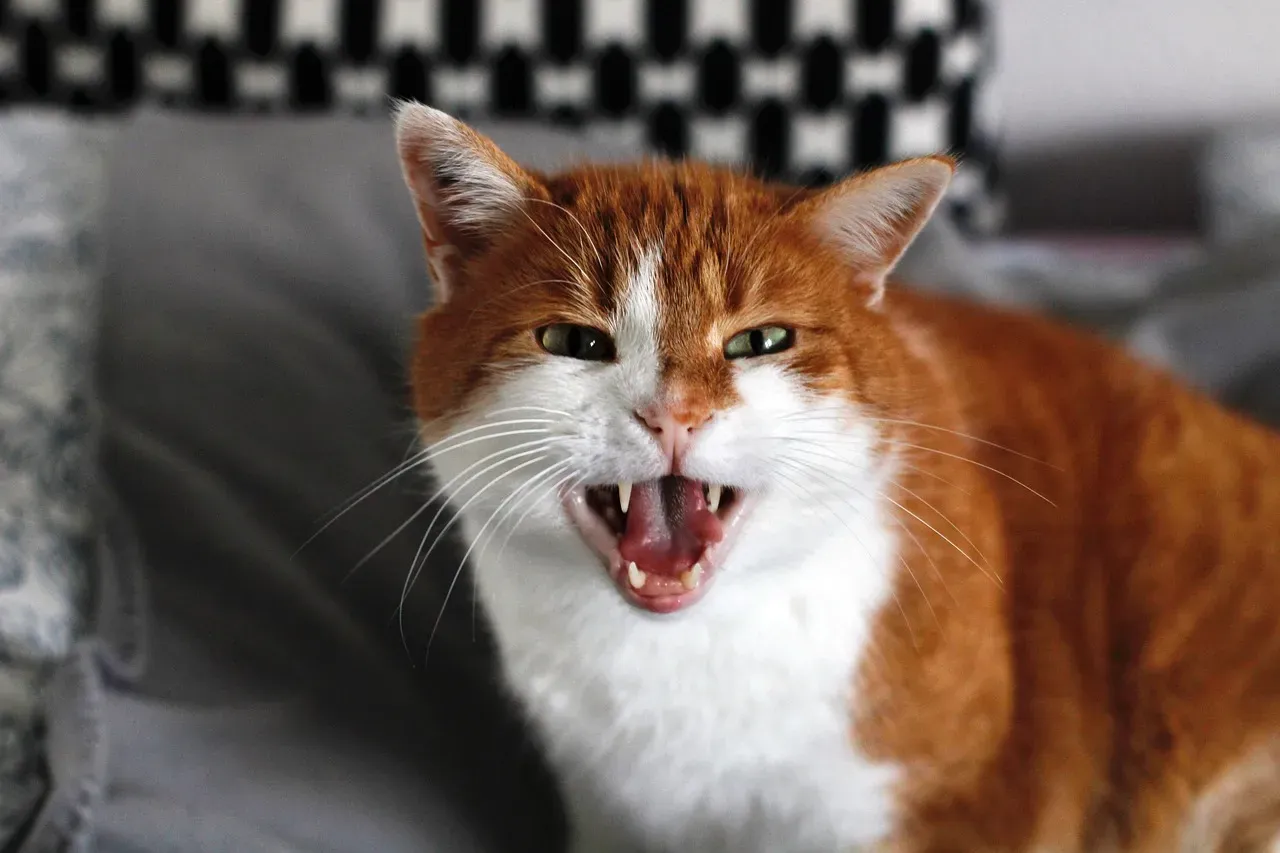
Some cats are simply talkative by nature, but when vocalizations become persistent, intense, or out of character, it is time to take notice. This is where you need to shift from fascination to concern. The line between personality and distress is real and important. I think a lot of pet owners miss it simply because they assume their chatty cat is just being dramatic.
Hyperthyroidism overactive thyroid increases metabolism, causing restlessness and loud, frequent meowing. Cognitive dysfunction or feline dementia in older cats may cause them to become disoriented, especially at night, leading to loud vocalization. Hearing loss makes cats feel isolated, prompting them to vocalize louder to locate family members or express distress. If the meowing feels different in quality, urgency, or timing, a vet visit is always worth it.
Environment and Stress: The Hidden Volume Control
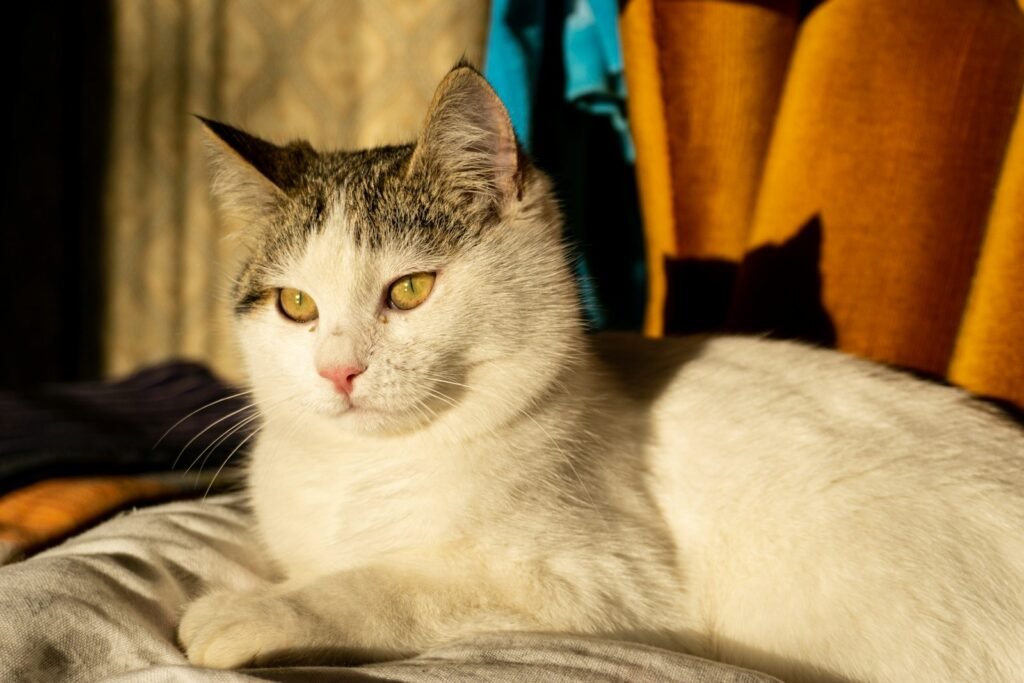
Your home environment plays a surprisingly large role in how vocal your cat becomes. A cat's environment can significantly influence their vocalization patterns. Noise levels, stress, and changes in routine can all impact a cat's willingness to communicate vocally. For example, a cat living in a busy household with multiple pets and children may become silent as a way to cope with the stress and noise. On the other hand, a cat living in a quiet, peaceful environment may be more inclined to vocalize and interact with their human caregivers.
Changes in the environment, such as moving to a new home or the arrival of a new pet, can make your cat more vocal. Stress is basically a dial on your cat's voice box, turning it either up or off completely depending on the individual. A cat that suddenly goes silent in a chaotic household is not being rude. It is coping. That distinction matters more than most people appreciate.
Scent, Touch, and the Other Languages Cats Speak
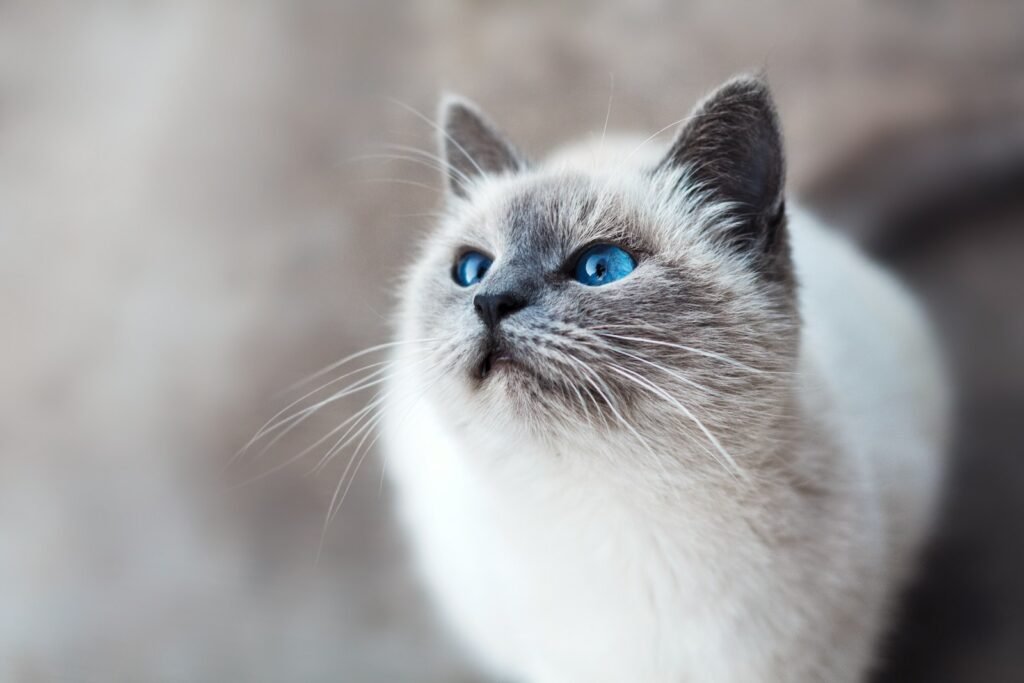
Vocal and visual communication are only part of the story. Cats communicate through scent using urine, feces, and chemicals or pheromones from glands located around the mouth, chin, forehead, cheeks, lower back, tail and paws. Their rubbing and head-bumping behaviors are methods of depositing these scents on substrates, including humans. The cat rubs its cheeks on prominent objects in the preferred territory, depositing a chemical pheromone produced in glands in the cheeks. This is known as a contentment pheromone.
So when your cat bumps their forehead into your shin or rubs their cheek across your laptop, that is not random. It is deliberate and affectionate communication, a kind of "this is mine and I love it" message written in chemistry. Cats can use a range of communication methods, including vocal, visual, tactile and olfactory communication. The quiet cats especially lean hard into these invisible languages, and once you know how to look for them, you will never feel like your silent cat has nothing to say.
Conclusion: Every Cat Is Writing Their Own Story
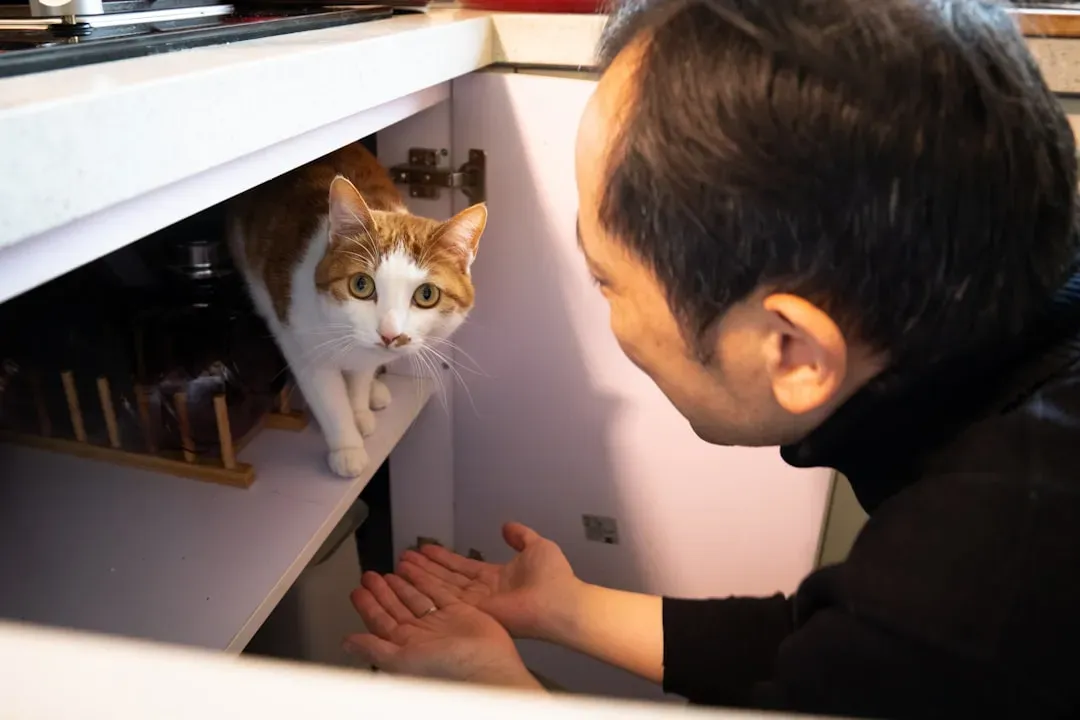
The great thing about understanding why some cats talk constantly and others stay quiet is that it deepens your relationship with the specific animal in front of you. There is no single "correct" communication style in cats. Some need to narrate breakfast. Others prefer a slow blink from across the room. Both are completely valid, and both are rich with meaning once you learn to listen with more than just your ears.
What you can take away from all of this is simple. Pay attention to your cat's baseline. Learn their personal vocabulary, vocal or silent, and respect it. When something changes, notice it. The quietest cats have just as much to say as the loudest ones. They are simply saying it in a language that asks a little more of you. Is your cat more of a talker or a silent communicator, and have you ever been surprised by what they were trying to tell you? Share your story in the comments.