You’re relaxed on the sofa, minding your own business, when your cat climbs onto your lap, locks eyes with you, and starts rhythmically pressing its paws into your thighs like it’s working on an invisible ball of dough. It’s adorable. It’s also slightly painful. Welcome to one of the most endearing – and genuinely fascinating – mysteries of cat ownership.
Honestly, most people just laugh it off and call it “making biscuits,” which is arguably the best nickname for any animal behavior ever. Still, there’s so much more happening beneath those tiny, kneading paws than you might think. The reasons behind this behavior go all the way back to your cat’s earliest moments of life and even further – to the wild. So let’s dive in.
The Basics: What Exactly Is Cat Kneading?
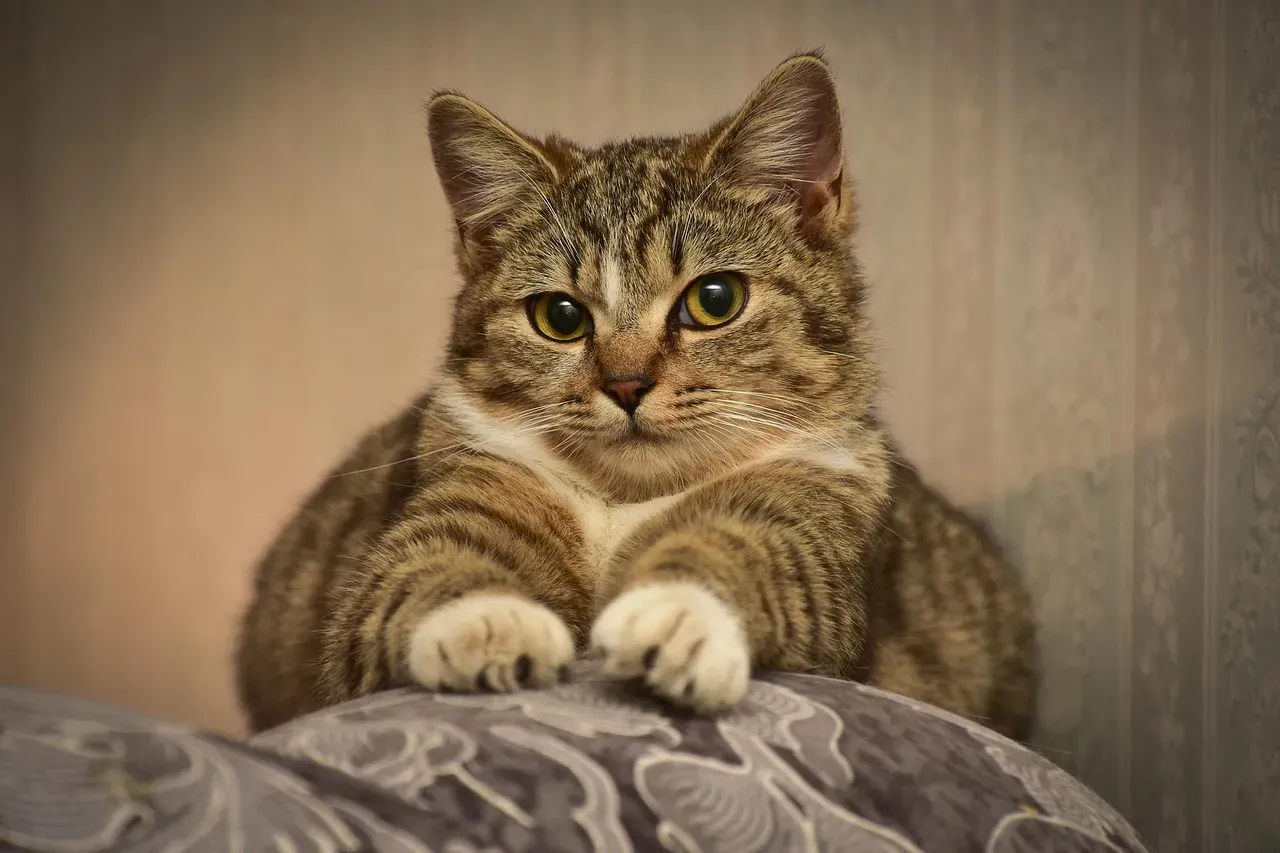
Before unpacking the why, you need to understand the what. Kneading is a behavior frequently observed in domestic cats where, when a cat feels at ease, it pushes out and pulls in its front paws against a surface such as furniture or carpet, or against another pet or human, with each stroke accompanied by a grasping motion of the claws as if the cat were kneading dough. Think of it like watching a tiny, furry baker at work – completely committed to the craft.
Kneading involves a cat rhythmically pressing its front paws, alternating left and right, into a soft surface like a blanket, pillow, or your lap, and some cats use all four paws while most only knead with their front paws, often accompanying the motion with purring or drooling. If your cat is drooling while doing it, you might think something is wrong – but spoiler alert, it’s actually a good sign, as you’ll discover a little later.
It All Starts in Kittenhood: The Nursing Connection
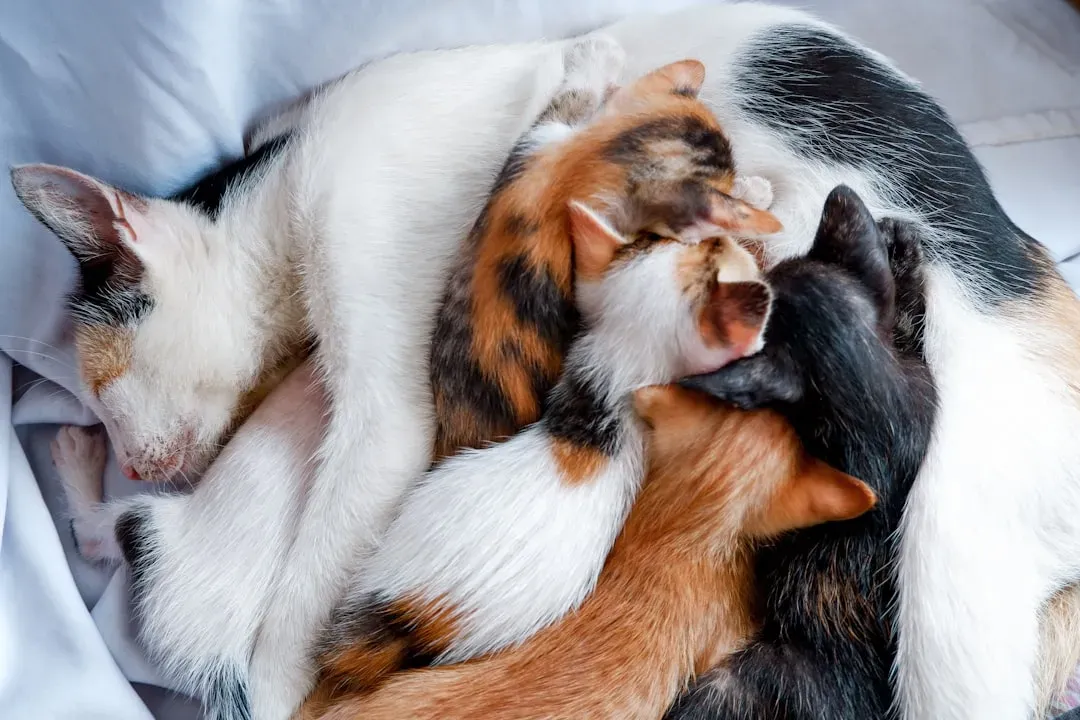
Here’s the thing – your adult cat’s kneading behavior didn’t appear out of nowhere. Kittens use a kneading action to stimulate milk production from their mother cat when nursing, and because nursing and being around a mother cat’s calming pheromones encourages a sense of contentment in young kittens, many cats will continue to knead into adulthood to create a similar sense of calm and relaxation. It’s basically a leftover comfort mechanism from the very beginning of their life.
The memory of comfort and nourishment is so strong that many cats carry it into adulthood, using kneading as a way to self-soothe and recapture the security they felt as kittens. So when your cat kneads your lap, it may essentially be treating you like the most comforting, warm, and trustworthy presence it has ever known. If that doesn’t melt your heart a little, I’m not sure what will.
Your Cat Is Claiming You: The Scent Marking Truth
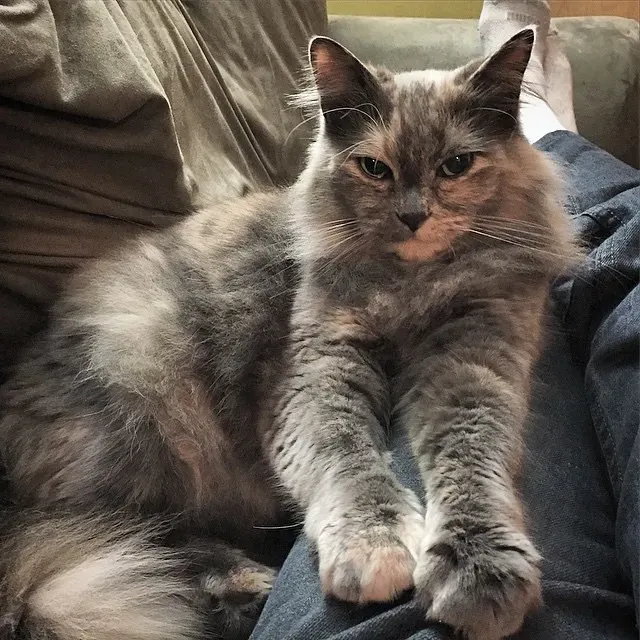
Now here’s something that might genuinely surprise you. Cats are very territorial and often rely on scent markers to claim territory and leave messages for other cats, and they have scent glands in their paws that, when they scratch and knead, leave behind their scent to let other animals know they were there – this is also how they claim certain items as theirs. So your cat kneading you isn’t just about affection. It’s also a quiet, subtle announcement to every other creature: “This human? Mine.”
The kneading process allows cats to mark their territory, as cats have scent glands in the pads of their paws which release pheromones when they knead, and these chemical signals help them mark their territory, signaling to other animals that a particular area, object, or even human, is “theirs” – and this scent-marking is subtle and usually undetectable to us, but it’s a crucial communication tool in the cat world. Consider yourself officially stamped and claimed.
A Wild Inheritance: The Nest-Building Instinct
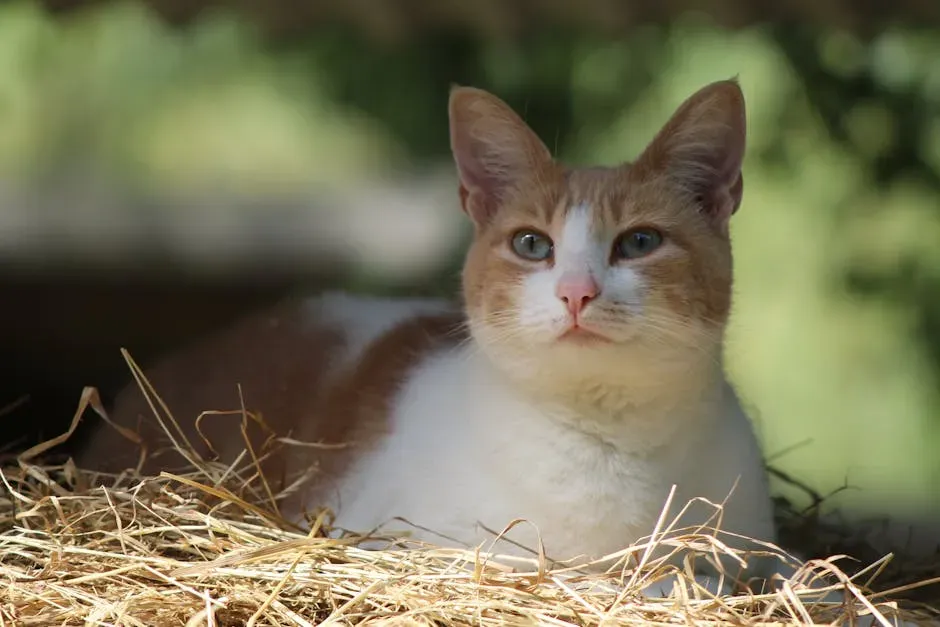
Your pampered indoor cat has more in common with its wild ancestors than you might think. One answer to why cats knead blankets might be because kneading is a nesting trait passed down from their wild ancestors, as wild cats are known to paw at piles of leaves or tall grass to create a nest for themselves and their young to relax and sleep in, and by doing this they were not only preparing a soft nest similar to how we fluff pillows, but they were also checking for predators, prey, or anything dangerous hidden in the foliage.
In the wild, cats would create nests or sleeping areas by patting down foliage or grass, and these recurring movements helped to soften the ground, making it more comfortable for resting or giving birth, and over time this behavior became ingrained in their instincts, even in the absence of such practical needs. So when your cat kneads your fleece blanket before lying down, it’s essentially performing an ancient ritual. Not bad for a creature whose biggest current threat is an empty food bowl.
Kneading as a Sign of Deep Trust and Affection
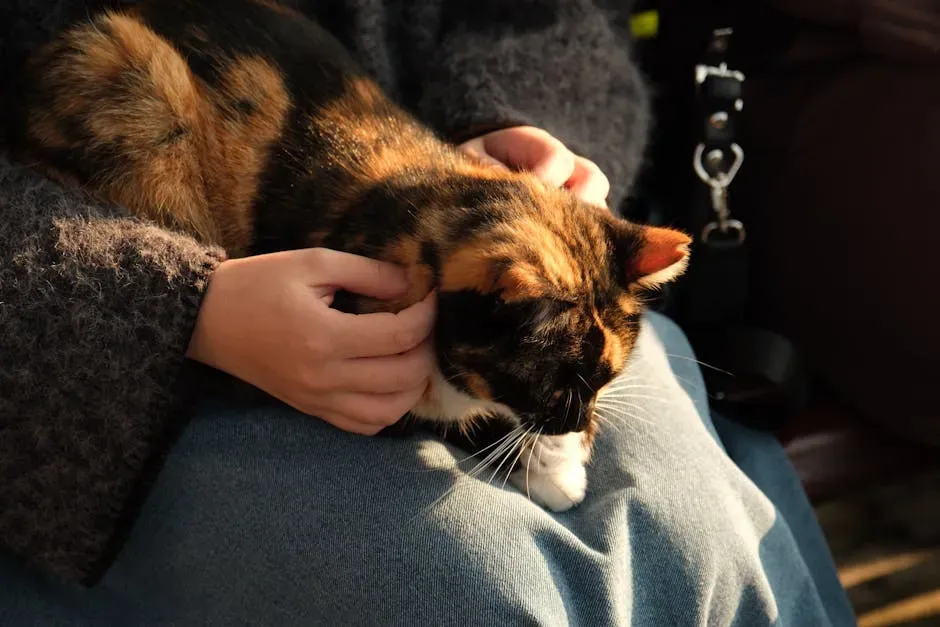
Let’s be real – if your cat kneads you, you should feel genuinely flattered. When a cat kneads their owner, it can be a sign of trust and affection, as this behavior demonstrates that the cat feels safe and comfortable in the presence of their human companion. It’s one of the clearest emotional signals a cat can offer, and cats aren’t exactly known for being generous with those.
In a similar vein to territorial marking, cats may knead at their owners or other cats out of pure love, as kittens knead at their mothers with whom they share a strong bond, and this behavior can become linked with trust, love and affection – so you can take it as a compliment and give a sign of love back, such as a slow blink or a head rub. Think of a slow blink back at your cat as the feline equivalent of saying “I love you too.” Quietly powerful.
The Dopamine Effect: Why Kneading Feels So Good for Your Cat
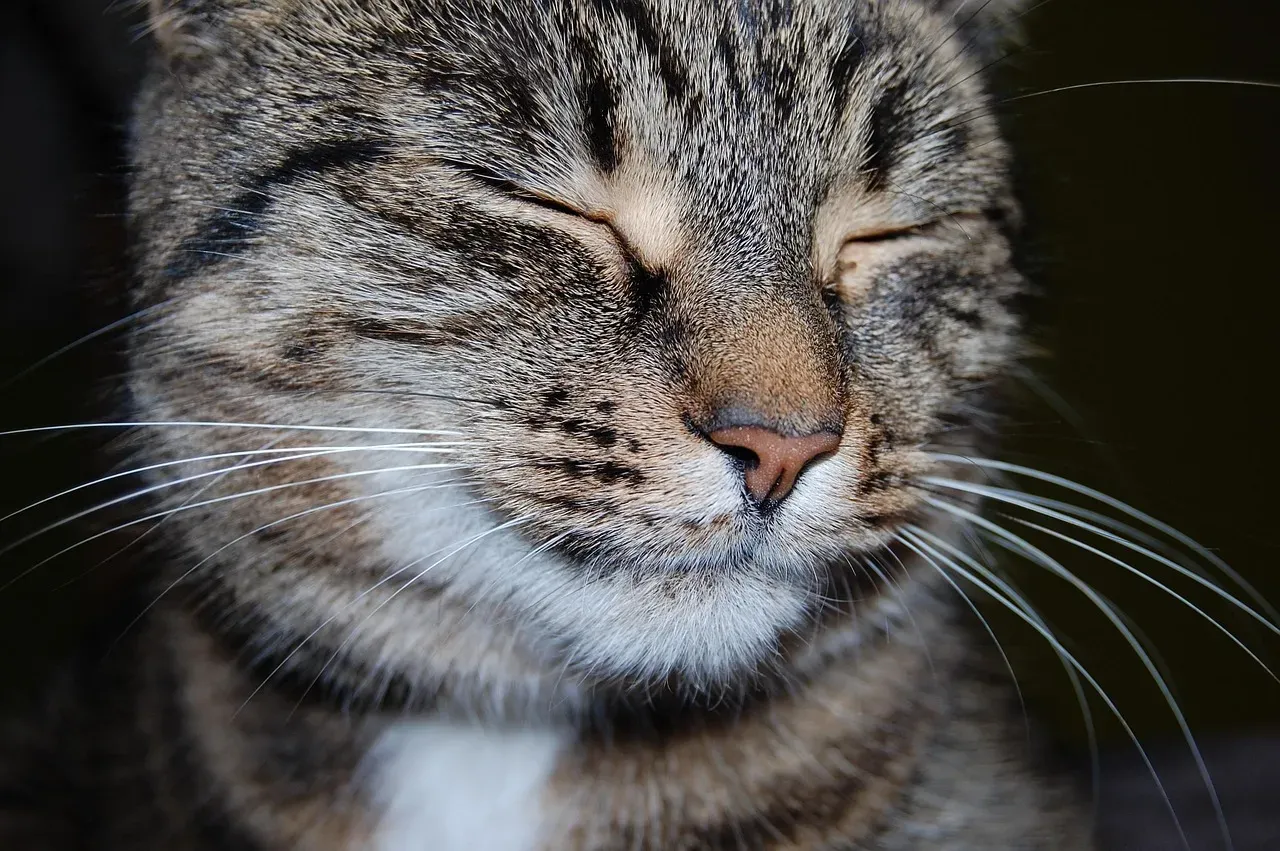
There’s actual brain chemistry at work here, and it’s pretty interesting once you understand it. The action of kneading in cats causes the release of the pain-relieving, feel-good chemical dopamine in the brain, and as such, increased or excessive kneading can be a sign that your cat is uncomfortable or anxious, and kneading could be an attempt to soothe itself. It’s the same principle behind why humans fidget, tap their feet, or even pace when they’re nervous. Repetitive motion is calming for many animals.
In the same way that feeding from their mother made kittens feel safe, secure, and happy, continuing this behavior as an adult may well cause a release of feel-good neurotransmitters that create the same feeling. So your cat isn’t just mechanically pressing its paws into you – it’s actively experiencing a rush of biochemical comfort. You are, quite literally, your cat’s happy place. That’s a wild thought, isn’t it?
When Kneading Could Signal a Problem
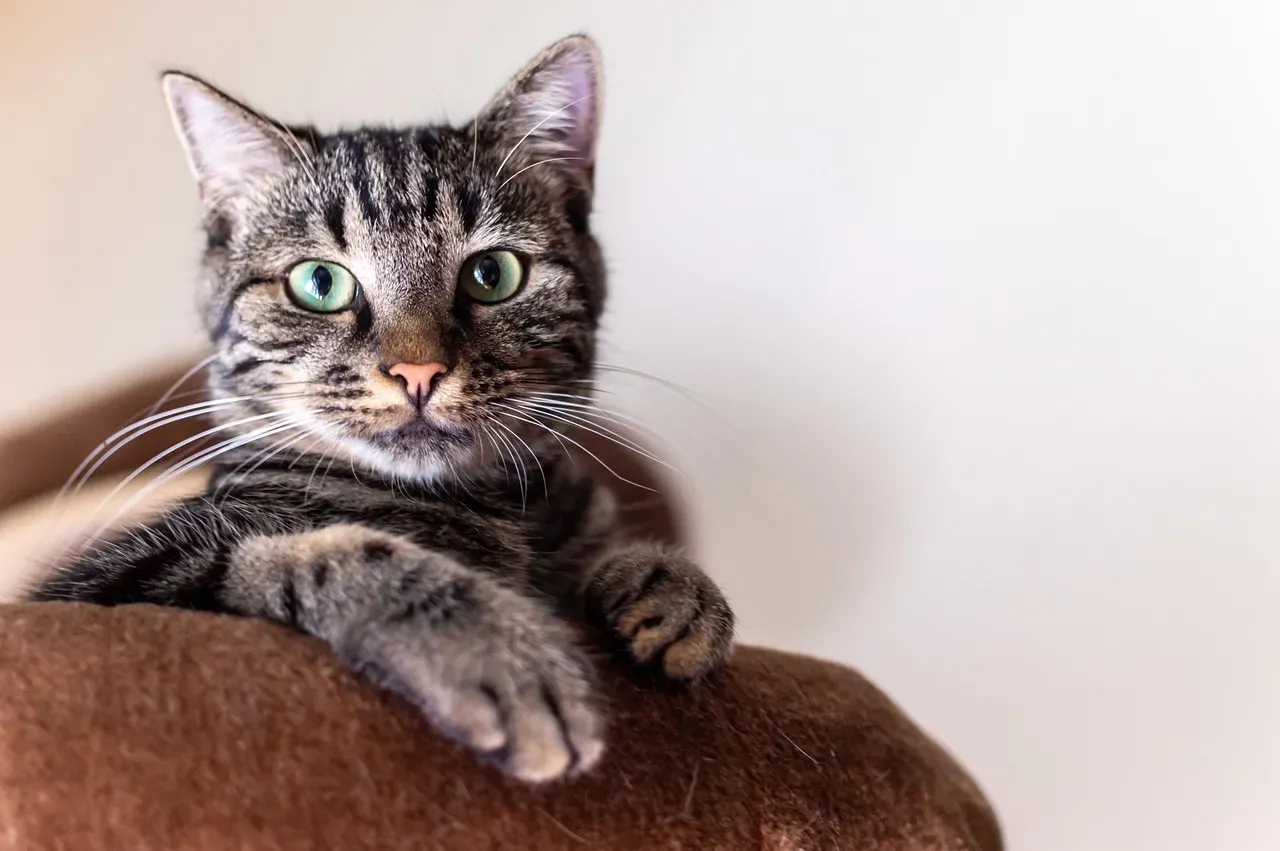
Most of the time, kneading is completely harmless and normal. It’s hard to say for sure at what exact point it crosses a line, but there are warning signs worth knowing. The release of dopamine also motivates your cat to continue kneading to receive additional bursts of the hormone, so excessive kneading can be a sign of a compulsive behavioral disorder. If your cat seems obsessed with it to the point of not stopping, that’s worth paying attention to.
Excessive kneading can be a sign of a compulsive behavioral disorder, and cats experiencing soreness from an injury or arthritis may also knead to stretch their limbs and relieve muscle tension, so if you notice your cat is kneading more often than usual, you should consult with a veterinarian to address any underlying medical or behavioral concerns. As a general rule, any sudden change in behavior – not just kneading – deserves a closer look and possibly a vet visit.
How to Manage Kneading Without Discouraging It
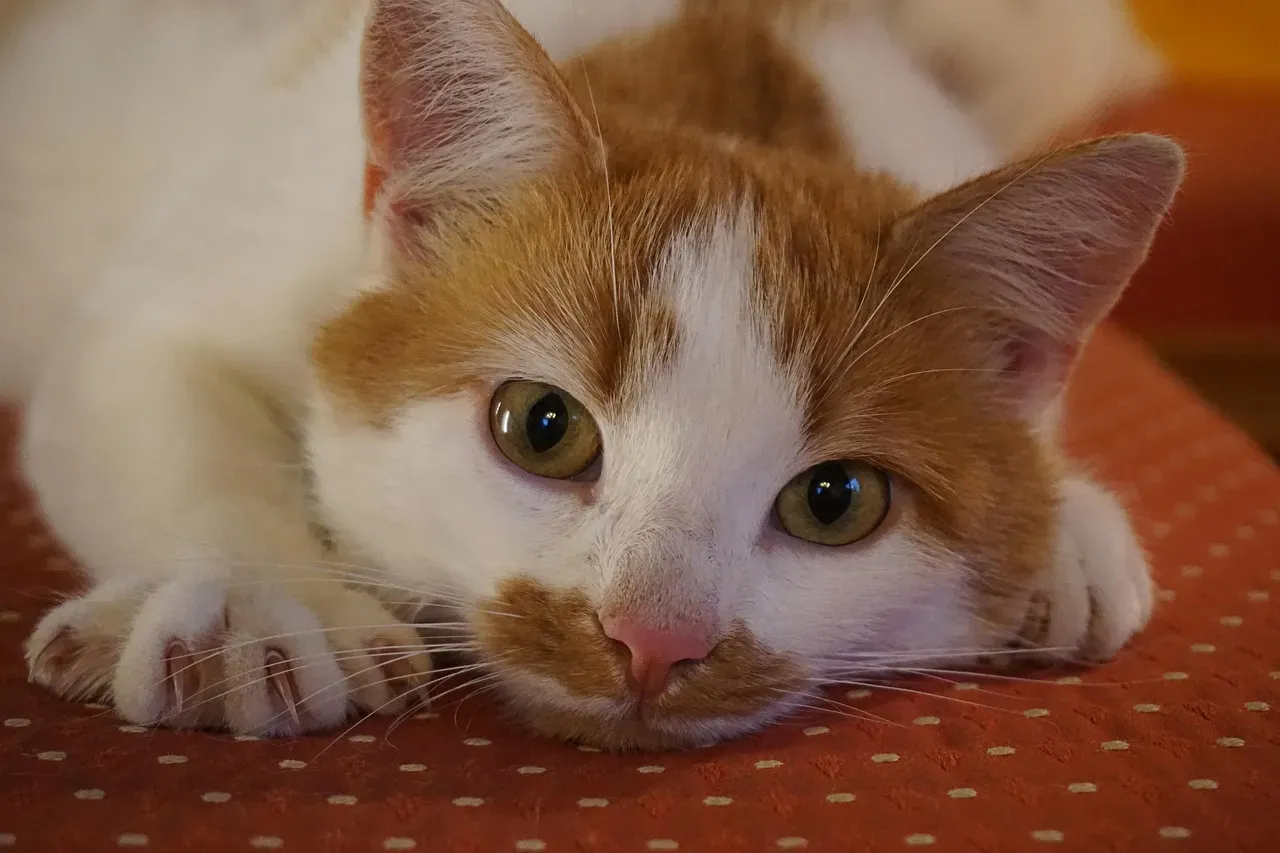
So your cat kneads with full claw commitment, and your thighs look like they lost a fight with a staple gun. You don’t have to just suffer through it. You should keep your cat’s nails trimmed short to prevent injury to your skin and damage to your furniture from kneading, and you can also place a blanket on your legs and stomach to provide a barrier between your skin and your cat’s claws if the kneading is uncomfortable, which allows you to preserve your bond with your cat while allowing it to perform a natural behavior.
If your cat’s kneading behaviors are uncomfortable or truly bother you, try gently pulling them into a lying down position so they may settle down and go to sleep, and you can also try to distract them with a treat or a toy, but it’s never appropriate to punish your cat for this natural behavior. Redirecting is always better than scolding. Your cat doesn’t know it’s causing discomfort – it’s simply doing what comes naturally and, in its own way, telling you that you are its whole world.
Conclusion: What Those Little Paws Are Really Saying
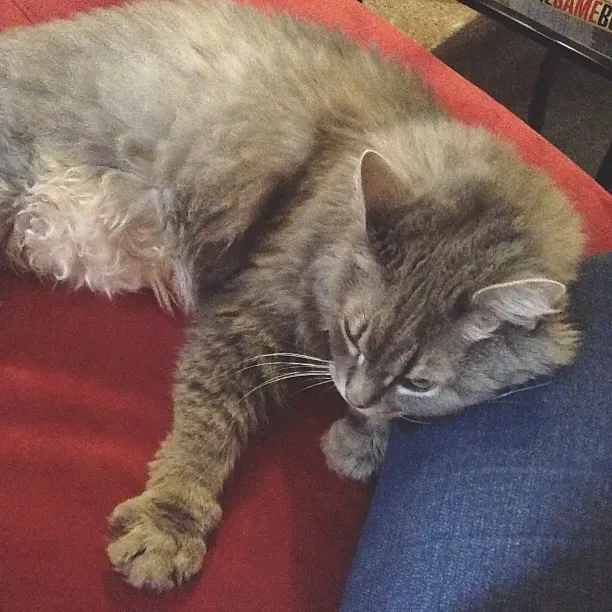
Cat kneading is one of those behaviors that seems simple on the surface but turns out to be layered with evolutionary history, emotional depth, brain chemistry, and instinct – all rolled into one rhythmic, slightly painful gesture. When your cat kneads you, it’s drawing on millions of years of feline history, the warmth of its earliest memories, and a genuine sense of love and safety that it associates with you specifically.
It’s worth pausing the next time those paws start pressing into your lap. Rather than wincing or gently relocating your cat, consider what’s actually being communicated. You’ve been chosen. You’ve been claimed. You’ve been given the highest possible feline compliment. That’s not nothing. So the next time your cat settles in and starts “making biscuits,” maybe just lean back, enjoy the purring, and appreciate the fact that to your cat, you are irreplaceable.
Now here’s something worth sitting with – did you ever imagine that something as simple as a cat pressing its paws into you could carry so much meaning? What does your cat’s kneading say to you now that you know the truth? Tell us in the comments.
Kristina is a young writer from India. An arts graduate and an avid content creator, Kristina is passionate about animals and wildlife. She enjoys exploring topics related to pet care, animal behavior, conservation, and nature, combining thorough research with engaging storytelling.