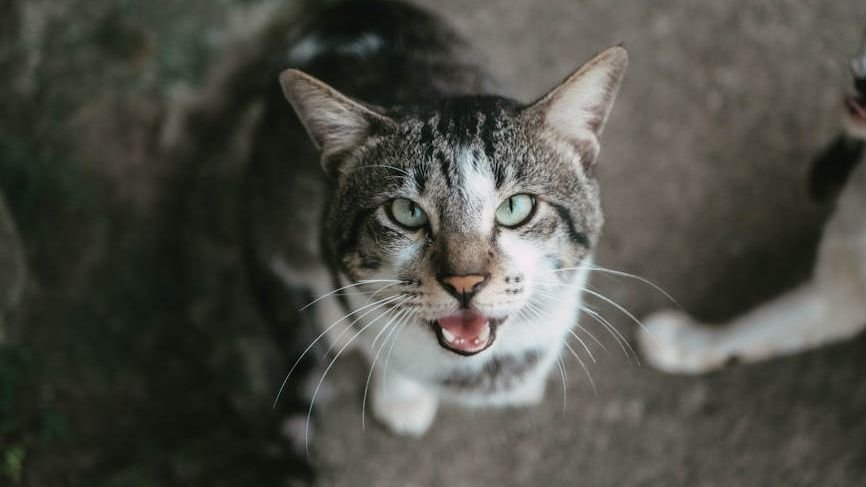
If you’ve ever lived with a Siamese cat, you already know exactly what it feels like to be talked at relentlessly from the moment you walk through the door. It’s loud, dramatic, and honestly a little hilarious. On the other hand, some cats barely make a sound their entire lives, communicating mostly through a slow blink or a tail flick. So what’s actually going on here? Why do some breeds seem to have so much to say, while others prefer the silent treatment?
The answer is a surprisingly rich mix of genetics, selective breeding history, personality, environment, and even how much you talk back. It’s more fascinating than you’d think. Let’s dive in.
It All Starts With Genetics
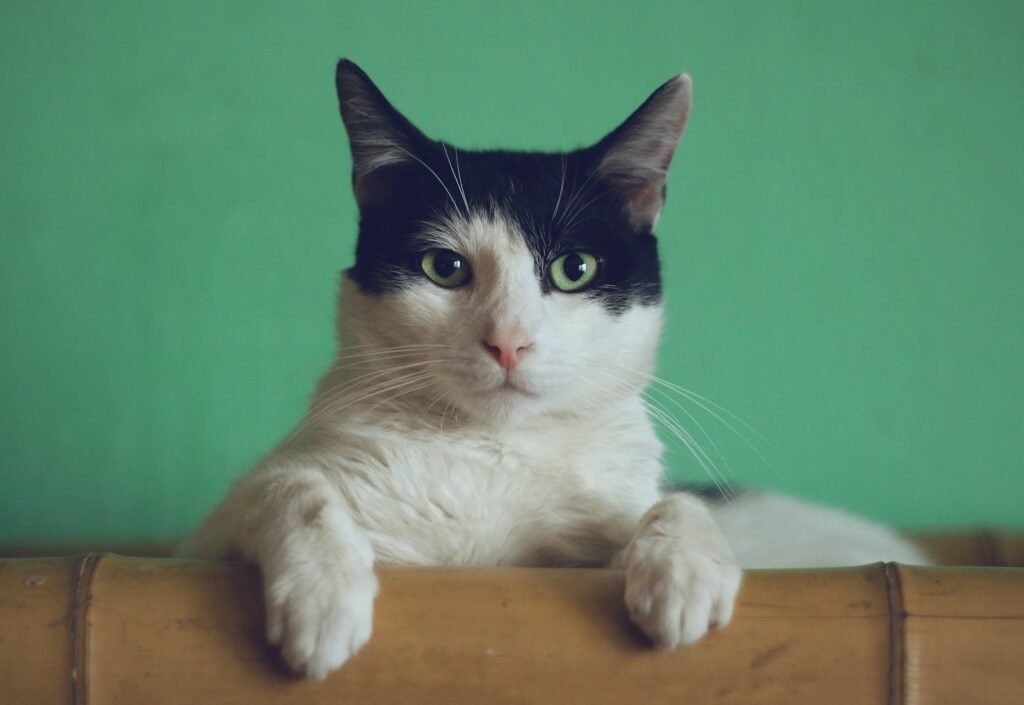
Understanding why some cats are more vocal than others involves a combination of genetics, environment, health, and personal temperament, and genetics plays a significant role in a cat’s propensity to vocalize. Think of it like this: genes are the original blueprint, and everything else just adds color to the drawing.
Research predicts that a cat’s vocal repertoire is influenced by both genetics and the environment. Vocalizations can be altered by the cat’s genetics, meaning cats essentially have individual vocalizations that are shaped at the most fundamental biological level. What that means in practice is that a talkative breed will almost always produce talkative kittens, regardless of how quiet the household is.
The Siamese: Royalty of the Chatty Cat World
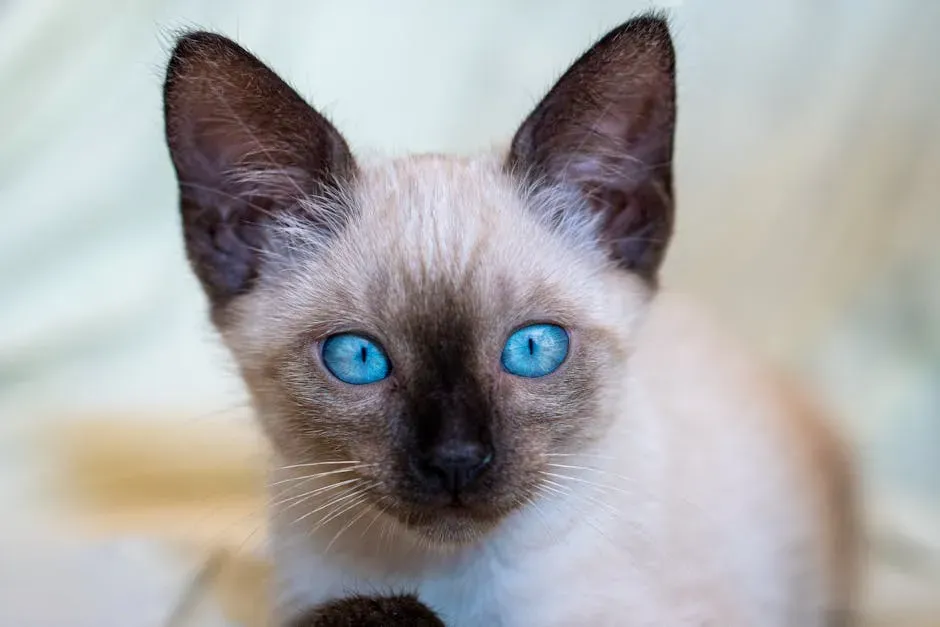
Let’s be real, no conversation about vocal cat breeds can go anywhere without starting with the Siamese. The Siamese is unparalleled in its ability to communicate with humans through loud meows, yowls, chirps, and trills, and its intense desire to bond with humans is a central part of the reason for its chatty ways. This is not just personality, it runs deeper than that.
This vocal trait appears to be genetically linked, as almost all Siamese are big talkers. Siamese cats have a distinctive vocalization that sounds remarkably like a human baby cry, among their large repertoire of other interesting cat sounds. I think that’s one of those facts that either charms you completely or keeps you up at night. Probably both.
The Role of Selective Breeding in Shaping Vocal Traits
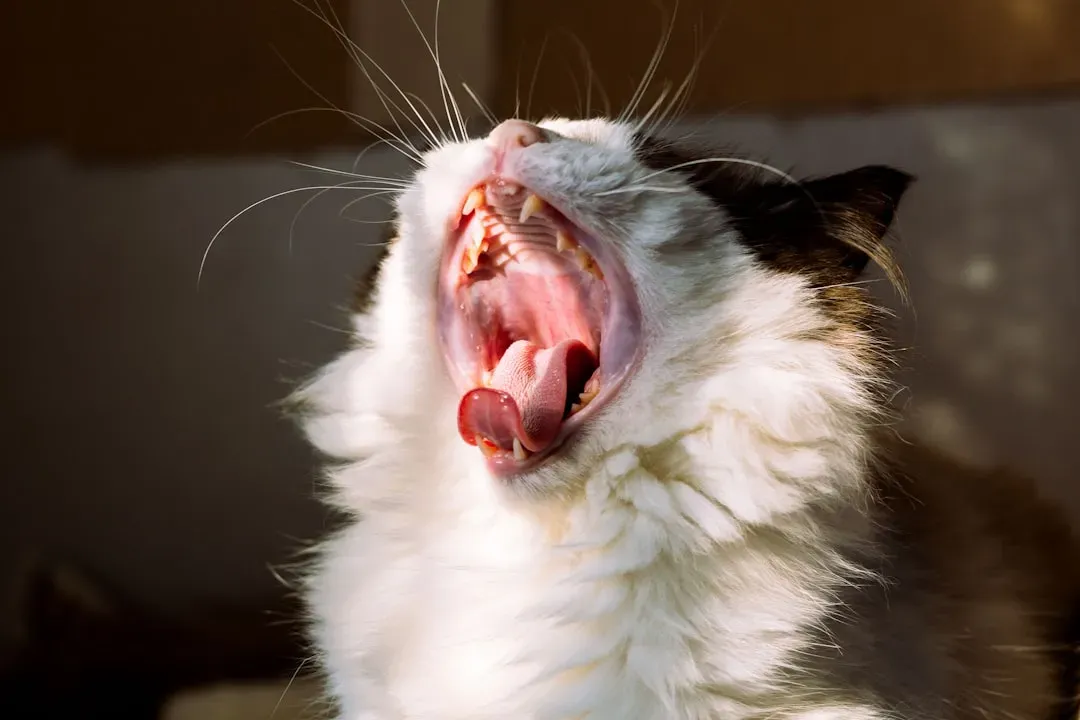
Here’s the thing, cats didn’t develop their talking habits entirely on their own. Humans played a big part. Certain cat breeds are naturally more vocal due to their genetic disposition and social nature, and breeds like Siamese, Oriental Shorthairs, and Bengals have been specifically bred for their communicative traits. Over generations, breeders effectively preserved and amplified vocal tendencies.
Research findings indicate that cat breeds have diverged not only morphologically but also behaviorally. Scientists have estimated heritability in multiple breeds, obtaining moderate heritability estimates in studied behavioral traits, varying from roughly 0.4 to 0.53. In plain language, that means nearly half of a cat’s behavioral tendencies, including how vocal it is, can be traced directly to its genetic inheritance.
Oriental Shorthairs: When Volume Meets Personality
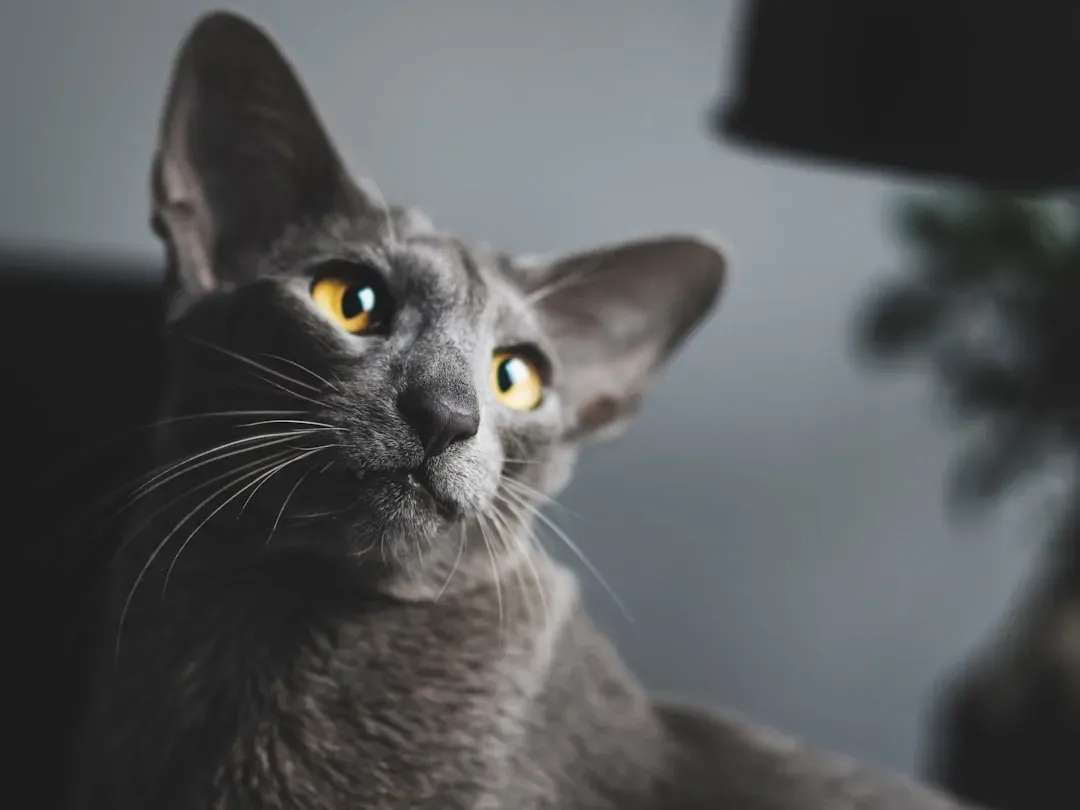
If the Siamese is the reigning monarch of meows, the Oriental Shorthair is arguably right behind it on the throne. Conversation comes naturally to the Oriental Shorthair, which is highly vocal and expressive, using an extensive sound range to announce needs, opinions, and emotions, often directing its speech straight at its favorite person. It’s basically the cat equivalent of someone who cannot walk past you without commenting.
Intelligence and curiosity fuel this breed’s talkative behavior, as Orientals seek constant engagement and dislike being ignored, making vocal communication their preferred way to stay involved in daily activities. The Oriental is loud and proud and can even purr with remarkable volume. Life is good when the Oriental has plenty of playmates and attention, but this cat can get a bit cranky if left alone for long durations.
Social Bonds and Attention-Seeking Behaviour
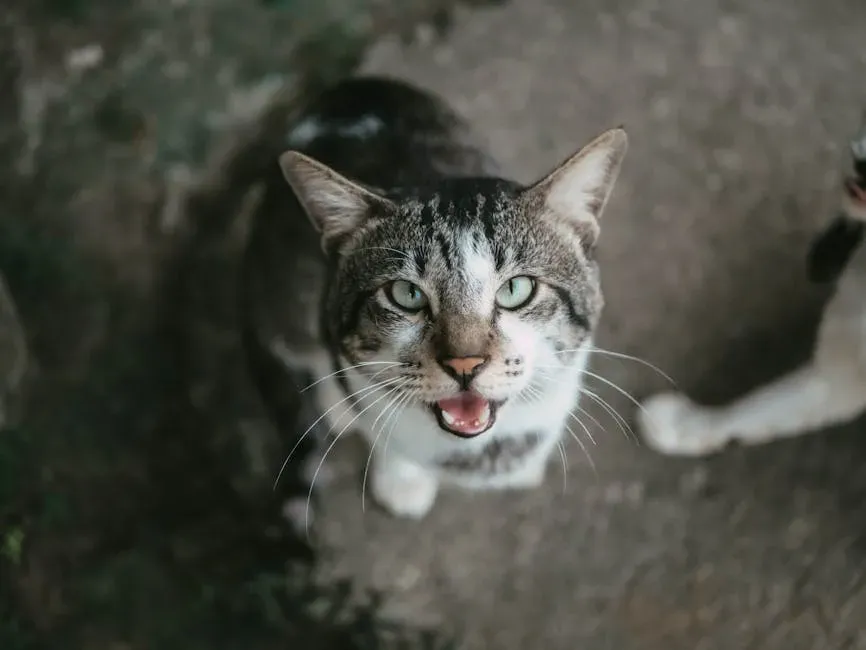
One of the clearest reasons certain breeds talk more is that they are simply wired to crave company. Cats have learned to communicate with their owners in order to fulfill their needs and receive the attention they desire, though some cats will seek more attention than others and know that if they vocalize for long enough, they will almost certainly get their own way. It’s a learned strategy on top of a genetic foundation.
Owners may unknowingly influence their cat’s degree of vocalization, as cats are intelligent creatures that learn from their owners’ reactions. If a cat receives attention when it vocalizes, it might use this as a strategy to get what it wants, reinforcing the behavior over time. So, in a very real sense, if you’ve been answering back all these years, you’ve essentially been training your cat to be chattier. Honestly, that’s kind of brilliant on the cat’s part.
Why Burmese Cats Are the Social Butterflies of the Feline World
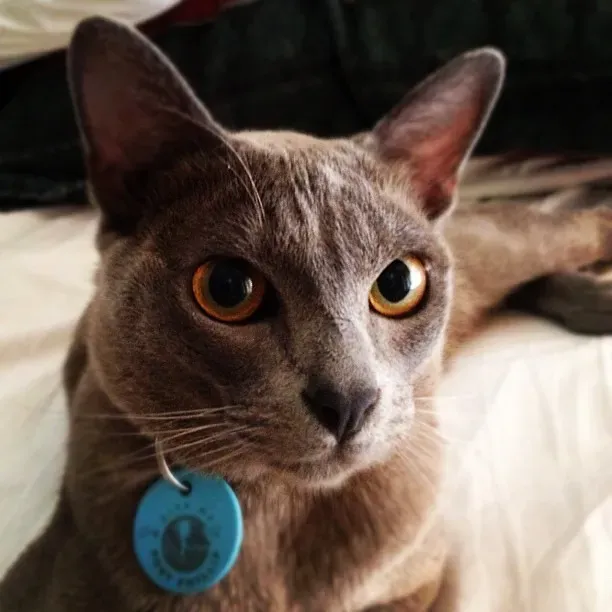
The Burmese cat is the social butterfly of the feline world. These cats are not just talkative, they are full-on conversationalists. Unlike their Siamese cousins, Burmese cats have a softer, more musical meow. It’s like the difference between a jazz musician and a rock star. Both loud in their own way, but with very different energy.
Burmese cats are highly sociable and use their voices to strengthen the bond with their owners, seeking attention, companionship, and interaction. Their vocal behavior reflects their affectionate and people-oriented nature, making them excellent companions for those who value close bonds with their pets. Burmese cats are naturally people-oriented and playful, and they thrive on interaction, following you from room to room to make sure you never feel lonely.
The Environment’s Surprising Influence on Feline Vocals
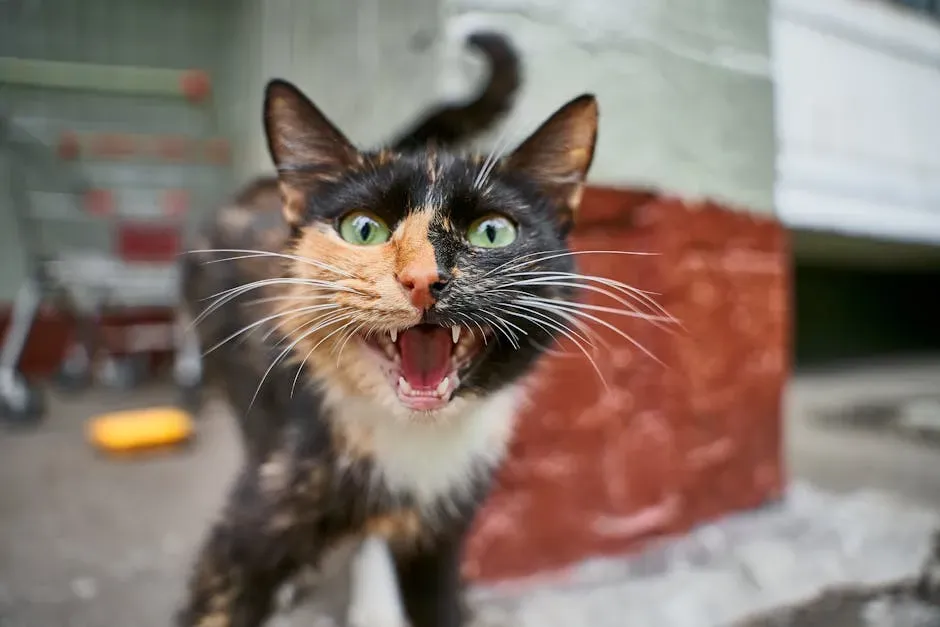
Genetics sets the stage, but your cat’s environment is a major supporting actor in this vocal drama. The environment has an important impact on vocal behavior, and feral cats and pet cats vocalize differently as a result. A cat raised surrounded by responsive, talkative humans is likely to mirror that behavior far more than one raised in a quiet, empty home.
A Persian kitten raised in a noisy and stimulating environment might become more vocal than a Persian raised in a quiet home. Stress and anxiety can also lead to increased vocalization in cats, as changes in routine, new family members, or other pets can cause stress, prompting a cat to be more vocal as a way to express their feelings or seek comfort. So your living environment doesn’t just shape you. It shapes your cat, too.
The Sphynx: Bald, Warm, and Wonderfully Loud
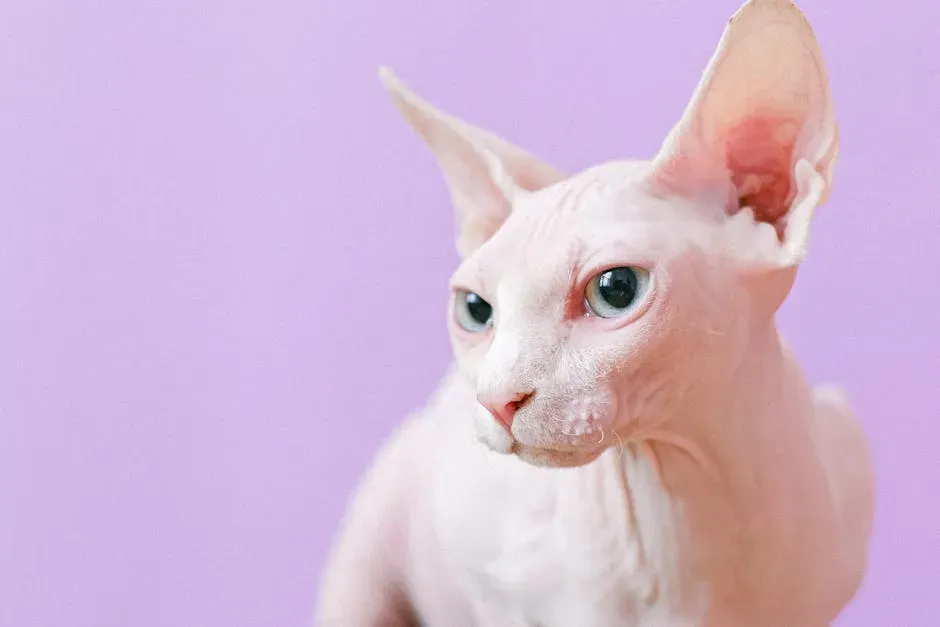
You might not expect a hairless cat to have so much to say, but the Sphynx is genuinely one of the most vocal breeds out there. Sphynx cats are highly vocal, using loud meows, chirps, trills, and expressive yowls to make their thoughts known. Silence is rarely their default setting. Their talkative nature stems from intense social needs, as they are deeply attached to their people and initiate conversations to seek warmth, attention, and constant companionship throughout the day.
With Sphynx cats being so warm and affectionate, they are very dependent on their owners and crave active involvement in their lives, which is why they tend to talk a lot. Imagine a cat that treats your home like a shared apartment and feels entitled to comment on every single thing you do. That’s the Sphynx, and honestly, there’s something deeply endearing about it.
Age, Health, and When Talking Becomes a Warning Sign
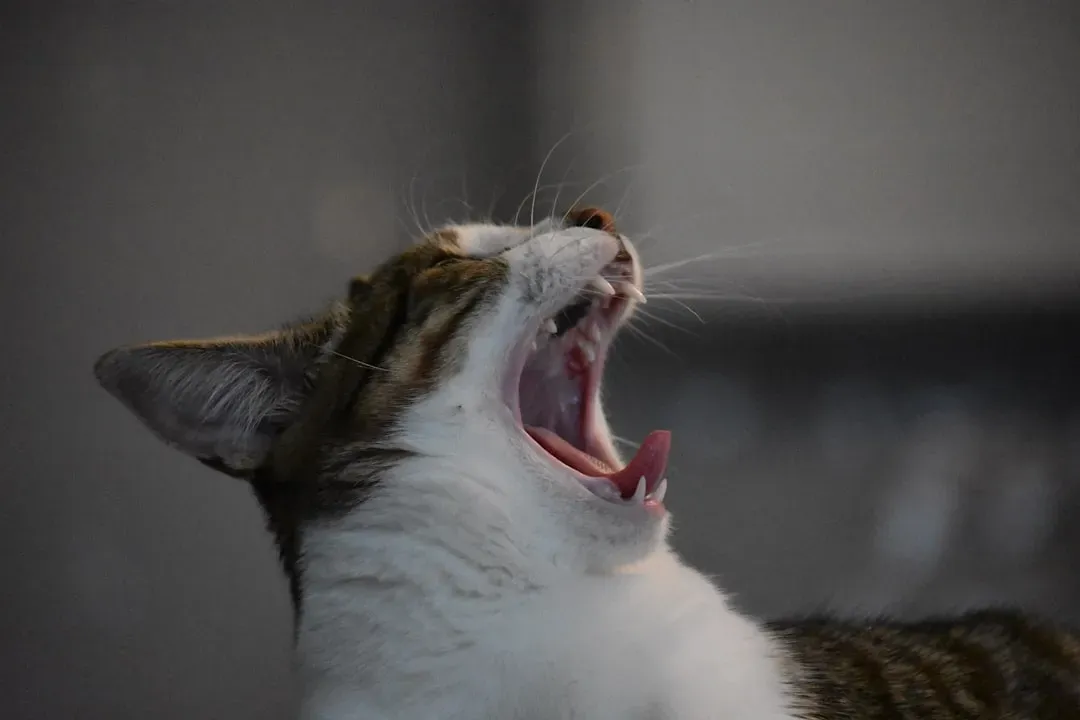
Not every increase in vocalization is about personality. Sometimes it’s about pain. Changes in your cat’s vocalization patterns can mean medical or health problems, so it’s important you know what’s normal for your cat and what’s out of character. This is something every cat owner genuinely needs to internalize.
Age can also influence how vocal a cat is. Kittens are typically more vocal as they communicate with their mothers and siblings, and as cats age they may become quieter. However, some older cats may develop increased vocalization due to hearing loss or other age-related changes. Medical reasons cats meow excessively include hyperthyroidism, pain, or urinary tract problems. If something shifts suddenly, that’s your signal to see a vet.
Quieter Breeds: When Silence Speaks Volumes
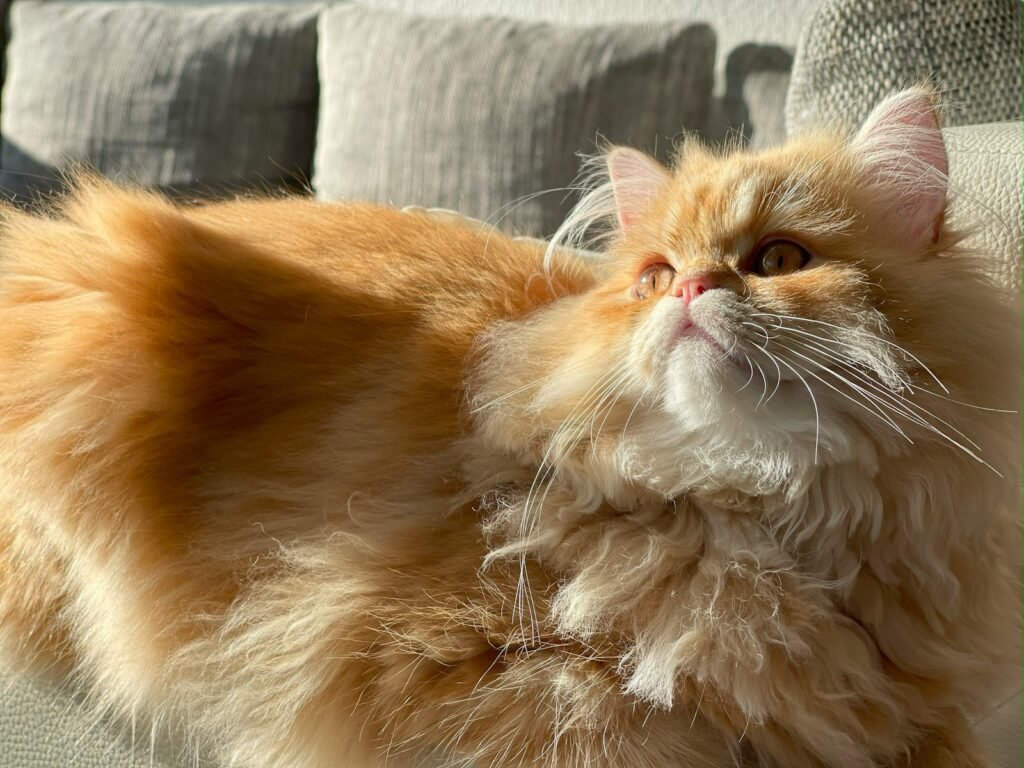
Of course, the flip side of the chatty cat world is the wonderfully quiet breeds that prefer to communicate through subtlety rather than sound. British Shorthairs and Persians tend to be less vocal, and quiet cats communicate more through body language and subtle cues. Paying attention to ear position, tail movement, and eye contact helps you understand them better. It’s a completely different kind of relationship.
British Shorthairs are known for their round faces, dense coats, and calm, independent personalities. They are typically quiet cats, preferring to observe from a distance rather than demanding attention. While they enjoy affection, they are not usually overly clingy or vocal. Abyssinians, American and British Shorthairs, Cornish Rex, Ragdolls, Russian Blues, and Norwegian Forest Cats may account for the quietest breeds in the feline world. There’s no “better” choice here. It simply comes down to the kind of relationship you want with your cat.
Conclusion
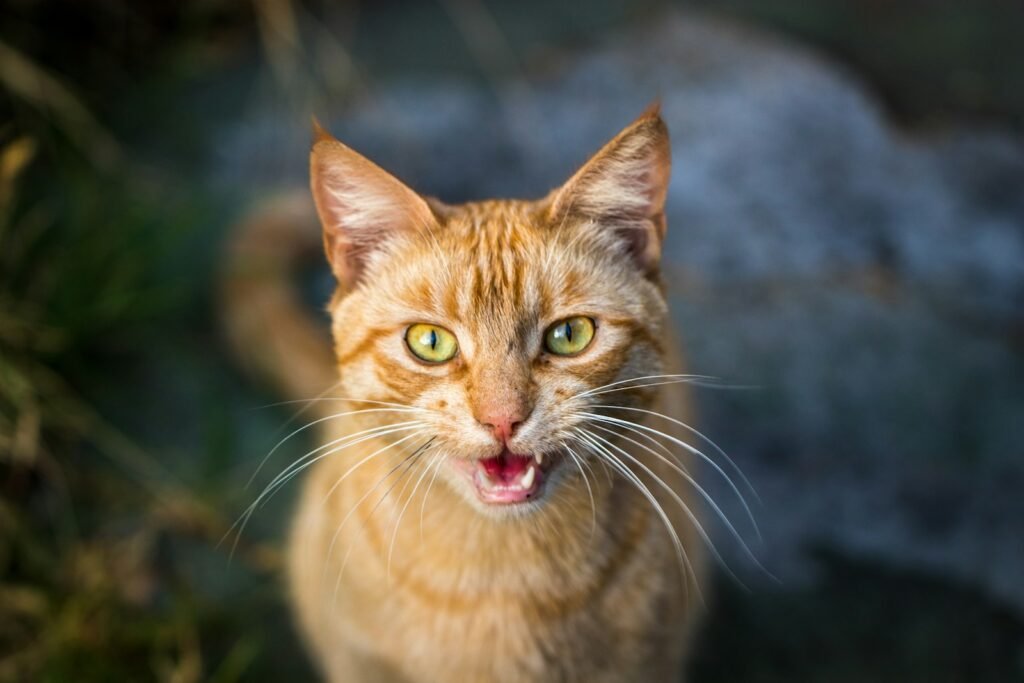
When you look at the full picture, a cat’s tendency to be talkative is never just one thing. It’s a layered combination of breed genetics, social bonding instincts, reinforcement from human interaction, health, age, and environment. Some breeds, like the Siamese and the Oriental Shorthair, are practically born with a megaphone. Others, like the British Shorthair, prefer to let their eyes do the talking.
What’s truly fascinating is how much of it circles back to you. The cat has evolved to communicate effectively with humans by using specific vocalizations and by being able to distinguish between individual human vocalizations and human attention. Your cat is not just randomly making noise. It’s speaking a language it developed specifically to get through to you.
So next time your cat launches into a full-blown monologue at 2am, maybe think of it less as a nuisance and more as a compliment. They chose you as their conversation partner, after all. What would you rather have: a silent roommate, or one who always has something to say?