What's the Difference Between a Playful Swat and a Warning Paw from My Cat?
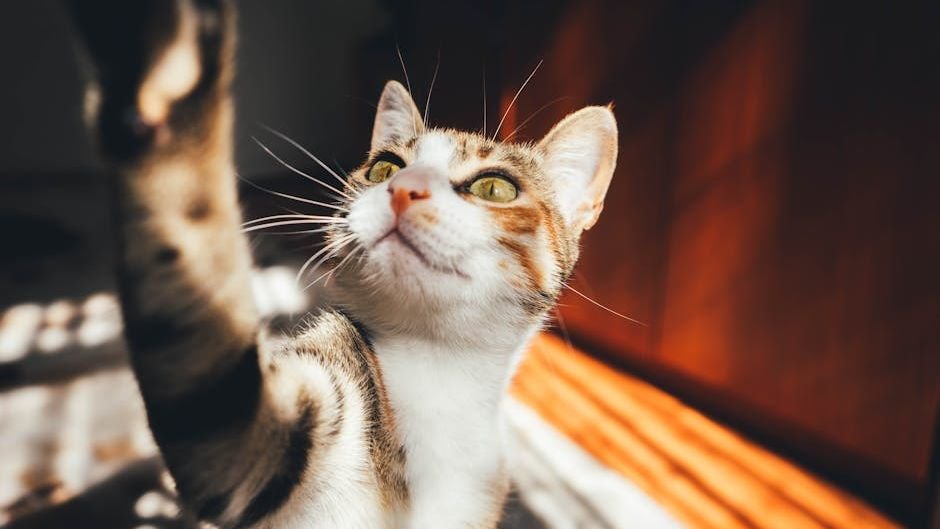
You're minding your own business on the couch, maybe scrolling your phone, when suddenly your cat's paw comes flying out of nowhere. Was that an invitation to play? A firm request to stop touching them? Or just your cat being your cat? It can feel like trying to decode a foreign language when all you have is a tiny furry face staring back at you.
Honestly, most cat owners get this wrong at least some of the time, and it's not their fault. Cats are subtle, complex little creatures who communicate in ways that require real attention to understand. The good news is that once you know what to look for, the difference becomes surprisingly clear. So let's dive in.
Why Cats Use Their Paws to Communicate at All
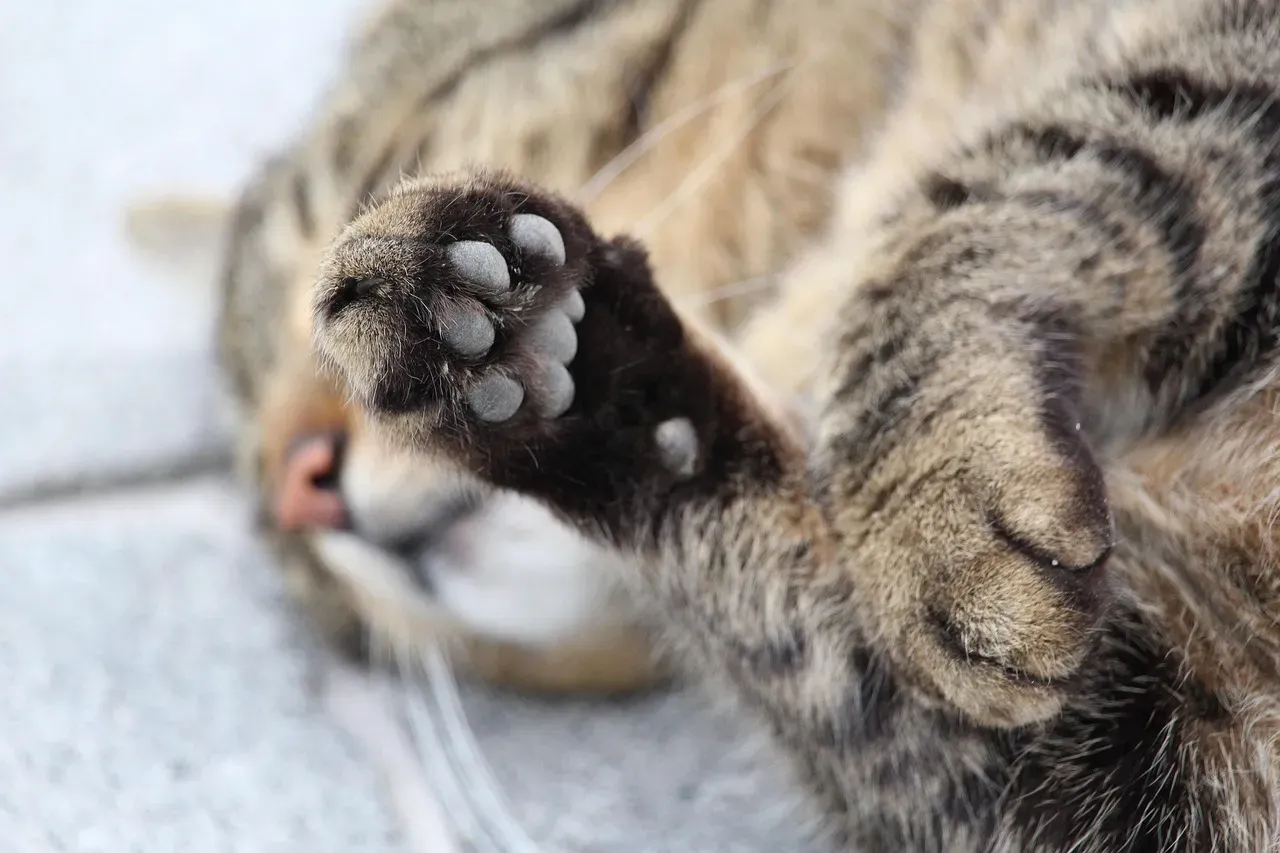
A cat's paws are incredibly sensitive, packed with nerve receptors that support their ability to balance, hunt, explore, and understand their surroundings. Think of those paws like a Swiss Army knife: they're tools for movement, exploration, and yes, expression all in one.
Cats use their paws to express emotions like playfulness, fear, and boredom, making them some of the most important tools for both survival and communication a cat has. So when your cat reaches out and taps you, there's almost always a message being sent. Your job is simply learning how to read it.
The Playful Swat: What It Looks Like
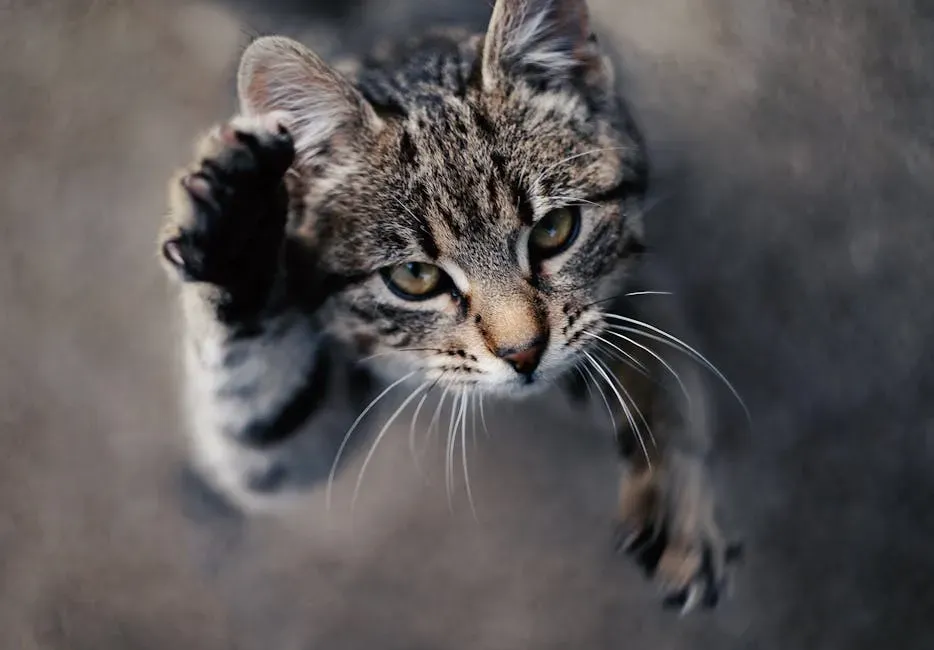
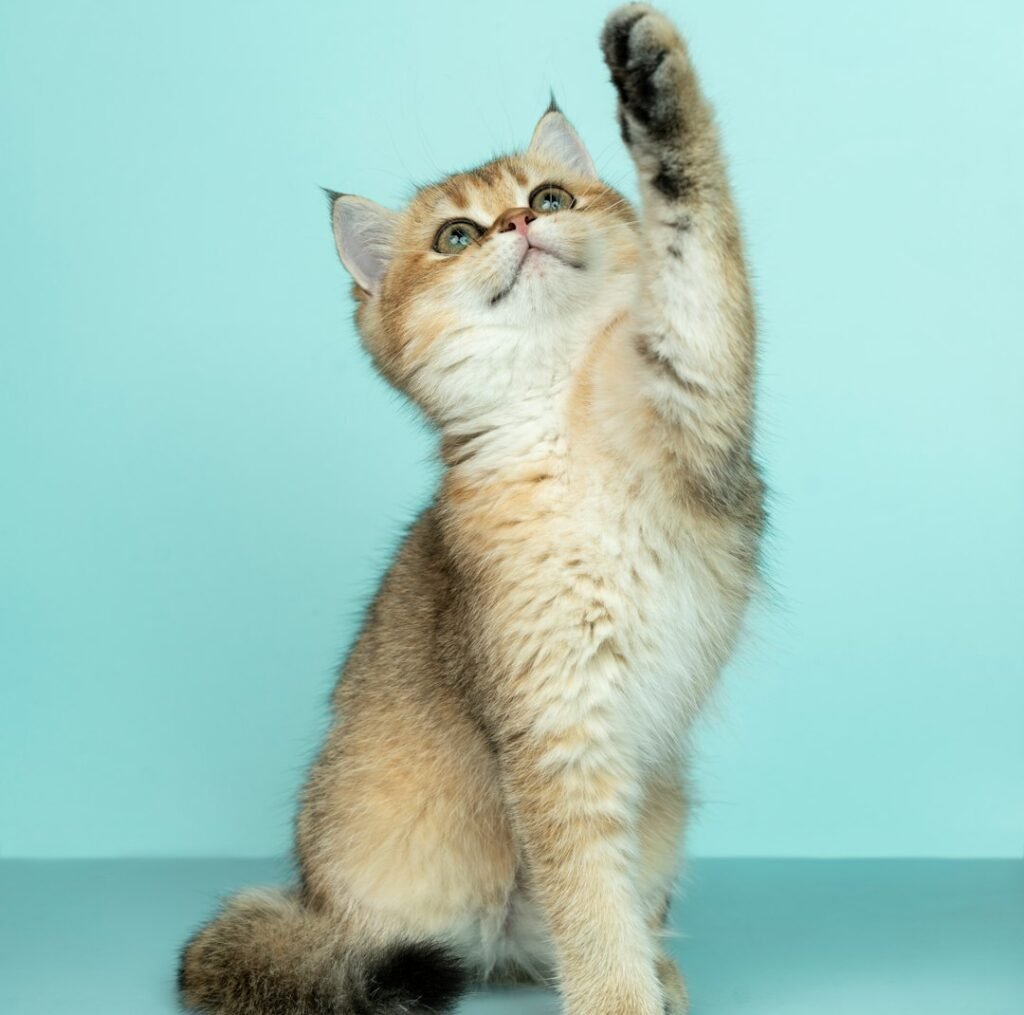
Playful swatting involves retracted claws, relaxed body language, and gentle movements. If you've ever had a cat bop you lightly on the hand while you're waving something around, you've experienced this firsthand. It's like being tapped on the shoulder by a friend who wants your attention. Light, bouncy, and almost rhythmic.
Cats are natural hunters, and their play style reflects that. Many cats initiate play by lightly batting at objects, including your hands, ankles, or clothing, and what looks like a "slap" may actually be instinctive play behavior, especially in younger or high-energy cats. This type of pawing often includes zoomies, playful body language, and a bouncy posture. You'll notice their whole energy feels light and excitable, not tense.
The Warning Paw: When Your Cat Means Business
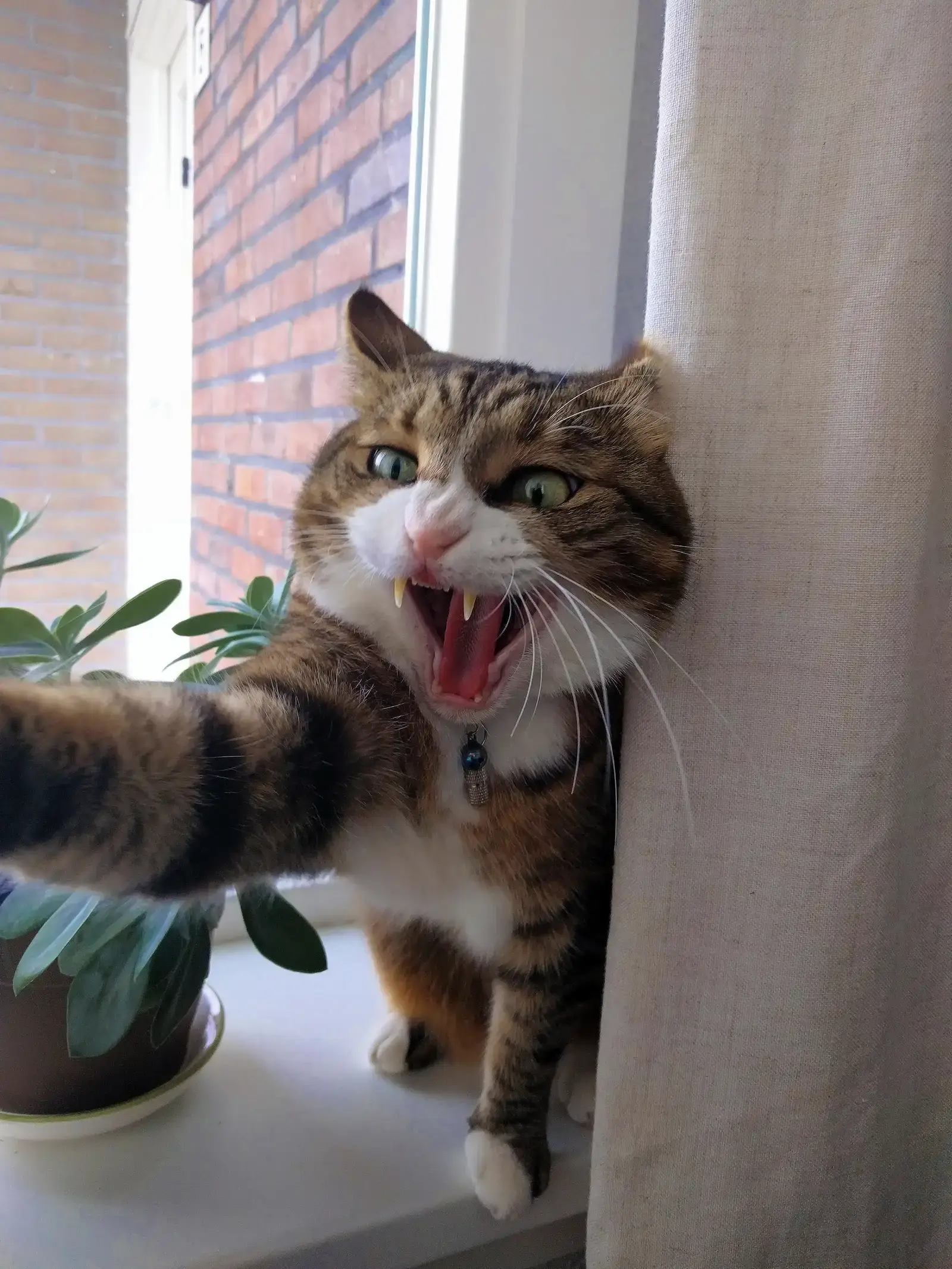
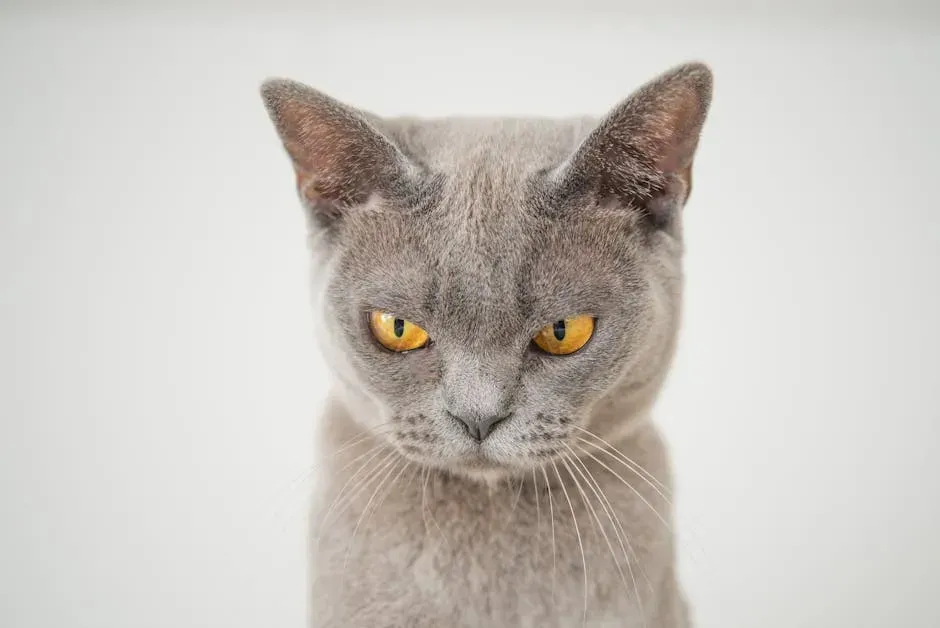
A warning swat, often with ears back or a hiss, communicates discomfort or fear. This one feels different immediately. The body stiffens, the mood shifts, and you sense that something in the interaction has gone wrong. It's your cat's way of saying "enough," and they mean it.
Aggressive swatting includes extended claws, tense posture, hissing or growling, and may be accompanied by biting attempts, while fear-based swatting usually involves a defensive posture, dilated pupils, and attempts to create distance. Think of it like a stop sign at an intersection. You really don't want to ignore it.
The Claws-Out Rule: The Simplest Clue You Have
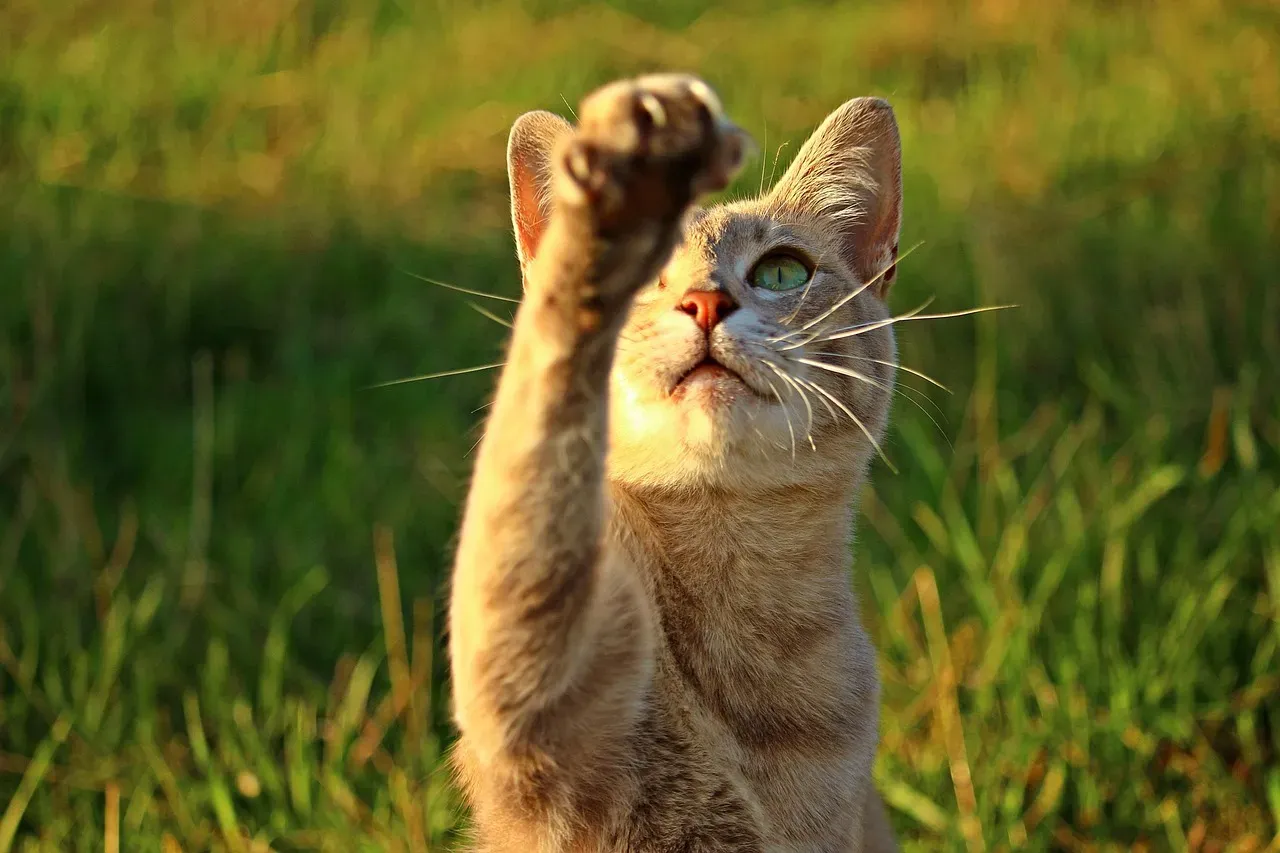
If their claws are out, they are warning you, whereas if you are swatted without their claws, it is playful. I know it sounds almost too simple, but this one cue alone will save you a lot of confusion. Claws in equals fun. Claws out equals time to back off immediately.
During play, cats typically retract their claws and avoid inflicting harm, while aggressive attacks involve sharp claws, biting, and intent to harm. The difference is not just noticeable, it's actually quite dramatic once you've experienced both. A playful bop barely registers. A warning swipe leaves a mark you won't forget.
Reading the Rest of the Body: Don't Just Watch the Paw
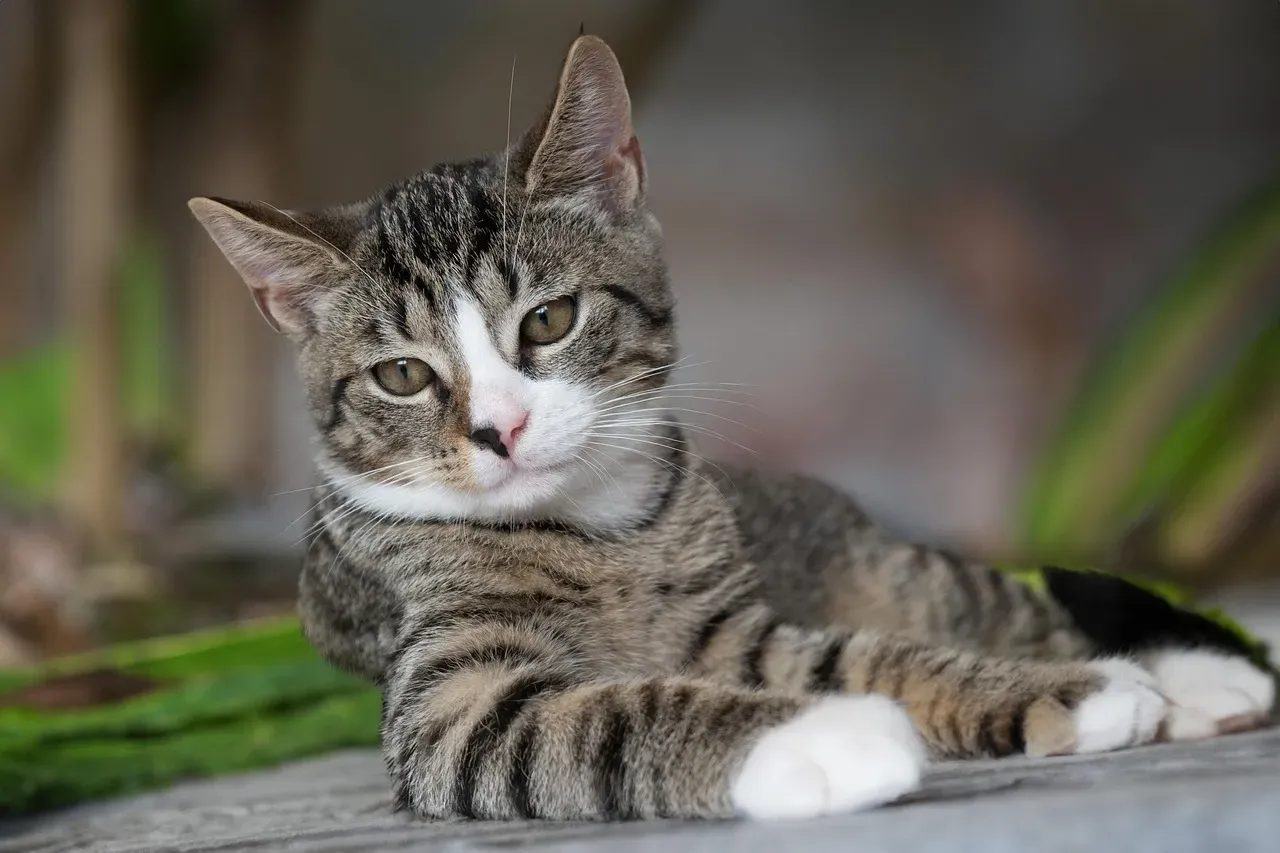
The first clue to differentiate play from aggression lies in your cat's body language. During play, cats typically have a relaxed posture with their tail up or slightly puffed, while aggression often involves stiff body language, arched back, raised fur, and hissing or growling. The paw is just one piece of a much bigger puzzle you need to see in full.
When a cat is irritated or overstimulated, you'll notice dilated pupils, ears turned back, and tail twitching or waving, and your cat may growl or even put their teeth on you as a warning, since intense play can quickly turn into overstimulation in some cats, resulting in biting and scratching. It sounds dramatic, but once you start paying attention to these combined signals, it becomes second nature incredibly fast.
Overstimulation: When Play Swats Turn Into Warning Paws Mid-Session
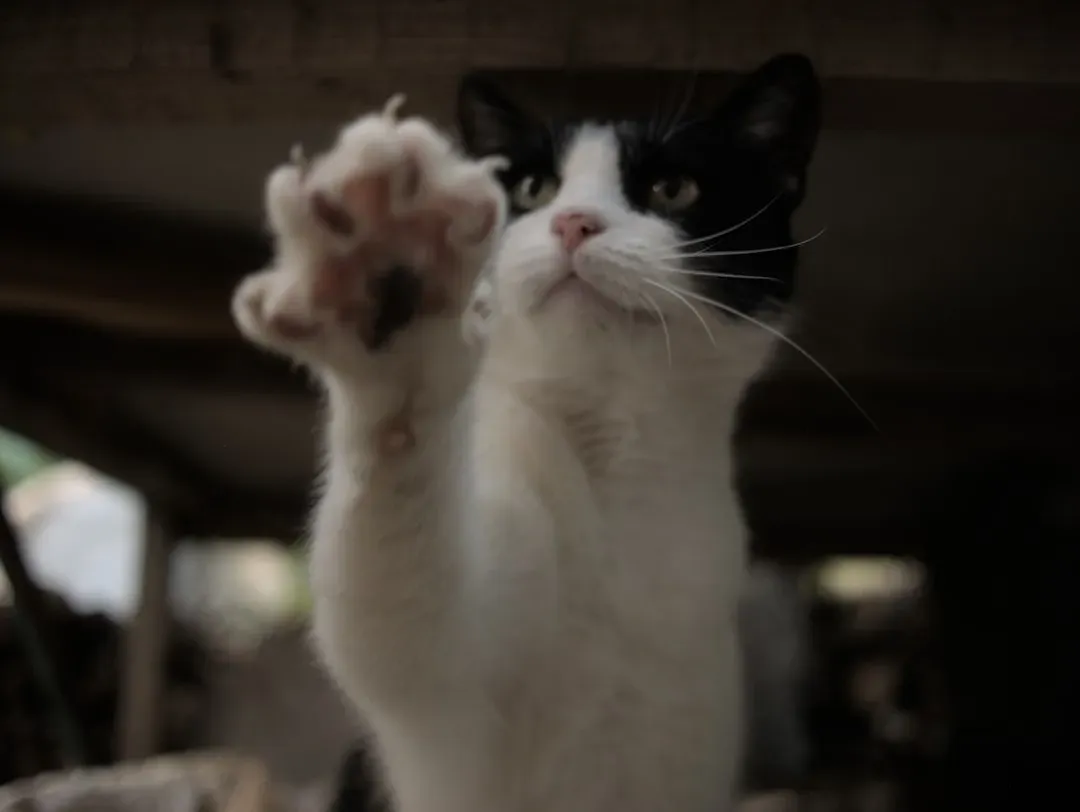
Many of us will have been happily indulging in a playful session with our pet cat, only to have them suddenly jump up, swipe, and scurry off. This can be confusing when your cat was seemingly loving the game just moments before, and this sort of feline aggression is not fully understood but is thought to occur when a cat experiences overstimulation from a game and their predatory drive takes over.
Overstimulation swatting typically occurs during petting sessions and is preceded by subtle warning signs like tail twitching or skin rippling. Think of it like a toaster with a broken timer. Everything seems fine, then suddenly it pops. Keep an eye out for signs that your cat is becoming overstimulated, such as tail twitching or flattened ears, and if you see these, take a break from play before things escalate.
When a Swat Is Actually Asking for Attention
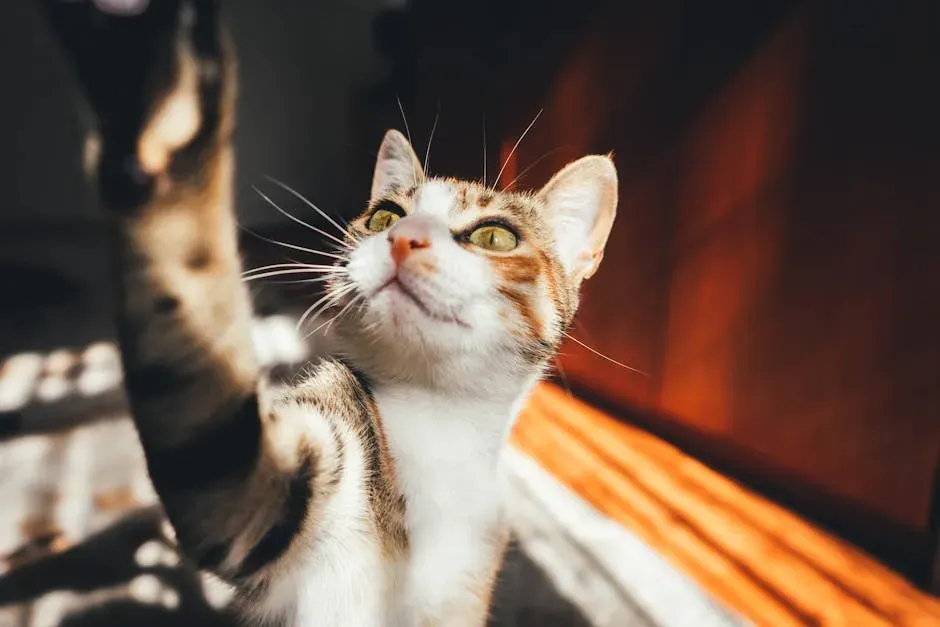
One of the most common reasons a cat hits you with their paw is simple: they want your attention. Some cats paw gently at their pet parents to request petting, playtime, or a refill of the food bowl, and because cats quickly learn what gets a response, a well-timed tap can become a go-to communication tool. It's less of a warning and more of a gentle nudge, like a coworker tapping your shoulder because you're ignoring the group chat.
Cats can be quite vocal and might try to get your attention with a swat if they're not getting enough from you, so making sure your cat gets plenty of playtime, snuggles, and treats each day keeps them happy and content. When you respond consistently to these attention paws, you actually reinforce a polite communication habit. That's not a bad deal at all.
When to Be Concerned: Health and Sudden Behavioral Changes
While most paw taps are harmless, a sudden change in behavior can signal discomfort or an underlying medical issue. Cats in pain, stressed cats, or anxious cats may be more reactive even during routine interactions, and if your normally gentle cat starts slapping frequently, especially with their claws out, it's worth mentioning to your veterinarian. Your cat might not be able to say "it hurts," but their behavior will absolutely tell you something is off.
If one of your cats suddenly starts showing aggressive behavior, a visit to your veterinarian is vital. Cats are great at hiding things like pain, but it does show itself when you see sudden changes to their normal behavior. If they aren't feeling well, they'll be less tolerant of things that don't usually bother them, and if they're feeling pain or discomfort, they may react aggressively either because there's actual pain or they're afraid there will be pain.
Conclusion: Your Cat Is Always Talking - Are You Listening?
Here's the thing: your cat is never acting randomly. Every swat, every bop, every extended claw carries a meaning. The playful swat is an invitation to join in, a sign your cat trusts you enough to engage. The warning paw is equally honest, just in a very different direction. Both deserve your respect and your attention.
Because cats are silent communicators, their paws often speak louder than their vocalizations, and learning to read your cat's signals can help you respond appropriately, whether they're asking for your attention or asking for space. Start noticing the claws, the ears, the tail, and the posture together as one full picture rather than reacting to just one movement in isolation.
The relationship you build with your cat gets richer the more fluent you become in their language. They've been trying to tell you things all along. Now you finally know how to listen. What surprising signal has your cat been sending that suddenly makes a lot more sense? Tell us in the comments - we'd love to hear your story!