Your Cat's Purr Isn't Always a Sign of Contentment
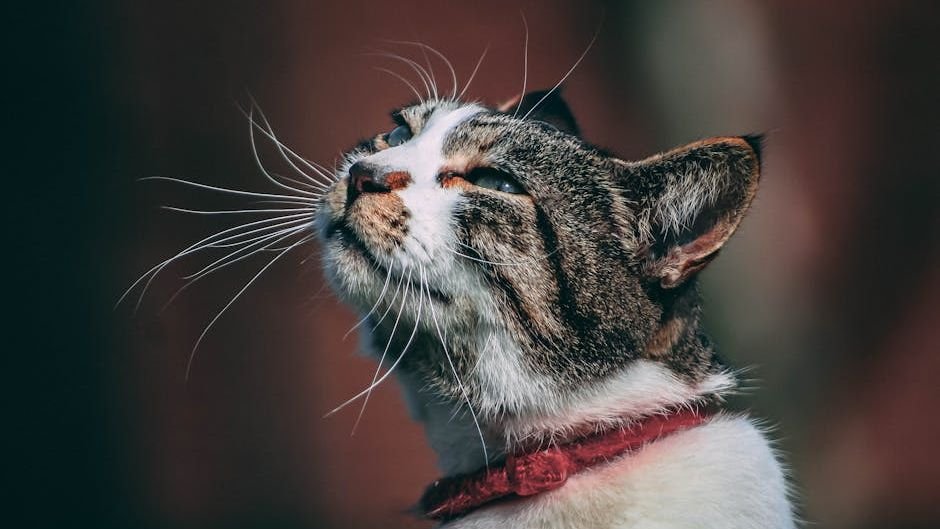
There's something almost hypnotic about a purring cat. You feel it before you fully hear it. That low, rhythmic rumble fills the room, vibrates softly against your chest, and - almost instantly - you relax. Most of us instinctively read that sound as a tiny furry seal of approval, proof that everything is right in the world. Your cat is happy. Life is good.
Except, here's the thing: that assumption might be leading you completely astray. Your cat's purr is one of the most misunderstood sounds in the animal kingdom, carrying meanings far more complex and sometimes far more urgent than pure bliss. What's really behind that rumble? You might be surprised by what you're about to discover. Let's dive in.
The Mechanics: How Your Cat Actually Makes That Sound
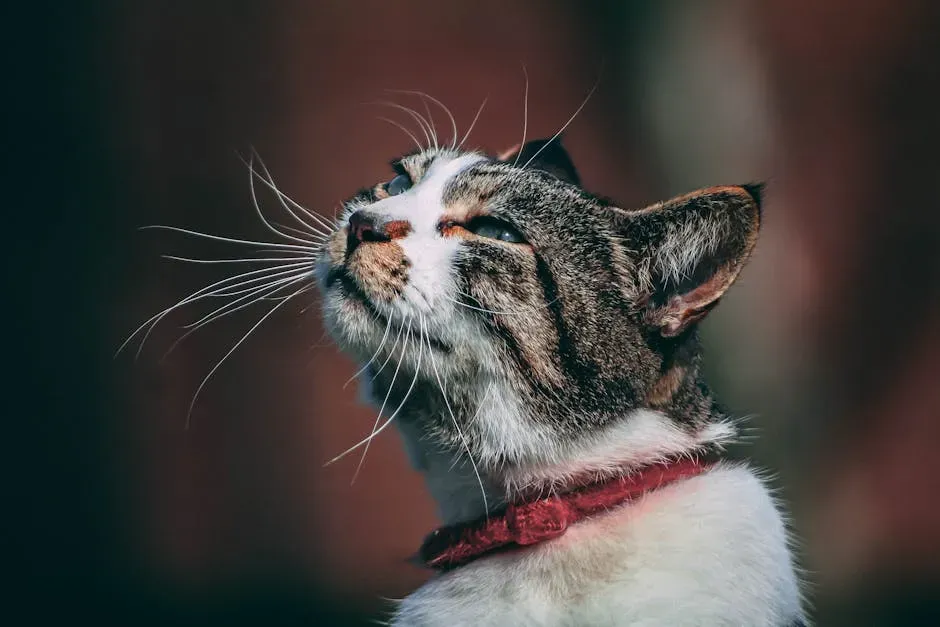
A repetitive neural oscillator in the brain sends signals to the muscles of the larynx, causing them to twitch at a rate of roughly 25 to 150 vibrations per second. This movement controls the glottis, which is the space between the vocal cords, creating a purring sound during both inhalation and exhalation. Think of it less like a musical instrument being played and more like a tiny internal engine firing on a continuous loop.
The purr consists of a continuous vibration as the cat inhales and exhales, with a brief pause in between the two phases. If you've ever listened closely enough, you can actually detect that subtle shift in tone between the in-breath and the out-breath. It's genuinely fascinating once you start paying attention. This is made possible by an ossified bone in the throat of domestic cats called the hyoid bone, which holds the larynx and tongue in place.
Purring Out of Happiness: The Classic Reason You Already Know
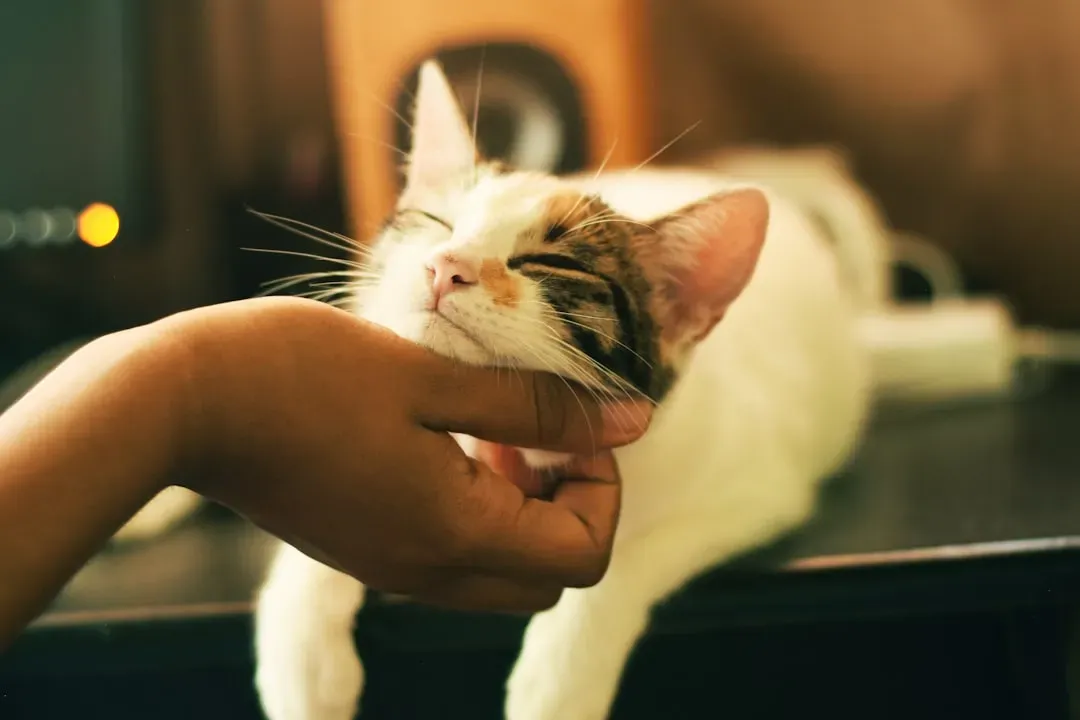
Okay, yes, let's be real - your cat absolutely purrs when they're genuinely delighted. Contentment is a classic and common reason for purring. Happy, contented, relaxed, and even drowsy cats often purr away, and this low rumbling noise of pleasure is paired with events your cat loves, such as a cuddle on your lap, a comfortable place to doze in the sun, or after a delicious bowl of food.
If your cat appears relaxed, with relaxed ears and whiskers, small pupils in their eyes, and their tail pointing up or curled around them, then their purring is most likely a sign they are happy. The body language really is the key. When a cat purrs while you pet them, it's an indication that they like that interaction, and it may also be a signal for you to continue petting them. Consider yourself thoroughly invited to keep going.
When Purring Means Your Cat Is Anxious or Scared
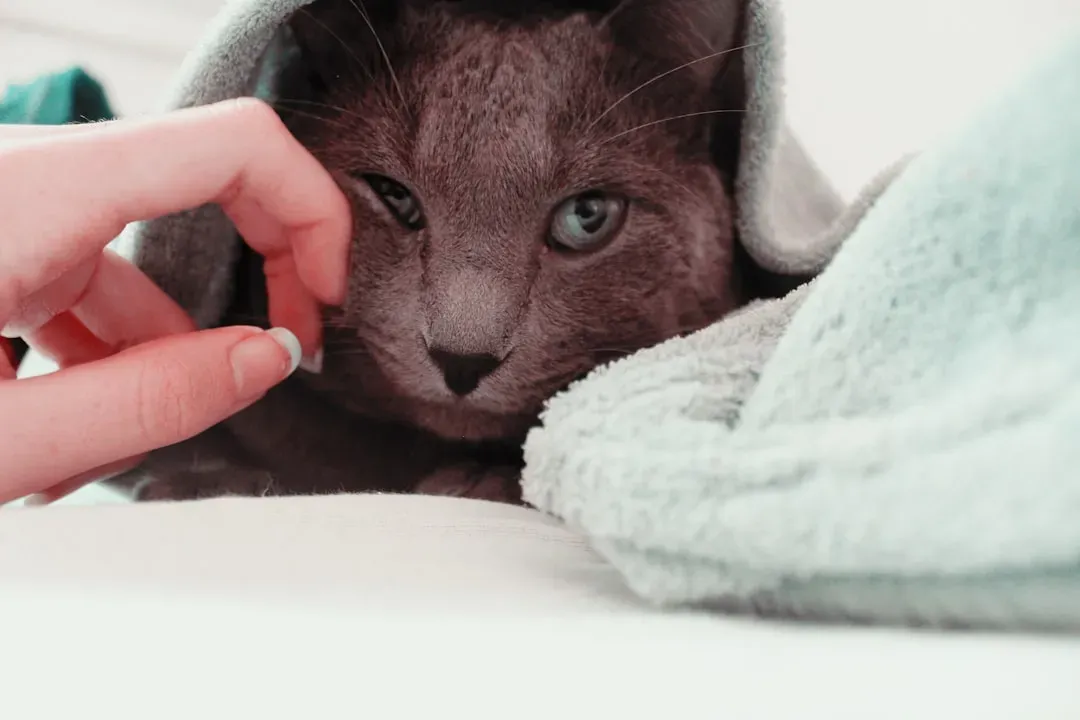
Here's where it starts to get surprising. Cats purr for a variety of reasons, and it's not . While cats do purr when they're happy and relaxed, they also purr when they're in pain, anxious, or frightened. Honestly, I think this is the piece of information that shocks most cat owners the most the first time they hear it.
There are a few ways to tell if your cat is stress-purring, such as if they are purring but showing their teeth or panting. The pitch of the purr is another clue: when cats are purring out of happiness, the purr tends to be lower-pitched, while a stressed-out cat might have a higher-pitched purr. If your cat is purring while their ears are flat or turned to the side, their eyes are wide open with wide pupils, and their whiskers are pointing forwards or down, it's likely that they are stressed. If your cat is purring at the vet or while there is lots of noise and activity around them, this is probably the cause.
The Purr of Pain: Your Cat May Be Hurting
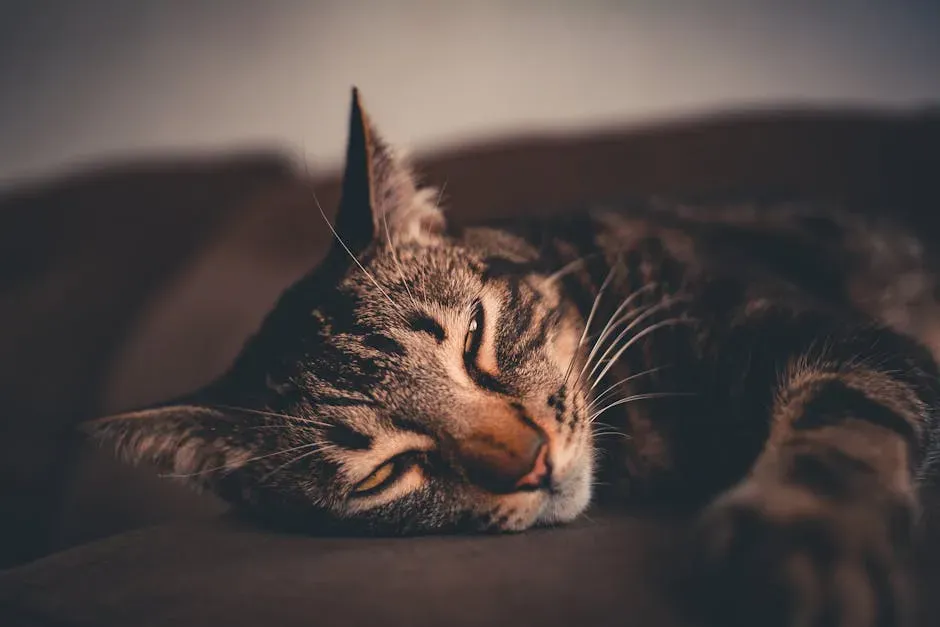
Cats may also purr when they are in pain or discomfort. This behavior seems counterintuitive, but purring in such situations is believed to serve several purposes, including helping to soothe the cat and alleviate pain, similar to people in distress finding comfort in moaning or rocking back and forth. It's the feline equivalent of humming quietly through a difficult moment. Quietly suffering but still trying to self-regulate.
Cats often hide pain or sickness, and purring during these times may indicate internal discomfort or hidden injuries. Older cats may purr more than usual to soothe aches or discomfort linked to aging. Pain is another cause of purring in cats. They purr when they are in pain because they want to soothe themselves and try to relieve some of the pain at the same time. So if your senior cat seems to purr more than before, that warrants a closer look and perhaps a vet visit.
The "Solicitation Purr": Your Cat Is Manipulating You (and It's Working)
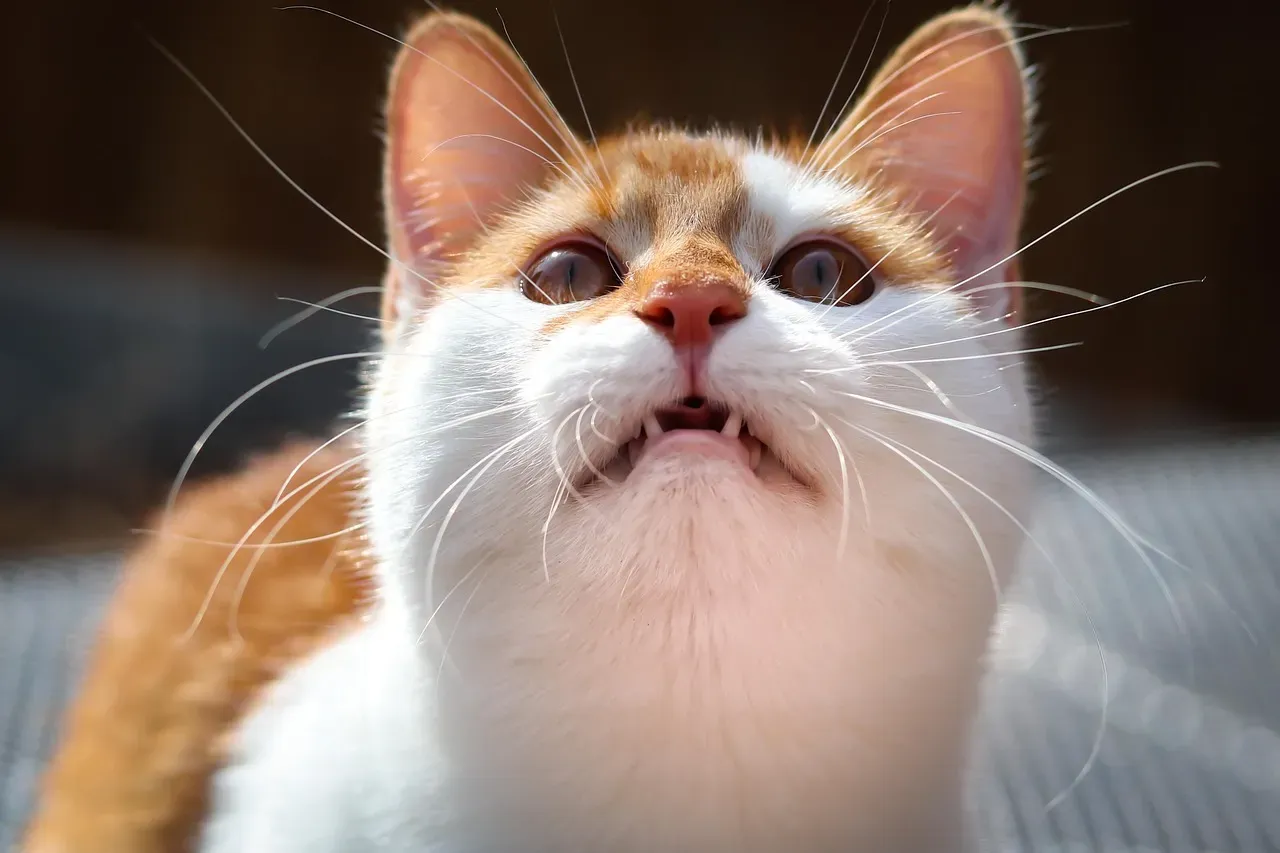
I know it sounds crazy, but your cat has essentially cracked the code of your psychology. Researchers at the University of Sussex discovered that cat owners find the "solicitation" purr irresistible because a high-frequency element embedded within it, similar to a cry or meow, subtly triggers a sense of urgency. By employing this embedded "cry," cats appear to be exploiting innate tendencies that humans have for nurturing offspring.
At a frequency of around 380 Hz, this extra sound stood out from the typical low frequencies of a purr, and is more like a cry or a meow. The frequency is actually very similar to that of a crying infant, so small wonder that it tugs on the human heartstrings. If purring in a certain way results in cats getting the food or attention they want, they are going to do it again. If a person's reaction to hearing a certain sound a cat makes is to feed them, the cat's behavior is being positively reinforced and will be more likely to happen again in the future. Your cat basically trained you, not the other way around.
Purring as a Mother-Kitten Communication Tool
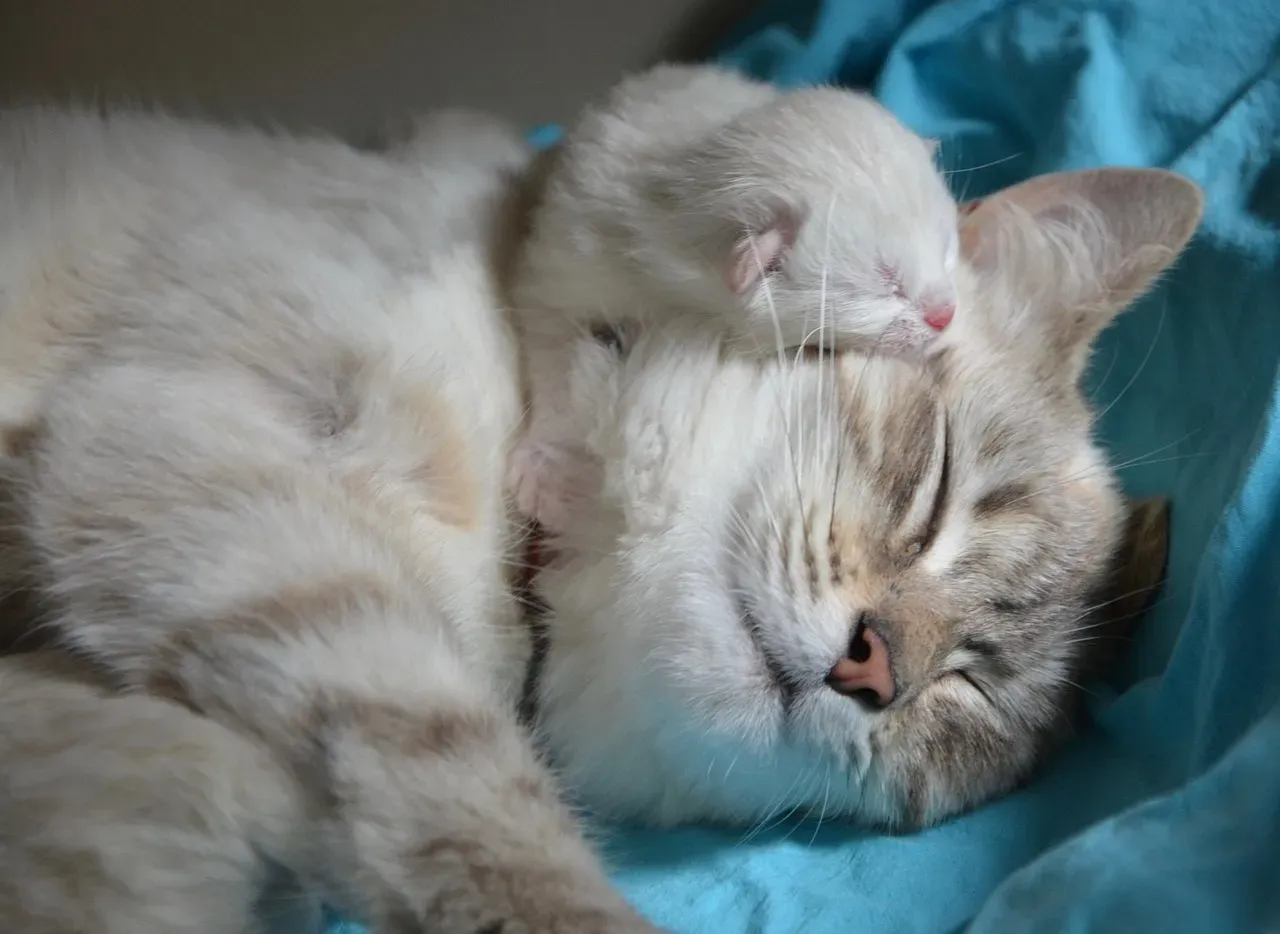
Long before your cat figured out how to wake you up at 5 a.m. for breakfast, purring was doing something far more ancient and tender. Mother cats and kittens use purring to communicate from the very beginning. Kittens can purr as early as two days old, and it helps mothers locate them and bond during nursing. It is one of the earliest forms of communication a living creature uses, almost like a first language.
The mother cat's purr serves as a vibration-beacon that tells her blind and deaf newborn kittens her location. Think about how remarkable that is. A sound that doubles as a GPS signal, a lullaby, and a dinner bell all in one. Purring while kneading may be a residual behavior from kittenhood, as kittens tend to knead and purr while nursing, and for adult cats, this may be a behavior pattern they perform when in a positive emotional state.
The Healing Power Behind the Purr: Science Gets Involved
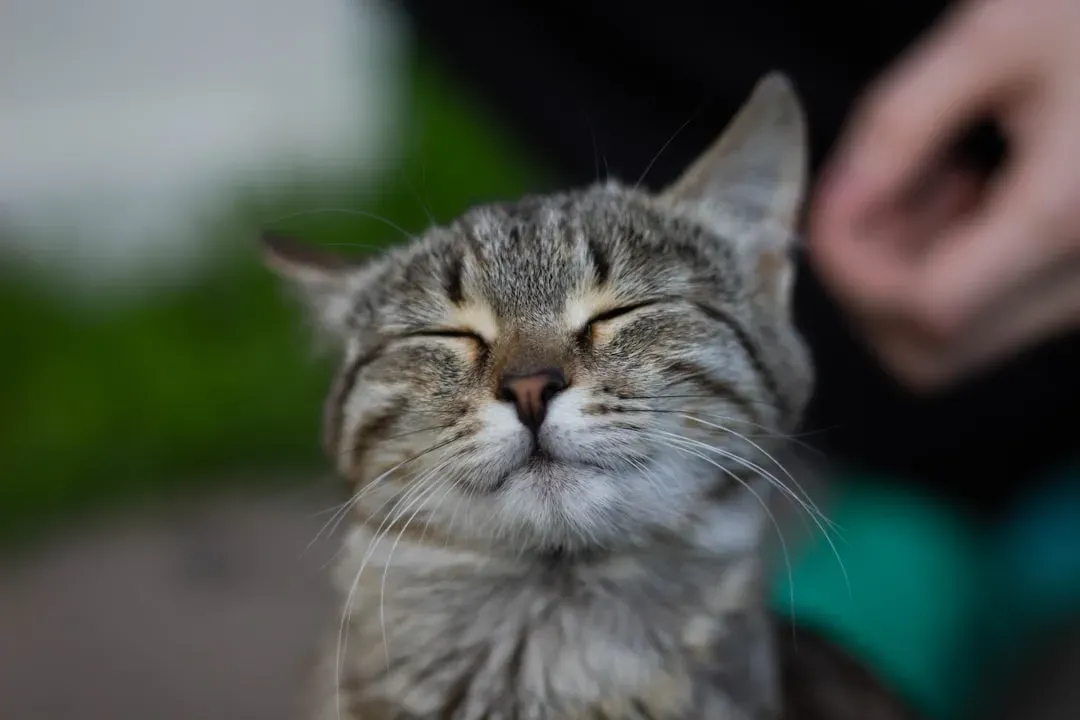
This is perhaps the most jaw-dropping part of the whole story. The vibrations produced during purring occur at a frequency of 25 to 150 Hertz, which has been shown to promote healing and tissue regeneration and is known to positively affect bone density and tendon and muscle repair. That's not folk medicine. That's genuine, researched science that scientists are still exploring today.
According to an assistant professor at the School of Veterinary Medicine at the University of California, a low-frequency hum of purring at 25 to 50 hertz could promote bone growth and fracture healing, as bones harden in response to the pressure. In fact, the frequency of a cat's purr is the exact frequency needed for bone growth. Because cats have adapted to conserve energy via long periods of rest and sleep, it is possible that purring is a low-energy mechanism that stimulates muscles and bones without a lot of energy. Your cat is literally doing physical therapy while napping on your sofa. Honestly, respect.
How to Read the Room: Decoding Your Cat's Purr in Context
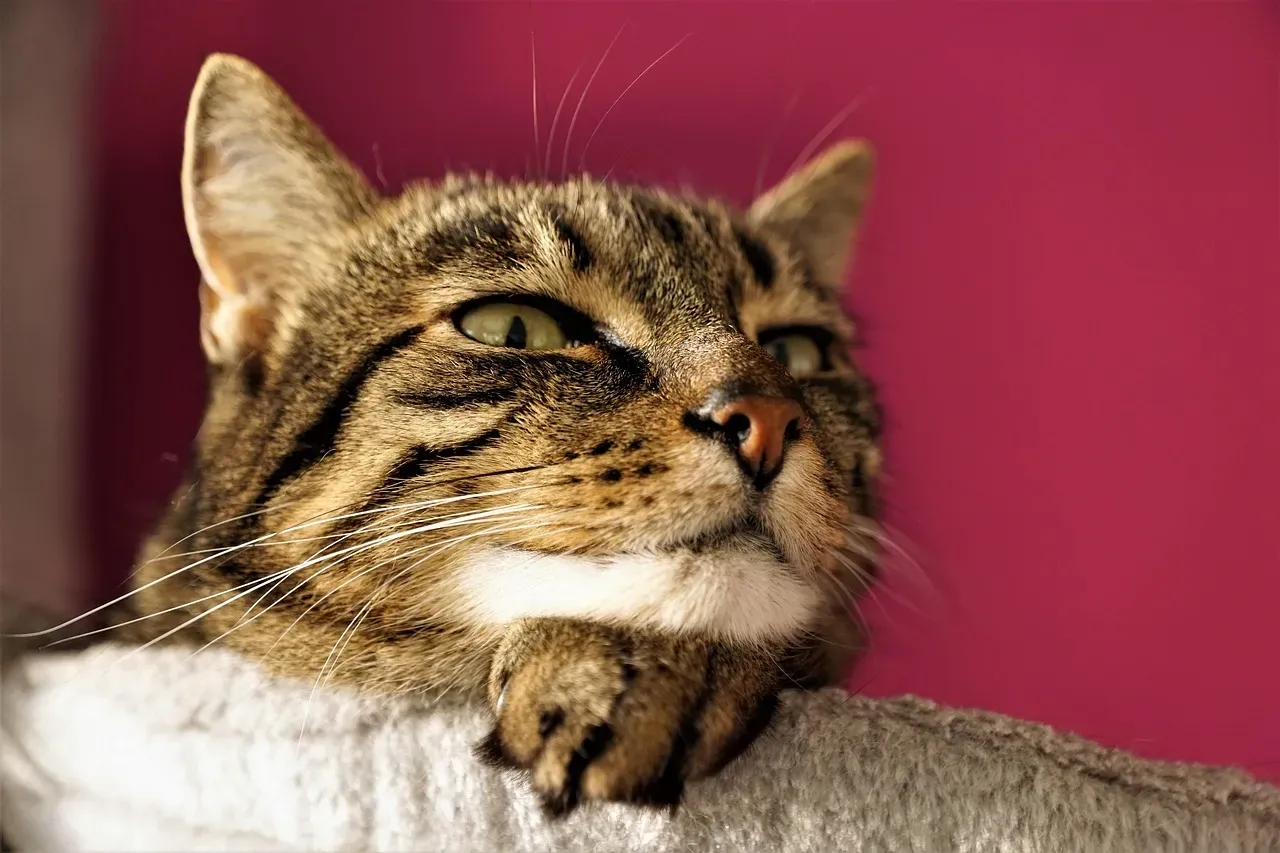
So how do you actually figure out what your cat is telling you? The answer is context, context, context. If cats purr when they're happy but also when they're stressed, in pain, or overstimulated, the key to understanding a cat's purr is to use other clues for context. These clues can be direct from your cat, such as their body language, or from their environment, such as the presence of their dinner or a barking dog.
If your cat is having a cuddle with a familiar family member, twining around your legs as you make up their dinner, or grooming a companion cat, then the purr is likely a sign of contentment. If they're shut in their carrier in the car, hiding under the bed from a visiting dog, or recovering from a veterinary operation, the purr is much more likely to be a form of self-soothing in a stressful situation. It's a bit like reading body language in a conversation. The words matter, but so does everything around them. Always seek veterinary advice if the purring is accompanied by signs of illness, injury, or ongoing stress, as early detection can prevent worsening conditions.
Conclusion: Listen to Your Cat With New Ears
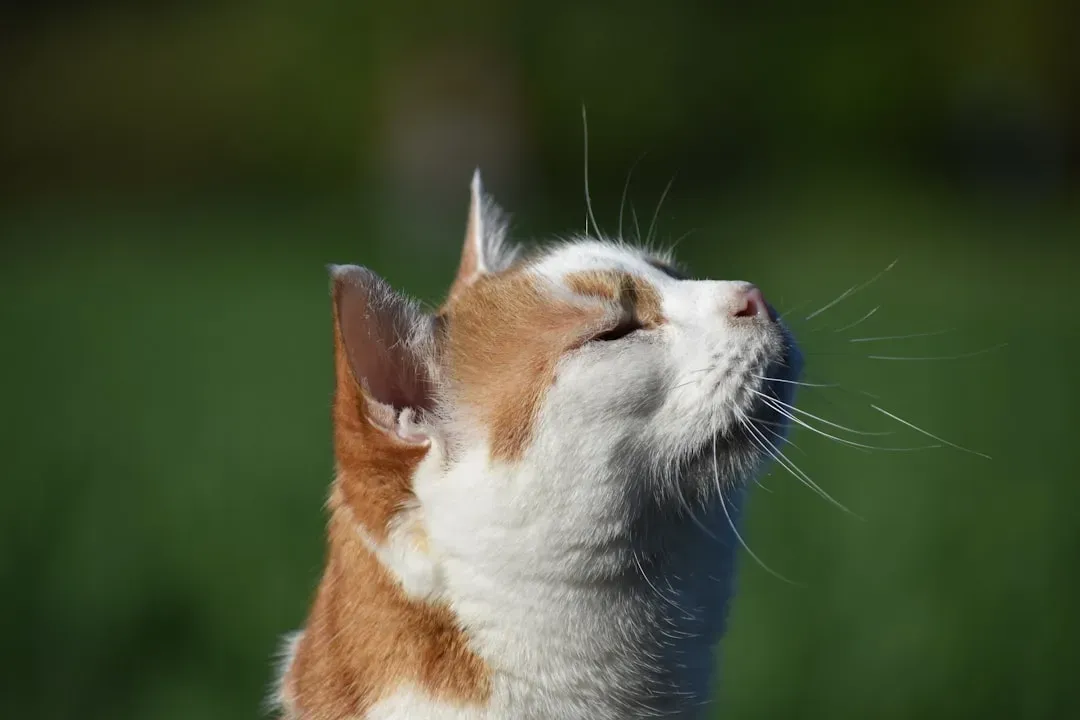
Your cat's purr is not a single sentence. It's an entire language. Sometimes it says "I love you and this is perfect." Sometimes it says "I'm scared and trying to hold it together." Sometimes it quietly says "I hurt, and I'm trying to fix myself." The remarkable reality is that one small sound carries all of those meanings simultaneously, shaped by context, tone, pitch, and everything happening around it.
The next time you hear that familiar rumble, take a moment longer to observe. Check the body. Read the ears. Notice the eyes. Your cat has been communicating with extraordinary precision all along. You now have the knowledge to truly listen. The relationship between you and your cat is richer and more layered than most people ever realize - and understanding the purr is just the beginning.
What's the most surprising purr behavior you've noticed in your own cat? Drop your experience in the comments below.