You spent twenty dollars on a battery-powered, LED-lit, motorized contraption – and your cat walked right past it to bat a crinkled receipt off the counter. Sound familiar? If you’re a cat owner, it probably does. There’s something almost humbling about realizing your cat’s idea of the perfect toy has nothing to do with what the packaging promised.
The truth is, feline toy preferences are far more complex, and far more fascinating, than most people realize. What looks boring to you might be absolutely irresistible to your cat, and the reasons why go straight to the heart of how cats think, feel, and hunt. Ready to discover what’s really going on in that mysterious little head? Let’s dive in.
Their Inner Hunter Calls the Shots
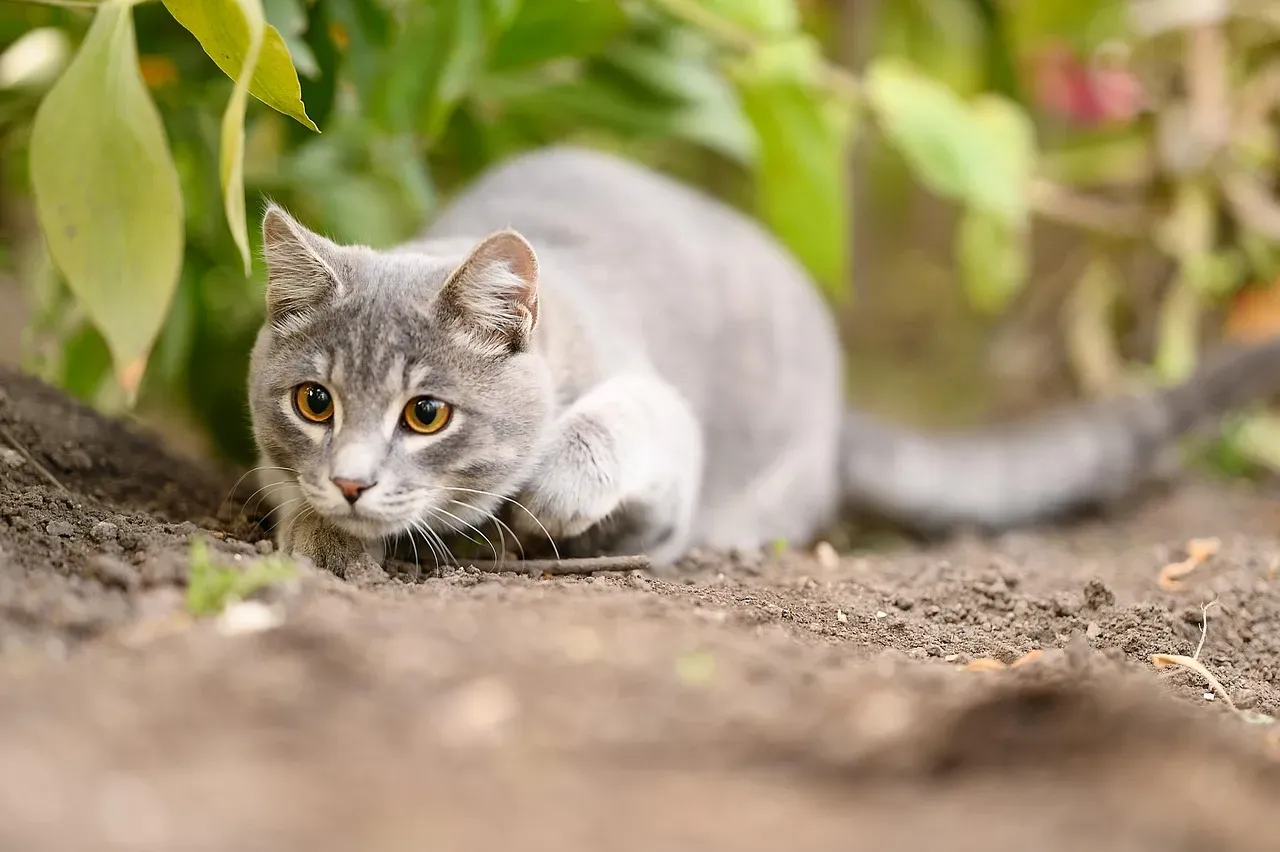
Cats are natural hunters and will stalk, chase, pounce on, and capture things that move. This isn’t just personality – it’s biology. Every instinct your cat has been shaped by millions of years of predatory evolution, and no amount of flashy packaging can override that programming.
Favored toys help cats mimic predatory acts they would perform if they were hunting for their own food. Although your cat may not need to “hunt,” they still enjoy the action and movement involved with the process. So when your cat goes crazy for a knotted shoelace but ignores a twenty-dollar robotic mouse, it’s not stubbornness. It’s instinct doing exactly what it’s supposed to do.
Movement Matters More Than Appearance
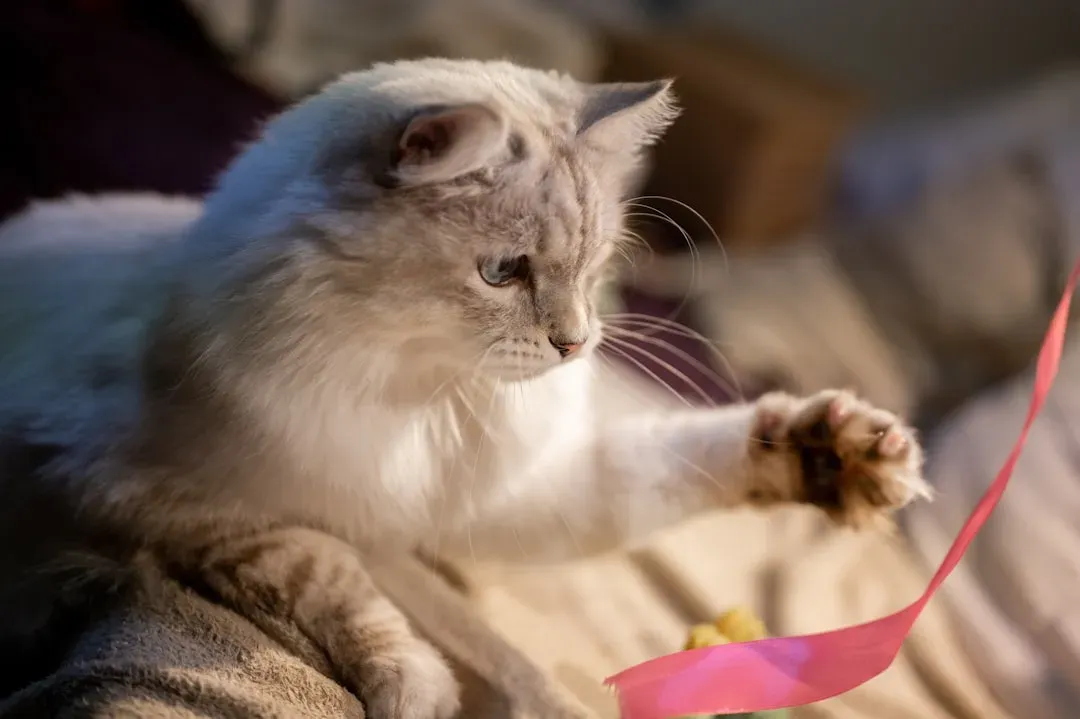
Often the simple ones are the best, and ones that offer unpredictable movement, rapid movement, and high-pitched sound are likely to provide your cat with hours of entertainment. Think about it like this: a plastic toy sitting still is about as interesting to a cat as a parked car is to a race driver. The thrill is in the chase, not the object itself.
Static toys fail because they don’t replicate the most crucial element of hunting: unpredictable prey behavior. A mouse doesn’t sit still waiting to be batted around – it runs, stops, changes direction, and creates the chase dynamics that make hunting psychologically satisfying for cats. So a simple piece of string moving erratically in your hand? That’s basically a five-star experience for your cat.
Texture and Touch Play a Huge Role
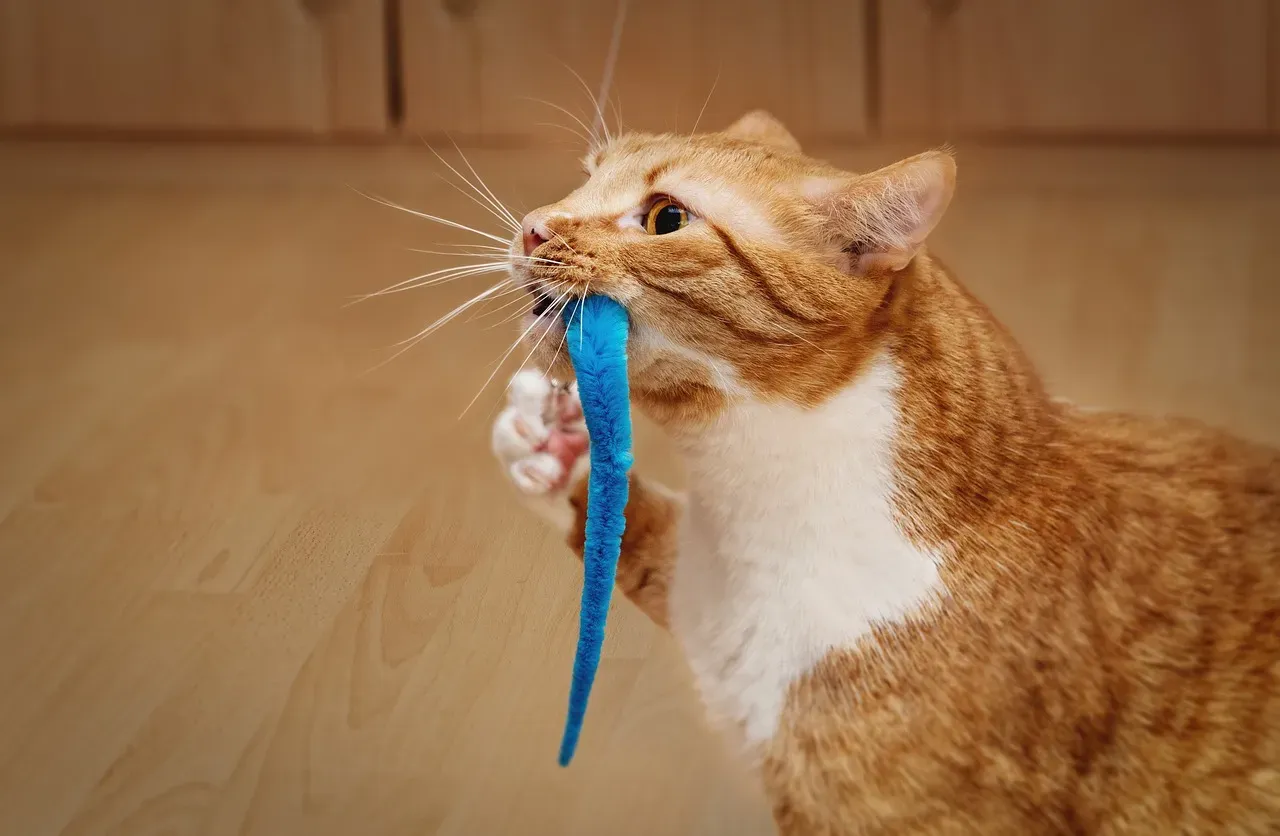
Your cat may have a texture preference and might prefer a soft toy they can sink their teeth into over a hard plastic toy. Sound also plays a part in whether your cat will enjoy or ignore the toy. Honestly, this makes complete sense when you think about it. Imagine biting into something rubbery when you expected something tender – you’d lose interest instantly too.
Natural substrates, such as leather, fur, or feathers, are popular with cats; however, some cats prefer fabric or items that crinkle like plastic or foil. This is why that crinkled piece of wrapping paper from your birthday gift sometimes outperforms a plush toy shaped like a fish. The sensory feedback is immediate, satisfying, and deeply connected to what hunting actually feels like.
Scent Is a Secret Weapon You Can’t See
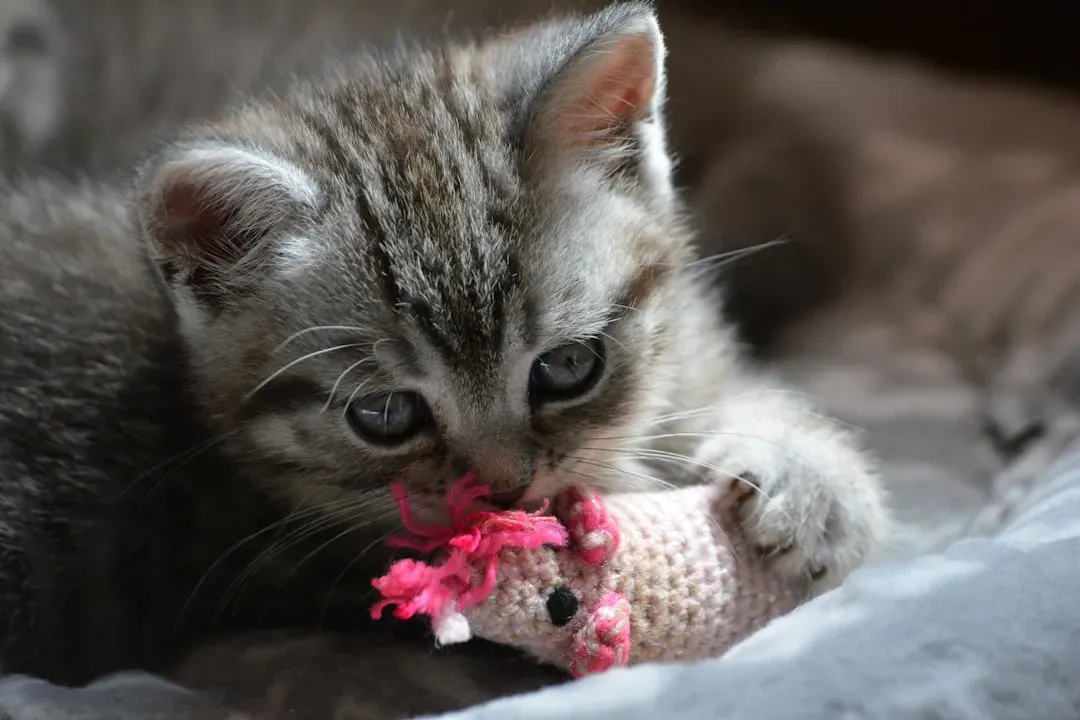
Cats interacted significantly more with moving toys, whether scented or unscented, compared to unscented stationary toys. Cats also interacted statistically longer with scented stationary toys than with unscented stationary toys. These results indicate that cats prefer moving and scented stationary toys compared to unscented stationary toys. In other words, smell can transform even the dullest object into something captivating.
Cats tend to show a preference for catnip and silver vine when evaluating plant olfactory enrichment options. Furthermore, cats often display a repertoire of play behaviors when exposed to catnip, including sniffing, licking, rubbing, and rolling. A plain little cloth pouch stuffed with dried catnip might look like nothing to you, but to your cat, it’s essentially a theme park wrapped in a tea bag.
Size Actually Signals Safety and Prey Type
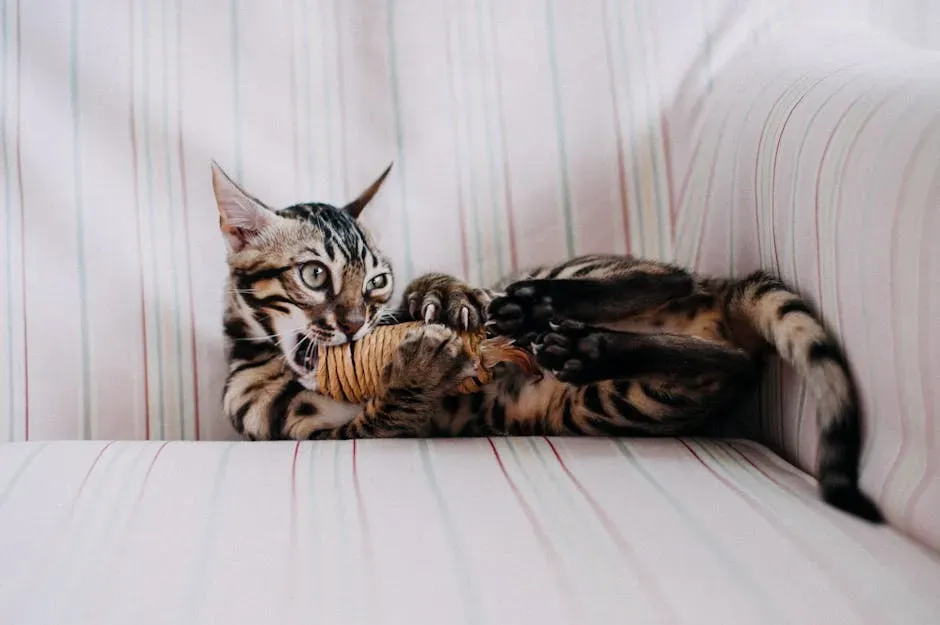
Cats also play more intensively with small rather than medium-sized moving objects, which suggests that cats like to play with toys that mimic typical prey size and actions. This is a detail most pet toy companies miss entirely. A toy that’s too large doesn’t feel like prey – it feels like a threat. Size communicates something very specific to a cat’s brain.
You may see a trend of your cat preferring toys that simulate birds, such as bird-shaped toys, toys that chirp, or toys that create bird-like movements. Other cats will prefer toys that mimic catching small rodents, such as toys shaped like mice, toys that squeak, toys made of fur, or toys that encourage jerking movements. Your cat isn’t just playing randomly. They’re essentially telling you which “prey” speaks to them most – and a small, soft, appropriately sized toy hits that target perfectly every time.
Familiarity Creates Emotional Comfort
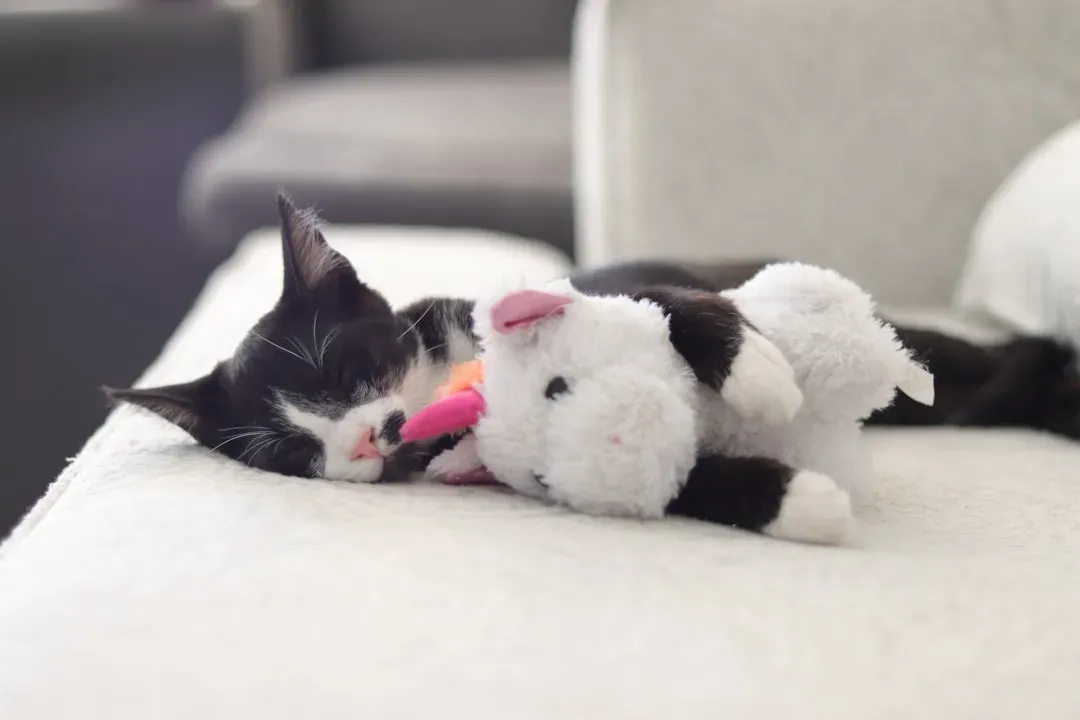
Cats may associate their favorite toy with play, comfort, or even previous positive interactions with their owners. Let’s be real – this is the cat equivalent of a comfort blanket. That ratty little mouse toy your cat has been carrying around for two years isn’t just a toy anymore. It’s loaded with memory, smell, and association.
Cats often choose favorites based on comfort, familiarity, or simple personal preference. The new, glittery, mechanically complex toy carries none of that emotional weight yet. It’s a stranger. Your cat’s old favorite, though battered and half-stuffed, is a trusted companion. Don’t underestimate the power of that bond – it’s genuinely real and it matters.
Novelty Wears Off, But Rotation Brings It Back
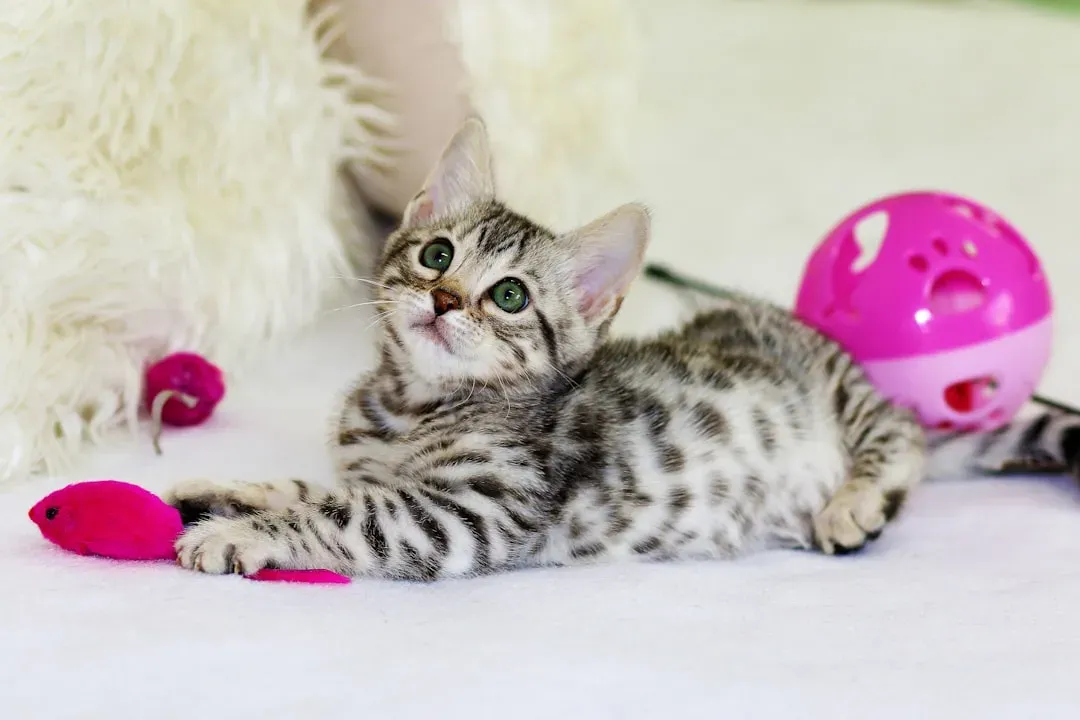
Providing novelty can help build interest and value in toys. Keep an assortment of cat toys on hand, but give your cat only a few options at a time. Rotate the toys weekly to hold your cat’s interest. Here’s the thing – your cat isn’t rejecting that fancy toy forever. They’re just bored of it right now. Rotation is everything.
Regularly rotating toys and introducing new ones can keep playtime fresh and exciting, promoting a happy, healthy, and well-adjusted cat. Think of it like rearranging your furniture. Nothing physically changed, but suddenly the room feels new. The same toy, reintroduced after a two-week absence, can become the most exciting thing in the house all over again. Sometimes the simplest strategy is the most effective one.
Your Participation Changes Everything
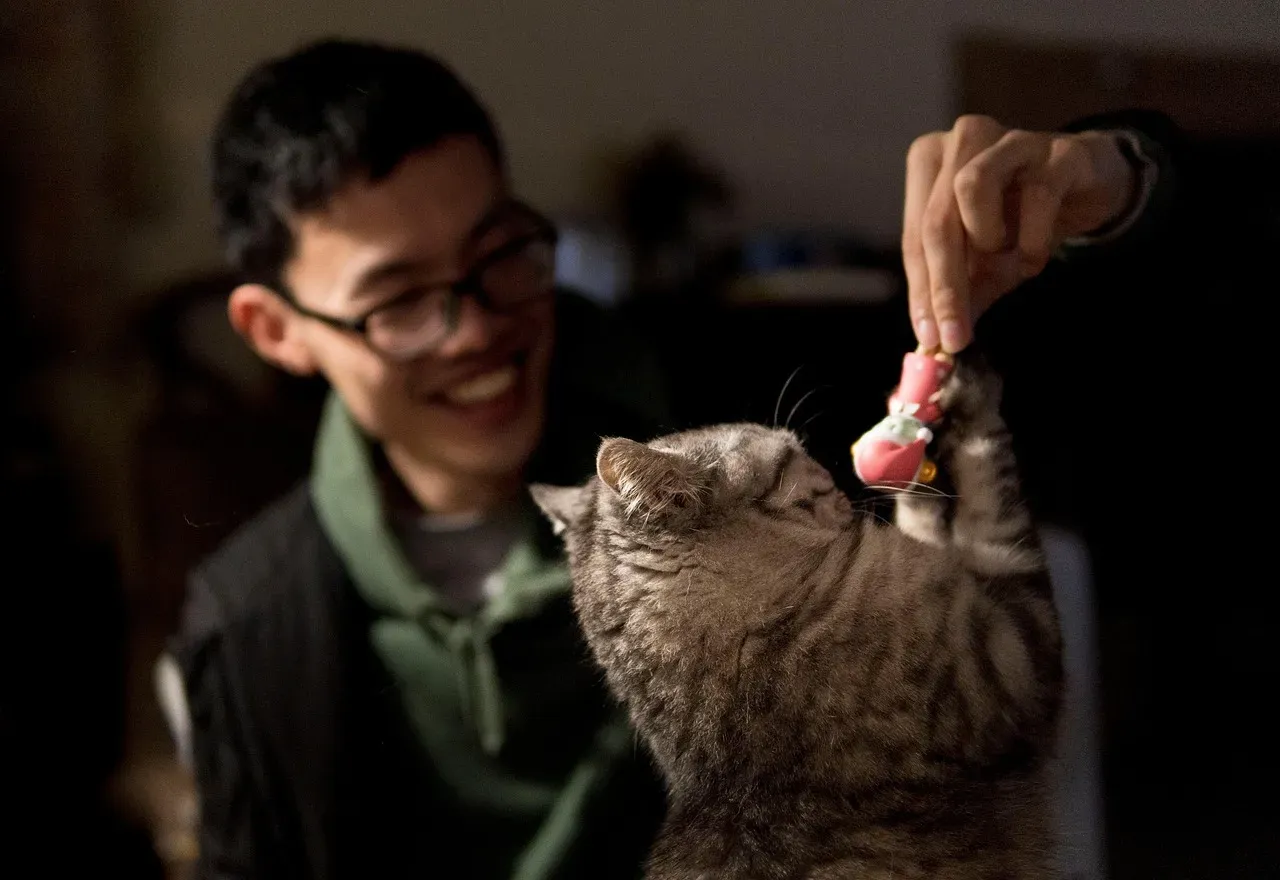
Wand toys are excellent for simulating hunting scenarios, which cats find incredibly satisfying. The unpredictable movements of the feathers or ribbons capture their attention and keep them active. Moreover, wand toys foster interaction between you and your cat, strengthening your bond. A cheap feather on a stick, guided by your hand, is far superior to any automated toy – because you’re in the equation.
Playtime is not just about keeping your cat entertained; it is also an opportunity to strengthen your bond. Engaging in interactive play with your cat can build trust and deepen your connection. You are, in a very real sense, the best toy your cat owns. The flashiest automated gadget in the world can’t replicate the unpredictability, responsiveness, and emotional warmth of a play session with you. It’s a humbling thought, but also a pretty beautiful one.
Personality and Age Shape Every Preference
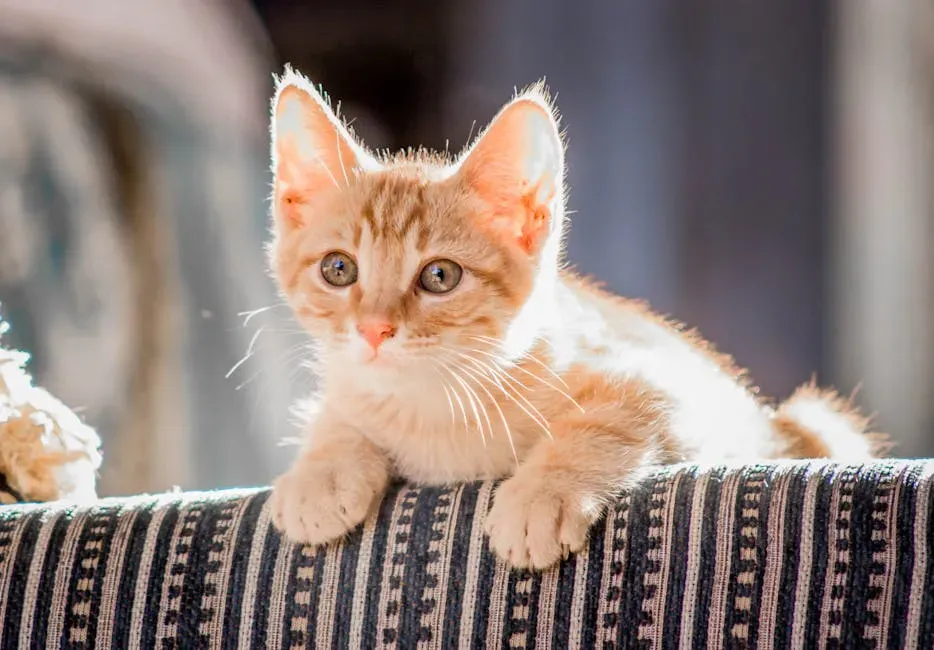
A cat’s age and health can significantly influence their reaction to toys. Kittens are typically more playful and curious, while older cats may prefer gentler activities. Cats with health issues, such as arthritis, may have limited mobility and require toys that are easy to interact with. So if your senior cat seems indifferent to high-energy toys, they’re not being difficult. Their body, and their preferences, have simply evolved.
Some cats just don’t like toys, and that’s completely normal. While play is an important behavior, not all cats express it in the same way. Some cats prefer watching rather than doing, especially as they get older or if they’ve never been encouraged to play as kittens. It’s hard to say for sure which toy will resonate with any individual cat, because one of the most common mistakes cat owners make is assuming that all toys are created equal. Cats have unique personalities and preferences, and what works for one cat may not work for another. Respecting that individuality is, genuinely, one of the kindest things you can do for your pet.
Conclusion
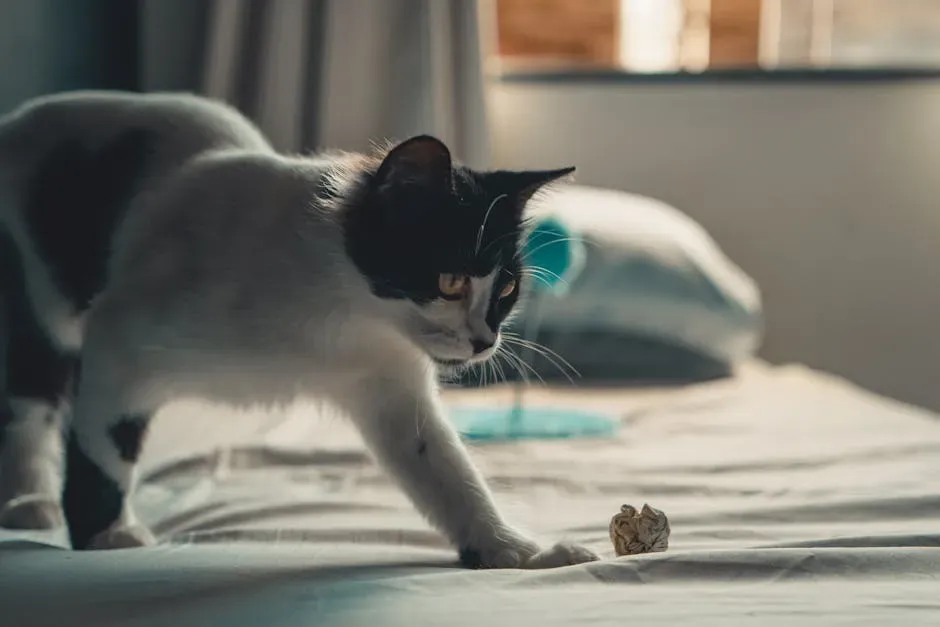
Your cat’s love of a crumpled paper ball or a years-old mouse toy isn’t quirky – it’s deeply rational, rooted in instinct, sensory preference, emotion, and lived experience. The flashiest toy wins on the shelf, not in your living room. What wins in your living room is whatever speaks directly to your specific cat’s hunting style, texture preference, scent sensitivity, and emotional memory.
The next time you’re tempted to splurge on the most elaborate toy in the store, consider trying a crinkled foil ball first. Rotate what you already have. Get on the floor and drag a string slowly across the carpet. You might be surprised to find that what your cat truly wants has been right there all along – simple, unpredictable, and alive with your attention. What does your cat go crazy for? Share it in the comments and let’s find out how wonderfully weird our feline friends really are.