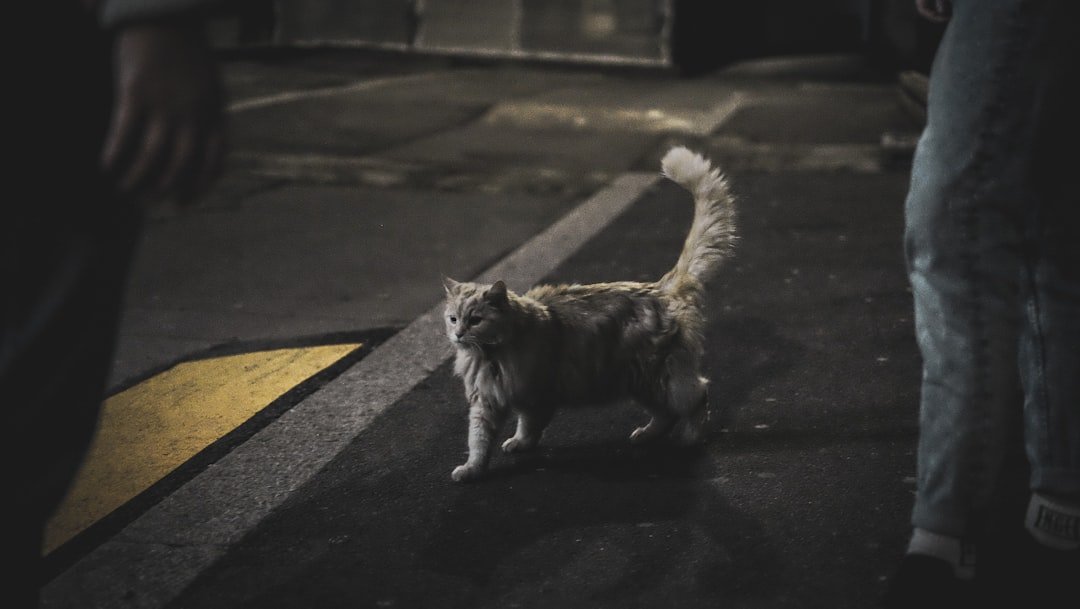
Picture this: it’s 2 a.m., you’re deep in your best sleep, and suddenly you hear the thunderous gallop of a five-pound cat launching itself off the couch, ricocheting off the hallway wall, and sprinting laps around the kitchen like it’s training for the Olympics. Sound familiar?
Most cat owners groan, pull the pillow over their heads, and chalk it up to their feline being a menace. Honestly, that’s the wrong way to look at it. Your cat’s midnight chaos isn’t just random chaos. It’s actually packed with meaning. Let’s dive into exactly why those wild nighttime sprints are something worth celebrating rather than dreading.
1. Your Cat Is Honoring Millions of Years of Instinct
Here’s something that might surprise you: your cat isn’t nocturnal. Cats are crepuscular animals, meaning they are most active during dawn and dusk. This behavior can be traced back to their wild ancestors, who hunted during these times to take advantage of cooler temperatures and the movement of prey. So when your cat goes full racecar mode at 11 p.m., it’s essentially channeling its inner jungle predator.
While domestic cats no longer need to hunt for their meals, they’ve retained these instinctual patterns of activity. Think of it like this: you might not need to grow your own food anymore, but if someone handed you a garden, you’d probably still enjoy digging in the dirt. Your cat’s zoomies are that garden. A deeply wired, beautifully preserved biological drive, playing out on your living room floor.
2. It’s a Sign Your Cat Is Genuinely Happy and Healthy
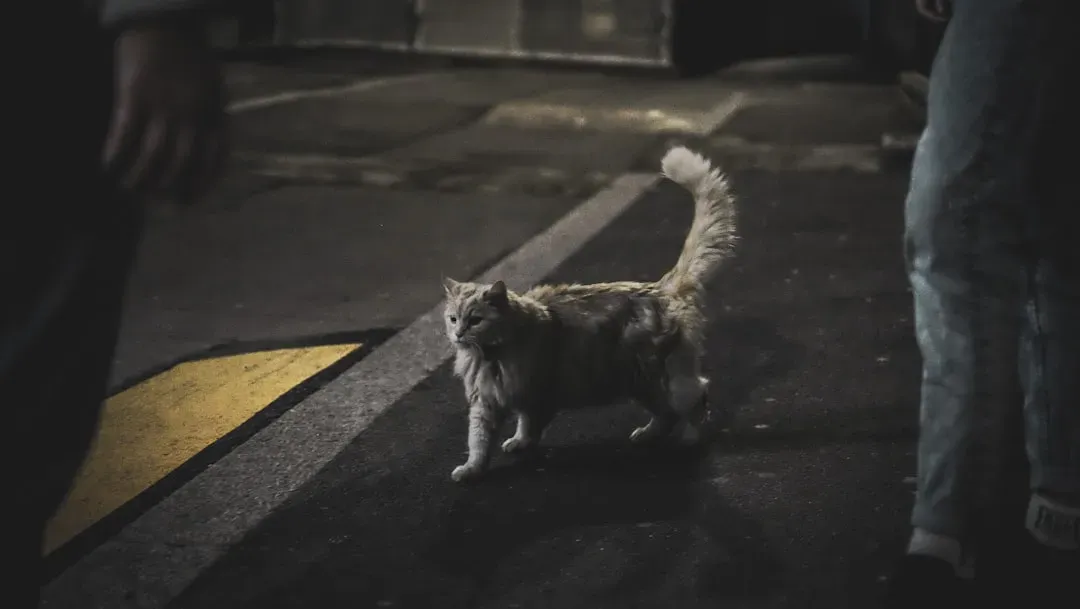
Cat zoomies are a normal and healthy way for felines to release pent-up energy, often signaling they are happy and comfortable. That might sound backwards when you’re standing bleary-eyed at midnight watching your cat do laps, but it’s true. A miserable, sick, or stressed cat does not zoom. At least, not in that joyful, wild, free way.
Zoomies are a sign of a healthy, energetic, and happy cat. It means they’re comfortable and feel safe enough in their environment to let loose and play. Let that sink in. Your cat trusts your home enough to completely let go. That kind of uninhibited behavior is actually a beautiful compliment. Your cat feels secure. That’s worth a little lost sleep, I think.
3. Zoomies Are Your Cat’s Built-In Workout Routine
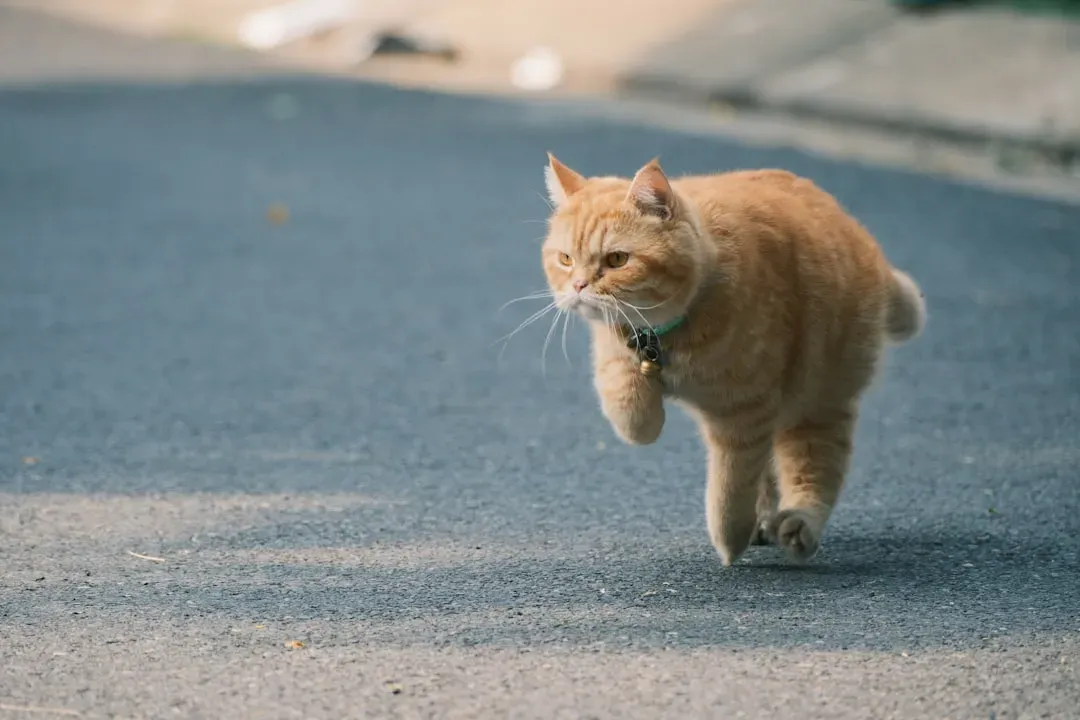
Frenetic random activity periods (zoomies) serve as a way for cats to burn off energy and practice their natural hunting behaviors. For indoor cats especially, this matters enormously. They don’t have prey to chase, trees to climb, or miles of territory to patrol. The living room is their savanna, and those nighttime sprints are their cardio session.
They’re your cat’s version of a workout, burning calories and boosting mood. Your feline companion isn’t just burning energy; they’re keeping both their body and mind healthy. If you’ve ever felt that satisfying exhaustion after a good run, you know exactly what your cat is experiencing after a full zoomies session. It’s good for them, plain and simple.
4. It Tells You Your Cat Has Plenty of Energy to Burn
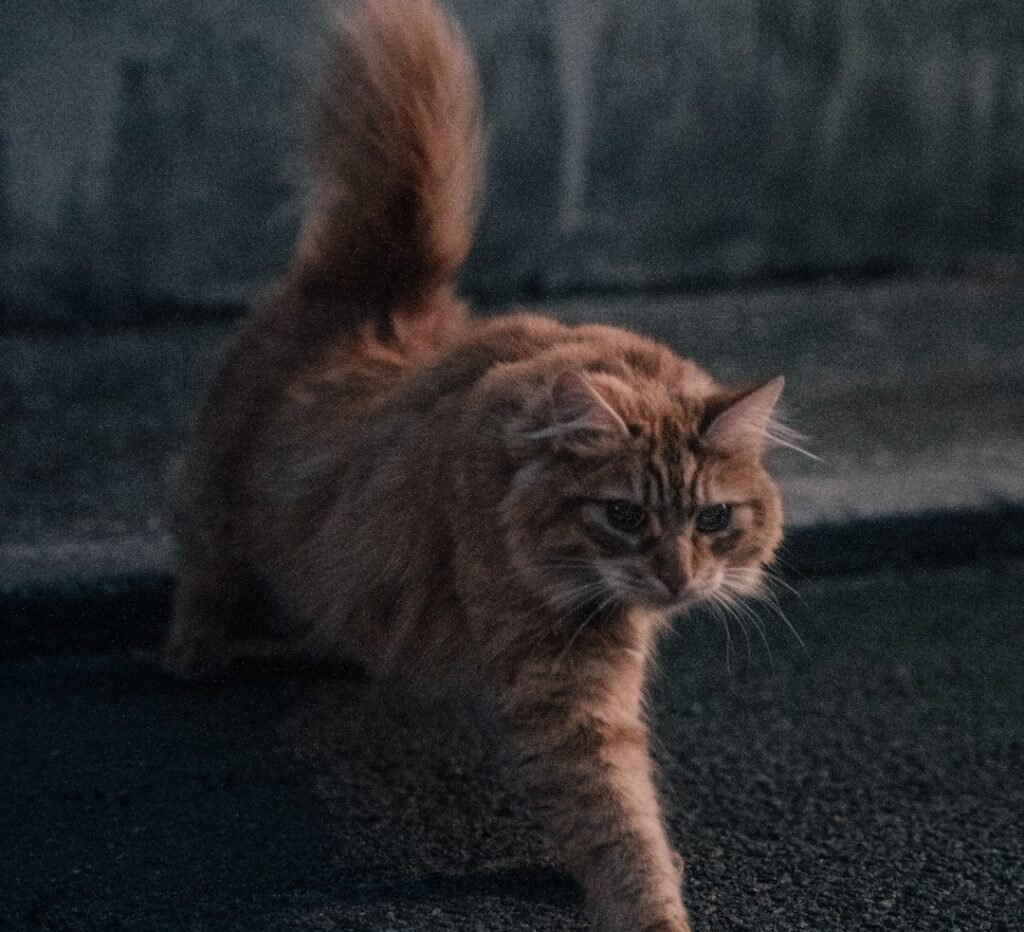
Cats of all ages, especially kittens and young cats, have loads of energy. One of the most common reasons cats experience these bursts of hyperactivity is due to the excess energy they’ve stored. Think of your cat’s body like a phone that’s been charging all day. When evening hits, it’s at a hundred percent and it wants to run something. Zoomies are that app opening at full blast.
Cats, especially indoor ones, have fewer outlets for physical activity. Because of this, they have a ton of excess energy waiting to be released. A zoomies session allows them to release all of this energy, often in high-speed laps, before being able to comfortably rest again. The fact that your cat still has this kind of energy reserves is actually a strong indicator of overall vitality. A lethargic, low-energy cat is a concern. A zooming cat? That’s the opposite of a problem.
5. They’re Sharpening Their Natural Predatory Skills
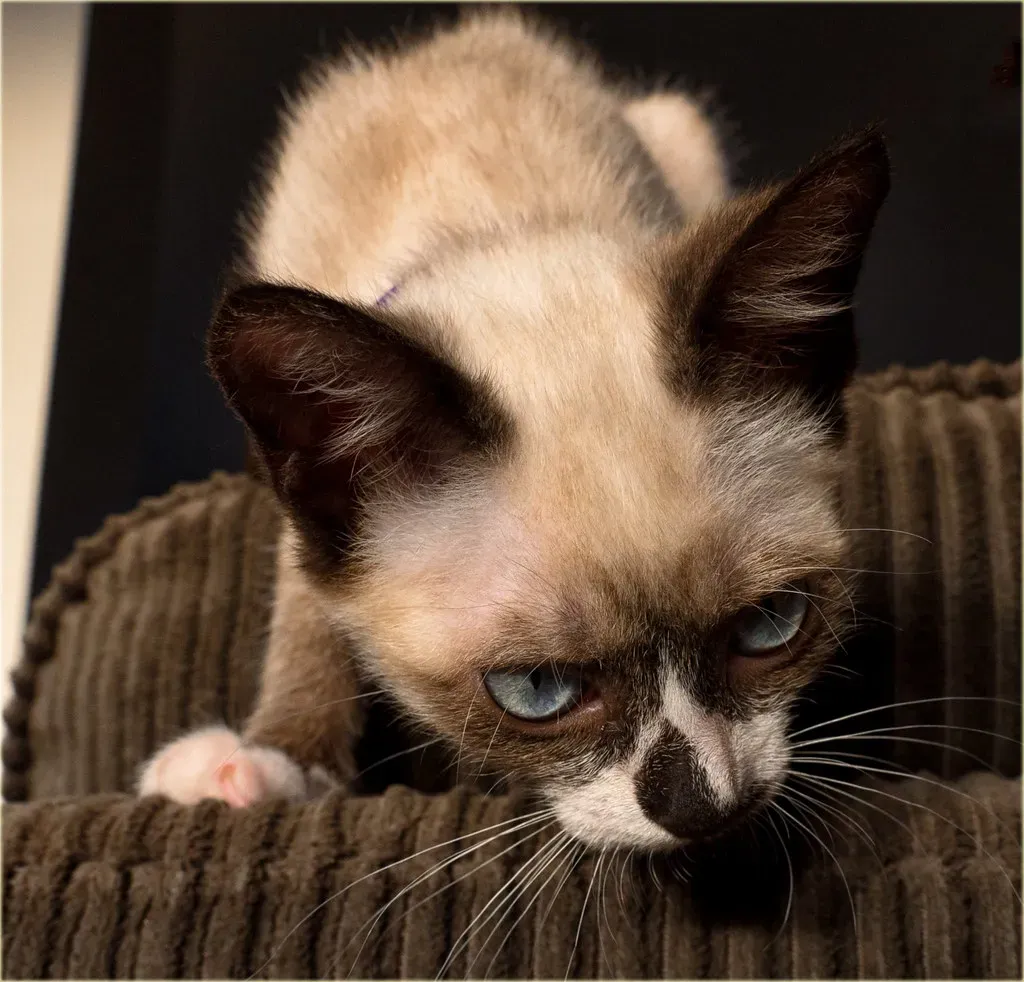
Cats are born hunters. Even without live prey, they instinctively chase, pounce, and sprint. Zoomies can mimic the thrill of the chase. Every dash across the hallway, every leap onto the couch, every skid around the corner on the hardwood floor is your cat running a mental simulation of a hunt. It’s fascinating when you stop being annoyed and start watching it with fresh eyes.
Cats are natural predators, designed for short, powerful bursts of speed. Even though your housecat’s main prey is probably a toy mouse or a dust bunny, those instincts are still very much alive. Suppressing that drive entirely would be genuinely bad for your cat’s psychological health. The zoomies let them flex those muscles, mentally and physically, without any actual harm done. Unless you count a knocked-over water glass, in which case, we’ll call it a small price to pay.
6. Nighttime Zoomies Can Signal Emotional Release and Relief
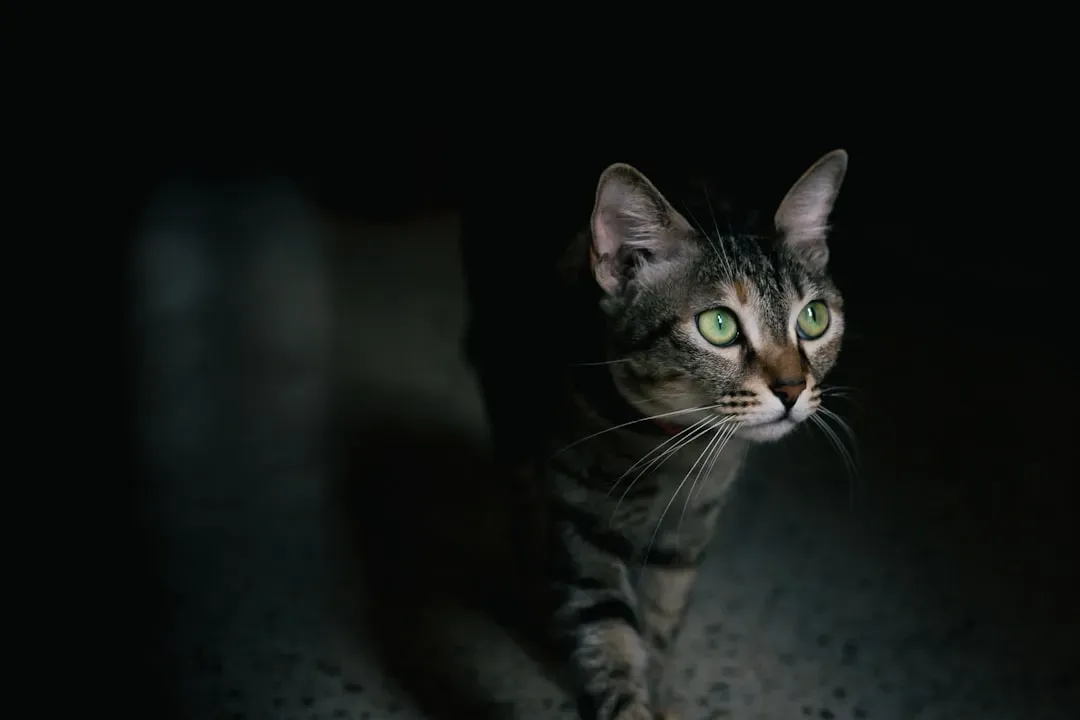
After waking up, cats want to stretch and shake off the drowsiness. Cats can sometimes sprint and jump to get their blood pumping, their muscles warmed up, and their bodies active. There’s also a deeper emotional layer here. Cats that have been understimulated during the day, or who’ve been storing tension, use zoomies as a kind of full-body emotional reset. It’s the feline equivalent of screaming into a pillow, except much more athletic.
Understanding the typical pattern of crepuscular behavior, brief bursts of energy tempered by an extended period of rest, may help you see why your kitty is most playful at precisely the same time that you are ready to wind down. The quiet of the night, when the house is calm and still, gives your cat the mental space to truly unwind and cut loose. The quiet of the night might make your cat feel more comfortable exploring and playing. During the day, the noise and activity associated with daily life can be intimidating for some cats, causing them to rest and wait for the tranquility of nighttime to get active.
7. They’re a Window Into Your Cat’s Mind and Emotional Needs
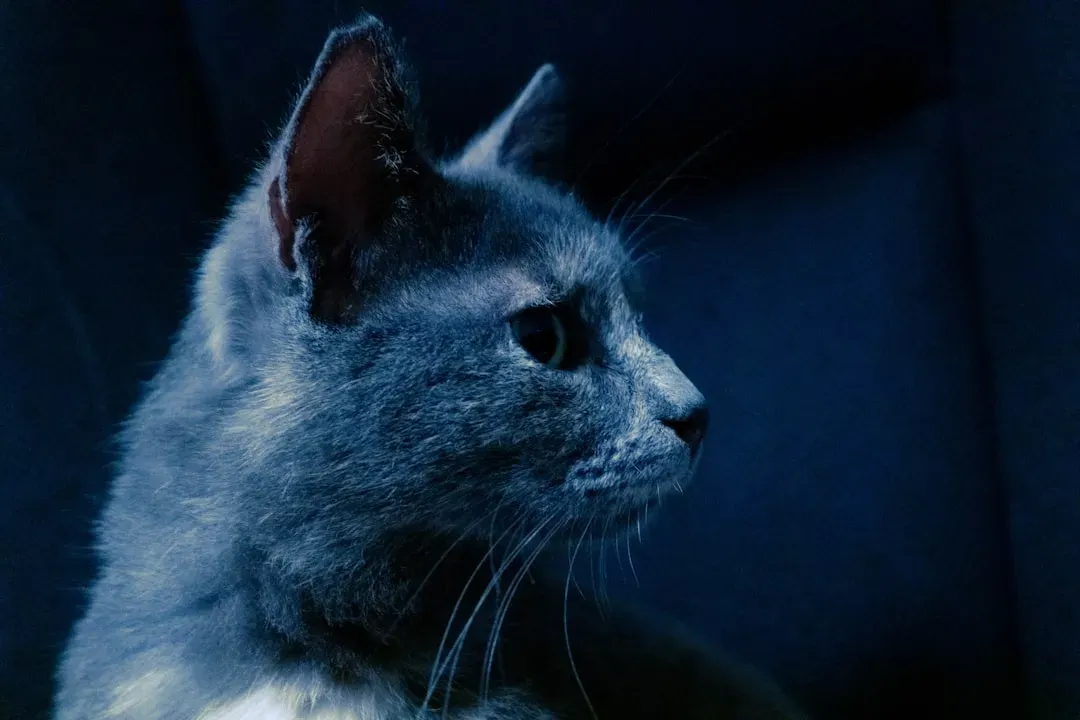
This behavior is deeply tied to your cat’s need for physical activity and mental stimulation. Rather than seeing zoomies as hyperactivity, it’s best to recognize them as a sign of a healthy and happy cat with energy to expend. In other words, your cat’s 2 a.m. sprint is actually a form of communication. It’s telling you something real about what it needs, and more often than not, it’s simply telling you it’s alive, curious, and thriving.
If zoomies happen in the evening or at night, this can be a sign that your cat needs more exercise and mental stimulation during the day. So rather than dreading the midnight chaos, use it as a gentle reminder to add some daytime enrichment to your cat’s routine. Playing with your cat multiple times a day, especially before bedtime, can help manage their energy levels and reduce excessive nighttime zoomies. A ten-minute evening play session before bed can work wonders for both of you.
A Few Things to Watch For
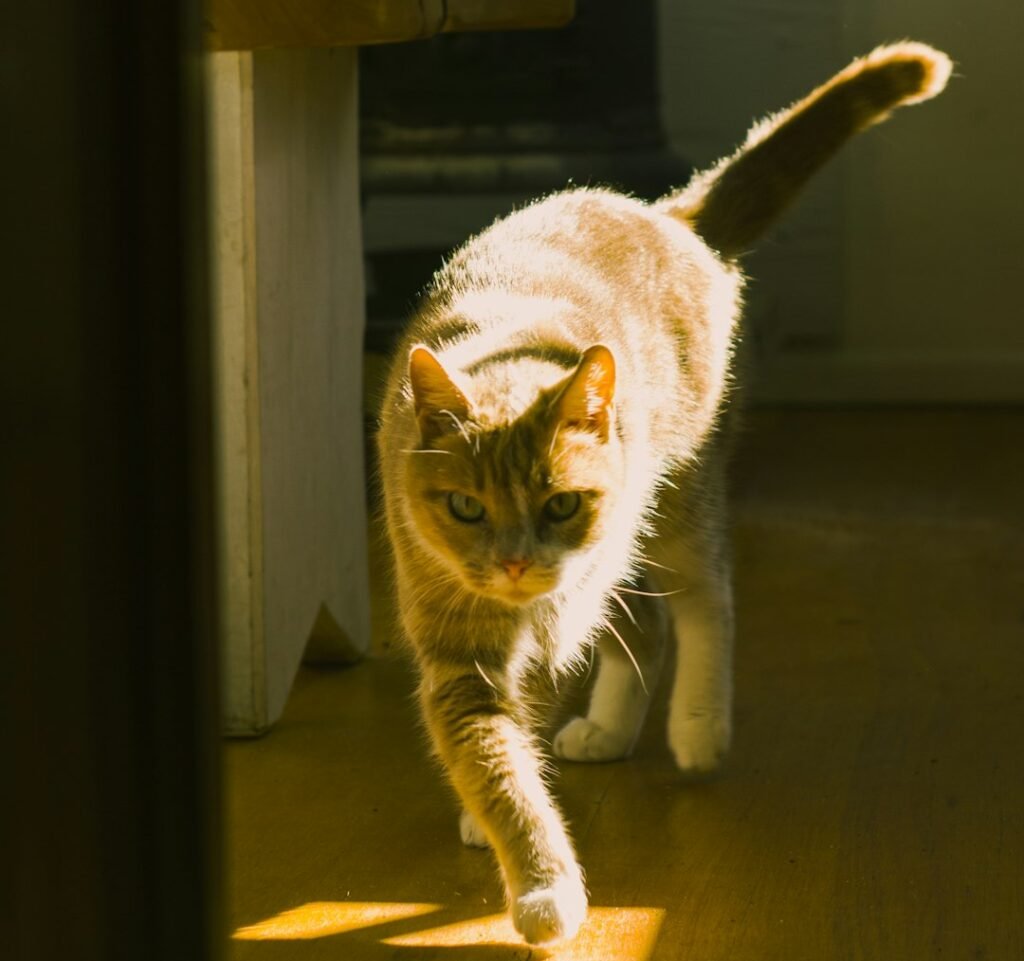
Let’s be real: not every nighttime sprint is cause for a celebration dance. While zoomies are relatively normal behavior for your cat, if this is a new behavior or if the zoomies are sudden and uncharacteristic, they can also be a warning sign of potential health issues. It’s the difference between your cat doing its usual evening laps versus one day suddenly acting completely wired out of nowhere.
If an older cat who has never had zoomies suddenly starts getting them regularly, it could be a sign of an underlying medical issue like hyperthyroidism. Watch for signs of pain, changes in appetite, excessive vocalization, or hiding. When in doubt, a quick vet visit can rule out anything concerning and give you peace of mind. Context is everything with cats.
Conclusion
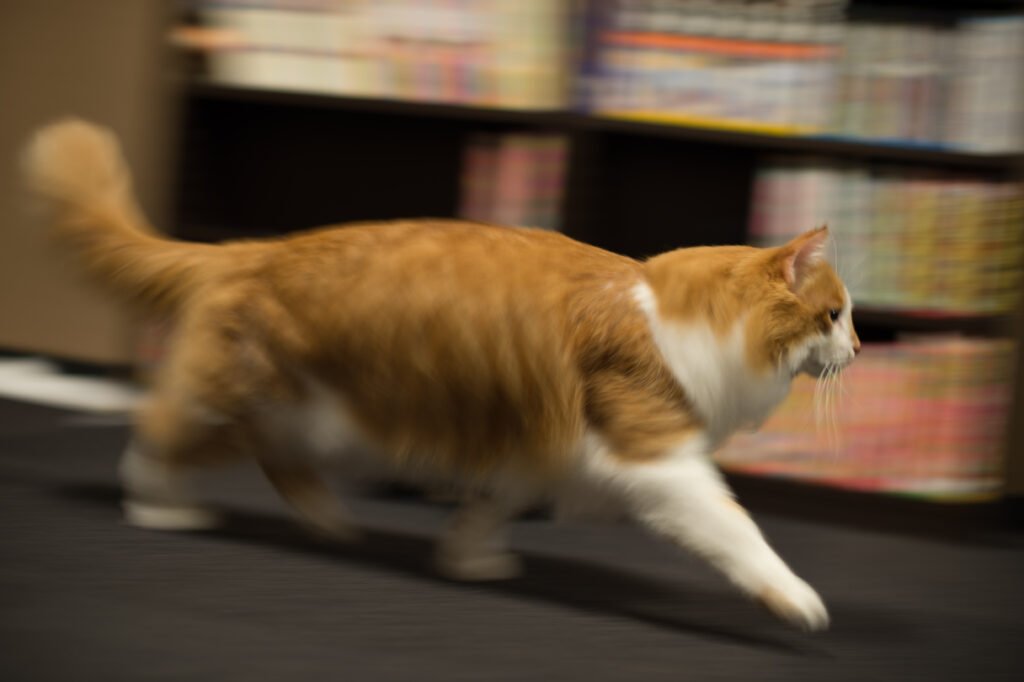
So the next time you’re jolted awake by the sound of tiny paws thundering across your bedroom floor, try smiling instead of sighing. Those nighttime zoomies are, at their core, a sign that you have a happy, healthy, instinct-driven creature living in your home. One that trusts you enough to go absolutely wild in the middle of the night.
Your cat isn’t broken. It isn’t being spiteful. It’s just being brilliantly, beautifully itself. The real question isn’t how to stop the zoomies. It’s how you can make daytime interesting enough that your cat saves some of that energy for when the sun is still up. What do you think? Has this changed how you see your cat’s midnight madness?