7 Human Habits That Confuse Even the Smartest Cats
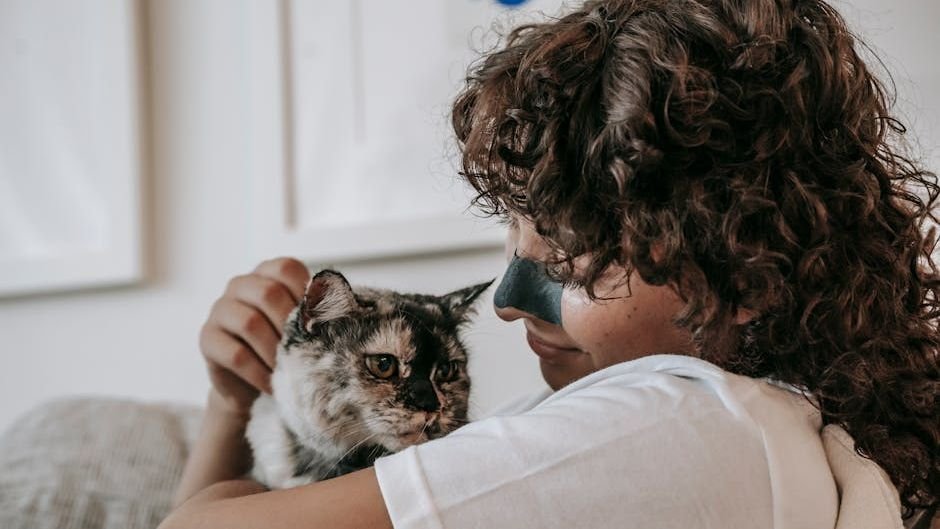
You live with what might be the most misunderstood creature on the planet. You think you know your cat, and honestly, your cat probably thinks they know you too. But here's the thing - no matter how smart your feline companion is, there is an entire library of your daily human habits that leaves them completely bewildered. It's a little humbling when you think about it.
Cats are sharp, perceptive, and surprisingly emotionally tuned in. Yet the gap between how they see the world and how you operate in it is wider than you might expect. Get ready for some surprising truths about your relationship with your furry roommate. Let's dive in.
1. Talking to Them Like They Understand Every Word
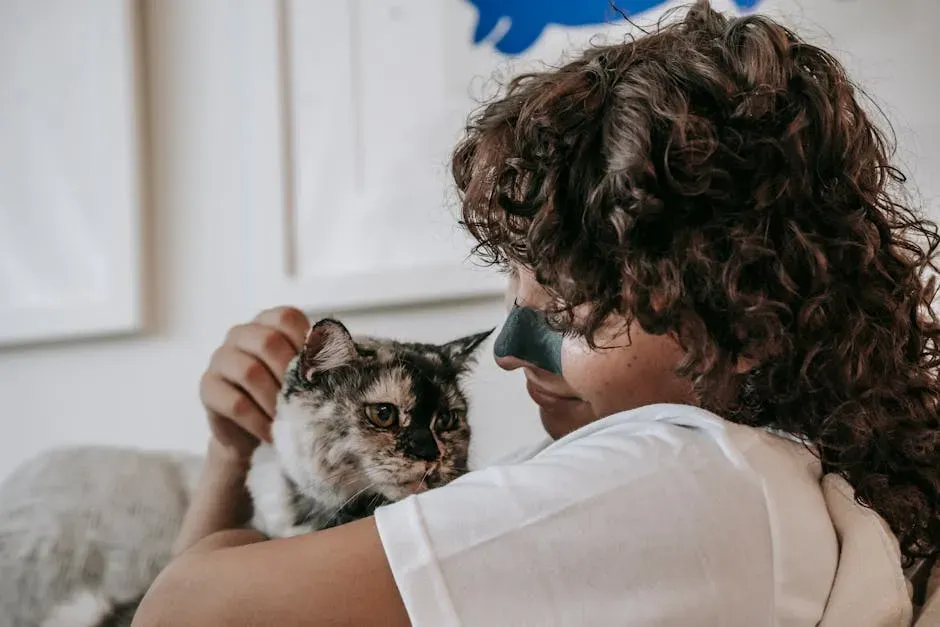
You do it all the time. You come home from a long day, plop down on the couch, and start narrating your entire afternoon to your cat like they're your therapist. It feels natural. It feels right. But here is the honest scientific reality: cats lack the cognitive skills to interpret human language, though they do recognize when you talk to them. To put it simply, cats comprehend human language in roughly the same way you understand meowing.
That said, they're not completely in the dark. Cats don't process human language the way you do - they respond more to tone, pitch, rhythm, and patterns than to specific words. They learn associations rather than comprehend language. So when you passionately explain why you had a terrible meeting at work, your cat isn't following the plot. They're reading your emotional energy, your voice pitch, and deciding whether you seem calm or stressed. Think of it like listening to a song in a language you don't speak - you feel the mood, but the lyrics remain a mystery.
2. Staring Directly Into Their Eyes
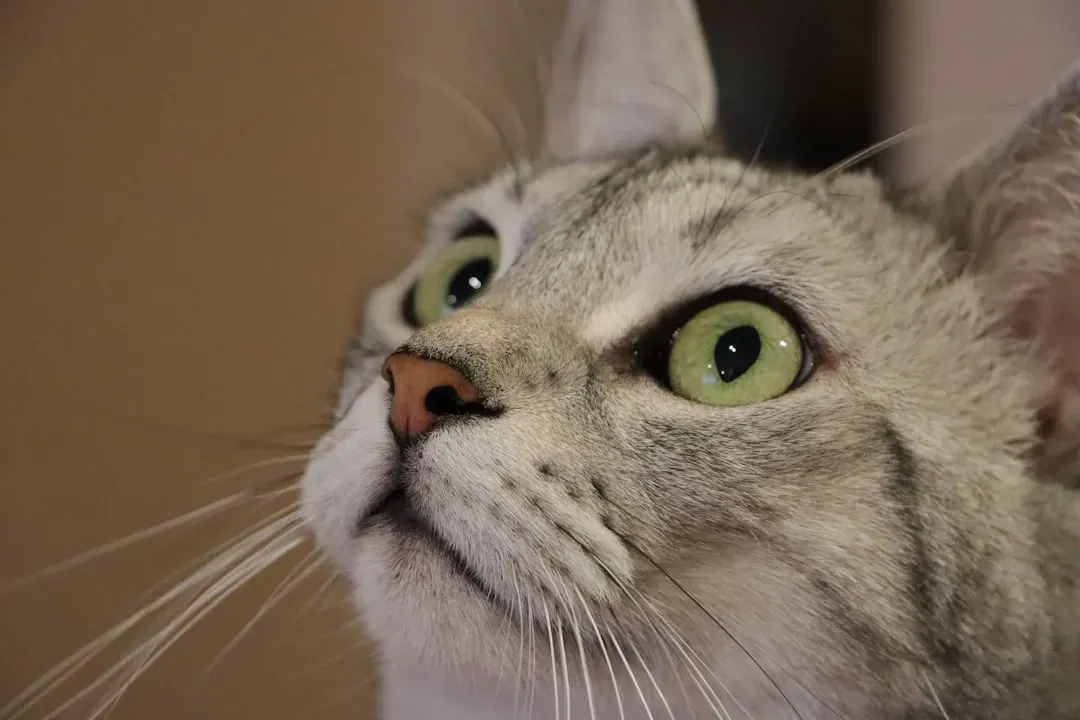
You probably do this one without even thinking about it. You catch your cat's gaze across the room and lock eyes, maybe with a warm smile, expecting a moment of connection. From your perspective, it's sweet. From your cat's perspective, it's a challenge. It is actually advised not to look at your cat directly in the eyes, as with any animal - cats can interpret this as an act of aggression in preparation for a fight.
There's a beautiful flip side to this, though. If you've ever noticed your cat slowly blinking at you, behaviorists call this act "kitty kisses." These slow blinks are your feline's way of showing affection and telling you that they like and trust you. If you blink slowly back at them, they'll most likely continue sending those gentle signals your way. So you haven't been rejected - you've just been using the wrong body language. Swap the hard stare for a slow, sleepy blink and watch the relationship transform.
3. Picking Them Up Without Warning

You see them sitting there, fluffy and peaceful, and the urge is just irresistible. You swoop in for a cuddle. Suddenly there are claws involved and your cat is halfway across the room before you even registered what happened. Here's why that moment always catches your cat off guard: researchers have yet to discover anything about cat behavior that suggests they place humans in a separate social category when interacting with them. They obviously know you're bigger, but they don't seem to have adapted their social behavior much in response.
In the wild, being grabbed from above is a predator scenario - full stop. Your cat's nervous system hasn't gotten the memo that you're just trying to show love. Your home is your cat's territory and you are a part of their circle, but if they seem unsettled, it's because they want to know what's going on in their space. Sudden lifts disrupt their sense of control over that territory. Give them a heads up - let them sniff your hand first, approach slowly, and you'll find them far more cooperative than you'd expect.
4. Working on Your Laptop While Ignoring Them
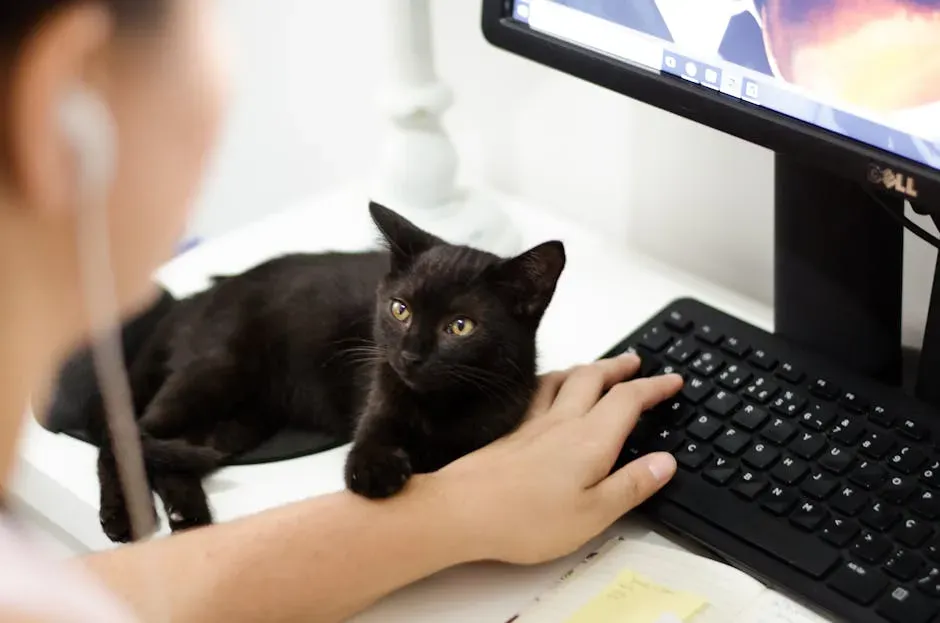
You're deep in concentration, deadlines looming, and then - boom - a cat bottom lands squarely on your keyboard. Emails get sent that weren't meant to be sent. Documents disappear into the digital void. It can be maddening. But your cat is not being malicious. As more people continue to work from home, cats' affinity for lying on books and computer keyboards has become more noticeable. Besides lying on laptops for the warmth they provide, this behavior is also considered a social bonding behavior.
From your cat's point of view, you've been staring at a glowing rectangle for hours and completely ignoring them. That is genuinely confusing to an animal who considers you part of their social group. Cats usually build the strongest and most secure bond with the person who feeds, plays with, pets, and nurtures them. When you're absorbed in work, you're breaking that social rhythm. Your laptop isn't competition - your cat just wants to reclaim their place in your world. Hard to stay annoyed when you put it that way, right?
5. Showing Belly Love to a Belly Trap
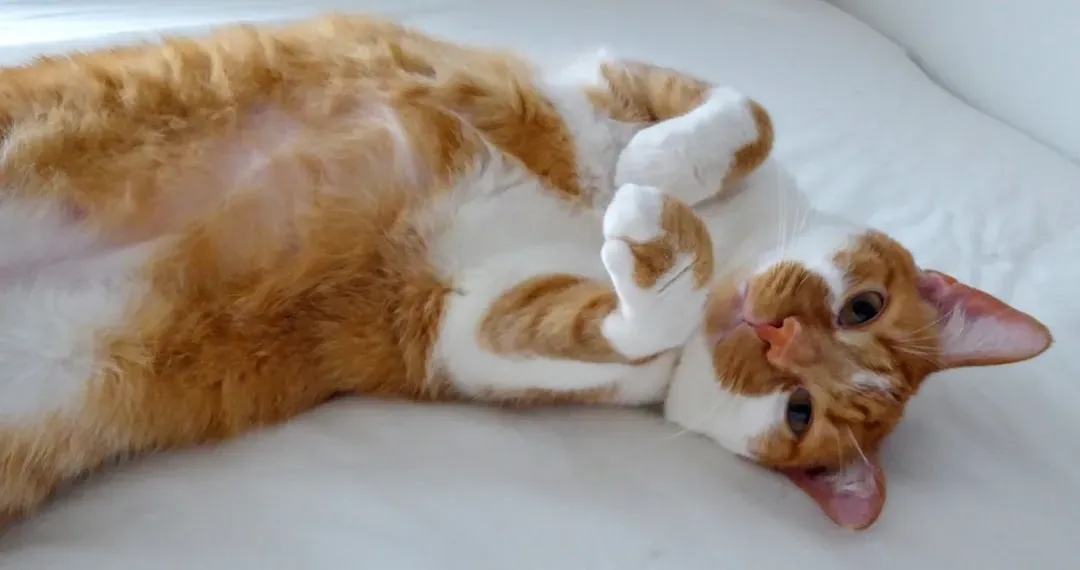
If you've owned a cat for more than five minutes, you have experienced this particular kind of betrayal. Your cat rolls over, stretches out, and flashes that irresistible, fluffy belly. You reach out, absolutely certain this is an invitation. Then the biting starts. It is, honestly, one of the great emotional rollercoasters of pet ownership. When cats expose their bellies, they are communicating trust. However, when you take them up on this apparent "offer" by rubbing their bellies, they may retract it with a bite or a scratch, as it was only meant as a form of communication.
The confusion runs deep here because humans are hardwired to interpret a belly display as an open invitation for touch. That's how it works between people, more or less. Cats operate on an entirely different social contract. If you establish even more trust, you may be able to go in for the pets without reprimand - but be gentle and keep in mind this is a physical expression of trust more than it is an invitation. It's like being shown a beautiful cake and then being told you can admire it but not eat it. Confusing? Yes. But you'll live.
6. Making Loud, Sudden Noises Around the House
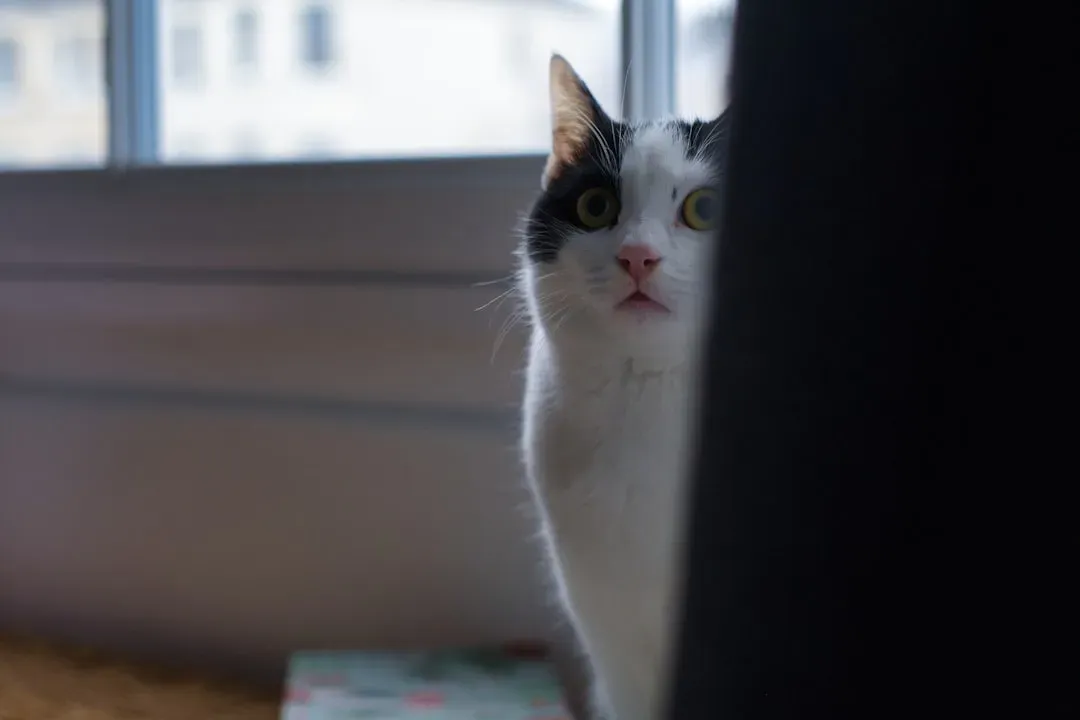
You sneeze. You drop a pan. You laugh too loudly at something on TV. To you, these are just the ordinary sounds of human life. To your cat, who has hearing roughly four times more sensitive than yours, these moments can register somewhere between startling and genuinely alarming. Cats can sense when they are in danger and can even smell fear and stress in humans - it's as if they have a heightened sixth sense for detecting whether someone nearby is afraid or stressed out.
This sensitivity also means that everyday human habits like vacuuming, blasting music, or arguing loudly on a phone call are genuinely disorienting experiences for your cat. A study by Animal Cognition revealed that cats look to their owner in the presence of possible danger to know how to react - just as children gauge the severity of a situation by their parents' reactions, your cat could be doing the same. So when you jump at your own sneeze and your cat tears out of the room, they're not overreacting. They're just looking to you for cues - and when you're startled too, all bets are off.
7. Giving Them Affection on Your Schedule, Not Theirs
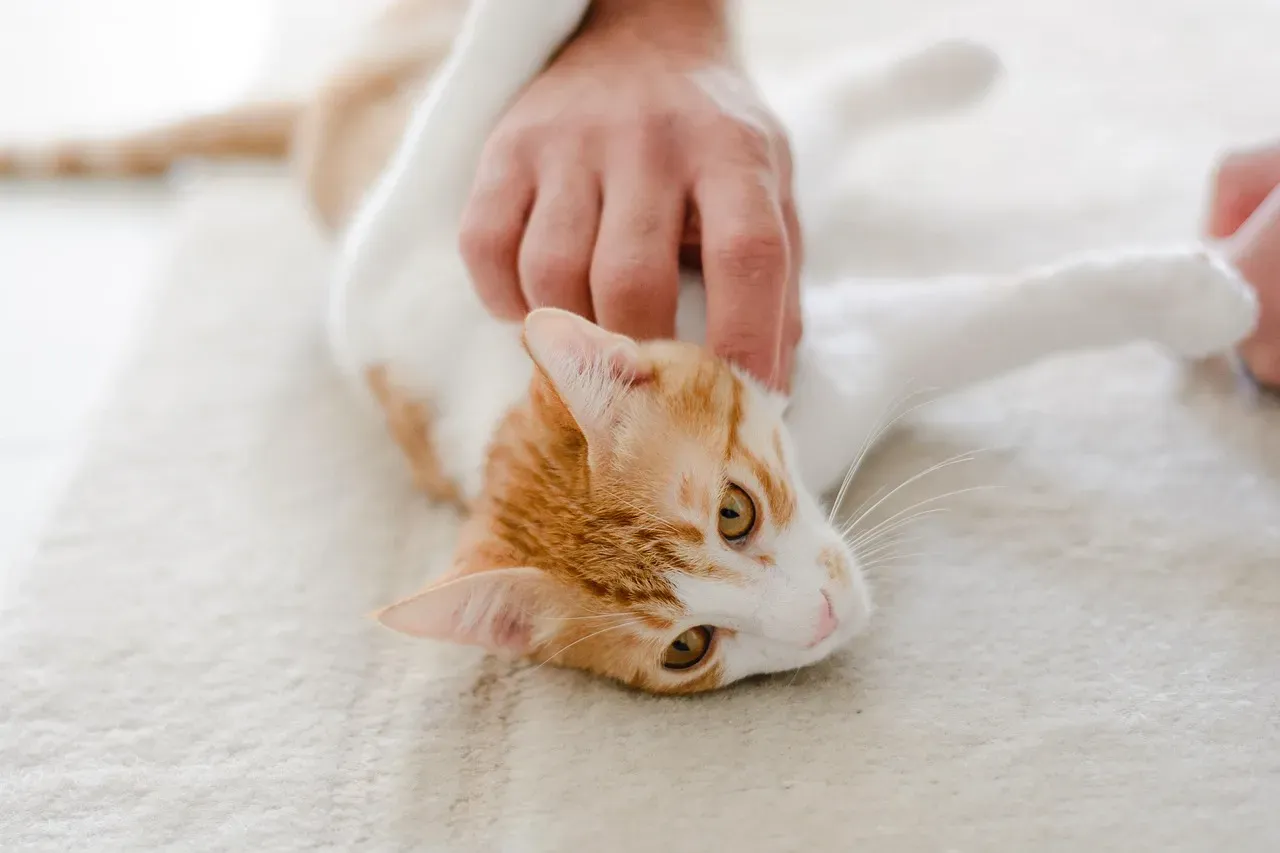
You've had a rough day and you decide tonight is the night for some serious cat cuddles. You seek them out. They run. You follow. They hide. Meanwhile, on some random Tuesday when you're reading quietly, they climb onto your lap and demand attention for forty minutes straight. This dynamic is not a coincidence and it is not cruelty - it's simply how cats are wired. Cats are solitary hunters by nature, meaning they're less socially aware than canines who are pack animals. They act very independently of others around them and probably don't notice the social rhythms and cues that humans rely on.
The real kicker is that your cat does care about you - just not always on the schedule you've set. The way cats show attachment is very different from dogs. Dogs make a lot of prolonged physical contact, whereas cats may stay close to the person they like without necessarily engaging directly. Think of your cat less like an eager golden retriever and more like an introverted friend who genuinely loves you but needs to initiate the hangout themselves. Respect that boundary, and you'll find those spontaneous moments of affection become far more frequent and meaningful.
Conclusion: You're Not Lost in Translation - You're Just Learning the Language
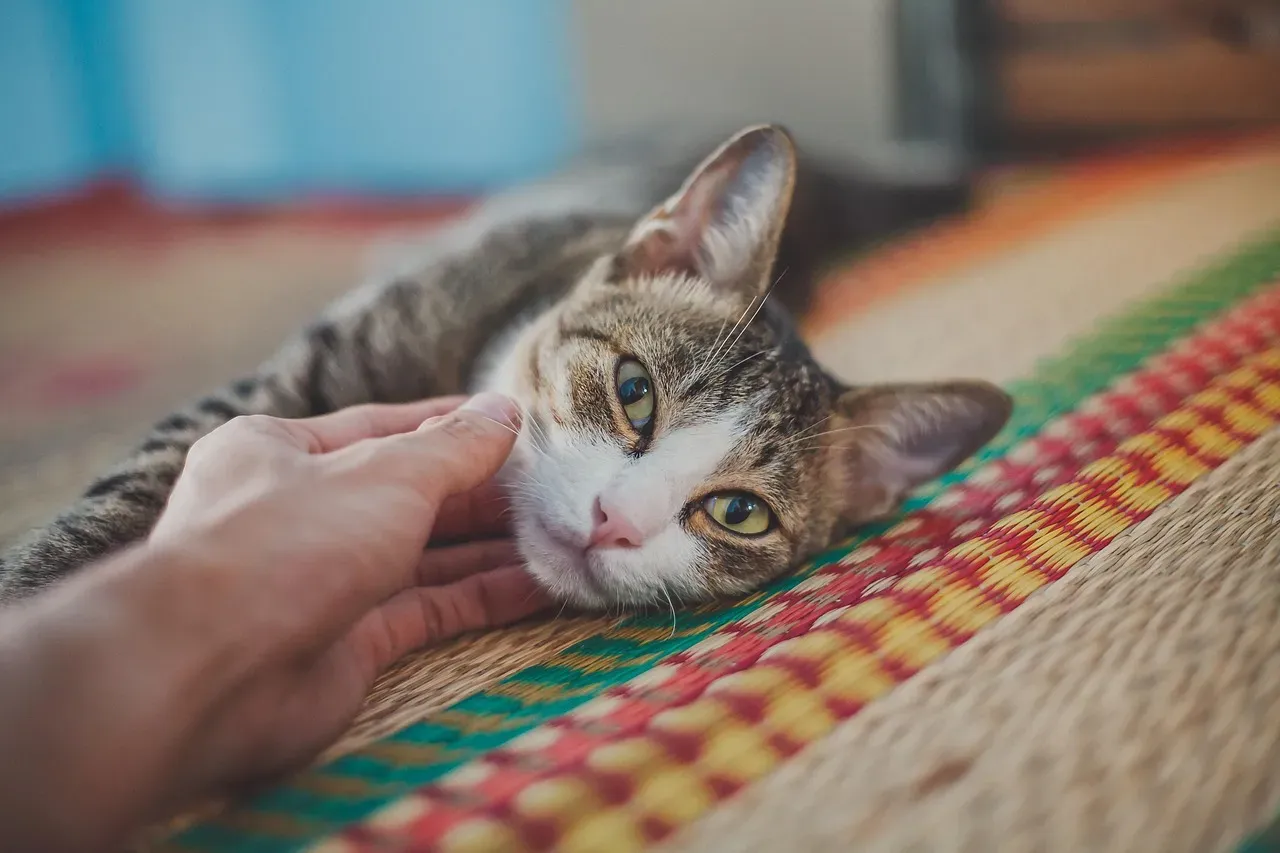
Here's the remarkable thing about all of this. Despite these seven deeply confusing human habits, your cat hasn't given up on you. They're still there, still watching, still occasionally sitting on your laptop and stealing your warmth. Research has come far enough to confirm that cats are not oblivious and aloof - they do care about you, just as you undoubtedly care about them.
The relationship between you and your cat is genuinely one of the most fascinating interspecies bonds on the planet. They interpret your world through ancient instincts and finely tuned senses, and you try to decode their signals using a human social rulebook that simply doesn't apply. As you share each other's space, your cat exhibits quirks varying from adorable to plainly bizarre - and understanding cat behavior can be extremely beneficial for building a stronger bond.
Honestly, I think the fact that cats choose to stay despite the confusion is the highest compliment they could possibly give us. So the next time your cat stares at you like you've lost your mind - slow blink back at them. They'll understand that one just fine. What habit of yours do you think confuses your cat the most? Drop your thoughts in the comments below!