8 Unspoken Rules Every Cat Lives By (And Expects You To Follow)
You didn't sign anything. There was no contract slid across a table, no fine print, no orientation meeting. Yet somehow, the moment a cat moved into your home, you became bound by a very specific set of expectations. Break them, and you'll know about it - through the cold shoulder, the strategic 3 AM knock of your water glass off the nightstand, or a withering stare that could peel paint.
Living with a cat is like living with a roommate who's convinced they're royalty. They have routines. Rituals. An entire unwritten rulebook they expect you to follow, without ever actually telling you the rules. One wrong move, and you're exiled from cuddle privileges for a week. Honestly, the sooner you accept that, the better your life gets. Let's dive into the 8 rules your cat absolutely, silently, furiously expects you to know.
Rule 1: Never Break the Stare First - Actually, Never Stare at All

Here's the thing. You probably thought that long, loving gaze you fixed on your cat was a bonding moment. Maybe you imagined a tender, emotional connection across the room. Your cat saw something completely different. While gazing into your cat's eyes might feel like bonding, you're not actually bonding when the stare goes on too long. Cats are highly visual, and in cat language, holding eye contact is a challenge - an aggressive indicator that you're ready for a fight.
While gazing into the eyes of your cat might feel like bonding, it goes wrong when the stare goes on too long. Cats are highly visual, and in cat language, holding eye contact is a challenge - an aggressive indicator that you're down for a fight. Think of it like this: in cat society, a sustained stare is the equivalent of squaring up in a parking lot. It carries weight. The better move? Give your cat a look, but don't hold their gaze. A slow blink, then look away. That's the cat version of a friendly wave.
Rule 2: Let Them Come to You - Autonomy Is Their Love Language
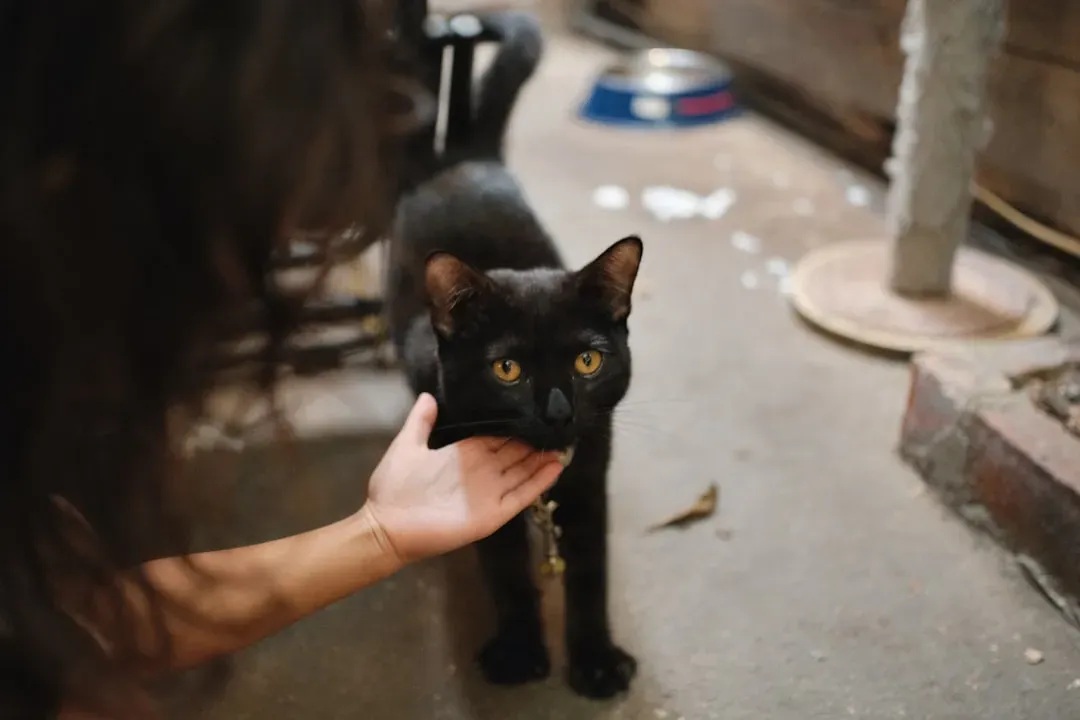
If you've ever walked up to a cat and tried to pick them up, unless it's a rare kitty who actually enjoys being manhandled, most cats will not respond positively. They may immediately wriggle out of your grasp, and some might scratch or bite. Others may begrudgingly accept their fate, but in general, they prefer to come to you. You wouldn't love it if someone just picked you up without asking. Neither does your cat.
Affection on demand is not part of a cat's lifestyle. Unlike dogs, who might eagerly welcome endless hugs, cats prefer affection on their own schedule. Initiating contact when they're clearly uninterested can lead to agitation or avoidance. You'll often find that the best cuddles happen when you least expect them - like when you're reading or watching TV. Instead of forcing interactions, watch for cues such as slow blinks, soft purring, or head bumps, which indicate genuine interest. Patience in this area is a virtue that pays off with deeper connection. Trust builds when your cat knows you'll respect their emotional timing.
Rule 3: Respect Their Scent Map - Your Furniture Is Also Their Diary
A cat's scent map is their way of marking territory by rubbing their cheeks and bodies on items. This scent marking creates a sense of familiarity and comfort for a cat, and if you mess with it too much, it can make them feel disoriented. Imagine someone came into your house and rearranged everything overnight. That's what a deep clean of all your cat's favorite spots feels like to them. Their world is literally written in invisible ink, and you just erased it.
Cats have scent glands on their heads, and by head bunting or rubbing, they are leaving their scent as a way of claiming ownership and showing love. So when your cat rubs their face along your couch legs, your backpack, or even your ankles, they're not being weird. They're filing paperwork. Of course, you have to wash things like blankets and pillows, but washing things gradually and not all at once helps avoid disturbing their scent map. Respect the system. It matters more than you think.
Rule 4: The Litter Box Is Sacred - Treat It That Way
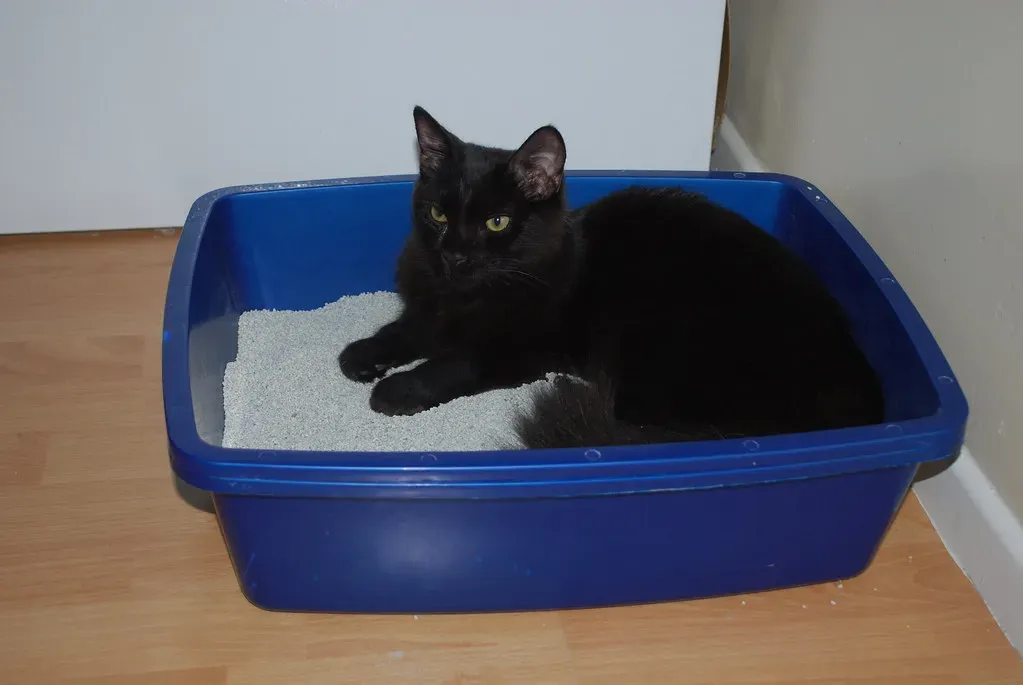
A clean litter box is non-negotiable in a cat's world. Skipping scooping duties for even a day can result in silent protests or smelly reminders. Cats are meticulous by nature and expect their bathroom to reflect that. Think of it like this: would you want to use a gas station restroom that hasn't been cleaned in three days? Your cat feels exactly the same way - except they have no choice but to live in the same house as that restroom.
If a cat begins avoiding the box, cleanliness is often the first culprit to investigate. Placement also matters - it should be in a quiet, accessible location. Ultimately, your commitment to litter box hygiene directly influences your cat's comfort and behavior. A good rule of thumb is that the box should be one and a half times longer than the length of the cat. Size, cleanliness, location - your cat has opinions on all three, and they will make those opinions known in ways you really don't want.
Rule 5: Everything in This House Belongs to Them - Including Your Chair

Cats go anywhere they please, because to them, everything in their territory belongs to them, including your stuff and sometimes you. They expect it all. That sofa you just steam-cleaned? Claimed. That warm laptop you stepped away from for two minutes? Claimed. Your lap at the exact moment you need to stand up to answer the door? Absolutely claimed, probably for the first time in weeks.
Ownership is a fuzzy concept when it comes to cats and furniture. What was once your chair, bed, or shelf is now shared territory, often weighted heavily in the cat's favor. You might come home to find your cat sprawled across your desk or perched on your favorite pillow. Instead of relocating them, many cat owners find themselves adjusting their positions or waiting patiently. Cats have a natural instinct to get off the ground, especially if it's not rewarding on the floor. They want to be where the action is. That's why cats choose to hang in places with high social significance, like couches, dressers, and countertops or anywhere they can get the best possible vantage points.
Rule 6: Never Punish Them - They Will Never Understand Why

Cats don't have a moral compass that defines right and wrong the way we do. Everything they do is driven by instinct and need. That shattered glass on your kitchen floor? Not malice. That scratch on your leather couch? Not spite. There's never going to be a time when your cat thinks they did something wrong. Their actions are one hundred percent justified, even when the result is negatively received. That's why involving yourself in any form of punishment is a futile endeavor.
Shouting, scolding, or physically reprimanding your cat will only serve to complicate your relationship more. A cat is not motivated by spite or anger. The better path? When you ditch punishment and start teaching with empathy, you'll be amazed at how much your cat is capable of learning - and how much stronger your bond will become. Redirect, reward, and restructure their environment. That's the language they actually respond to. Punishment is just noise to them. Expensive, relationship-damaging noise.
Rule 7: Learn Their Voice - They Are Talking to You Constantly
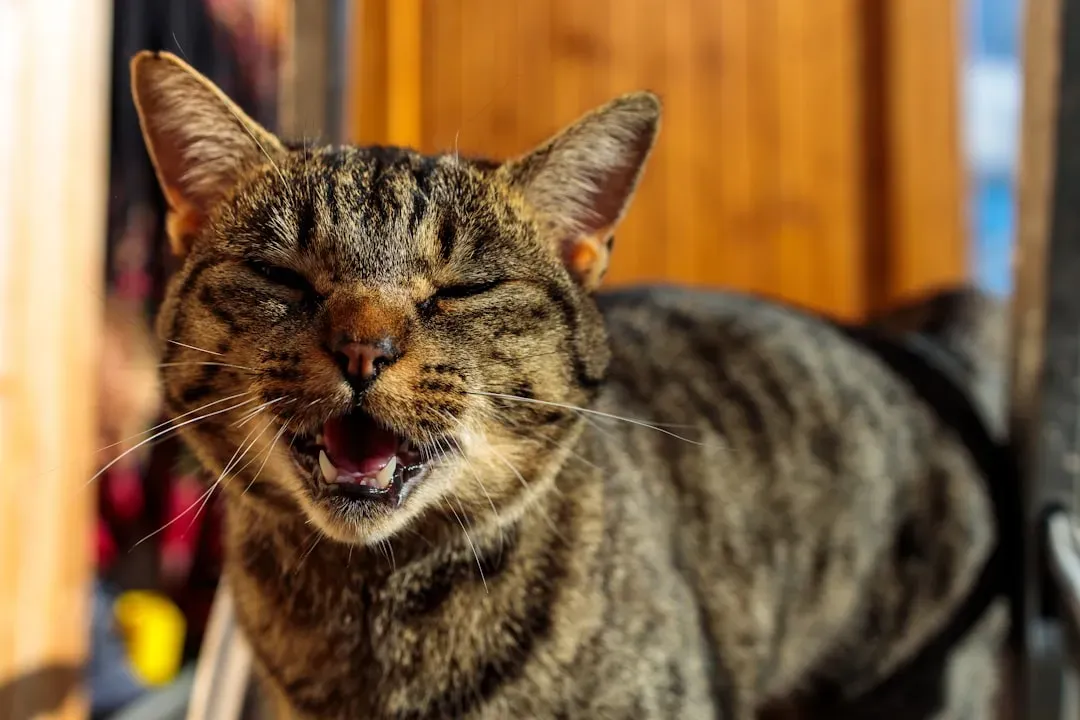
Scientists have identified more than a dozen different meows that cats make, each with its own meaning. In general, kittens use meows to communicate with their moms, but grown cats employ them solely to communicate with humans. Cats also use hisses, growls, squeals, and other sounds to talk to each other. This is genuinely fascinating. Your cat is essentially a species that developed a private vocabulary just for you. That's not nothing. That deserves your attention.
Each cat has a unique vocal range filled with subtle differences in tone and pitch. A high-pitched meow might signal excitement, while a short chirp could mean curiosity or a greeting. Over time, attentive owners begin to decode this feline dialect naturally. The flick of a tail is a language of its own. A cat's tail communicates mood, intention, and curiosity. Rapid flicks might indicate irritation, while a gentle swish shows contentment. Observing your cat's tail offers insights into their state of mind, helping decipher their silent messages. Pay attention to all of it - the meows, the tail, the ears. Your cat is basically giving you a live weather report on their inner world.
Rule 8: Give Them Enough Stimulation - Boredom Is a Declaration of War
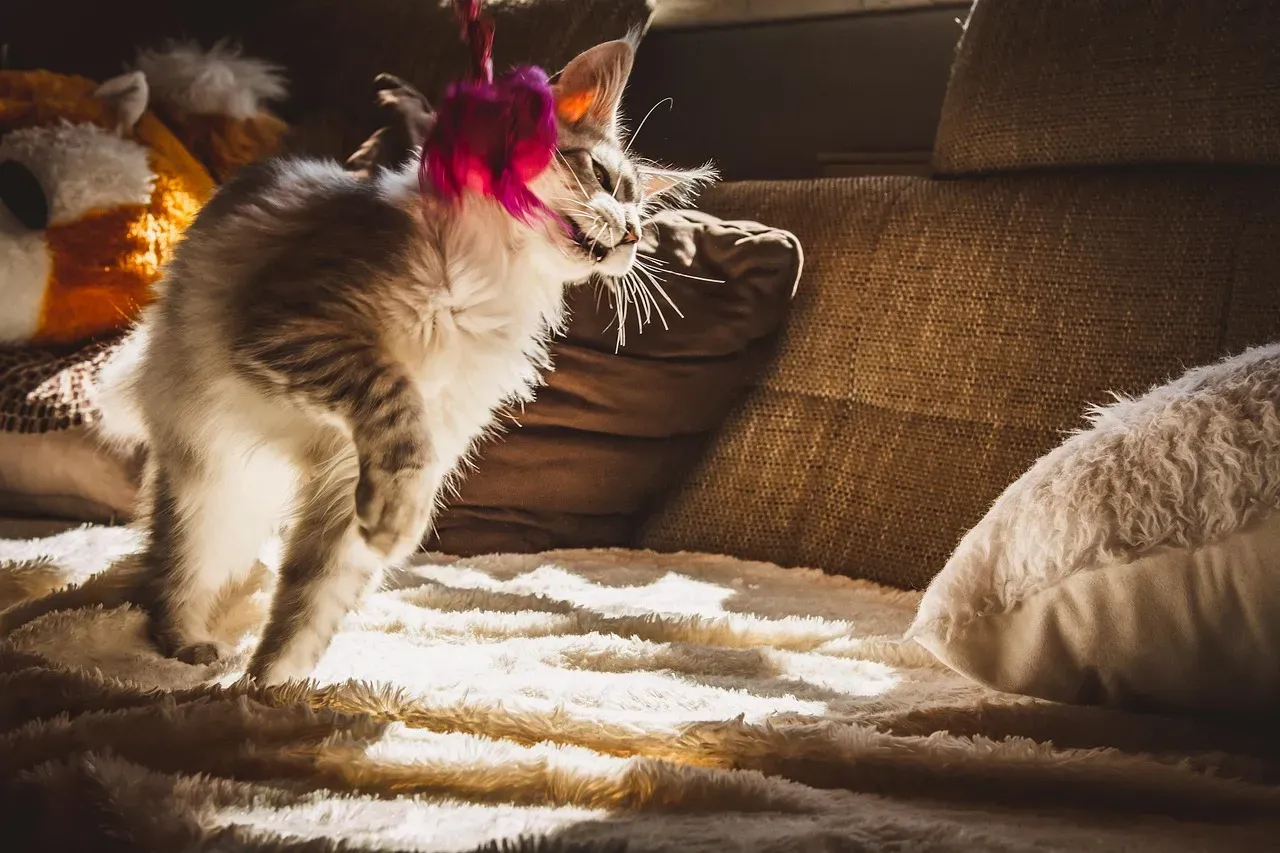
All cats, especially those who live exclusively indoors, need attention and enrichment to stay happy and healthy. They require thoughtful affection, veterinary care, high-quality nutrition, and clean litter boxes to thrive. Even if their basic needs are met, cats can suffer from boredom, anxiety, and depression if ignored or left on their own for too long. A bored cat is a creative cat, and not in the way you want. Think: curtain climbing, 3 AM sprinting circuits, and the complete annihilation of your houseplants.
People often fail to provide cats with enough stimulation. It's important to give them opportunities to show their natural feeding behavior, for instance. So instead of simply putting their food in a bowl, give them a chance to stalk it, to toss it in the air and pounce, and reproduce the whole sequence of events that they would do when they hunt. Cats can be offered small toys for batting and chasing, boxes or containers to explore, and appealing outlets to climb, perch on, and scratch. Hunting and feeding needs might be better addressed by giving food in small portions throughout the day and placing food or treats inside toys that require some manipulation to release the food. Make their environment work for their brain, not just their body. A mentally engaged cat is a happy cat - and a happy cat means you get to keep your belongings.
Conclusion: You're Not the Boss - But You Can Be a Great Teammate
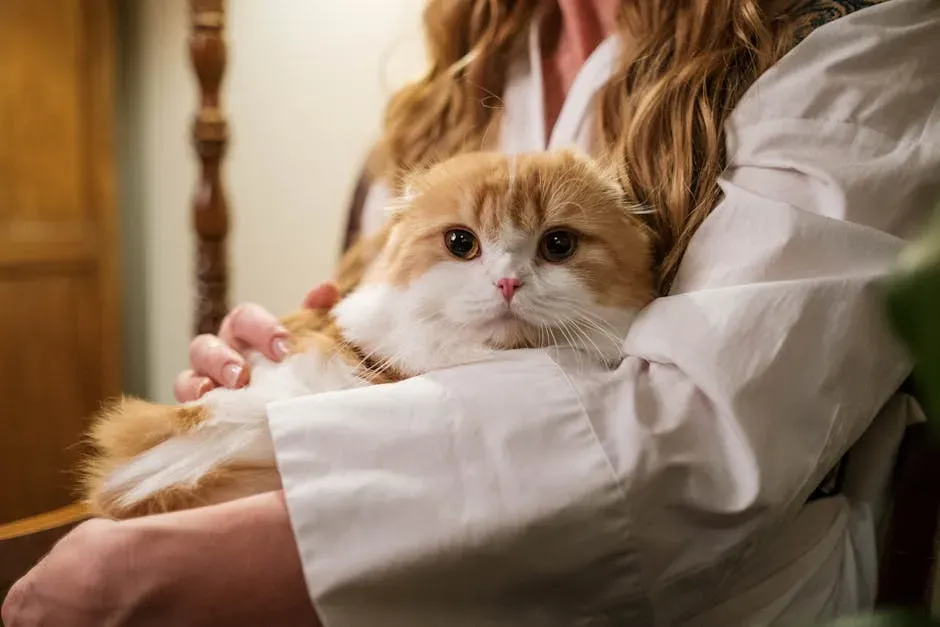
Here's the honest truth: your cat is not trying to make your life complicated. Your cat isn't trying to make your life harder. They're trying to meet their needs in a world full of human rules they don't understand. Once you flip that perspective, everything changes. The unsolicited 4 AM wake-up call makes sense. The laser-focused guard over your warm laptop makes sense. Even the pointed refusal to acknowledge you after you've been away for a week makes sense - because it's all communication.
Understanding cats is easy once you know how they live in their natural environment and make sure you meet their needs. Outdoors, cats hunt for food, hide from predators, and defend their home territories. Indoors, these behaviors may look hostile or spiteful, and you may not like them. But now that you know the rules? You're already ahead of most people. The relationship you build with a cat who trusts you is one of the most quietly rewarding things in the world. Respect the code, and they'll let you know - in their own time, on their own terms, with a slow blink and a warm purr. Did you already know all 8 rules, or did one of them catch you by surprise? Tell us in the comments!