Garland, Texas – Authorities executed the largest animal seizure in the city’s history when they removed 64 cats from a single residence overwhelmed by squalor. Rescuers encountered malnourished animals suffering from illness amid conditions so hazardous that protective respirators were essential for safe entry. The operation highlighted the hidden crises of animal hoarding while underscoring swift cooperative action from the property owner.
A Shocking Discovery Prompts Immediate Action
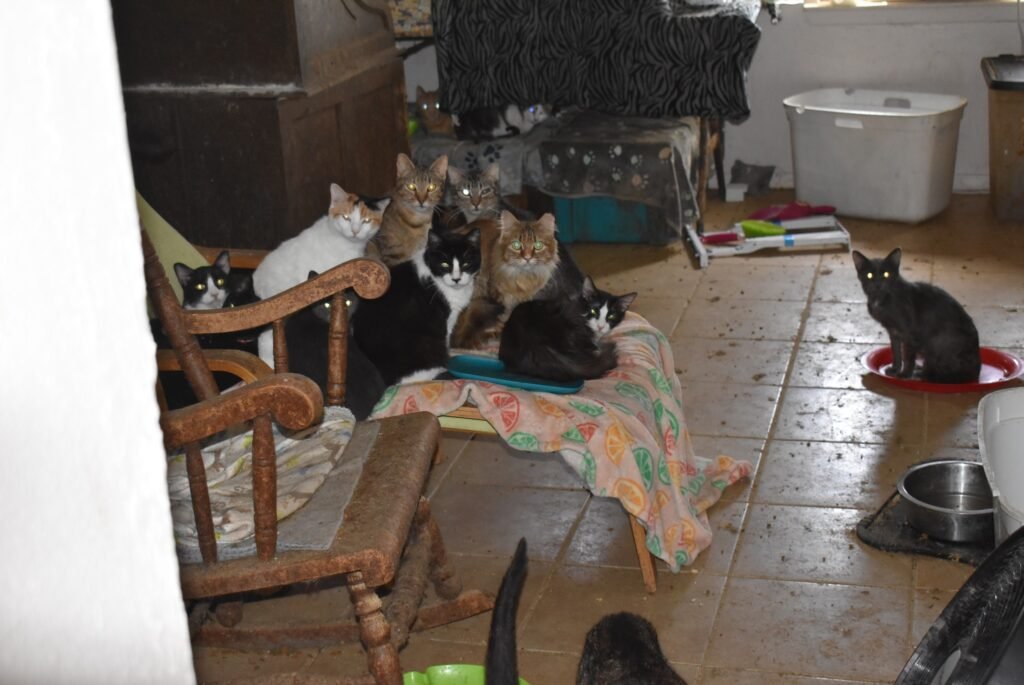
Local officials first learned of the dire situation through reports that led them to the Garland home. Upon arrival, they faced an overwhelming number of cats crammed into tight spaces, many showing clear signs of distress. The sheer volume–64 in total–marked this as unprecedented for the area.
Investigators noted the animals’ weakened states right away. Veterinary assessments confirmed widespread malnutrition and sickness. This rescue stood out not just for its scale but for the urgency it demanded.
Hazardous Environment Exposed
Inside the residence, ammonia concentrations from accumulated waste reached dangerous levels. Rescuers donned respirators to avoid respiratory harm during the extraction. Cats navigated filth and clutter, exacerbating their health woes.
Such environments often foster rapid disease spread among confined animals. Malnourishment left many underweight and vulnerable. Officials described the setup as deplorable, a term that captured the severity without exaggeration.
Cooperative Surrender Eases Rescue Efforts
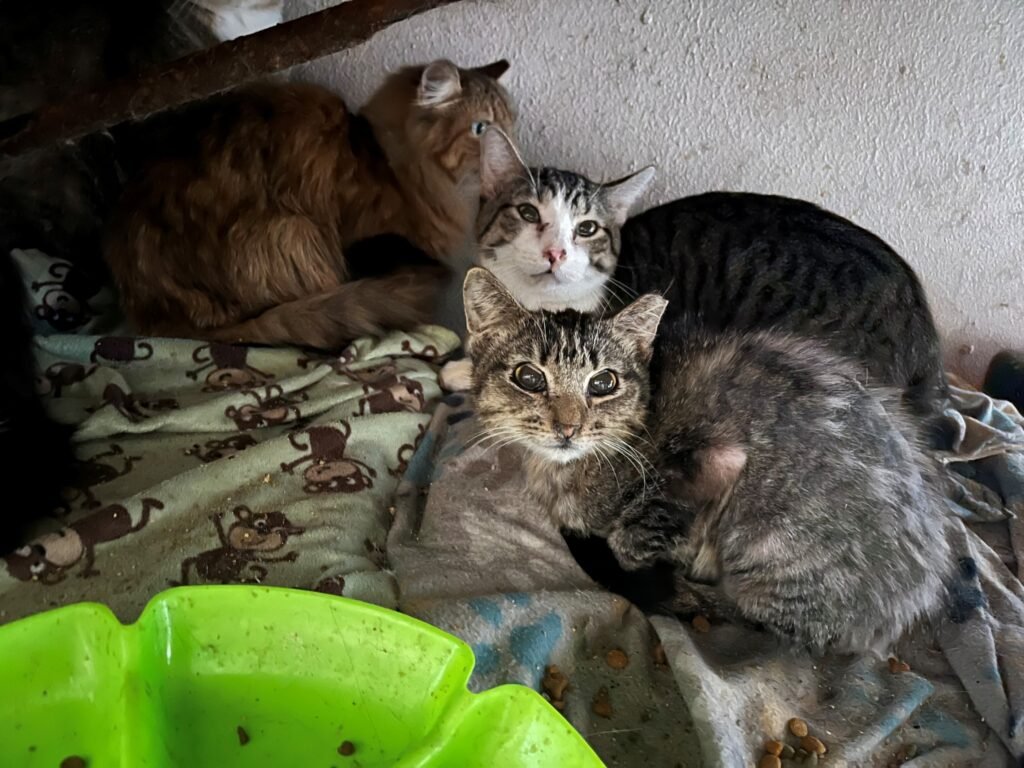
The homeowner fully cooperated throughout the process. Authorities surrendered the cats without resistance, allowing for a streamlined operation. This collaboration prevented potential delays in critical care.
Teams transported the animals promptly to facilities equipped for mass intake. Initial triage prioritized the most severe cases. Cooperation like this remains rare in hoarding incidents, making the outcome more positive.
Veterinary Care Takes Center Stage
Upon arrival at veterinary centers, the cats received immediate medical attention. Treatments addressed infections, dehydration, and nutritional deficits common in such rescues. Staff anticipated a lengthy rehabilitation phase ahead.
Experts anticipate varying recovery timelines based on each cat’s condition. Some may qualify for adoption soon after stabilization. Others will need extended fostering to regain full health.
Understanding the Broader Hoarding Challenge
Animal hoarding cases reveal complex underlying issues, often tied to mental health struggles. Garland’s response demonstrated effective protocol: rapid intervention paired with humane handling. Communities benefit from awareness campaigns that encourage early reporting.
Prevention strategies include neighborhood watches and partnerships with welfare groups. Here are key signs of potential hoarding situations:
- Strong odors emanating from a property
- Visible overcrowding of animals outside
- Frequent animal noises or distress calls
- Declining property maintenance
- Reports of sick or stray animals nearby
- Resistance to visitors or inspections
Key Takeaways
- Garland’s seizure of 64 cats set a local record for scale and urgency.
- High ammonia levels necessitated respirators, underscoring environmental dangers.
- Owner cooperation enabled swift veterinary intervention for all animals.
This incident serves as a stark reminder of hoarding’s toll on vulnerable creatures and the importance of vigilant communities. Recovery efforts now focus on giving these cats a fresh start. What steps can locals take to prevent similar crises? Share your thoughts in the comments.
Kristina is a young writer from India. An arts graduate and an avid content creator, Kristina is passionate about animals and wildlife. She enjoys exploring topics related to pet care, animal behavior, conservation, and nature, combining thorough research with engaging storytelling.