The Way Your Cat Grooms Itself Reveals Its Inner Mood
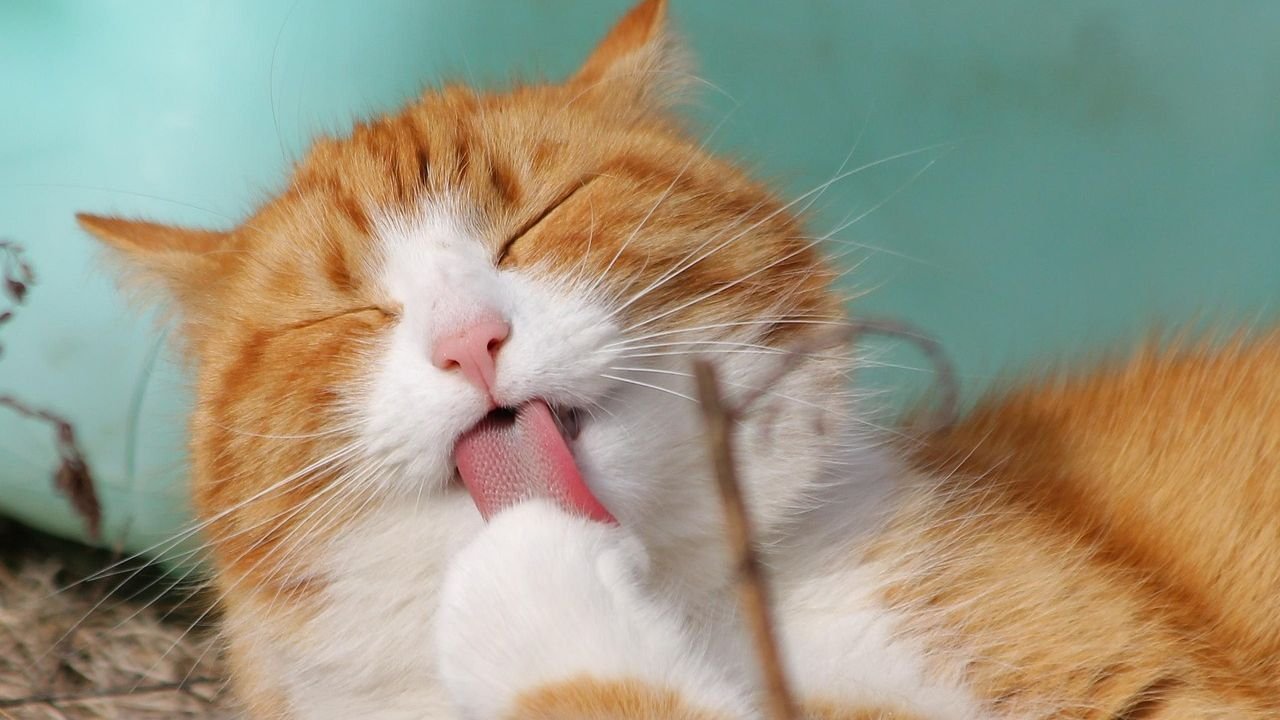
You've probably watched your cat sit in a sunny patch of floor, methodically licking a paw, dragging it over one ear, and thought - oh, just cleaning up again. Nothing to see here. But here's the thing: what looks like a mundane hygiene ritual is actually one of the most expressive things your cat does all day. Every lick, scratch, and nibble is a tiny window into what's going on inside that mysterious feline mind.
Cats are famously hard to read. They don't bark to get your attention or wag a tail when they're thrilled. Their communication is quieter, more layered, and frankly more fascinating once you know what to look for. Grooming just happens to be one of their most honest forms of expression. Let's dive in and decode what your cat's cleaning habits are really telling you.
Grooming Is Far More Than a Bath Routine
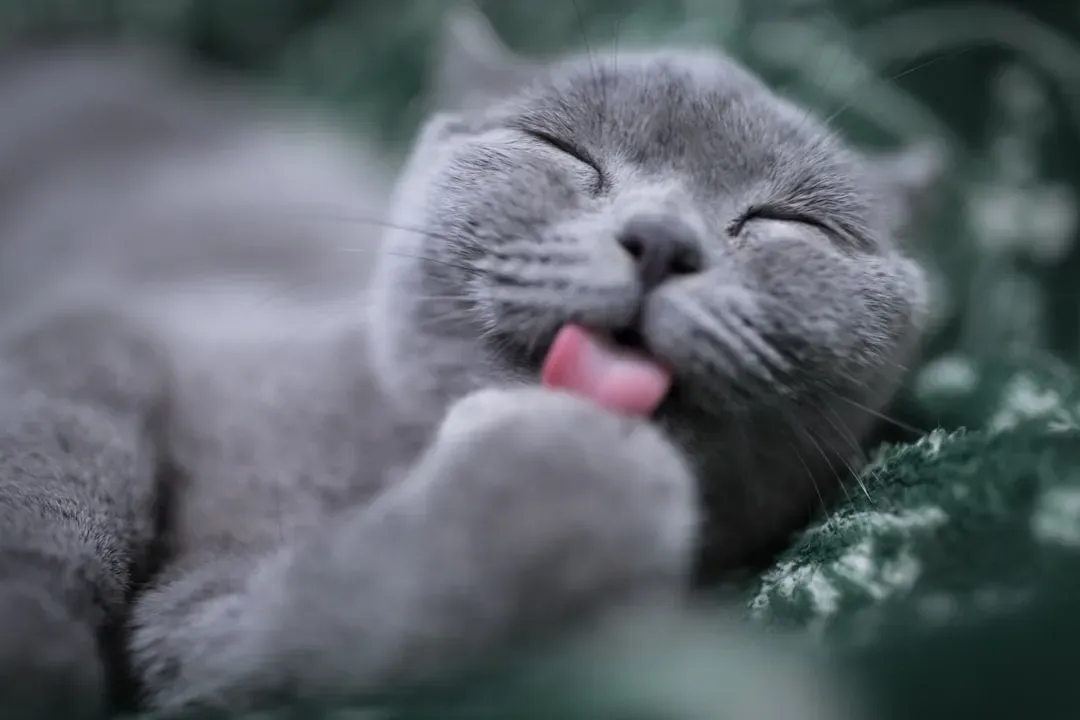
Most people think of cat grooming as the feline equivalent of a morning shower - something practical, predictable, and pretty unremarkable. The truth is so much richer than that. For cats, licking and grooming themselves is a natural behavior that serves multiple purposes: they use it as a way to clean, cool down, and soothe themselves.
Think of it like this: grooming for a cat is part hygiene, part therapy, and part social language - all rolled into one ritual. Grooming helps to maintain healthy skin, and licking stimulates the production of sebum, an oily secretion produced by glands at the base of each hair, which helps lubricate and waterproof the fur, making it shine. That's right - your cat is literally applying its own conditioner every single day.
How Much Grooming Is Actually Normal?
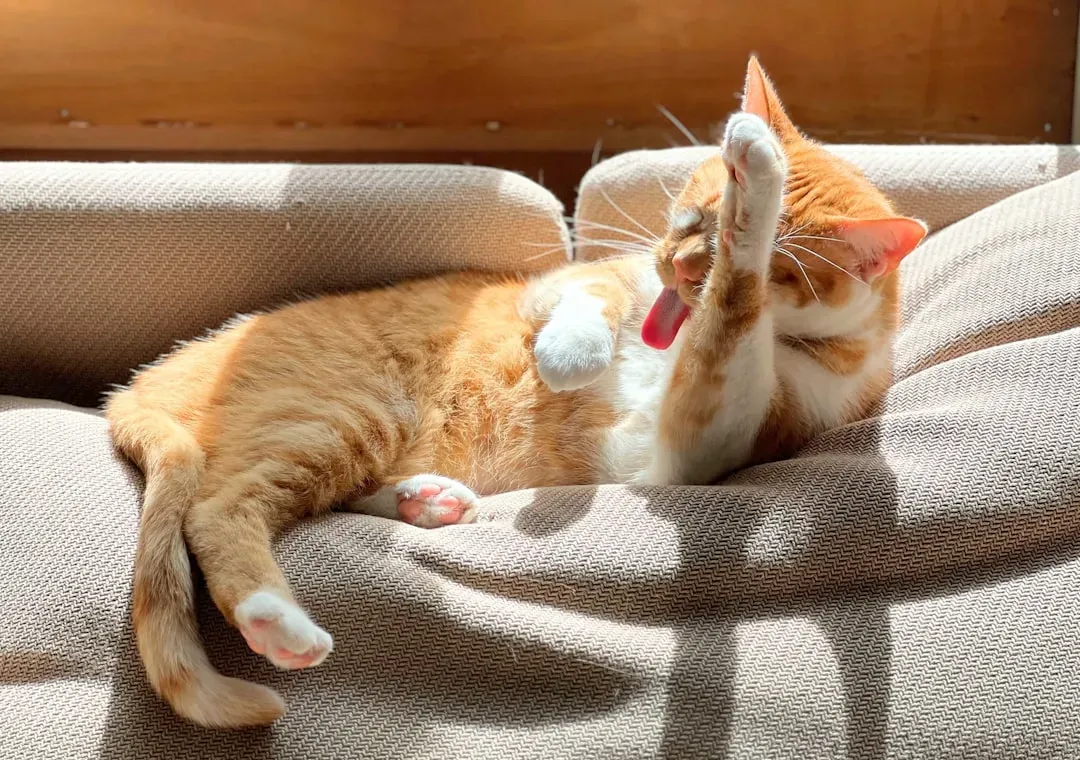
If you've ever felt a little alarmed watching your cat spend what seems like an eternity licking itself, you're not alone. It can feel excessive. On average, cats spend between roughly a quarter to half of their waking hours grooming themselves, and the amount of time can change depending on their preferences, age, and environment.
So yes - a lot of grooming is completely normal. Grooming behavior is an important indicator of health in feline friends, and cats spend roughly a third to half of their day in grooming activities. The moment it becomes a concern is when that level shifts dramatically in either direction. More on that shortly.
Relaxed and Happy: What Calm Grooming Actually Looks Like
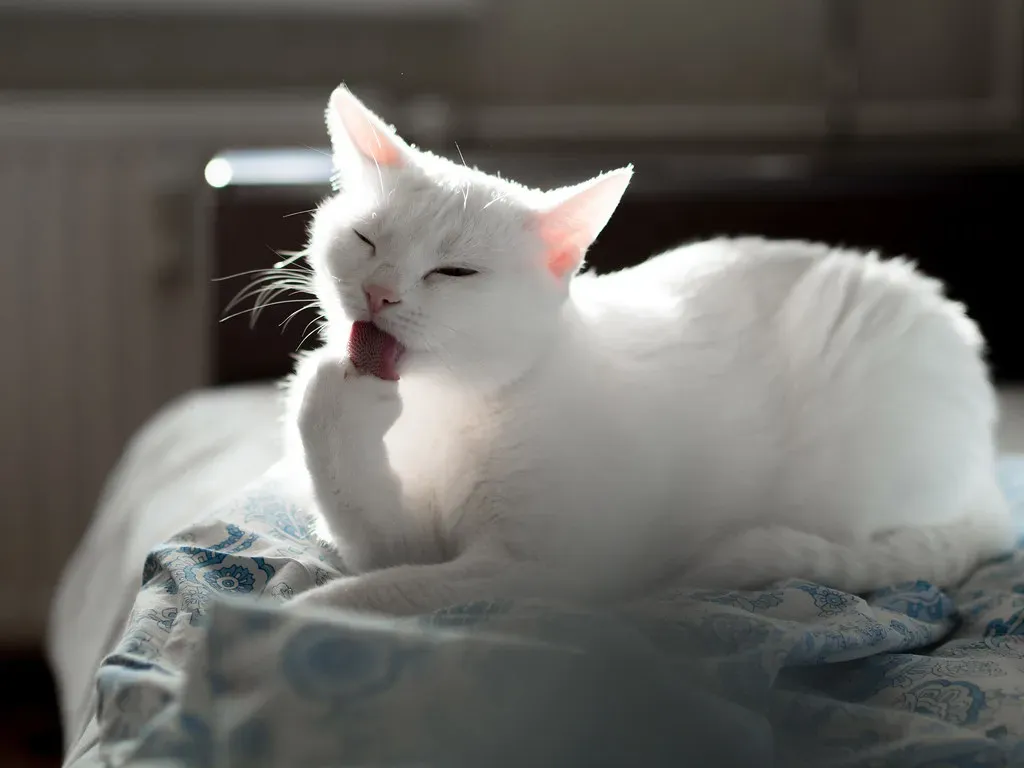
Here's something I find genuinely charming: a cat grooming itself slowly and methodically in a warm, comfortable spot is essentially displaying its contentment for the world to see. It's the feline version of kicking back with a good book. Some cats groom themselves as an expression of comfort in a relaxing environment.
As long as a cat is not grooming excessively beyond a normal level, you can know your cat is relaxed and happy when it is preening itself. Watch for a soft body posture, half-closed eyes, and an unhurried rhythm during those grooming sessions. That's your cat at absolute peace, and honestly, it's one of the most wholesome things you'll ever witness.
Grooming as a Stress Signal: When Licking Becomes a Coping Mechanism
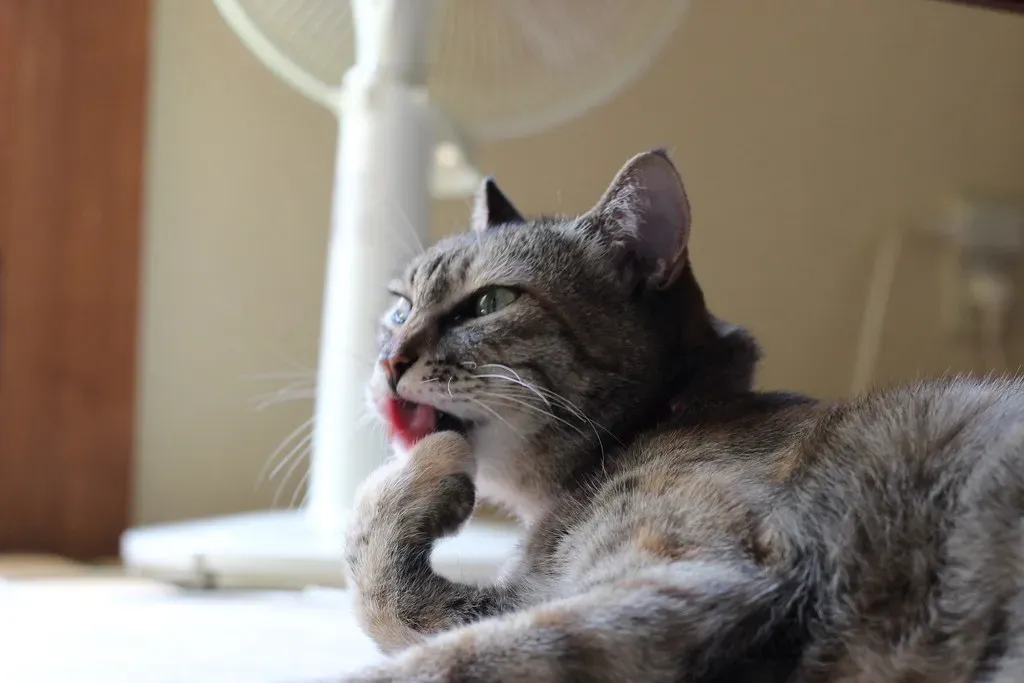
This is where things get genuinely fascinating - and a little sobering if your cat grooms right after a stressful moment. Grooming can be a self-soothing activity for cats that helps them to relax and reduce stress, and cats may groom themselves as a displacement behavior when they are unsure about a situation or to relieve tension.
It's similar to displacement behavior in people - like little kids jumping up and down when they're excited. When cats get very tense or stressed or aroused, they might groom as a response to that to dispel those feelings. Think of it like a nervous habit. Your cat knocks something off the counter, looks startled, and immediately starts licking its chest. That's not random - that's emotional regulation in action.
Overgrooming and Anxiety: When the Signal Becomes a Red Flag
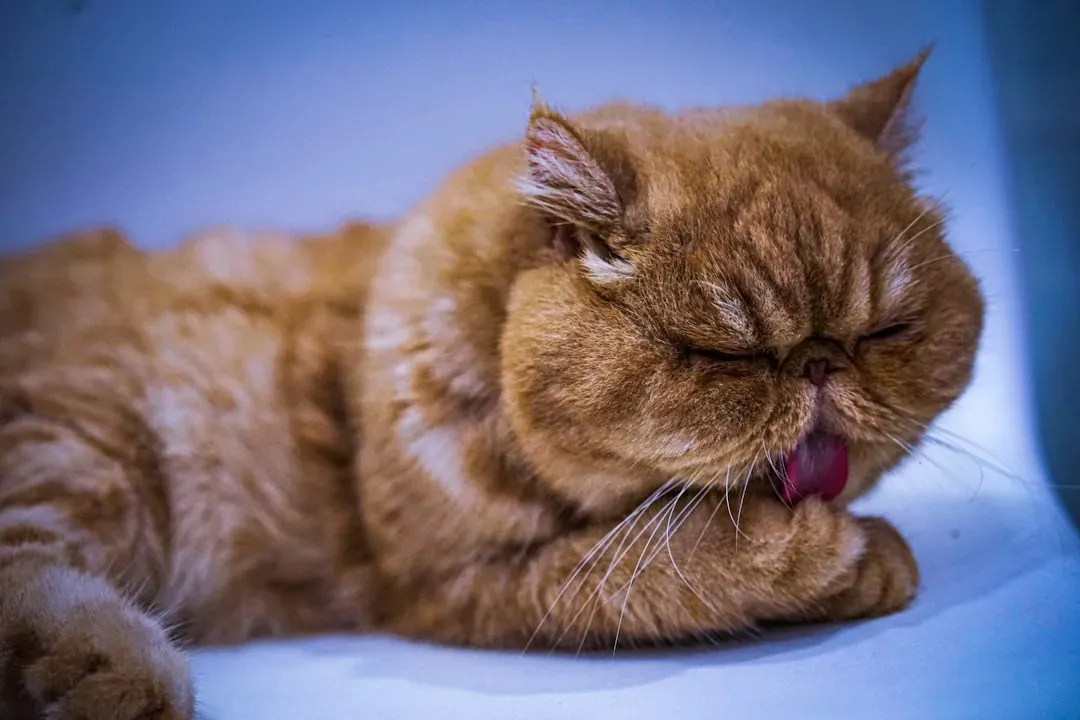
If your cat seems to groom constantly, to the point where you're noticing thinning fur or bald spots, that's a different story entirely. Regular cat grooming is healthy, but overgrooming can lead to bald patches, skin irritation, and sores, so it's important to know what the signs of excessive grooming are.
Stress often causes cats to develop compulsive disorders like excessive grooming early in life, and events like moving, home remodeling, a new pet or family member, separation anxiety, and lack of stimulation can trigger these behaviors. It's hard to say for sure without veterinary guidance, but if your cat is losing fur in strips along its belly or inner thighs, that's your cat's way of screaming that something is wrong emotionally or physically.
Sudden Grooming After Conflict: Decoding the Post-Drama Lick
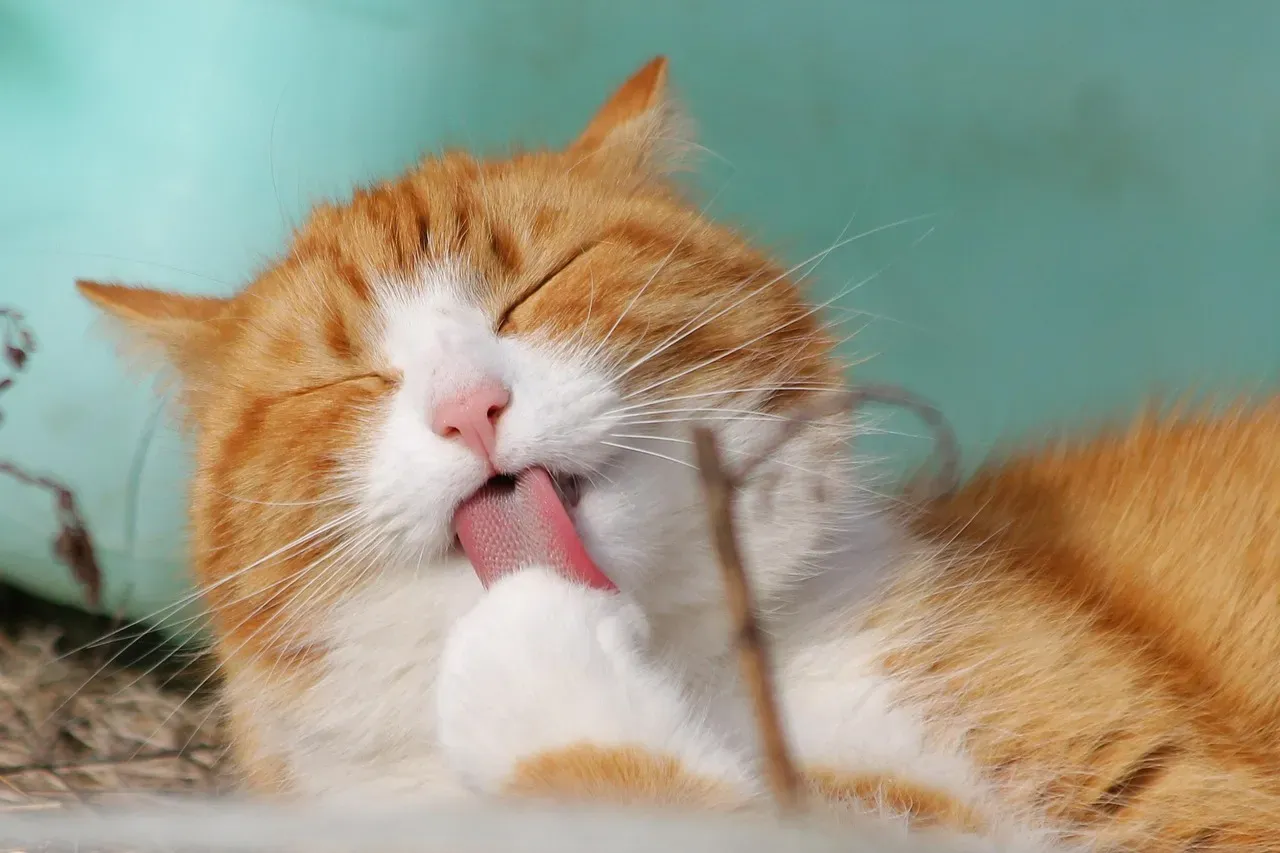
You've probably seen it: two cats have a tense standoff, one backs down, and the "loser" immediately starts grooming itself like nothing happened. It looks almost comical. But it's actually a deeply meaningful behavioral response. Some cats will groom themselves when faced with a stressful situation such as the presence of an aggressive animal or after a fall, and some behaviorists feel this may be a displacement behavior that helps a cat deal with conflict - it may be likened to the tension relief some people feel from biting their fingernails.
It's a brilliant built-in reset button, really. When a cat can't fight or flee effectively, it grooms instead - redirecting anxious energy into something familiar and soothing. Licking can be performed as a displacement behavior, and in this instance it serves as a substitute activity that helps to reduce tension arising from conflict. So next time you see your cat furiously cleaning after a fright, know that it's essentially giving itself a calming pep talk.
When Your Cat Stops Grooming: A Worrying Silence
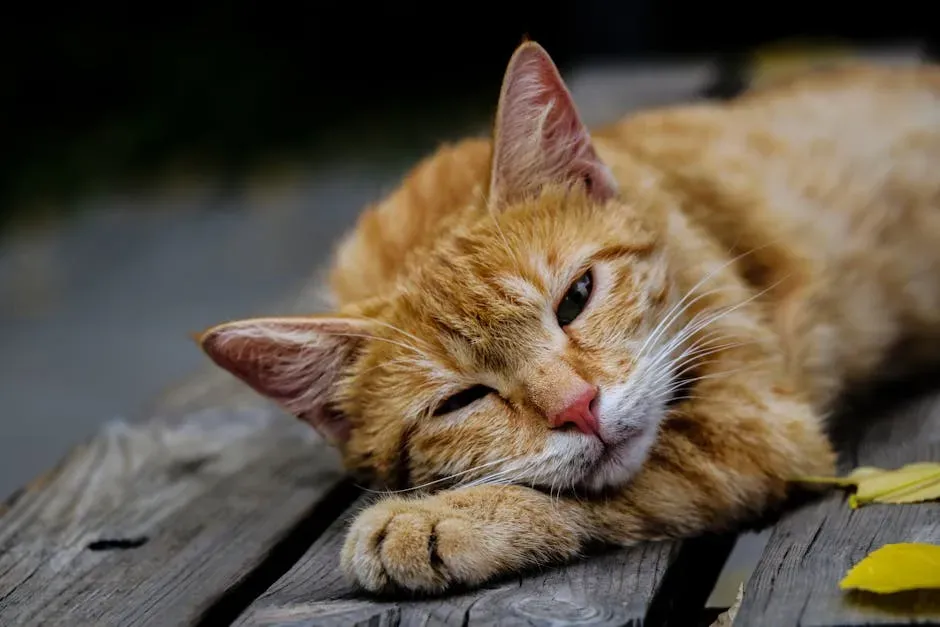
Interestingly, the absence of grooming is just as telling - maybe even more so - than the excess of it. The various grooming behaviors are important to a normal healthy cat, and the lack of these behaviors can indicate depression or ill health, while their absence may also signal the potential for ectoparasite infestation or secondary conditions.
A sick cat may stop or reduce grooming, resulting in a harsh or greasy hair coat, mats, staining on the fur, or a foul smell. If you suddenly notice your once-immaculate cat looking disheveled or matted, treat it as you would any other alarm bell. Regular self-grooming will help your cat look good and feel good, but if she becomes ill, she may stop cleaning herself - this could be a sign of arthritis, pain, or dental problems. It deserves a vet visit, full stop.
Grooming You: The Ultimate Emotional Compliment
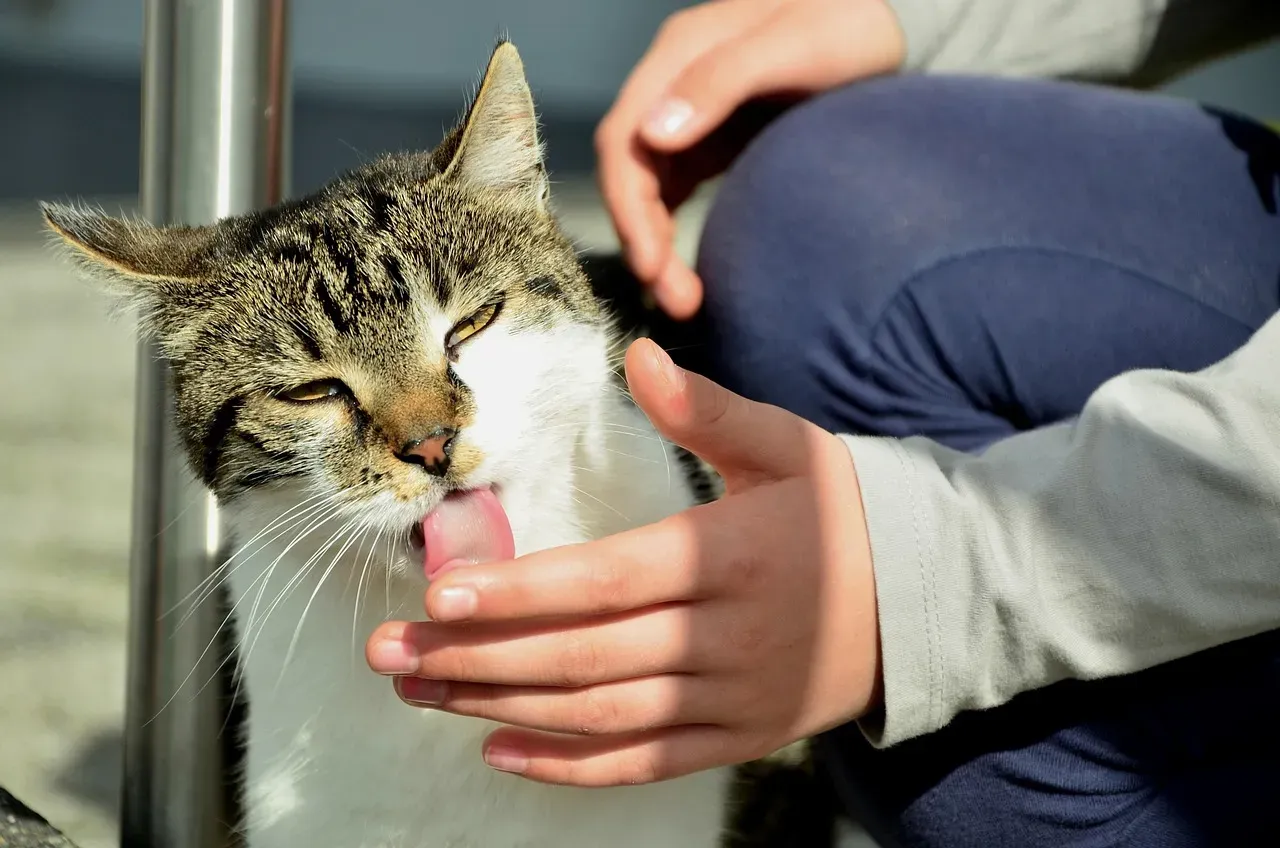
If your cat has ever turned that rough little tongue on your hand, arm, or hair, you might have winced - those barbs are no joke. Still, you should actually feel flattered. Really. You may notice that your cat will occasionally try to groom you too, and combing your hair with its paws, licking your arms, and even accepting your affection are all signs that your cat trusts and loves you.
Grooming while sitting on you is often a sign of deep social bonding - in feline communities, cats engage in mutual grooming with trusted family members and close companions, and by cleaning herself on you, your cat is essentially treating you as part of her trusted inner circle. That's arguably one of the highest honors a cat can bestow on a human. Accept it graciously, even if your arm ends up covered in cat saliva.
The Grooming Ritual After You Pet Your Cat: It's Not an Insult
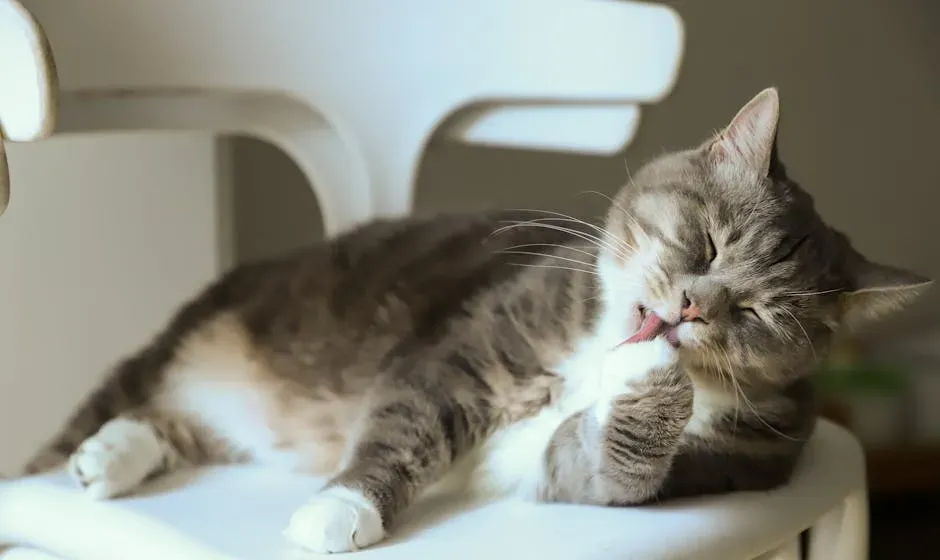
Here's a classic misunderstanding that causes genuine hurt feelings in cat owners everywhere. You lovingly stroke your cat, feel the warmth of the moment - and then your cat immediately starts licking the exact spot you just touched. You feel rejected. Let's clear this up right now. After you pet your cat, she may immediately start grooming herself while still sitting on you, and this isn't a rejection of your affection; rather, it's your cat's way of managing her scent profile, since cats are territorial animals who rely heavily on scent marking.
That's why your cat grooms herself right after you've pet her, even though you might think she doesn't like to be petted at all - she's actually just rearranging her hair follicles into the right place again, which is also a good reason to brush and stroke in the direction of the hair. So take a deep breath, relax, and stop reading rejection into one of the most honest, instinct-driven behaviors your cat has. You're loved. The grooming proves it.
Conclusion: Your Cat's Coat Is a Daily Mood Journal
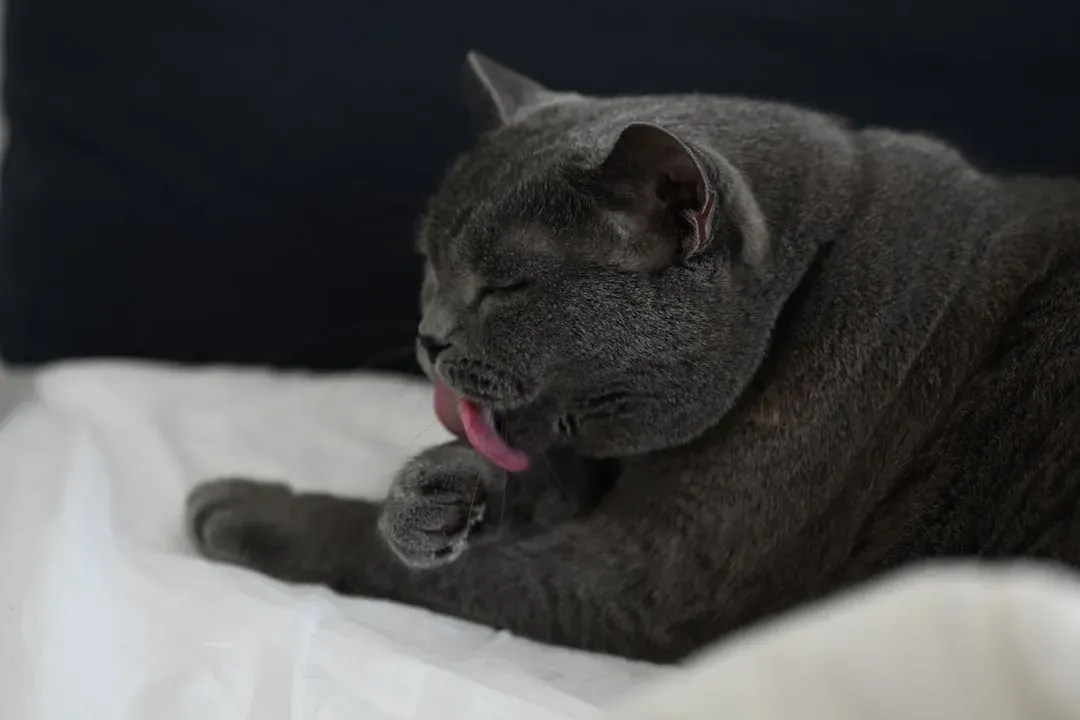
Once you start seeing your cat's grooming for what it truly is, you'll never look at those lazy licking sessions the same way again. The pace, the timing, the location, the intensity - they all tell a story. This important maintenance behavior can serve as a barometer of a cat's overall well-being. That's not poetic license. That's biology.
Slow, relaxed grooming after a meal? Your cat is blissfully content. Frantic licking after a tense encounter? That's stress speaking. Bald patches appearing on the belly? Time to see a vet. A rough, unkempt coat where there was once a glossy one? Something is wrong inside. Your cat may not speak your language, but it communicates volumes every single time it lifts that paw to its face. The question is whether you're paying close enough attention to listen. What has your cat's grooming been telling you lately?