7 Everyday Objects Your Cat Secretly Believes Are Their Own
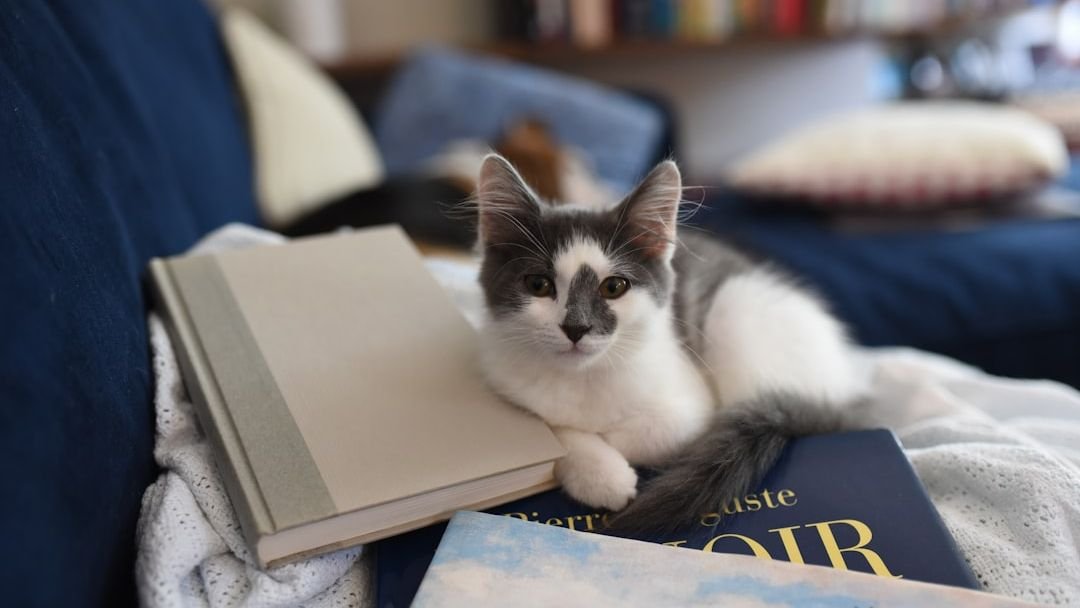
You share your home with your cat, but let's be real - your cat does not share the home with you. You simply live there, rent-free, in their gracious kingdom. Every corner, every surface, and every random object you've casually left on the couch has already been assessed, sniffed, sat on, and mentally filed under "mine." It's not rude. It's just feline logic.
The wildest part? There is real science behind all of it. The territorial claiming, the scent-depositing, the sheer audacity of sitting directly on your laptop while you're trying to meet a work deadline - it's all connected to deeply wired instincts that have survived thousands of years of evolution. You probably suspect your cat thinks everything belongs to them. You're not wrong. Let's dive in.
Your Laptop: The Warmest Throne in the Kingdom
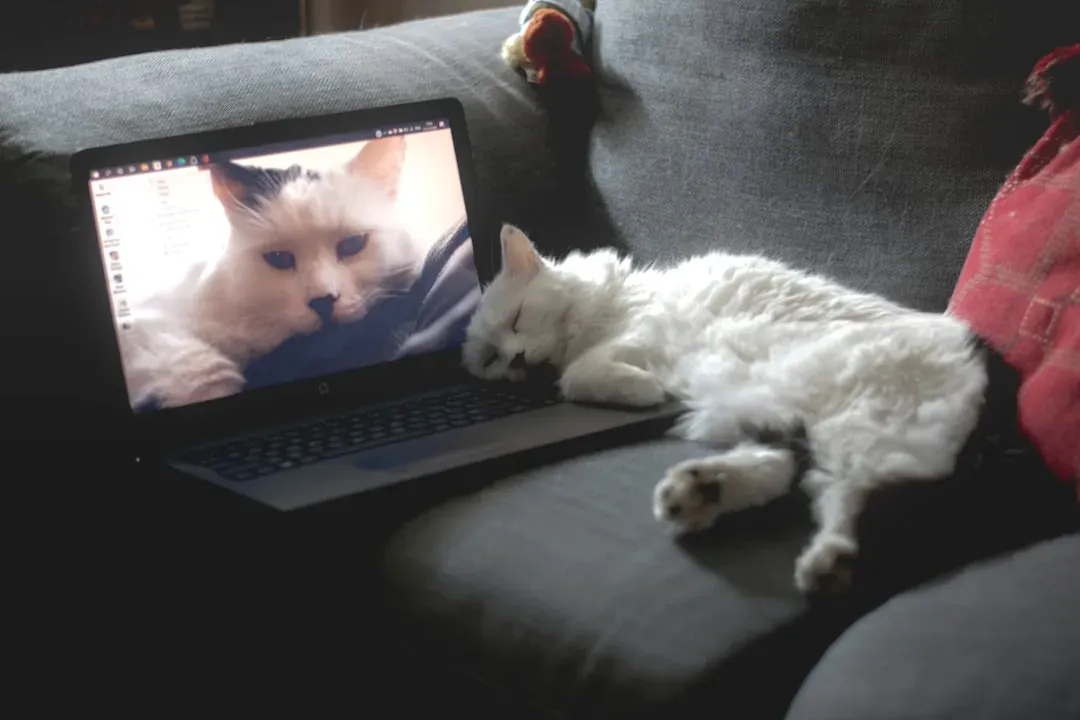
The moment you open your laptop, the clock starts. Give it approximately three minutes. Your cat is attracted to laptops and electronics primarily because of the warmth they generate and the attention you're giving to these devices. The combination of heat and your focus makes these items particularly appealing. Think of your laptop as a heated cat lounger you accidentally designed - you just forgot to tell anyone the original purpose.
Here's the thing, though: it goes deeper than comfort. While it's possible your cat may sit on your computer as they enjoy your scent, another explanation is more likely. It's more probable your cat wants to deposit its own scent and supplant yours. It's all about ownership - by doing this your cat is effectively saying "I own you!" The laptop was never yours to begin with. You were just keeping it warm.
Your Clothing: A Scented Sanctuary They Refuse to Vacate
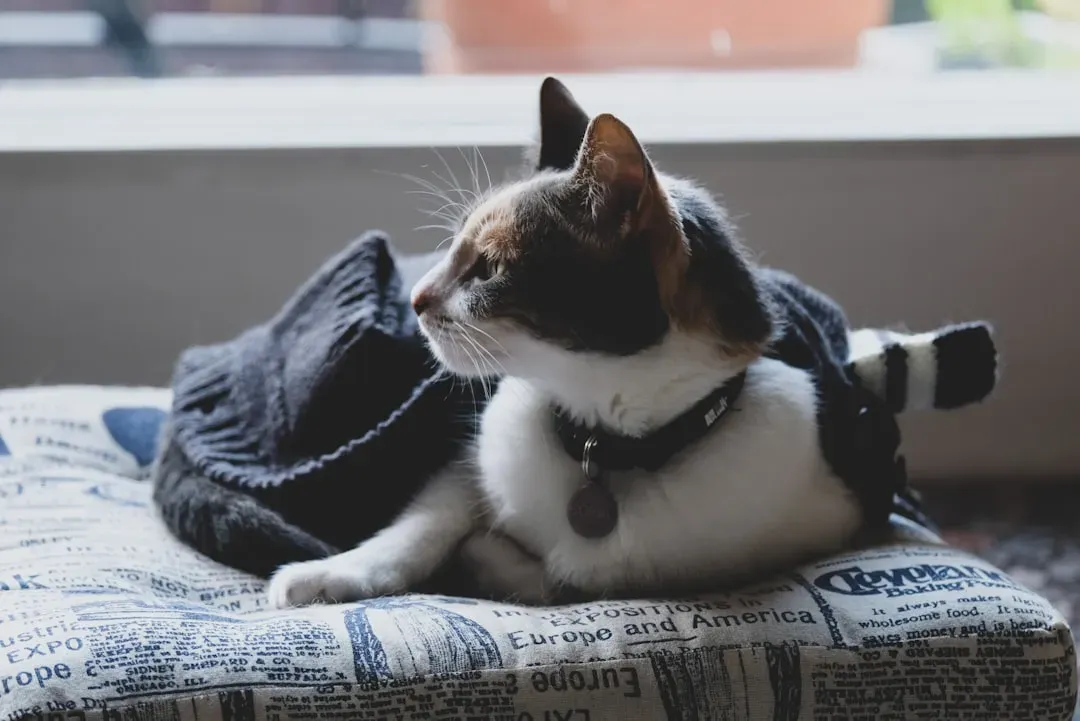
You fold a perfectly clean pile of laundry. You turn around for ten seconds. You come back to find a smug, fur-shedding creature planted dead center on your best sweater. Sound familiar? Cats lay on fabric for warmth, comfort, and to stake a claim to a familiar scent. It's not personal. It's territorial. Well, actually, it's deeply personal - that's sort of the whole point.
Cats sit on clothing because it smells like their owner, and in doing so they leave their scent back on those clothes, staking out their territory. Think of it like a scent exchange program, except you never agreed to enroll. Cats have scent glands on their paws, cheeks, and bodies, and lying on your clothing allows them to deposit their own scent alongside yours. Scent mingling is a form of social bonding in the feline world. You're not losing a sweater - you're gaining a declaration of love. Covered in fur.
Your Cardboard Boxes: A Fortified Castle, Not Packaging Waste
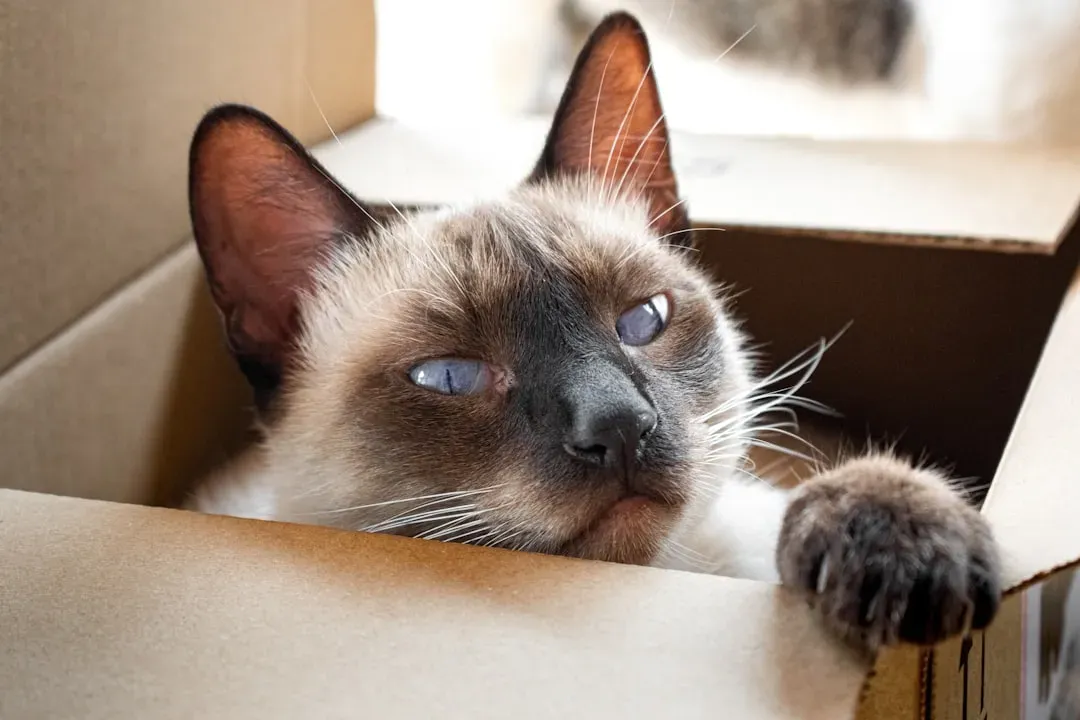
You order something online. The package arrives. You open it, set the box aside, and before you've even put the item away, there's a cat inside that box looking like they've always lived there. Cats are descendants of solitary hunters, and their wild relatives often seek out small, hidden spaces for shelter and safety. In the wild, these small hideaways protect them from predators and serve as a strategic vantage point for stalking prey. This survival instinct is deeply ingrained in the feline psyche. Boxes, with their enclosed spaces and limited access points, offer a modern-day equivalent to those hiding spots that wild cats utilized.
Honestly, the science behind this one is surprisingly fascinating. A study published in PLOS ONE showed that cats who came into a Dutch animal shelter for the first time utilized cardboard boxes given to them for comfort and to adapt to a new, scary situation. The study revealed that the cats suffered from chronic stress beforehand, and the boxes helped. Hiding enrichment decreases behavioral stress in shelter cats and offers some emotional protection. So next time your cat commandeers a shipping box, consider yourself their stress-management system. What's a plain cardboard box to you is a fortified castle to your cat.
Your Bed: Prime Real Estate They Will Not Negotiate Over
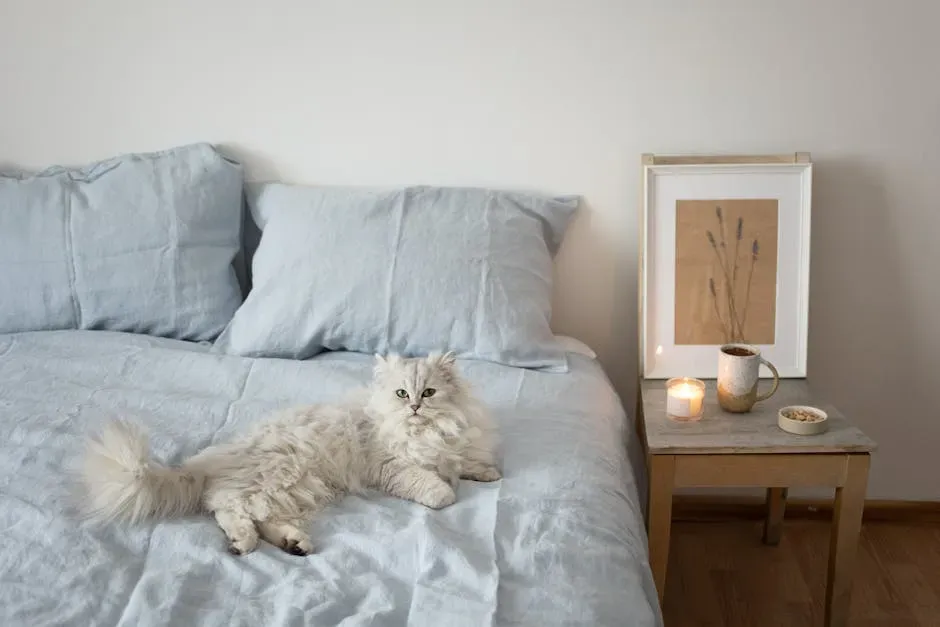
You pay the mortgage or the rent. You bought the mattress. You chose the thread count on those sheets. None of that matters. Cats have a slightly higher basal temperature than humans, and they are naturally drawn to warm areas for their slumber, so you'll often find them basking in the sun or curling up on warm surfaces. Your bed is essentially a giant heated pad and they intend to use it. All of it. Diagonally if possible.
Some cats enjoy sleeping on your bedding, blankets, and pillows, all of which carry your unique and familiar scent. These belongings are comfortable and warm, and thus the perfect spot for the feline to sleep, relax, and snuggle. There's also the matter of ownership signaling. When your cat sleeps with you, it signifies deep trust, safety, and affection. It's genuinely sweet, even if you wake up with four inches of mattress and a crick in your neck. I think of it as the most expensive cat bed in the world - and they didn't even have to pay for it.
Your Blankets: A Kneading Ground They've Already Claimed
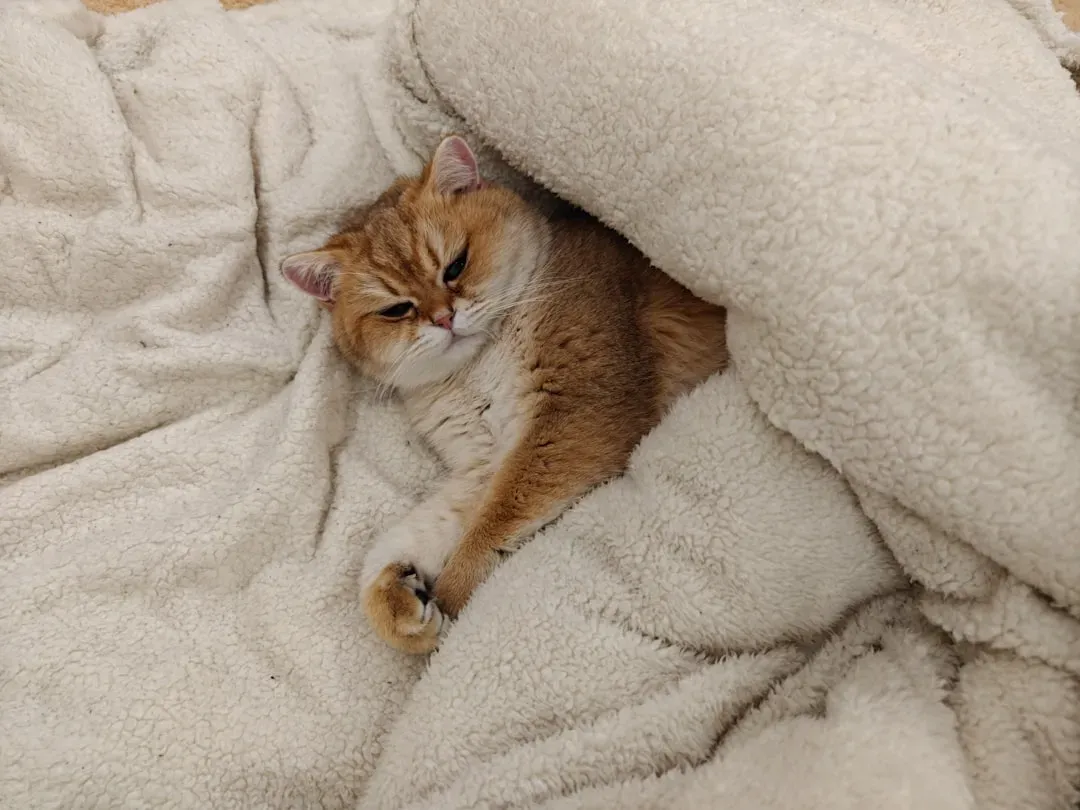
Watch your cat discover a freshly placed blanket on the couch. The ritual is immediate - slow, deliberate paw-pressing begins, that far-off gaze kicks in, and suddenly your living room has become a bakery. Cats have scent glands in their paws, and when they knead, they leave behind a subtle scent that marks the area as "theirs." This behavior is part of a cat's instinctual need to claim territory, and they may knead on blankets, furniture, or even their owner to create a familiar, comforting environment. It's a way for cats to mark their space and remind themselves that they're in a safe, familiar area.
The kneading behavior itself goes all the way back to kittenhood. Kneading is a behavior that begins in kittenhood. When kittens are nursing from their mothers, they knead their mother's belly to stimulate milk production. This action helps them nurse more efficiently, and it's a comforting and nurturing behavior. As adult cats, this instinct often persists. When your cat kneads a blanket, it may be a throwback to those early, comforting moments spent with their mother. Your cozy throw blanket is not just a blanket. It is a deeply personal emotional artifact - theirs now, filed under "permanent possession."
Your Newspaper or Book: Whatever You're Reading Right Now
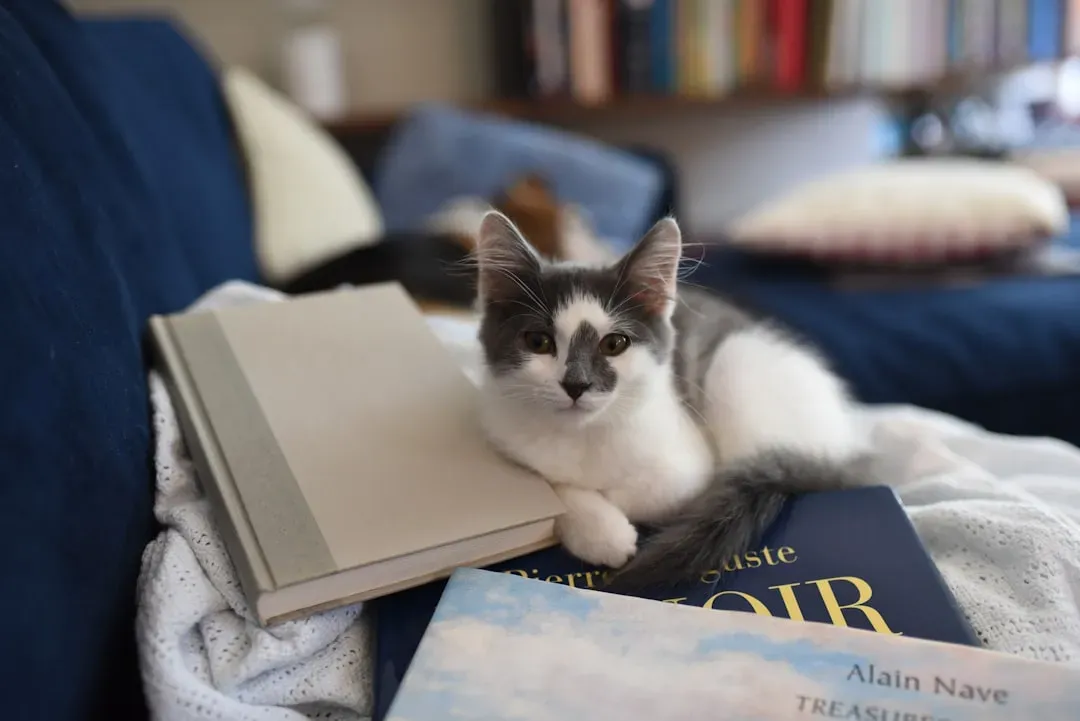
There's a very specific kind of audacity that only a cat can pull off - waiting until the exact moment you open a book, and then sitting squarely on it. Not nearby. On it. When your cat sits on your paperwork or books, they're typically seeking attention and trying to participate in your activity. This behavior also helps them feel included in your daily routine and marks these items as part of their territory. The attention-hijacking is very deliberate.
Books, notebooks, and papers absorb your natural scent over time. When your cat rests on them, they're surrounded by a familiar smell, which creates a sense of safety and emotional bonding. There's also a strategic element worth noting. Pet cats engage in attention-getting behavior, including sitting on anything their owner is using which is stopping them from attending to the cat's demands. If you've noticed that your cat only likes to sit on the book you were just reading and not any of the others, that's totally a thing. Your cat doesn't have picky taste in books - it's that they want the one you were just handling. You were warned.
Your Favorite Chair: The Throne Swap You Never Agreed To
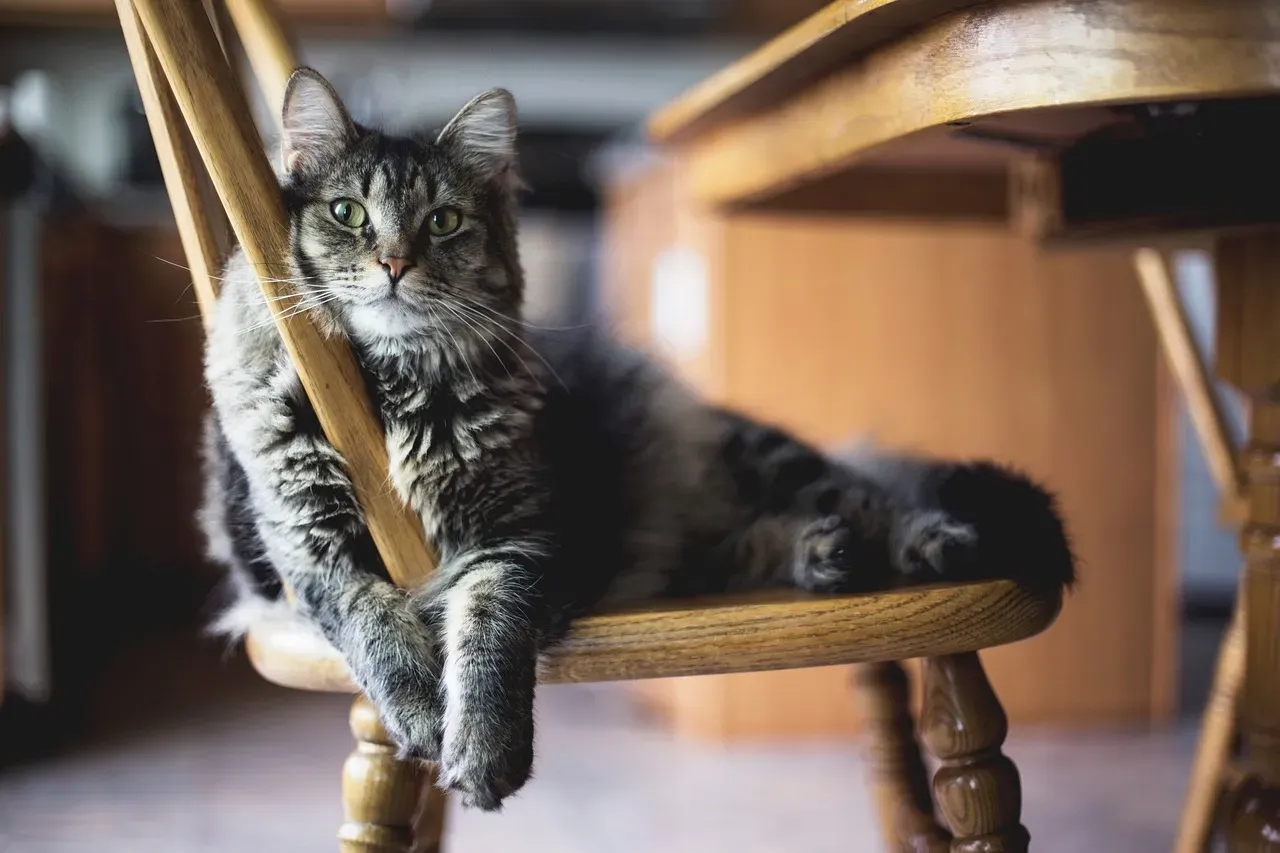
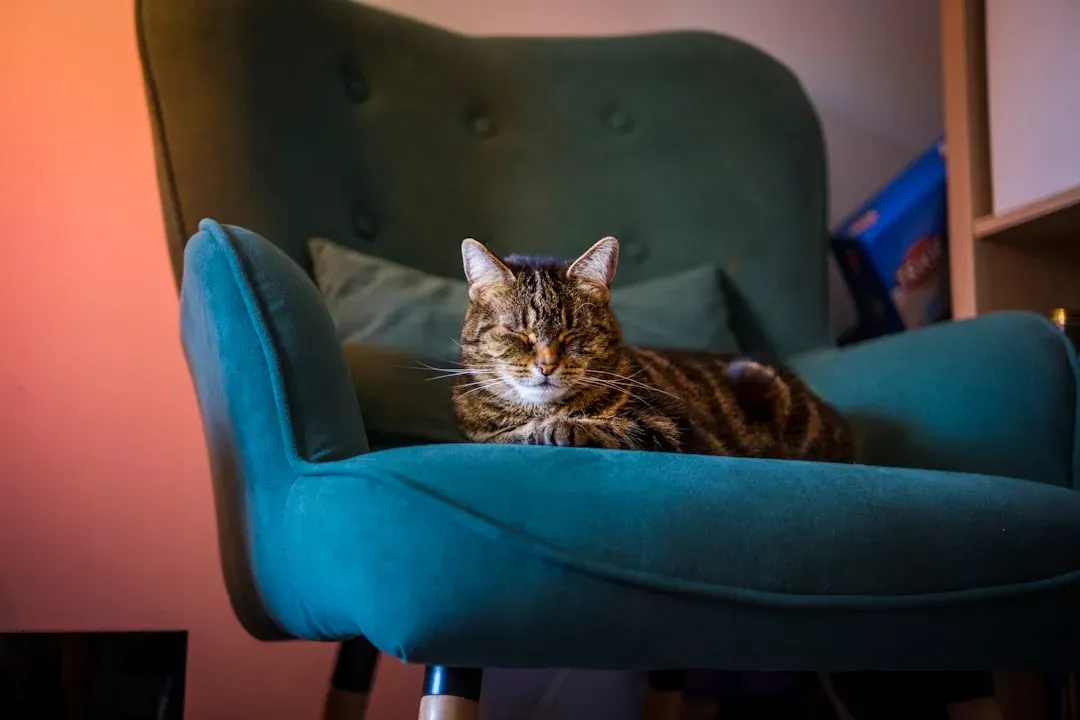
You get up to make a cup of coffee. You return to your chair. Your cat is in it. You stand there, cup in hand, silently renegotiating your status in this household. Cats generally like high places and are excellent climbers, a behavior that is genetic since cats are natural predators. A higher vantage point gives them a better view of their surroundings. Your chair likely offers elevation, warmth, your scent, and an excellent sightline across the room. From a cat's perspective, it is objectively the best seat in the house.
Cats use scent and pheromones to help organize their territory by marking prominent objects. If these objects or scents are removed, it upsets the cat's perception of its environment. This is why moving your cat's "claimed" chair even slightly can result in what feels like a passive-aggressive staring contest for the rest of the evening. Interestingly, in a household of multiple cats, the dominant cat usually occupies the highest perch. If your cat is in your chair, the message is very clear. You are not the dominant one.
Conclusion: You Don't Own These Things. You Never Did
Living with a cat means accepting a certain truth - one that is both humbling and oddly heartwarming. The reason your cat claims every object in your orbit comes down to instinct, territory, warmth, and, at its core, a deep attachment to you. Leaving their scent on your belongings is a way for cats to mark you as their own, and it's a sign of their affection and loyalty. They're not being selfish. They're saying you belong together.
Cats define their world through scent. Rubbing cheeks, scratching, and occupying your objects are all ways to claim territory. Every laptop invasion, every laundry takeover, every cardboard box conquest - it's all part of the same ancient language your cat is speaking. They just happen to be speaking it directly onto your clean sheets. Next time your cat parks themselves on your work documents with absolute zero apology, maybe take it as a compliment. In their world, that's the highest form of affection there is. So, what item in your home has your cat claimed most aggressively? Drop it in the comments - we'd love to know.