Feline Intuition: How Cats Sense Changes in Your Mood Before You Do
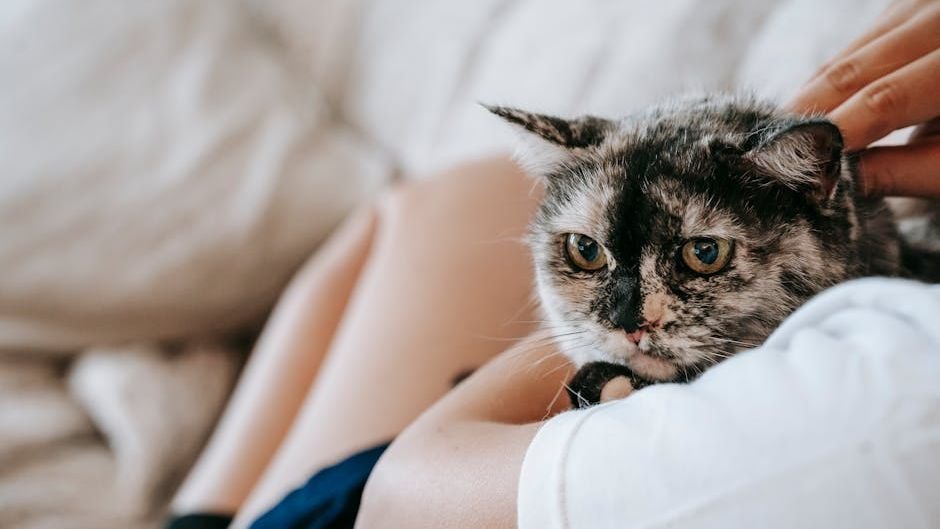
There's something quietly extraordinary about the relationship between a human and their cat. You might be sitting in silence, tension coiled inside your chest from a rough day, when your cat pads softly across the room and settles directly onto your lap. You didn't call them. You didn't move. Yet somehow, they knew. Honestly, it's the kind of thing that makes you stop and wonder whether your cat is simply an opportunistic napper or something far more perceptive.
Science is increasingly leaning toward the latter. Cats, often dismissed as aloof and self-serving, may actually be remarkably tuned in to the invisible emotional weather you carry around every single day. From the scent of your sweat to the subtle shift in your voice, your cat is reading you in ways you've never consciously noticed. So let's dive in and explore the fascinating, science-backed world of feline emotional intelligence.
The Science Behind Feline Emotional Awareness
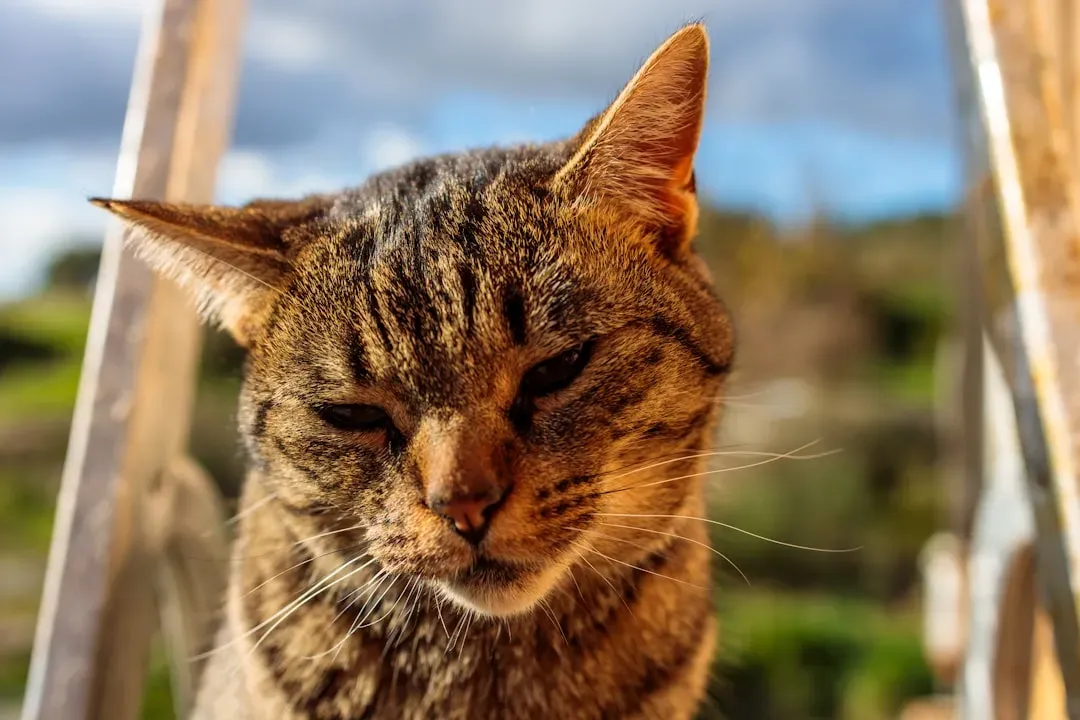
For years, cats got a bad reputation as emotionally disconnected creatures. Dogs were the empathetic ones. Cats, supposedly, just didn't care. That narrative, it turns out, was always a little unfair. Research demonstrates that cats integrate both visual and auditory signals to recognize human and conspecific emotions, and they appear to modulate their behavior according to the valence of the emotion perceived.
Think of it like a quiet superpower operating behind those half-lidded eyes. Contrary to earlier assumptions that cat sensitivity to human emotional cues is restricted to familiar owners' expressions, cats are actually able to recognize and interpret unfamiliar human emotional signals, suggesting they have a general mental representation of humans and their emotions. That's not a small thing. It means your cat isn't just recognizing you specifically. They understand human emotional language more broadly.
Reading Your Face Before You Speak
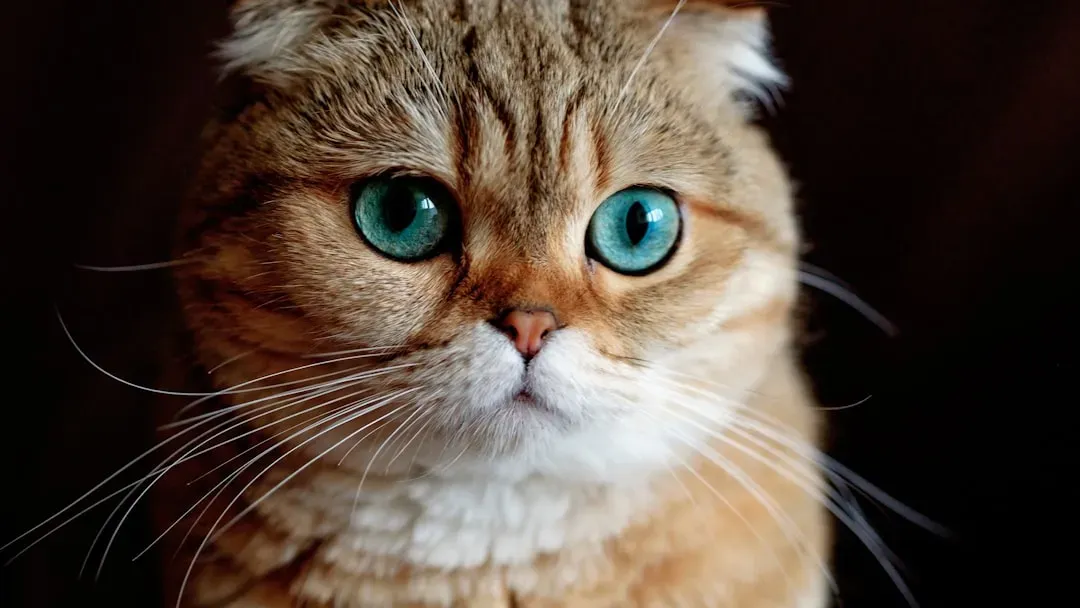
Your cat is watching your face more carefully than you probably realize. Cats use a range of cues to gauge how you are feeling, and according to a study from the University of Milan, cats can distinguish between different human facial expressions and may react differently based on what they read on your face. It's almost like being watched by a tiny, silent behavioral analyst who never takes notes but never forgets anything either.
Research has shown that cats react in different ways based on a human's facial expressions, suggesting they can read how you are feeling in a similar way that humans can read each other. Your cat is more likely to come to you if you are smiling, and if you avoid eye contact or are scowling, they are more likely to stay away. Let's be real. That's not random. That's pattern recognition at a sophisticated level.
The Power of Your Voice Tone
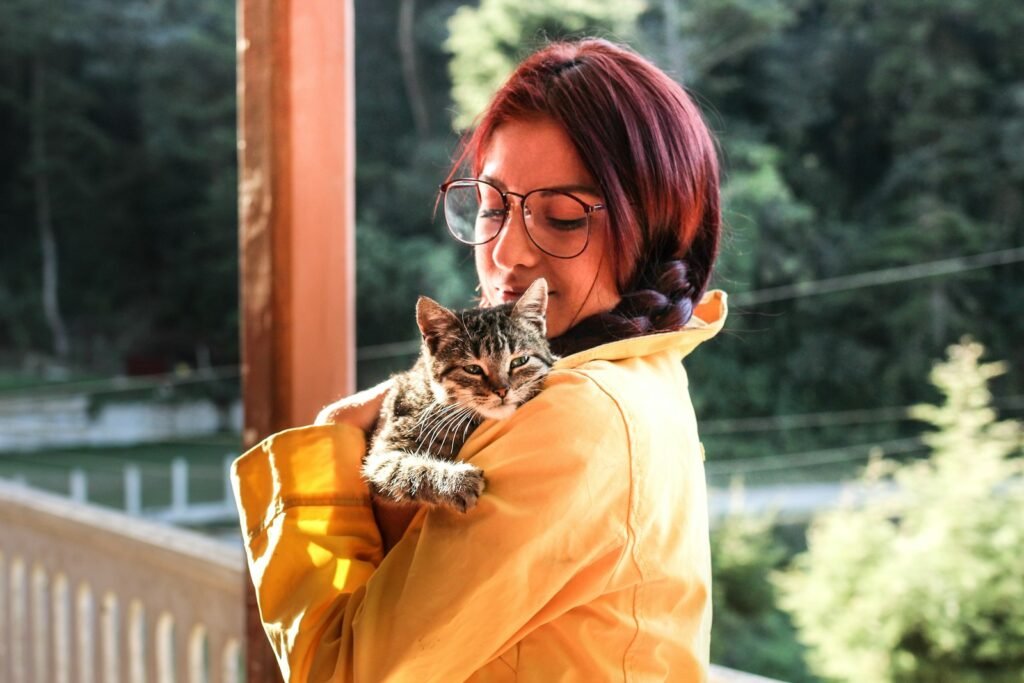
It's not just what you say but how you say it. Cats are sensitive to tonal changes in your voice, noticing when you are cheerful or when you are upset. Gentle tones might comfort them, while louder, sharp tones can make them dart for a hiding spot. Think about the last time you raised your voice in frustration. Your cat probably vanished. That's not coincidence.
Through thousands of years of domestication, cats have developed the ability to interpret cues from their owners, including vocal tone, responding differently to soothing tones versus angry or loud voices. This deep history of living alongside humans has essentially shaped cats into emotional interpreters. They've been paying attention to us for millennia, and they're genuinely good at it by now.
Smelling Your Fear, Stress, and Anxiety
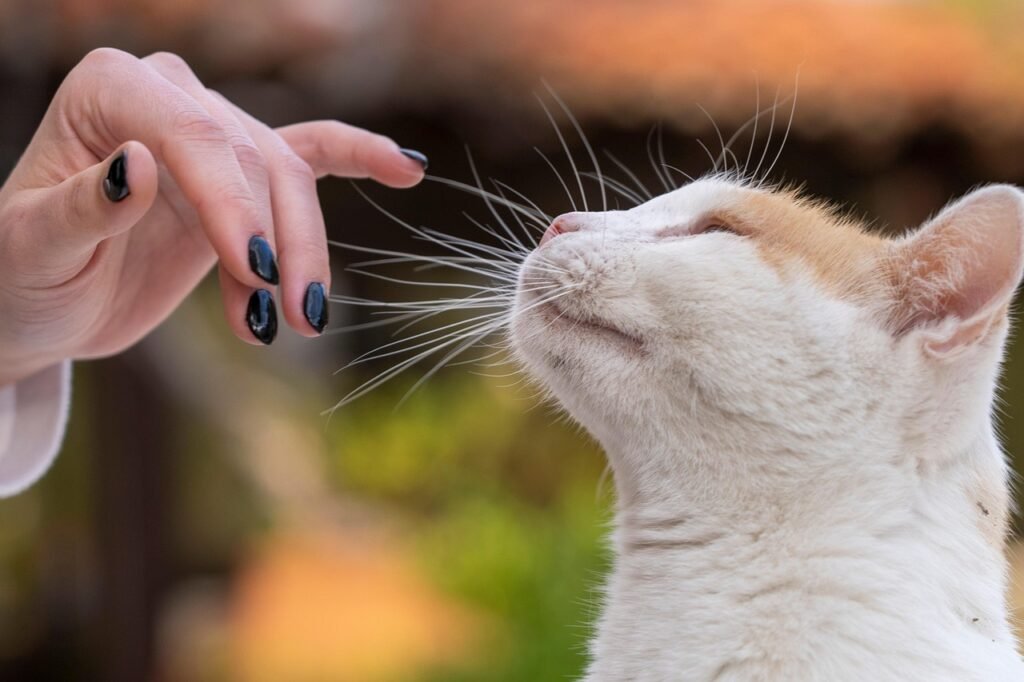
Here's the part that I think is truly mind-blowing. Your cat may literally be able to smell your emotional state. Cats have between 45 and 200 million scent sensors, while humans only have around 5 million. The sense of smell of the average cat is approximately 14 times better than that of a human. With that kind of olfactory firepower, detecting subtle hormonal changes in your body chemistry is almost trivial for them.
In a study where cats were presented with human odors collected in different emotional contexts including fear, happiness, physical stress, and neutral conditions, researchers found that fear odors elicited higher stress levels in cats than physical stress and neutral odors, suggesting that cats perceived the emotional information conveyed by fear olfactory signals and regulated their behavior accordingly. In other words, when you're scared, your cat can smell it. That's not mystical. That's biology.
Social Referencing: Following Your Lead in Uncertain Situations
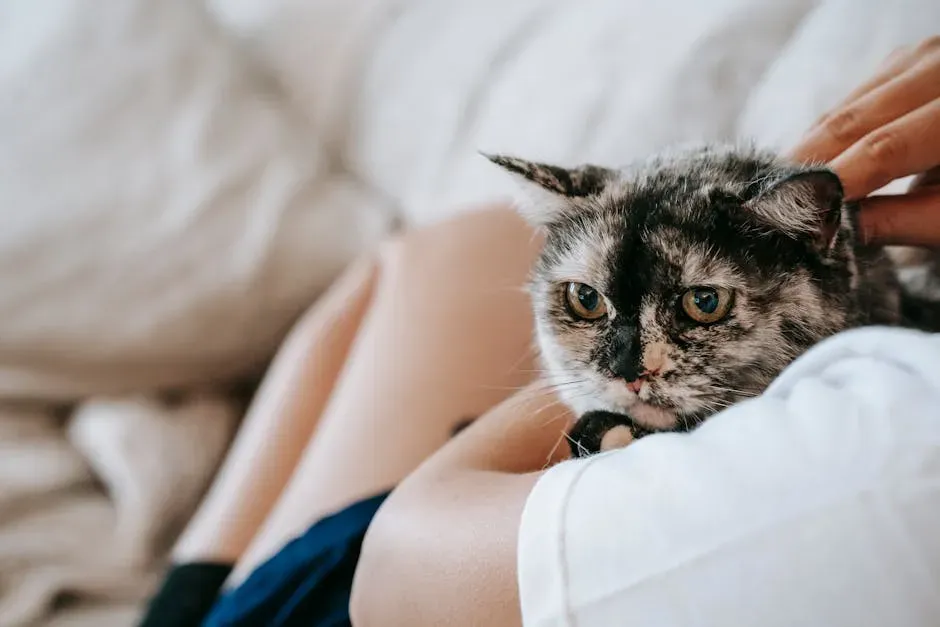
One of the most compelling discoveries in feline behavioral research involves something called social referencing. It's a concept that, until recently, scientists primarily associated with human infants and dogs. A study published in Animal Cognition showed that cats use social referencing by looking at their owners for signals. In the experiment, cat and owner pairs were placed inside a room containing fans with streamers to create uncertainty and anxiety. Half the humans were instructed to speak to their cats in a happy tone while looking at the fans, while the other half spoke in a fearful way.
Whether a happy or fearful tone was used, 80 percent of cats were seen looking at their owners first before trying to determine how to act toward the fan, and many cats based their behavior on the disposition of their owners at that time. That's remarkable. Your cat is essentially using you as an emotional compass, checking your reaction before deciding how to respond to something unfamiliar. They trust your emotional read of the world.
How Your Stress Physically Mirrors in Your Cat
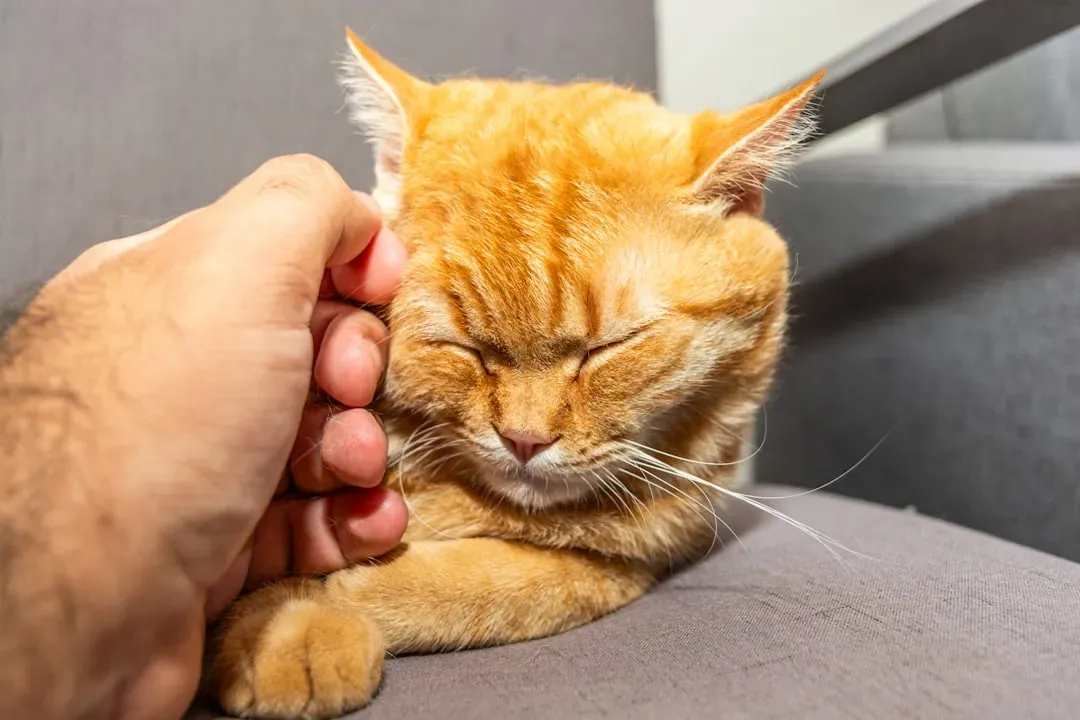
This is where things get genuinely surprising. Your emotional state doesn't just affect your cat's behavior. It can shape their overall health and wellbeing too. Researchers studying 3,331 cats and their owners found that cats mirrored their owner's wellbeing and behavior. Owners who were generally healthy and happy were more likely to report that their cats were healthy and happy, while owners who felt stressed and anxious were more likely to report that their cats were aggressive, anxious, or fearful, and had ongoing medical conditions.
Cats can discern the emotional condition of their caretakers, which makes it even more important to establish a respectful and positive bond with them. Assessing their bond, which is a complex interspecies dynamic, seems more complicated and important in cat behavior than previously thought. So the relationship flows both ways. You affect them. They affect you. It's a feedback loop of emotional energy, for better or worse.
Detecting Depression and Recognizing Sadness
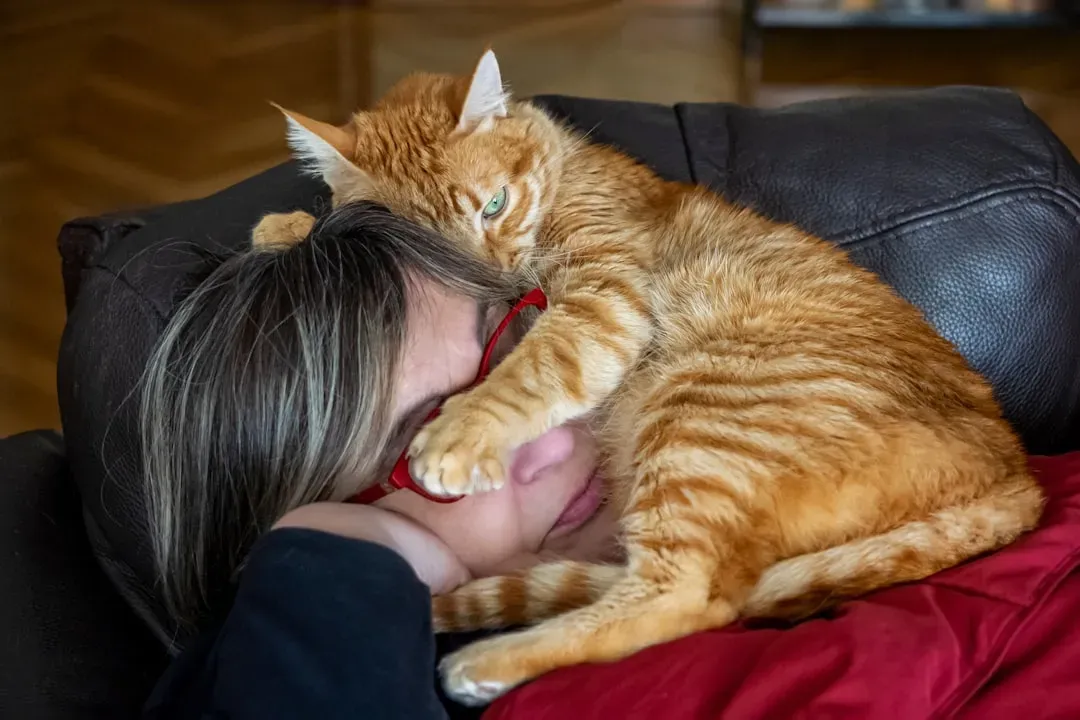
There's something deeply touching about the way cats respond to sadness. Studies indicate that cats can sense depression and spend more time with people who are depressed. However, they likely cannot understand that what you are feeling is depression. Nonetheless, they likely do know that something is off. It's a humble but meaningful distinction. Your cat isn't diagnosing you. They're simply noticing that something has changed, and responding with presence.
One study published in the journal Animal Cognition found that cats can recognize human facial expressions paired with vocal tones. When their owner was happy, the cats tended to exhibit more social behaviors such as purring, rubbing, or sitting on the owner's lap. Conversely, when owners exhibited sadness or anxiety, cats often became more withdrawn or, in some cases, more nurturing, displaying comforting behavior by staying close or kneading. That kneading, by the way, is not accidental. It's a comfort gesture rooted deep in feline instinct.
Cats as Emotional Mirrors: Reflecting What You Feel
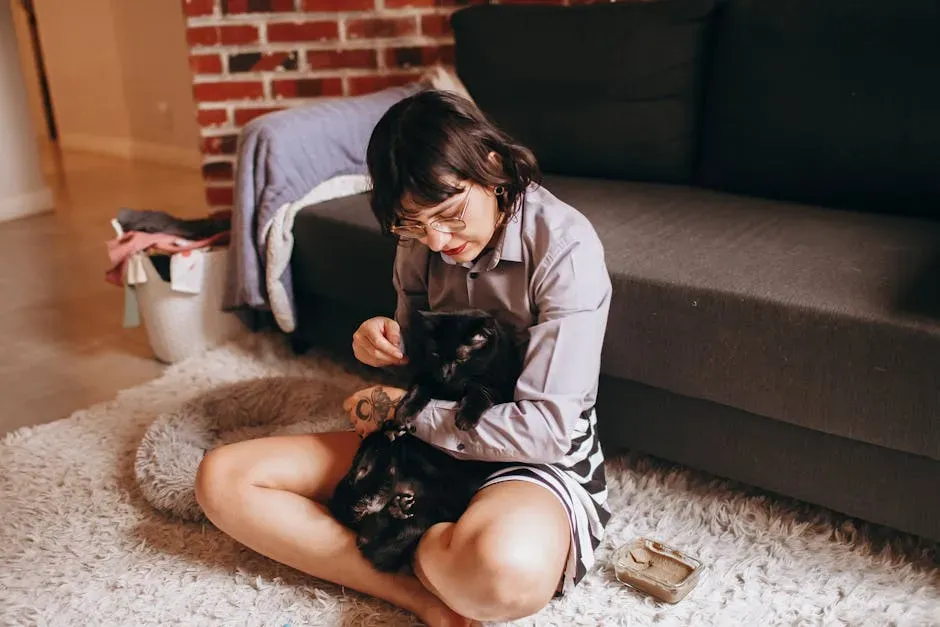
Have you ever noticed that on the days you feel tightly wound and restless, your cat seems unusually skittish too? That's not random. Often, cats will mirror their owner's mood, so if you are stressed, it is likely your cat will feel stressed too. It's similar to how you might unconsciously adopt the emotional tone of the room you walk into. Cats absorb the ambient emotional atmosphere of their home environment.
Some cats will pick up on your stress and become anxious themselves, especially if their routine changes or you interact with them differently. This can manifest as inappropriate toileting, hiding away, changes to appetite, overgrooming, or other signs of feline stress. Here's the thing. Recognizing that your cat is mirroring your distress can actually be a useful early signal for you too. Your cat might be showing you something important about your own inner state before you've consciously acknowledged it.
The Healing Frequency of a Cat's Purr
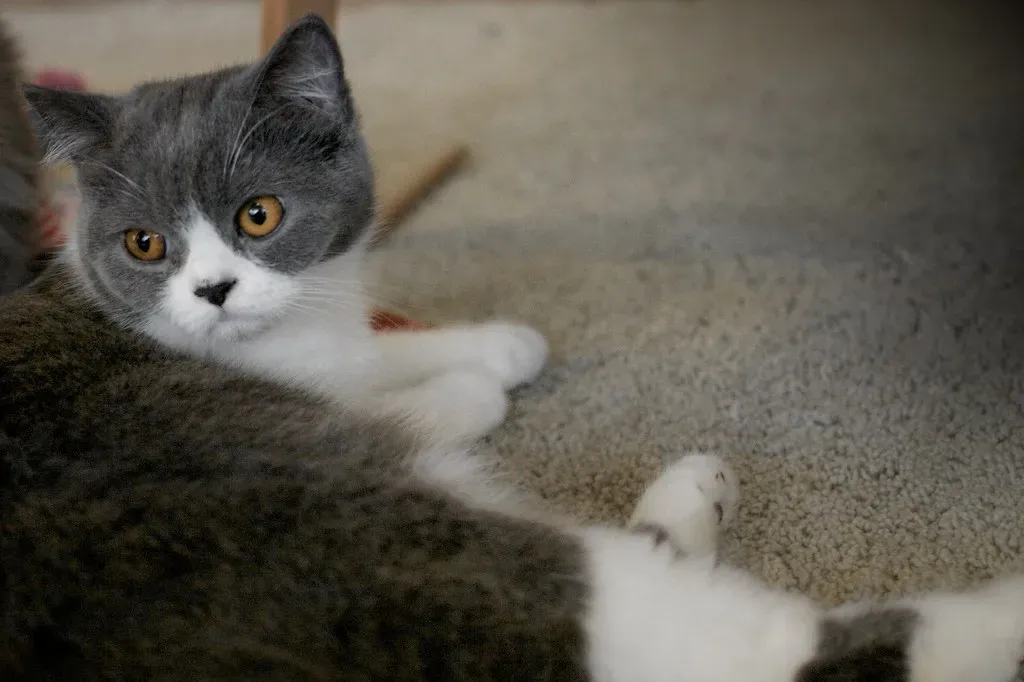
When your cat senses your distress and settles in close, purring against your side, something genuinely therapeutic happens. Research suggests that the frequency of a cat's purring, typically between 25 and 150 hertz, could have therapeutic effects on the body and mind. That range of vibrations is not arbitrary. It sits squarely in a therapeutic zone that scientists have been studying for years.
The soothing vibrations of a cat's purr can help regulate the autonomic nervous system, which controls involuntary bodily functions like heart rate and breathing. By lowering stress and triggering the body's relaxation response, purring promotes a sense of calm, balance, and emotional well-being. So when your cat curls up and purrs beside you during a low moment, they're essentially offering you a living, breathing sound therapy session. I find that idea genuinely beautiful.
Strengthening the Bond: What You Can Do
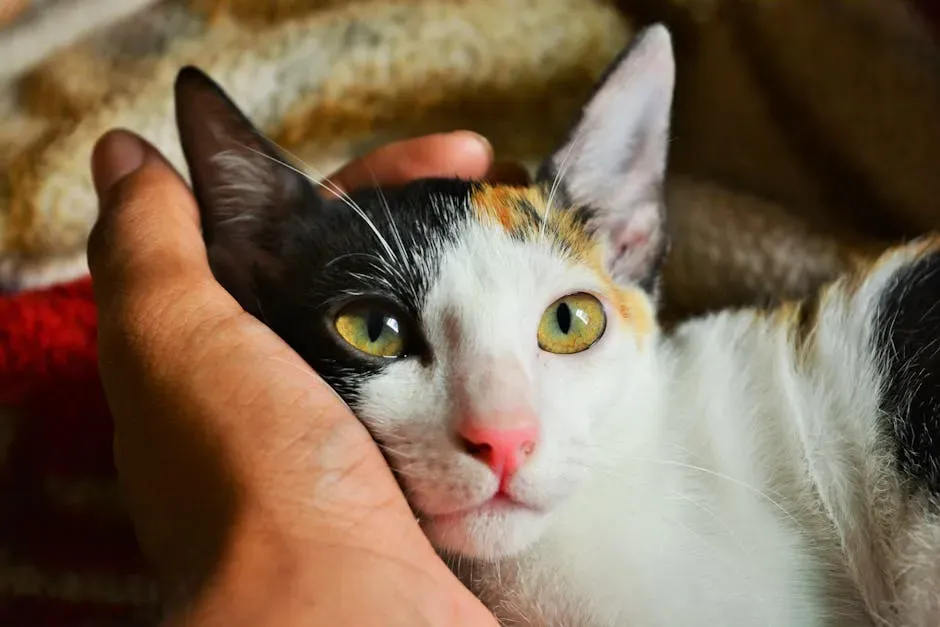
Understanding that your cat reads your emotions so sensitively opens up a new dimension in the relationship. A cat's sensitivity to humans is often tied to the strength of the bond between pet and owner. Cats that have been well-socialized and have had consistent interaction with their owners tend to be more attuned to emotional shifts, and indoor cats who spend more time with their humans are generally more responsive than outdoor or feral cats. It's a relationship that rewards investment and consistency.
Many scientific studies have proven that cat ownership has tangible health benefits. Cat ownership can help lower your blood pressure and heart rate, reduce stress throughout your body, calm anxious or negative moods, and provide a companion that offers comfort and stability. The emotional exchange between you and your cat is not one-sided. Spending time with your cat or simply being in their presence may also release the hormone oxytocin, flooding your brain with an improved mood and signals to relax or let go of stress.
Conclusion
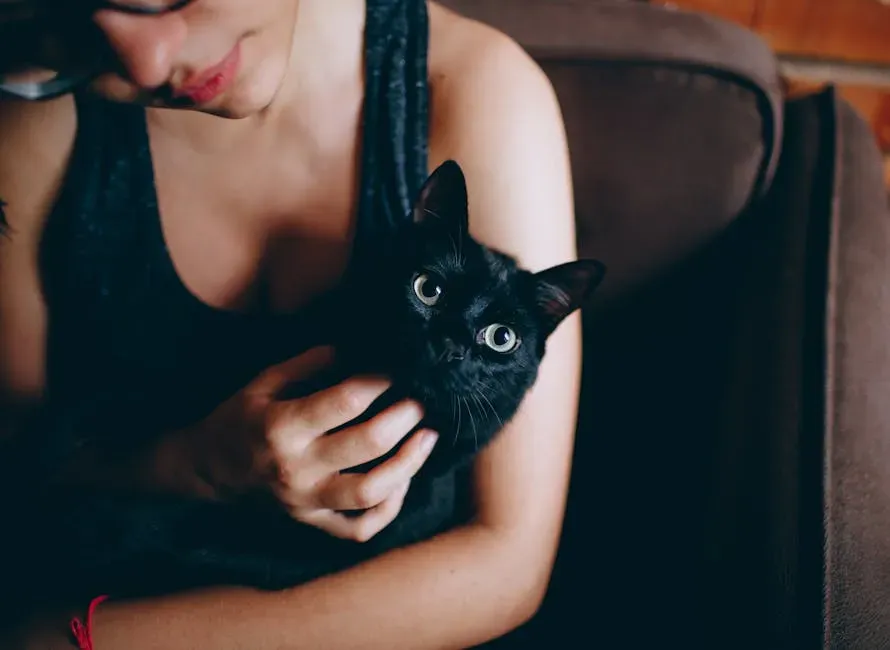
Your cat is not simply a passive presence lounging in a patch of sunlight. They are an active, perceptive observer of your emotional world, quietly reading your face, your voice, your scent, and your body language in ways that even modern science is still piecing together. The ancient bond between humans and cats runs far deeper than we give it credit for.
What's perhaps most striking is this: your cat often senses the shift in your mood before you've even processed it yourself. They notice the slight flatness in your voice, the change in your scent when cortisol rises, the way your shoulders tighten. In that quiet, intuitive way, they offer what they can. A warm presence. A purr at the right frequency. A gentle paw on your hand.
The next time your cat appears without explanation during a hard moment, consider that they may have noticed something important about you long before you thought to look. How well do you really know your cat's emotional intelligence? Think about it the next time they show up precisely when you need them most.