You probably think your cat doesn’t notice the little things. The way you soften your voice when you call their name. The moment you pull your hand back just before they’re ready to bite. The quiet ritual of placing their food down at the same time every single morning. Honestly, cats notice everything. They’re just subtle about showing it.
Felines have built a reputation for aloofness, but that’s a deeply unfair read of an incredibly nuanced creature. The truth is, your cat is reading you constantly, registering every microexpression, every shift in your posture, every change in your tone. The smallest gestures are not small to them at all. They’re the whole language. Let’s dive in.
The Slow Blink: Your Cat’s Version of “I Love You”
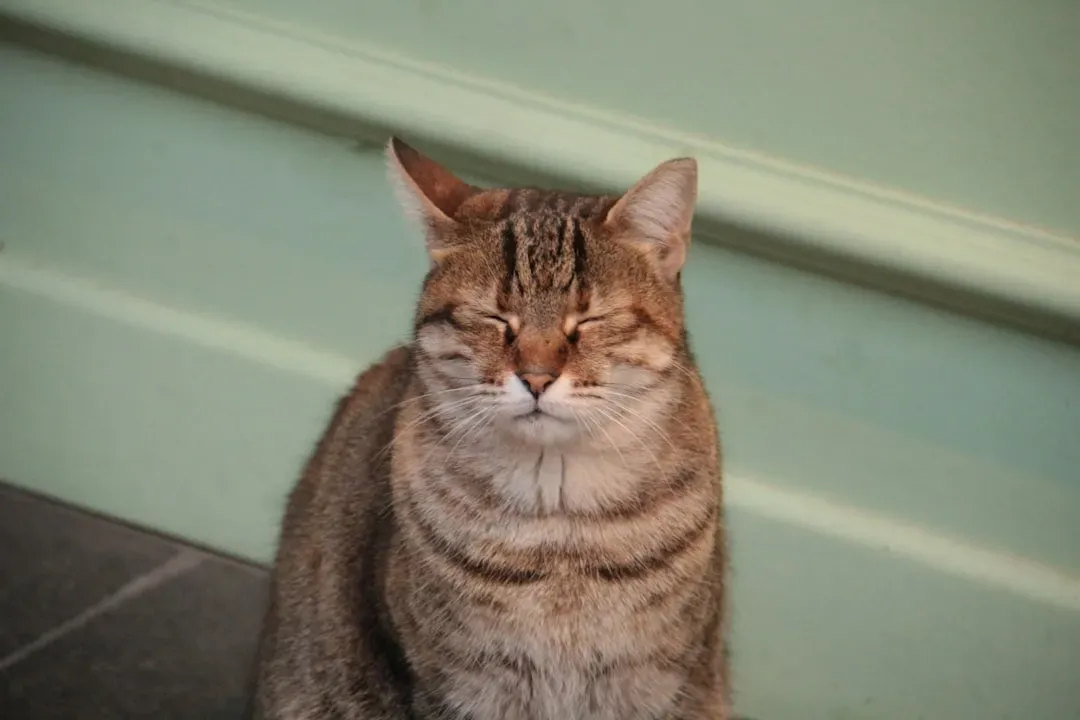
If you’ve ever caught your cat looking at you from across the room, eyes half-closed, blinking slowly like they have all the time in the world, consider yourself lucky. Slow blinking is one of the most heartwarming signals in cat body language, and it is often called a “cat kiss,” reflecting trust and deep relaxation. It sounds almost too simple to be meaningful, but in feline terms, it’s the equivalent of a long, sincere hug.
Research at the University of Sussex shows evidence that cats perceive human slow blinking in a positive way, suggesting it can be used as a genuine method of cat and owner communication. So next time your cat offers you that drowsy gaze, try it back. You can return their gesture by blinking slowly back at them, and it’s a great way to strengthen communication between you. It’s almost poetic that one of the most powerful things you can do for your cat requires nothing but a moment of stillness.
Speaking Softly Changes Everything
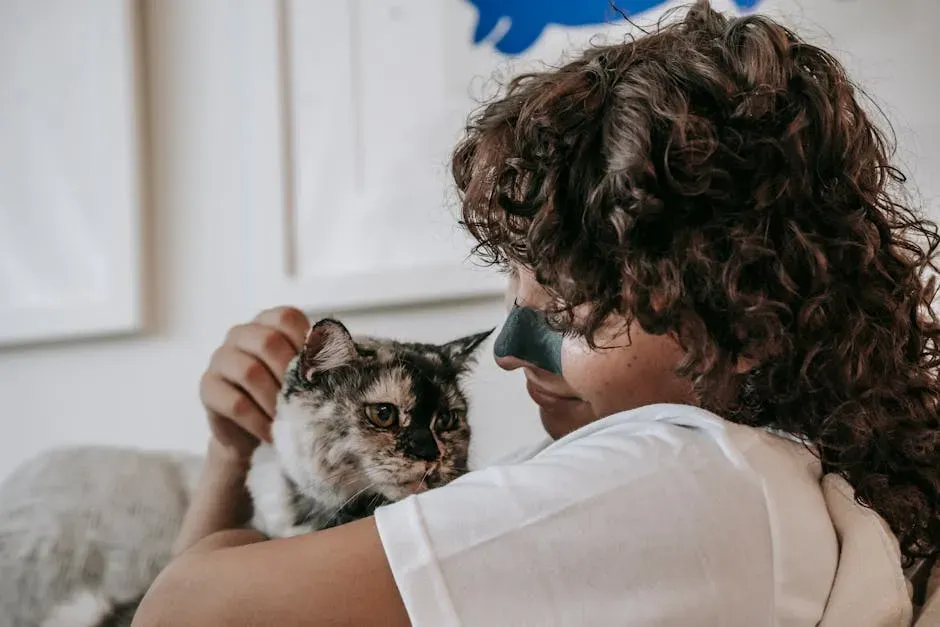
Cats have earned a reputation for being hard to read, but it’s not their fault. They just communicate differently than humans, and with their posture, tails, ears, eyes, whiskers, and vocalizations, they signal whether they’re comfortable or not. One thing that plays a surprisingly big role in their comfort level is the tone of your voice. A high-pitched, rapid burst of sound can feel alarming to a cat, while a calm, low murmur reads as safe and familiar.
Mimicking your cat’s communication by speaking softly or sitting nearby without reaching out reassures your cat that you’re part of their trusted circle. Think about it like this: imagine how you feel when someone lowers their voice and leans in calmly versus when someone speaks sharply from across the room. Your cat experiences something very similar. The gentle consistency of a soft voice is a gift you give your cat every single day without even realizing it.
Letting Your Cat Come to You First
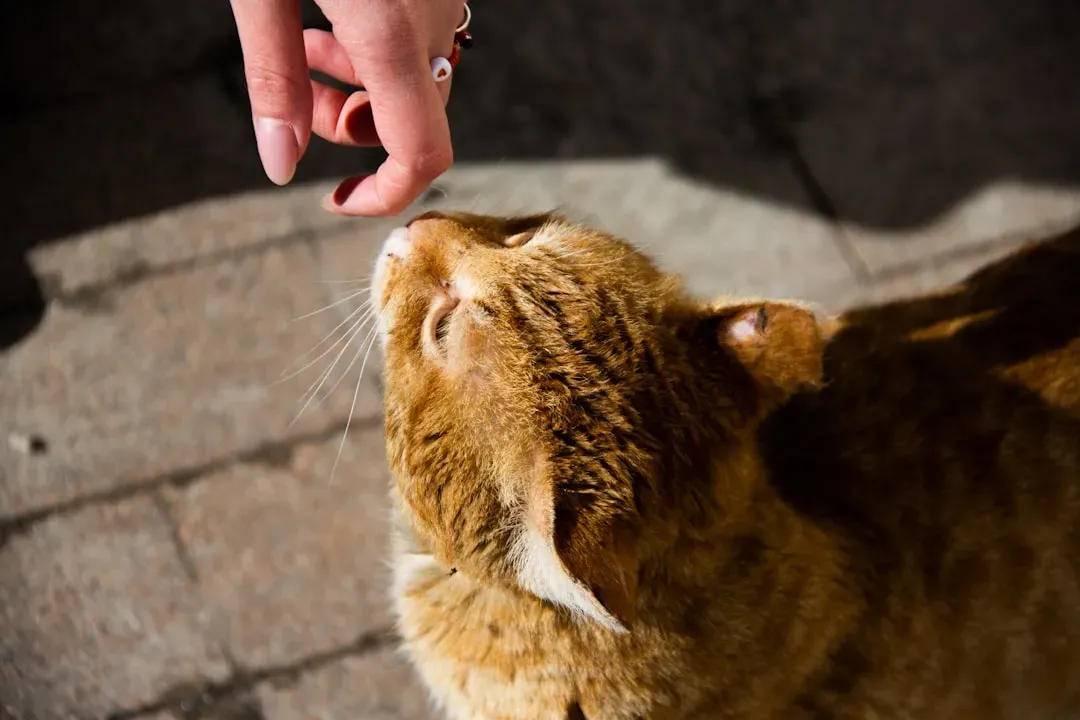
Here’s the thing: one of the most loving things you can do for your cat is absolutely nothing. Cats are famously independent, and if you try to rush the process of physical contact, it might scare them off. Letting a cat approach you first is the foundation of respectful bonding. This applies whether you’re meeting a new cat or simply trying to reconnect with your own pet after a stressful day for them.
Trust is the foundation of a strong human-cat relationship. Starting by creating positive experiences your cat associates with you, and gently focusing on areas they enjoy, while avoiding sensitive spots until trust is established, builds a lasting bond. Letting your cat set the pace isn’t passivity. It’s actually one of the most active forms of respect you can offer them. When your cat walks toward you on their own terms, that tiny choice is enormous.
Petting in All the Right Places
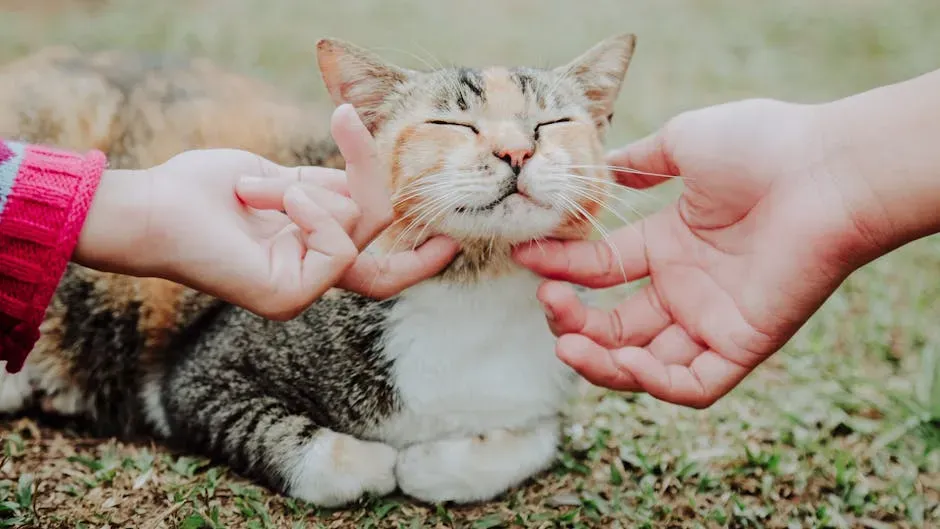
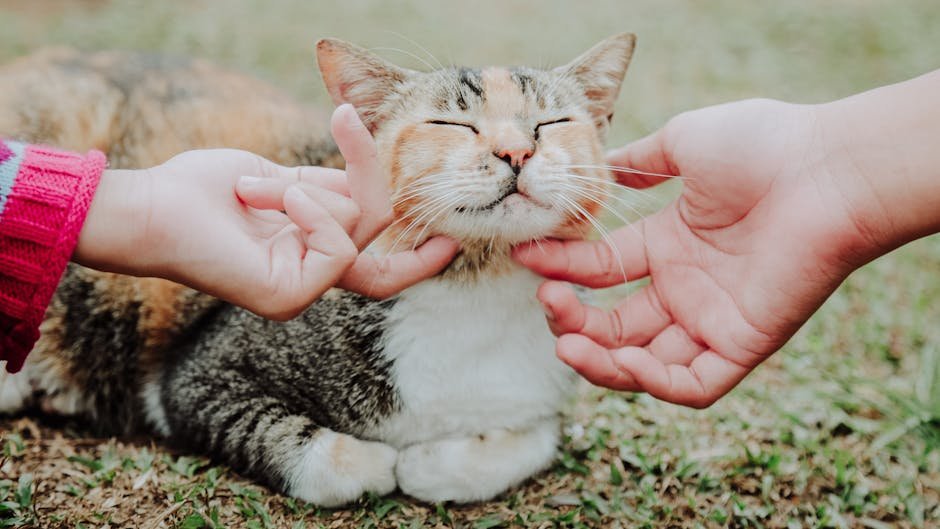
You’d think that petting a cat is straightforward enough. It’s not. The safest and most universally enjoyed spots are the head, chin, cheeks, and behind the ears, since these areas contain scent glands and are typically less sensitive to overstimulation than other body parts. When you hit those spots just right, you’re not just being affectionate. You’re activating something deeply biological in your cat that goes all the way back to their earliest moments of comfort.
When cats receive gentle petting from their trusted humans, their bodies release oxytocin, often called the “love hormone,” and this chemical reaction mirrors what they experienced during maternal grooming as kittens, creating feelings of pleasure and security. On the flip side, cats will let you know when they are done, and respecting their need for space by keeping petting sessions short prevents them from becoming overstimulated or overwhelmed. Short, sweet, and intentional. That’s the secret.
The Power of a Consistent Daily Routine
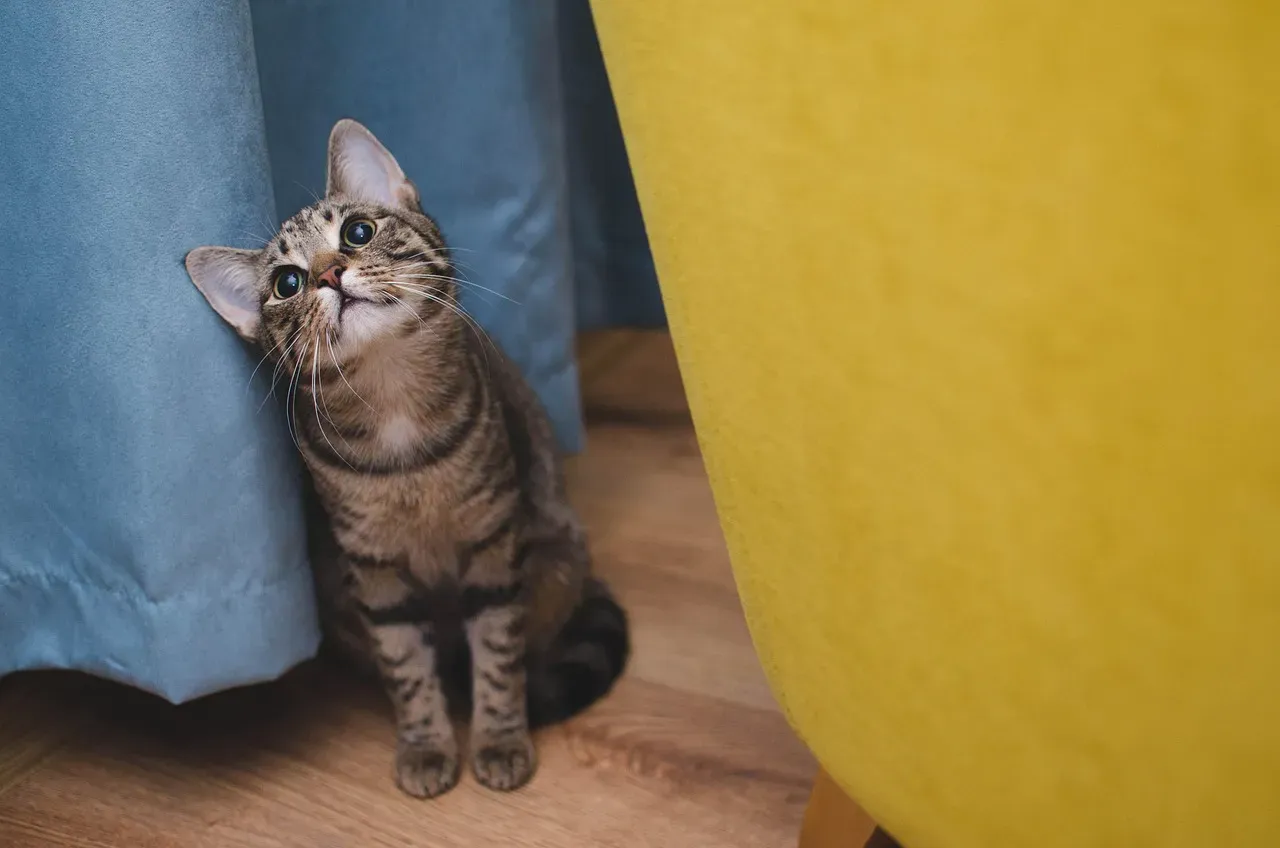
Cats are creatures of pattern. I know it sounds almost boring, but the rhythm of your day is genuinely comforting to your feline companion. Cats love routine and respond positively when they know their needs are met and their signals are respected. The moment you reach for the food bowl at the usual time, your cat is already weaving around your ankles because they knew it was coming. That predictability is a form of love they understand instinctively.
Cats respond well to predictable routines, and feeding, playing, and interacting at regular times each day reinforces trust and security, teaching your cat that spending time with you is both fun and safe. Think of routine as invisible reassurance. You don’t have to say a single word. Just show up at the same time, do the same gentle things, and your cat quietly catalogs all of it as evidence that you are trustworthy. Few gestures feel smaller but mean more.
The Head Bump and What It Really Means
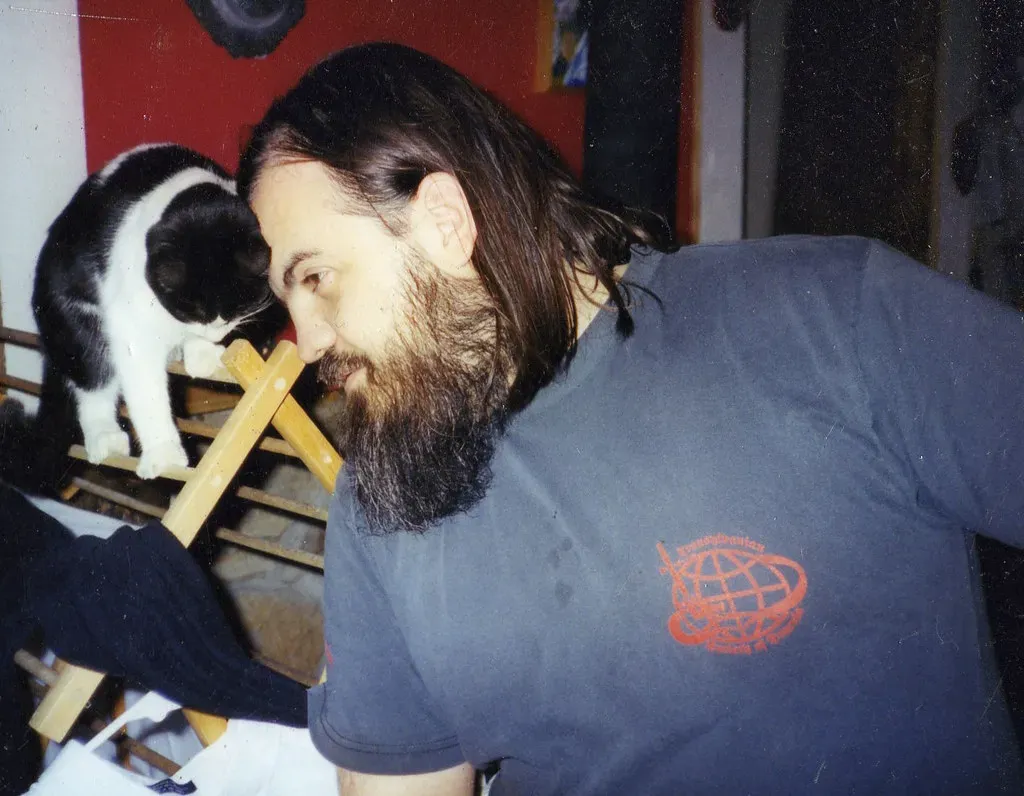
That moment when your cat walks up and plants their forehead right into your shin or the side of your hand, then rubs against you? That’s not accidental. Cats sometimes “head-bump” humans or other cats with the front part of the head in a behavior referred to as “bunting,” which has an olfactory component since there are scent glands in this area of the body. In the simplest possible terms, your cat is marking you as theirs. That’s enormous trust, wrapped up in something that lasts about three seconds.
When cats rub their face against you, they’re marking you with their scent as a way of saying you’re part of their family. Scent rubbing behavior is often seen as a sign of friendliness and can lead to positive interactions with the cat, since when a cat rubs against a person’s hand, it transfers scent pheromones which have a calming effect on the cat. So when you let your cat do this without pulling away, without reacting with surprise, you’re essentially whispering back: “Yes. I’m yours. You’re safe.”
Reading the Tail and Responding With Care
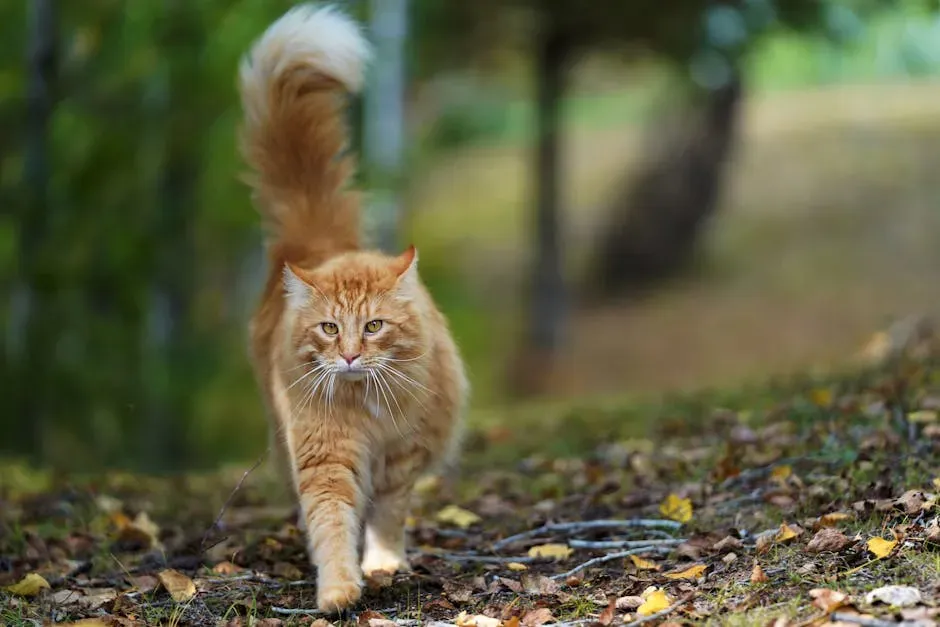
A cat’s tail is a powerful communication tool, and each tail position conveys distinct messages. A tail held high as your cat trots toward you is one of the best things you’ll see all day. A high tail position is associated with relaxation and confidence, and your cat will likely have a high tail when in a familiar environment and when coming to greet you. Noticing this and responding calmly, maybe with a gentle greeting of your own, reinforces the whole exchange beautifully.
On the other end of the spectrum, when a cat is afraid, they try to make their body as small as possible, and a tucked tail makes them a tinier target while showing you they’re not comfortable with whatever is happening. The small gesture of recognizing this and simply backing off, without frustration, without pushing the interaction, is one your cat will register deeply. Respecting a cat’s body language is essential in establishing a trusting relationship, and by observing and interpreting their tail movements and behaviors, you lay the foundation for a deep, long-term connection.
The Gift of Sitting Near Without Demanding Attention
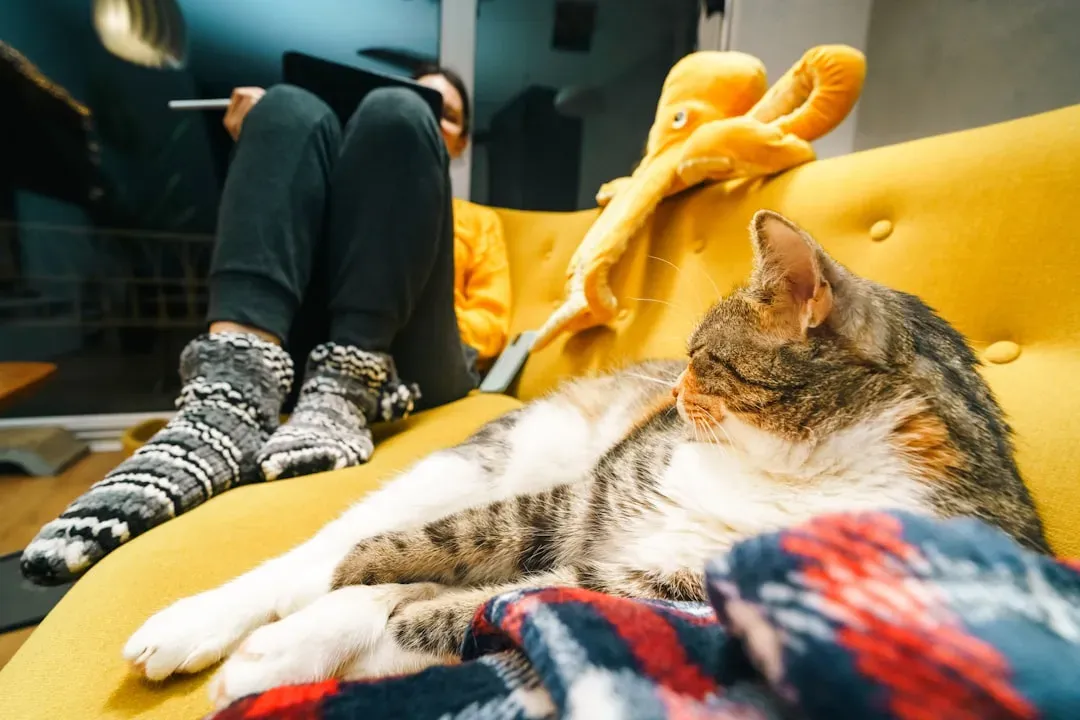
There’s a particular kind of companionship that cats absolutely treasure, and it requires almost nothing from you. Just your presence. A cat stretched out on its side with paws loose and body extended feels comfortable and secure, and another common relaxed pose is lying belly-up, which reflects total trust. When your cat chooses to come lie near you while you work, read, or watch something, they are expressing something profound in the quietest possible way.
When you start noticing patterns in your cat’s behavior, you’ll begin to anticipate their moods, and that’s where real bonding happens. Sitting near your cat without immediately reaching to pet or engage them teaches them that your proximity is safe, not demanding. It’s a bit like being the friend who doesn’t require you to be “on” the whole time. Spending a little time each day just watching and interacting with your cat can go a long way toward building a strong bond. That quiet presence is an underrated gesture of love.
Understanding Kneading and Welcoming It
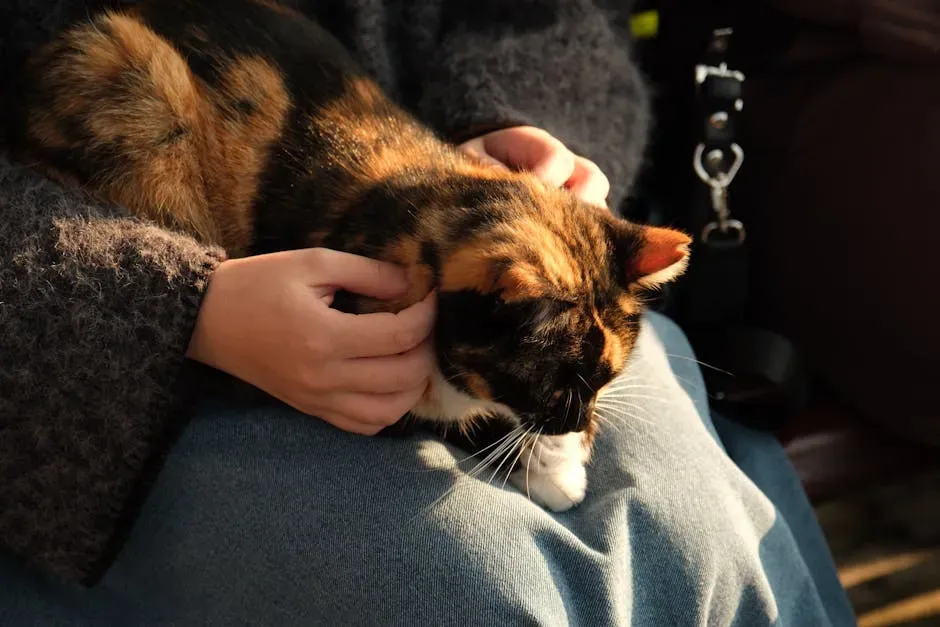
If your cat climbs onto your lap and starts rhythmically pushing their paws in and out like they’re preparing bread dough, congratulations. You’ve arrived. Kneading, or “making bread,” is a rhythmic paw movement that indicates happiness or contentment, and it originates from kittenhood where kittens knead to stimulate milk flow during nursing. It’s one of the most emotionally loaded behaviors a cat can show you, rooted in the earliest feelings of warmth and nourishment they’ve ever known.
When your cat spends time cuddling on your lap and kneading, it’s a sign of enjoyment because it mimics feeding behavior in nursing kittens, and you’ll probably hear your cat purring too, which is a classic sign of contentment. The small gesture on your part is simply to allow it. Sit still, don’t shoo them away, and let the moment happen. Kneading can be your cat’s way of bonding with their humans, marking their territory, or relieving stress. Whether it hurts a little or not, that kneading is one of the most sincere compliments a cat can offer you.
Conclusion: Every Little Thing Adds Up
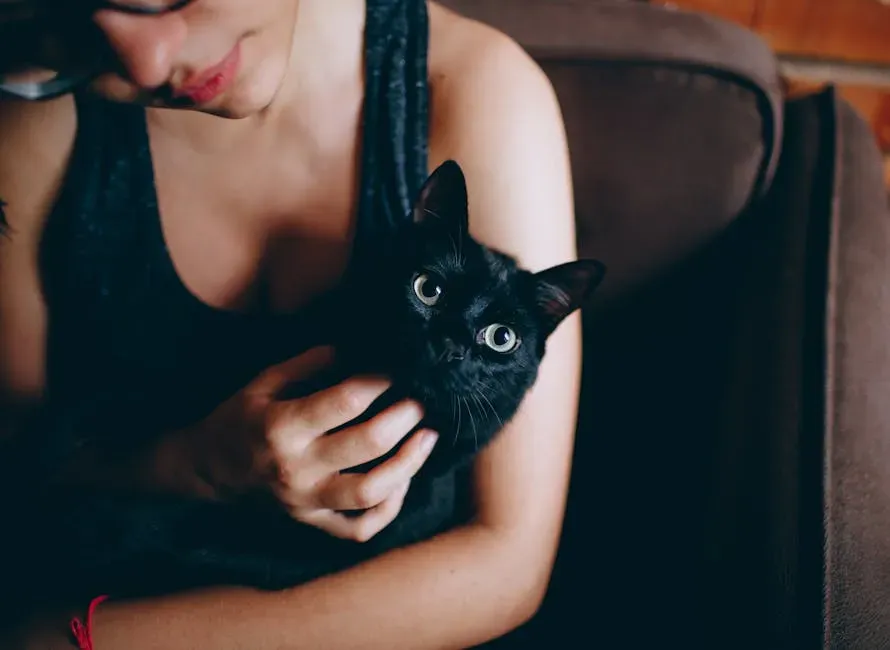
Cats may not throw themselves at you the way a dog might. They won’t bark with excitement when you walk in, and they probably won’t follow your every instruction. Yet that independence is precisely what makes their affection so meaningful. Every slow blink, every head bump, every quiet moment of choosing to sit nearby is a deliberate act of trust. And every soft word, every patient gesture, every respectful pause you offer in return is something your cat quietly banks.
The relationship you build with a feline friend is constructed entirely from these small moments. There’s no grand gesture that can replace the daily accumulation of gentle, consistent care. Understanding your cat’s body language can transform your relationship, making it richer and more rewarding, and by paying attention to their signals, tail positions, ear movements, and eye expressions, you unlock a deeper connection and anticipate their needs more effectively. In the end, your cat doesn’t need the world from you. They just need the smallest, most sincere version of your attention. Does it surprise you how much all of that tiny communication has been going on right under your nose?