Elderly Cats Have Unique Needs: Are You Meeting Their Golden Years Comfort?
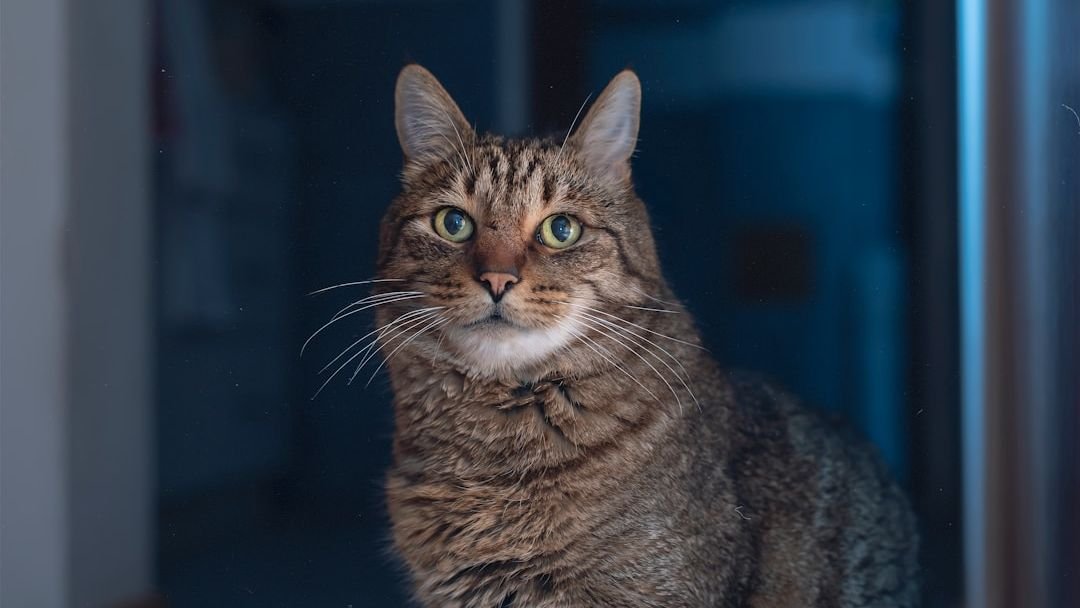
There's something quietly profound about sharing your home with a cat who has grown old with you. The same creature who once tore through your house at midnight, knocked glasses off tables, and stalked every shadow now moves with a certain dignified slowness. That slowing down is not something to mourn. It is something to understand, respond to, and honestly, to honor.
The truth is, most cat owners don't realize just how dramatically a senior cat's needs shift until something goes wrong. You might notice your cat hesitating before jumping to their favorite spot, or eating less, or acting a little confused at night. These aren't random quirks of aging. They are signals. Let's dive into everything you need to know to genuinely give your older cat the golden years they deserve.
When Does a Cat Actually Become "Senior"?
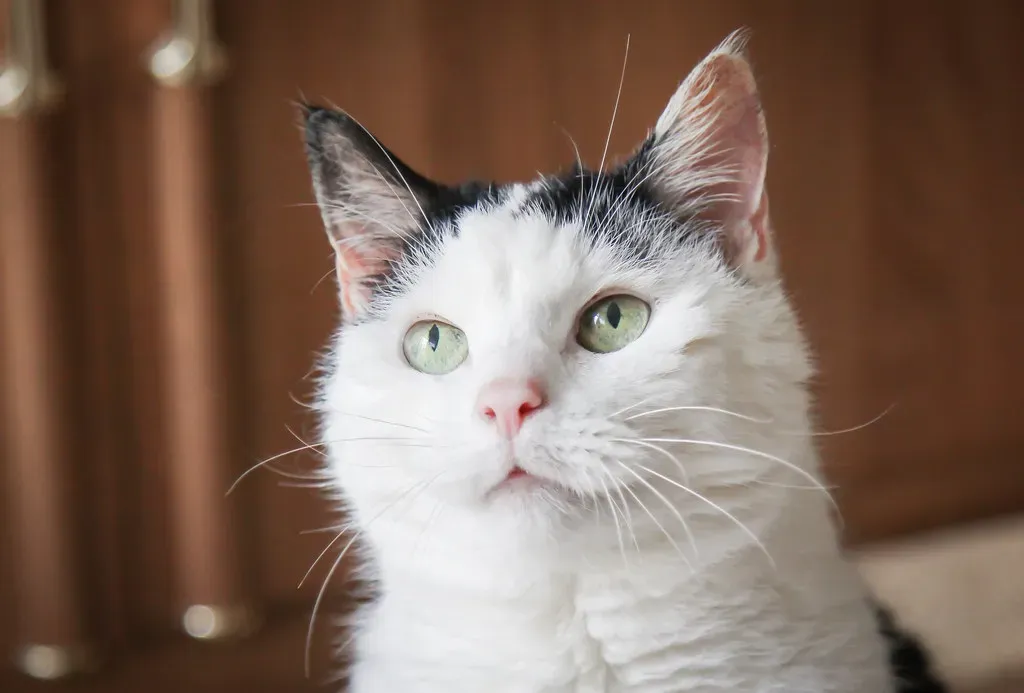
You might be surprised to learn the age cutoff is earlier than most people expect. The American Association of Feline Practitioners classifies aging cats as "mature" or middle-aged between 7 and 10 years, "senior" between 11 and 14 years, and "geriatric" at 15 years and older. That means your seemingly spry 8-year-old is already entering the equivalent of middle age.
Here's a helpful way to put it in perspective. The formula for calculating a cat's equivalent human age is fairly straightforward: the first two years of a cat's life equal about 24 human years, and every year after that is equivalent to roughly 4 human years. For example, a 16-year-old cat would be equivalent to an 80-year-old human. Suddenly, the way your elderly cat moves and behaves makes a lot more sense.
The Nutrition Shift: What Your Senior Cat Actually Needs to Eat
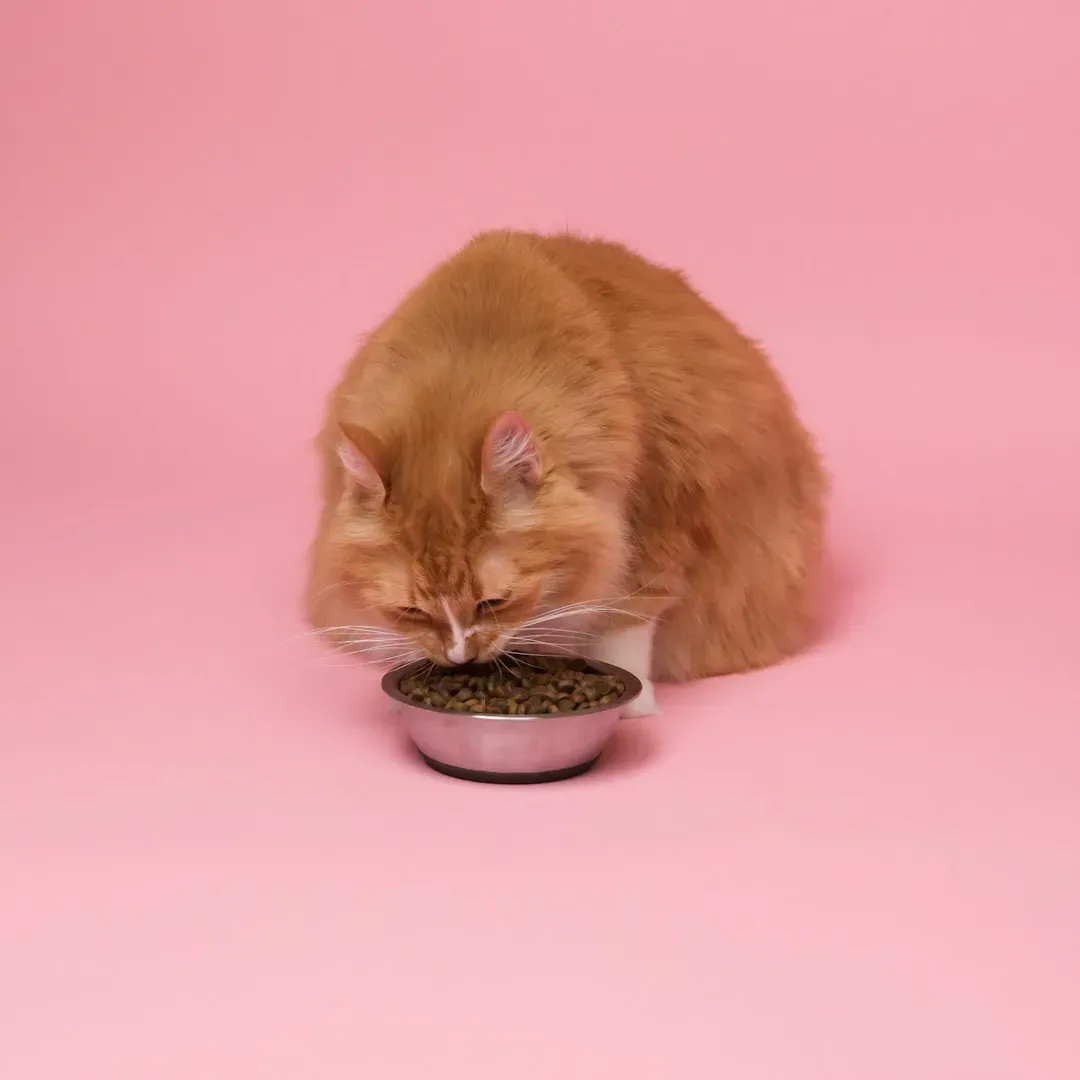
Senior cats have unique nutritional needs due to changes in metabolism, muscle mass, immunity, and organ function as they age. Key nutrients like high-quality protein, fiber, antioxidants, omega-3s, and low phosphorus help support aging bodies, especially the kidneys, joints, skin, and brain. Honestly, this is one area where many well-meaning cat owners get it completely wrong by either overfeeding or sticking to the same adult formula without questioning it.
Aging cats should in fact receive diets higher in protein to avoid loss of lean muscle mass. Healthy mature adult and senior cats should not be protein restricted; a diet with a minimum protein allowance of 30 to 45 percent dry matter is considered moderate protein and is recommended. Think of it like a senior athlete still needing protein to maintain their strength, just in a gentler, more digestible form. Your vet should absolutely be part of this decision.
Hydration Is Not Optional: The Kidney Connection
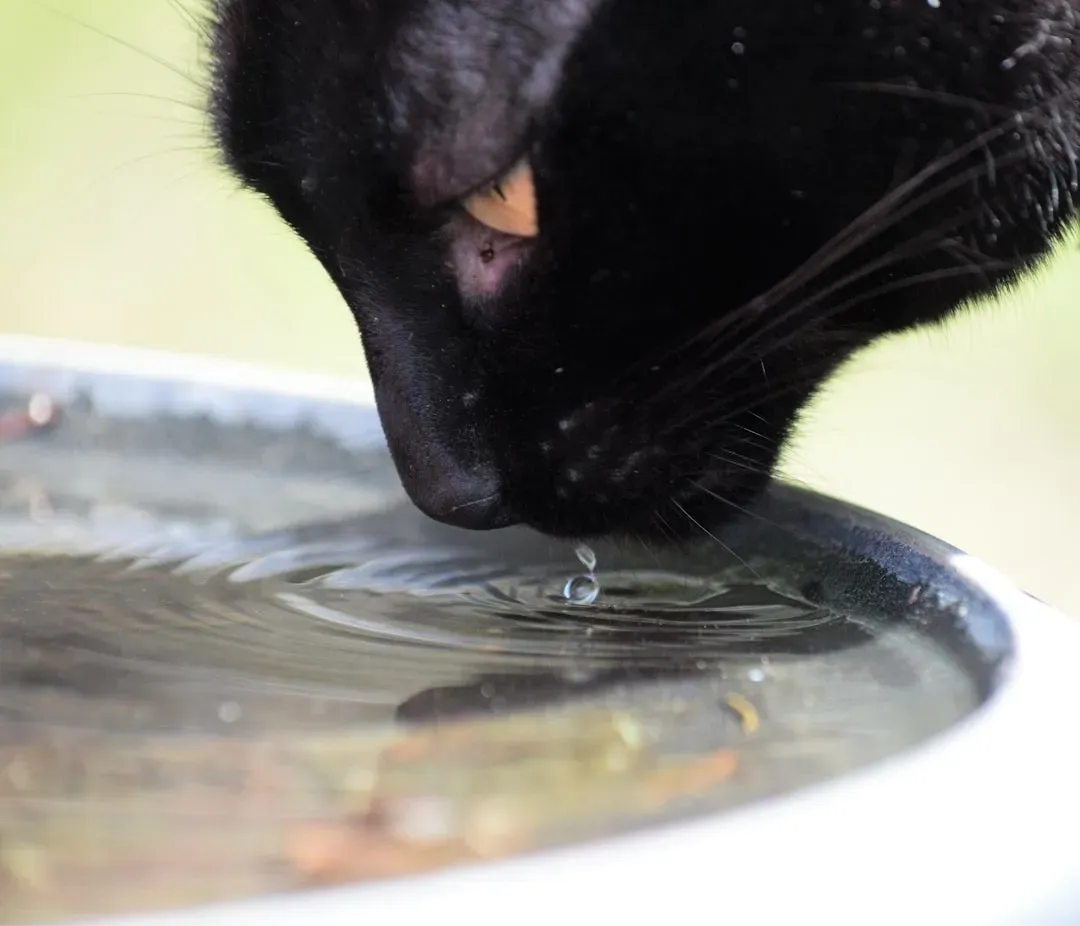
If there's one single thing you should take away from this article, it might just be this: your senior cat is almost certainly not drinking enough water. Kidney function declines as cats age, and while it may not always show up on blood work, all senior cats benefit from having increased water intake. You should make sure your senior cat has multiple water sources available so they don't have to work hard to find water.
Getting enough water can be a real struggle for older cats, as they can experience an impaired sensitivity to thirst. A wet senior cat food can help them stay hydrated. Beyond switching to wet food, try a water fountain. Some cats seem to have preferences regarding their drinking habits, including things like freshness, taste, movement such as that provided by water fountains or dripping faucets, and even the shape of the container. Cats can be extraordinarily picky. Work with that, not against it.
Creating a Senior-Friendly Home Environment
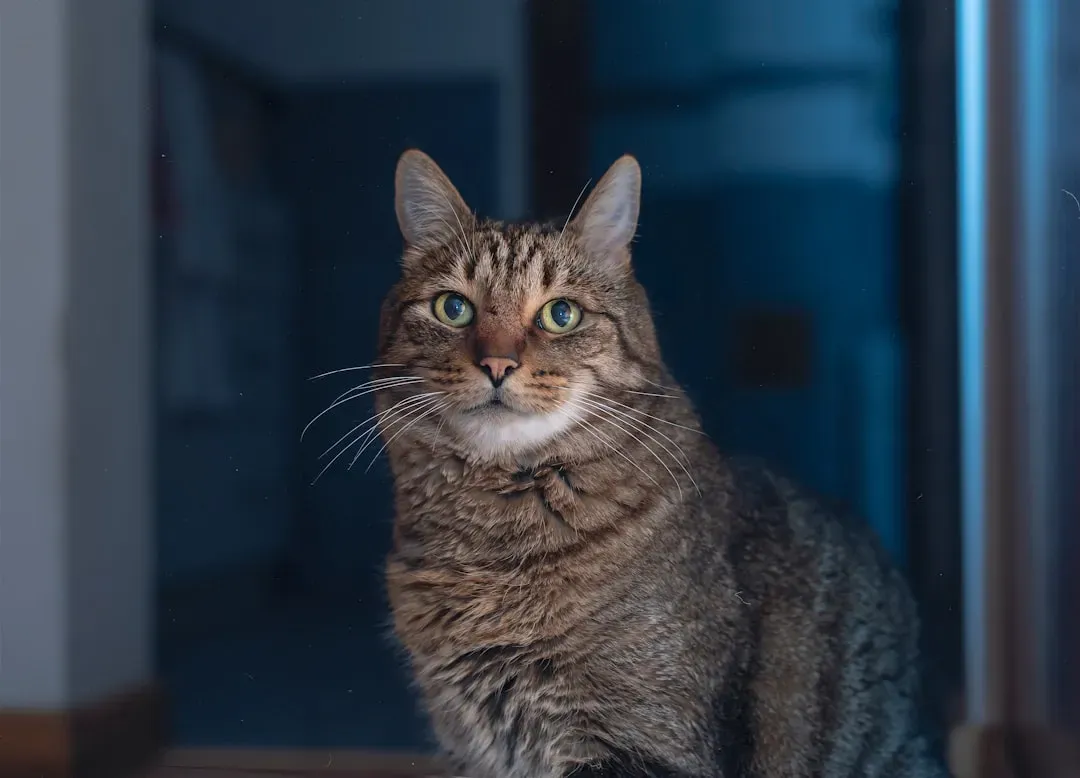
Think about what it would feel like to wake up one day with stiff joints and suddenly find that your bed, your bathroom, and your kitchen were all on different floors. That's what your elderly cat may be experiencing every single day. As cats age they are more prone to getting arthritis and may have reduced control over their bowels and bladder. It's a good idea to install litter boxes on every floor to make them easy to reach.
If your cat is arthritic, raising their food bowl, for example onto a box, can make eating more comfortable as it prevents them from bending down and potentially putting strain on sore joints. It sounds like such a small thing. Yet it can make a dramatic difference to how much your cat eats and how much pain they experience just getting through a meal. If your older cat can no longer jump on their favorite windowsill, create box steps, ramps, or purchase pet stairs that allow them to safely reach a special spot on their own.
The Truth About Senior Cat Dental Health
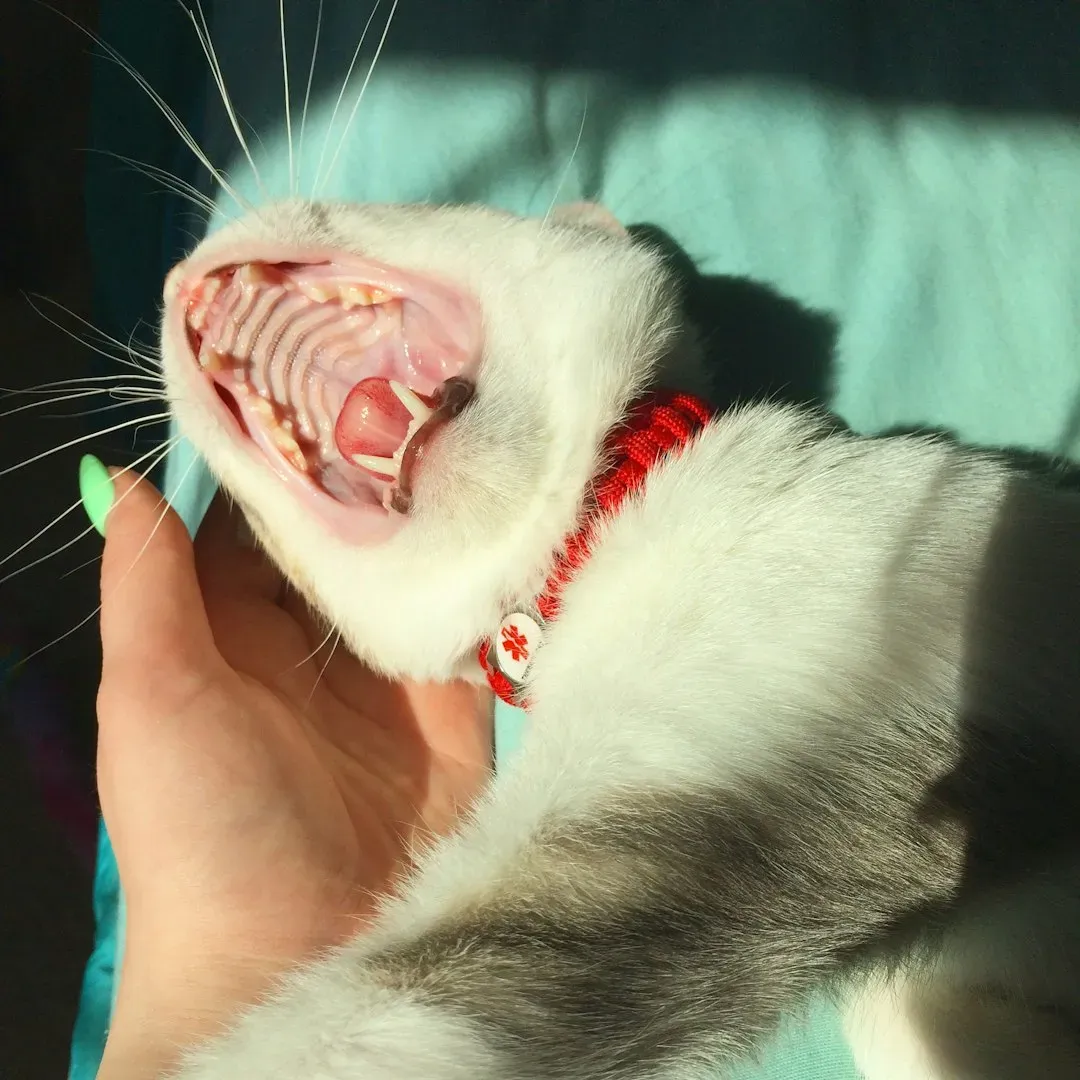
Let's be real: dental health is the most underrated aspect of senior cat care. Most owners focus on food and vet visits but completely overlook what's happening inside their cat's mouth. Senior cats have the same set of teeth that they had at 6 months old, but years of wear and changes in oral bacteria can lead to dental health issues in older cats that affect appetite and grooming. A cat in dental pain will eat less, groom less, and withdraw more. It's a cascade that touches everything.
Periodontal disease is common in senior cats and can cause organ dysfunction, possibly thromboembolic events, and may contribute to inappetence. That is a genuinely shocking connection most people don't know about. Dental care is a big part of senior cat health. If your cat's breath smells different or they're chewing less, it may be time for a dental checkup. Your vet may suggest at-home brushing routines, dental chews, or professional cleanings to help keep their mouth healthy.
Grooming Support: When Your Cat Can No Longer Do It Alone
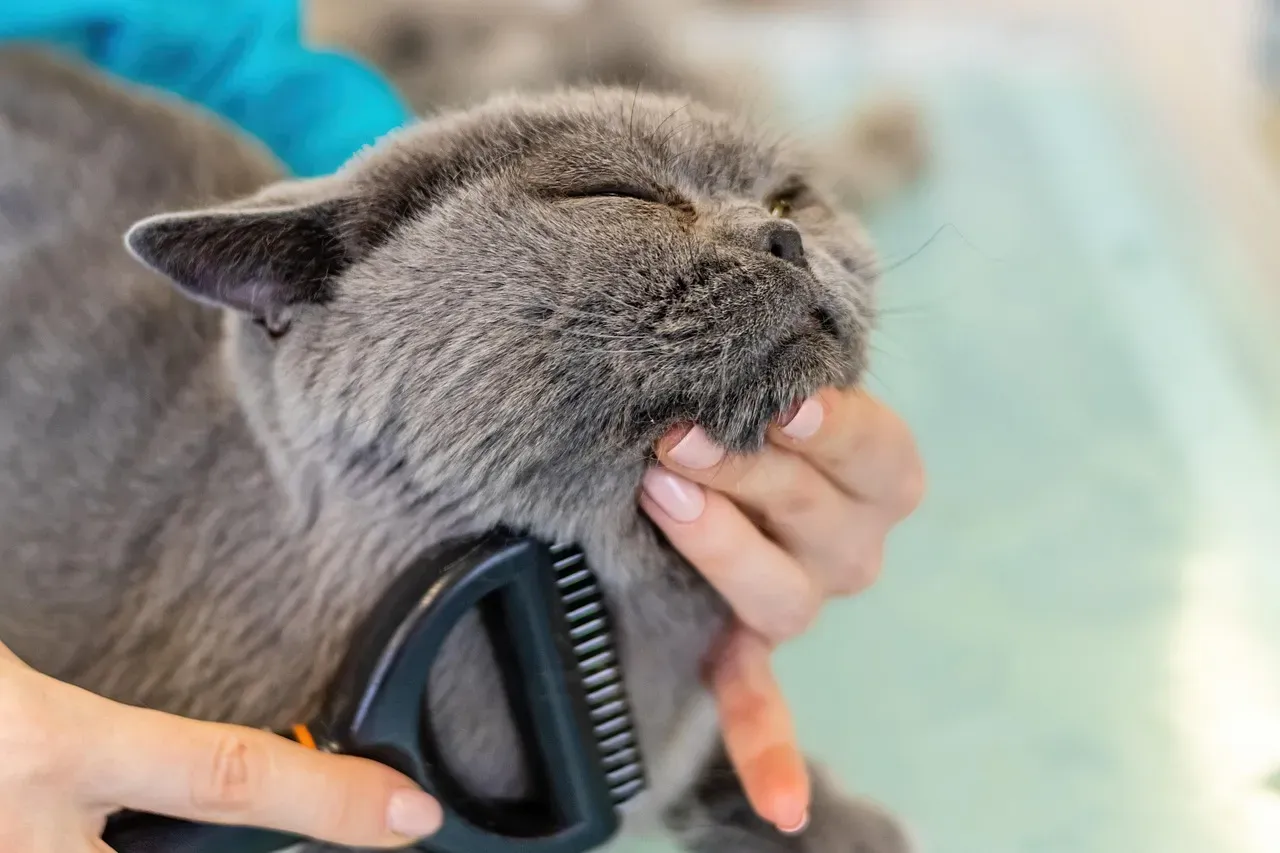
Cats are famously self-sufficient when it comes to grooming. It's practically part of their identity. So when you notice your senior cat's coat looking dull, matted, or unkempt, it can feel alarming. Older cats are more prone to physical and cognitive decline that affects their ability to groom themselves and maintain their nails. Especially with medium and long-haired cat breeds, gently brushing them every day can help keep their fur from becoming matted and prevent a stressful visit to the vet or groomer.
As your cat gets older, they'll naturally struggle with keeping themselves clean. By helping them and checking them daily, you're not just improving their wellbeing, it's also an opportunity to detect any potential problems early and take the necessary action. Think of it as your daily quality check. Senior cats can struggle with retracting their claws, so you may find they get caught in furniture and carpets. Claws can also overgrow, curl around, and embed into pads, which is not only painful but can also lead to infection if not treated. Not exactly a glamorous detail, but an important one.
Recognizing and Managing Feline Cognitive Dysfunction
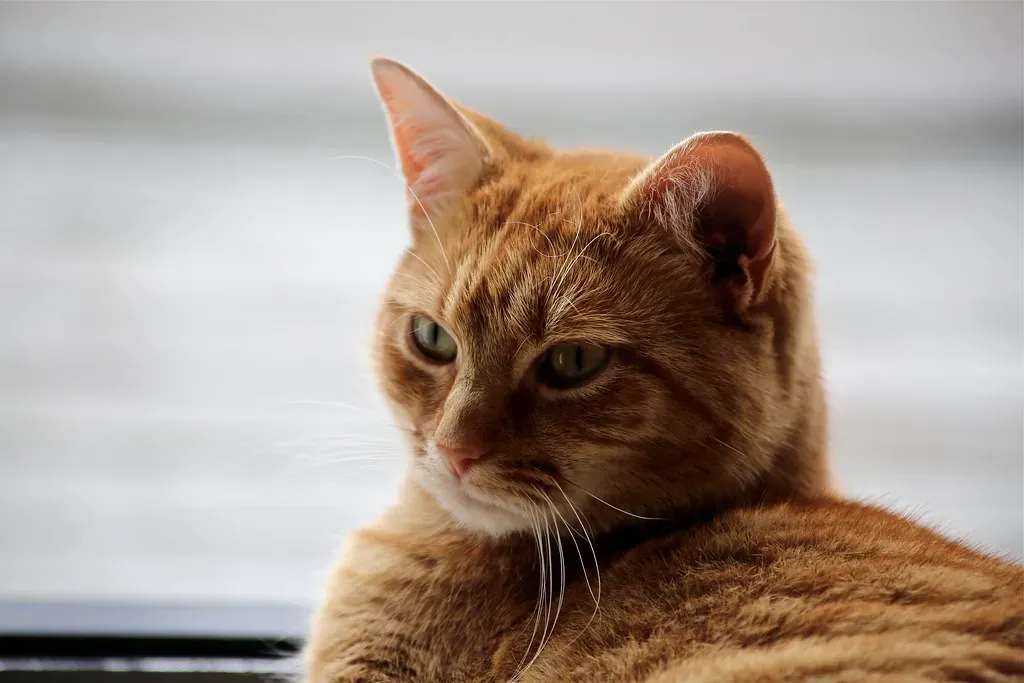
Here's something that might surprise you: dementia in cats is far more common than most people realize. More than a quarter of cats aged 11 to 14 show at least one sign of dementia. It's even more common as they age, with roughly half of cats over the age of 15 showing signs of cognitive dysfunction. Those numbers are genuinely staggering, and yet cognitive decline in cats remains one of the least discussed senior care topics.
The signs include spatial disorientation, wandering away from home into unfamiliar territory, lack of interest in playing, excessive sleeping, altered cycles of sleep and wakefulness, long periods of staring blankly into space or at walls, indifference to food and water, and seemingly unprompted episodes of loud vocalizing, frequently in the middle of the night. If you see any of these in your cat, please don't dismiss them. Managing cognitive decline requires environmental consistency and mental stimulation. You should maintain predictable daily routines for feeding, play, and rest. Add enrichment through food puzzles, scent games, and gentle interactive play that engages your cat's mind without causing frustration. Improving lighting throughout your home, especially at night, can help disoriented cats navigate safely.
Keeping Your Senior Cat Active (Without Overdoing It)
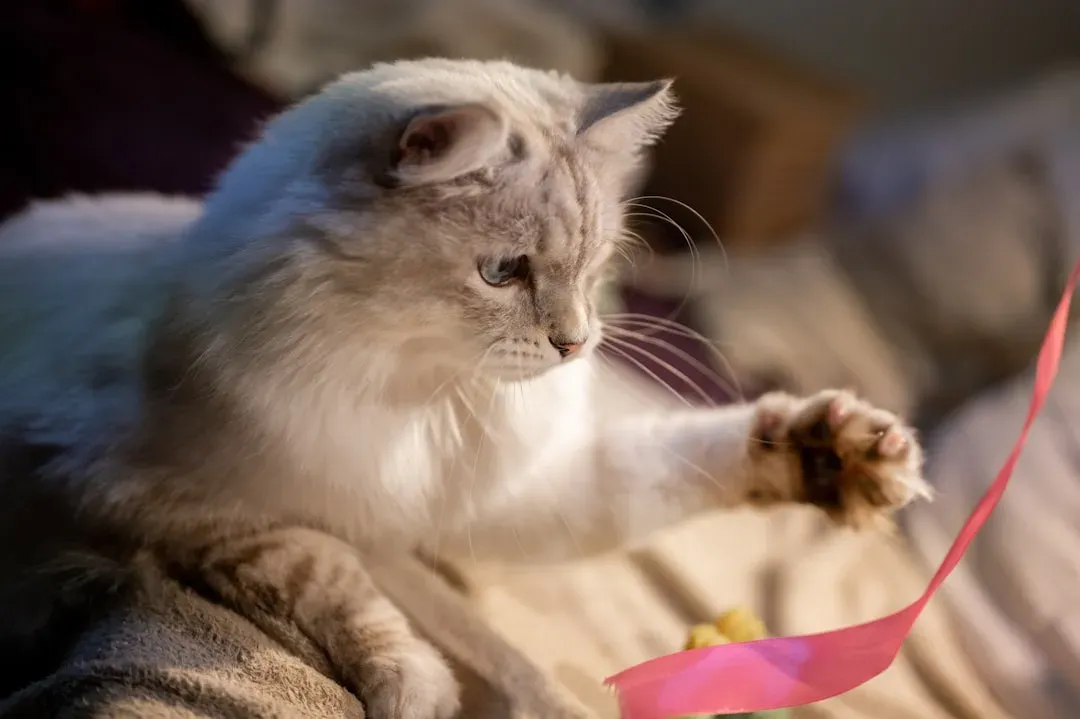
It's tempting to assume that an older cat just wants to sleep all day, and honestly, you'd be mostly right. But gentle, regular movement is still incredibly important. Even if your cat spends more time napping these days, gentle play is still important if they can tolerate it. Short play sessions with wand toys, slow-moving laser games, or puzzle feeders can keep them active and engaged. The key word there is gentle. Think of it less like exercise and more like keeping the engine warm.
Joint supplements containing glucosamine, chondroitin, and omega-3 fatty acids reduce inflammation and support cartilage health. While these supplements work gradually over weeks to months, many cats show measurable improvement in mobility and comfort with consistent use. It's hard to say for sure which supplement works best for every individual cat, so always loop in your vet. Puzzle feeders are an example of environmental enrichment that can lead to increased mental stimulation, an increase in the growth and survival of nerve cells in the brain, and an increase in cognitive function. That's a remarkable two-for-one benefit right there.
The Role of Regular Vet Visits in Senior Cat Care
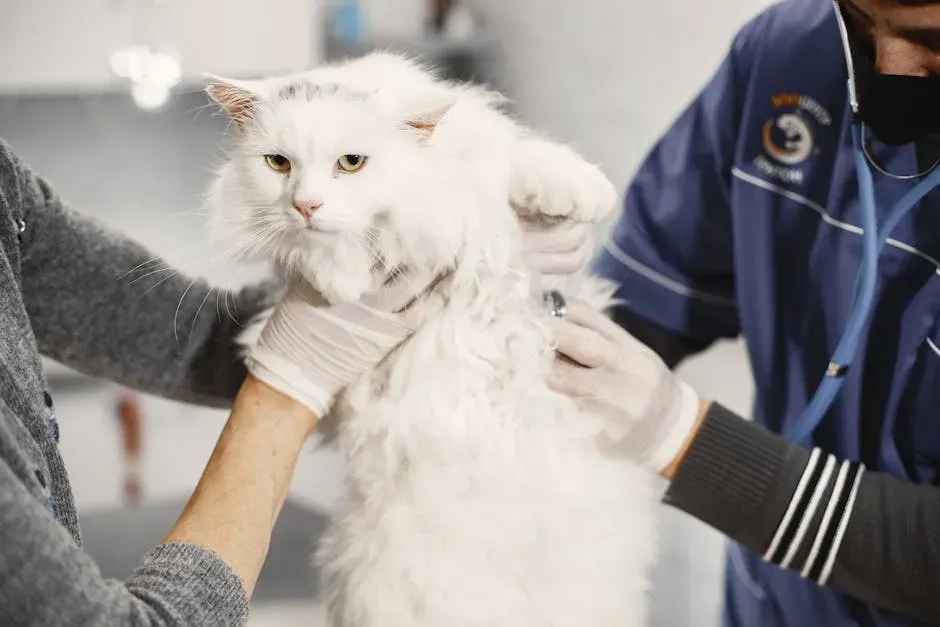
You might be taking your senior cat to the vet once a year and feeling pretty good about it. The truth is, that may not be enough anymore. Senior cats require biannual vet visits to catch age-related conditions early and adjust care plans as needed. Twice a year doesn't sound like a lot until you consider how quickly things can change in an aging body.
Any senior care program aims to maintain the quality of the pet's life and to slow the progression of age-related diseases. Because most of the chronic diseases seen in senior cats are slow to progress, early recognition is usually only possible through diagnostic tests. The earlier a disease is diagnosed, the more likely its progression can be slowed or reversed, and a high quality of life for your senior cat can be maintained for longer. Think of those vet visits not as reactive appointments, but as your cat's best defense. Senior cats should have regular health checks twice yearly. Senior care programs usually include a thorough physical examination, blood and urine screening, and chest or abdominal radiographs.
Conclusion: Your Senior Cat Is Still Fully There
Caring for an aging cat is one of the most quietly profound things a pet owner can do. The needs shift, the pace changes, and the relationship deepens in ways you might not have expected. Your cat doesn't need you to keep them young. They need you to make their current stage of life feel safe, comfortable, and loved.
The good news is that most of what your senior cat needs isn't complicated or expensive. It's attentiveness. It's adjusting a food bowl height, adding a water fountain, brushing their coat a little more often, and catching a subtle change before it becomes a serious problem. Small, consistent acts of care add up to an enormous difference in quality of life.
Your cat has given you years of companionship, quirky habits, and quiet warmth. Their golden years are your chance to give something meaningful back. Are you already making some of these changes at home, or did something in this article surprise you? What would you do differently for your aging cat starting today?