Your Cat Isn't Just Playing; They're Honing Ancient Hunting Skills
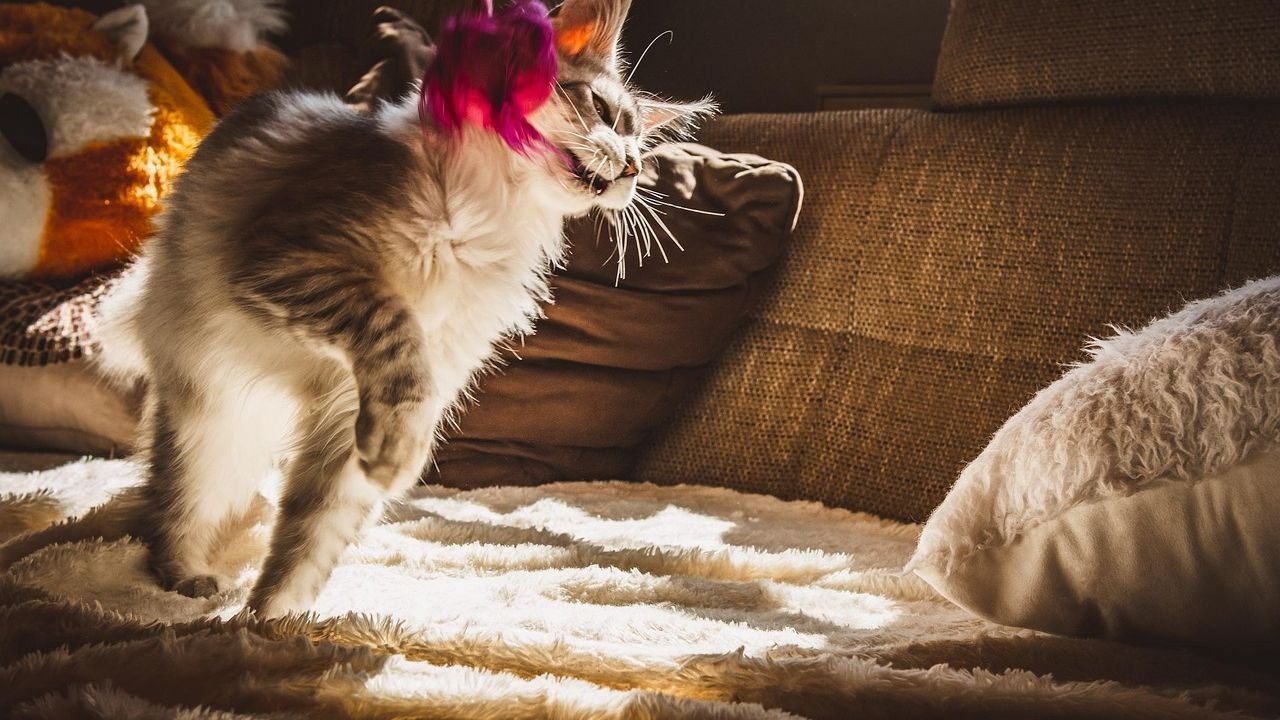
Watch your cat for long enough and you'll notice something almost eerie about the way they crouch low to the floor, pupils blown wide open, tail twitching with barely contained energy. That toy mouse isn't just a toy. To your cat, it's prey. The whole performance, the stalking, the pouncing, the wild-eyed "catch," has very little to do with fun and everything to do with survival wiring that goes back thousands of years.
Most people think their cats are just goofing around. The truth is far more fascinating. Every swipe of the paw, every sideways leap, every moment your cat ambushes your ankles from behind the couch is a carefully scripted behavior rehearsal passed down through millennia of feline evolution. You're not watching a house pet be silly. You're watching ancient predatory genius in action. Let's dive in.
The Deep Evolutionary Roots of Feline Play
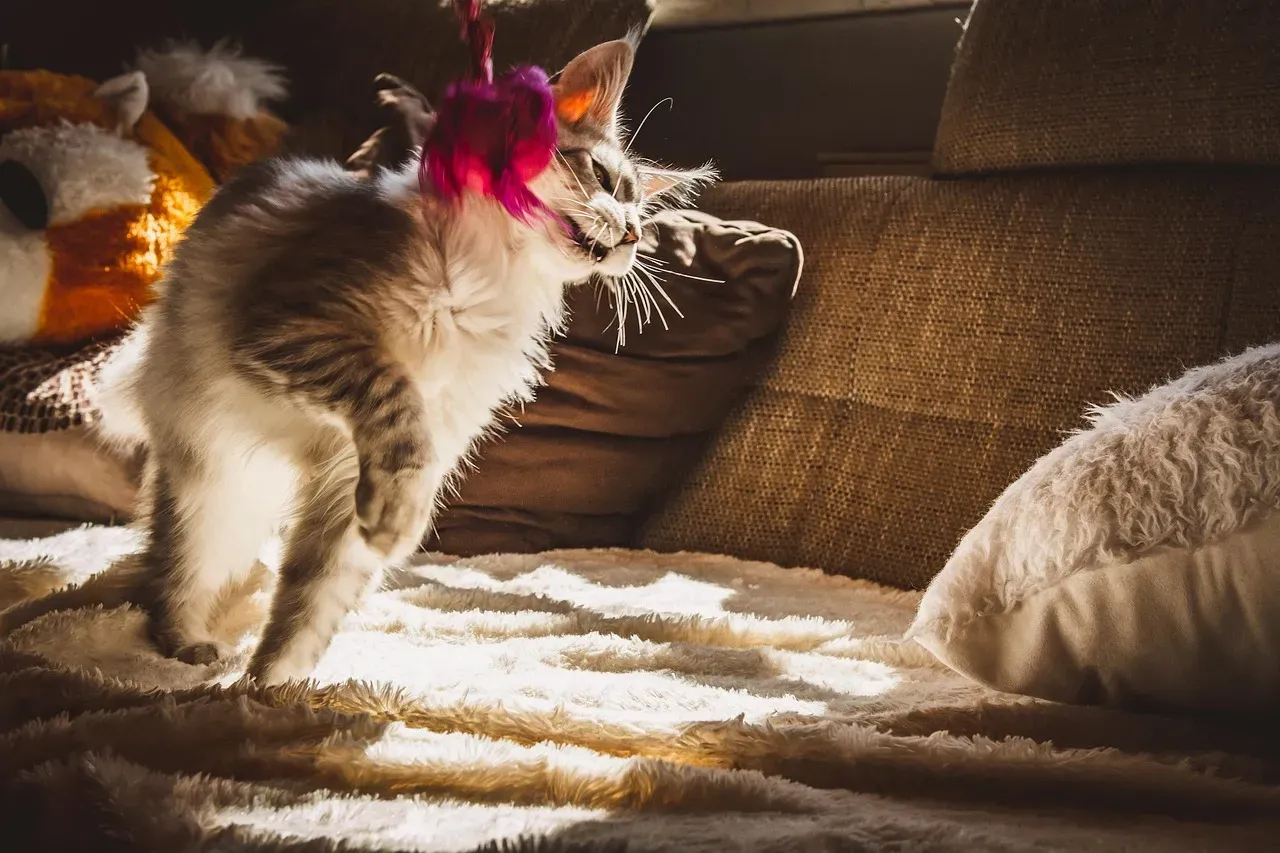
The domestic cat is a predatory species by nature, and much like their wild ancestors, domestic cats are solitary hunters. That solitary nature matters more than you might think. Unlike wolves or lions, who develop pack strategies over time, your cat's ancestors had to perfect every stage of the hunt completely alone. That level of self-reliance demanded constant practice, and practice, in the feline world, looks a whole lot like what we'd call play.
Until quite recently, cats were mainly kept to control rodent populations rather than as pets, and only the best hunters survived and reproduced. There's been very little selective breeding of cats, so their instinctive need to hunt remains remarkably strong. Think about that for a second. Dogs have been sculpted by thousands of years of intentional breeding for companionship and specialized tasks. Cats? They've essentially stayed wild under their fur. The house cat batting at a feather wand is carrying the same genetic playbook as their ancestors hunting in grain fields centuries ago.
How Domestication Never Really Tamed the Hunter
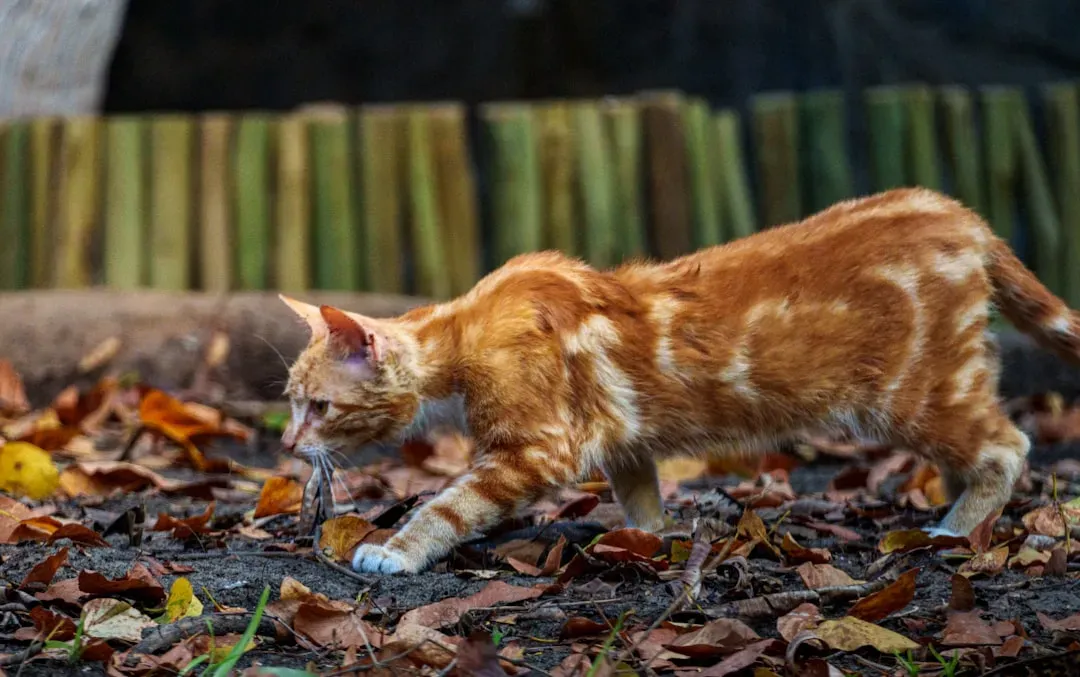
The presence of rodents in grain stores in Neolithic farming settlements is widely thought to have led to the domestication of cats. Cats weren't domesticated the way dogs were, with humans selectively breeding out their wild tendencies. Instead, they walked into human settlements on their own terms, drawn by the easy hunting opportunity that grain-attracted rodents provided. Honestly, calling cats "domesticated" is a generous stretch when you really look at their behavior.
Domestic cats are distinct from other domesticated animals because their phenotype and genotype are relatively unchanged. That's a striking scientific way of saying your cat is basically a small wild animal wearing the social contract of a pet. The original reason for the domestication of cats was to protect food supplies from rodents. Although this is no longer required of the majority of cats, hunting remains a permanent part of their lives. You can put out the fanciest gourmet kibble you want. Their inner predator doesn't clock out.
The Predatory Sequence Hidden Inside Every Play Session
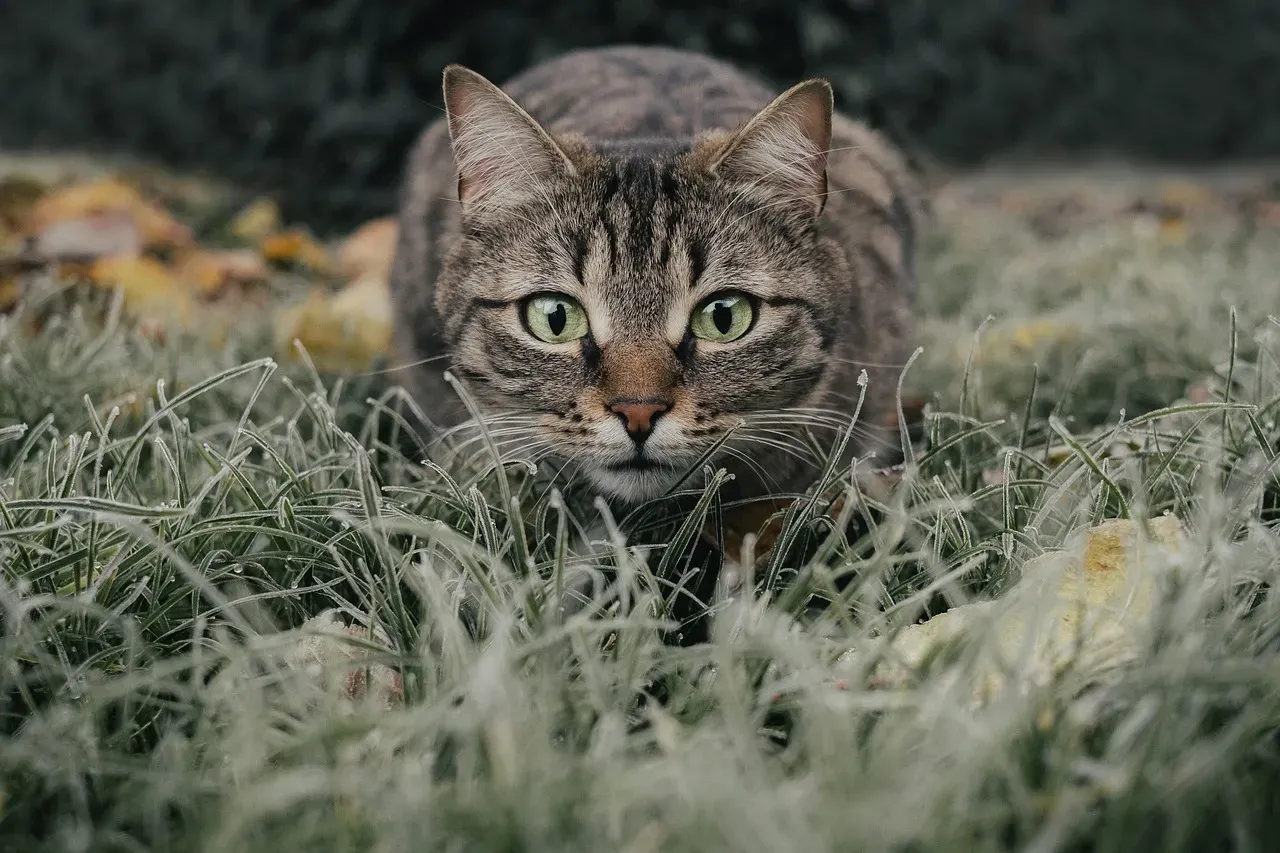
Predatory behavior in cats follows an immutable sequence hardwired into their nervous systems: stare, stalk, chase, pounce, kill, and finally, eat. When you watch your cat's eyes lock onto a toy from across the room, hold completely still, then explode into a sprint across the floor, you are watching every single one of those stages unfold in real time. It's not random. It's choreographed by millions of years of evolutionary pressure.
Cats usually approach their prey by stalking, involving a crouched position with their head outstretched. Slow movements are used on the initial approach, which may speed up to a sprint the closer the cat gets. As the cat gets close enough to catch the prey, they stop and prepare to spring forward. At this point, the cat may hold themselves in a tense position before a brief sprint and spring forward to strike with one or both front paws. Sound familiar? That's your cat's Tuesday afternoon with a crinkle ball.
Why a Full Belly Doesn't Turn Off the Hunt
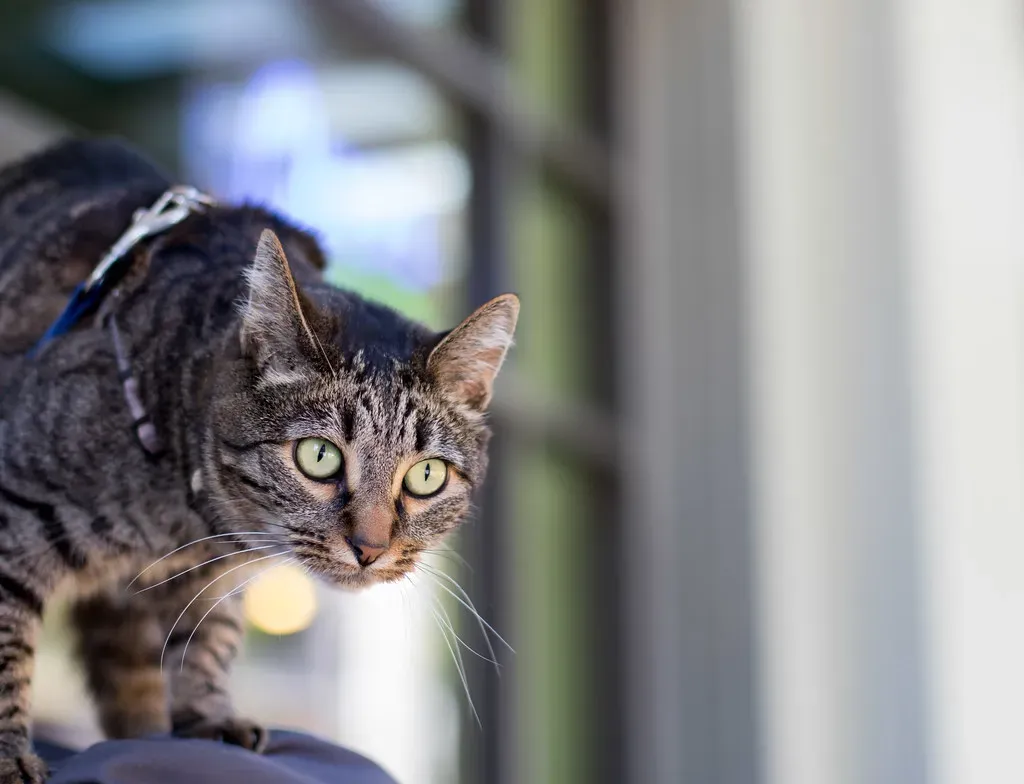
Here's the thing that surprises most cat owners. You just fed your cat an entire meal, they look completely satisfied, and then five minutes later they're stalking the TV remote like it owes them money. For a house cat, the sensation of hunger and the urge to hunt are wired into two completely different circuits in the brain. In scientific terms, the desire to hunt is not coupled with the desire to consume. That's wild, right? Hunger and hunting are basically strangers to each other in a cat's mind.
Along with the urge to procreate and to defend their territory, the hunting instinct is one of the most distinctive behavioral patterns in cats. The desire to hunt is not governed by hormones and therefore does not diminish after neutering. So even if you've done everything "right" as an owner, your cat will still hunt, stalk, and play-pounce because their brain is genuinely built that way. Felines are also opportunistic hunters, and a cat that's well-fed may still resort to hunting whenever the opportunity arises. You can't negotiate with millions of years of instinct.
The Anatomy of a Born Predator
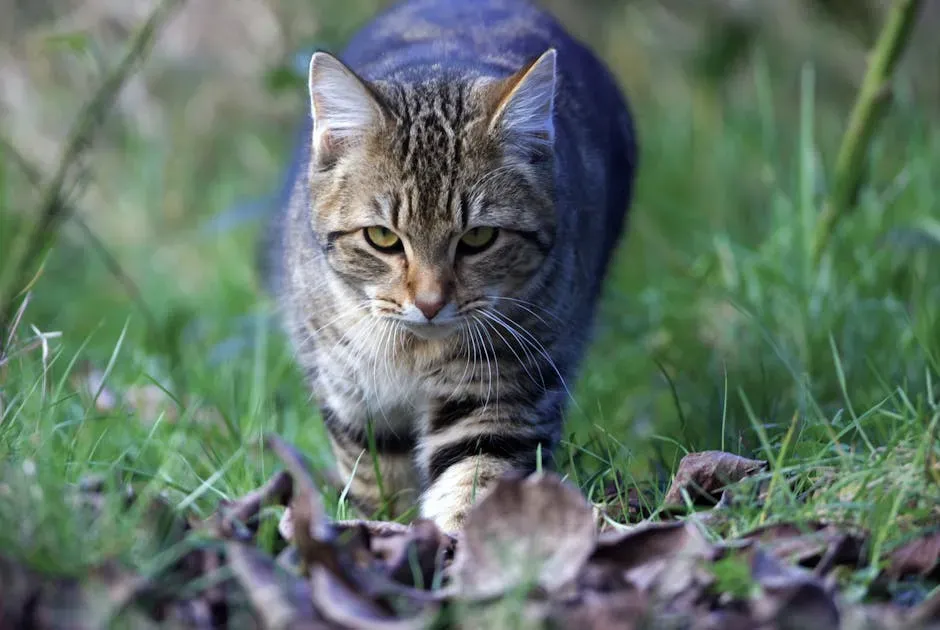
Cats can detect sound frequencies up to 64,000 Hz, discerning subtle sounds like rustling or ultrasonic calls. A reflective tapetum lucidum boosts their low-light vision by six times that of humans. Their soft paw pads and retractable claws allow them to approach prey completely unnoticed. Let's be real, if you were prey, you'd never even see it coming. Every physical feature your cat has is essentially a custom-engineered hunting tool wrapped up in soft fur.
A supple spine enables twists, midair corrections, and tight turns. Strong hind legs let them leap up to six times their body length. Sensitive whiskers detect air currents and spatial constraints, helping them "feel" their prey better. When your cat makes that absurd, gravity-defying leap off the bookshelf, they aren't being theatrical. They're running a physical system that evolution spent a very long time perfecting. Their body is, in the most literal sense, a hunting machine.
Kittens Learn to Kill Through Play
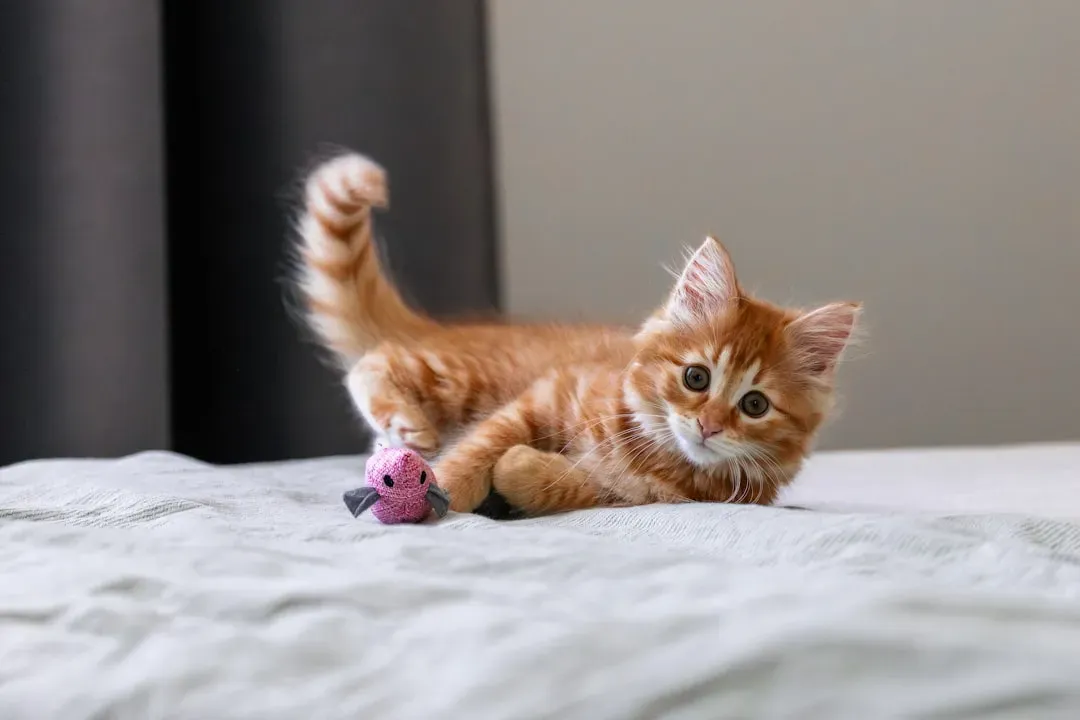
Cats often learn to hunt the same way most mammals learn how to do things, from their mothers. In many instances, hunting is a learned behavior first taught by their mother and then reinforced and honed by playing with their littermates. Watch a litter of kittens tumbling over each other, swatting ears and pouncing on tails, and you're not watching adorable chaos. You're watching tactical military training, feline-style. Every ambush on a sibling is rehearsal for a real-world hunt.
There is a critical learning period between four and sixteen weeks when kittens refine their skills through observation and practice with littermates. Kittens deprived of appropriate play during this window may never develop proper predatory coordination, explaining why some cats seem clumsy or disinterested in play. I find it genuinely remarkable that the window is that precise. It's not a vague developmental phase, it's a tightly scheduled program. Miss that window and the programming simply doesn't install properly.
Indoor Cats and the Unsatisfied Predator Within
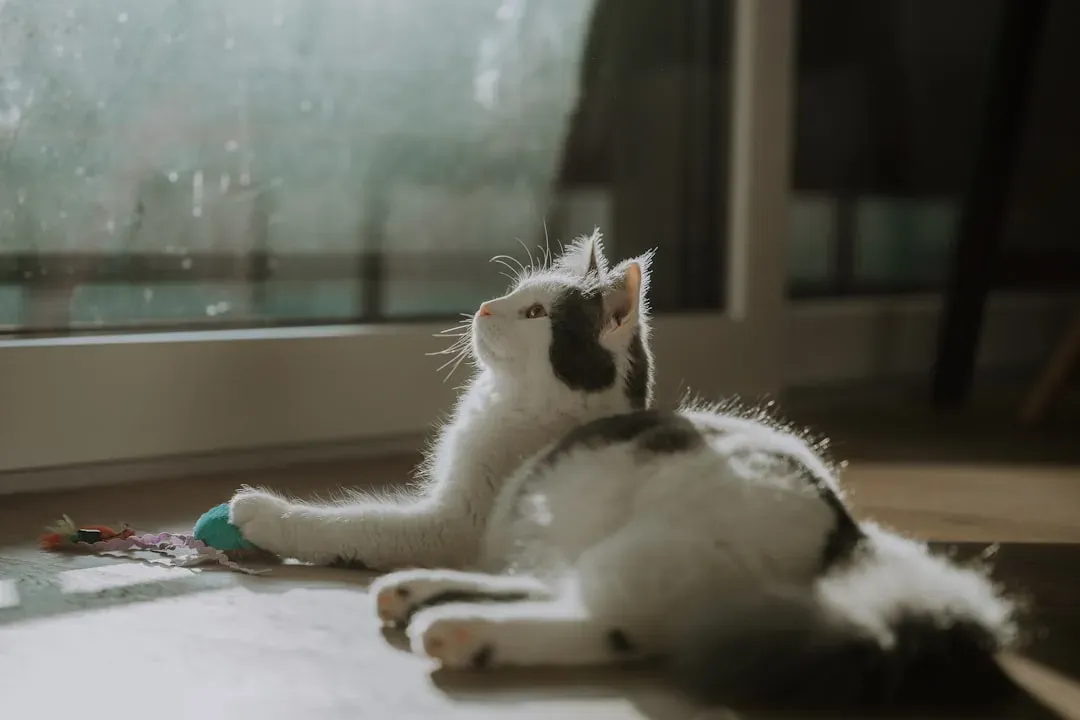
Indoor-only cats were more interested in artificial stimuli that showed resemblance to prey, even though these cats had been completely deprived of experience with live prey. Theories explaining these findings include higher play drive due to lack of stimulation, less refined prey recognition, or reduced fear from lack of experience. In other words, indoor cats are often more intensely "playful" precisely because they have no real outlet for their predatory energy. The drive doesn't disappear just because there's no actual prey around. It just builds up, like steam in a kettle.
This type of play is essential for pet cats, as they don't have many opportunities to hunt naturally, which may cause behaviors like biting, pouncing on your feet, or being destructive. Sound familiar? That mysterious ankle attack at 3 a.m. isn't aggression, it's a desperate attempt by your indoor cat to run their ancient software on whatever target is available. To keep a cat in a manner consistent with its needs and avoid behavioral problems, it is therefore very important to channel the hunting instinct into constructive play.
What Your Cat Is Really Doing When They Bring You "Gifts"
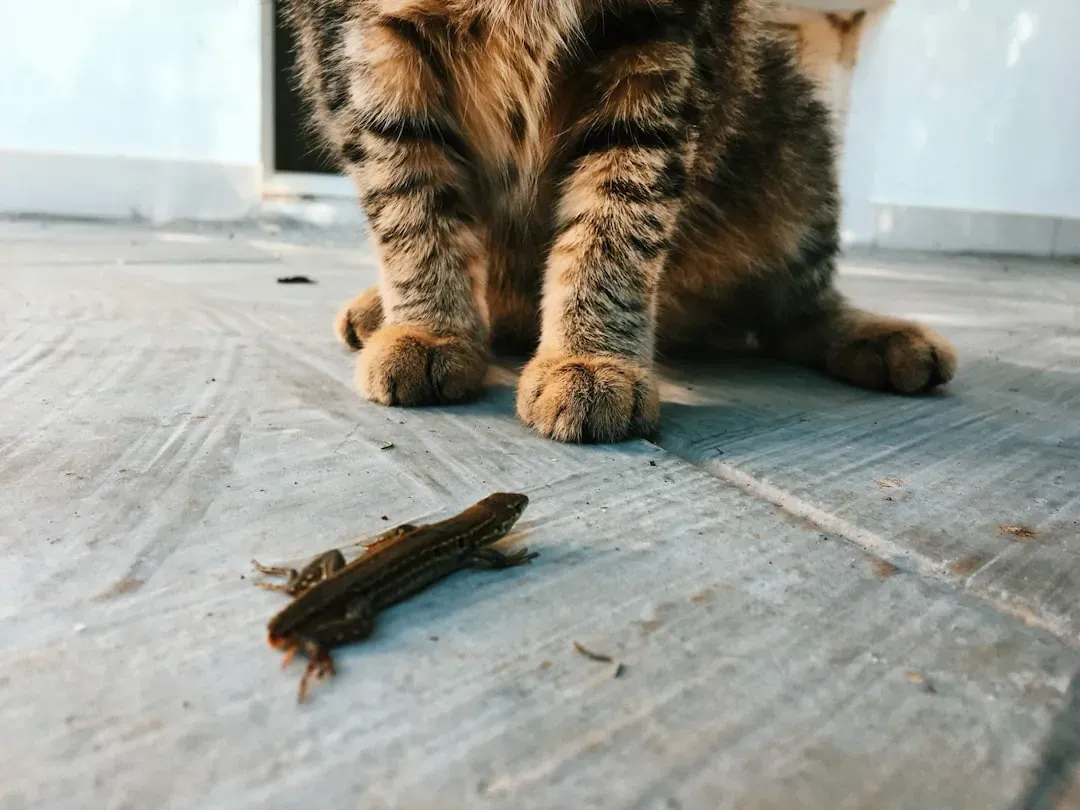
When your cat delivers a small dead animal to you, it's easy to assume they're bringing you a gift, but it may be similar to the way wild cats provide for their young while teaching them valuable survival skills. Since most domestic cats are neutered and have no young to provide for, they may transfer these instincts to their owners instead. You're not receiving a trophy. You're being included in your cat's hunting lesson. That's honestly kind of touching, even if the delivery method is horrifying at 7 in the morning.
Alternatively, your cat may be bringing their spoils home to eat later. If that's the case, this shows your cat feels happy and safe in your home, even secure enough to trust you in looking over a potential snack for later. It's hard to say for sure which motivation is dominant on any given occasion, but either way, the behavior is rooted in deeply primal instinct. Your living room has become the hunting lodge, and you, whether you like it or not, are part of the pride.
How to Play with Your Cat the Right Way
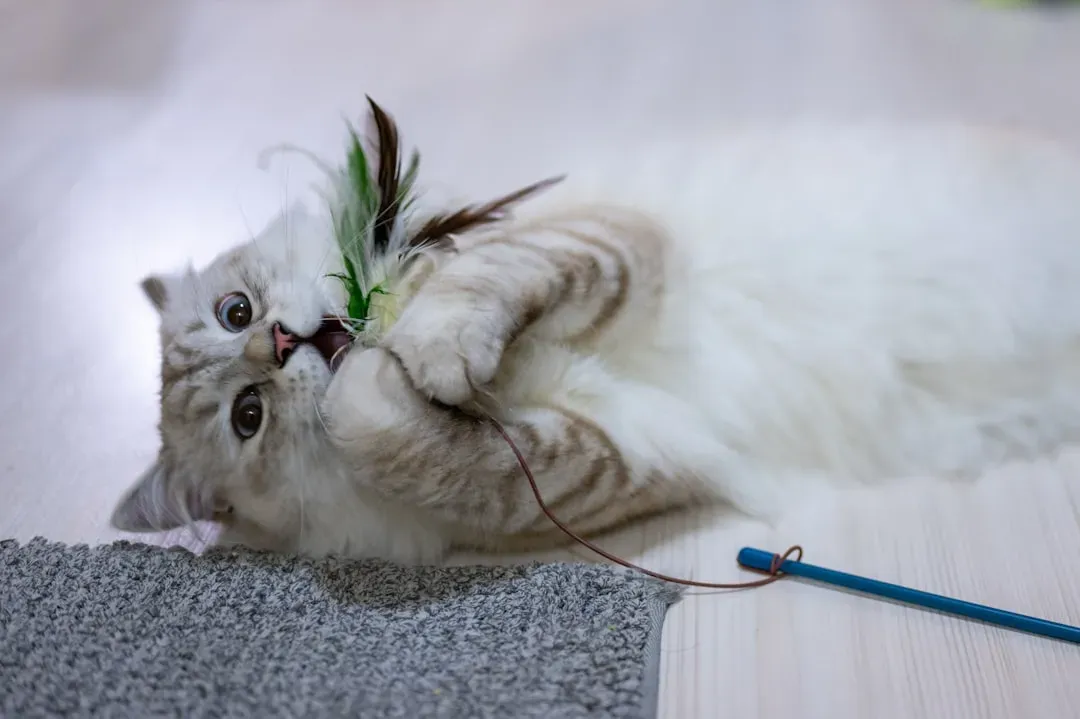
Short, frequent play sessions most closely resemble a cat's natural predatory pattern. Choose toys that look and feel like their natural prey to increase engagement. This isn't just about keeping your cat entertained. It's about honoring what they are. Toys that move erratically, dart under furniture, and "escape" mimic the real behavior of small prey animals. A toy that sits completely still is about as exciting to your cat as a rock. Movement is everything.
The most effective toys replicate a natural pattern of quick darting motions followed by pauses, changes in direction, and finally weakening movement. Laser pointers famously frustrate cats because they violate this natural progression, disappearing without allowing the critical kill phase. This explains why cats frequently return to stare at the last laser spot, their brain awaiting closure to the hunting sequence. Always end a laser play session with a physical toy your cat can actually "catch." Their brain needs that closure, that final moment of "got it," to feel the sequence complete. Without it, you're essentially leaving a thriller movie on a cliffhanger, every single night.
Conclusion
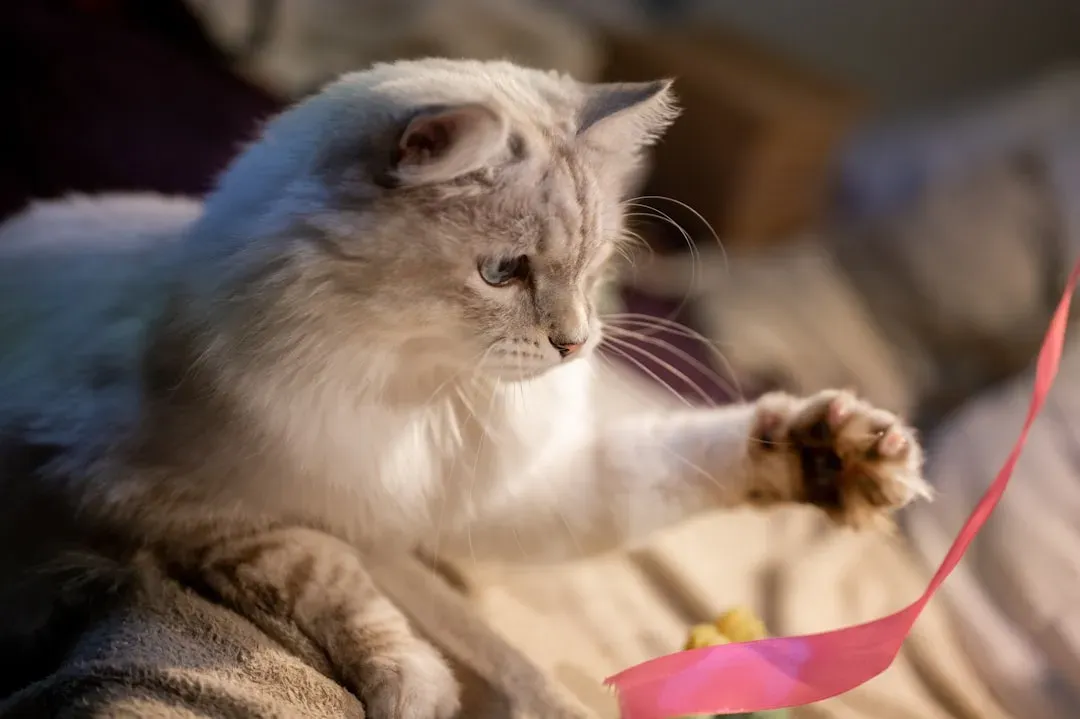
The next time you watch your cat pounce on a crinkle toy or stalk a shadow across the wall, try to see it for what it truly is. Not entertainment. Not silliness. It's an ancient predatory tradition playing out in your living room, as serious and purposeful as any wildlife documentary you've ever watched. Your cat carries thousands of years of evolutionary engineering in every muscle and nerve, and playtime is the one daily ritual where all of that history gets to breathe.
Understanding this changes everything about how you care for your cat. More engaging, prey-mimicking play. Shorter but more frequent sessions. A home that offers hiding spots, height, and movement. These aren't luxuries for your cat. They're biological necessities. Because beneath every purring, napping, allegedly "domesticated" housecat is a precision predator just waiting for the right moment to strike. Did you ever really think about how much wild is hiding behind those sleepy eyes? What do you think? Share your thoughts in the comments below!