Don't Just Feed Them; Engage Your Cat's Brilliant Mind Every Day
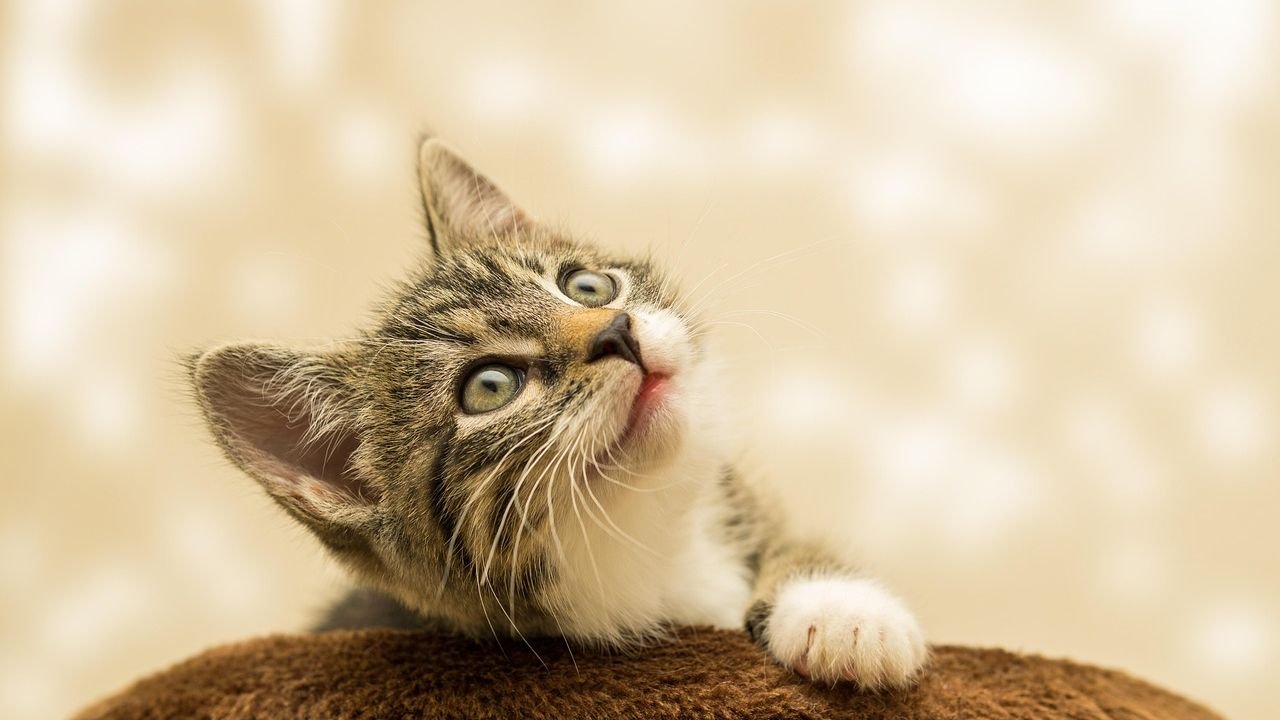
Most cat owners pour love into their feline's food bowl. Premium kibble, grain-free pouches, timed feeders - you've probably thought more about your cat's diet than your own. Yet here's a thought that might catch you off guard: your cat's brain may be starving even while their belly is full.
Cats are often misunderstood as low-maintenance pets who don't need much care. The truth, though, is that they're highly intelligent, active, and social animals who need daily exercise, interactions, and enrichment to truly thrive. That gap between what we think cats need and what they actually need is wider than most of us realize. If you've ever wondered why your well-fed cat still claws the furniture or meows at 3 a.m., the answer may have nothing to do with food at all. Let's dive in.
Why Your Cat's Mind Needs More Than You Think
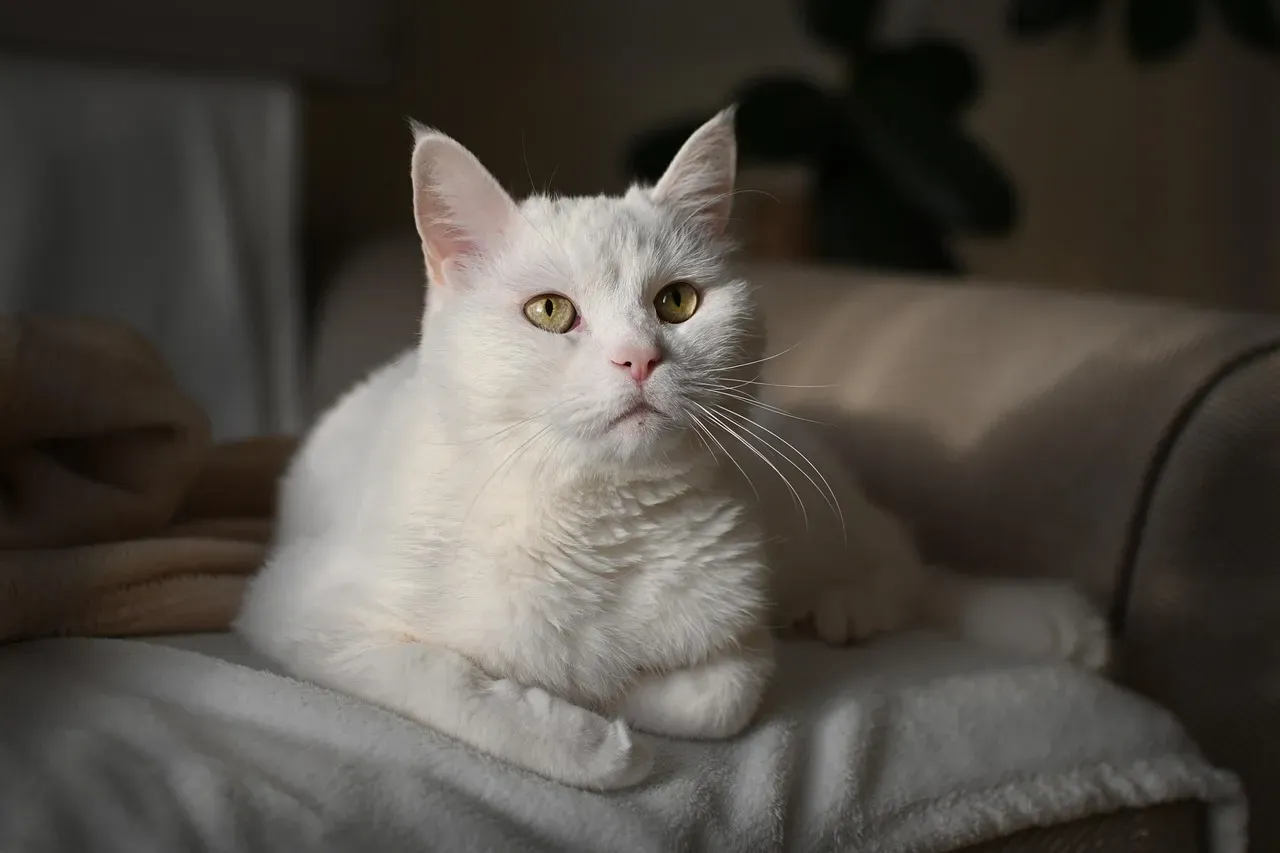
Let's be real - we tend to underestimate cats. They sleep a lot, they seem independent, and they rarely beg for attention the way dogs do. It's easy to assume they're perfectly content as long as the food bowl is full. But that assumption could be quietly undermining their wellbeing.
Although boredom with cats may not be as obvious to pet parents as it is with dogs, cats absolutely do get bored. In the wild, they spend hours each day hunting, climbing, and interacting with their environment. Your indoor cat has swapped that wild lifestyle for carpets and couch cushions, and honestly, it's a trade-off that needs to be carefully managed.
A lack of engaging activities can lead to boredom, stress, aggression, and even depression. Think about it like this - imagine spending every day in the same room with nothing new to look at, smell, or explore. That's what an under-stimulated indoor cat experiences day after day.
The Real Cost of a Bored Cat
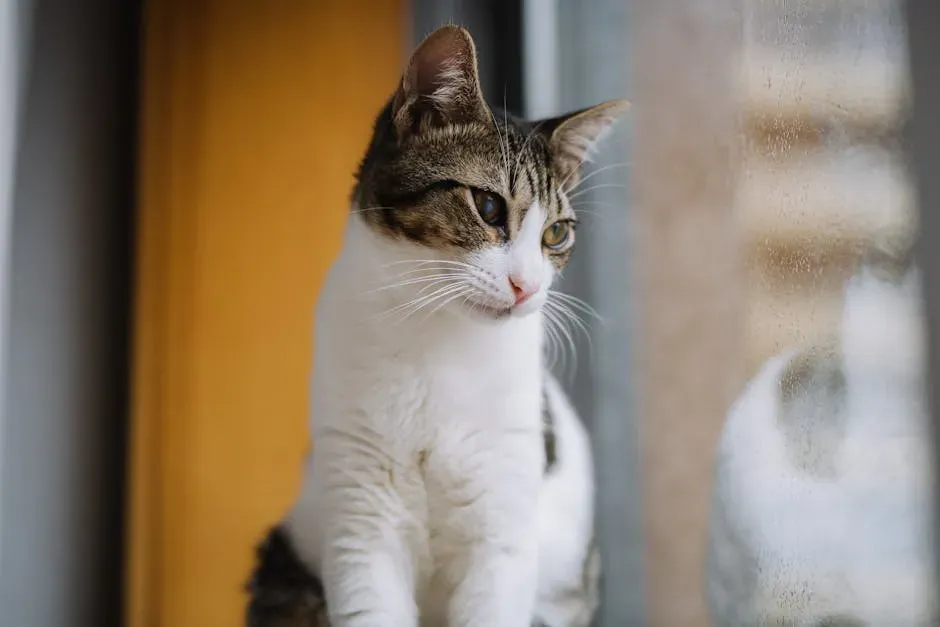
Much like humans, animals get bored when they aren't mentally engaged. Left unchecked, boredom can lead to destructive behaviors, stress, and even health issues. Daily mental stimulation engages their brains, encourages activity, and provides a sense of accomplishment. That's not a small thing. That's the difference between a thriving cat and a miserable one.
A bored animal can quickly turn into a mischievous one. Cats may claw furniture, knock items off shelves, or overeat out of boredom. Sound familiar? If your cat has developed habits that drive you up the wall, the root cause might not be bad behavior - it might be a brain that's been left idle for too long.
Mentally stimulated cats are not only happier and more cognitively healthy, they are also less likely to turn to destructive habits to occupy themselves or fight boredom. The fix, thankfully, doesn't require a renovation or a pet psychologist. It starts with small, intentional daily habits.
Puzzle Feeders: Turn Mealtime Into Brain Time
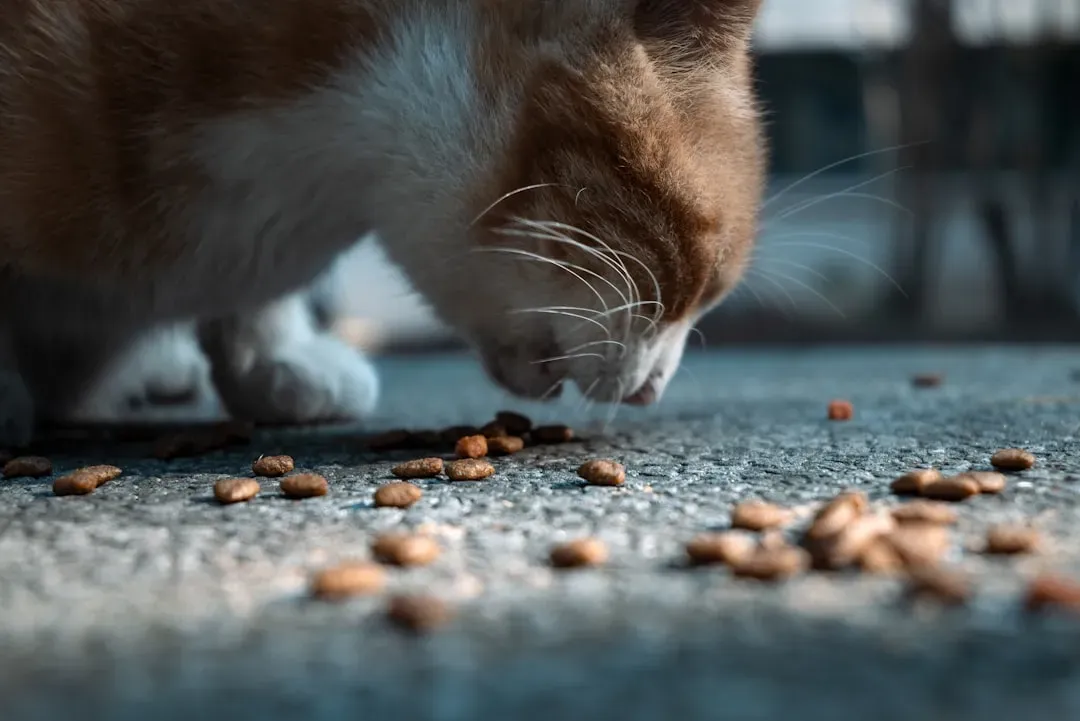
Just like dogs, cats can benefit from turning their typical mealtime routine into an enrichment activity. Puzzle feeders and interactive toys encourage mental stimulation by making your cat work for their food. Puzzle feeders dispense small amounts of kibble when your cat interacts with them, stimulating their hunting instincts and providing a rewarding challenge. It's a small swap that pays enormous dividends.
Using treat-dispensing toys is a great way to provide mental and food enrichment for your feline friend. Puzzle feeders challenge your cat to solve problems and engage with the feeder to get treats, which is great for keeping their mind active. It also makes accessing their food extra-rewarding, and it's likewise useful for slowing down cats who tend to gulp their food, which can increase the risk of choking, vomiting, or bloating. That's a win on every front.
Interactive Play: Mimicking the Hunt
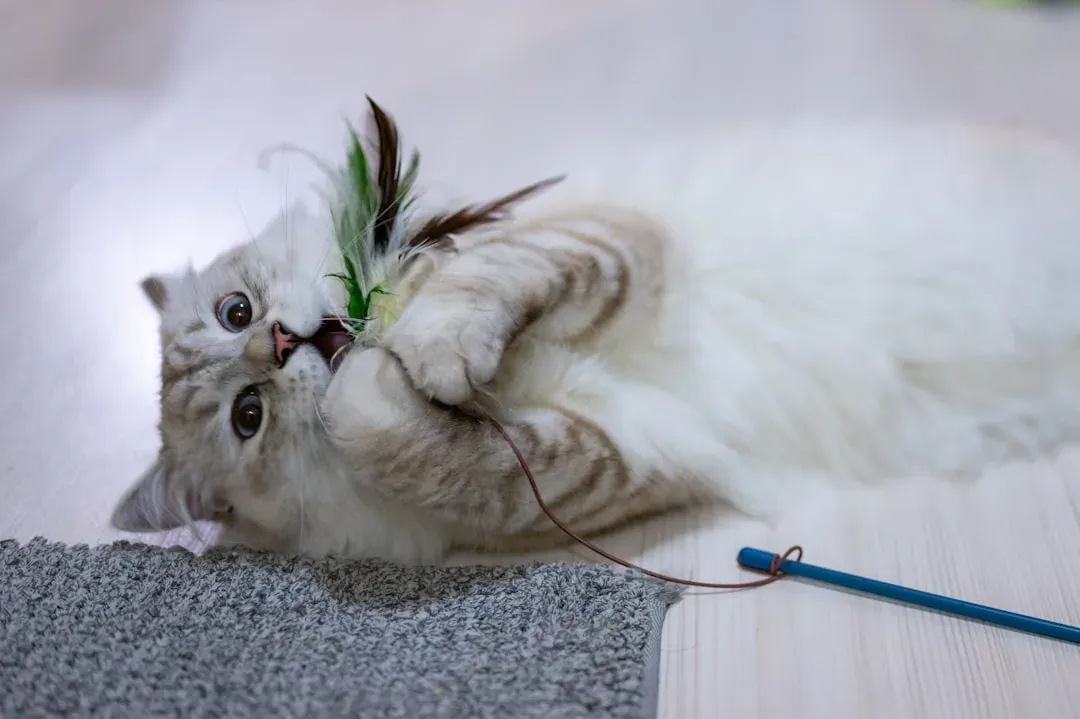
The best type of play for keeping a cat happy is interactive, where you use a toy to mimic the behavior of a cat's prey animals, either birds or rodents. Wand toys are exceptionally good for this. Make the toy on the end of the wand act like scared prey, darting away from your cat, hiding, and freezing in fear. Don't make the game too easy, but do let your cat catch the "prey" sometimes, especially at the end of the game. That satisfying "catch" at the end is important - it mirrors the reward of a real hunt.
Cats are not nocturnal - they're crepuscular, meaning they're most active at dawn and dusk. Scheduling play around these times may help keep them more interested. I think this one surprises a lot of people. You don't need to play with your cat at noon. Catch them when their natural energy already peaks and you'll get a much more engaged, enthusiastic participant. Play sessions with your cat should only be about 10 to 15 minutes long - but aim to make time for two to three daily play sessions for older cats, and up to ten sessions for kittens and younger cats.
Clicker Training: Yes, Your Cat Can Learn Tricks
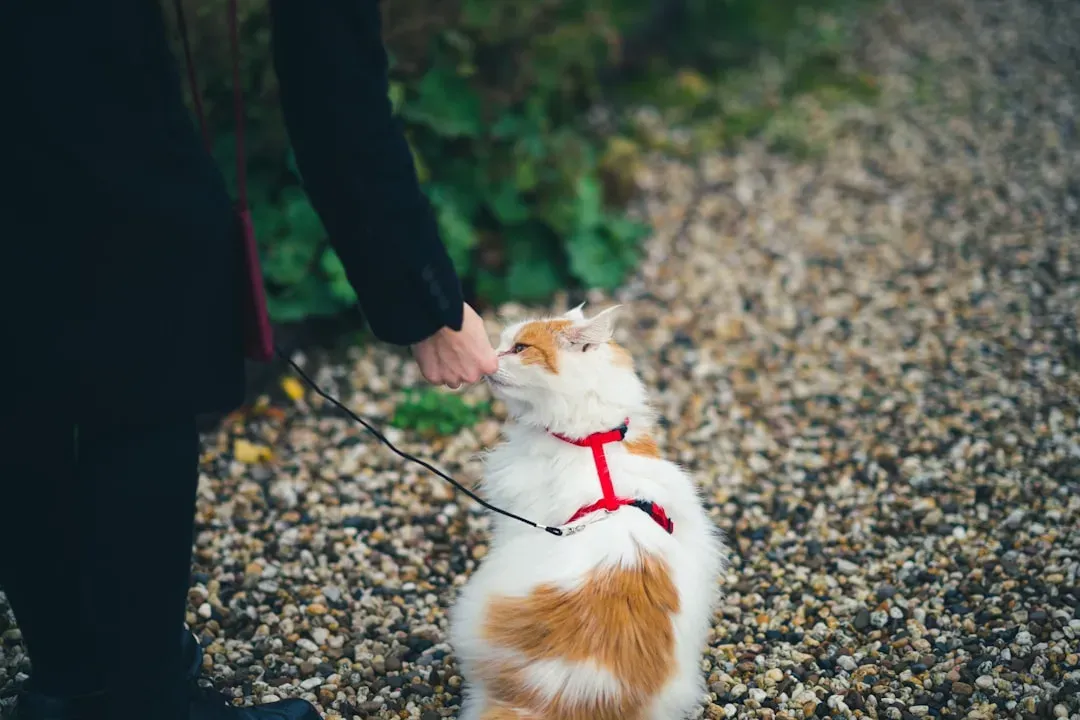
Here's something that shocks a lot of people: cats are actually trainable. Not in the reluctant, "maybe if I feel like it" kind of way that the stereotype suggests, but genuinely, enthusiastically trainable - when you approach it right. Teaching cues and tricks can provide great mental stimulation for pets. Cats can be taught to respond to any number of cues, from "sit" to "down" to "wave," and using positive reinforcement is a great way to be successful with training your cat. Not only will it be more fun for both of you, but it's also more effective and efficient - and one of the best methods is clicker training.
Training with your cat through clicker training requires your cat to problem solve while also increasing their movement, so it actually checks all the boxes for both a mental and physical workout. Think of it as a crossword puzzle for your cat - challenging enough to engage, rewarding enough to keep them coming back. Regular training sessions with a clicker will not only exercise your cat's brain, but also reinforce positive behaviors. That's a combination that's hard to beat.
The Hide-and-Seek Game Your Cat Will Love
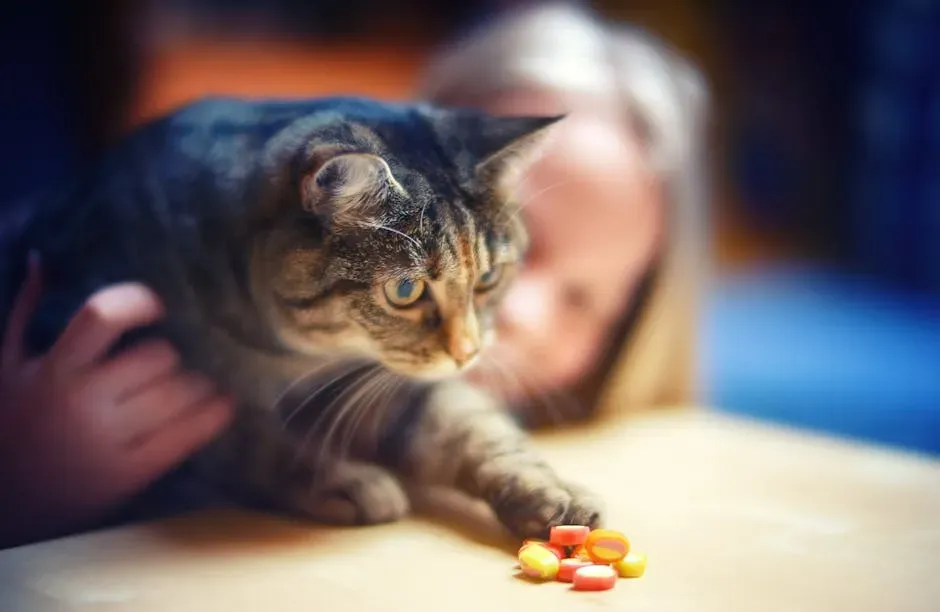
Engage your cat's natural hunting abilities by playing hide-and-seek games. Hide small treats or toys around the house, encouraging your cat to search and discover them. You can even scatter their meals into smaller amounts around the house. This activity taps into their instinctual curiosity and provides a rewarding and interactive experience. It's one of those activities that's almost embarrassingly simple but wildly effective.
Treasure hunts are a fun way to engage your cat's brain. For a cat-friendly treasure hunt, try hiding your cat's favorite toys or treats in different locations around the house, and reward your cat with high-value treats when they find them. You can even rotate the hiding spots regularly to prevent the game from becoming routine. Hide treats around the house or place a few in crinkly bags or under rugs, prompting your cat to use their senses to "hunt." Honestly, it's one of the most joyful things to watch.
Vertical Space and Window Views: Think Like a Cat
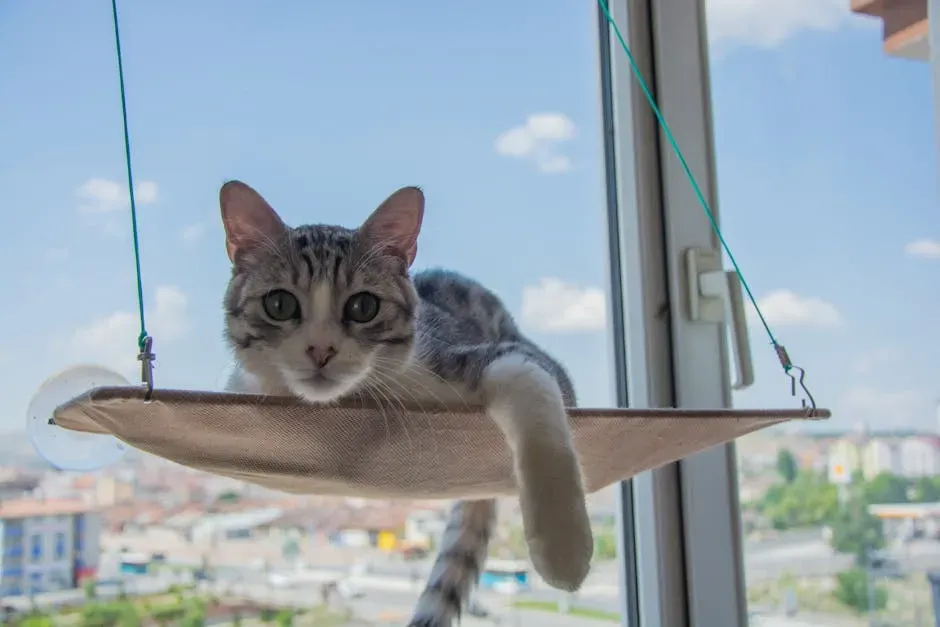
Cats love to watch the world from above - this gives them a safer vantage point for hunting in the wild. Providing vertical spaces such as window shelves and perches not only gives them an ideal spot to observe from, but it can encourage them to jump and climb. Cat trees can also provide elevated rest or play areas for your kitty, and many cat trees also have scratching posts that encourage healthy scratching behaviors.
Just like humans, cats enjoy the sights and sounds of nature. If you can place a climber or piece of furniture near a window, they'll admire the passing critters before eventually drifting off to sleep. During warmer weather, you can open the windows as long as you have secure screens in place. You can also take it a step further. Place a bird feeder outside the window to attract birds and provide a live "TV show" for your cat to enjoy. It costs almost nothing and provides hours of natural entertainment.
Sensory Enrichment: Engaging All Five Senses
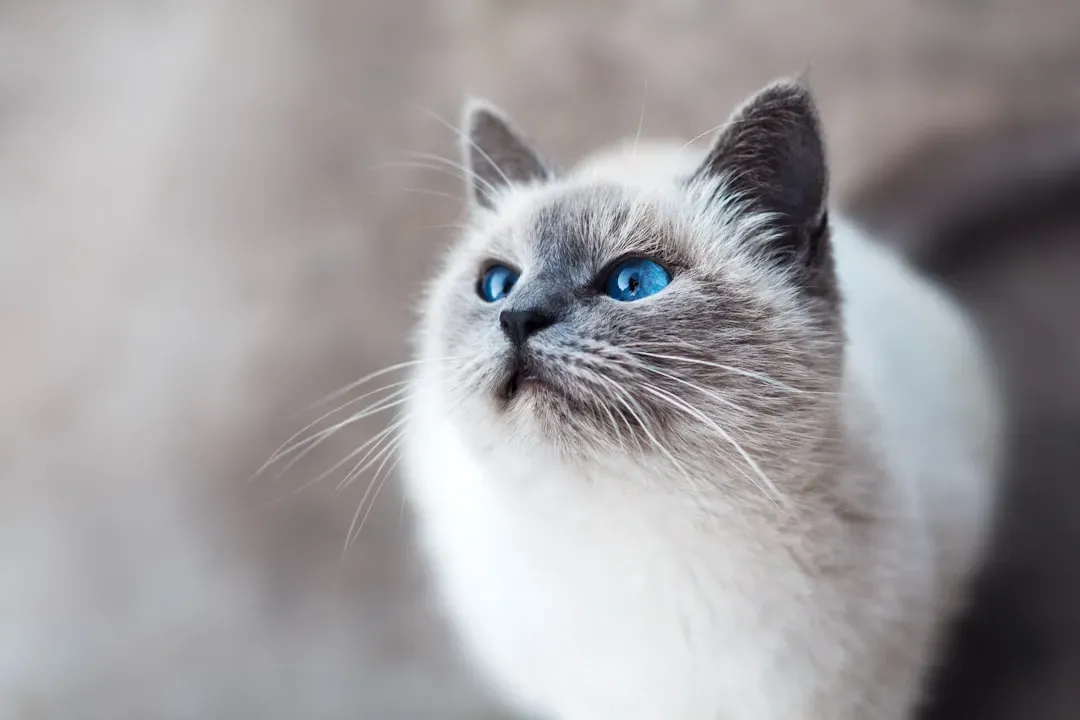
It's important to give your cat the ability to exercise all their senses - sight, smell, touch, hearing, and even taste. Sensory enrichment activities do just that - they provide new and engaging sources of sensory exploration for your cat. Most owners only think about what their cat can see or chase, but smell in particular is a dramatically underutilized sense when it comes to enrichment.
Catnip is an easy-to-use, organic compound that can make your cat feel happy, playful, or relaxed. Try sprinkling a small amount of catnip on your cat's toys or scratching post and see if they enjoy its effects. Silvervine is another herb that can make your cat playful and happy - and if your cat does not respond to catnip, silvervine may be a good option. Different cats respond differently, so it's worth exploring which one your cat gravitates toward.
Rotating Toys and Keeping Things Fresh
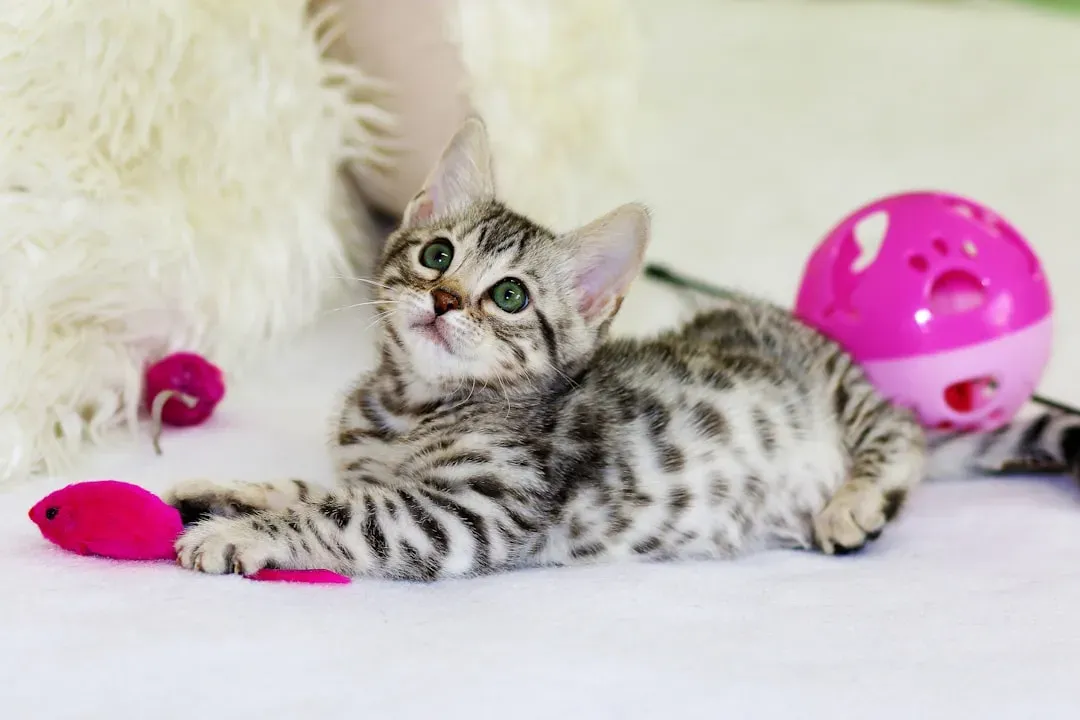
As with people, cats can lose interest even in the best toys or activities over time and be bored with the same old routine. The good news is that you can build healthy enrichment habits that keep your cat engaged day after day. Rotate toys every few days, switch up challenges, and introduce new activities to keep them mentally sharp. It's a bit like keeping a playlist fresh - the same tracks on repeat will eventually lose their magic.
When you notice your cat becoming bored with self-play toys, store them away in an airtight container with some catnip and rotate them in at a later date. This little trick makes "old" toys feel brand new again. Cats can quickly become bored with the same toys, so it's essential to rotate them regularly - this keeps things interesting for your cat and ensures they stay engaged and stimulated. You don't need to spend a fortune on new toys every week. You just need to be strategic about when and how you introduce them.
The Catio Option: Safe Outdoor Enrichment
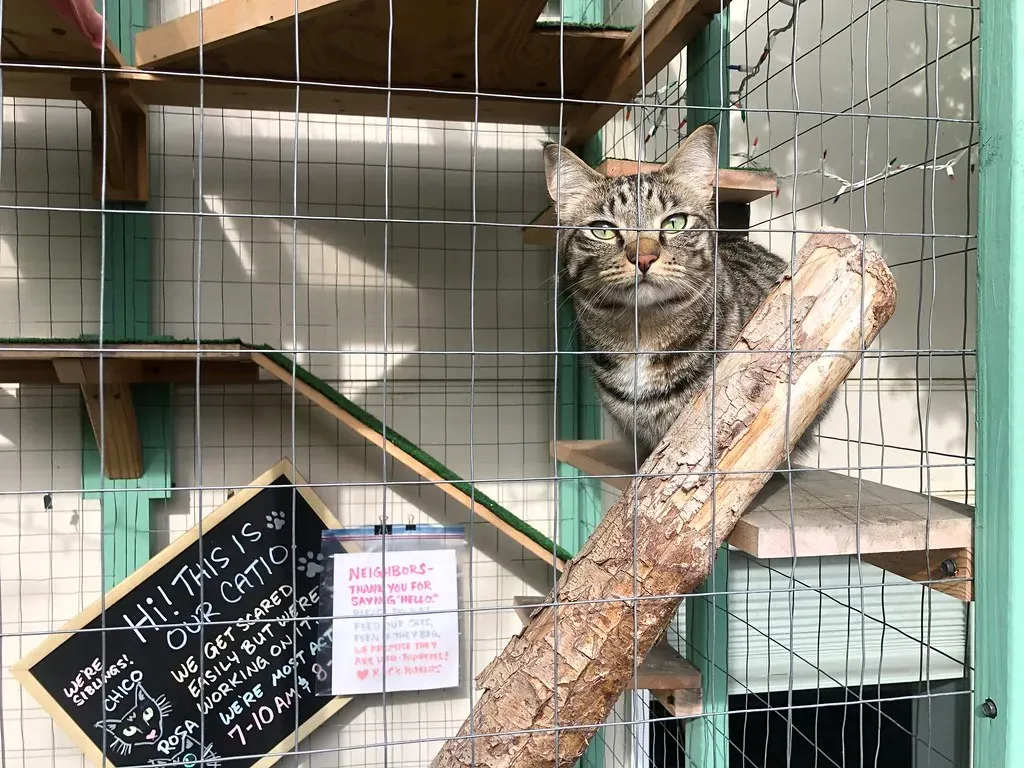
While indoor enrichment offers plenty of benefits, nothing quite compares to the sensory experience of the great outdoors. The sights, sounds, and smells of nature provide a level of stimulation that indoor environments can't fully replicate. But letting cats roam freely comes with serious risks - to their safety, and to local wildlife. That's where a catio comes in. A catio is essentially a screened or enclosed outdoor space your cat can access safely.
The freedom to explore, observe, and lounge in a natural environment helps reduce anxiety and nervous energy. Exposure to sunlight, fresh air, and novel experiences can boost a cat's overall disposition and emotional wellbeing. Cats with access to outdoor enrichment tend to exhibit fewer destructive or attention-seeking behaviors, and watching birds, sniffing outdoor scents, and navigating a dynamic space engages the mind and wards off boredom. It's one of the most comprehensive enrichment tools available to a cat owner.
Conclusion: Your Cat Deserves a Stimulated Life
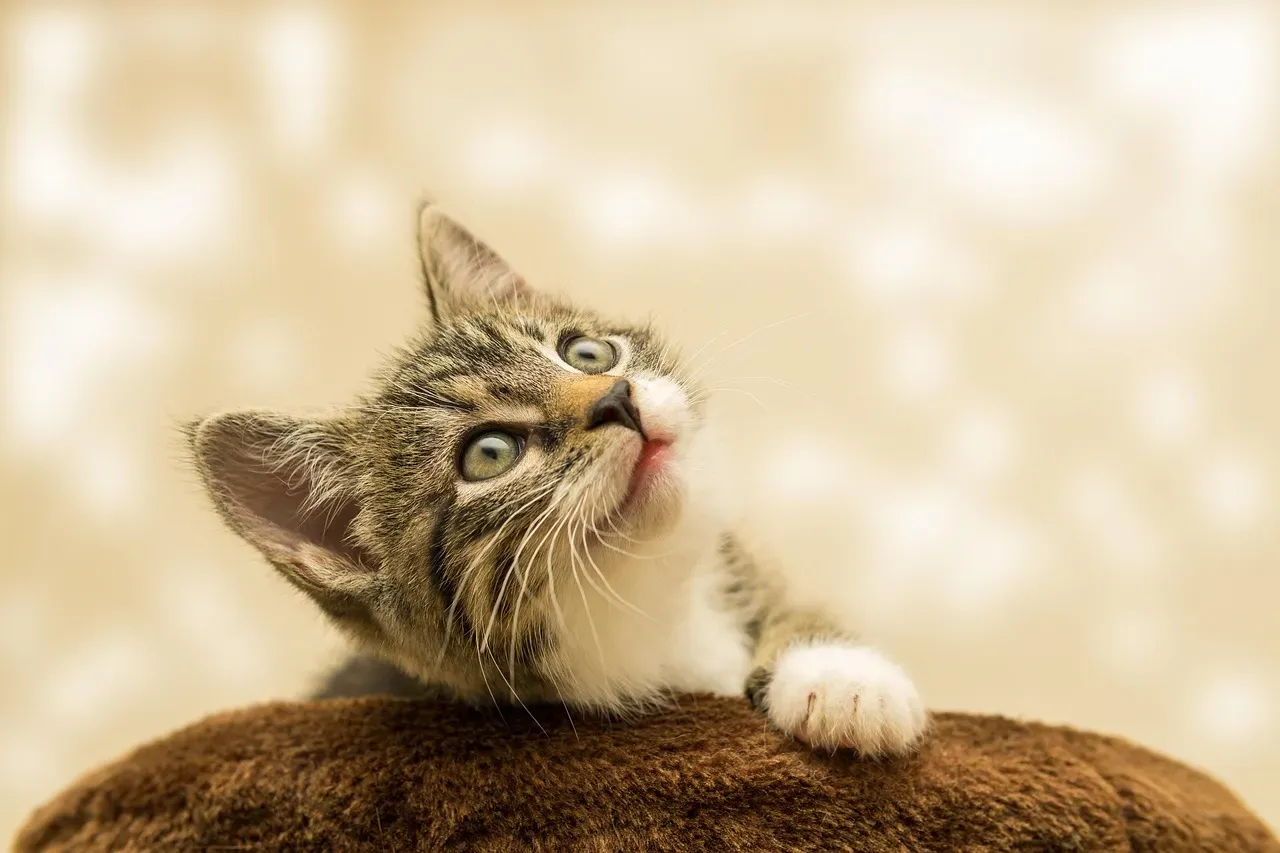
Feeding your cat is the baseline. It keeps them alive. But it doesn't keep them truly well, truly fulfilled, or truly happy. Mental enrichment shouldn't be thought of as a treat for your cat, but as a requirement for their care. That shift in perspective - from optional bonus to essential need - changes everything about how you approach your cat's daily routine.
Small, thoughtful changes to a cat's environment or routine can make a huge difference in their quality of life. Supporting your cat's instinctual needs isn't just a luxury - it's a vital part of responsible pet guardianship. Even the simplest acts of enrichment can spark joy, reduce stress, and help your feline friend live a healthier, more fulfilled life.
You already give your cat food, shelter, and love. Now imagine giving them something even more powerful - a life that feels genuinely worth living. A puzzle to solve. A game to win. A window to watch. A scent to follow. That's not spoiling a cat. That's truly understanding one. So, the next time you fill that food bowl, ask yourself: what are you feeding their mind today?