You’ve probably heard the old saying that dogs have owners, but cats have staff. Funny, sure. Mostly accurate? Perhaps. Yet there’s something that stereotype completely misses, which is the fact that cats are quietly, deliberately, and sometimes breathtakingly loyal to the people they truly trust.
The thing about cats is that they don’t hand out their trust like candy. They observe. They test. They wait. Getting a cat to genuinely consider you their closest confidant is an achievement that takes patience, consistency, and a willingness to learn a very different emotional language. So if you’ve ever wondered whether your feline friend truly confides in you or simply tolerates your presence in their home, you’re about to find out. Let’s dive in.
They Give You the Slow Blink, and It’s Not a Coincidence
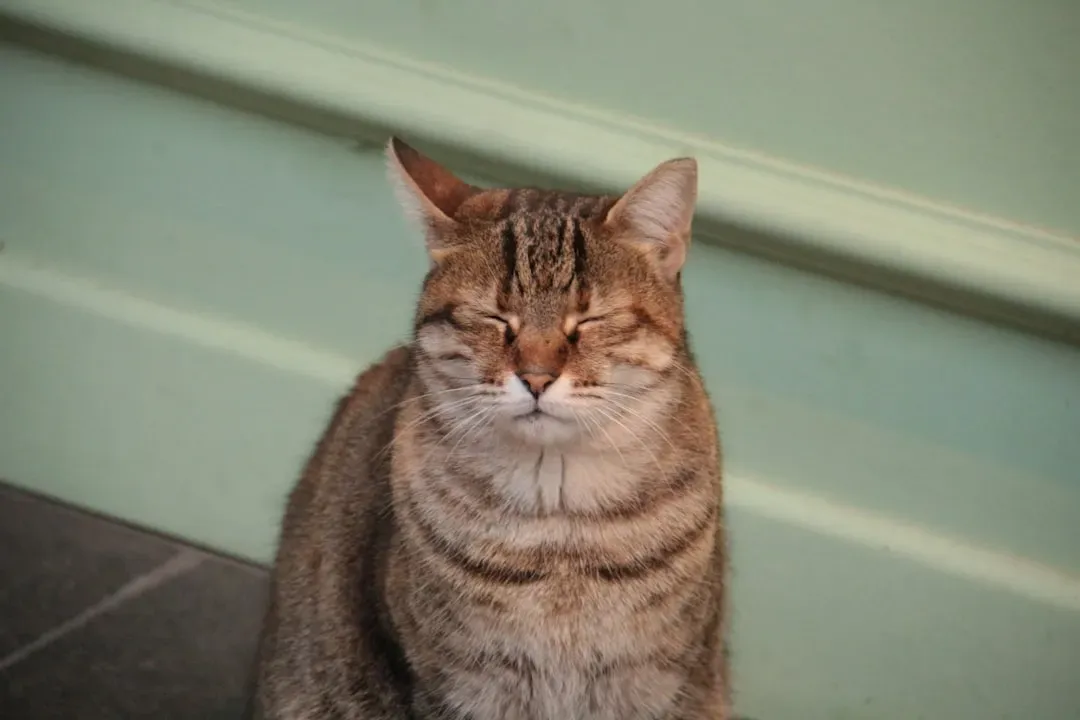
If your cat has ever locked eyes with you and then slowly, deliberately closed and reopened their eyes, you’ve just been given one of the greatest gifts in feline communication. The slow blink and wink is thought to be a cat’s way of smiling at you or showing their love, and cats slow blink to show that they’re happy and also that they trust you. It sounds almost too simple, but it carries enormous weight in cat language.
A cat’s slow blink is equal to a kiss. In the wild, keeping your eyes open is crucial for survival. If your cat looks at you and slowly closes their eyes, they are trying to be affectionate, essentially telling you they’re completely comfortable in your presence. Think of it like this: a cat closing their eyes in front of you is the equivalent of a soldier laying down their weapon. It’s a declaration of peace, and of trust.
They Sleep on You or Pressed Against You
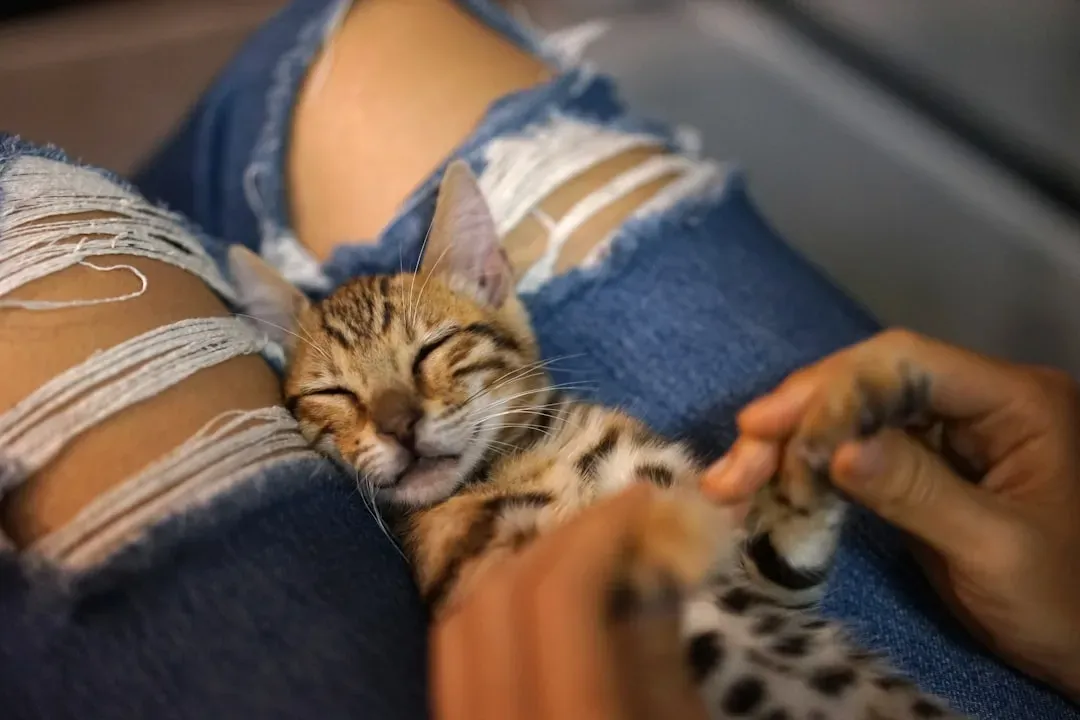
Here’s the thing about cats and sleep. They are, at their core, prey animals as much as they are predators. Being unconscious in the wild is about as dangerous as it gets. Not all cats like to sleep around their humans, and sleep is a vulnerable state, so if a cat chooses to sleep on or pressed against you, it is one of the deepest signs your cat trusts you and feels comfort.
It’s a big sign of trust if your cat wants to sleep with you because this is a time when cats are very vulnerable. It is worth knowing that for animals, sleeping with a person shows deep trust, since in that case they are completely vulnerable. When your cat curls up on your chest at midnight, they’re not just looking for a warm spot. They’re choosing you as their safe guardian, and honestly, that’s one of the most moving things a cat can ever do.
They Groom You Like You’re One of Their Own
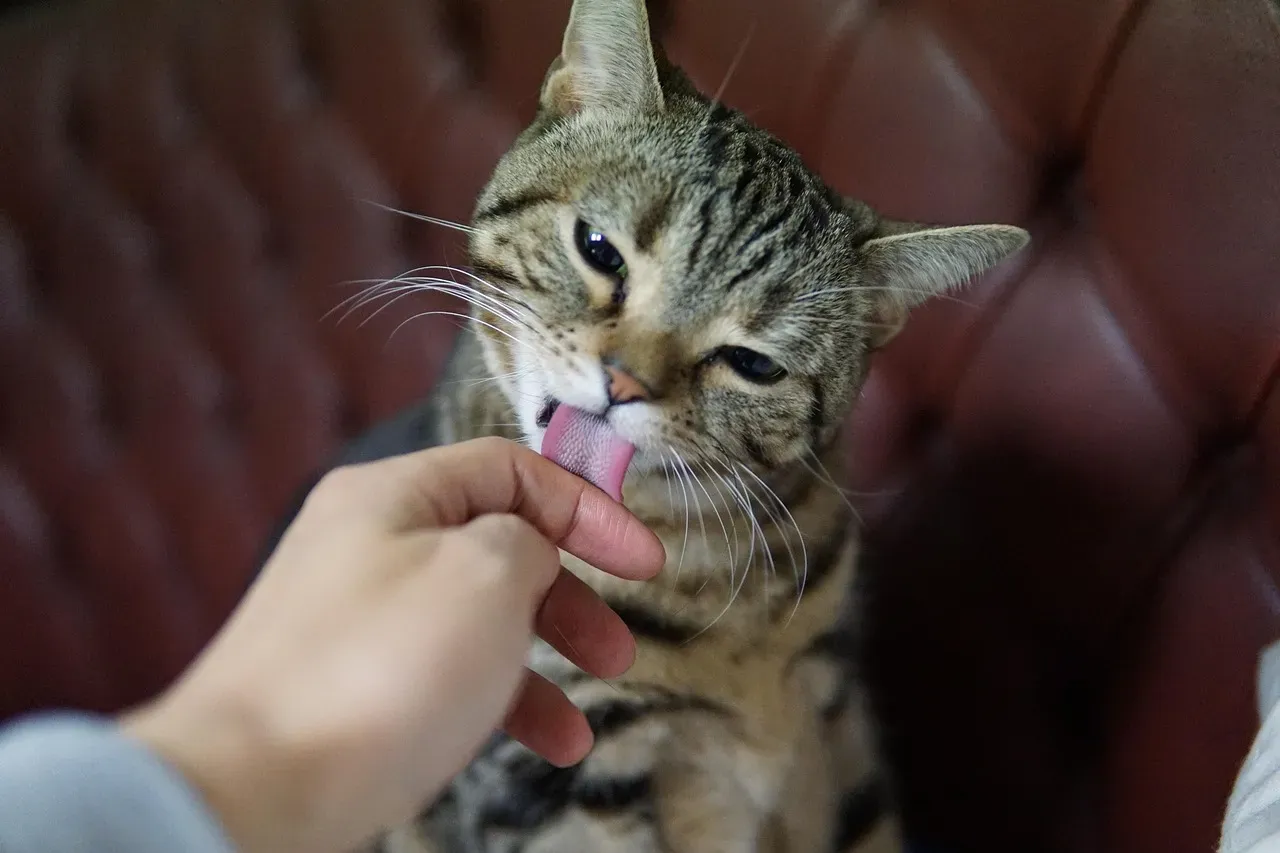
Social grooming, also called allogrooming, is a sign of social bonding and is associated with security. Cats are often solitary animals, but if they live in a bonded pair or group, they will spend time grooming each other. If your cat licks you or grooms you, this is cat behavior indicating trust and love. You might not love the sandpaper sensation on your hand, but you should absolutely love what it means.
One of the clearest signs your cat trusts you is when they groom you. When your cat licks your hands, arms, or even your face, it’s not about giving you a makeover. Instead, this is a loving cat bonding behavior and a way for your pet cat to show affection. Cats groom each other as a bonding ritual, so when they lick your hair, hands or face, it means your cat considers you as part of its tribe. Membership granted, whether you signed up for it or not.
They Knead You With Their Paws
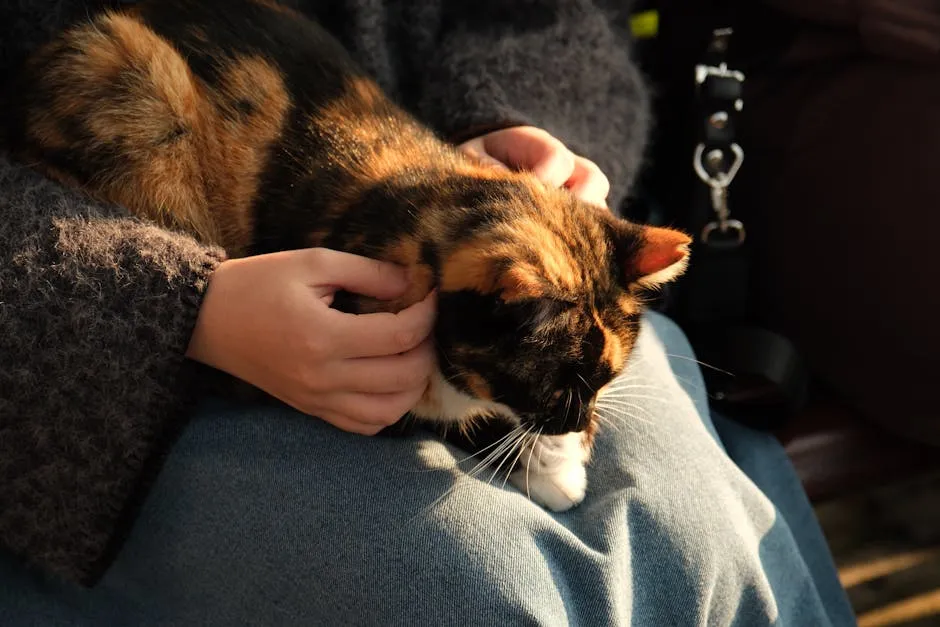
You know that rhythmic, slightly hypnotic pawing your cat does against your lap, your stomach, or basically any soft part of you they can find? That’s called kneading, and it means a whole lot more than you might think. Kneading, often called “making biscuits,” happens when a cat rhythmically flexes and relaxes their front paws against a soft surface, or even their cat owner, and this adorable cat behavior is more than just cute. It’s a sign your cat feels safe and bonded with you.
If your cat kneads you, it’s a sign that she needs and trusts you. Kneading is a holdover from kittenhood, when a baby kitty would let her mom know she was hungry and ready for milk. When your cat kneads you, she remembers the safe, happy feeling she got while kneading as a baby, and now she wants to share that with you. In other words, your cat might literally see you as a maternal figure. I think that’s one of the most tender things in the entire animal kingdom.
They Expose Their Belly to You
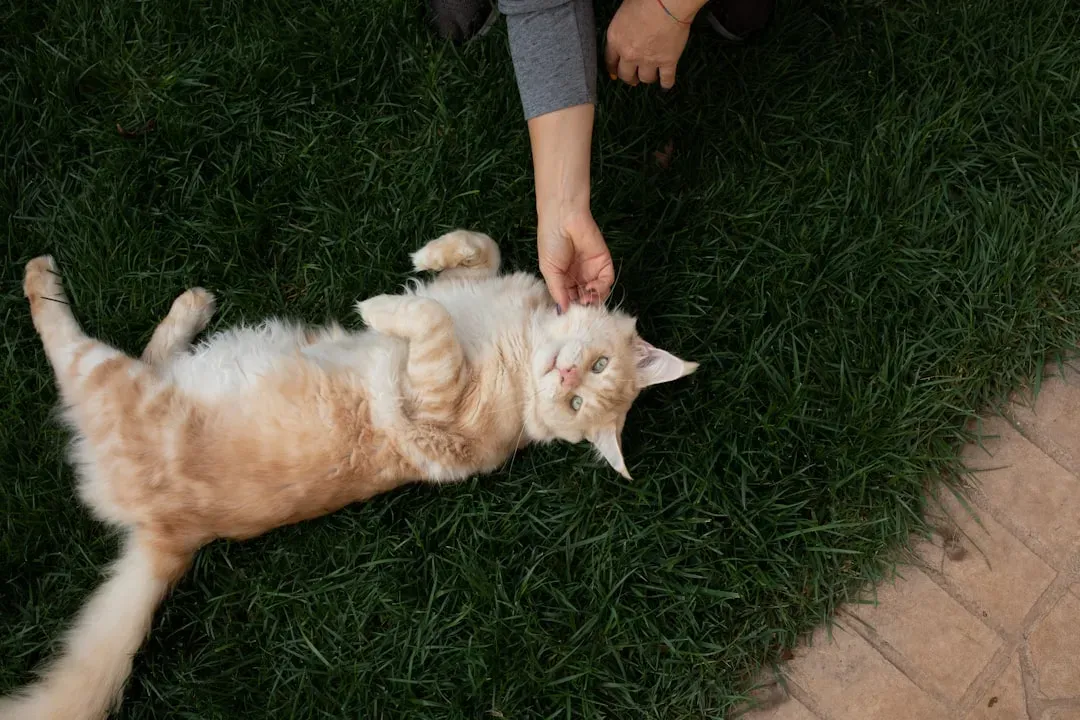
Rolling onto their back and flashing their stomach is not an invitation for a belly rub in most cases. Don’t be fooled. It’s actually something far more profound. This is often considered the ultimate sign of trust for a cat. Cats only lie on their backs and show their bellies when they are in their most relaxed state. This is not an invitation to pet your cat’s belly. They are simply communicating that they feel comfortable and safe enough to reveal one of the most vulnerable parts of their body.
Your cat’s belly is a particularly tender spot. If she rolls onto her back and exposes her belly, she’s telling you she’s comfortable being around you. This doesn’t necessarily mean your cat wants you to pet her belly, as most cats don’t actually like that. It’s mainly a sign that she feels protected when you’re nearby, since being on her back is a defenseless position. Respect the gesture, read the room, and resist the urge to go in for the rub unless your cat specifically invites it.
They Headbutt You and Rub Against Your Legs
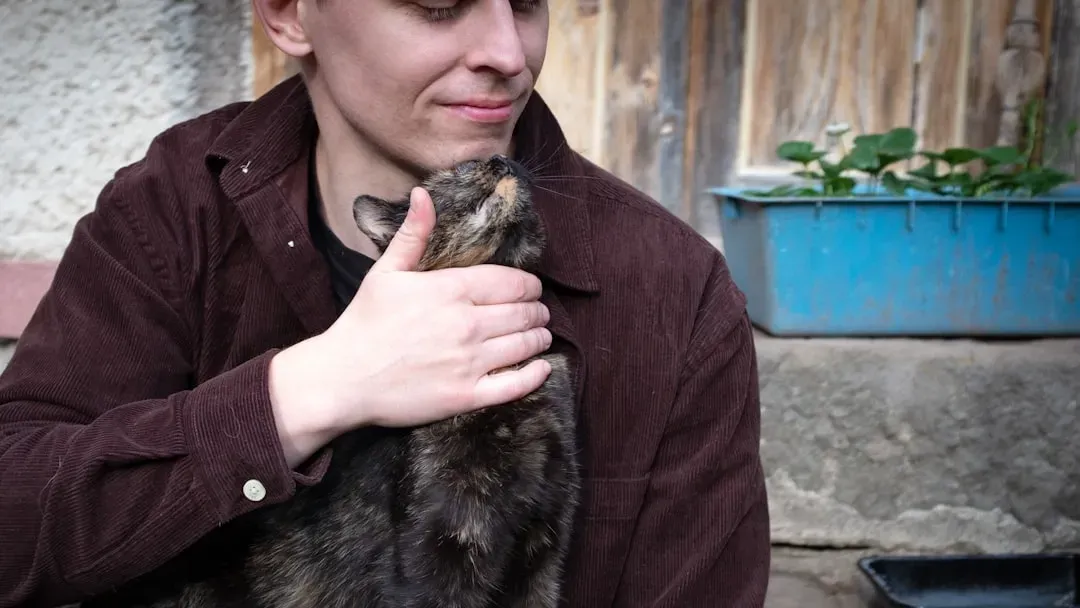
That little headbutt your cat delivers to your shin, your cheek, or your forearm is not accidental. Your cat may bump their head against you or rub their cheeks against you to show affection. This is a social behavior formed in kittenhood through headbutting other kittens and their mother. Headbutting is often an attempt to mark you with their scent to claim you as one of their own.
If your feline friend likes to headbutt you or rub their head against you, this is a sign that you’re familiar to them and they’re showing you their respect. Did you know that cats deposit pheromones on you when they headbutt? It’s a way for them to mark their territory and show that you’re safe to be around. Being marked by your cat’s scent glands is their version of putting your name on the roster. You’re family now. Officially.
They Talk to You Consistently
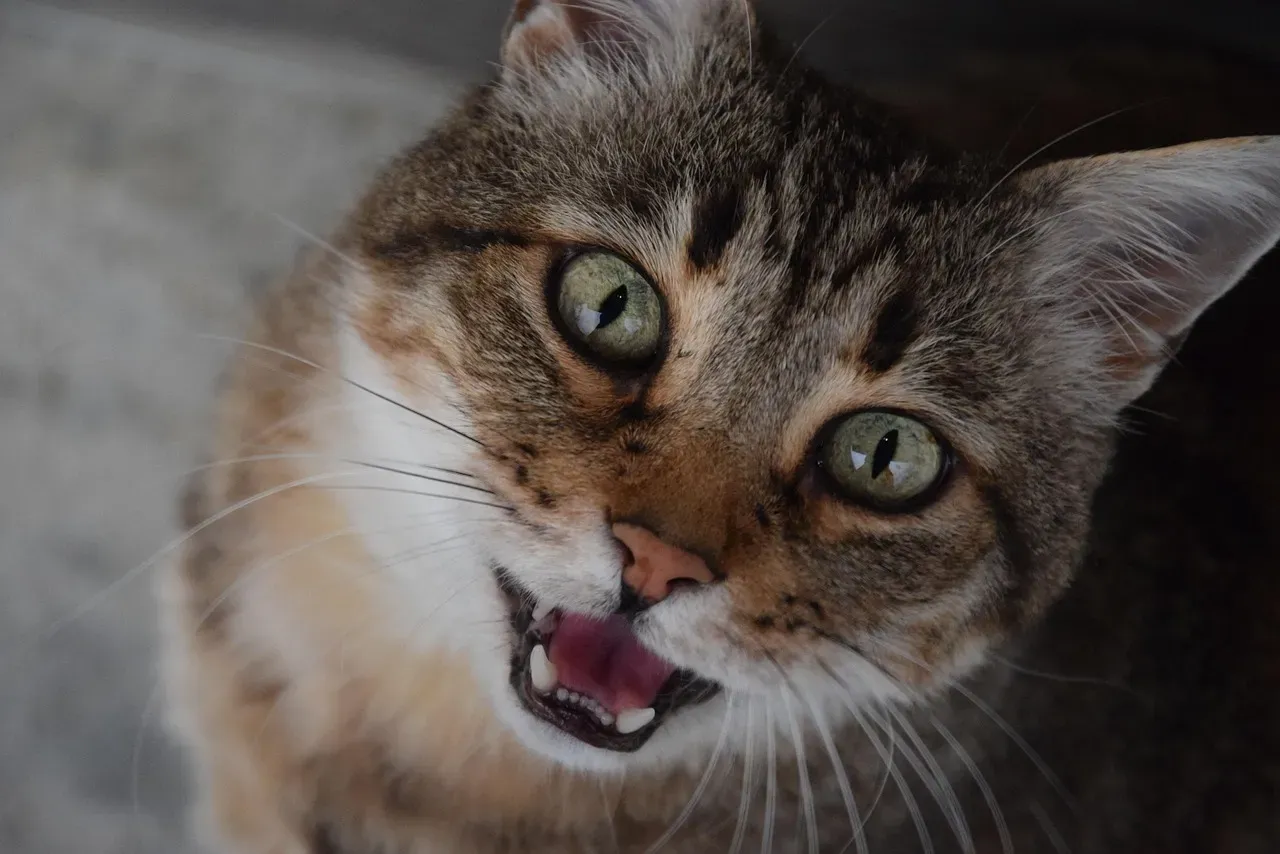
Here’s something fascinating that most casual cat owners overlook. Cats often communicate by meowing, which is interesting because cats don’t really meow at each other. They meow at their mothers, who provide them with food, warmth, and safety when they are kittens, and they meow at their people, who provide them with the same things as adults. So every time your cat meows at you, they’re treating you the way they once treated the most important figure in their early life.
Meows, chirps, purrs and more are a form of social interaction, and cats don’t do that with everyone. If your cat consistently talks to you, it is a sign that the cat feels comfortable enough to interact with you and expects a response. Trilling, a melodic, high-pitched, purr-adjacent noise, is almost always reserved for a cat’s most favorite humans and is usually performed in greeting or in gratitude after a pat or snack. So yes, talk back. Your cat is listening, and they genuinely care what you say.
They Follow You From Room to Room
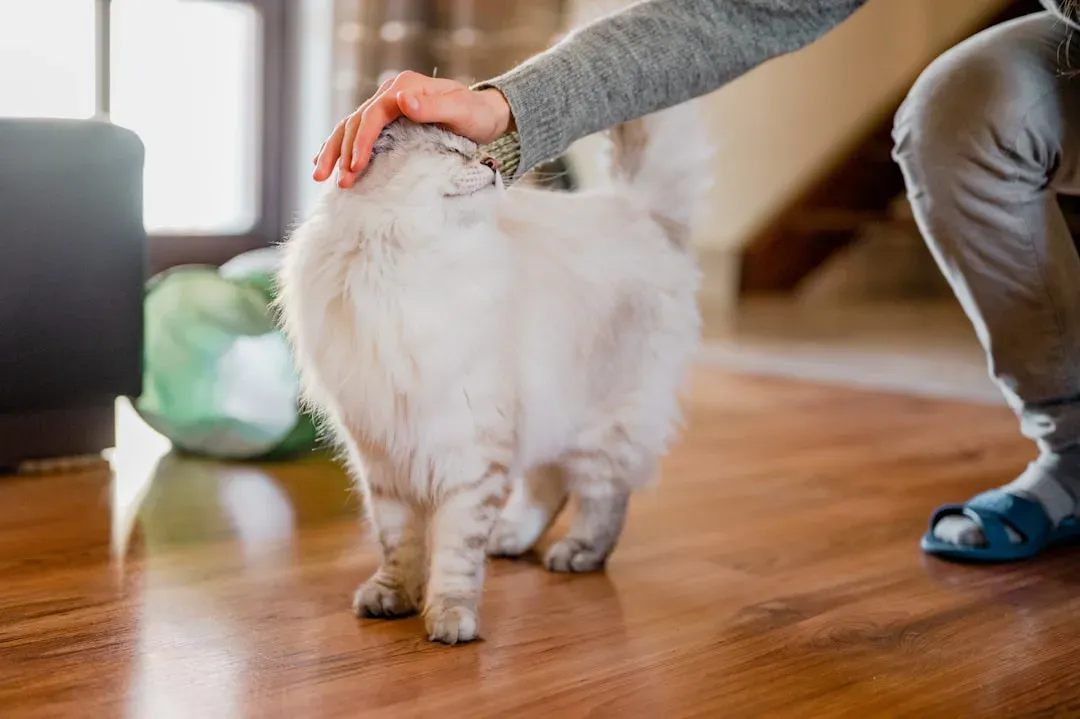
It might feel slightly unnerving when you realize your cat has been silently trailing you from the bedroom to the kitchen to the bathroom and back. It can honestly feel like being shadowed. Cats often follow those they love and trust around the home. It is similar to the greeting at the front door, where they follow behind you and keep you in sight at all times. They may also weave around your legs.
When a cat has imprinted on you, they see you as part of their safe space and a trusted companion. Imprinting is a strong emotional bond, where your cat may follow you around, seek your attention, and show affection in ways that go beyond typical pet-owner interactions. This behavior is a clear sign that your cat loves you, feels secure with you, and considers you an important part of their world. Think of your cat as a silent, furry shadow who has decided you are simply too important to lose sight of.
They Greet You Enthusiastically at the Door
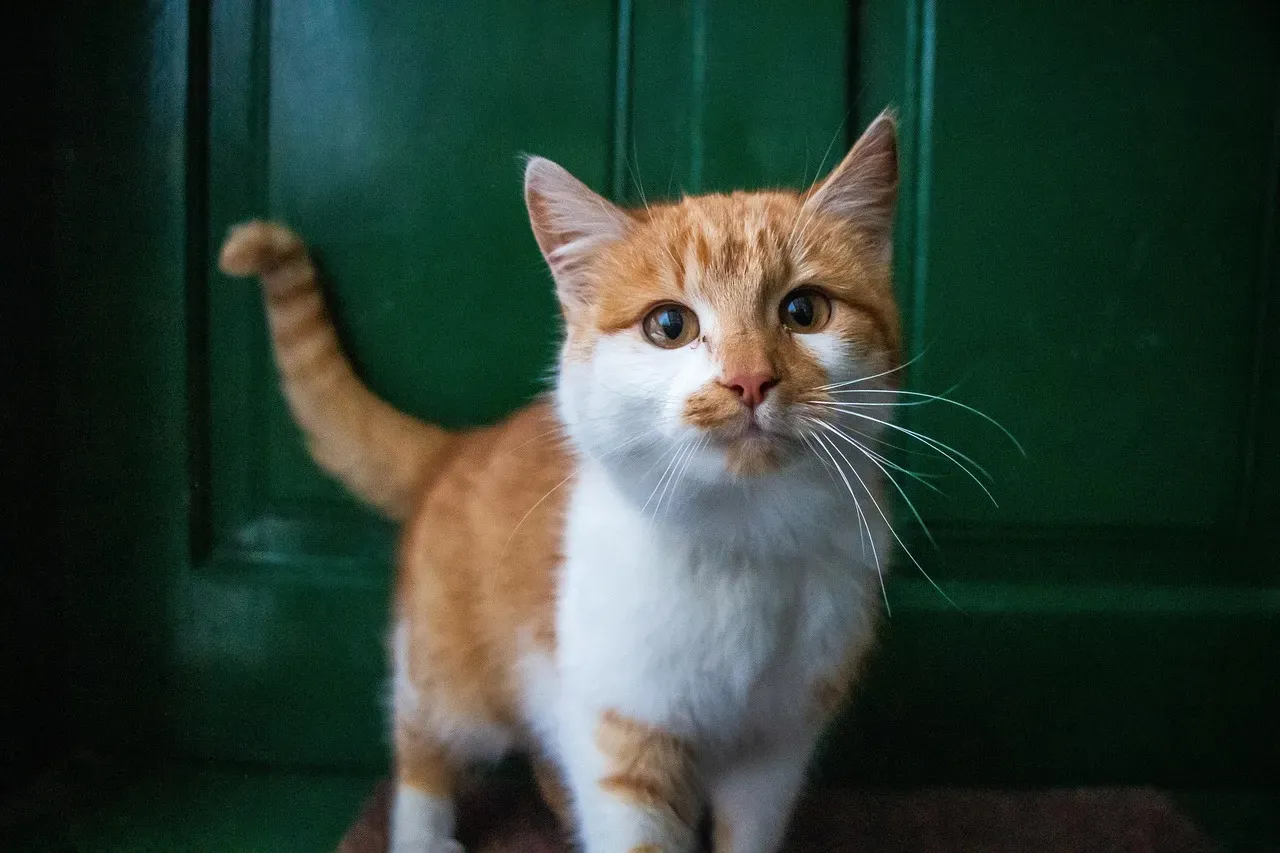
If your cat comes running to greet you when you come home, it’s a good sign that your cat trusts you. Cats are curious creatures and love to investigate when something new happens. Adult cats are also territorial and make a habit of keeping a close eye on what happens in their territory. A nervous cat may watch from afar, but if your cat comes running to greet you when you come home, this is a good sign that your kitty trusts their human companions.
Your cat is trying to show you that they missed you when they greet you at the door. This is often followed by walking in-between your legs and curling their tail around your legs. Sometimes it’s also accompanied by meowing and “rattle-tail” behavior, where your cat will shake their tail quickly. This is your cat’s way of welcoming you home. A tall upright tail as they approach you is also a compliment, as this usually indicates excitement and pleasure. It’s the feline equivalent of a standing ovation, and you earned it.
Conclusion: Your Cat Chose You, and That Means Everything
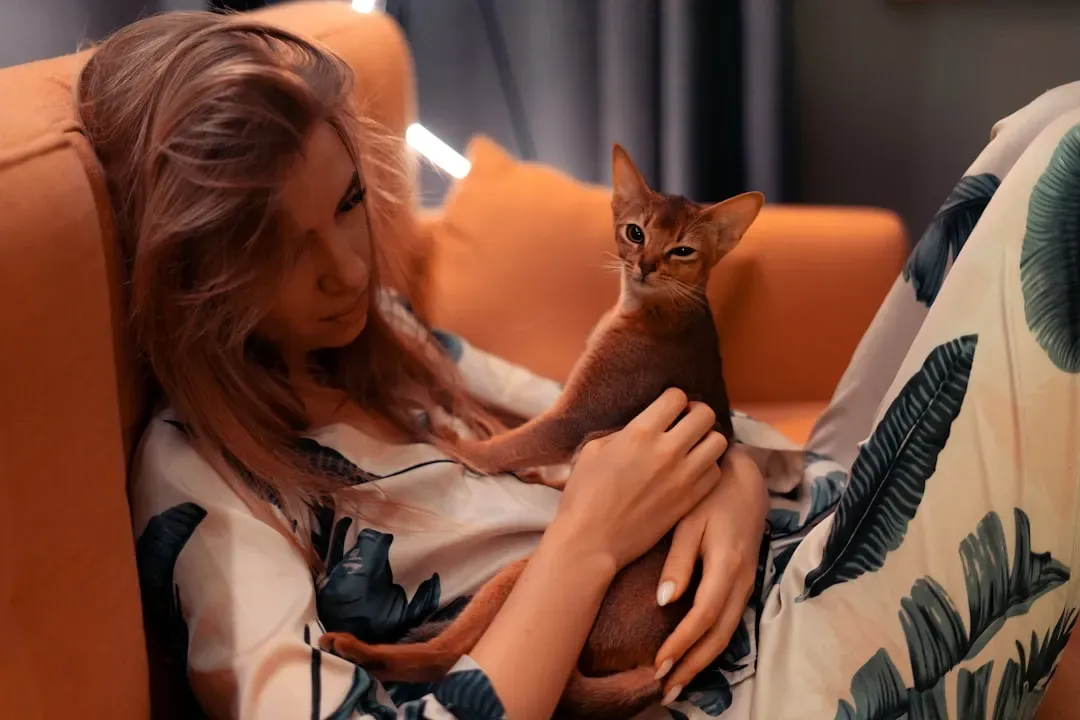
Cats are not emotionally simple creatures wearing a mask of indifference. They are complex, intuitive, and deeply selective about who gets a place in their inner world. When a cat finally accepts you as their person, it’s a big deal. It means they feel safe, comfortable, and emotionally connected to you in a way they don’t offer freely. The signs aren’t always loud or obvious, but if you know what to look for, they’re incredibly meaningful.
Research has shown that cats are capable of forming strong bonds with their human owners, similar to those formed between dogs and their owners. This bond is built on trust, affection, and mutual respect, and is important for the well-being of both cats and humans. If your cat slow blinks at you, sleeps draped across your legs, headbutts your cheek at 6 a.m., or simply follows you to the bathroom for reasons you’ll never fully understand, consider it a badge of honor. They didn’t have to choose you. They just did.
How many of these signs does your cat show you? Tell us in the comments, because every cat love story is worth hearing.
Kristina is a young writer from India. An arts graduate and an avid content creator, Kristina is passionate about animals and wildlife. She enjoys exploring topics related to pet care, animal behavior, conservation, and nature, combining thorough research with engaging storytelling.