10 Unique Cat Behaviors Only Truly Devoted Owners Will Recognize
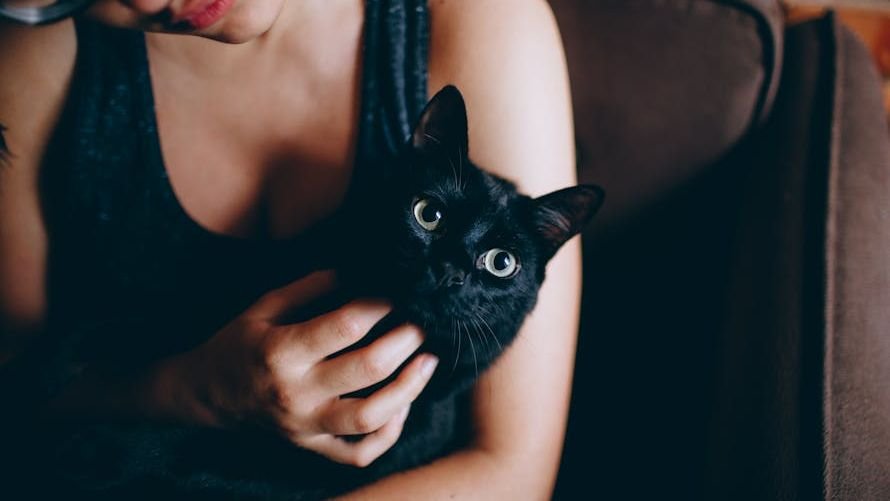
You've probably lived with your cat for years, and yet there are still moments when you catch yourself staring at them thinking - what on earth is going on in that tiny, magnificent head? Cats are a riddle wrapped in fur, and honestly, that's a big part of why we love them so deeply.
The truth is, there's an entire language your cat is speaking every single day. Most casual observers miss it entirely. Devoted owners, though - those people who have spent countless hours watching, learning, and connecting with their feline companions - start to decode it over time. It's like slowly learning to read a book written in a completely different alphabet. So let's dive in, because some of what you're about to discover might genuinely surprise you.
1. The Slow Blink - Your Cat's Version of "I Love You"
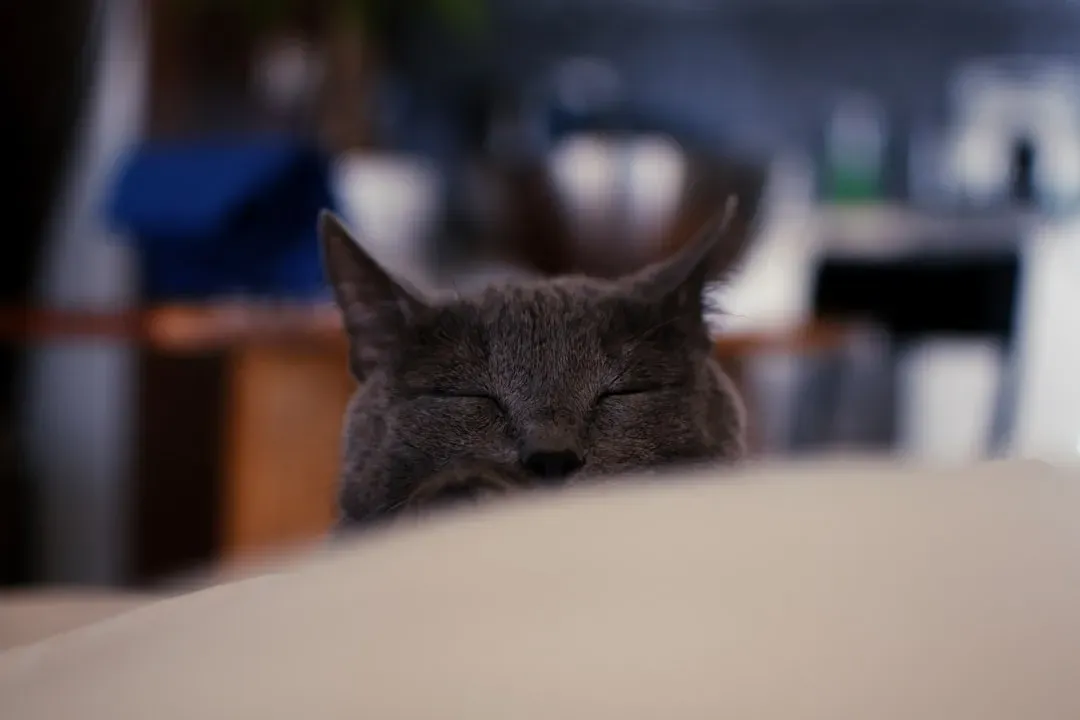
Here's the thing: if you've ever locked eyes with your cat and noticed them lazily close and open their eyes in your direction, you've just been kissed. That gentle, drawn-out blink is what behaviorists call a "kitty kiss," and it's your feline's unmistakable way of showing affection and signaling that they trust you completely. It's quiet, understated, and devastatingly sweet.
If you notice your cat looking at you eye to eye and slowly closing and opening their eyes, it essentially means that they trust and love you. You can even try it back - slow blink at them deliberately - and most of the time, if you blink slowly back at them, they will most likely continue to send "kitty kisses" your way. Honestly, it's one of the purest forms of communication between humans and cats, and it costs absolutely nothing.
2. Kneading You Like Bread Dough - The "Making Biscuits" Ritual
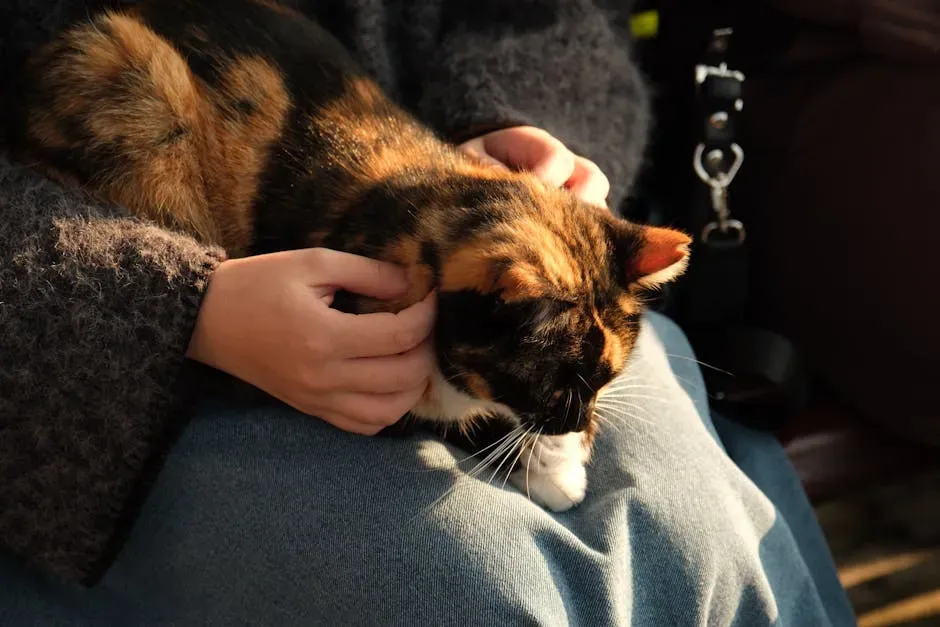
When your cat kneads your legs before sitting on your lap or settling onto a soft blanket nearby, this behavior, also known as "happy paws," stems from the movements they made as nursing kittens, stimulating milk production. This motion may be self-soothing for your cat. Think of it as the feline equivalent of comfort food. Pure, instinctual contentment.
Making biscuits also "marks" you by releasing pheromones from their paw's sweat glands, and it likely means that your cat feels very comfortable in your presence. So the next time those little claws dig into your thigh, resist the urge to move them. The American Animal Hospital Association notes that cats may also knead to create a comfortable place to rest, calm themselves, show pleasure, or mark their territory. Your cat isn't just being a weirdo - they're performing an act of love.
3. Head Bunting - When Your Cat Headbutts You on Purpose
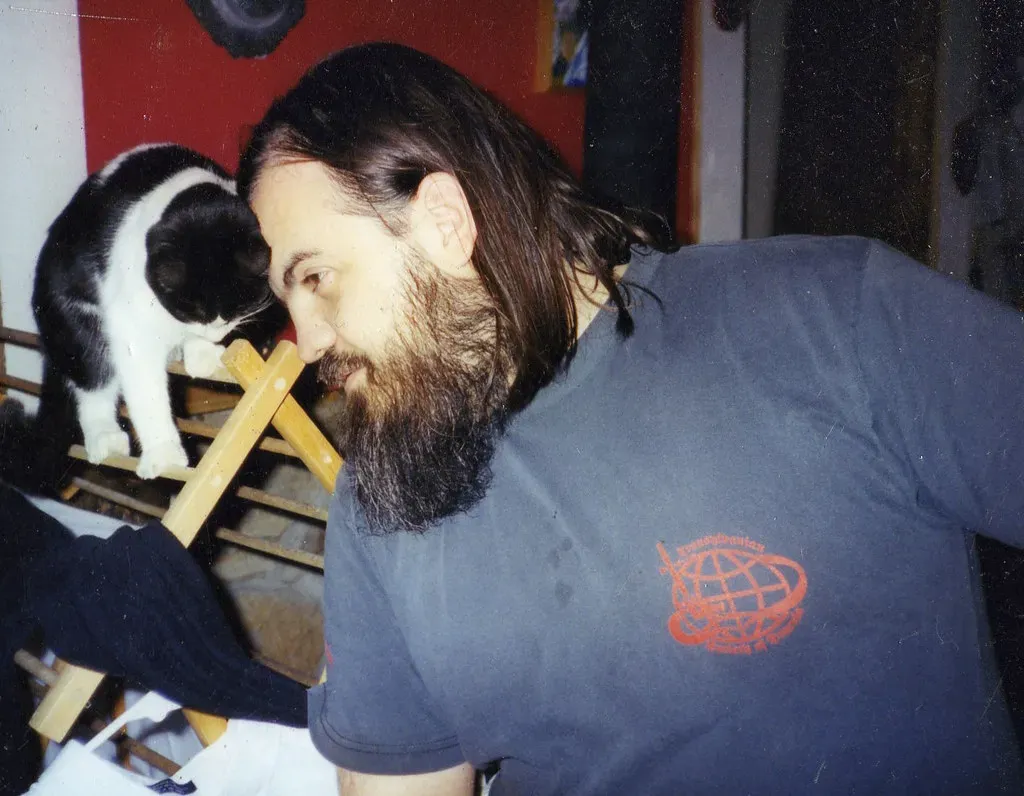
Cats rub the side of their face against you or bump their head into you to say hello - a behavior also known as "bunting." Think of this as a fist bump from your kitty. Rubbing their muzzle and whiskers deposits the feline facial pheromone onto you or whatever else they're rubbing. This helps mark the object as safe and familiar and may signify ownership by the cat - so yes, your cat may think they own you.
When your cat head-bunts you, they are mixing their pheromones with your scent, creating a "colony scent" that tells them: "This human belongs to me, and they are safe." I think that's one of the most beautiful things about cats - they don't send heart emojis. They literally claim you as theirs with an invisible biochemical signature. Cats also head bunt each other to create social bonds. You've officially been inducted into the colony.
4. Bringing You "Gifts" - The Proudest Gross Gesture in the Animal Kingdom
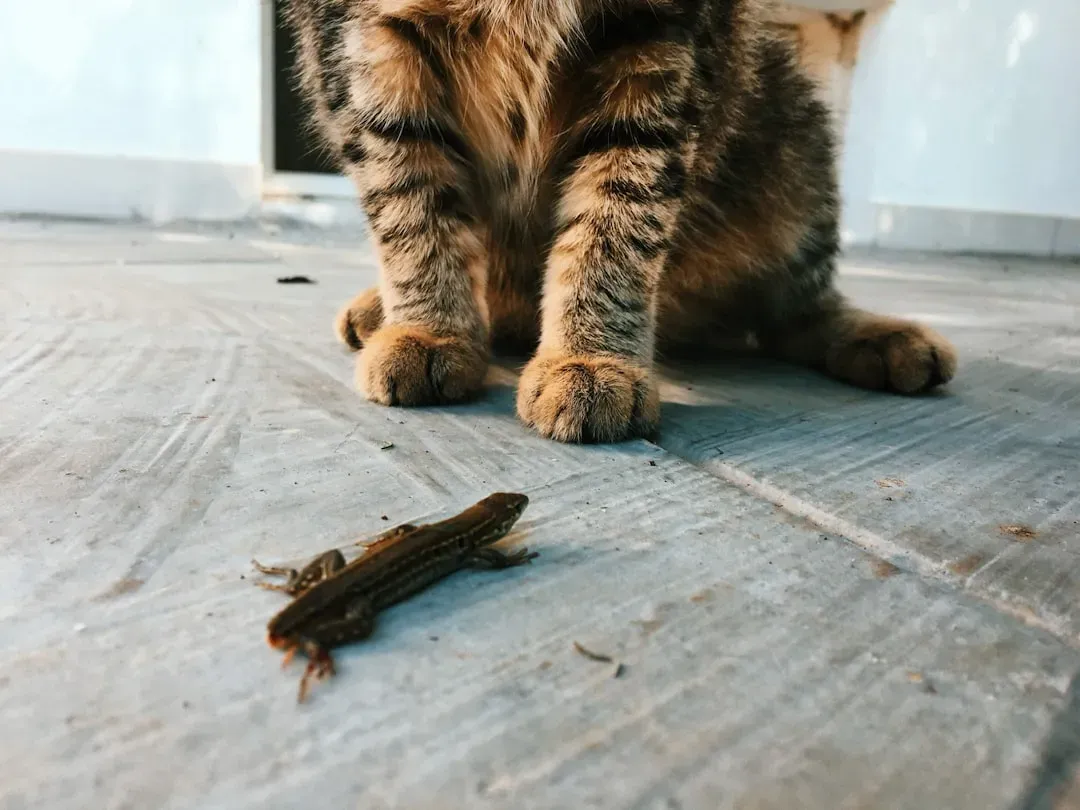
Gifts of dead prey don't bring joy to most cat owners, but they should. Your cat may share prey with you as a gift, or she may feel that you are incapable of hunting on your own. Either way, this is your cat treating you as an equal - or perhaps a slightly incompetent family member who needs a good meal.
Even though this habit may be perceived as a gross one, your cat is acknowledging you as a member of their group and is sharing their hunting success with you. They could be thanking you for taking care of them, or perhaps you pay more attention to them when they generously bring you rodents, birds, or insects. If your cat doesn't hunt real prey, they may bring you a favorite toy instead. Honestly, a toy mouse on your pillow is plenty enough of an honor, and far easier to clean up.
5. The Midnight Zoomies - That 3 a.m. Chaos Is Totally Intentional
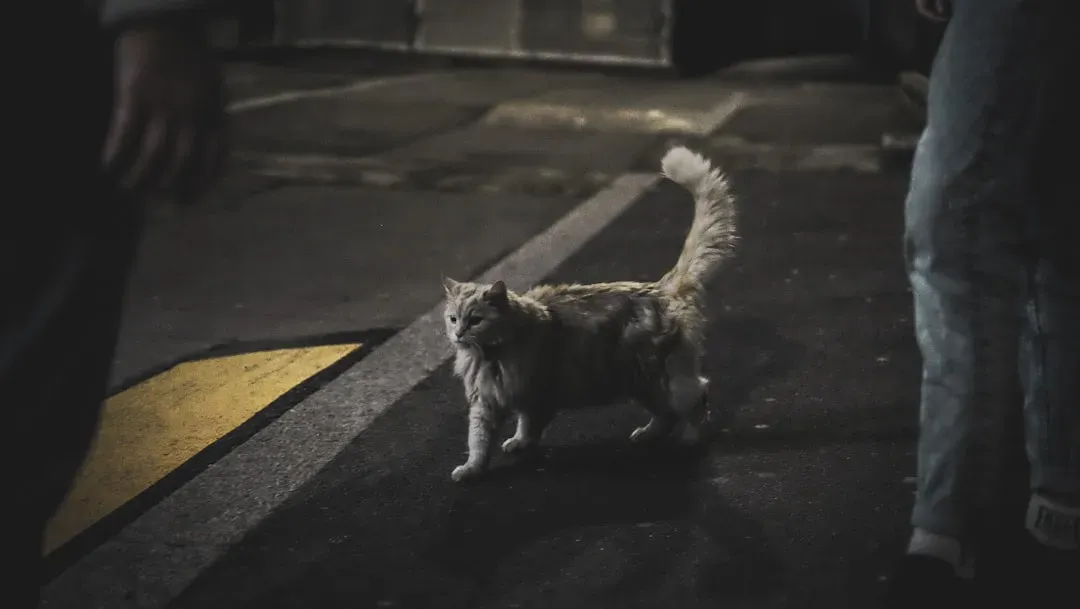
Let's be real - nothing prepares you for the sound of your cat sprinting laps around your apartment at full speed in the middle of the night. It sounds like a tiny racehorse. Most house cats have an enormous amount of energy that is pent up during the day and needs to be released, and this combined with their nocturnal instincts to hunt during the night may wreak havoc on your sleep.
Cats are crepuscular, which means they are most active at dawn and dusk. More than half of cats sleep between 12 and 18 hours a day, sometimes even more. So when they're finally bursting with energy, you're fast asleep. Regularly exercising your cat during the day is recommended to avoid random sprints throughout the house in the middle of the night. You can also try feeding them right before you go to bed, and to curb the desire to hunt at night, try providing them with food puzzles to keep them engaged. It's basically sleep hygiene - but for your cat.
6. Sitting on Everything You Own - Especially Your Laptop
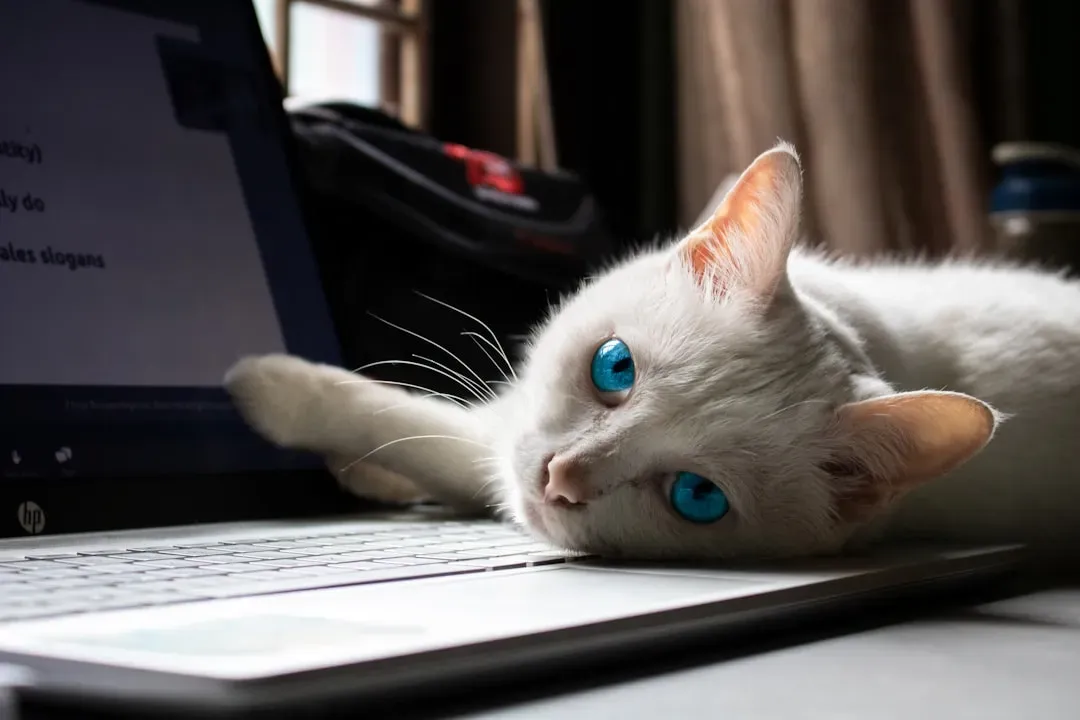
It's a somewhat common occurrence for cat owners hard at work on their laptops to get up for a snack, only to return and find their cat lounging across their keyboard. This odd yet adorable behavior has an explanation. Cats may sit on or near electronics like computers because they're warm and have stimulating images on their screens. Your device is basically a heated throne, and your cat is royalty.
Cats might lay across a keyboard or sit on a TV to get attention. They interrupt what you're doing so you're forced to pay attention to them instead. You might also notice your cat sitting on your things, especially those you use - laptops, books, or even papers. This behavior can come from the comfort of the warmth of your laptop or territory marking, and it can also be a sign of seeking your attention. In other words, your cat has decided your deadlines are less important than their need for affection. Hard to argue with that logic.
7. Chattering at Birds Through the Window - Primal Frustration in Action
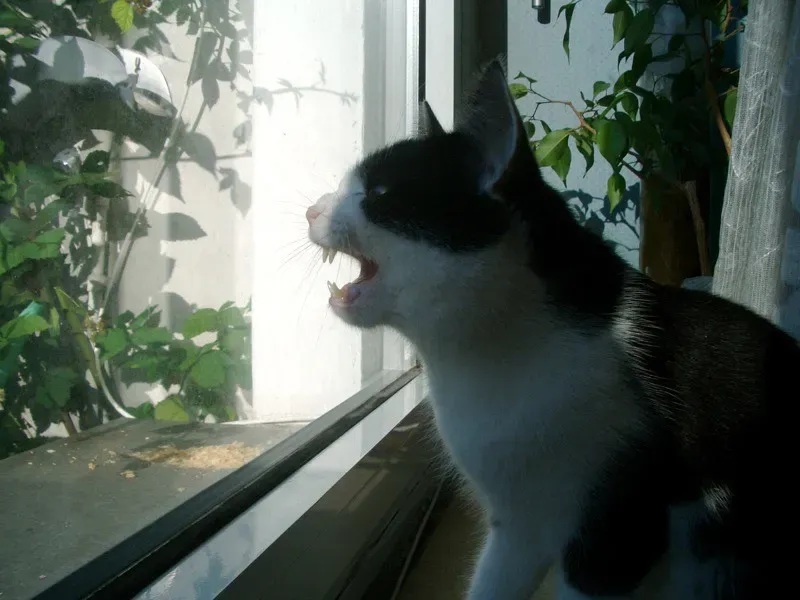
You might have seen your cat staring intently out the window at birds or squirrels while making a fast, clicking, or chattering noise. This is a fascinating aspect of cat behavior, an instinct or reaction to seeing prey they cannot immediately reach. It's like watching someone see their favorite food on a restaurant menu, only to be told the kitchen is closed.
Behaviorists speculate that this is because your cat is frustrated that they cannot get outside to hunt prey. They may also be excited and slightly aggravated. Others say that this strange jaw movement may be your cat's natural instinct that allows their muscles to prepare for the act of killing prey. It's hard to say for sure which theory is correct - maybe it's a mix of all of the above. Either way, that little chattering jaw is one of the most uniquely feline sounds you'll ever witness, and it never gets old.
8. Squeezing Into Impossibly Small Spaces - The Comfort of the Tiny
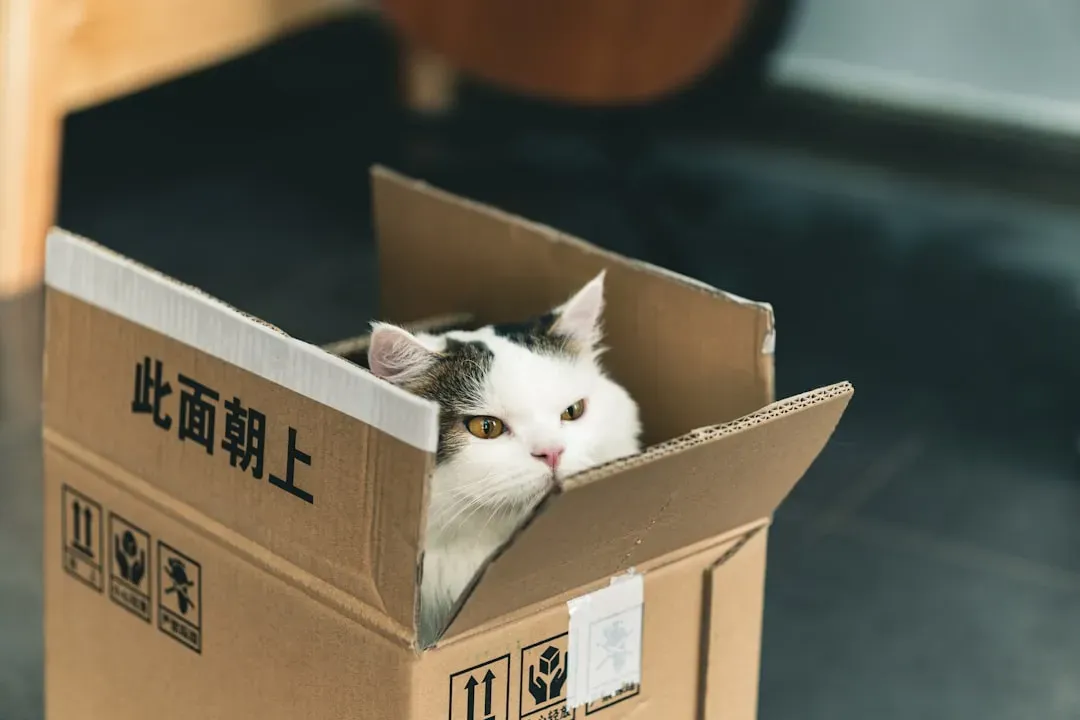
Cats can fit themselves quite comfortably into many small spaces and may often choose a seemingly uncomfortable nook or cranny over the cushioned cat bed you bought them. Cats choose these smaller spaces because they make them feel secure. This behavior stems from evolution - if they were out in the wild, they would want to snuggle in tiny spaces and observe their surroundings from a hidden safe zone.
The swaddling effect that comforts human babies also benefits cats. They can create this hugging benefit by squeezing into boxes to calm their stress. Think of it as your cat's personal meditation room - a place where the world feels contained, predictable, and safe. It's important to respect your cat's hang-out space. When they are in it, don't reach in and disrupt their safe place. It helps cats to have a human-free zone where they can relax. The expensive cat bed collecting dust in the corner? Completely irrelevant to a cat with a shoebox available.
9. Allogrooming - When Your Cat Licks Your Hair or hand
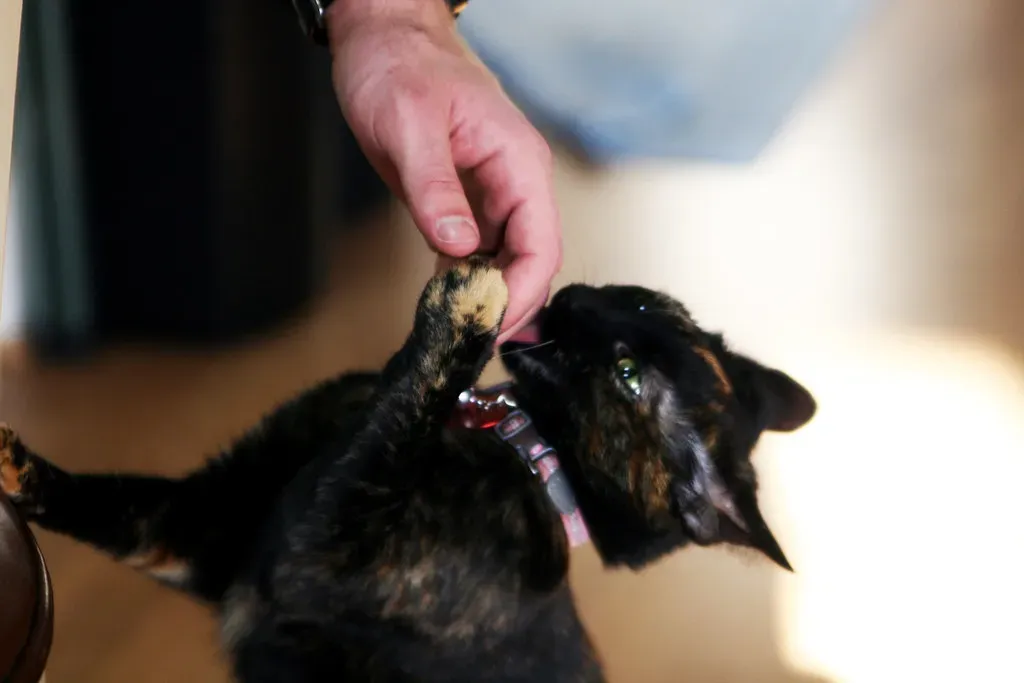
Allogrooming - when your cat tries to lick or groom your hair - is your cat's way of showing they consider you part of their family. This is not random or accidental. Your cat has literally decided you need grooming help, and they have generously volunteered their sandpaper tongue for the job. They are using behavior that they would use toward their mother - all the behavior they show toward us is derived in some way from the mother-kitten relationship.
Grooming is what mothers do back to kittens, so cats are using bits of behavior already in their repertoire to communicate with us. It's one of the most tender things a cat can do, and it's easy to brush off as odd or annoying. Devoted owners recognize it for what it really is - the highest compliment your cat can pay you. You are family. You are colony. You are theirs.
10. Following You From Room to Room - The Shadow You Never Asked For
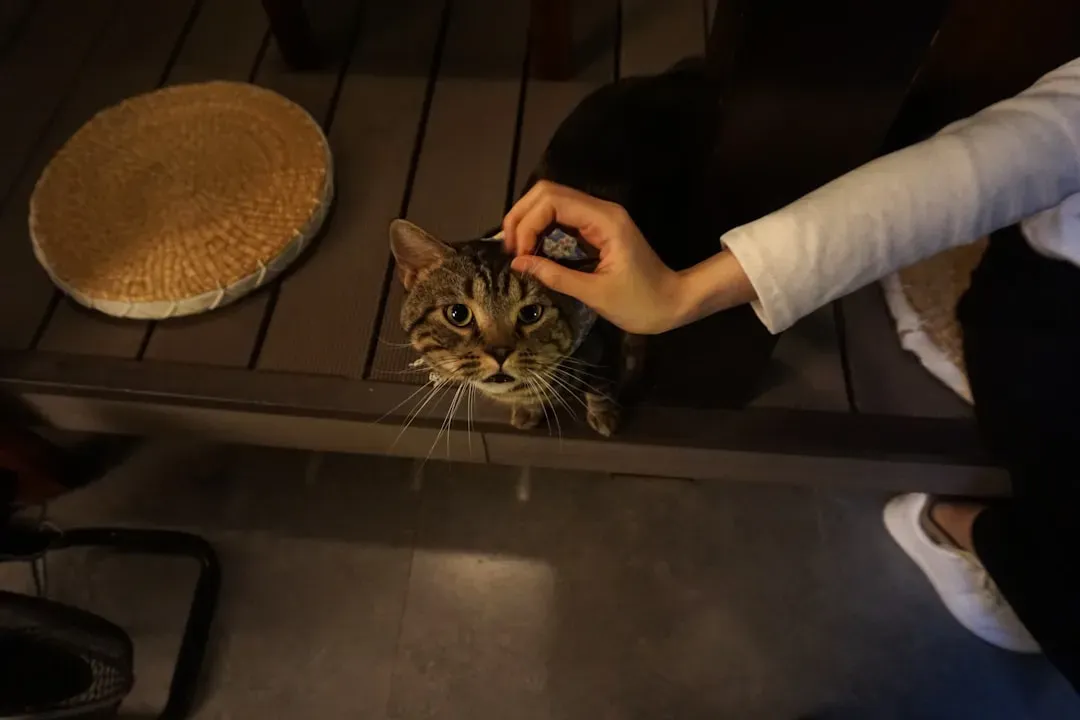
Cats sometimes follow their owners around the house because they feel comfortable and secure in their presence. You might have almost tripped because of this, as they may stick to your feet, following you into every room you enter. Most people assume cats are solitary, indifferent creatures. Devoted owners know better. That little shadow trailing behind you is a profound statement of trust.
Cats who are attached to their humans will solicit attention from them by approaching them, often with a tail held straight up, meowing or pawing at them. They also tend to follow their owners from room to room, albeit sometimes at a distance. Science is slowly approaching proof of what many cat lovers already know: cats form close bonds with their owners or other chosen special people. The cat trailing you to the bathroom at 6 a.m. isn't being clingy - they simply can't imagine being anywhere else. That, right there, is devotion.
Conclusion
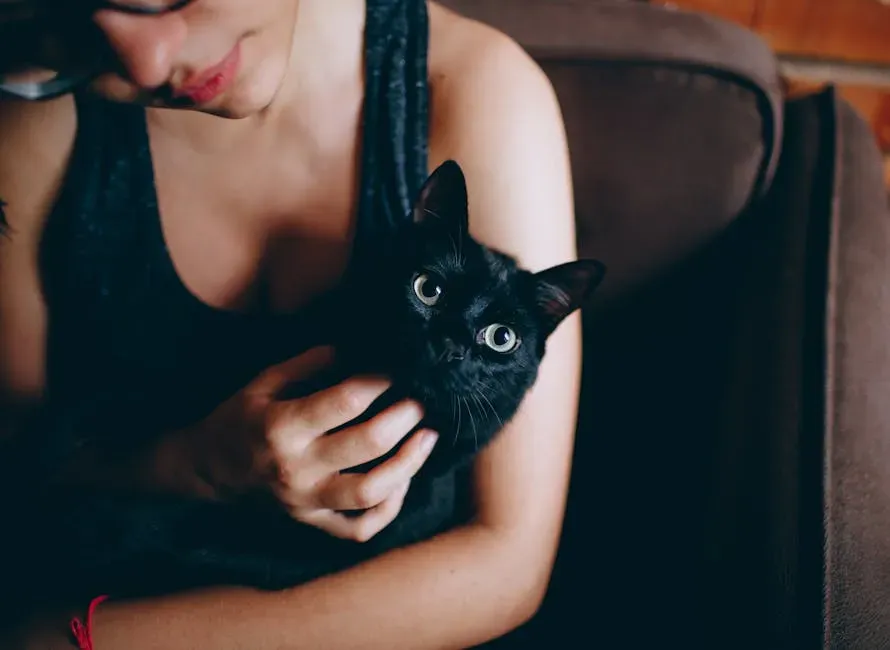
Cats don't love loudly. They don't wag their tails, jump into your arms, or bark with joy at the front door. Their affection is quiet, layered, and entirely deliberate. Every slow blink, every headbutt, every midnight sprint down the hallway is a sentence in a language that only the truly devoted take the time to learn.
The more you understand what your cat is actually communicating, the richer and more rewarding that bond becomes. It's not just about knowing your cat - it's about being known by them in return. Your cat's behavior is your gateway to connecting with them on a deeper level. When you can interpret their signals and behavioral changes, you'll know how to respond and what to do to help. The moment you learn what your cat is trying to tell you, you can provide whatever they need.
So here's the real question worth sitting with: how many of these behaviors have you been unknowingly ignoring? Your cat has been talking to you this whole time. What do you think about it? Share your own cat stories in the comments - we'd love to hear which behavior on this list surprised you most.